Garden Blog - Top Tropicals

Date: 22 Mar 2017

Condo Mango
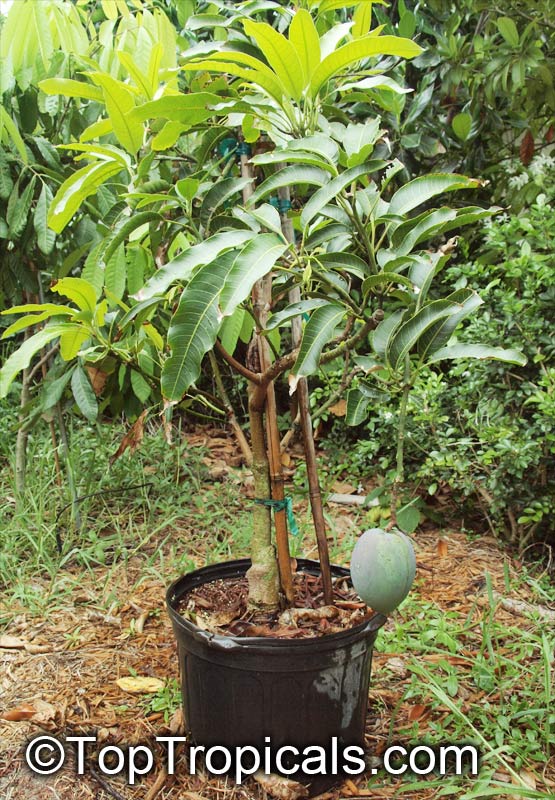
Q: I was curious about indoor fruiting mango trees. I live in upstate New York and was thinking about trying to grow an indoor tree for fruit. I have a small heated greenhouse. Is there a variety that can be grown from seed that would suit my purposes and if not what is the most economical way I could obtain a cutting or small grafted plant? I keep my greenhouse around 60F in the winter and have no supplemental lighting. Are there any varieties that may work in a sunroom or other well lit indoor location?

A: There are many dwarf varieties of mango suitable for container culture. They are called "condo mangoes".
The most popular condo varieties are: Carrie, Cogshall, Cushman, Fairchild, Graham, Ice Cream, Julie , Mallika, Nam Doc Mai, Pickering. You may read more about them in our online catalog. You may also look into variety Lancetilla which is also a compact tree, and produces one of the biggest size fruit, up to 5 pounds. If you want some rare variety that hardly anyone else has - try Baptiste, an exotic Haitian dessert mango.

Your greenhouse should work for the winter time. Mango trees can take as low as mid 40s during winter and even lower as long as that cold is occasional. If you keep the temperature around 60, this should work well for over wintering. Just make sure to reduce watering to a minimum, because cool temperatures, low light and wet soil - is a bad combination for tropical plants, especially for mango trees which prefer to be kept on a dry side.

Many indoor gardeners have fruiting mango trees in their collection. However, keep in mind that the most important requirement for a mango is full sun. While you may over winter the plant for a few months in a low light conditions, in order for it to flower and produce fruit it needs lots of light. If moving the tree into full sun your yard during the summer is possible, this would be the best solution.

We always recommend SUNSHINE boosters for both over wintering tropical plants in colder climates, and for indoor gardening. SUNSHINE applications will help your tree to cope with cool temperatures and low light conditions. This will also dramatically increase flowering and fruiting performance. Another important factor for keeping your container plant healthy is quality of your potting soil. We offer a special professional mix that contains lots of good stuff: coconut fiber, peat moss, pine bark, and perlite. Fertilizing potted plants is also very important during the warm season, because this is the only way for them to get nutrients (which in the ground can be reached by spreading root system).

As far as seedlings vs. grafting - the only way to have a nicely fruiting mango tree is to plant a grafted variety. Seedlings start producing only after 8-15 years, and the quality of such fruit may be questionable. Only grafted plants can guarantee the desired taste of a variety. Besides, grafted mangoes start producing immediately - you may see fruit forming on plants as small as 3 ft, in 3 gal containers. However, during the first 1-2 years you will need to remove extra fruit and leave only 1-2 fruit so the plant doesn't get exhausted and has enough energy to establish strong root system.

For fun stories about growing mango, check out our Radio Show recording YO Tango Mango!

Date: 16 Mar 2017

Up to 25% off on all green plants!

Q: Can you recommend a plant that brings a good luck?

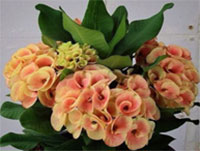
A: On St Patricks Day, they talk about lucky clover. But did you know that your odds of finding a 4-leaf clover are about 1 in 10,000? There is a much better solution - try beautiful Crown of thorns - Euphorbia millii, exotic hybrids from Thailand. They are the easiest plants to grow, drought tolerant, and everyblooming. Chinese grow them as plants of fortune. When the plant produces 8 flowers in an inflorescence, they will be lucky. We see 8-flower blooms in our garden all the time, how lucky we are! So stick with us and get lucky.

Date: 9 Apr 2024

How to start a tropical garden?

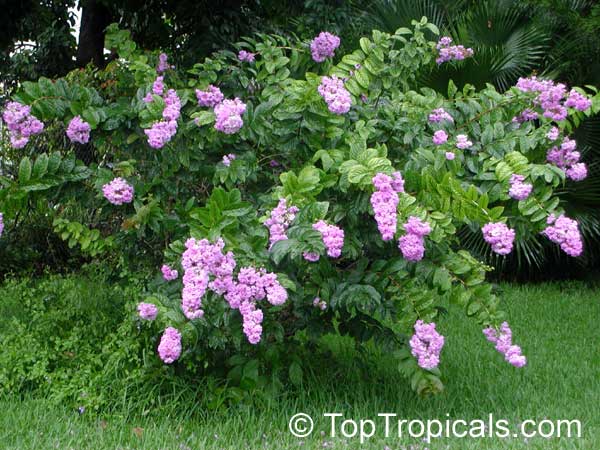
Lagerstroemia

Photo above: Lagerstroemia speciosa - Queen Crape Myrtle. Gorgeous flowering tree with cascades of lilac flowers. One of the most popular trees in Southern gardens.

Q: It's spring, finally! I can't wait to plant my paradise garden with lots of tropical flowers. We moved into a nice new house but the yard has nothing but grass. Where do I start?

A: When you start your garden from scratch, you need to plant your trees first. It's a perfect timing!
Getting tropical flowering trees now is really important for making your garden strong and beautiful. Trees are like the bones of your garden, giving it shape and shade. If you plant them in spring, they have enough time to grow strong roots before winter. This helps them survive better.
Trees also give shade to other plants so they can grow well too. It's like building a house - you need to start with the frame before adding other parts. So, it's a good idea to get those trees now before moving on to shrubs and vines.
Remember to provide regular fertilizing program which is the most important during season of active growth. The more food your tree gets, the stronger and faster it grows! For flowering trees, we recommend Sunshine Boosters Megaflor formula.

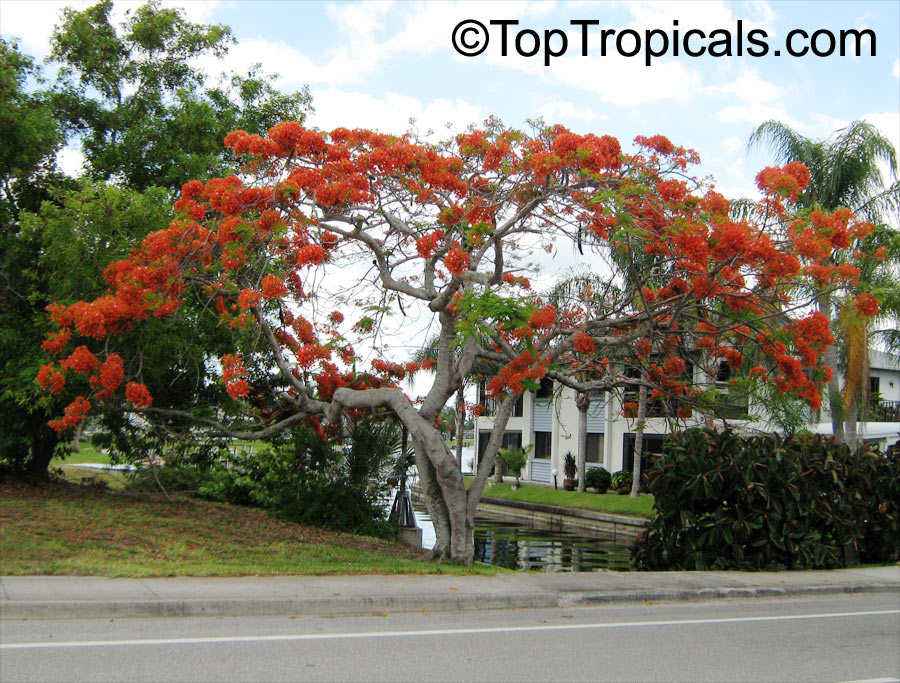
Royal  poinciana,  Flamboyant  tree,  Delonix  regia

Photo above: Royal poinciana, Flamboyant tree - Delonix regia."The Royal Poinciana is one of the most spectacular flowering trees in the USA, and probably among the top 10 on this planet. In full bloom, it is like a regal elephant caparisoned in red and yellow brilliance."(Larry M. Schokman, The Kampong, National Tropical Botanic Garden)

Date: 27 Jan 2024

Valentine Sweetheart Hoya:
a must gift for your Valentine

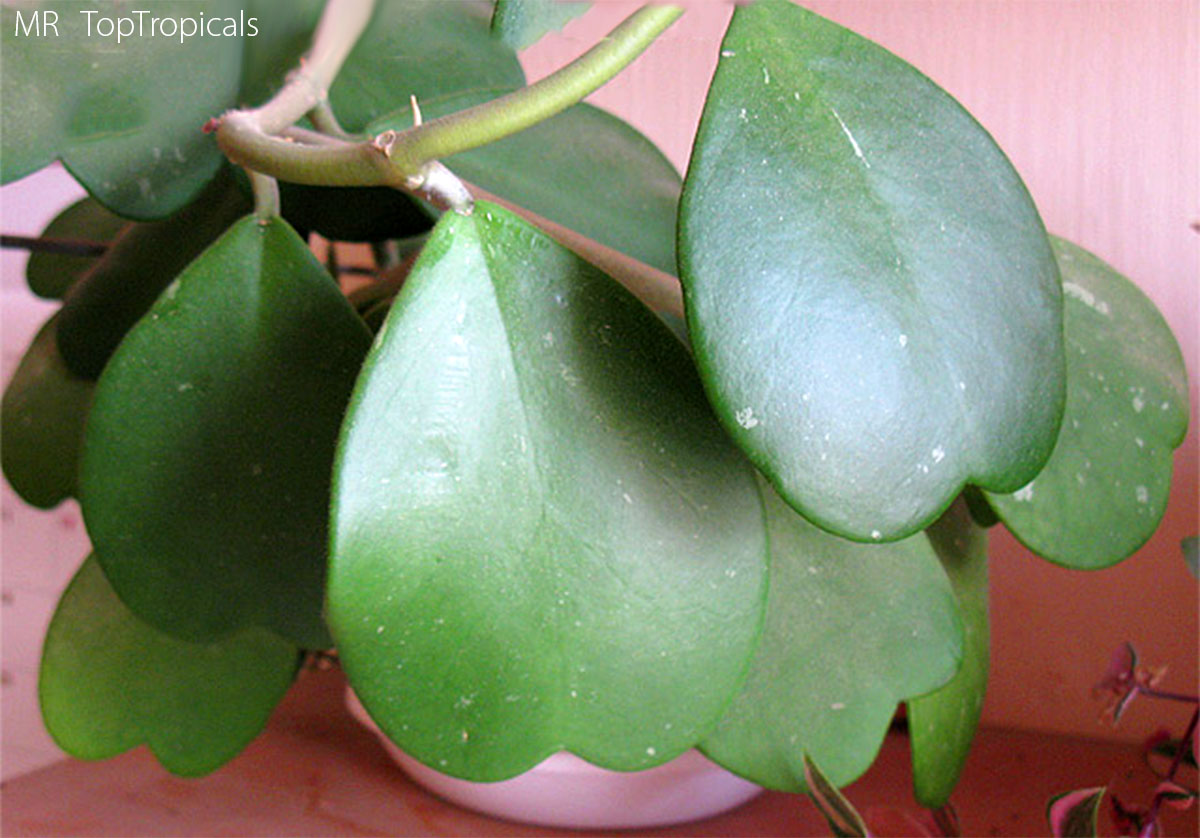
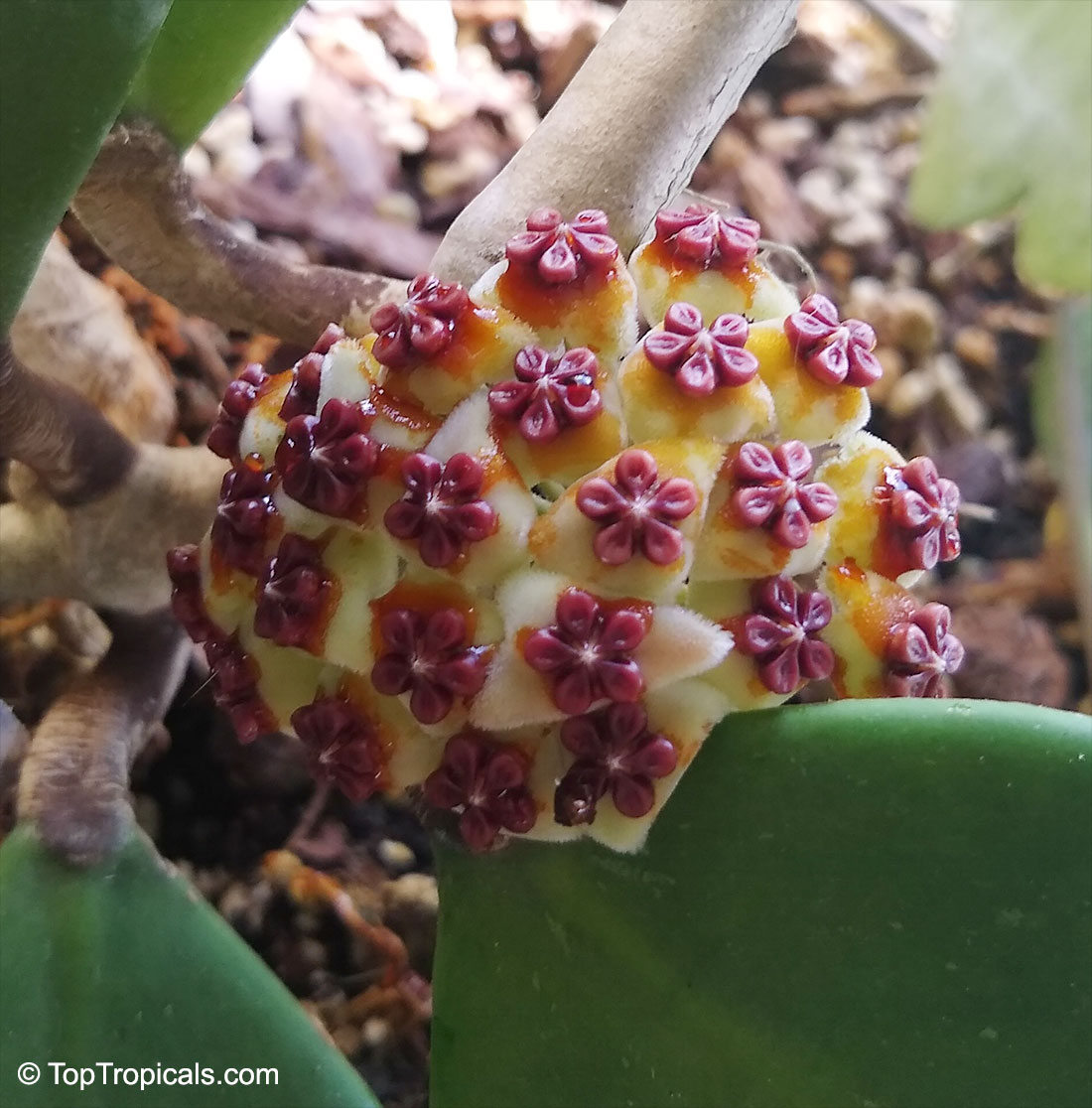
Hoya  kerrii  -  Sweetheart,  Valentine  Hoya

Q: What plant can you recommend for a Valentines Day present?

A: There is a perfect plant specifically for Valentine's Day! When it comes to finding the ideal plant for an occasion, it doesn't get better than this one. The Sweetheart Hoya, also known as Valentine Hoya or Hoya kerrii, is not only easy to grow but also easy-ship, making it the most user-friendly of all houseplants. Its popularity has soared in recent years, thanks to its unique and quirky "heart" shaped leaves that appeal to everyone and bring smiles to faces. In addition to these charming leaves, the Sweetheart Hoya produces fragrant, beautiful flowers resembling tiny red stars. These flowers are not only stunning but also waxy, durable, and long-lasting.

Caring for the Sweetheart Hoya is a breeze, requiring only minimal attention. It can likely thrive with just one good watering a month - that's how hardy it is. While this plant prefers a reasonably well-lit room for optimal growth, it can still fare well in shadier spots, making it a versatile addition to any home or office. Don't wait till the last moment, get your Valentine's present now - the best one ever!

We have large developed plants, ready to bloom!
Buy one (for her/him) - get one free, for yourself!

Hoya  kerrii  -  Sweetheart,  Valentine  Hoya

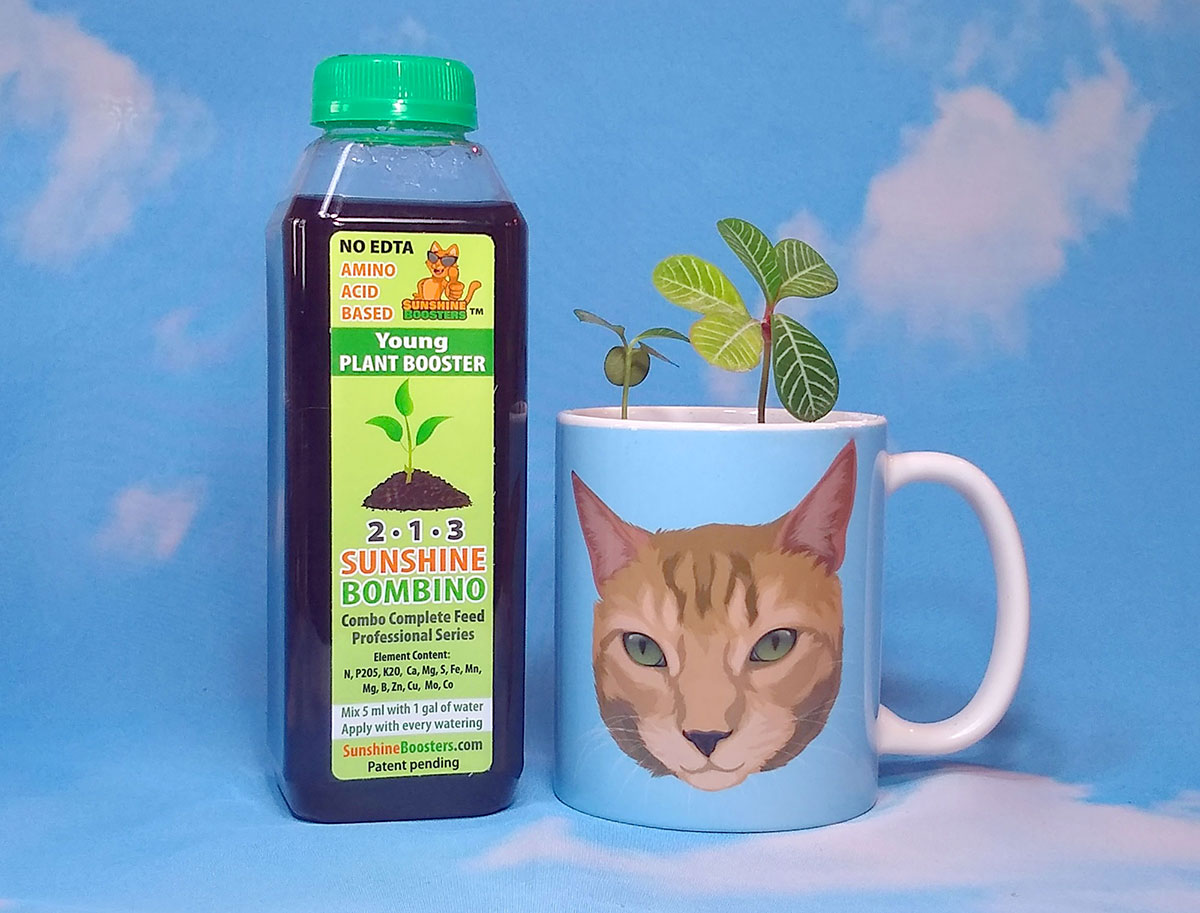
Don't forget some plant food for it!

SUNSHINE Bombino - Young Plant Vigor Booster

SUNSHINE  Bombino  -  Young  Plant  Vigor  Booster

Date: 20 Oct 2023

How to help a weak tree to recover and thrive?

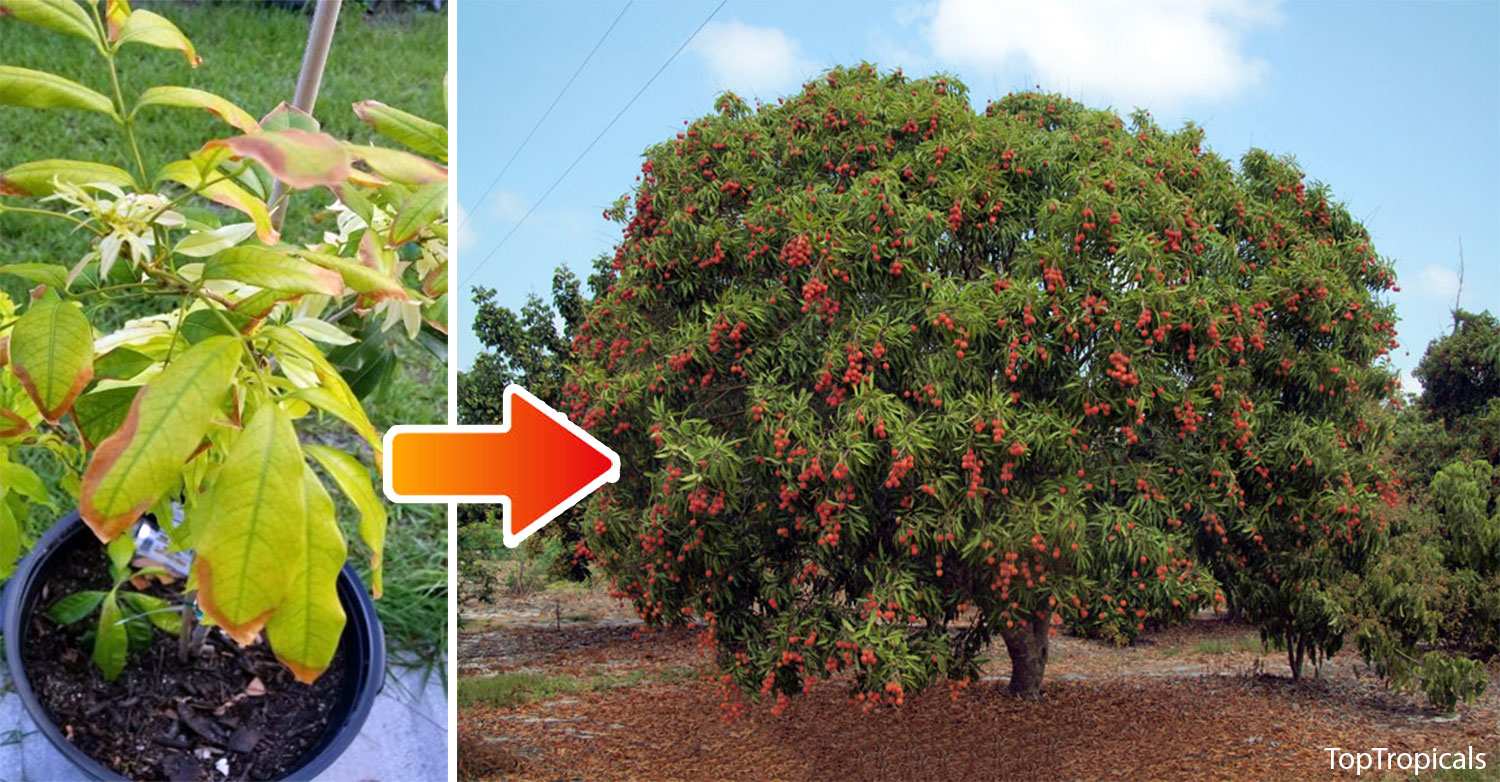
small  and  large  lychee  tree

Q: Look at my sad looking Lychee tree. Can you share with me any ideas about this tree condition?

A: From the photo (left), we see a few potential issues. The problem might be due to a combination of factors such as a heavy potting mix with poor drainage, over-watering, an underdeveloped root system sensitive to these conditions, leaf burn, and a lack of nutrients.

Suggestions for fixing the problem

1. Soil mix. First, assess the quality of the soil. If the plant has been in the same pot for a while, the soil at the bottom may have become compacted, leading to poor drainage. If this is the case, carefully remove the root system from the existing soil (by removing excess soil around the roots without disturbing the roots themselves). Repot the tree into fresh, well-draining potting mix with good drainage characteristics, which typically contains materials like bark and perlite. Ensure that the new pot is exactly the size of the root ball; using a significantly larger pot can lead to soggy conditions that harm the roots.

2. Light. Place the potted tree in an area with filtered light, avoiding direct sunlight throughout the day.

3. Water. Control the watering. During this recovery period, your plant will need very limited water until it shows signs of improvement and new growth. After repotting, water it thoroughly just once, and avoid watering again until the top layer of soil becomes dry. Then, water as needed. Avoid keeping the soil consistently wet, especially during rainy periods. Protect the plant from excessive rain.

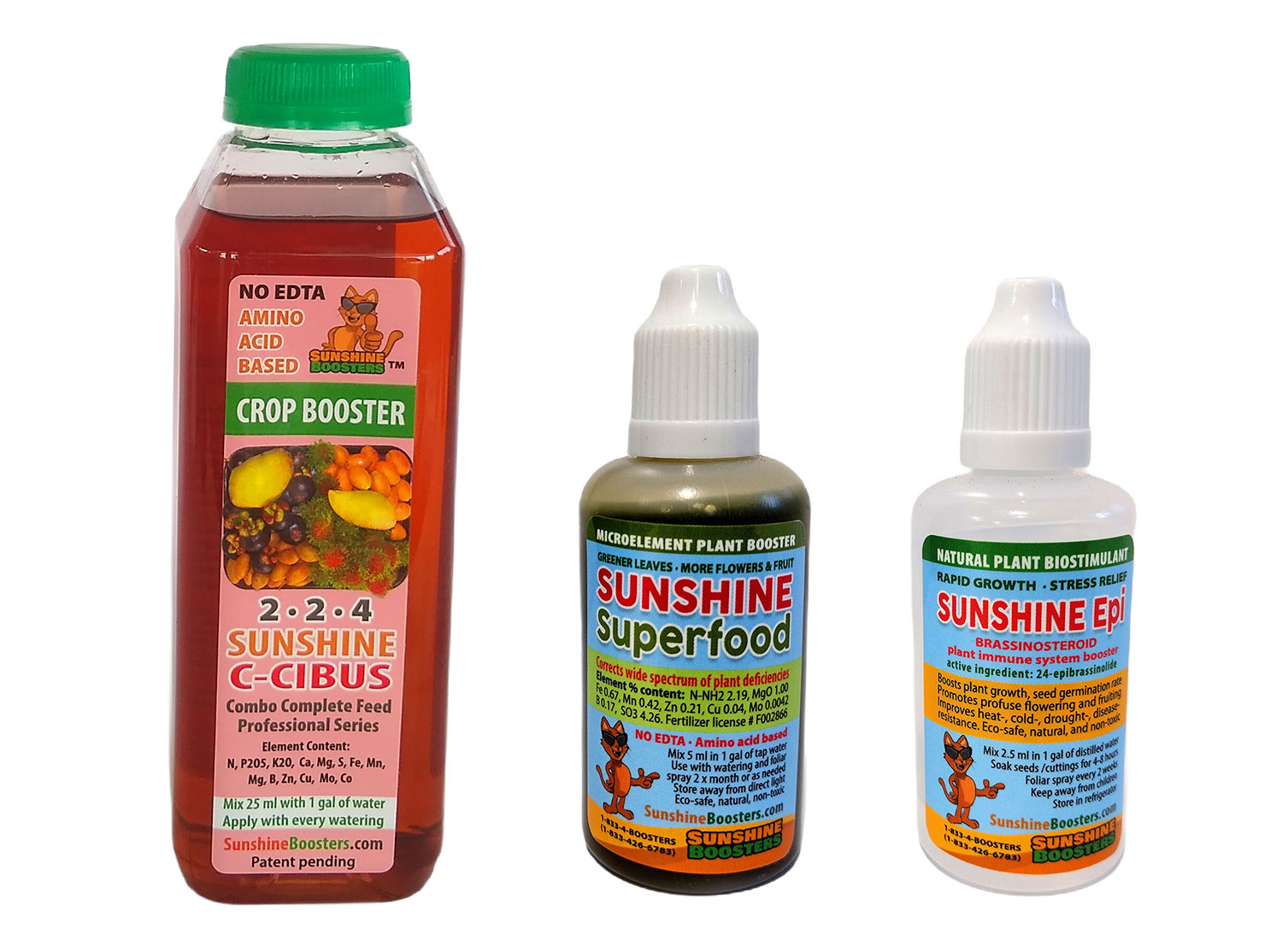
4. Supplements. Consider applying Sunshine Superfood micro-elements following the label instructions, once a month. Additionally, using Sunshine Epi bio-stimulant, sprayed every other week, can help the plant recover from stress and encourage growth. You can also use Sunshine C-Cibus at half the recommended concentration with each watering. Hold off on any other fertilizers until the plant has sufficiently recovered and begins to show signs of new growth.

5. Transplanting. If you plan to transplant the tree into the ground, it's advisable to wait until spring when nighttime temperatures consistently stay above 65F for at least two weeks.

6. Temperature. Keep the tree in a warm environment. When temperatures drop below 50F, bring it indoors.

These steps should help the tree recover, grow healthy leaves, and establish a better root system, preparing it for successful transplantation into the ground or a larger container, ensuring a happy and productive life ahead.

Sunshine  Boosters:  C-Cibus,  Superfood,  Epi