Date: 24 Nov 2020
Healthy Plants: Q&A from Mr Booster
How not to kill gardenias?
Q: I have tried to grow gardenia in pots for years and never keep them alive. When i look on camellia websites they say fertilize potted plants twice a year. I'm confused as I tend to kill them with kindness haha. Also, if our tap water has high cal/mag and that stops the gardenia getting other nutrients why would I make up the feed with tap water? So confusing and online is mixed messages...
A: Gardenias are not the easiest plants to grow, however, they are easier in pots than in the ground: they prefer acidic soils, and in many areas soils are alkaline. The most important factor is balanced and sufficient nutrients. In the ground, plants have no limits to reach out to different elements by spreading their root system. In a pot, once all the good stuff is consumed, plants start suffering nutrient deficiency. This is why a balanced feeding program is important.
Generally speaking, Cal/Mag in tap water cannot be bad, because they are
essential elements, good for plants (in proper amounts). However, just
Cal/Mag is not enough. This is why you need a balanced liquid fertilizer for plants that prefer acidic soil.
Excessive Cal/Mag alone can create nutrient lock up, especially if they are chelated
with EDTA like in dry fertilizers, which are not fully accessible for
plants.
We recommend natural, Amino-Acid based fertilizers that are completely
consumed by a plant and are safe to use with EVERY watering, even in Winter. They
are scientifically formulated and cover all plant needs.
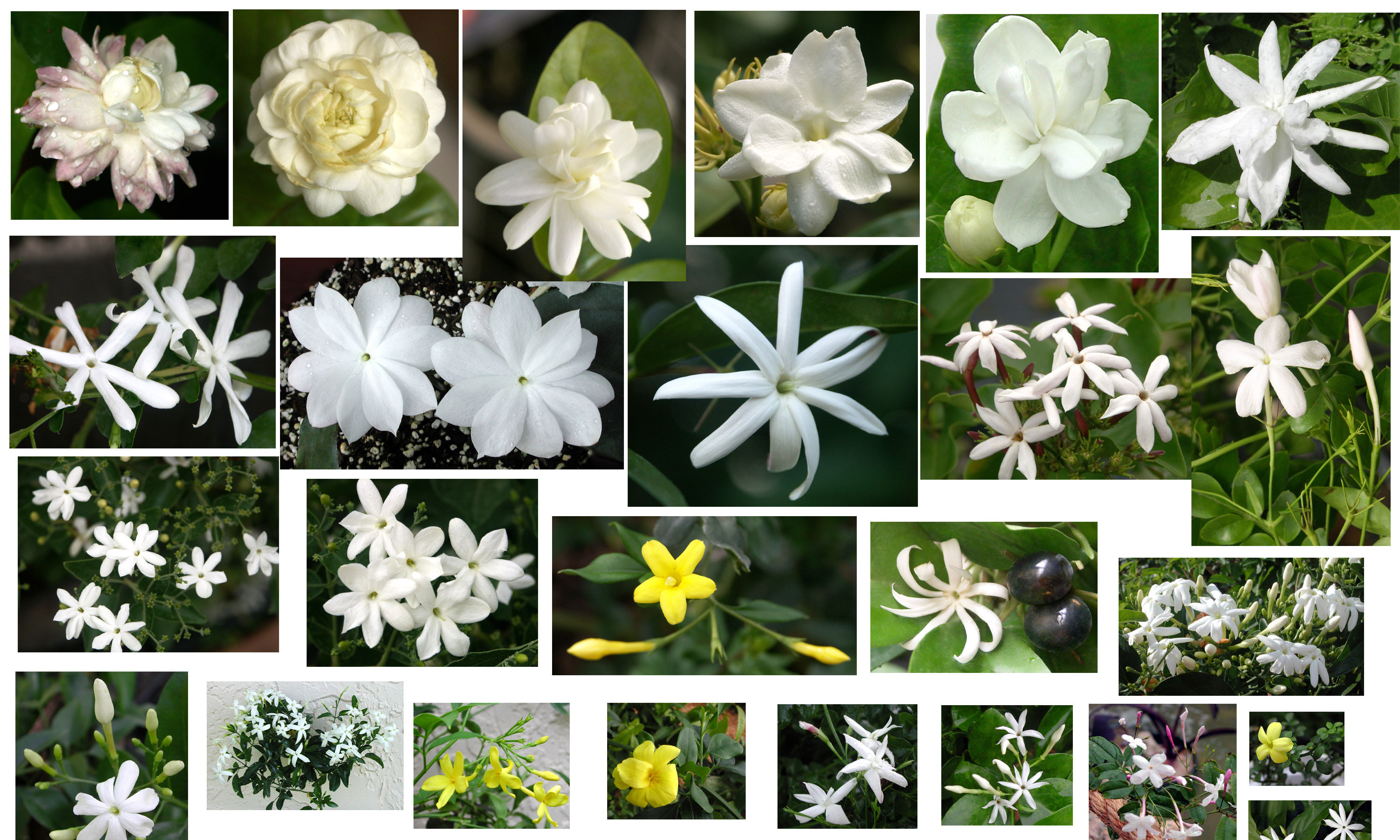
For your gardenias, you should use SUNSHINE Pikake - Fragrant Flower Booster.
Another important factor is proper watering. Gardenias like regular water
but don't like wet feet = well drained potting mix is a must, similar to Abundance professional growing mix.
Date: 4 Sep 2020
Healthy Plant Food: Q&A from Mr Booster
Encouraging blooms on the Hawaiian Sunset Bell Vine
Q: Please can you advise how to encourage the Stictocardia beraviensis the Hawaiian Sunset Bell vine blooms? Mine is all beautiful leaves and full sun in Miami.
A: Providing full sun, Stictocardia blooms profusely. In your area, it
should be happy and thriving. However, keep in mind that these flowers can be seasonal (meaning, not ever-blooming). The good
news it, Hawaiian Sunset Bell usually blooms several times a year on and off. In our garden, we have a large plant growing in
the ground and covering a whole fence; we see flowers 3 times a year:
- Early Spring
- Summer (sporadically)
- Late Fall to early Winter
Make sure to provide proper fertilizer to encourage blooms. It is especially important if you grow this plant in container (where nutrients are very limited). We suggest the following fertilizer for your Stictocardia:
SUNSHINE Megaflor - Bloom Nutrition Booster
Date: 8 Aug 2019
Tabernaemontana africana - a bush or a tree?
Q: I received a Tabernaemontana africana, but it is not the compact cultivar, from the photo, this is definitely the tree version, not the compact version?
A: The plant in your picture is Tabernaemontana africana and it is a shrub version, not a tree. The
plants we have in stock are smaller size but very vigorous so they can be
trained into standards.
We have this plant in our garden in the ground (3 years old) and by now
it bushed out and remains under 4 ft without any pruning. Just keep in mind
this plant requires regular applications of micro-elements, because the
species is very susceptible to iron deficiency.
The supplement we use, in case you notice any leaf yellowing, is Sunshine-Superfood
Date: 19 Jul 2019
How to grow Soursop in a pot
Q: Is it possible to grow soursop in a large pot for life?
A: Soursop, or Guanabana - Annona muricata - is actually one of those tropicals fruit trees that
can be easily cultivated in a container. Most plants of genus Annona have compact nature, and these fruit trees usually start
production at a young age, as early as 3 years from seed. Annona muricata
seedlings take a little longer to fruit, this is why we offer grafted trees, which can start producing right away.
We have a very interesting article about growing Soursop in an
apartment. The article was written by an indoor gardener who lives in a very small
apartment in Moscow, Russia. He grew this tree from seed and after years of
cultivation fun, he finally got several large delicious fruit! It is an amazing
story. We have it published in our Tropical Treasures magazine, download the whole issue #7, get a hard copy, or you may download PDF file of the single article.
Recommended fertilizers and supplements:
Fruit Festival Plant Food - Super Crop Booster
Mango-Food - Smart Release Fruit Tree Booster
SUNSHINE-Honey - sugar booster
Date: 30 May 2019
Triple Sec Mango
By Onika Amell, tropical plant specialist
Q: I live in Mesa, Arizona. I am considering purchasing two of you Triple Sec Mango trees. Can you please give me some information on this variety and how to grow it successfully here in hot and arid Arizona, if at all?
A: Triple Sec Mango is a new name for the superior variety Seacrest. The
aroma of this fruit resembles Triple Sec - an orange liqueur. It's a juicy,
mid-season variety that has good disease resistance.
Mango has pretty good heat and drought tolerance. It loves sun, but there
are a lot of factors to consider when growing Mango in your area.
Check your soil. Soil quality is always first and foremost: when you
live in an area of Arizona with
hardpan (extremely compacted desert soil) or caliche (layers of soil
cemented by calcium carbonate) you
will have to learn how to deal with such soil types. Amend the soil as
needed.
The best time to plant is spring or fall to give your Mango a chance to
get established before the really intense Summer heat starts. Alternatively,
protect the tree with a shade cloth. Tender, new growth will not stand a
chance unprotected, especially newly planted and/or young trees.
Mangoes are tropical and sensitive to frost and freeze damage. Young
trees especially will also need winter protection when temperatures go near or
below freezing. Always plant trees in a location where they will be protected
from cold wind. Consider staking your newly planted Mango trees for the
first year. It's never a bad idea to even stake during periods of high winds.
Make sure your planting site has very good drainage. Always use a good
quality mulch around your tree as it helps to trap moisture, keeping the
ground and the roots beneath it cool. Keep mulch a couple of inches from the
trunk of the tree. Avoid a location that gets full day sun. Morning sun,
afternoon shade is ideal. Give regular watering until the tree is established. Once
established, water only when the soil feels dry.
Fertilizer with a Mango-Food. A foliar spray of micronutrient solution is always
recommended during the active growing period. Use plant stimulants and microelements to improve cold hardiness and vigor.
See more info on growing mango in hot climate and container grown mangoes in Arizona.