Date: 24 Sep 2023
Go Bananas!
10 good reasons to plant bananas in your garden

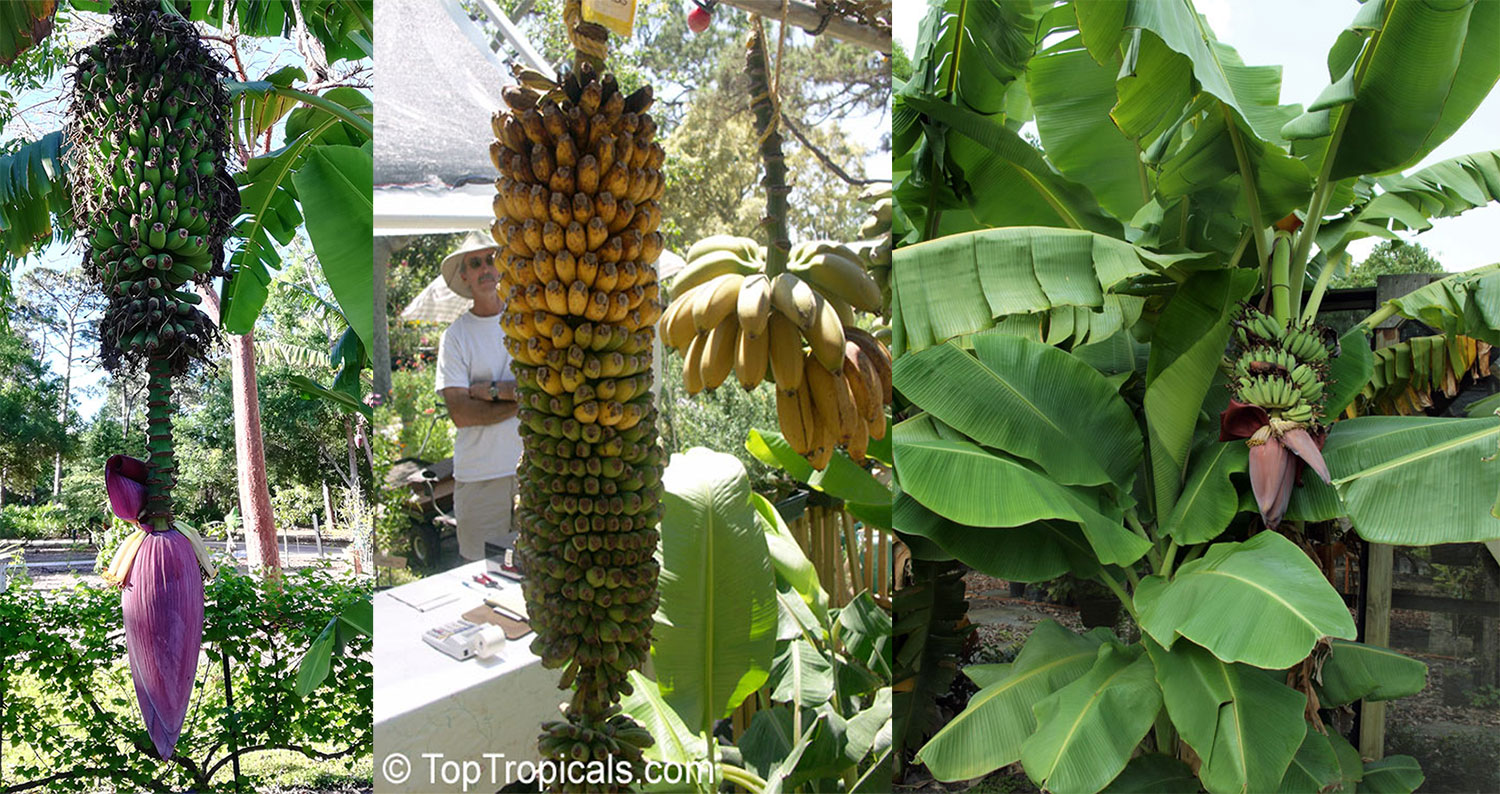
Adding banana plants to your subtropical garden or plant collection can enhance the aesthetics of your outdoor and indoor space, provide fresh and nutritious fruits, and offer a fun gardening experience with relatively low maintenance requirements. It's a delightful way to connect with nature and enjoy the benefits of homegrown produce.
1. Tropical Ambiance: Banana plants bring a touch of the tropics to your subtropical garden. Their large, lush leaves create a lush and exotic atmosphere that can transform your garden into a tropical paradise.
2. Homegrown Flavor: Growing your own banana trees allows you to enjoy the freshest, most flavorful bananas right from your garden. Homegrown bananas often have a superior taste compared to store-bought varieties.
3. Nutritional Benefits: Bananas are packed with essential vitamins, minerals, and dietary fiber. By cultivating your own banana trees, you gain access to a nutritious and healthy snack option right in your backyard.
4. Quick Results: Banana plants are known for their fast growth. In subtropical climates, they can produce fruit in as little as one to two years. This means you don't have to wait long to savor the fruits of your labor!
5. Low Maintenance: Banana trees are relatively low-maintenance once established. They require regular watering, but their hardy nature makes them a relatively easy addition to your garden. They are not messy in a landscape.
6. Versatility: Bananas offer versatility in your garden. You can choose from dessert bananas for snacking, cooking bananas like plantains for culinary experiments, or even ornamental banana varieties to enhance your garden's aesthetics. There are so many varieties to enjoy! You can't find this big selection in a grocery store.
7. Sustainable Living: Growing your own bananas reduces your reliance on store-bought produce, contributing to a more sustainable lifestyle. It also minimizes the carbon footprint associated with transporting fruits to market.
8. Educational Value: Cultivating banana plants can be an educational experience for both adults and children. It offers insights into tropical horticulture and can foster an appreciation for gardening and botany.
9. Landscaping Appeal: Beyond their fruit-bearing potential, banana plants add visual interest to your garden. Their unique form and striking leaves make them an excellent choice for landscaping and providing shade in your outdoor space.
10. Resilience: While bananas thrive in tropical conditions, many banana varieties are hardy enough to withstand cooler climates, making them a durable addition to your garden.
Date: 23 Mar 2020
Garden Sustainability Tips: Live your Life. Dig your Garden.
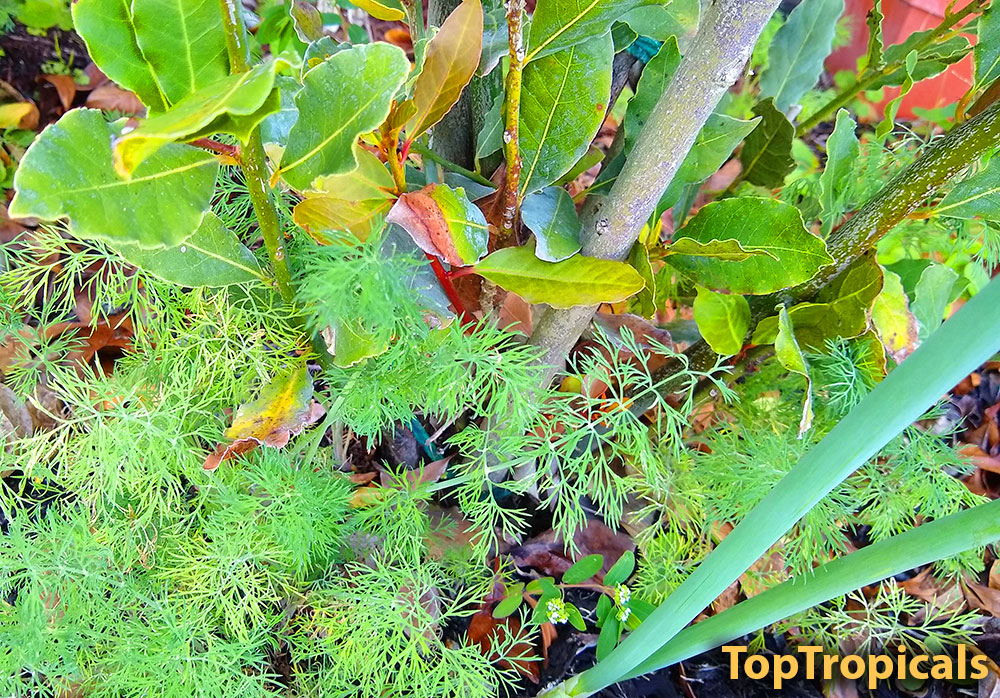
You can grow herbs and vegetables that can be easy incorporated into your home landscape. You don't need a raised bed for a few little things that will come really handy for your kitchen.
1. Parsley. Get a small 4"pot parsley plant from a local garden
center. It grows super fast and just one plant can provide great healthy
addition for your cooking for a few months. Plant in in full sun, under a tree or
shrub, where it gets hit by a sprinkler.
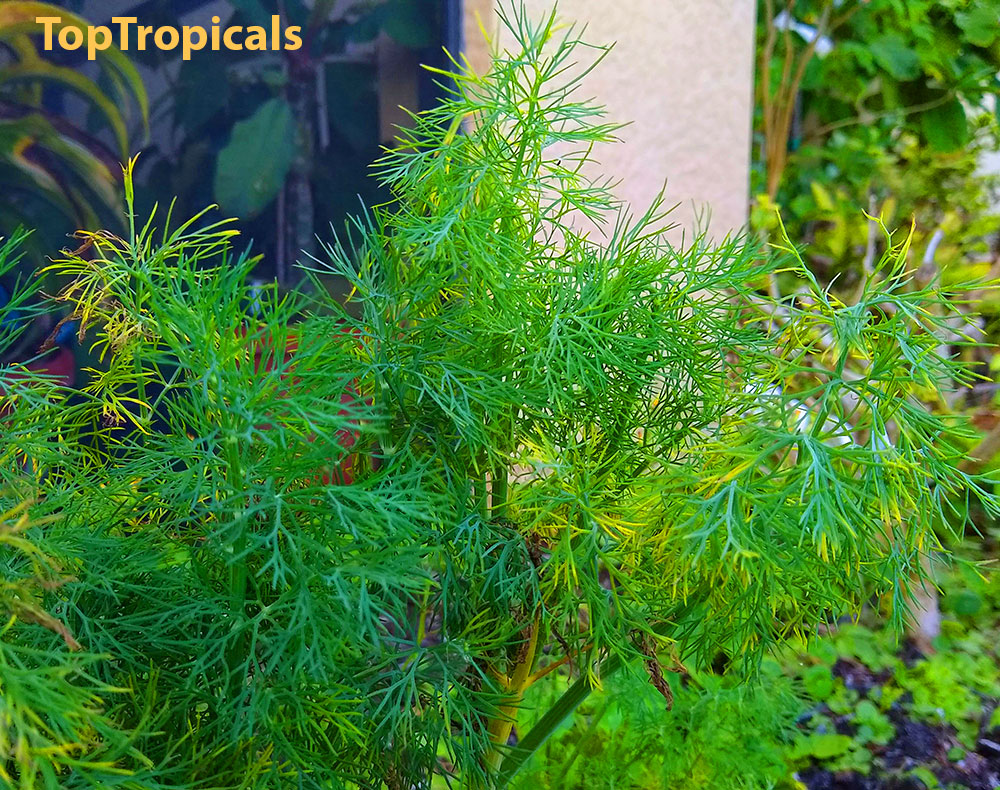
2. Dill. This one grows from seeds quickly and easily. It also needs
full sun and regular water.
3. Chives, or Green Onion. Don't through away"bulbs"from chives
you got from the store. Stick them in the ground, pretty much anywhere in your
garden. You will have supply of fresh chives loaded with vitamins right away
(withing a few days!) and for many months. You can also plant an onion bulb
(root-end down... duh) - this one will produce greens even faster!
4. Bay Leaf. If you live in a mild climate, plant a Bay Leaf in your yard (closer to the door - closer to the kitchen!). It
is a wonderful healthy spice for soups and stews that makes them super
flavorful. If your winters are cold, keep the plant in a pot. Bay Leaf makes a
great undemanding houseplant that needs bright light, but very little water.
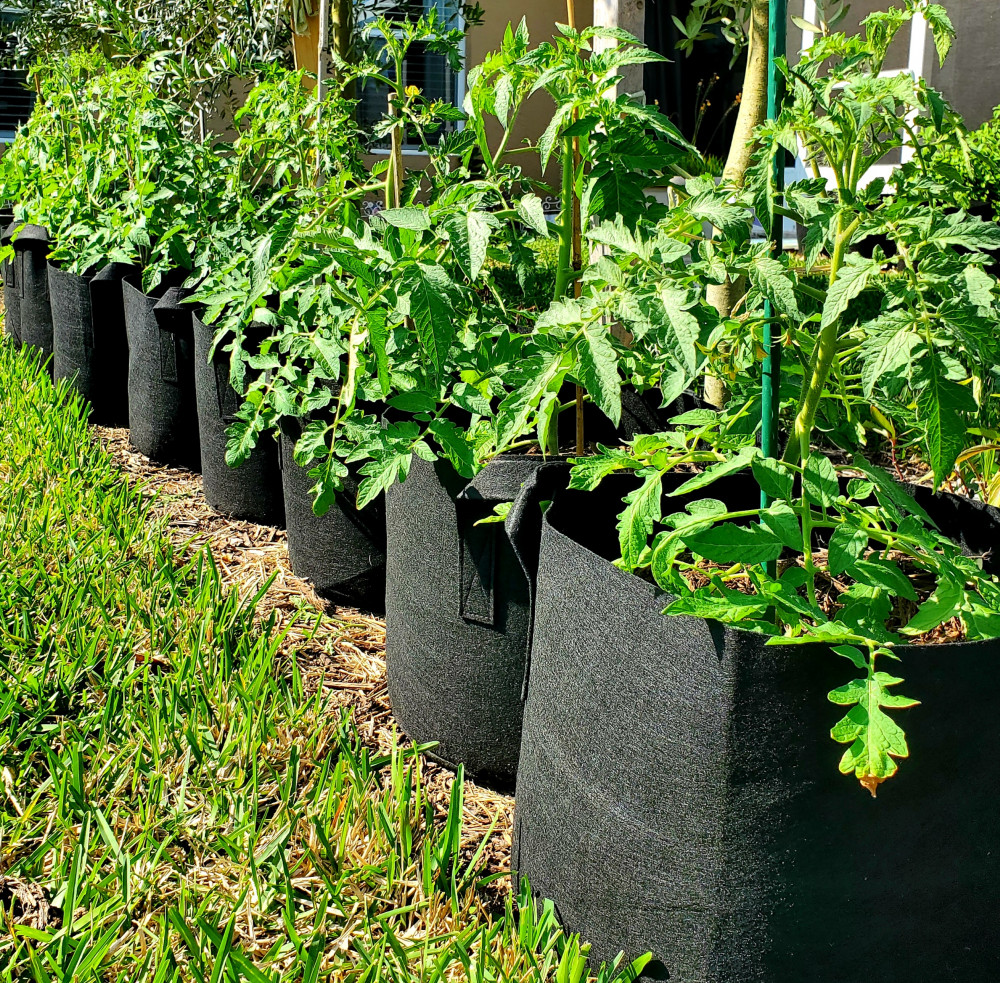
5. Cherry tomatoes are easy to grow, heat tolerant and even grow in
lower light, so they are easy to incorporate into any existing landscape. Get
Sunshine Boosters to double your crop: see how it works.
6. More herbs and spices. Check out our large selection of herbs and spices - they are on sale today!
7. Garden work is a great exercise. While the gym is closed - get to
gardening. Read about Fun workout and Calories Burning Gardening.
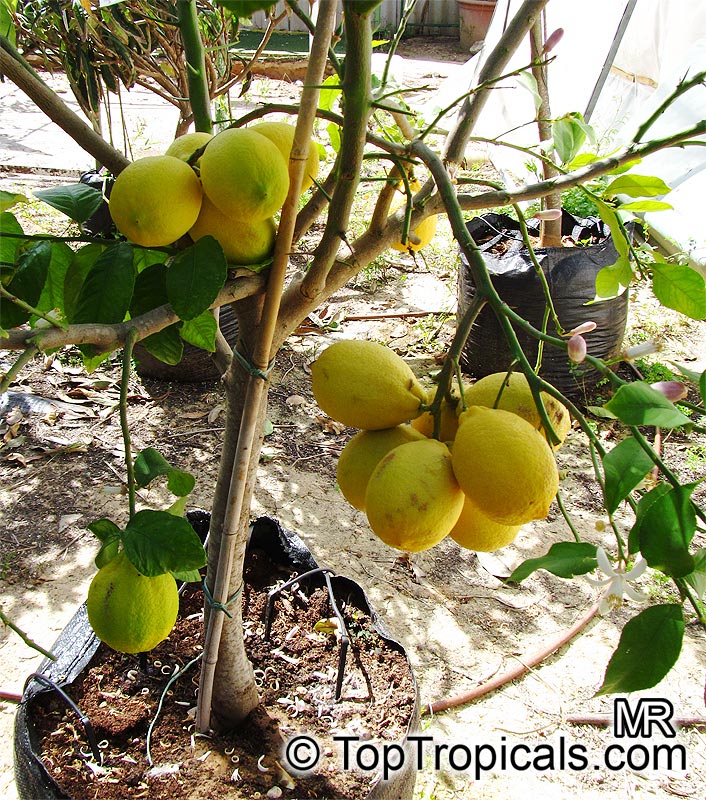
8. Lemons. Vitamin C is your best friend for boosting immune system,
and Lemons have tons of it! In areas where citrus can grow outside, Lemon
tree is a must-have for your garden, or at least find a friend who has one!
Citrus also makes a great house plant, so you can keep it in a pot, too. Just
make sure to have a grafted tree that will produce right away.
Lemon Juice Health Booster Recipe
1. Squeeze juice from 1 lemon and mix it with 1 cup of water.
2. Add ice cubes and 1-2 tbsp of any flavored syrup (optional). You may add
some fresh mint for Mojito flavor.
3. Enjoy this drink at least once a day.
4. Get a bunch of lemons, squeeze fresh juice into ice cube trays and
freeze. 1 lemon = makes 1 ice cube. Store in freezer and use 1-2 cubes to make the
above drink, daily.
Besides being rich in vitamin C that will boost your immune system,
Lemon juice is a Natural medicine that helps to treat:
- cold and flu
- headaches and high blood pressure
- stomach problems
- insomnia
- and much more
Drinking lemon juice on regular basis will make your body stronger and more
resistant to infections and many illnesses.
Please take good care of yourself and your loved ones. Stay healthy.
Date: 20 Oct 2018
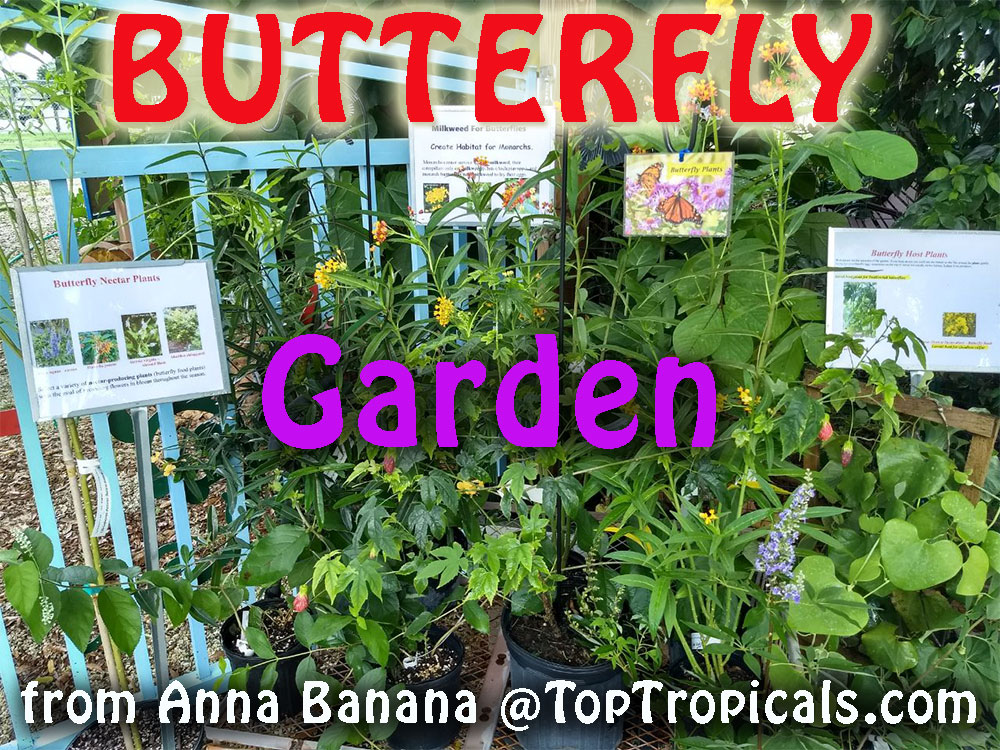
Butterfly Garden from Anna Banana
Butterfly facts
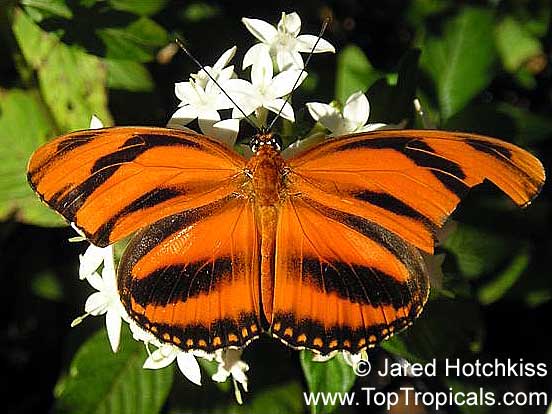
1. There are approximately 20,000 different species of
butterflies, the largest of which is the Queen Alexandra
Birdwing with a wingspan of 11 inches.
2. Female butterflies can lay over 1000 eggs during their
short lifetime.
3. Butterflies lay their eggs on host plants which usually
hatch within a few days, then turning into caterpillars.
The caterpillar will then eat until it sheds it's skin
several times, called instars, finally emerging from the
chrysalis as a beautiful butterfly.
4. Butterflies are born to breed, their goal being to mate
and begin the cycle again. Most live only a few days
except the Monarch which can live up to six months.
5. Monarch butterflies migrate to Mexico every fall and
remain there until spring when they make the return
migration.
6. Due to the continuing destruction of the rain forests,
where the largest population of butterflies are found,
their numbers are dwindling. We encourage you to plant a
butterfly garden!!
Remember:
- A sunny, less windy location is best, however, Zebras
love to float in the shade of bushes and trees.
- The more host and nectar plants you have, the more
butterflies will be attracted to your garden.
- Butterflies"puddle". They like a wet sandy area where
they congregate and sip minerals and nutrients from the
wet sand and water.
- Rocks to rest and enjoy their beautiful garden, and
don't forget a bench or hammock for yourself.
FREE butterfly garden guide from Anna Banana
For our local Florida customers, it is a perfect time now
to start a garden with plants for butterflies that will
appear first thing in Spring. Establish these plants now
for the Spring blooms that will attract the Beauty into
your garden!
Stop by our Garden Center to check out our Butterfly Plants display, or
simply call Anna Banana for a free consultation on
Butterfly Garden at 239-771-8081.
Hurry up while butterfly plants are on 4-day sale!

Date: 24 Jun 2018
Full Sun Garden vs Shade Garden
"Someone is sitting in the shade today because someone planted a tree a long time ago." (Warren Buffett)
Q: I live in California and I have a large area of my garden in full shade. Are there any plants that will be happy there? I am looking for something colorful. I also have a smaller area in front of the house that has full sun almost all day long, but I am afraid this can be too hot for flowering plants? Can you recommend something?
A:
Full sun gardens have a strong, bright look while shade
gardens have cooler, subdued appearance. Both types of
gardens are fun to design and maintain as long as you pick
the right plants.
Full Sun Garden is the easiest to grow. Depending
on exposure, it may require some plants that can tolerate
the hottest summer days and the dry conditions in your
area. The good news is, the majority of tropical and
subtropical plants prefer full sun, so you have a large
selection to pick from - fruit trees, flowering trees,
shrubs, vines, and small perennials. The more sun, the
more flowers and fruit you will get! However, keep in mind
that sun gardens require more water, but generous mulching
will help to minimize watering.
Shade Garden is much more restful in appearance,
but sometimes may be a little more difficult to work with.
As shade trees grow bigger and thicker, it may become too
dark; nothing will grow in total darkness. In this case
you need to prune back some branches to let more light in.
Filtered sunlight or dappled light coming through the
leaves of the trees is beneficial and considered light
shade, which would be the best light conditions for shade
loving plants to thrive. Although shady cooler spaces
attract more insects and will require more attention to
control them, they also have some advantages over sun
gardens. You can enjoy working in cooler conditions, and
your garden will require less water. Many foliage plants
look more deeply colored and healthier than in full sun;
white flowers shine instead of looking washed out!
Our favorite shade plants are fragrant brunfelsias , clerodendrums, and of course
colorful gingers and heliconias. You
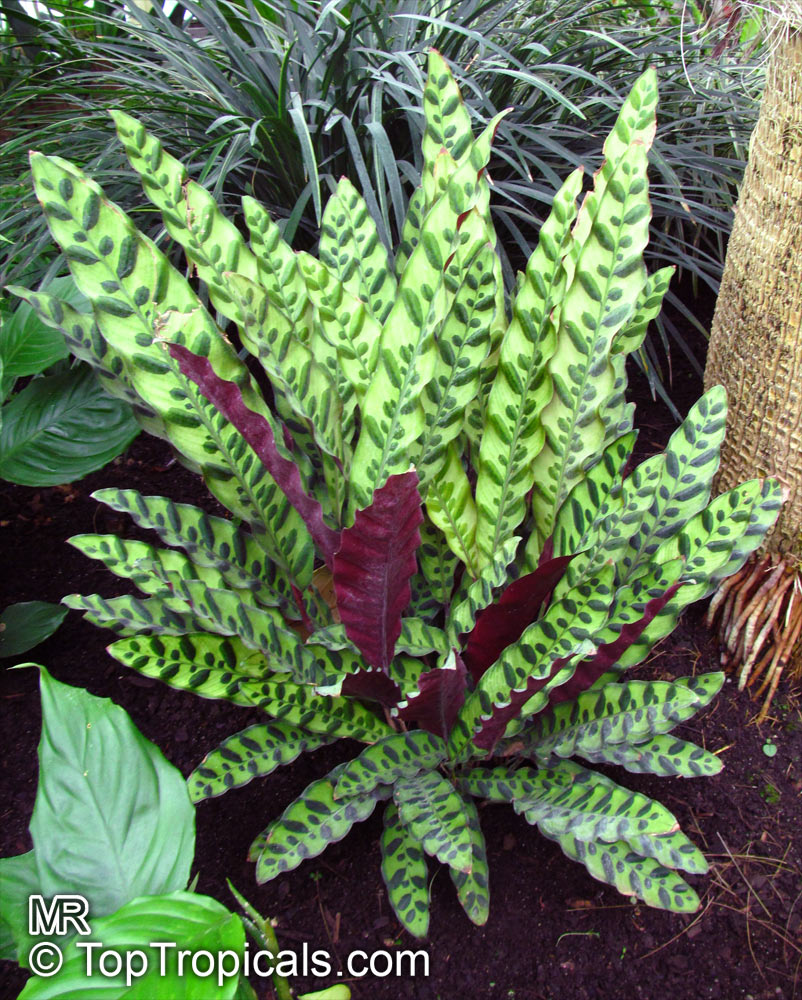
may also consider ornamental foliage of Calatheas, lush Alocasias, Colocasias, and colorful Cordylines. Check out our shade loving plant list for
more colorful suggestions. These are also great for indoor
gardens!
On the photo: Calathea lancifolia Rattlesnake
Date: 9 Mar 2022
Grow Your Own Food
How to garden in South Central Florida
by Ed Jones, the Booster guy
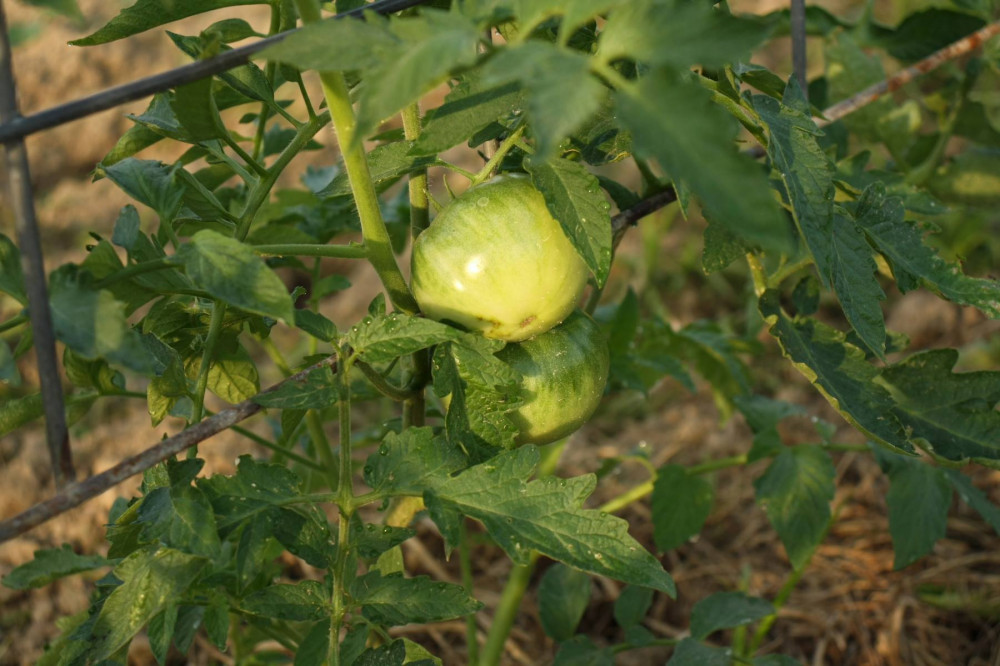
...We are very excited about the garden season this year and feel like we have the best chance yet of producing
some nice veggies since we have been here. I sure hope so as there is nothing better than fresh food from your own garden. If you are not growing your own fruits and vegetables, I would recommend that you give it a try...
...When we lived in Indiana, we had a nice little garden in front of our house and we also had about a half acre planted with tomatoes, potatoes, squashes of all kinds, corn, popcorn, pumpkins, and many other veggies...
...Since my wife and I moved to Florida in 2019, we have continued growing
our own vegetable garden. Now, I must say that it has been quite the experience trying to learn when to
plant things here in south central Florida. It seems that the summer sun can be
so hot that even plants like tomatoes, that love the heat, can't survive?...
Based on our experience, here are some secrets how to do it right...