Garden Blog - Top Tropicals

Date: 6 Oct 2025

The hot Guyanese secret to perfect skin

Biquinho Pepper (Capsicum annuum x chinense) and Wiri Wiri Pepper (Capsicum frutescens)

❗️ The hot Guyanese secret to perfect skin 💥

🌶 Who said Peppers can't be cute? These two little fireballs prove otherwise! They might look small, but they’re full of personality, flavor, and heat.

🌶 Biquinho Pepper (Capsicum annuum x chinense)
This heart-shaped hottie is an ancient hybrid between bird pepper and habanero is as beautiful as it is flavorful. Each tiny 1-inch red pepper packs a fruity, tangy punch with just enough heat to make your taste buds dance. Perfect for container gardens, Biquinho peppers decorate the plant like tiny red ornaments – and they’re just as tasty in pickles, salsas, or fresh salads.

🌶 Wiri Wiri Pepper (Capsicum frutescens)
From the kitchens of Guyana comes a true legend - the Wiri Wiri pepper. These little berry-shaped peppers turn from green to orange to bright red, bursting with intense heat and flavor. Guyanese chefs swear by it - it's the secret behind their famously spicy, flavorful dishes. Locals even say it’s the reason they live long, have glowing skin, and look amazing… it's not just spice, it's magic!

🌶 Fun facts:


· Both peppers belong to the same botanical family as potatoes, tomatoes and eggplants.
· What makes them special isn't just the heat - it's the flavor!
· True pepper lovers know that great peppers are about depth, aroma, and the fruity fire they bring to every meal.

🌶 Growing tips:
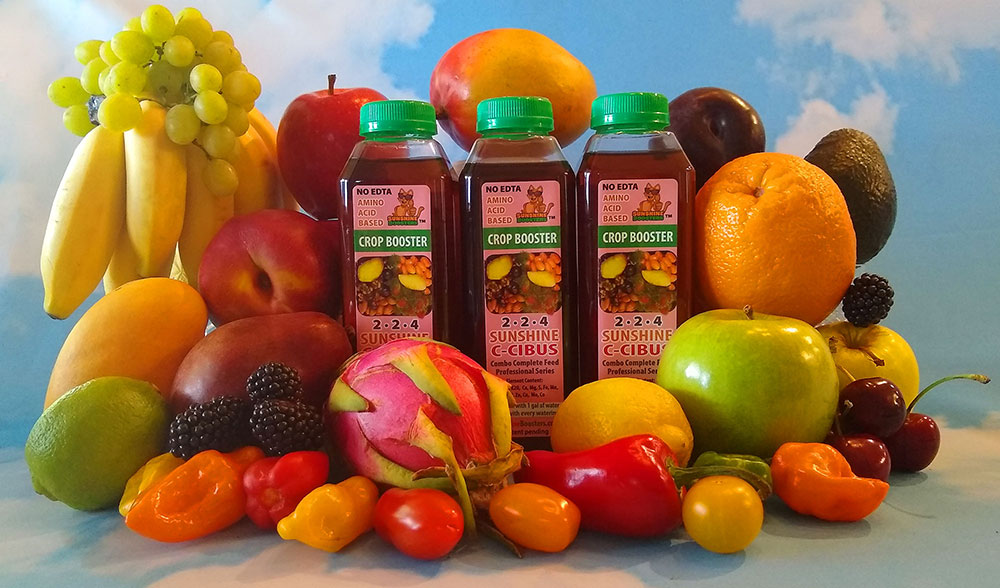
Feed your peppers with Sunshine C-Cibus plant booster for abundant crops and extra flavorful fruits. These compact plants thrive in containers and bring tropical flair to patios, balconies, or edible gardens.

💥 These two peppers are a must for spice lovers - intense fruity habanero flavor packs quite a bang!
Extremely showy, these ornamental peppers have culinary benefits and are great for container garden.

🛒 Add the flavor of Hot Peppers to your garden and kitchen

📚 Learn more:

Yellow Lantern Chili Plant Facts

Botanical name: Capsicum chinense
Also known as: Yellow Lantern Chili
USDA Zone: 9 - 11
Highligths Small plant 2-5 ftSemi-shadeFull sunWatering: Regular. Let topsoil dry slightlyWhite, off-white flowersSpice or herb plantIrritating plant
Get personalized tips for your region

Hot-hot-hot HEART! How hot is it?
Wiri Wiri Pepper: how to live long and have a great skin.
📱 How to grow the hot Wiri Wiri and Biquino Peppers

#Food_Forest #Container_Garden

🟢 Join 👉 TopTropicals
Date: 1 Feb 2021

The Passion Fruit - Juicy Maracuya

by Alex Butova, the Witch of Herbs and Cats

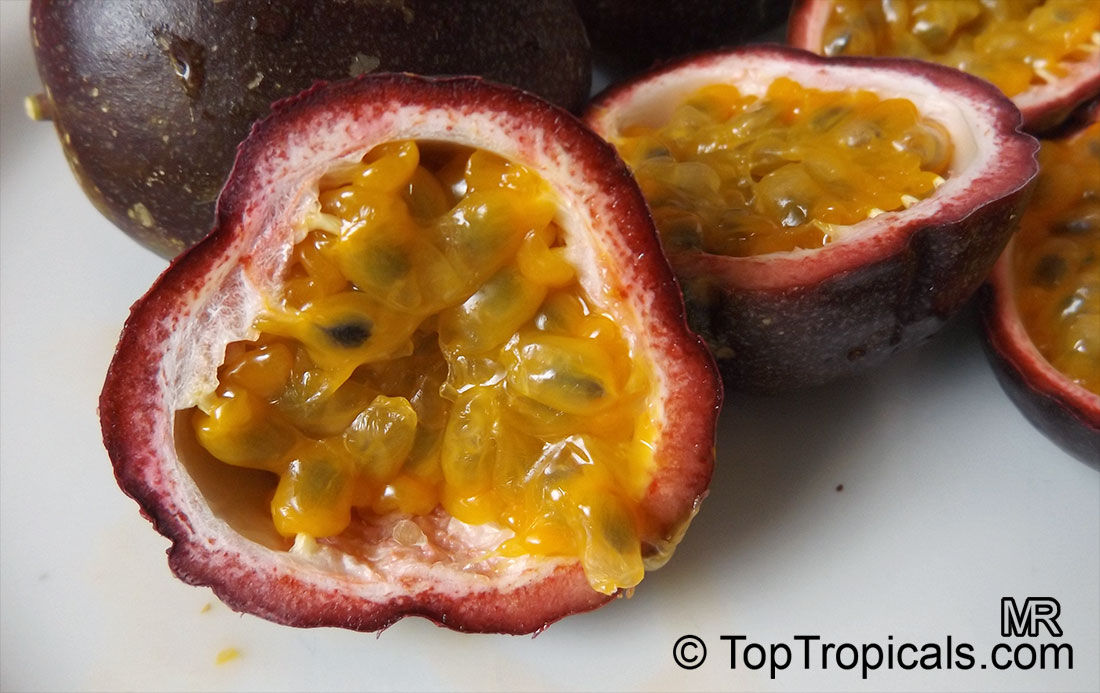
...There was an unexpected confusion with the name of this plant. Most people understand its name literally: passiflora - a flower of passion, and its fruits - the fruits of passion, implying human, earthly passions. Nevertheless, the passion fruit is so called because it is one of the many  species  of  passion flower, the English translation of the Latin genus name,  PassiFlora.
Learn more about this delicious, flavorful fruit and how to grow it in your own garden in no time...

CONTINUE READING >>

SUNSHINE C-Cibus - Crop Booster, an ultimate natural plant food for fruit and edibles.

Date: 29 Aug 2019

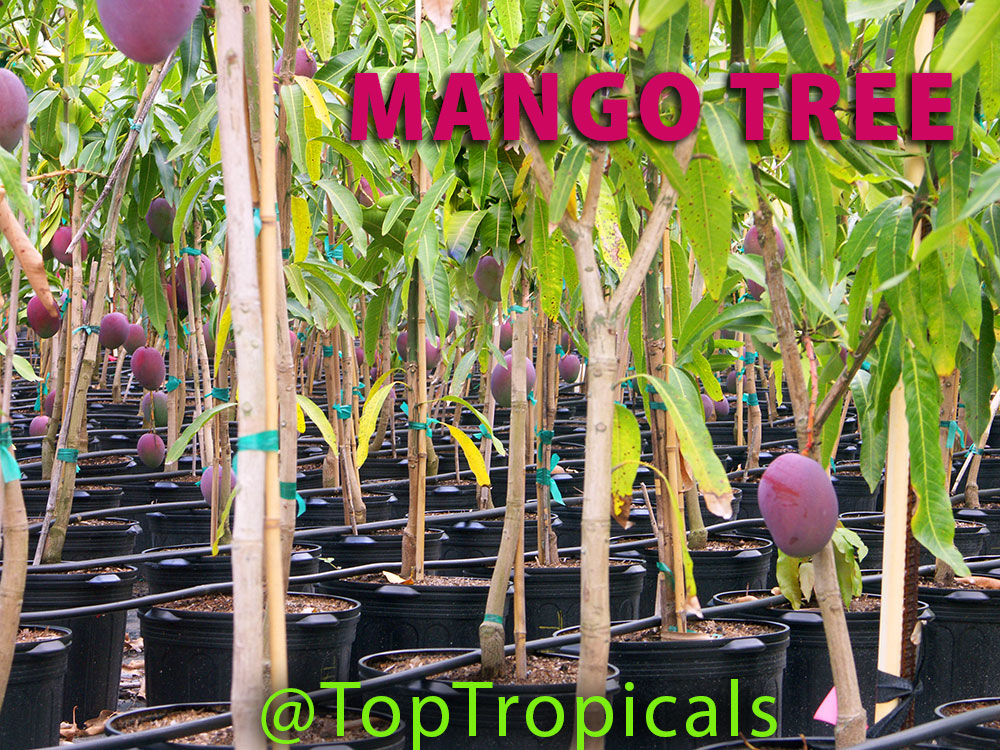
How to fertilize a Mango Tree

Q: I bought a Mango tree from you last month and planted it soon after it arrived. When is the best time to fertilize it? (I am in Florida)

A: We always recommend to wait on fertilizing until the plant is well established. If you planted your tree a month ago and it is doing well, showing new growth, then this is the time to start giving it some food.
For a mango tree, we recommend using 2 fertilizers - water-soluble and granulated:
Fruit Festival Plant Food
Mango-Food
Remember micro-elements that are essential for healthy and vigorous growth:
SUNSHINE SuperFood - plant booster

In Florida, this is the best time right now for fertilizing - while we still have a few months of nice warm weather - active growth period. This will help you Mango tree to establish well before winter rest.

Date: 1 May 2025

🌸 Plumeria Power: The Signature Scent of the Tropics

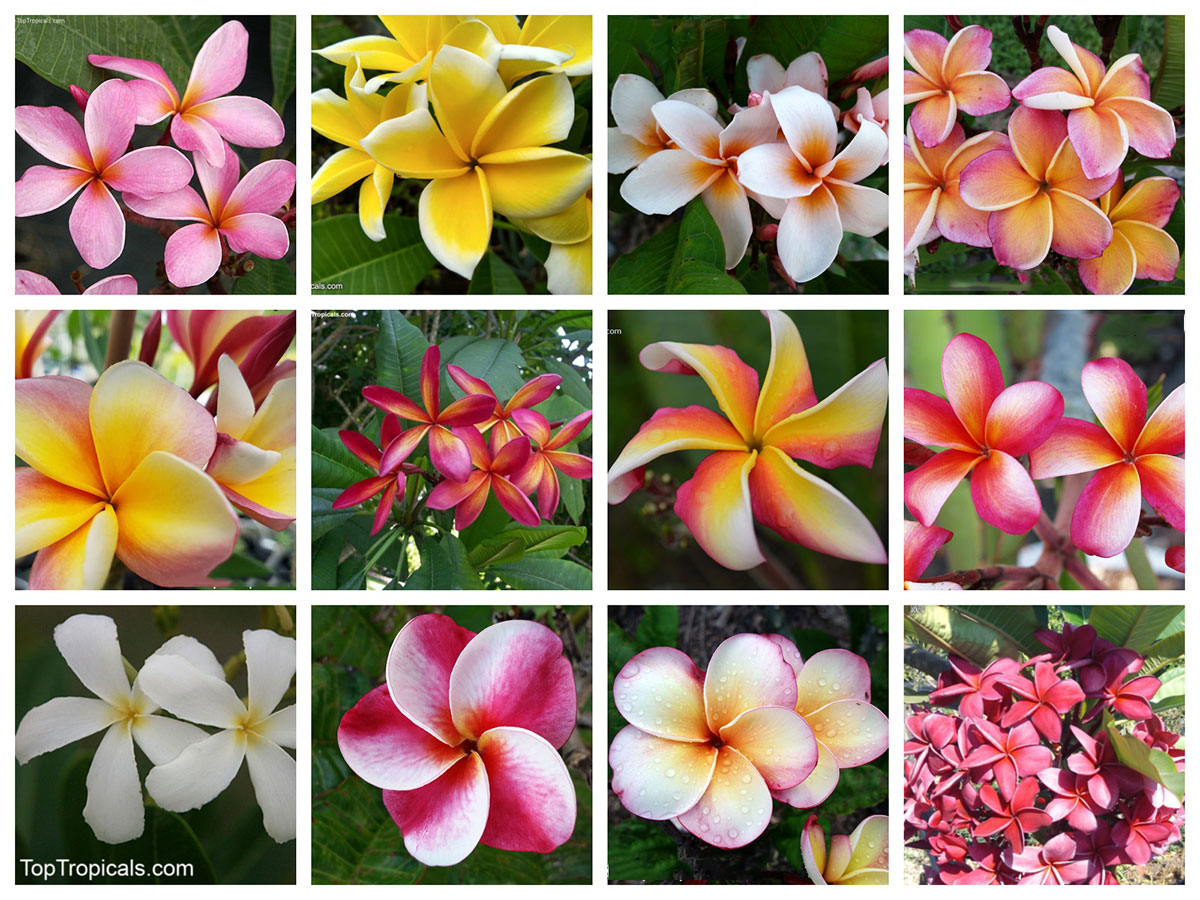
Plumeria  collage

Q: What is the most fragrant variety of Plumeria? Are some colors more fragrant than others? How do you keep Plumeria blooming?

A: From Kristi, TopTropicals Flower Expert: At Top Tropicals, we used to think yellow Plumeria was the most fragrant. That was until we discovered multi-colored hybrids and stunning "rainbow" varieties! These rare beauties are prized not just for their sweet, strong fragrance but also for their dazzling mix of tropical colors.

We just received new arrivals of stunning new Plumeria varieties - but quantities are limited, so don't wait! Choose your favorite colors and bring home the irresistible scent of the tropics.

Plumerias are famous for their rich colors and unforgettable fragrance. With just a few simple steps, you can grow your own blooming tree and enjoy flowers just like in the pictures.

5 simple rules how to grow a fragrant Plumeria

1. Use well-drained soil. Choose a potting mix rich in perlite, bark, and coconut fiber. We recommend Sunshine Abundance professional soil mix for best results.

2. Choose the right container. Use a pot just slightly larger than the root ball to prevent water-logging. Plumeria prefers dry conditions - water only when the soil is slightly dry.

3. Give it full sun. Plumeria needs plenty of light to bloom. If grown indoors, place it in the brightest spot and bring it outside for sunbathing whenever possible.

4. Let it rest in winter. Plumeria drops its leaves and goes dormant during the cooler months. When this happens, reduce watering to a minimum and let the plant rest until new growth begins.

5. Feed it to bloom. Plumeria is a heavy feeder and needs fertilizer to flower well. Use a plant food high in phosphorus, like Sunsine Megaflor Bloom Booster liquid fertilizer. It's safe to use with every watering, all year round.

New Video of Exotic Plumeria Hybrids

Check out different varieties of Plumerias in full bloom. Just look at these colors in this short video !

Date: 15 Aug 2018

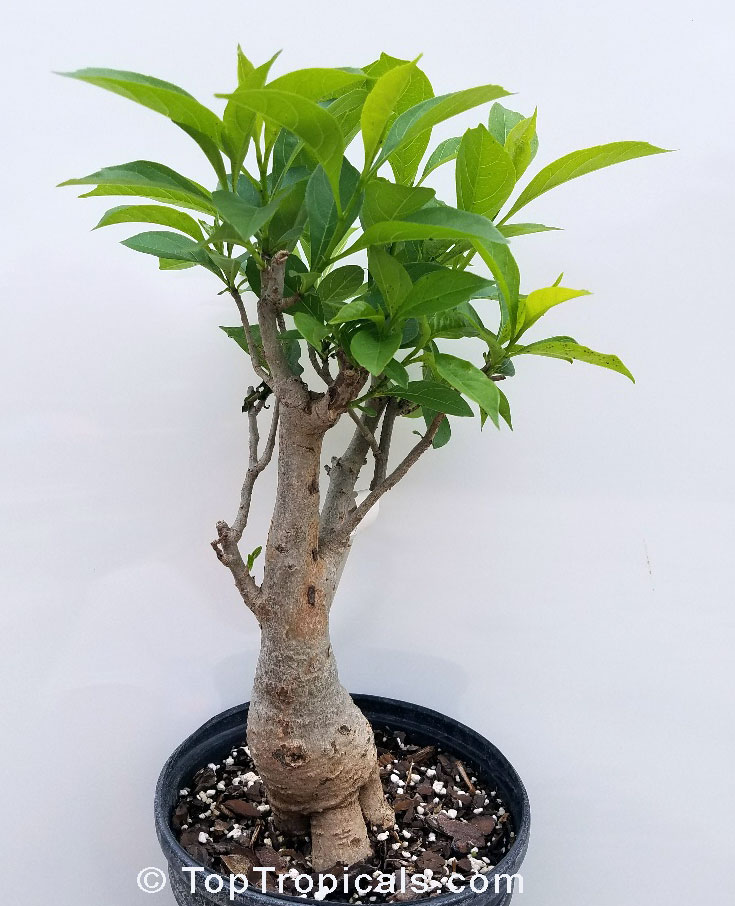
Care for a Baobab Bonsai

TopTropicals

Q: How to grow Baobab bonsai properly? How long does it take to shape a nice little bonsai tree?

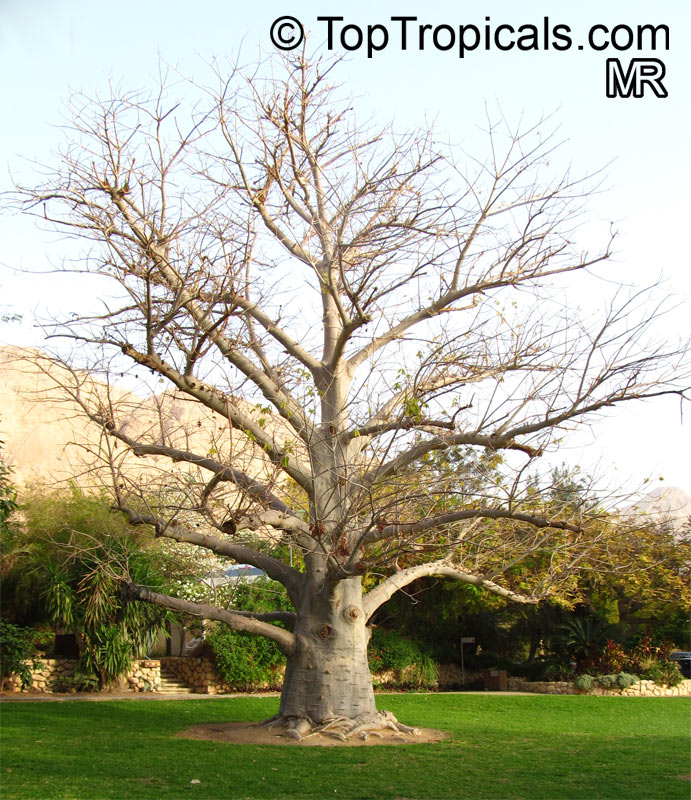
A: Baobab, or Adansonia digitata, is a unique addition to a bonsai collection. Native to Africa, it has an unusual structure and appearance. Some legends say that the tree was cast down from the heavens and landed upside down, where it began to grow. This story is no doubt a result of its appearance in the winter, when the upper branches of the tree look more like roots than treetops. The Baobab has some specific needs, but if you pay careful attention to its requirements, this tree is not difficult to grow and makes an excellent bonsai specimen.
1. Keep Baobab warm, it is sensitive to freeze.
2. Place Baobab in a bright, sunny window. Baobabs need at least six hours of full sunlight per day, so a window with a western or southern exposure is best. If your house doesn't get enough light, supplement natural light with artificial grow lights. See article Indoor lighting for tropical plants.
3. Water Baobab regularly during the growing season whenever the soil is dry. Never water the tree when it is dormant (dropped leaves).
4. Feed Baobab a good-quality fertilizer about once a month. Apply micro-element solution SUPERFOOD once a month, as well as SUNSHINE-BC plant booster for Bonsai and Caudex plants.
5. Prune the branches of your Baobab bonsai as often as they need it to give the tree the shape you desire, pruning or pinching off branches that are growing at odd angles or are too long. Trim early in the spring before new growth appears.
6. Repot the baobab bonsai every year in Spring. Remove it from pot and trim the roots back by one-third of their length, completely removing any that are damaged or dead. Place it in a container that is twice the size of the root ball and fill the pot with a well-drained soil like Adenium Mix.

It is believed that it takes forever to form a nice shaped tree, up to a few years. However if you provide warmth and bright light, branches grow very quickly, and an experienced bonsai hobbyist can make a unique specimen within 2-3 years. And then, the tree will stay with you for 5000 years - it can be passed from generation to generation!

Check out this plant... with FREE shipping to all states!
Se also Baobab Bonsai Kit and save more!