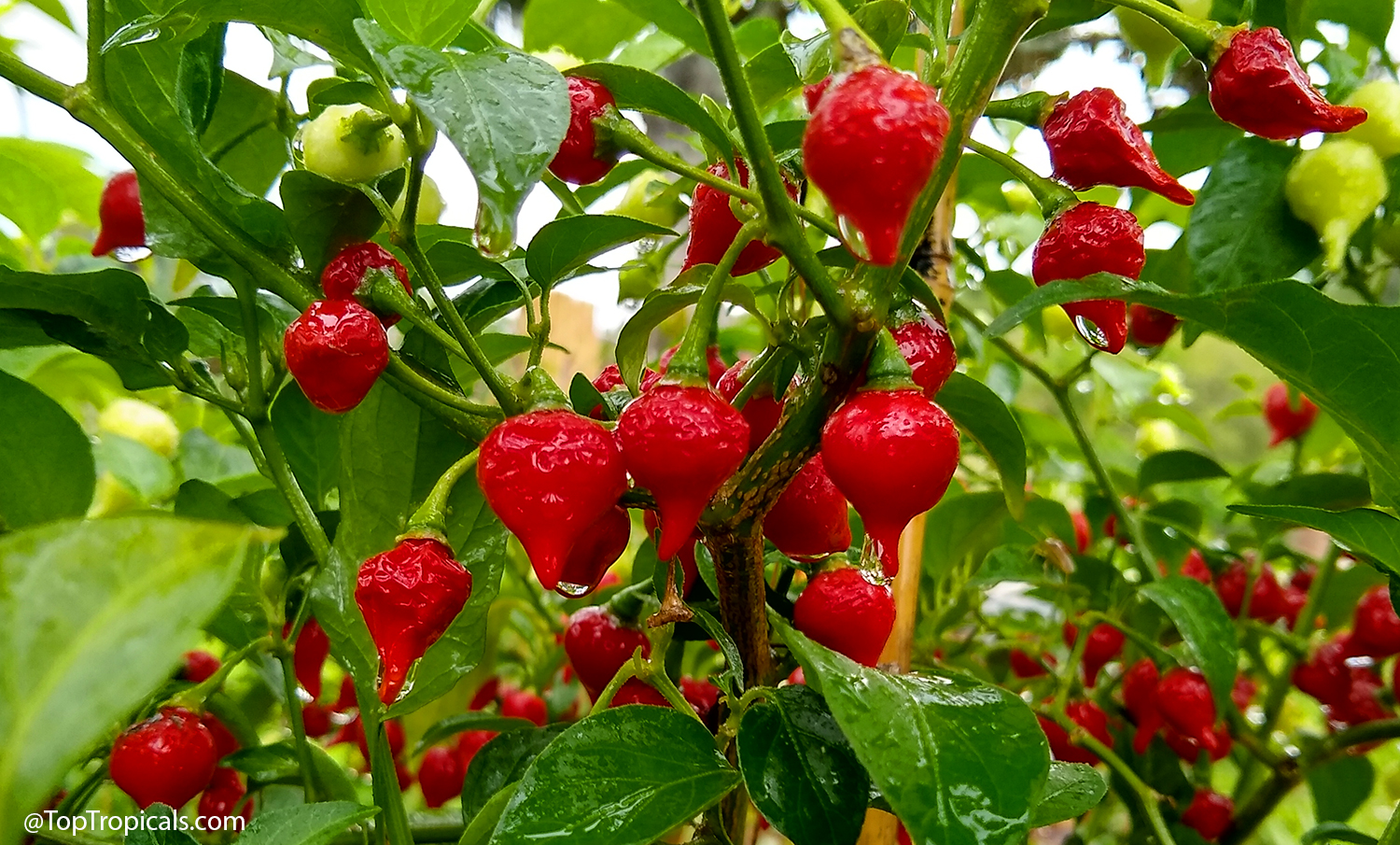
Biquinho
pepper loaded with fruit - small, beak-shaped peppers ripen
from green to bright red, offering intense fruity habanero flavor with
little to no heat on a compact, heavy-producing plant.
Sweet Pepper Plant Facts
Botanical name: Capsicum annuum Also known as: Sweet Pepper, Chilli Pepper, Cayenne Pepper, Paprika, Ornamental pepper
USDA Zone: 4 - 10
Highligths
A lot of plants that thrive in Florida heat have deep roots in Mexico, and
not just as ornamentals. Think coral vine or flame vine climbing a fence in
summer, or bird of paradise
sitting at the edge of a patio like it owns the place. These are not plants
that need coaxing. They grow fast, full, and unapologetically.
Then there are the plants you actually eat: peppers,
prickly
pear, sweetleaf,
and fruit trees like avocado, guava,
and sapodilla.
They do not just decorate the yard. They change how the yard works, and how
the kitchen feels all year.
Avocado Plant Facts
Botanical name: Persea americana, Persea gratissima Also known as: Avocado, Alligator Pear, Aguacate, Abacate
USDA Zone: 9 - 11
Highligths
That is the part that sneaks up on you. Gardening stops being about having a
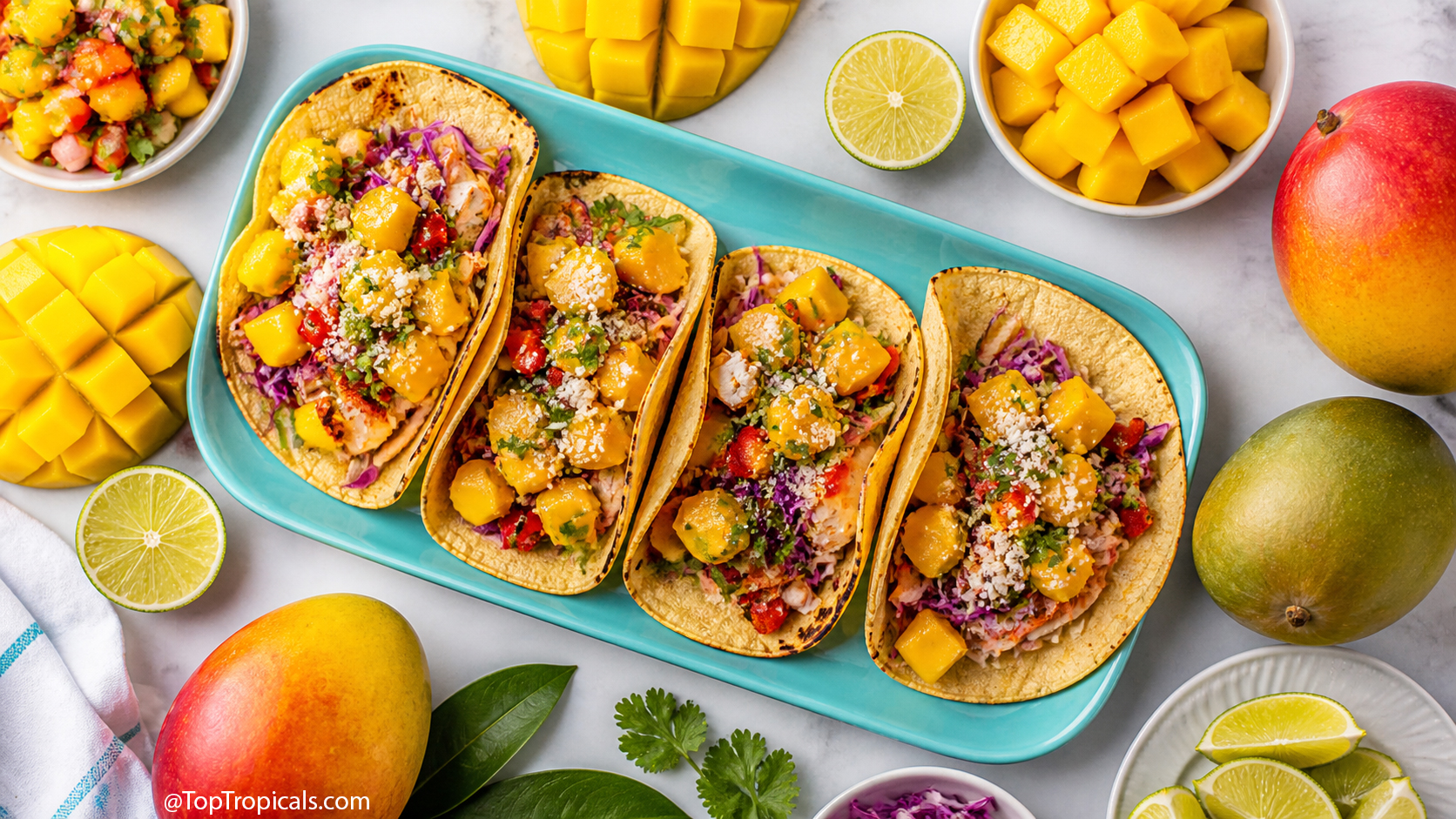
pretty yard and starts becoming a way of living. Mango tacos taste
different when you picked the mango yourself. Everything does.
Mango Plant Facts
Botanical name: Mangifera indica Also known as: Mango
USDA Zone: 9 - 11
Highligths
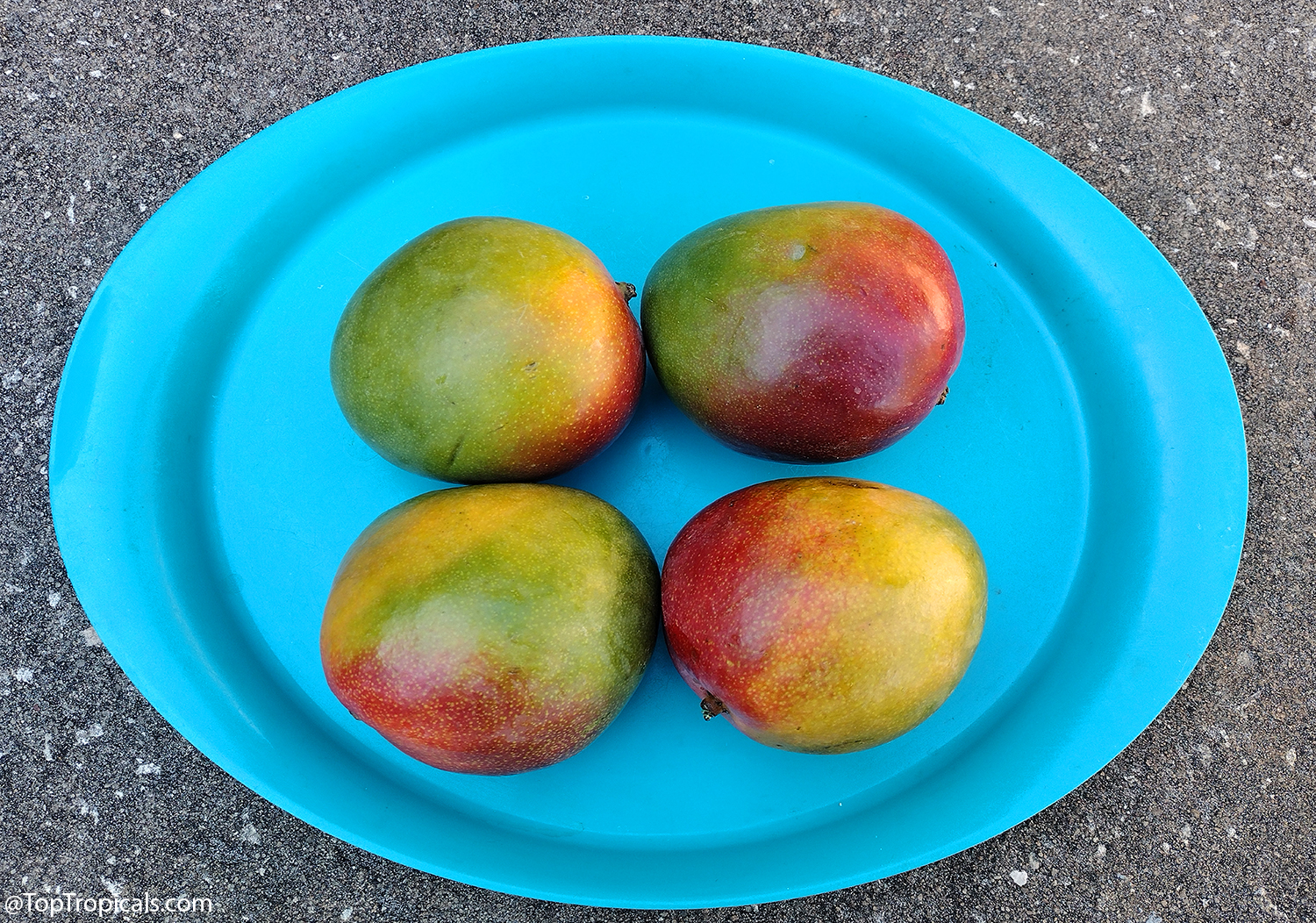
Kent mango - classic late-season variety with smooth,
fiberless flesh and rich, sweet flavor.
🍀Mexican
Plants That Thrive With Minimal Effort
by Tatiana Anderson, Top Tropicals Garden
Expert
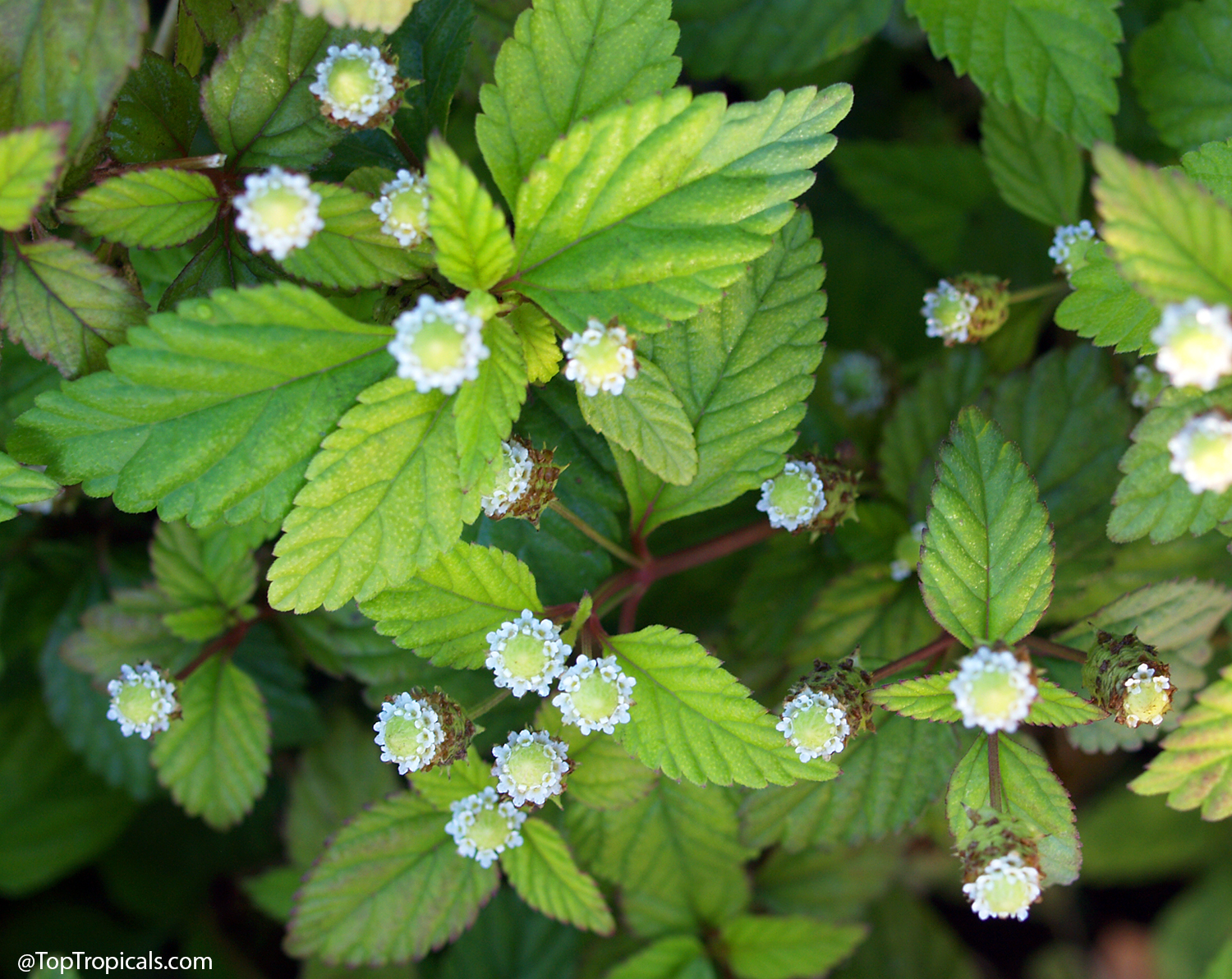
Lippia
dulcis - Aztec Sweet Herb in bloom - a low-growing Mexican herb
with tiny white flowers and remarkably sweet leaves that can be eaten fresh
or added to fruit dishes, traditionally used since Aztec times for coughs
and colds.
Aztec Sweet Herb Plant Facts
Botanical name: Phyla dulcis, Lippia dulcis, Phyla scaberrima, Lippia mexicana Also known as: Aztec Sweet Herb, Sweetleaf
USDA Zone: 9 - 11
Highligths
These Mexican plants are surprisingly easy to grow if you give them what
they expect: sun, heat, and good drainage. Most of them are built for tough
conditions and will grow fast with minimal care once established.
The one rule that matters: fill the planting hole with water. If it does
not drain in 5-10 seconds, plant on a mound or use a container.
Flowering
vines will take off quickly, edibles like peppers and sweetleaf
lippia
are very forgiving, and cactus types prefer to be left alone rather than
overwatered.
For full, step-by-step growing tips and plant-specific advice, read our blog
- we break everything down in practical, real-world terms.
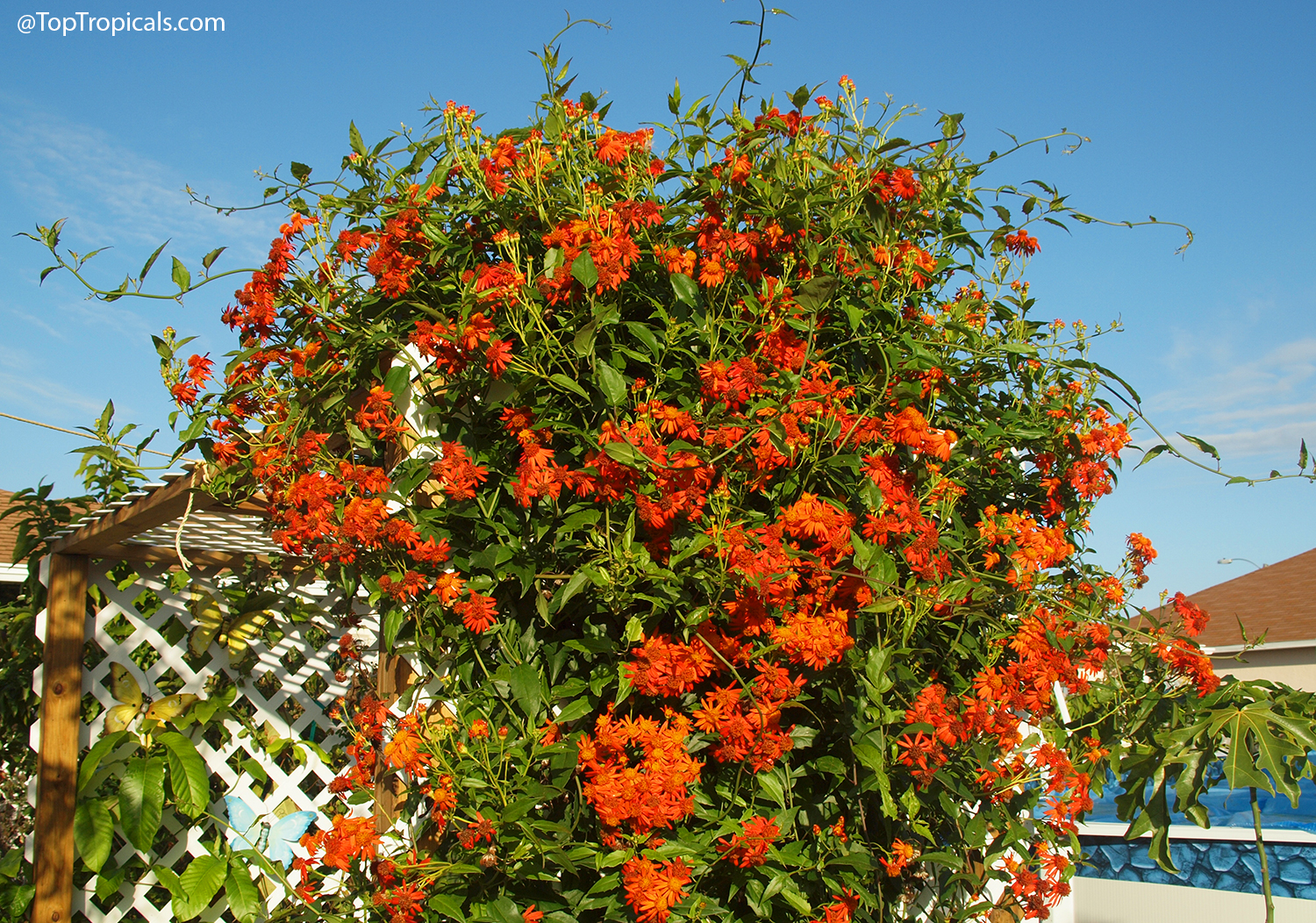
Mexican Flame Vine in full bloom - a fast-growing,
drought-tolerant climber that quickly covers fences with vivid red flowers,
attracting
pollinators and adding bold color with minimal care.
Mexican Flame Vine Plant Facts
Botanical name: Pseudogynoxys chenopodioides, Senecio confusus Also known as: Mexican Flame Vine, Orangeglow Vine
Plumeria
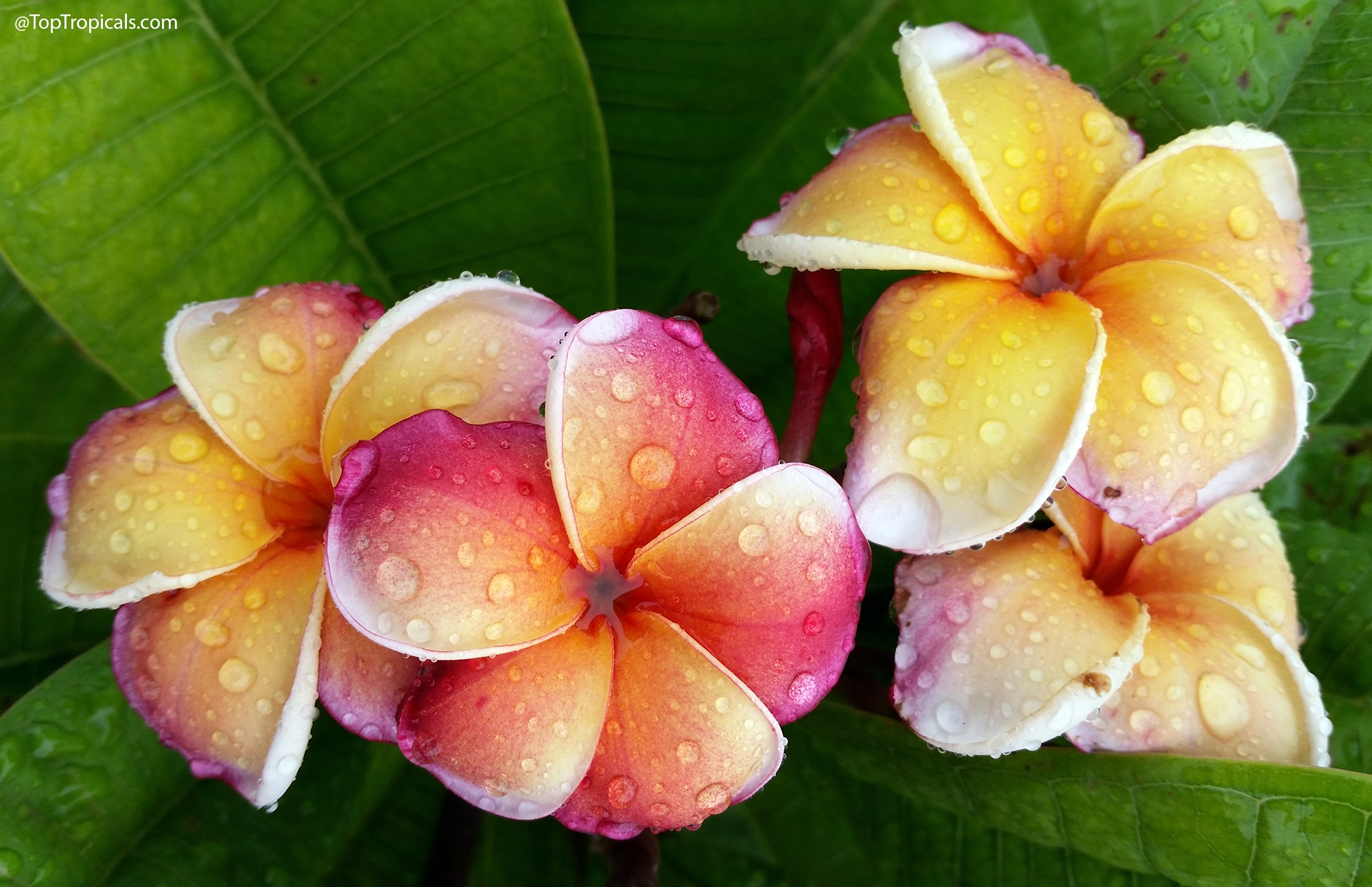
Orange KLS stands out with a rare mix of five colors - peach, yellow,
orange, white, and crimson - all blending into one vivid bloom. Fragrant and
eye-catching, it’s a truly unique plumeria.
Plumeria Plant Facts
Botanical name: Plumeria sp. Also known as: Plumeria, Frangipani
USDA Zone: 9 - 11
Highligths
Practical Growing Tips (Keep It Simple)
Sun: Full sun is key. 6+ hours daily for best
blooms.
Soil: Fast-draining mix. In pots, use cactus mix or add
perlite and sand. The best soil for Plumerias is a
50:50 mix of
Abundance potting soil with coarse sand.
Watering: Water well, then let soil dry out before
watering again.
Containers: Excellent for pots. Easier control and
mobility.
Airflow: Good airflow keeps plants healthy and
clean.
Spacing: Give each plant room - better shape and more
flowers.
Blooming plumeria plants in pots after rain.
Winter Care (Very Important)
Temperature: Protect from freeze. Below 40F they need
protection.
Dormancy: Leaves drop in winter. This is normal.
Watering: Almost dry during dormancy.
Indoors: Move containers inside if frost is
expected.
Light: Bright spot is enough. No need for full sun in
dormancy.
No feeding: Do not fertilize during winter rest.
Restart: Resume watering when new growth appears in
spring.
Potted plumeria in bloom.
About Plumeria Rust (Florida Reality)
If you are growing plumerias in Florida, you will likely see plumeria rust
at some point. It shows up as orange powdery spots on the
underside of leaves and can cause leaves to yellow and drop early. It is
driven by high humidity and is most common in the fall, right before the
plant naturally starts dropping its leaves.
It looks alarming, but it is mostly a cosmetic issue and does not harm the
plant long term. Good airflow, full sun, and avoiding overhead watering help
reduce it. If needed, you can remove affected leaves or use a simple
fungicide (in our experience, the most effective one for Plumeria rust is
Southern Ag Garden Friendly Fungicide), but in most cases the plant
grows
right through it and comes back clean with fresh growth.
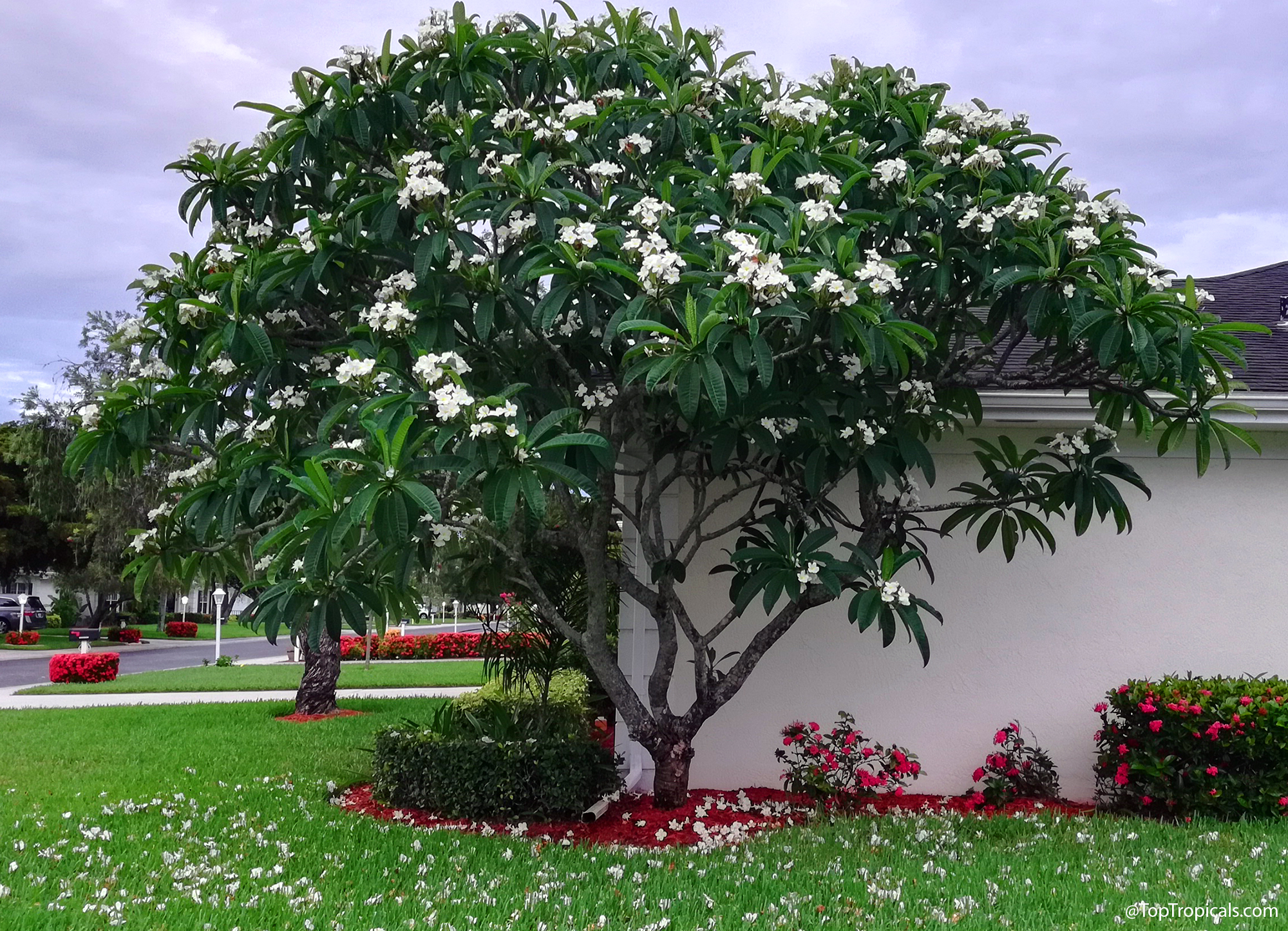
White and
Yellow Plumerias are the most fragrant.
Plumeria Fragrance - Bring It Anywhere
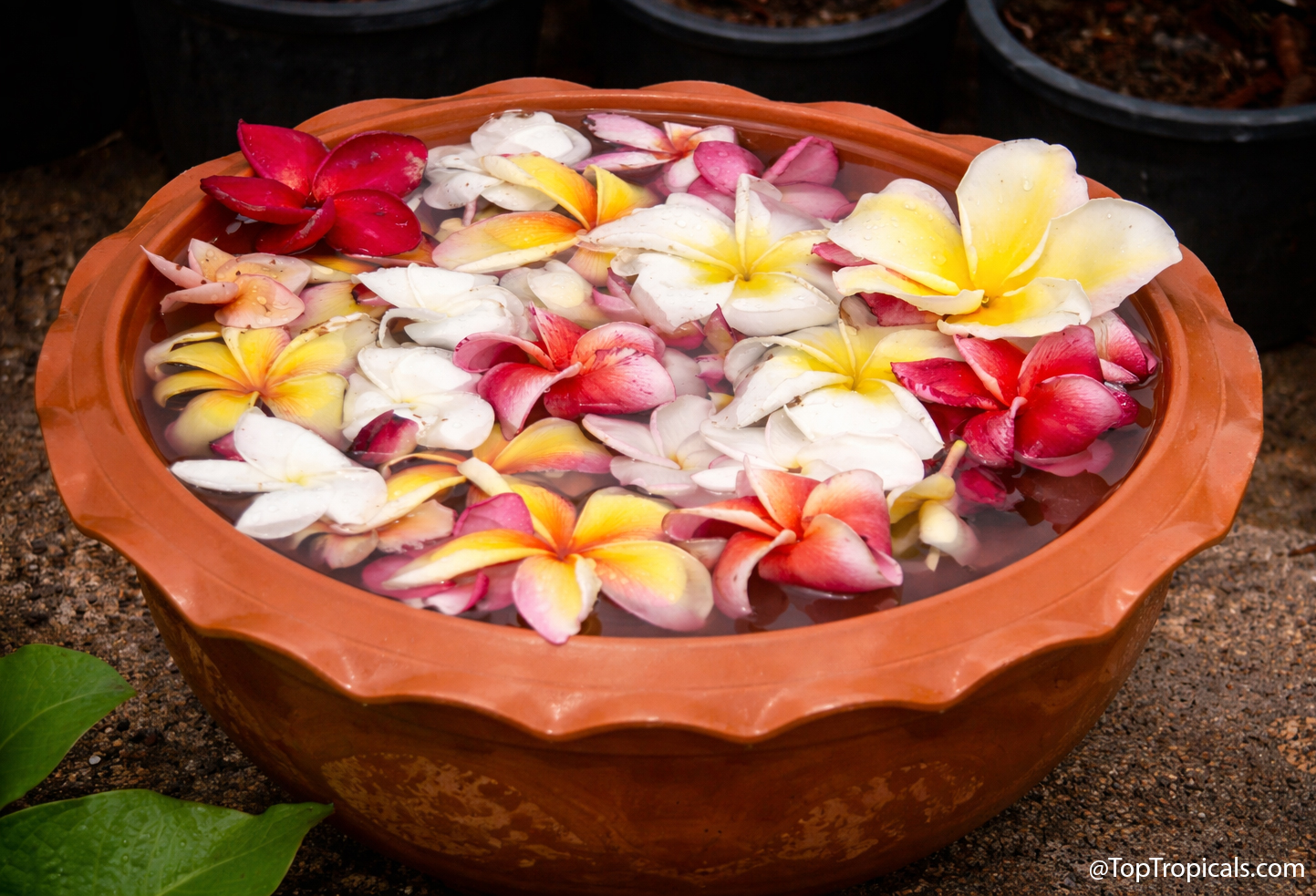
That scent does not have to stay in the garden. Fresh plumeria flowers can
be brought inside and placed in a small bowl of water they will float and
gently perfume the room. You can make a simple lei, keep a few blooms
on a table, or even place a flower in your car on a hot day - the warmth
releases the fragrance.
Bowl with Plumeria flowers
creates a scented space anywhere
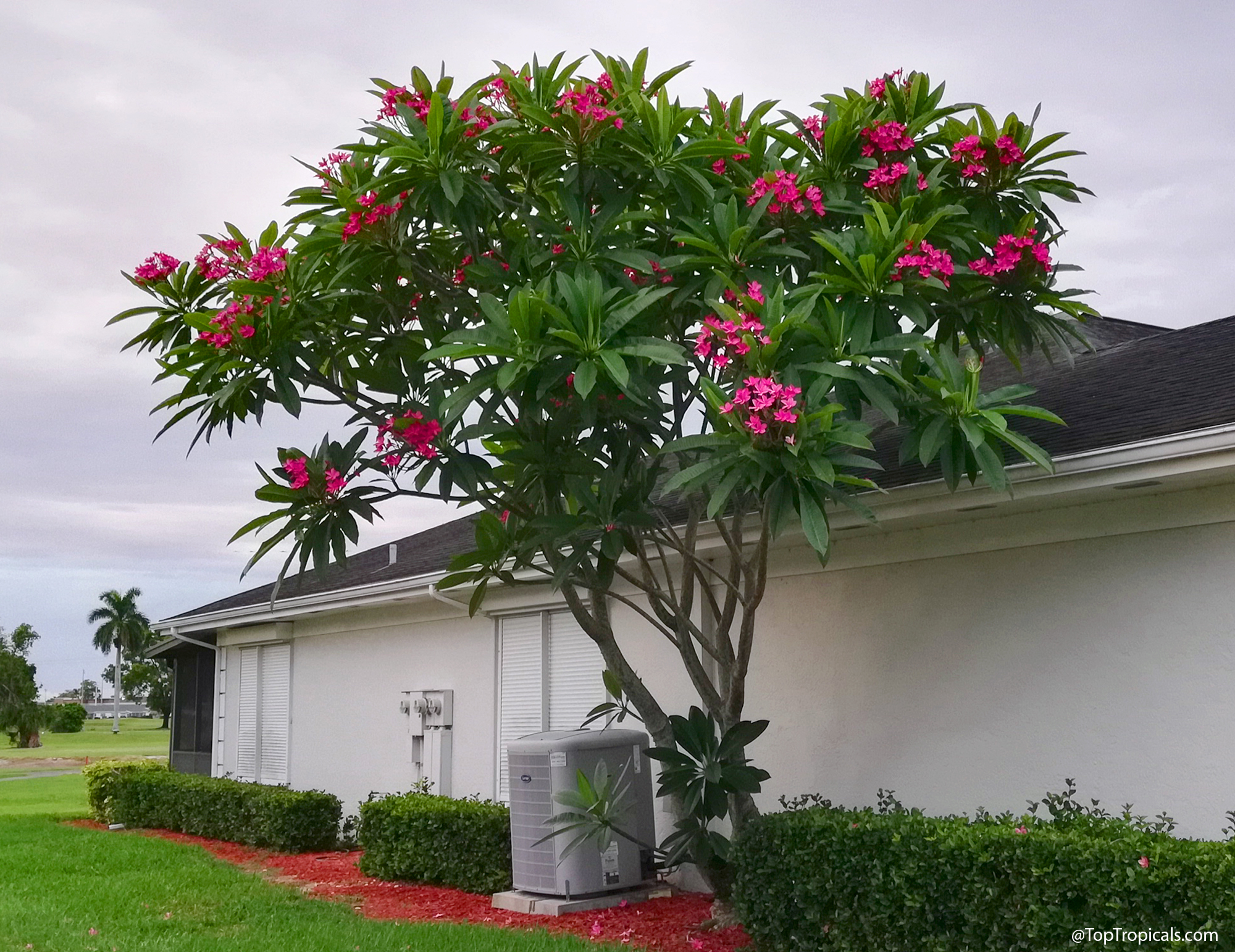
Red Plumeria is not just fragrant, it is one of the
most spectacular trees when in full bloom
Build Your Plumeria Paradise - Save
10%
Get 10% off with coupon code PLUMERIA2026
on plumeria trees.
Offer valid through 04/15/2026.
Discount applies to plumeria plants only. Not valid on previous purchases
and cannot be combined with other promotions or discounts. Offer
subject to change without notice.
Date: 24 Sep 2023
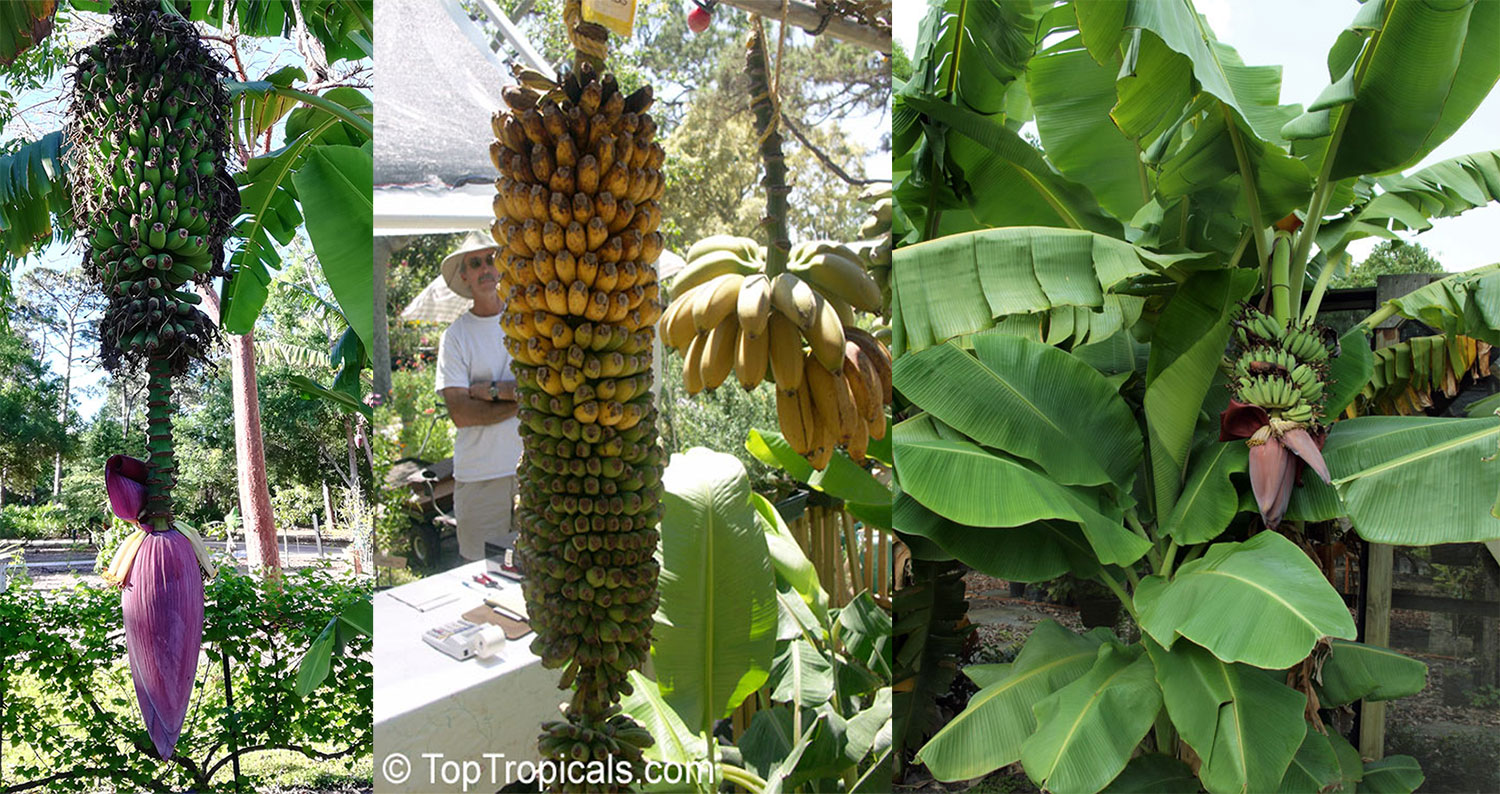
Go Bananas!
10 good reasons to plant bananas in your garden
Adding bananaplants to your subtropical garden or plant
collection can enhance the aesthetics of your outdoor and indoor space, provide fresh and nutritious fruits, and offer a fun gardening experience with
relatively low maintenance requirements. It's a delightful way to connect with nature and enjoy the benefits of homegrown
produce.
1. Tropical Ambiance: Banana plants bring a touch of the tropics
to your subtropical garden. Their large, lush leaves create a lush and exotic atmosphere that can transform your garden into a
tropical paradise.
2. Homegrown Flavor: Growing your own banana trees allows you to
enjoy the freshest, most flavorful bananas right from your garden. Homegrown bananas often have a superior
taste compared to store-bought varieties.
3. Nutritional Benefits: Bananas are packed with essential vitamins, minerals, and dietary fiber. By
cultivating your own banana trees, you gain access to a nutritious and healthy snack option right in your backyard.
4. Quick Results: Banana plants are known for their fast growth. In subtropical climates, they can produce fruit in as little as one to two years. This means you don't have to wait long to savor the fruits of your labor!
5. Low Maintenance: Banana trees are relatively low-maintenance
once established. They require regular watering, but their hardy nature makes
them a relatively easy addition to your garden. They are not messy in a
landscape.
6. Versatility: Bananas offer versatility in your garden. You can choose from dessert bananas for snacking, cooking bananas like plantains for culinary experiments,
or even ornamental banana varieties to enhance your garden's aesthetics.
There are so many varieties to enjoy! You can't find this big selection in a
grocery store.
7. Sustainable Living: Growing your own bananas reduces your reliance on
store-bought produce, contributing to a more sustainable lifestyle. It also
minimizes the carbon footprint associated with transporting fruits to market.
8. Educational Value: Cultivating banana plants can be an
educational experience for both adults and children. It offers insights into
tropical horticulture and can foster an appreciation for gardening and botany.
9. Landscaping Appeal: Beyond their fruit-bearing potential, banana plants add visual
interest to your garden. Their unique form and striking leaves make them an excellent choice for
landscaping and providing shade in your outdoor space.
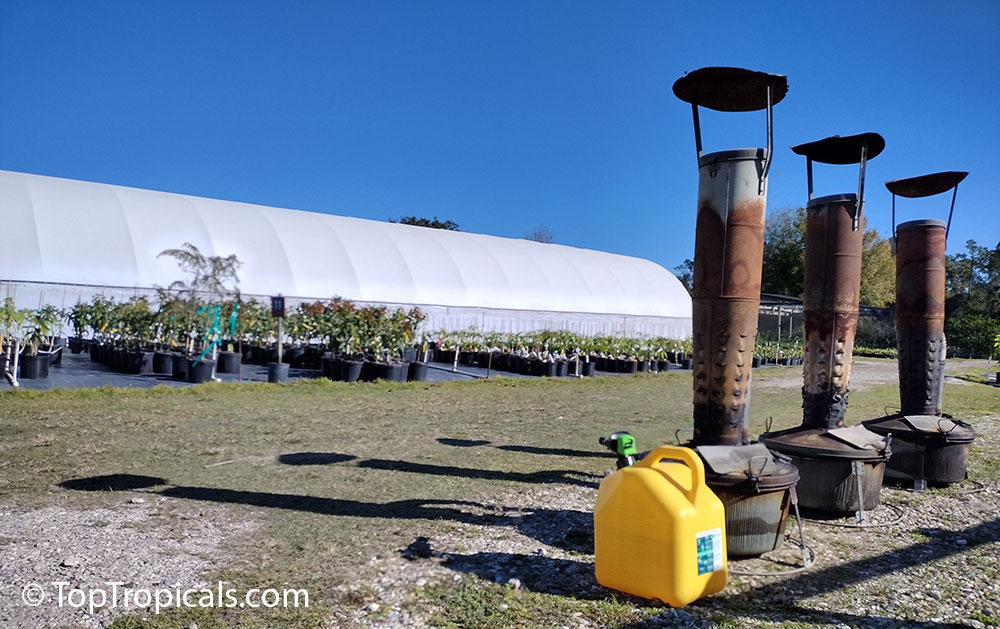
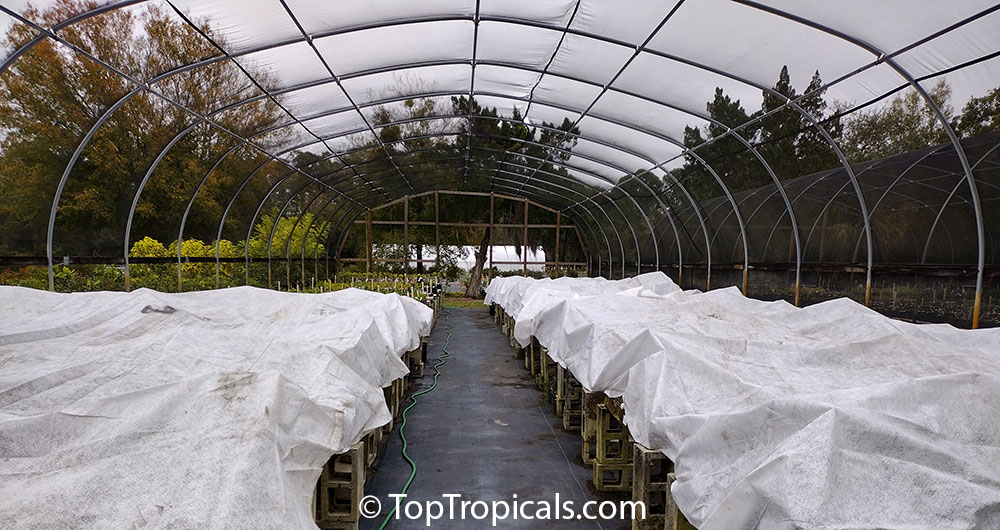
10. Resilience: While bananas thrive in tropical conditions, many banana varieties are hardy enough to withstand cooler
climates, making them a durable addition to your garden.
...Who doesn't like tropical beauty? Everyone wants tropical plants. But not everyone lives in a warm climate. Is it possible to grow tropicals outside of Tropics?
Top Tropicals horticulturist Mark Hooten, who is well known to many
gardeners as the Garden Doc with his
Saturday Plant Clinic, is answering gardeners' questions about how to prepare and protect tropical plants during winter...
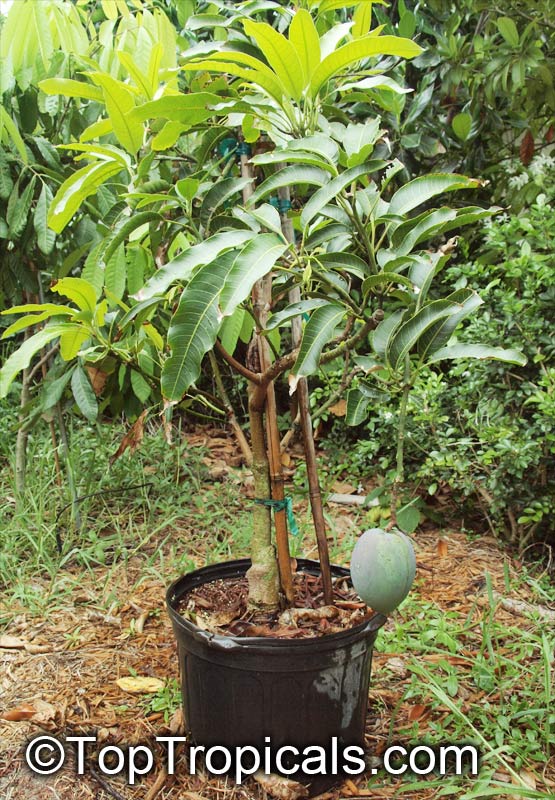
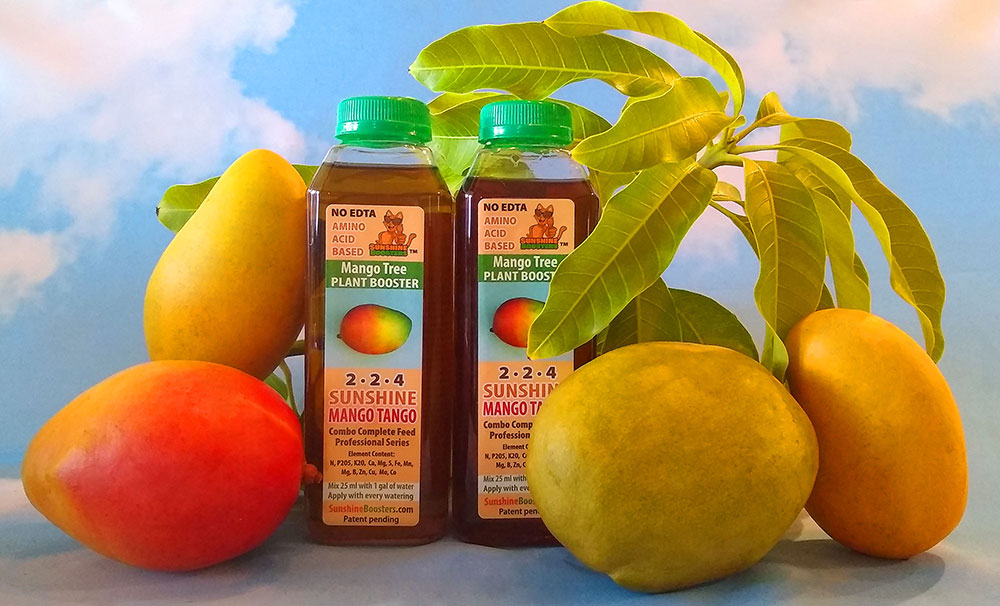
Healthy Plants. Q&A from Mr Booster: Fertilizing Mango trees in Winter
Q: I'm living in Maryland growing zone 7A and would like some
info on when to fertilize my potted mango trees. I ordered your Sunshine Mango Tango 2-2-4. All your mango trees are in pots.
A: You can start using this fertilizer right away, any time of
the year, and every time you water your plants.
Sunshine Mango Tango, as well as other Sunshine boosters, is an amino-acid
based liquid fertilizer that is scientifically developed for daily plant
needs in all necessary nutrients. This means, you may use this fertilizer with
every watering, including winter period.
Traditional fertilizers (both granulated and soluble, EDTA-chelated) can
only be used during hot months while plants grow actively, and must be limited
or not used at all during cooler months, to avoid nutrient lock up in soil
(which basically means "building up unused elements"). With Liquid Sunshine Boosters, it is safe to add them every time you water
your tree.
During cooler weather and when plant metabolism slows down, a tree will
consume less water (as well as food), and you will automatically reduce
watering, to keep over-wintering plants on a dry side. This means, less fertilizer
too. This allows you to control elements intake naturally, like you control
water amount just as much as the plant needs.









 Practical Growing Tips (Keep It Simple)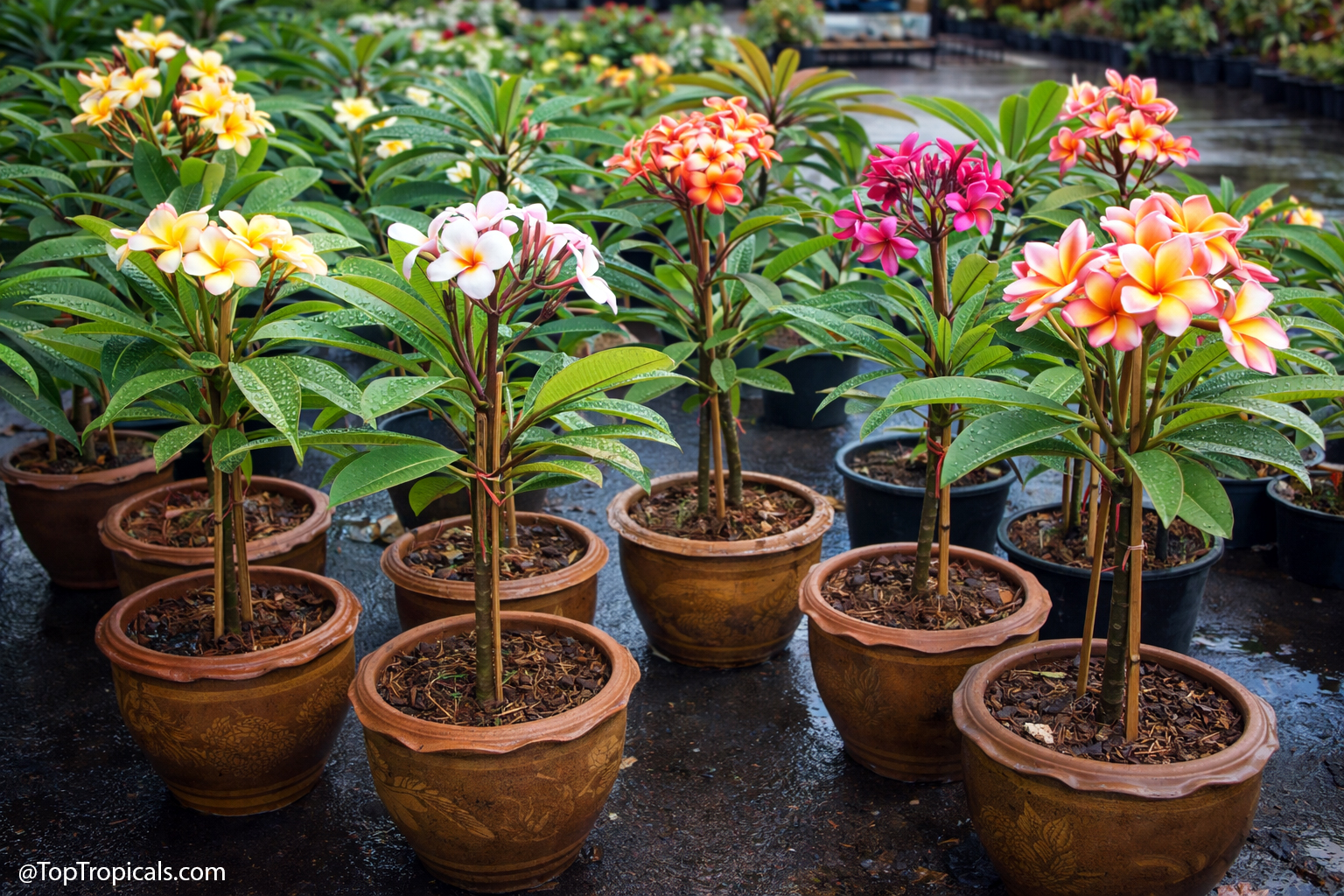
 Winter Care (Very Important)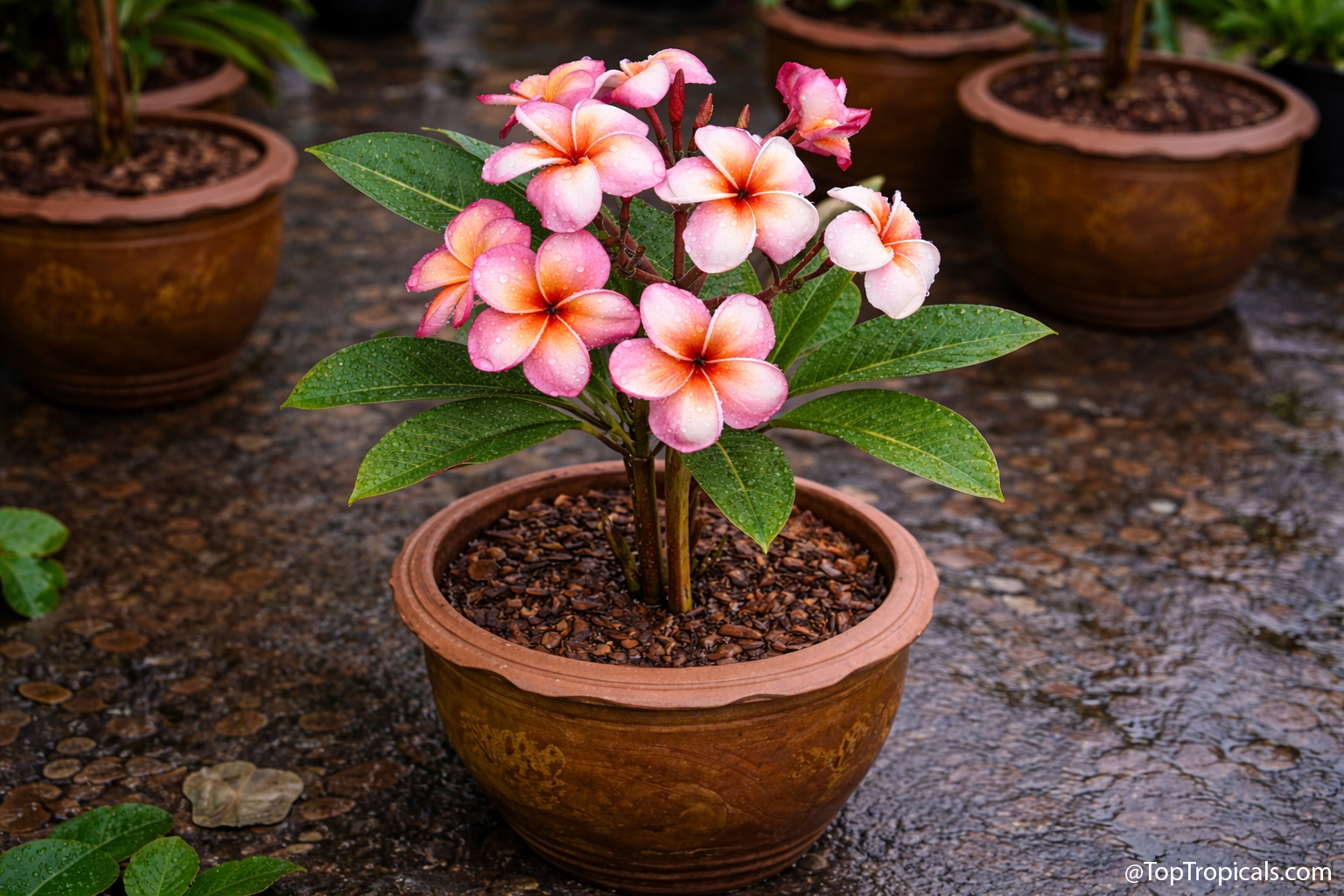
 Build Your Plumeria Paradise - Save
10%
Build Your Plumeria Paradise - Save
10%