Date: 31 Aug 2025
🌿 The Jungle Cactus with a secret life
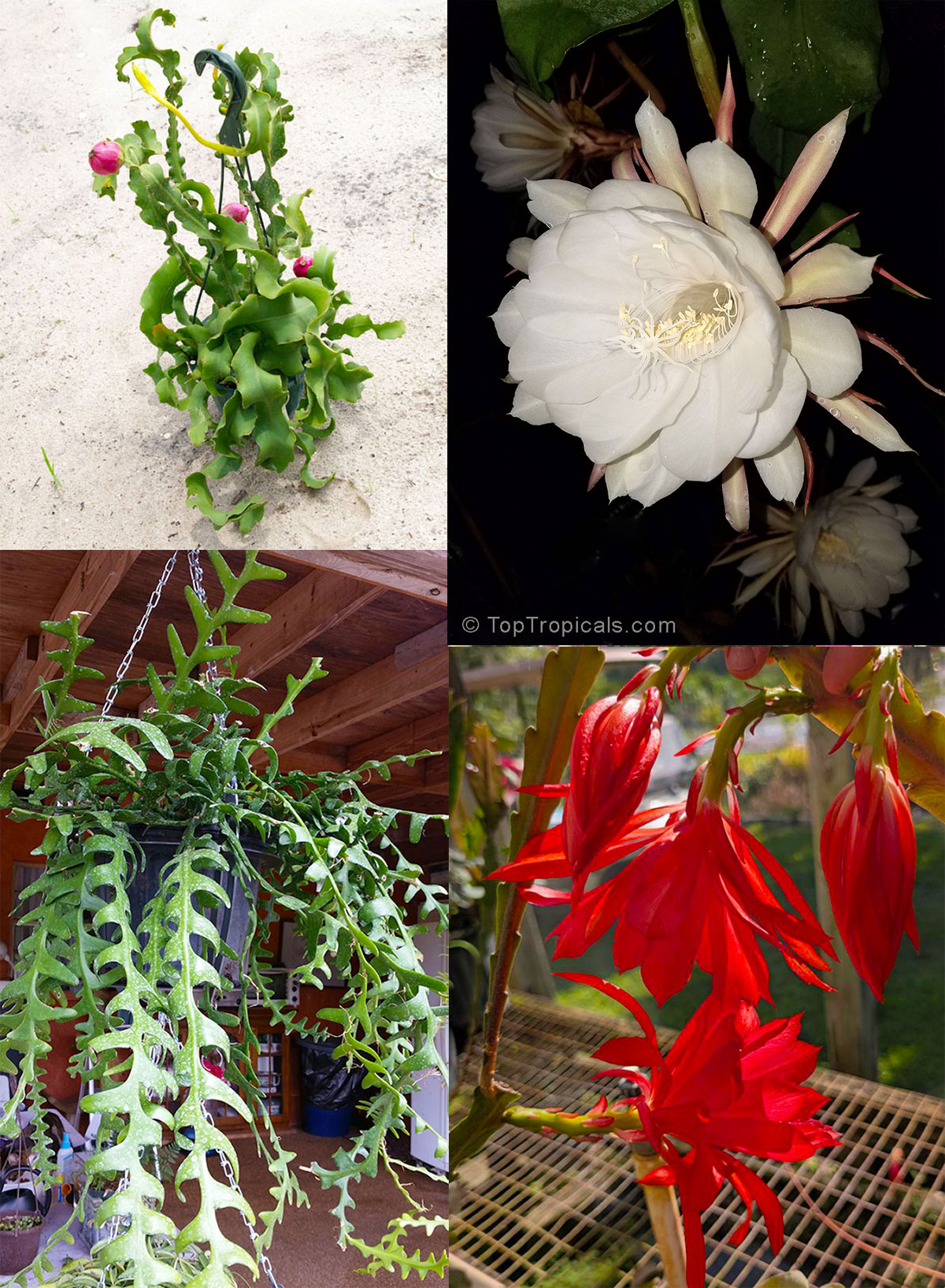
Jungle cactus collage: top left Epiphyllum guatemalense Monstrosa (Curly Locks Orchid Cactus), top right Epiphyllum oxypetalum (Queen of the Night), bottom left Cryptocereus anthonyanus (Zig-Zag Cactus), and bottom right Disocactus ackermanni (Red Orchid Cactus)
Most people picture cactus as desert plants: hot sun, sharp spines, dry sand. But that’s only half the story. There’s another branch of the family that lives in the shade of rainforests. These are the jungle cacti — epiphyte plants that climb trees, trail from branches, and throw out flowers so big and showy they look closer to orchids than to cactus blooms.
See one up close and it’s a surprise. The stems can be flat, zig-zagged, or even curly. Some trail like ferns, others pile into a shaggy basket. And when the flowers open — often at night — they’re wide, fragrant, and gone by morning. It’s no wonder gardeners like them from a first sight.
✔️ Jungle Cactus Q&A
Aren’t all cacti desert plants?
Not these. Jungle cacti are epiphytes and grow in rainforests, clinging to trees and catching rain. They never touch desert sand.
What kind of light do they need?
Outdoors, filtered sun under a tree works best. Indoors, give them bright but indirect light — east or north windows are usually safe. Direct summer sun can scorch the stems, whether inside or out.
How much water is safe?
They take more water than desert cactus but still hate wet feet. Outdoors, a rain shower is fine if the pot drains fast. Indoors, water when the top inch of soil feels dry. Always use a loose mix like Adenium mix so roots get some air.
Do they bloom indoors?
Yes. In fact, many bloom better inside where conditions are steady. They set buds when a little root-bound, and cooler nights help. Outdoors in frost-free zones, flowers come with seasonal shifts. Indoors, expect surprise buds after a cool spell by the window.
Best way to display them?
Hanging baskets show off trailing stems both inside and out. Shallow pots work well on shelves or ledges indoors. In warm climates, they can even be tied to a tree branch outside — exactly how they grow in the wild.
Extra note on indoor vs. outdoor care?
Indoors, watch for dry heated air in winter — they like a bit of humidity. A tray of pebbles and water under the pot helps. Outdoors, protect from heavy midday sun and bring them in if nights dip below the mid 30s F.
Jungle cacti are easy to keep and full of surprises. Whether trailing from a basket or blooming after dark, they prove that not every cactus belongs in the desert.
Date: 30 Sep 2025
Can you name all the fruits on this tray? One of them will stump you!
Papaya, Avocado, Egyptian guava and Cas guava, Barbados cherry, Peanut butter fruit
Can you name all the fruits on this tray? One of them will stump you!
- 🥭 This morning I walked the garden and came back with a tray of fruits! That’s the joy of living in Florida with your own tropical garden: something new is always in season.
- 🥭 On today’s tray: Papaya, Avocado, Egyptian guava and Cas guava, Barbados cherry… And this little red one? Peanut butter fruit!
- 🥭 At Top Tropicals, you’ll find every tropical fruit tree you can imagine. What fruits are you harvesting from your garden right now?
🛒 Explore rare tropical fruit
📚 Learn more:
- 10 best fruit trees to grow in Florida and Southern landscapes
- Five best fruit trees to plant in Summer
- Top 10 fast-fruiting trees
#Food_Forest #Discover
🟢 Join 👉 TopTropicals
Date: 9 Apr 2023
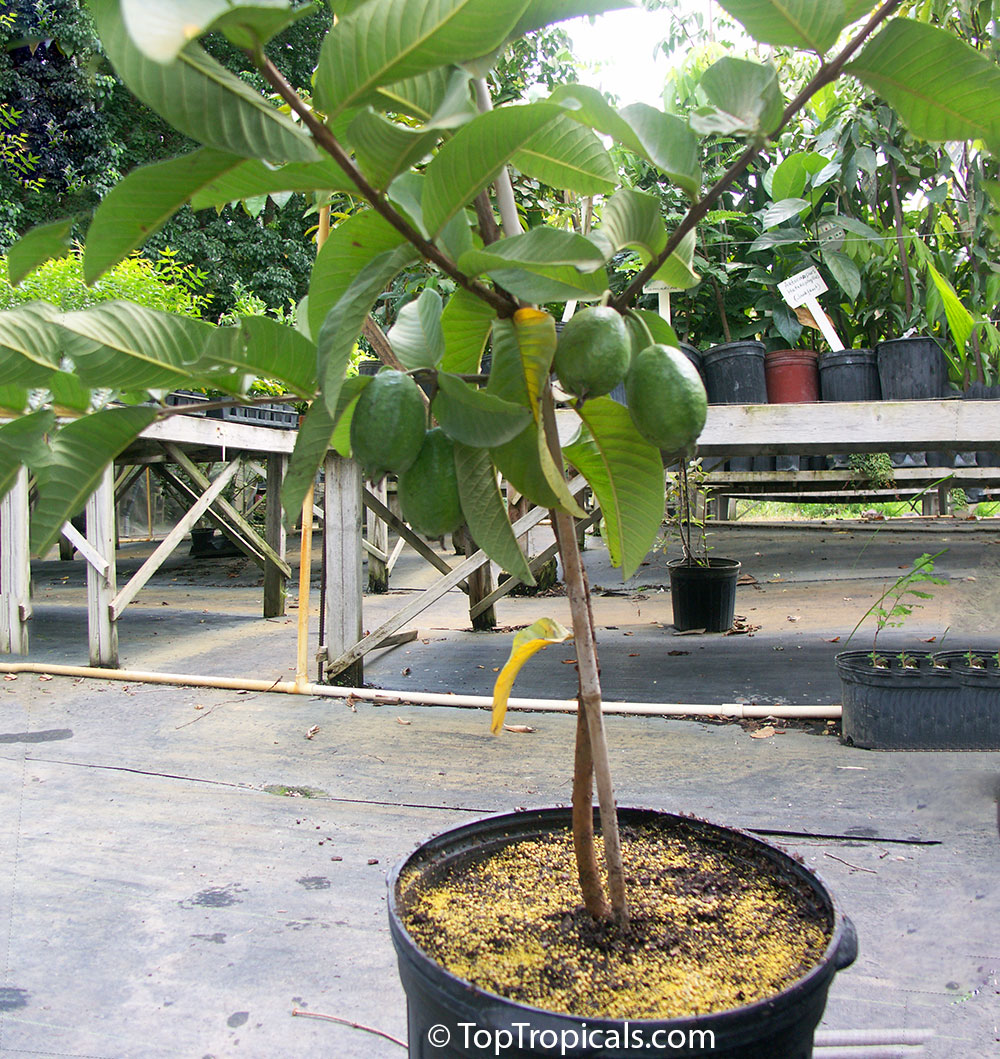
Discovering the Amazing Guava Fruit Tree
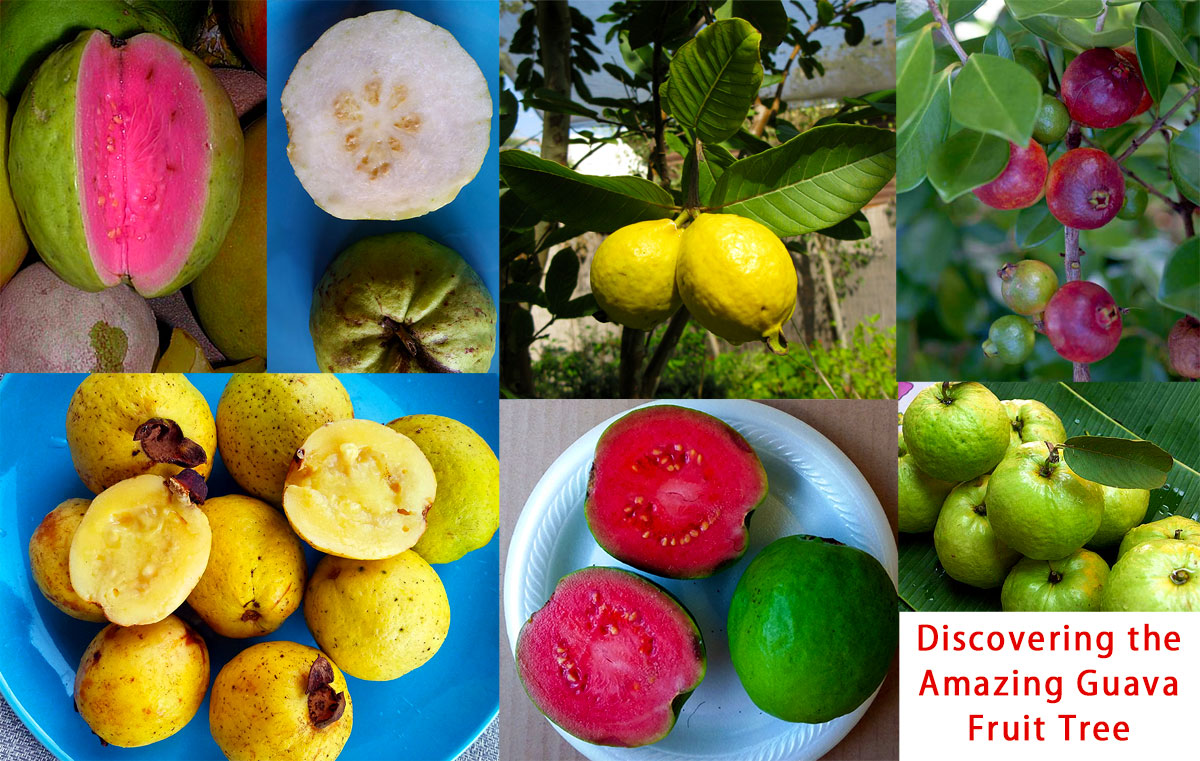
A Gardener's Delight:
How to grow Guava Tree, delicious recipes and more...
Imagine stepping into your garden, plucking a fresh, juicy guava off a tree, and savoring its sweet, tropical flavor. Sounds delightful, doesn't it? Guava trees are not only a wonderful addition to any garden but also offer an array of delicious and nutritious fruits. Let's explore the fascinating world of guava fruit trees, dive into the different species, and share some tasty ways to enjoy this remarkable fruit.
If you're blessed with a warm climate, find a sunny spot with well-drained soil for your tree. Water it regularly, especially during dry spells, and keep it well-fed with a balanced fertilizer. Pruning is essential for maintaining a bushy, healthy tree that'll reward you with an abundance of fruits...
Date: 30 Sep 2023
Avocado Variety Guide: Snack or Guacamole?
Collector's inspiration
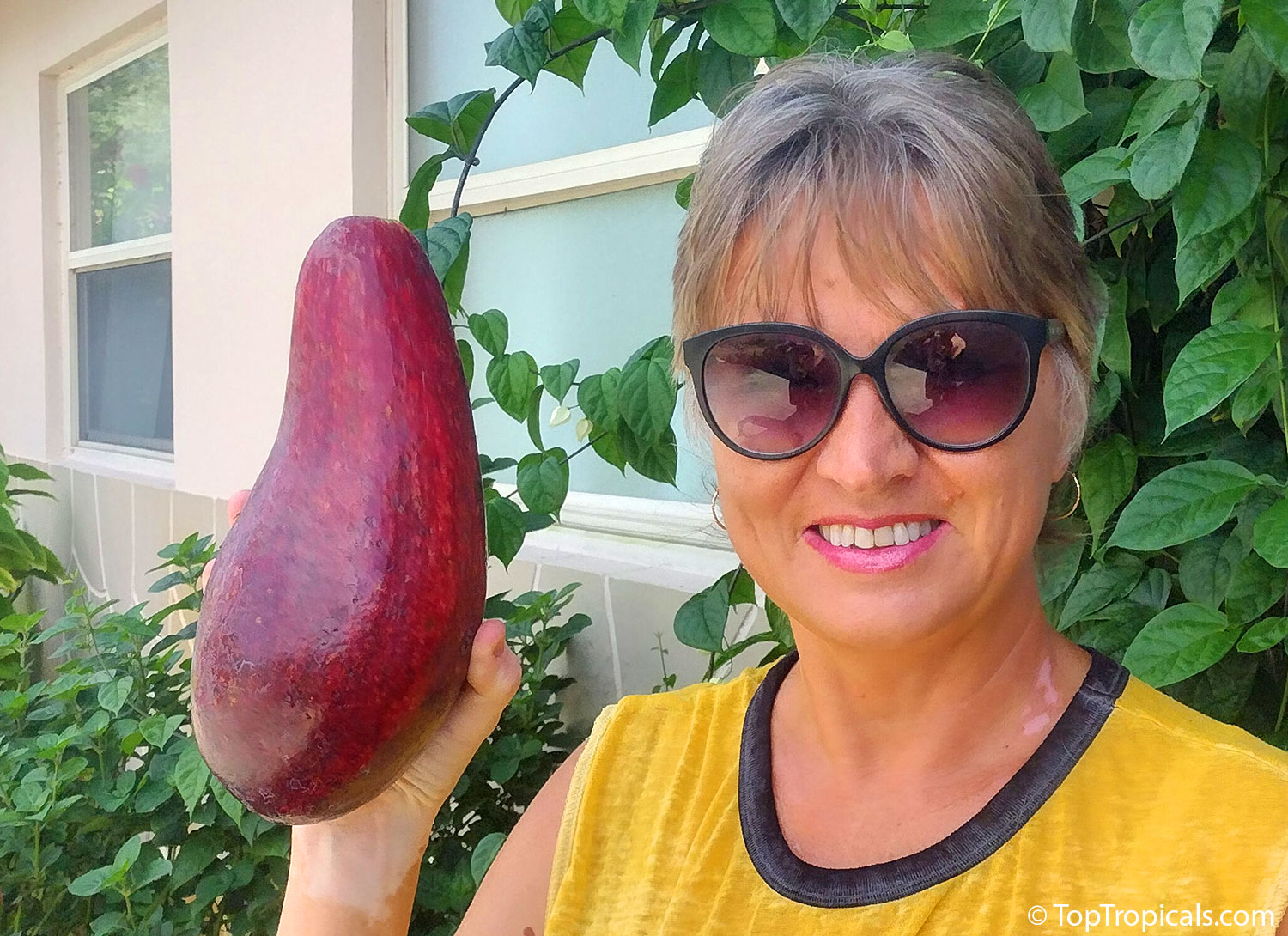
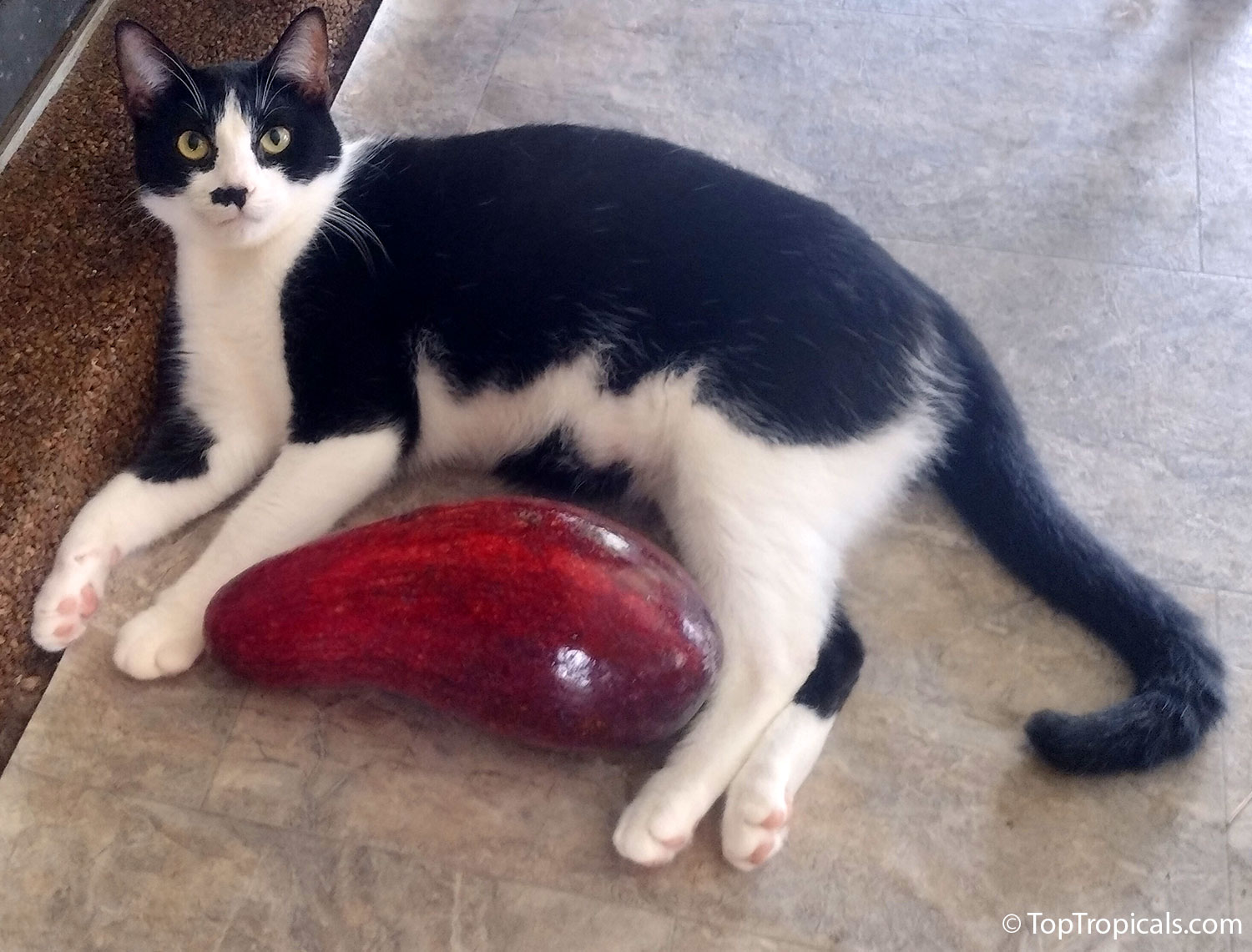
Photo above: It's NOT an egg plant! It's a Red Russell :)
A comprehensive guide to Avocado varieties by: flower type A or B, tree habit, fruit shape and quality, cold hardiness, origin, season and more!
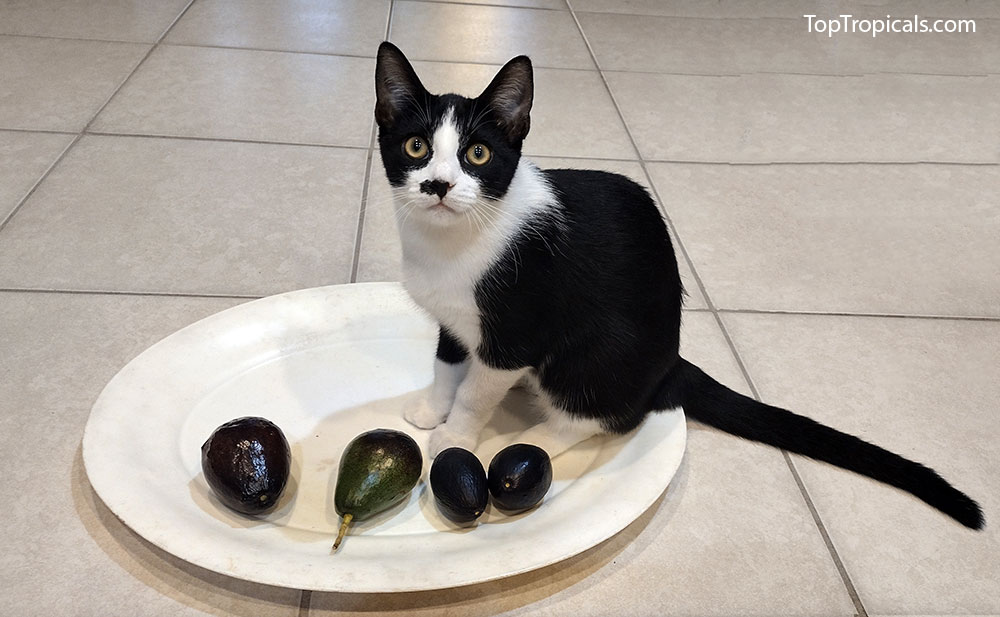
Many gardeners who are eager to purchase their first avocado tree often wonder which variety to choose. Most people are familiar with two primary classifications commonly found in grocery stores: Small & Black or Large & Green.
Frequently, we hear customers ask, "Do you have the one I like, the smaller fruit with bumpy skin? Not that big, tasteless, and watery one!" What they may not realize is that this basic (but practical!) classification doesn't encompass all the wonderful qualities avocados have to offer. There are numerous hybrids in cultivation, and once you plant your first tree and taste the REAL fruit (not from the grocery store), you'll be eager to explore other varieties. It's a guarantee! While it's true that avocado fruit can vary in "butter" content and how "watery" or "buttery" it is, most superior varieties are equally delicious. Or perhaps we should say they are so versatile and distinct in taste that you'll start building your collection of these trees, much like fruit enthusiasts do with mango varieties.
Every garden has unique requirements based on climate, temperature, and property size. These factors must be considered before planning your avocado garden. Additionally, many gardeners may wonder about Type A vs. Type B classifications and whether they need more than one tree to yield fruit. You'll find all this valuable information in our Avocado Variety Guide.
Basic classifications of avocados
1) By flowering pattern and pollination behavior: Type A and Type B
2) By origin: Mexican, Guatemalan, and West Indian (along with many hybrids)
3) By fruit appearance, texture and taste: Guacamole Avocado ("Smooth skin") and Snack Avocado ("California" or "Hass" type)
4) By growth habit: full size trees, free branching or upright, semi-dwarf low growing, and dwarf ("condo avocados")
5) By cold hardiness: Cold sensitive (requiring frost-free conditions), cold tolerant (able to withstand light frost), and cold hardy (capable of enduring some hard freezes once established)
6) By ripening season: Early or Spring (March-June), Mid or Summer (July-September), and Late or Fall-Winter (October-February).
Date: 23 May 2020
Perfumed Milky Way Tree
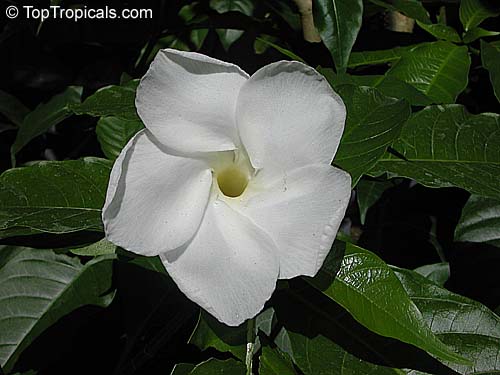
by Onika Amell, tropical plant expert
What is a garden without fragrance? Unknown to so many gardeners because
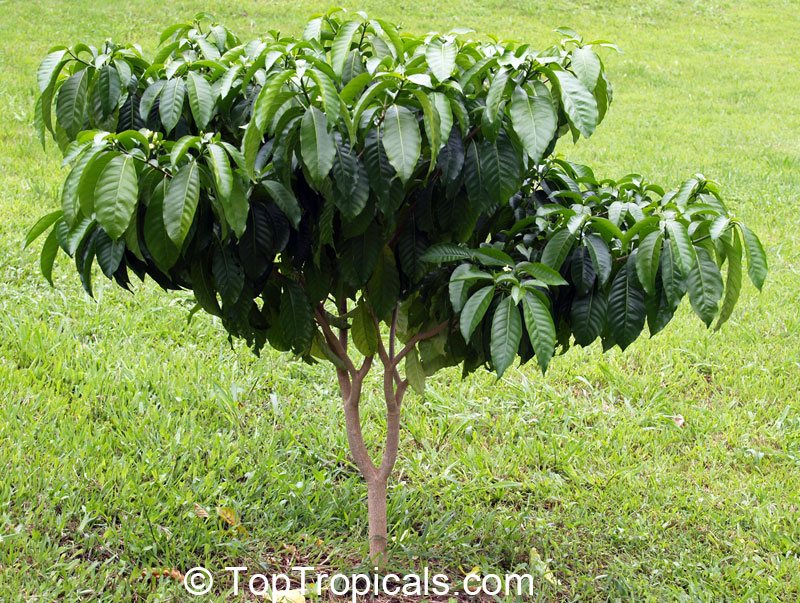
of its rarity, the Milky Way tree or Stemmadenia litoralis is one of those trees that are simply
unforgettable. This is without a doubt one of the most fragrant flowering trees you can
plant in the tropics or warm greenhouse conditions...
When this tree is in full bloom, masses of large, white, tornado-shaped
flowers cover the branches. The fragrance is something to behold… soft,
vanilla sweet and musky. Leaves are dark green and sparkly and a striking contrast
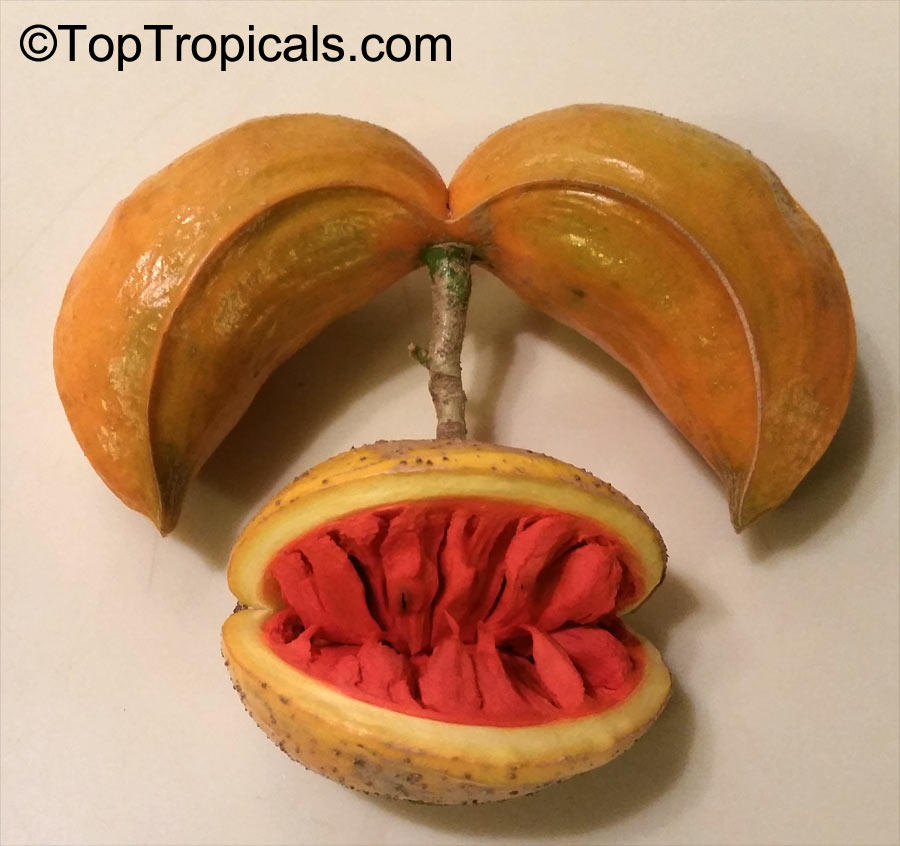
against the large, white flowers. Even the seed pods are pretty,
double-horned and orange-gold, born in pairs and hanging from the tree. This tree is so
ornamental!..