Garden Blog - Top Tropicals

Date: 22 Feb 2026

How to grow Papaya from seed, step-by step - FAQ

Carica papaya - Papaya fruit

Carica papaya - Papaya fruit

🍊 How to grow Papaya from seed, step-by step - FAQ


💚 Is papaya a tree?


No. Papaya is a herbaceous plant with a hollow trunk. Treating it like a tree is one of the most common mistakes growers make.

💚 How fast does papaya grow from seed?


Very fast. Papaya can start producing fruit in 10–15 months when grown in warm conditions.

💚 Can papaya be grown in containers?


Yes. Dwarf papaya varieties stay under 4–5 ft tall in containers and still produce full-size fruit.

💚 Will seeds from grocery store papaya work?


They will germinate, but the variety is unknown and usually not dwarf. If you want a compact plant, use seeds from a known dwarf variety.

💚 Do papaya plants come true from seed?


Yes. When the seed source is known, papaya grows true to type.

💚 How long do papaya seeds take to germinate?


Fresh seeds usually germinate in 2–3 weeks with warmth. Stored dry seeds can take 8–10 weeks.

💚 What temperature do papaya seeds need?


Above 70F, ideally 85–90F. Bottom heat greatly improves success.

💚 Do papaya seeds need to be cleaned before planting?


Yes. The slimy coating must be removed or seeds may rot instead of sprouting.

💚 What soil is best for papaya seedlings?


A well-draining mix or coconut fiber. Soil should be moist, never soggy.

💚 Why do papaya seedlings rot so easily?


Overwatering and poor drainage are the main causes. Young papaya roots are very sensitive to excess moisture.

💚 Do papayas like transplanting?


No. Papayas hate root disturbance. Reduce transplanting and move into larger containers sooner rather than stepping up gradually.

💚 How big should the container be?


After a 4-inch pot, move directly into a 1-gallon or even 3-gallon container to minimize root disturbance.

💚 Does papaya need staking?


Yes. Papaya grows fast, and the stem can outpace root development. Even light wind can knock it over.

💚 How much sun does papaya need?


Full sun. Shade causes leggy growth, poor flowering, and little to no fruit.

💚 Should papaya be watered heavily?


No. Once established, papaya prefers drier conditions. Large plants tolerate rain better than young ones.

💚 Can papaya be planted in the ground?


Yes, but only in well-drained soil and elevated spots. Low areas with standing water will kill it.

💚 Is fertilizer important for papaya?


Yes. Papaya is a heavy feeder. Poor soil means poor growth and little or no fruit. Use Green Magic once every 6 months or Sunshine Boosters C-Cibus with every watering.

💚 Should papaya be pruned to control height?


No. Pruning ruins its natural form. If height is an issue, grow a dwarf variety instead.

🛒 Explore Papaya varieties

📚 Learn more:

Papaya Plant Facts

Botanical name: Carica papaya
Also known as: Papaya
USDA Zone: 9 - 11
Highligths Small tree 10-20 ftFull sunWater Requirement: Low. Allow soil to dry out between wateringsWatering: Moderate. Water when top soil feels dryYellow, orange flowersWhite, off-white flowersEdible plantEthnomedical plant.
Plants marked as ethnomedical and/or described as medicinal, are not offered as medicine but rather as ornamentals or plant collectibles.
Ethnomedical statements / products have not been evaluated by the FDA and are not intended to diagnose, treat, cure, or prevent any disease. We urge all customers to consult a physician before using any supplements, herbals or medicines advertised here or elsewhere.Subtropical plant. Mature plant cold hardy at least to 30s F for a short time
Get personalized tips for your region

· Carica papaya in Plant Encyclopedia
· How to grow papaya from seed without killing it:
Part 1: Papaya basics
Part 2: Seeds germination
Part 3: Containers, sunlight, and common mistakes
· Carefree Garden: How Easy Is It to Grow a Papaya Tree?
· Male papaya produces fruit!
· Top 10 fast-fruiting trees: #6. Papaya
· How to have fresh Papaya fruit year around
· The truth about Papaya
· Papayas contain a secret enzyme

🎥 Nobel Prize goes to this pregnant male papaya

#Food_Forest #How_to #Papaya #Discover

🟢 Join 👉 TopTropicals

Date: 25 May 2026

Avocado Joey: the hidden world beyond green and black

Avocado Joey

Avocado Joey

Avocado Joey: the hidden world beyond green and black


Joey is a Texas selection prized for its exceptional cold tolerance and dependable production. The small dark-skinned fruit has rich, creamy flesh and excellent flavor despite its modest size. For gardeners pushing the limits of avocado growing, Joey is often one of the first varieties recommended. As a compact grower, it is an excellent choice for container culture.

· Botanical name: Persea americana 'Joey'
· Origin: Guatemala
· Cold hardiness: Among the most cold-hardy avocados; reported to tolerate temperatures around 15°F
· USDA zones: 8b-11
· Flower type: B
· Tree size: Approximately 20 ft x 20 ft in the ground
· Growth habit: Upright, compact, with a well-branched canopy, suitable for container culture with minimal pruning
· Foliage: Mexican-type foliage with a pleasant anise-like fragrance when crushed
· Fruit size: 6-10 oz
· Fruit shape: Pear-shaped
· Fruit color: Purple-black when ripe
· Skin: Thin and smooth
· Flesh: Creamy, buttery, and high in oil
· Flavor: Rich, nutty, and excellent for fresh eating
· Season: September-October
· Best use: Fresh eating, slicing, and premium guacamole
· Special feature: Exceptional cold tolerance combined with rich, high-quality fruit
· Why growers love it: Joey is one of the best choices for gardeners in colder climates who still want excellent avocado flavor. Its ability to withstand winter cold while producing rich, buttery fruit has made it a favorite among avocado enthusiasts across the South. 👉 More

💡 Avocado tip: Protect young trees from cold


A mature avocado may handle a light freeze, but young trees are far more vulnerable. During the first few winters, be ready with frost cloth, blankets, or temporary protection.

🛒 Explore cold hardy Avocado varieties

📚 Learn more:


· Avocado Variety Guide: Snack or Guacamole? Collector's inspiration
· Avocado Fantastic: the hidden world beyond green and black
· Avocado Fantastic Quick Facts
· Cold-hardy avocado survival groups - what the numbers really mean
· How to protect Avocado from cold and how hardy is it?
· Avocado that laughs at frost: Mexicola Grande for cooler climates
· Cold hardy Avocado Joey - you eat it with the skin

📖 Our Book: Avocado Variety Guide, Snack or Guacamole?
·
Hard copy · PDF File Download

#Food_Forest #Avocado #Discover

🟢 Join 👉 TopTropicals

Date: 27 Jul 2023

Top varieties of pineapples

Pineapple

Q: I want to grow my own pineapples, which varieties do you recommend for the best production? Do I need any special organic fertilizer?

A: Growing your own pineapple is pure bliss. Watching the transformation from a small crown into a luscious fruit is immensely rewarding. Every tropical gardener should experience the joy of growing this tropical gem and relishing its sun-kissed sweetness straight from the garden. Pineapples are easy to grow and can fruit in containers too, so if you live in a colder climate, no problem! They will take very little space in your greenhouse or sunroom. Just remember to feed your pineapple plants with Sunshine Boosters so they will feed you the biggest and the sweetest fruit! Sunshine Boosters are natural, organic-amino-acid based plant nutrients that are perfect for any edibles.
There are several varieties of pineapples in commercial cultivation. Below are the most interesting cultivars. Discover the pineapple paradise!

Elite Gold: Bursting with tropical flavor and vibrant gold flesh, Elite Gold dazzles with its unique taste and ornamental beauty.

Florida Special: Perfectly balanced sweetness and acidity, this variety thrives in warmer climates, gifting you a taste of Florida's sunshine.

Sugar Loaf: Irresistibly sweet with a hint of citrus, Sugar Loaf's compact size makes it an ideal choice for container gardening.

White Jade (Spineless Sweet): Exceptionally sweet and without spines, White Jade pampers you with a delectable, thorn-free harvest.

Lava Burst (Burgundy Variegated Rainbow): This visually stunning ornamental pineapple variety boasts striking burgundy and green leaves, resembling a rainbow of colors. Its fruit edible but small; its exceptional beauty adds a touch of exotic elegance to any garden or indoor space. Lava Burst is a delightful conversation starter and a captivating addition to your plant collection, making it a favorite among pineapple enthusiasts for its aesthetic appeal.

Embrace the sense of accomplishment and the satisfaction of savoring homegrown, mouthwatering pineapples - nature's sweetest gift!

Read more about Pineapples: The most luscious Hospitality Fruit.

Pineapple

Date: 28 Apr 2021

Cold hardy tropical fruit trees for Zone 9

Q: Can you suggest tropical fruit that can be grown (cold hardy) in Zone 9?

A: There are quite a few tropical/subtropical trees that will grow well in zone 9. Our favorites are: Figs - very cold hardy and drought tolerant.
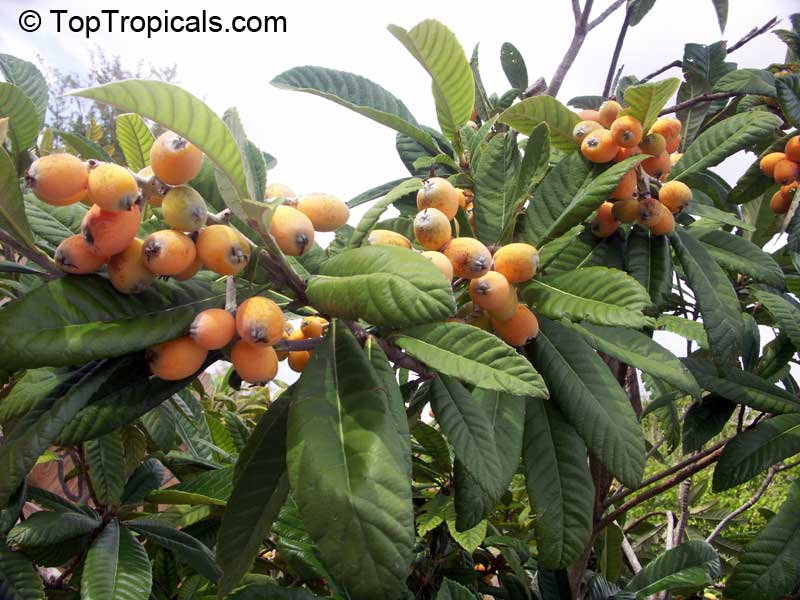
Loquats - grafted trees that start fruiting right away, reliable producers.
Tropical Mulberry - very fast growing trees that can take freeze, heavy producers.
Macadamia - these trees are of a compact nature, very easy to grow and start producing nuts right away.
Many different varieties of Eugenias - tropical cherries - all-time favorites. Another tropical cherry - Malpighia, or Barbados cherry - starts fruiting in small size under one food tall! Great for containers.
Tropical (Low Chill) Peaches, Nectarines, and Plums. See full list of low-chill, relatively cold hardy fruit trees.
And of course - Bananas!

Don't forget to fertilize your fruit trees to improve their cold hardiness!

Date: 17 Sep 2020

Healthy Plant Food: Q&A from Mr Booster

How to make pineapples fruit?

Q: I have purchased a Sugar Loaf Pineapple from you a few months ago, it is growing well and producing little babies around the main plant! I am so excited to have my own Pineapple plantation! How soon will they fruit and is there anything I can do to make them fruit faster? Can I give extra fertilizer just like I do for other garden plants?

A: It takes a year or two until a pineapple plant gains enough energy to be ready to fruit. However the total time depends on growing conditions and availability of all necessary nutrients.
Pineapples, like all other plants from Bromeliaceae family require very delicate fertilizer; traditional fertilizers, if overdosed, can harm Bromeliads and even kill them. At the same time, Pineapples require extra Magnesium for good production, and not every fertilizer has it, or contains it in well-accessible compounds / proper proportions.
Sunshine Ananas Booster is a scientifically formulated, mild fertilizer, designed especially for tender Bromeliads, containing Magnesium just in perfect concentration. Its amino-acid based ingredients are natural and work perfectly for edibles and organic gardens. Just follow the label instructions and speed up the fruit production 3-4 times!

In the photo: Mr B checking his Sunshine Boosters inventory before shipping to his Good Customers.