Date: 31 Aug 2025
🌿 The Jungle Cactus with a secret life
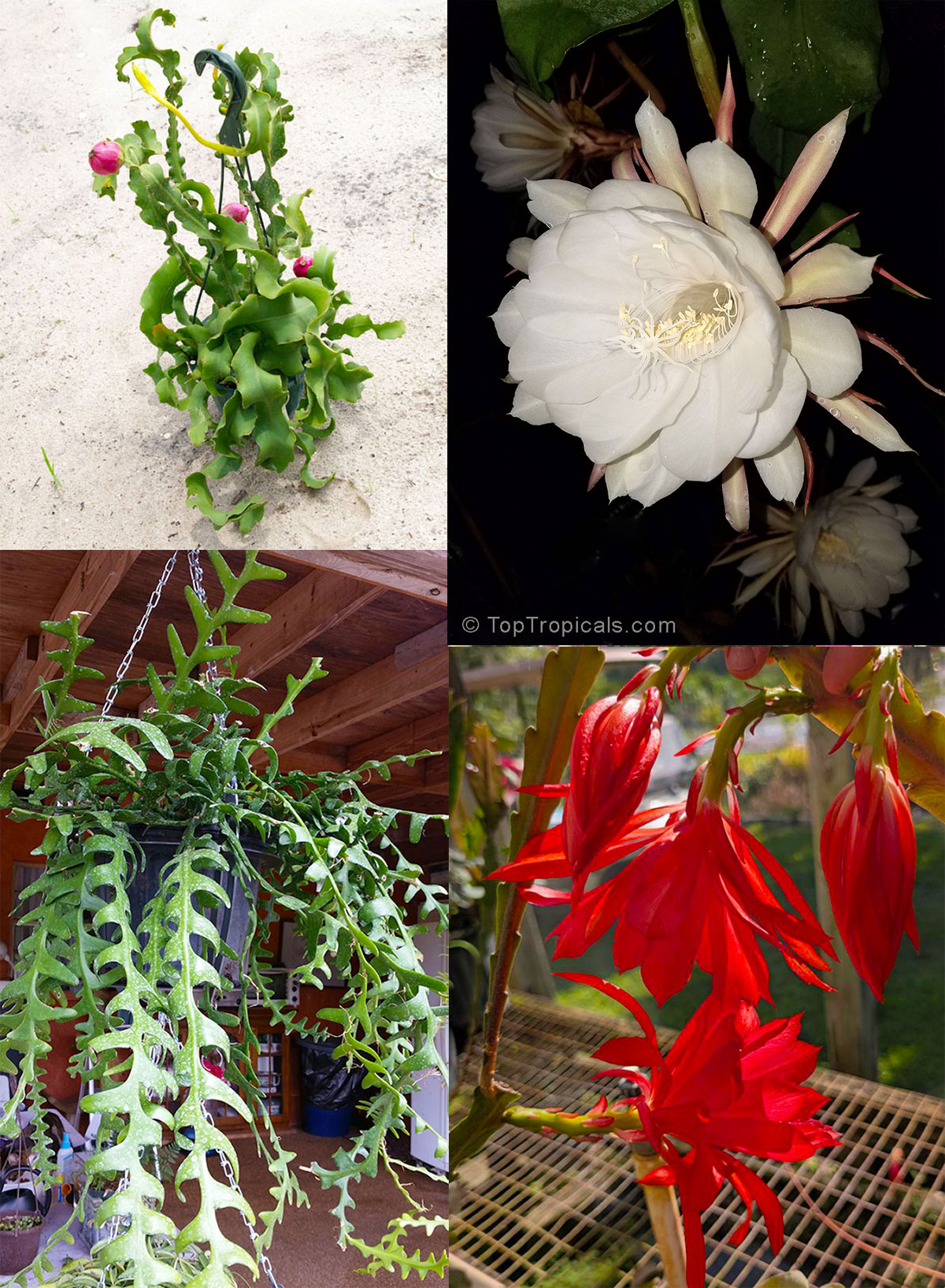
Jungle cactus collage: top left Epiphyllum guatemalense Monstrosa (Curly Locks Orchid Cactus), top right Epiphyllum oxypetalum (Queen of the Night), bottom left Cryptocereus anthonyanus (Zig-Zag Cactus), and bottom right Disocactus ackermanni (Red Orchid Cactus)
Most people picture cactus as desert plants: hot sun, sharp spines, dry sand. But that’s only half the story. There’s another branch of the family that lives in the shade of rainforests. These are the jungle cacti — epiphyte plants that climb trees, trail from branches, and throw out flowers so big and showy they look closer to orchids than to cactus blooms.
See one up close and it’s a surprise. The stems can be flat, zig-zagged, or even curly. Some trail like ferns, others pile into a shaggy basket. And when the flowers open — often at night — they’re wide, fragrant, and gone by morning. It’s no wonder gardeners like them from a first sight.
✔️ Jungle Cactus Q&A
Aren’t all cacti desert plants?
Not these. Jungle cacti are epiphytes and grow in rainforests, clinging to trees and catching rain. They never touch desert sand.
What kind of light do they need?
Outdoors, filtered sun under a tree works best. Indoors, give them bright but indirect light — east or north windows are usually safe. Direct summer sun can scorch the stems, whether inside or out.
How much water is safe?
They take more water than desert cactus but still hate wet feet. Outdoors, a rain shower is fine if the pot drains fast. Indoors, water when the top inch of soil feels dry. Always use a loose mix like Adenium mix so roots get some air.
Do they bloom indoors?
Yes. In fact, many bloom better inside where conditions are steady. They set buds when a little root-bound, and cooler nights help. Outdoors in frost-free zones, flowers come with seasonal shifts. Indoors, expect surprise buds after a cool spell by the window.
Best way to display them?
Hanging baskets show off trailing stems both inside and out. Shallow pots work well on shelves or ledges indoors. In warm climates, they can even be tied to a tree branch outside — exactly how they grow in the wild.
Extra note on indoor vs. outdoor care?
Indoors, watch for dry heated air in winter — they like a bit of humidity. A tray of pebbles and water under the pot helps. Outdoors, protect from heavy midday sun and bring them in if nights dip below the mid 30s F.
Jungle cacti are easy to keep and full of surprises. Whether trailing from a basket or blooming after dark, they prove that not every cactus belongs in the desert.
Date: 14 Feb 2024
Year of the Dragon: Chinese or Vietnamese?
Q: Is Chinese New Year the same as Vietnamese Tat? I want to buy a Vietnamese Micky Mouse plant and I am wondering if this would be also a lucky plant for the Year of the Dragon?
A: Vietnam, as well as other parts of Asia, is celebrating the Lunar New Year of the Dragon, which falls on February 10. Vietnam and neighboring China share 10 of the zodiac calendar's 12 signs: the rat, tiger, dragon, snake, horse, goat, monkey, rooster, dog and pig. The Vietnamese traditional Tet market in Hanoi is covered in hues of red and gold, colors that represent good luck and fortune. One of the most significant plants is the golden-flowered Ochna. But there are several other plants associated with the Lunar New year, as well as Dragon Year.
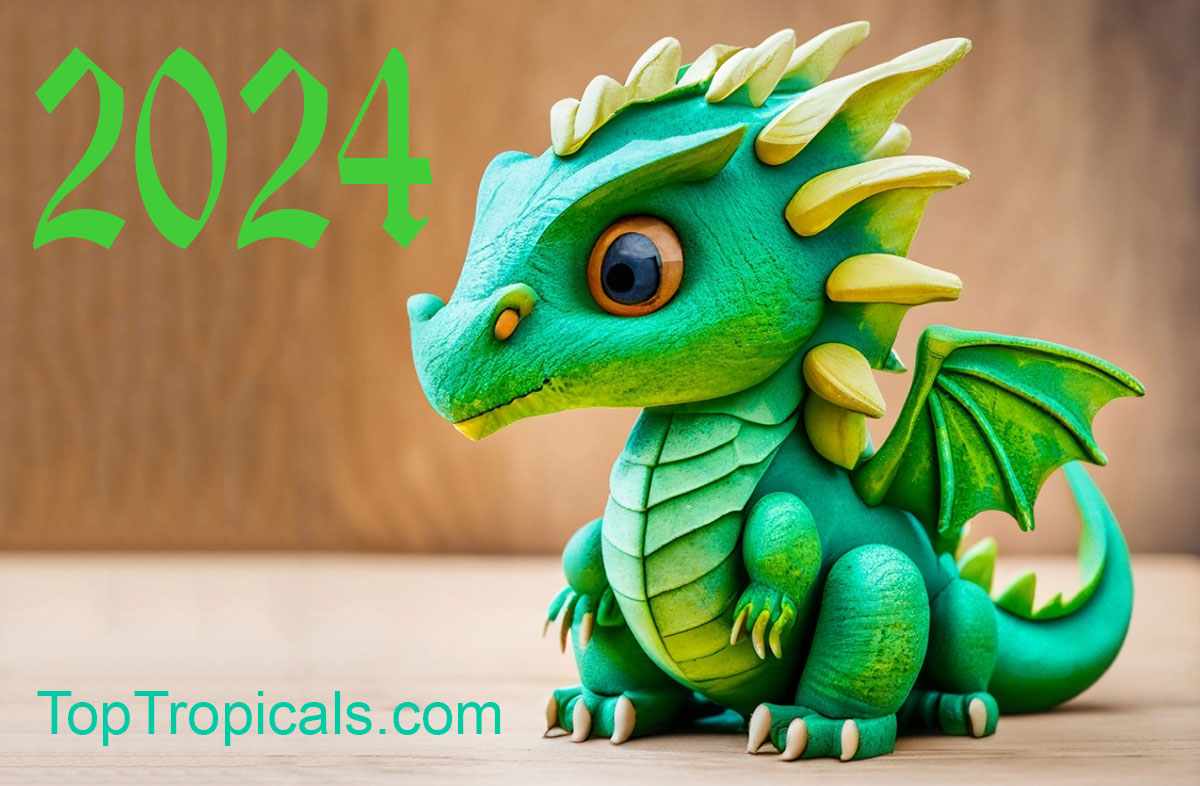
Green Wooden Dragon has specific favorite plants, including all species of Dragon fruits, Lychee or First Dragon's Eye (Litchi sinensis), Longan or Second Dragon's Eye (Euphoria longana), Creeping Philodendrons, and the Golden Rain Tree (Koelreuteria paniculata).
Learn more:
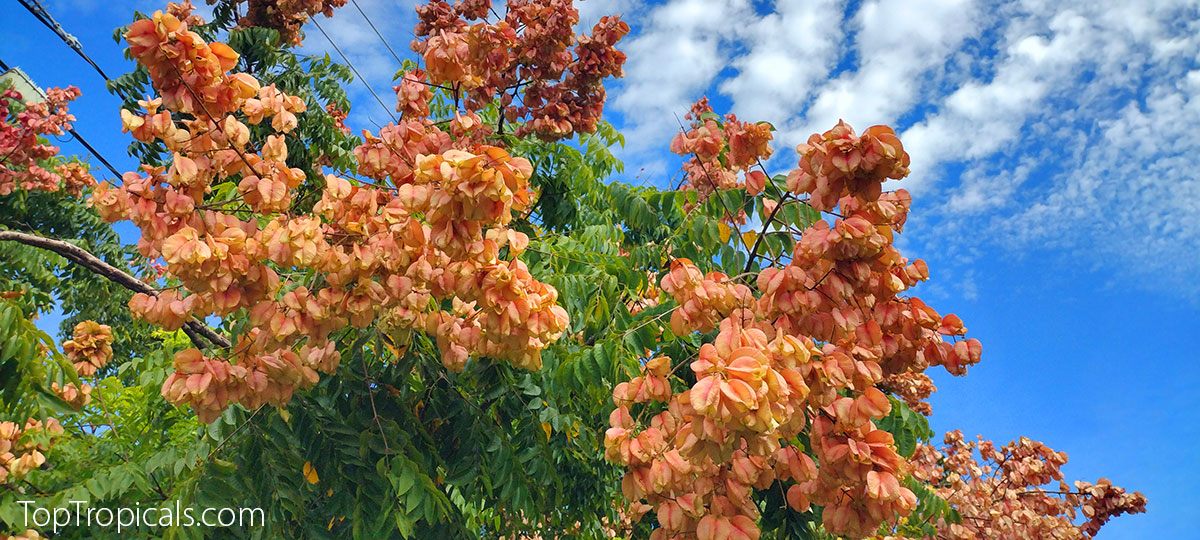
Golden Rain Tree (Koelreuteria paniculata). According to ancient Chinese manuscripts, the Golden Rain Tree (Koelreuteria paniculata) is crucial for Dragons, as it is believed to be connected to their existence, guarding and complementing each other. Growing these plants is considered auspicious and is believed to safeguard the Dragon family.
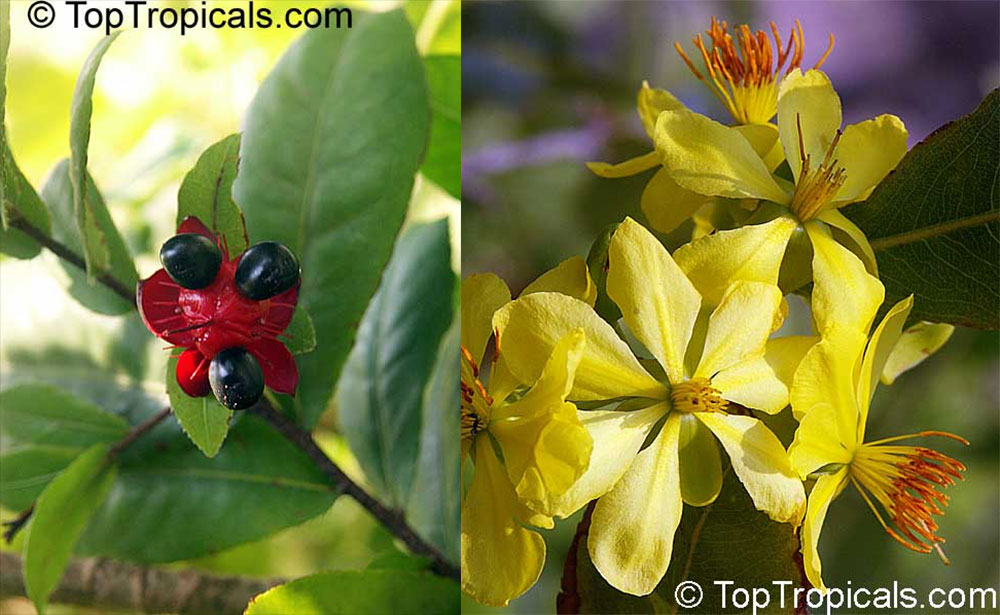
The most celebrated flower in Vietnam, Ochna integerrima
Date: 6 Nov 2023
Cat
Horoscope
Scorpio Zodiac Cats 10/24-11/21
By Alex Butova, the Witch of Herbs and Cats
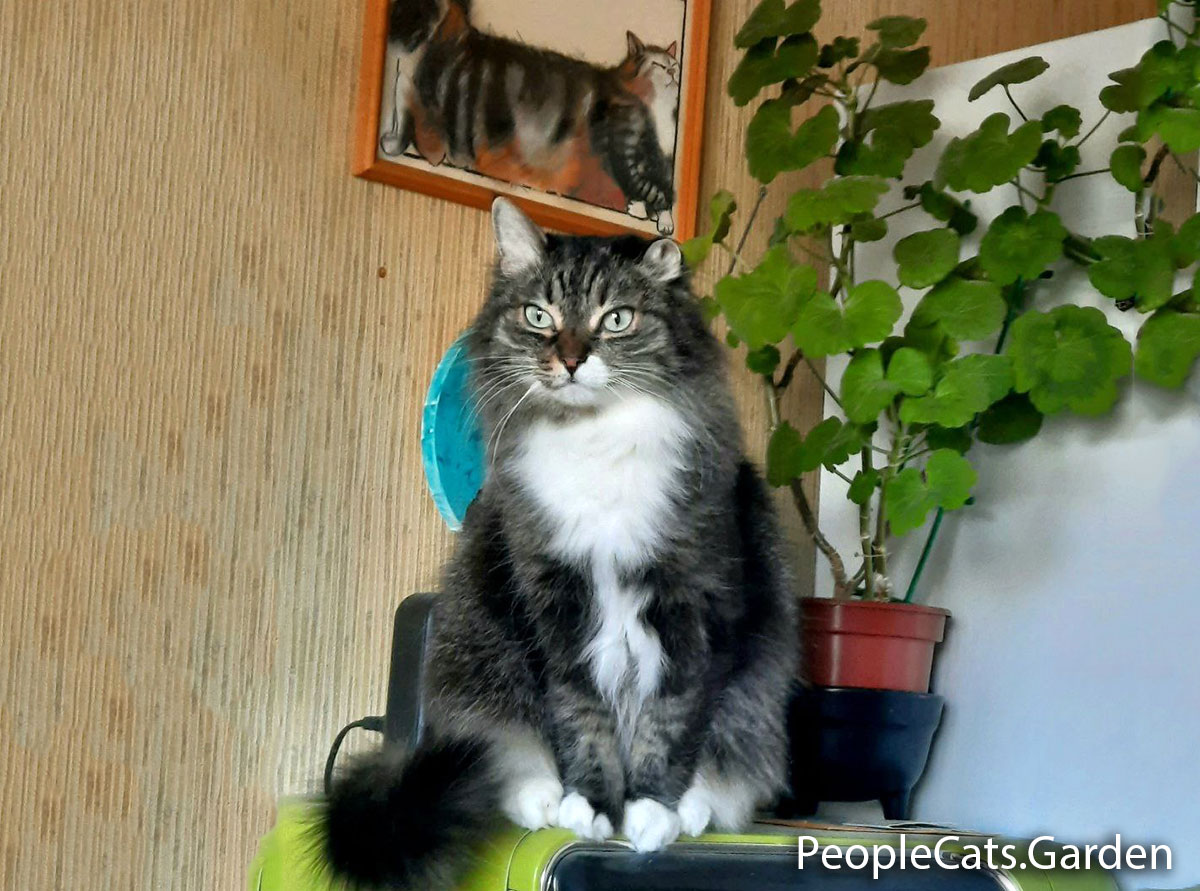
In the photos: Typical Scorpio cat Sonya, born 11-4-2010.
How to know the astrological sign of your cat?
The astrological sign of a cat can be determined by either their date of
birth or adoption, as adoption is often considered a second birth for
cats...More >>
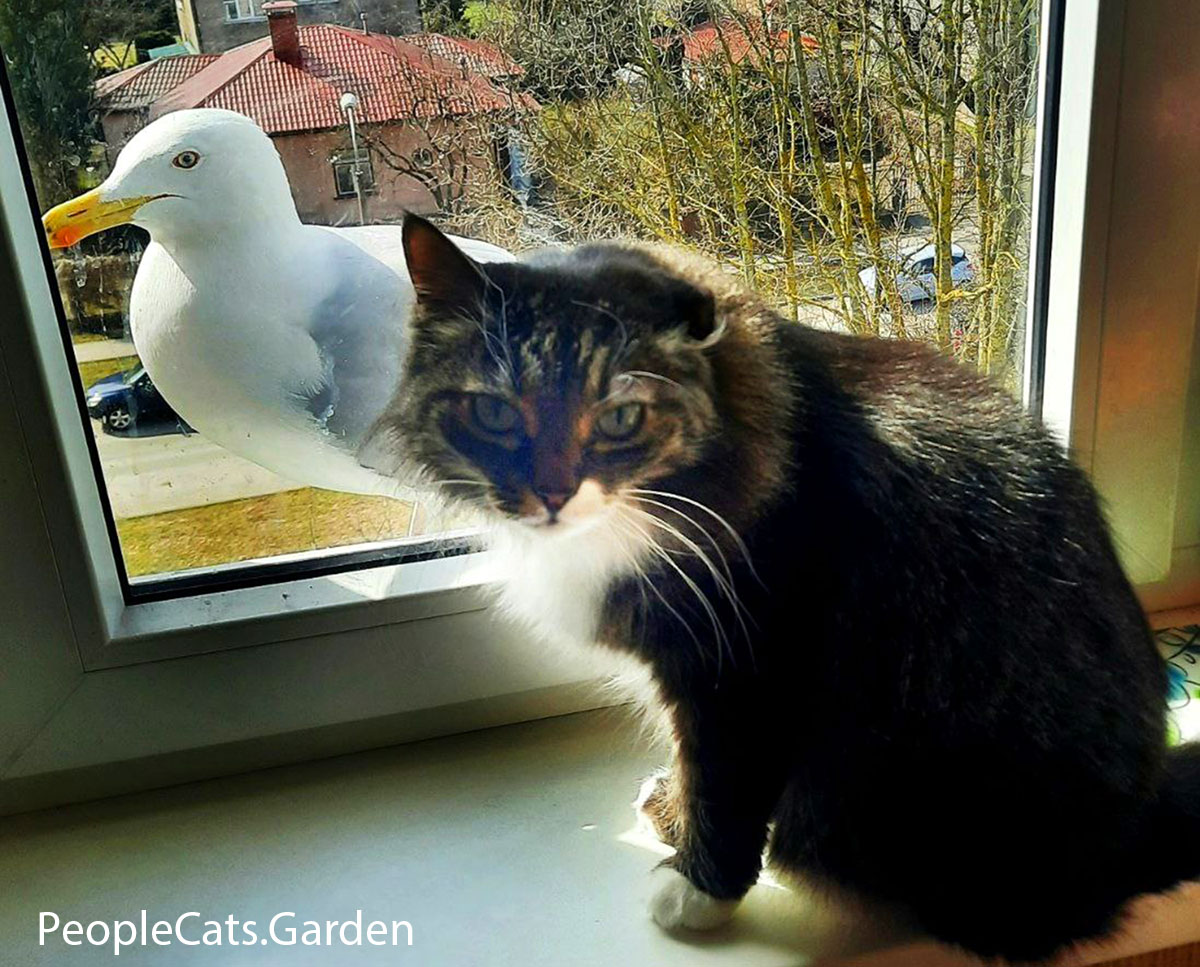
Love all around them, be
they cats, other animals, or humans...
Scorpio Cats exhibit a profound passion for life and love, extending not only to their own romantic affairs but also to the relationships of those around them, be they cats, other animals, or humans. These feline individuals thrive on being intricately involved in everything...
Scorpio Cats are inclined to assert dominance in any situation...
Scorpio Cats are known for their intense focus. Once they set their sights on something, they pursue it relentlessly, demonstrating fearlessness and a confrontational spirit...
One of the most distinctive traits of Scorpio Cats is their unwavering fidelity and loyalty. You've heard stories of cats separated from their families who travel miles to get back to them? They were probably all Scorpios!..
Scorpio Cats harbor a fondness for tall flowering shrubs and fragrant creepers with large blossoms. They possess a unique connection to scents, and while ordinary cats may recoil from potent odors, Scorpio Cats exhibit a particular affinity for select aromatic plants. For instance, while most cats are drawn to Catnip (Nepeta cataria) and Valerian root (Valeriana officinalis), Scorpio Cats go wild for the fragrances of Patchouli and Chinese Perfume Plant (Aglaia odorata). Even female perfumes containing oils from these plants bring the Scorpio Cat bliss, as they savor the scent and affectionately attend to the "mistress" of this aroma...
Date: 22 Mar 2017
Condo Mango
Q: I was curious about indoor fruiting mango trees. I live in upstate New York and was thinking about trying to grow an indoor tree for fruit. I have a small heated greenhouse. Is there a variety that can be grown from seed that would suit my purposes and if not what is the most economical way I could obtain a cutting or small grafted plant? I keep my greenhouse around 60F in the winter and have no supplemental lighting. Are there any varieties that may work in a sunroom or other well lit indoor location?
A:
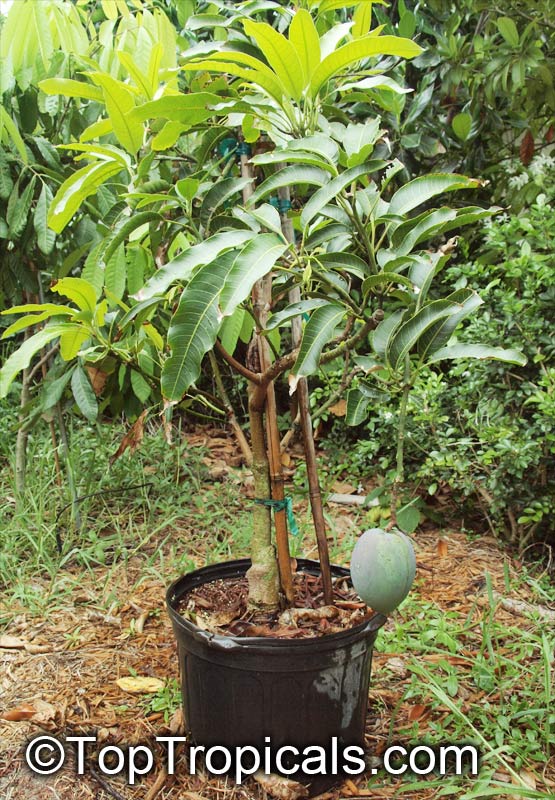
There are many dwarf varieties of mango suitable for container culture. They
are called "condo mangoes".
The most popular condo varieties are: Carrie, Cogshall, Cushman, Fairchild,
Graham, Ice Cream, Julie
, Mallika, Nam Doc Mai,
Pickering. You may read more about them in our online
catalog. You may also look into variety
Lancetilla which is also a compact tree, and produces one of the biggest size
fruit, up to 5 pounds. If you want some rare variety that hardly anyone else has -
try Baptiste, an exotic Haitian dessert
mango.
Your greenhouse should work for the winter time. Mango trees can take
as low as mid 40s during winter and even lower as long as that cold is
occasional. If you keep the temperature around 60, this should work well for over
wintering. Just make sure to reduce watering to a minimum, because cool
temperatures, low light and wet soil - is a bad combination for tropical plants,
especially for mango trees which prefer to be kept on a dry side.
Many indoor gardeners have fruiting mango trees in their collection. However,
keep in mind that the most important requirement for a mango is full sun.
While you may over winter the plant for a few months in a low light conditions,
in order for it to flower and produce fruit it needs lots of light. If moving
the tree into full sun your yard during the summer is possible, this would
be the best solution.
We always recommend
SUNSHINE boosters for both over wintering tropical plants in colder
climates, and for indoor gardening. SUNSHINE applications will help your tree to
cope with cool temperatures and low light conditions. This will also
dramatically increase flowering and fruiting performance. Another important factor for
keeping your container plant healthy is quality of your potting soil. We
offer a special
professional mix that contains lots of good stuff: coconut fiber, peat moss, pine
bark, and perlite. Fertilizing potted plants
is also very important during the warm season, because this is the only way
for them to get nutrients (which in the ground can be reached by spreading
root system).
As far as seedlings vs. grafting - the only way to
have a nicely fruiting mango tree is to plant a grafted variety. Seedlings start
producing only after 8-15 years, and the quality of such fruit may be
questionable. Only grafted plants can guarantee the desired taste of a variety.
Besides, grafted mangoes start producing immediately - you may see fruit forming
on plants as small as 3 ft, in 3 gal containers. However, during the first
1-2 years you will need to remove extra fruit and leave only 1-2 fruit so the
plant doesn't get exhausted and has enough energy to establish strong root
system.
For fun stories about growing mango, check out our Radio
Show recording YO Tango Mango!
Date: 20 Feb 2017
Flowering plant for a front yard
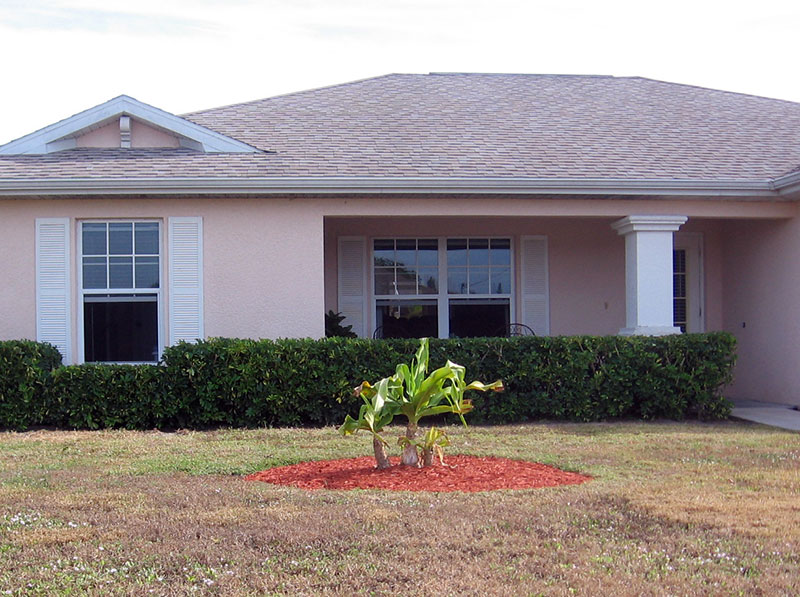
Q: I need your expertise. I had a plant in the front of my house that when I moved in (two years ago) wasn't doing well. It was infested with grasshoppers and snails. I treated it with a pesticide and fertilizer and it flourished. Had beautiful flowerings and was almost the size of the mulch area. Then the property management company hired some terrible grass cutters that I believed destroyed it. I would come home and find the red mulch and leaves from the plant all over the front lawn. And since then it has gone down hill. I am attaching a picture. As of now the larger of the remaining two trunks (out of six that were there) is falling over and it doesn't seem to be doing well. So I was wondering if you can recommend a nice plant that I can replace this one with. Nothing extravagant but nice enough to fill in that area. Also since I only lease here don't want to get to pricey either. Thanks for any advice and plants you have.
A: The plant you have is called Spider Lily. It is one of the easiest landscape plants that doesn't require much care and is great for low maintenance yards. In your case, besides possible damage from the grass cutter, looks like the plant is very old judging by the thick woody stem. It is not a bad idea to replace it with something more pretty rather than trying to baby it. Other suggestions for this location would be something easy and low maintenance, especially if you don't have reliable sprinkler system in that area of your yard and don't want to spend time hand-watering with a house:
Sweet mimosa - grows into very large bush, Pony tail, Dwarf poinciana, Powderpuff, Clusia, Devils backbone (smaller bush 3 ft tall), Cordyline, Ti leaf - these are very colorful.
There are more low maintenance plants you can chose from.
And always remember that traditional "landscapers" that only mow grass, may not be experts on plants. You may always call TopTropicals Garden Doctor