Garden Blog - Top Tropicals

Date: 20 Jan 2026

7 steps for a care-free Spanish Tamarind - the easiest rare fruit to grow
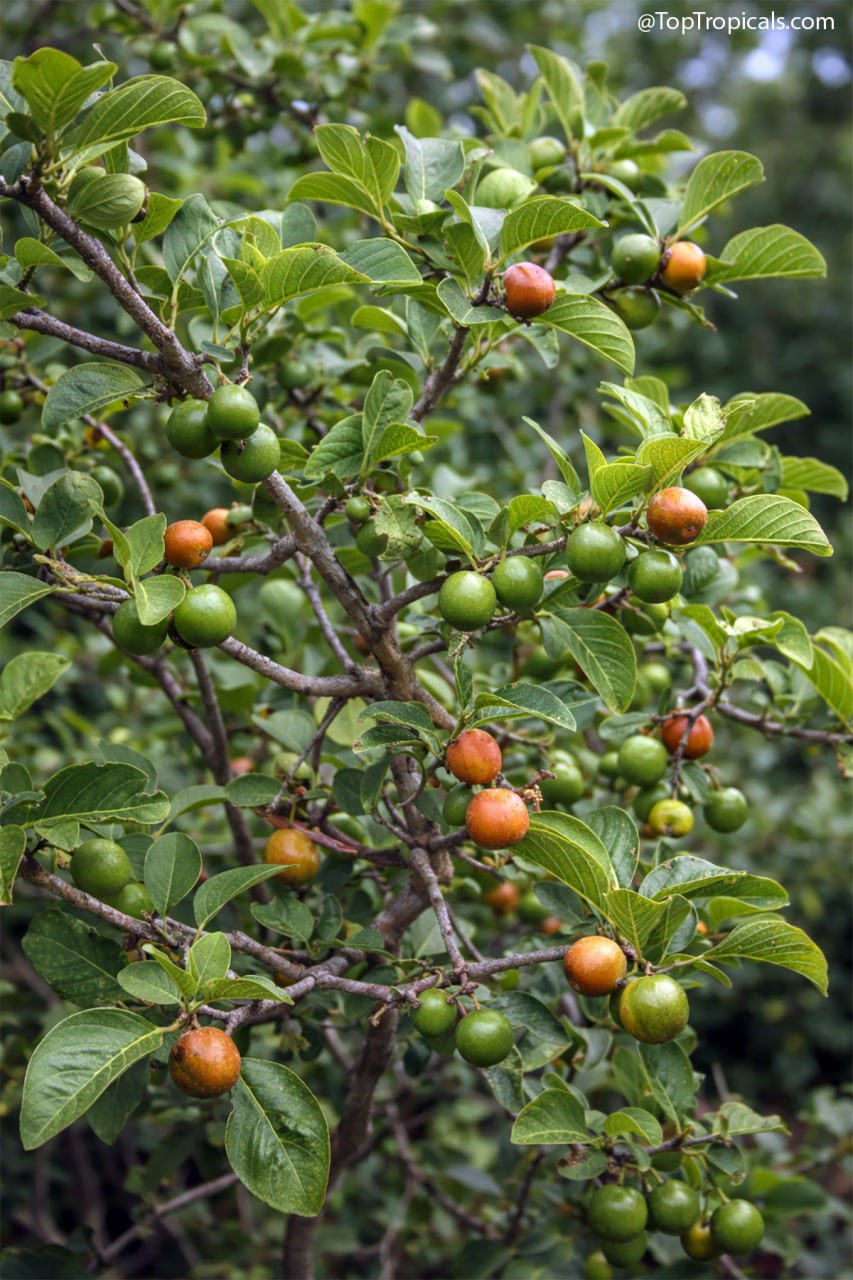
Vangueria infausta (Spanish Tamarind, Wild Medlar)

Vangueria infausta (Spanish Tamarind, Wild Medlar)

🍊 7 steps for a care-free Spanish Tamarind - the easiest rare fruit to grow


Yes, it can handle light frost - Vangueria infausta (Spanish Tamarind, Wild Medlar) - we just discovered it can handle cold snaps! After a few cold nights in January, our young tree planted just a few months ago, still looks happy and strong!

Wild Medlar Plant Facts

Botanical name: Vangueria infausta
Also known as: Wild Medlar, Spanish Tamarind
USDA Zone: 9 - 11
Highligths Small tree 10-20 ftFull sunWatering: Moderate. Water when top soil feels dryEdible plantDeciduous plantEthnomedical plant.
Plants marked as ethnomedical and/or described as medicinal, are not offered as medicine but rather as ornamentals or plant collectibles.
Ethnomedical statements / products have not been evaluated by the FDA and are not intended to diagnose, treat, cure, or prevent any disease. We urge all customers to consult a physician before using any supplements, herbals or medicines advertised here or elsewhere.Subtropical plant. Mature plant cold hardy at least to 30s F for a short time
Get personalized tips for your region

If you are looking for a tough little fruit tree that thrives on neglect but gives you something truly special in return - try this rare, compact fruit tree. Spanish Tamarind is native to southern Africa, it is drought-tolerant, pest-resistant, and surprisingly cold-hardy once established - making it a great choice even for gardeners in borderline zones.

🛒 Add rare Spanish Tamarind to your rare fruit collection

📚 Learn more:


Vangueria infausta - Spanish Tamarind in Plant Encyclopedia
The wild fruit with a secret: health benefits of rare Spanish Tamarind - the exotic fruit you've never heard of

#Food_Forest #Remedies #Discover

🟢 Join 👉 TopTropicals

Date: 15 Jan 2026

Why collectors go crazy for this ginger

Burbidgea schizocheila - Voodoo Flame Ginger

🔥 Why collectors go crazy for this ginger


🔥 Burbidgea schizocheila - Voodoo Flame Ginger is one of those gingers that quietly surprises you. This ginger looks fake - but it blooms like this in real life! Compact, upright, and rarely seen in cultivation, it sends up glowing golden-orange flower cones that look almost unreal against its dark green leaves and deep maroon stems. Blooms appear on and off throughout the year, and each cone slowly opens individual flowers that can last up to two weeks, giving you a long-lasting show instead of a one-day flash.

Golden Brush Plant Facts

Botanical name: Burbidgea schizocheila
Also known as: Golden Brush, Dwarf Orange Ginger, Voodoo Flame Ginger
USDA Zone: 9 - 11
Highligths Small plant 2-5 ftSemi-shadeWatering: Moderate. Water when top soil feels dryWatering: Regular. Let topsoil dry slightlyEpiphyte plantYellow, orange flowersSubtropical plant. Mature plant cold hardy at least to 30s F for a short time
Get personalized tips for your region


🔥 What makes this plant especially intriguing is how different it is from typical gingers. It grows more like a sculptural accent than a spreading clump, staying neat and vertical. Even more unusual - it behaves partly like an epiphyte. The rhizome prefers to sit above the soil surface, with only the roots buried, much like orchids or staghorn ferns. Bury the rhizome and the plant will sulk.

🔥 Voodoo Flame Ginger thrives in bright shade, warm temperatures, and high humidity, making it a natural choice for indoor growing or protected patios. Direct sun will scorch the leaves, and cold temperatures are not tolerated, so it is best kept in containers and brought inside when nights cool down. Slow-growing, tidy, and dramatic without being flashy, this is a true collector ginger - strange, elegant, and quietly mesmerizing.

🛒 Add Rare Voodoo Flame Ginger to your collection

📚 Learn more about gingers:
💋Burbidgea schizocheila - Voodoo Flame Ginger in Plant Encyclopedia
💋The first image on Internet: rare ginger Borneo Pink (New Guinea)
💋Watch how to squeeze natural shampoo from the Ginger
💋The most spectacular variegated ginger
💋Ginger makes a natural shampoo
💋Our most favorite Ginger plant - African Princess
💋How Raspberry ginger became spiral
💋The most interesting edible gingers
💋5 most spectacular Gingers
💋French Kiss the Red Button Ginger
💋Kaempferia angustifolia - Laos Silver Stripe Peacock Ginger
💋The most fragrant ginger ever
💋Spice Up Your Garden with Variegated Ginger

🛒 Get collectible Coral Ginger Borneo Pink

#Shade_Garden #Container_Garden

🟢 Join 👉 TopTropicals

Date: 4 Nov 2025

The secret Brain Food growing in my backyard (and it tastes like green peas!)

Tropical Asparagus (Sauropus androgynus)

🏆 The secret Brain Food growing in my backyard (and it tastes like green peas!)


🌿 Katuk, or Tropical Asparagus (Sauropus androgynus), is one of the most underrated edible plants you can grow. This leafy tropical shrub is a superfood in disguise. It grows fast, looks lush, and its tender young shoots taste just like green peas.

🌿 Native to Southeast Asia, Katuk is a kitchen staple in places like Vietnam, Malaysia, and Thailand. The leaves and shoots are used in soups, stews, and stir-fries with egg or seafood. It’s not only delicious but also incredibly nutritious - rich in nutrients linked to improved memory and reduced cognitive aging: folate, lutein, and especially vitamin K, which is rare in plants.

🌿 Katuk thrives in sun or partial shade, needs little care, and grows into a dense, bushy plant that gives you edible greens all year round. If you want something that feeds both your garden and your health, this one’s a winner!

🛒 Add Katuk Superfood to your Food Forest

Lean more:
🍴 Katuk egg stir-fry: Quick-n-Fun exotic recipes
✔️ Discover the health benefits of Katuk: a Superfood for your mind and body
📚 Tropical Asparagus, Katuk: Grow your own food
📱 How to cook with Katuk

#Food_Forest #Remedies #Discover

🟢 Join 👉 TopTropicals

Date: 3 Jul 2025

Coral-blooming bonsai with a bottle-shaped trunk - perfect container plant

🔥 Coral-blooming bonsai with a bottle-shaped trunk - perfect container plant


Jatropha podagrica - Gout Plant - is a one-of-a-kind tropical showpiece with a knobby, swollen caudex, massive umbrella-like leaves, and bright coral-red flowers that pop like underwater treasures.

Compact and only 2-3 feet tall, it's perfect for containers, bonsai lovers, and small gardens craving something bold and unusual. It thrives in partial shade, grows giant leaves in low light, and needs little water to stay happy. Easy-care and eye-catching, it's more than a plant it’s a conversation starter.

🛒 Get your Gout plant - the plant with a personality

📚 Learn more:


Attention grabber: swollen trunk, giant leaves, and flowers just like corals

#Container_Garden #Nature_Wonders #Shade_Garden

🟢 Join 👉 TopTropicals

Date: 13 Apr 2025

Why do the Chinese drink tea?

Why do the Chinese drink tea?

🌱 Why do the Chinese drink tea?


🍃 It actually has to do with the Chinese theory of the five elements - wood, metal, fire, water, and earth:
木 金 火 水 土

🍃 Tea comes from a plant - Camellia sinensis - the Tea Leaf Tree - that is used to make all true teas: green, black, white, and oolong. The Tea Tree contains the element of wood (木) 🌳

🍃 When it's roasted in a cast-iron pan, it gains the element of metal (金)

🍃 Then it's dried over fire, adding the element of fire (火) 🔥

🍃 When it's brewed with boiling water, the element of water enters (水) 💦

🍃 Finally, tea is poured into a clay vessel, symbolizing the element of earth (土) 🍯

🍃 In this way, all five elements - wood, metal, fire, water, and earth - come together in a single cup.

🍃 The plant grows slowly and can thrive in containers or frost-free gardens with sun to semi-shade.

🛒 Grow your own tea

📚 Learn more from previous posts:


Tea facts
How to grow your own tea?
Where does the tea come from?
Instructions how to make tea from tea leaves (PDF)

#Food_Forest #Remedies #Fun_facts

🔴 Join 👉 TopTropicals