Garden Blog - Top Tropicals

Date: 27 Feb 2020

7 secrets of a Happy Avocado Tree
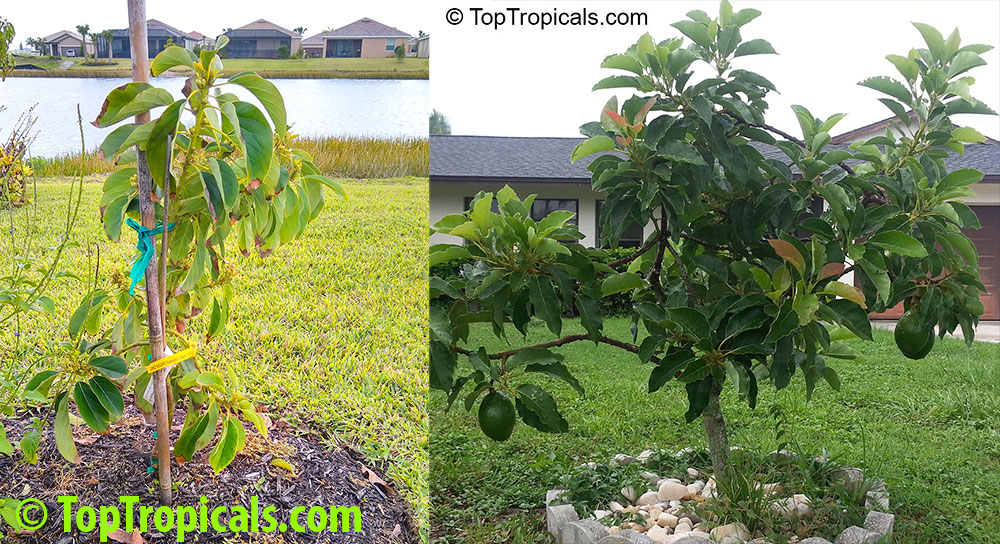
Q: I purchased an avocado tree from local garden centers three times but every time it dies on me. My neighbor has a nice tree in his yard and it grows beautifuly. I just purchased one online from you and I need to know what I was doing wrong? Are there any secrets how to make an Avocado tree happy? I have a big garden and several mango trees, but no luck with Avocado...

A: Avocado tree is famous for being such a pain to establish. But once it starts growing, it's growing! We will share a few simple tricks how to make it right.

1. Plant high and provide good drainage. Wet feet is number one reason for failing an avocado tree. It doesn't like wet soil and won't tolerate soggy conditions. Plant it in the highest spot of your yard and slightly on a "hill" (3-4"higher than the surrounding ground).
DO NOT plant Avocado tree in low spots or wet spots of your yard. Save those spots for Cannas or Black Sapote or even a Mango if you want a fruit tree there.
2. Use quality soil. Use only well-drained soil with high content of organic matter. You may add compost to existing sandy soil, or add some professional potting mix that contains pine bark and perlite. Remove rocks from the hole if you see any while digging. Dig a big hole and fill it with a good soil; compact the soil in the hole very well before setting the root ball. Reminder: plant the tree high!
3. Water regularly. After planting an Avocado tree in a nice high spot with a good drainage, start watering it... daily! Avocado likes water, although it doesn't like wet feet! Once you figure out this combination, you've got the recipe of success. Water by hand daily for the first week after planting, then twice a week for couple weeks, then once you notice new growth - you may rely on sprinklers, but keep watching the tree and don't let the soil over-dry. It must be slightly moist, but not soggy.
4. Fertilize. For such finicky tree, we suggest mild formulas of fertilizers. Dry fertilizers may burn roots, especially of a young tree. Even smart-release granulated fertilizers should be used very carefully. The best way to feed your young avocado tree - get a complete set of Sunshine Boosters Pro system. It has all necessary elements for all stages of plant development and never burns the roots. Sunshine Boosters Pro can be used with every watering - no need to guess how much and when. Besides, it is a natural fertilizer based on amino acids - exactly what you want to use on your fruit trees and other edibles!
5. Boost immune system of the tree. Apply Sunshine Epi plant hormone every 2 weeks as a foliar spray to boost immune system and metabolism of the tree and protect it from diseases. Epi makes plants (especially young plants) grow twice faster! It also enhances effect of fertilizers by increasing plant metabolism.
6. Do not prune until you see significant growth. The tree is small and can use as many leaves and branches as possible for photosynthesis and healthy metabolism. We suggest to avoid pruning for at least the first year. On the second year your tree most likely will be covered with flowers (assuming you followed fertilizer program). Let it go through the blooming stage and setting fruit; prune in Fall after fruiting is over.
7. Keep number of fruit to minimum for the first crop. Don't let the small tree exhaust itself. Keep just 2-3 fruit to develop. The next year, no need to control fruit quantity, the tree will develop as many as it can support.
P.S. If you got the tree from a mail-order, remember to establish it in a pot before planting in the ground; move gradually from shade to sun. Follow planting instructions.

Learn more about Sunshine Nutrition System - a Natural solution for your garden.

Date: 25 Nov 2025

What Avocado is better - Type A or Type B?

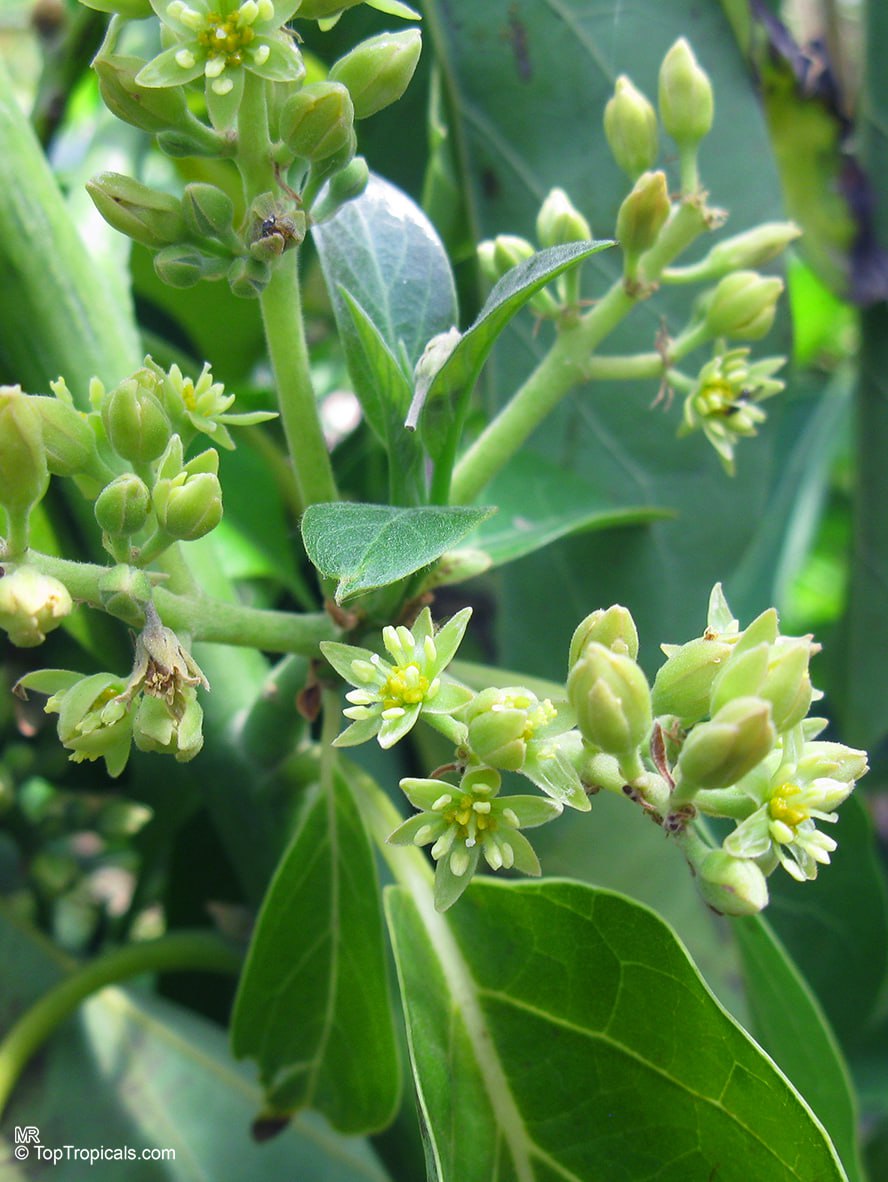
Avocado tree flowers

Avocado tree flowers

What Avocado is better - Type A or Type B?


Avocados are divided into two types based on how their flowers open - Type A and Type B. This has nothing to do with how the fruit looks, only with how the flowers work.

TYPE A:
The flowers open as female in the morning of the first day, then close. On the afternoon of the second day, they reopen as male.

The most popular type A avocado varieties:
Bernecker, Black Prince, Catalina, Choquette, Day, Donnie (Doni), Fantastic, Florida Hass (Haas), Lila (Opal), Loretta, Lula, Mexicola, Mexicola Grande, Red Russell, Reed, Russell, Simmonds, Ulala (Oh La La, Super Hass) , Waldin, Wurtz (Dual Type, A&B).

TYPE B:
The flowers open as female in the afternoon of the first day, then close. The next morning, they reopen as male.

The most popular type B avocado varieties:
Anise, Bacon, Beta, Booth 8, Brazos Belle (Wilma), Brogdon (Brogden), Buck, Ettinger, Fuerte, Hall, Hardee Red, Hialeah Red, Joey, Kampong (Sushi), Marcus Pumpkin, Maria Black, Miguel, Monroe, Nishikawa, Oro Negro, Pollock, Poncho (Pancho), Thomson Red, Tonnage, Winter Mexican, Wurtz (Dual Type, A&B), Yamagata.

🟢 Each tree can make its own fruit (it’s self-fertile), but if you plant both types together, they will help each other make more fruit. The flowers of A and B types open at opposite times, so bees can carry pollen between them more easily. This means better pollination and a bigger harvest.

🟢 For home gardeners, one tree is enough to get fruit, but having both A and B types nearby will give you a larger crop. If you grow avocados in pots, it’s a good idea to have at least one of each type.

✍️ In short:
One tree = some fruit
Two trees (A + B) = lots more fruit!

✔ ️Check out Avocado Variety Guide interactive chart. Sort them by flower type A or B, tree habit, fruit shape and quality, cold hardiness, origin, season and more!

🛒  Explore Avocado varieties

📖 Our Book: Avocado Variety Guide, Snack or Guacamole?


Hard copy
PDF File Download

📚 Learn more:


How Avocado trees flower and set fruit
Avocado Variety Guide
#Avocado #Food_Forest #How_to


Join 👉 TopTropicals

Date: 23 May 2026

Avocado Fantastic Quick Facts

Avocado Fantastic Quick Facts

Avocado Fantastic Quick Facts


Fantastic has earned a reputation as one of the most cold-hardy avocados available. Reportedly surviving temperatures near 10°F in Texas and showing excellent performance during Florida freezes, it offers peace of mind for growers in cooler regions. The small fruit features paper-thin skin, creamy flesh, and a rich nutty flavor, while the tree remains relatively compact and attractive.

· Botanical name: Persea americana 'Fantastic'
· Origin: Texas selection
· Cold hardiness: One of the most cold-hardy avocados known; reported to survive near 10°F and tolerate about 15°F with minimal damage
· USDA zones: 8-11
· Flower type: A
· Tree size: Approximately 25 ft x 25 ft in the ground
· Growth habit: Upright, relatively compact, manageable for home landscapes and container culture
· Foliage: Refined Mexican-type foliage with an anise-like fragrance when crushed
· Fruit size: 6-8 oz
· Fruit shape:
Pear-shaped
· Fruit color: Green skin that darkens with maturity
· Skin: Extremely thin, paper-thin
· Flesh: Smooth, creamy, buttery, and rich
· Flavor: Nutty, rich, and highly regarded for fresh eating
· Season: August-October
· Best use: Fresh eating, spooned directly from the shell
· Special feature: Exceptional cold tolerance combined with excellent fruit quality
· Why growers love it: Fantastic proves that avocados can be grown in places where many people assume it is impossible. Its remarkable cold hardiness makes it one of the most sought-after varieties for adventurous gardeners; for them, this discovery is simply Fantastic. 👉 More

💡 Avocado tip: Plant on a mound, not in a hole


Avocados hate wet feet. In Florida and other rainy climates, planting on a mound 10-15 inches high can make the difference between a thriving tree and a declining one.

📚 Learn more:


· Avocado Variety Guide: Snack or Guacamole? Collector's inspiration
· Avocado Fantastic: the hidden world beyond green and black
· Cold-hardy avocado survival groups - what the numbers really mean
· How to protect Avocado from cold and how hardy is it?
· Avocado that laughs at frost: Mexicola Grande for cooler climates
· Cold hardy Avocado Joey - you eat it with the skin

📖 Our Book: Avocado Variety Guide, Snack or Guacamole?
·
Hard copy · PDF File Download

#Food_Forest #Avocado #Discover

🟢 Join 👉 TopTropicals

Date: 12 Jul 2025

Avocado that laughs at frost: Mexicola Grande for cooler climates

Avocado Mexicola Grande

Avocado that laughs at frost: Mexicola Grande for cooler climates


🟢Avocado Mexicola Grande is one of the best cold-hardy avocados you can grow. It can tolerate temperatures down to the low 20sF, making it ideal for gardeners in zones 8b-10 who want a dependable avocado.

🟢Medium-sized tree, grows to about 15-20 feet tall, but you can keep it smaller with pruning.

🟢Glossy black fruit, thin-skinned, smooth, and shiny black when ripe - easy to peel and eat fresh.

🟢Anise-scented leaves: its foliage has a mild anise aroma when crushed, which is unique to Mexican-type avocados.

🟢Creamy and rich: the fruit has a high oil content and a buttery flavor, excellent for guacamole or toast.

🟢Early producer: often fruits earlier in the season compared to other varieties.

🟢 A great addition if you're looking for a productive, flavorful avocado that can handle cooler temps!

🛒  Shop Cold Hardy Avocados

📚 Learn more:


· Avocado can you eat with the skin: cold hardy Joey
· Can I Grow Avocado Outside the Tropics?
· Avocado Variety Guide
· Posts about #Avocado

#Food_Forest #Avocado

🟢 Join 👉 TopTropicals

Date: 10 Feb 2026

These Avocados survived 3 nights of 25F hard freeze, Florida Record Freeze

Cold hardy avocados

⛄️ These Avocados survived 3 nights of 25F hard freeze, Florida Record Freeze


⛄️ Recent winter freezes have once again raised the same urgent question among avocado growers - which varieties actually survive cold weather, and what does survival really look like afterward?

Avocado Plant Facts

Botanical name: Persea americana, Persea gratissima
Also known as: Avocado, Alligator Pear, Aguacate, Abacate
USDA Zone: 9 - 11
Highligths Large tree taller than 20 ftSmall tree 10-20 ftFull sunWatering: Regular. Let topsoil dry slightlyEdible plantSubtropical plant. Mature plant cold hardy at least to 30s F for a short time
Get personalized tips for your region


⛄️ After widespread freeze events, trees across many regions showed very different outcomes, from minor leaf burn to complete canopy loss.

⛄️ This video taken on February 4, 2026 at Top Tropicals BFarm in Sebring, FL, reflects what we observed in real conditions after 3 nights of hard freeze.

⛄️ The trees in the video had no protection.

❄️Weather data

Feb 1-6, 2026, Coldest in Recorded History (132 years of observations)
Top Tropicals Farm and Nursery at Sebring FL

🌡 Min temps: 25F, wind chill 14F
⏳ Duration of cold: 3 nights of 8-10 hour hard freeze, along with 7 days of cool daytime temps around 50F
🌀 Wind: 20 mph, with 40-50 mph gusts.

🛒 Explore cold hardy Avocado varieties

📖 Our Book: Avocado Variety Guide, Snack or Guacamole?
·
Hard copy · PDF File Download

📚 Learn more:


· Avocado Variety Guide
· How to protect Avocado from cold and how hardy is it?
· Avocado that laughs at frost: Mexicola Grande for cooler climates
· Cold hardy Avocado Joey - you eat it with the skin
· Cold-hardy avocados: how cold-hardy are they?
· Cold-hardy avocado varieties - what freezing they really survive
· Cold-hardy avocado survival groups - what the numbers really mean

#Food_Forest #Avocado #Discover #How_to

🟢 Join 👉 TopTropicals