Garden Blog - Top Tropicals

Date: 31 Aug 2025

🌿 The Jungle Cactus with a secret life
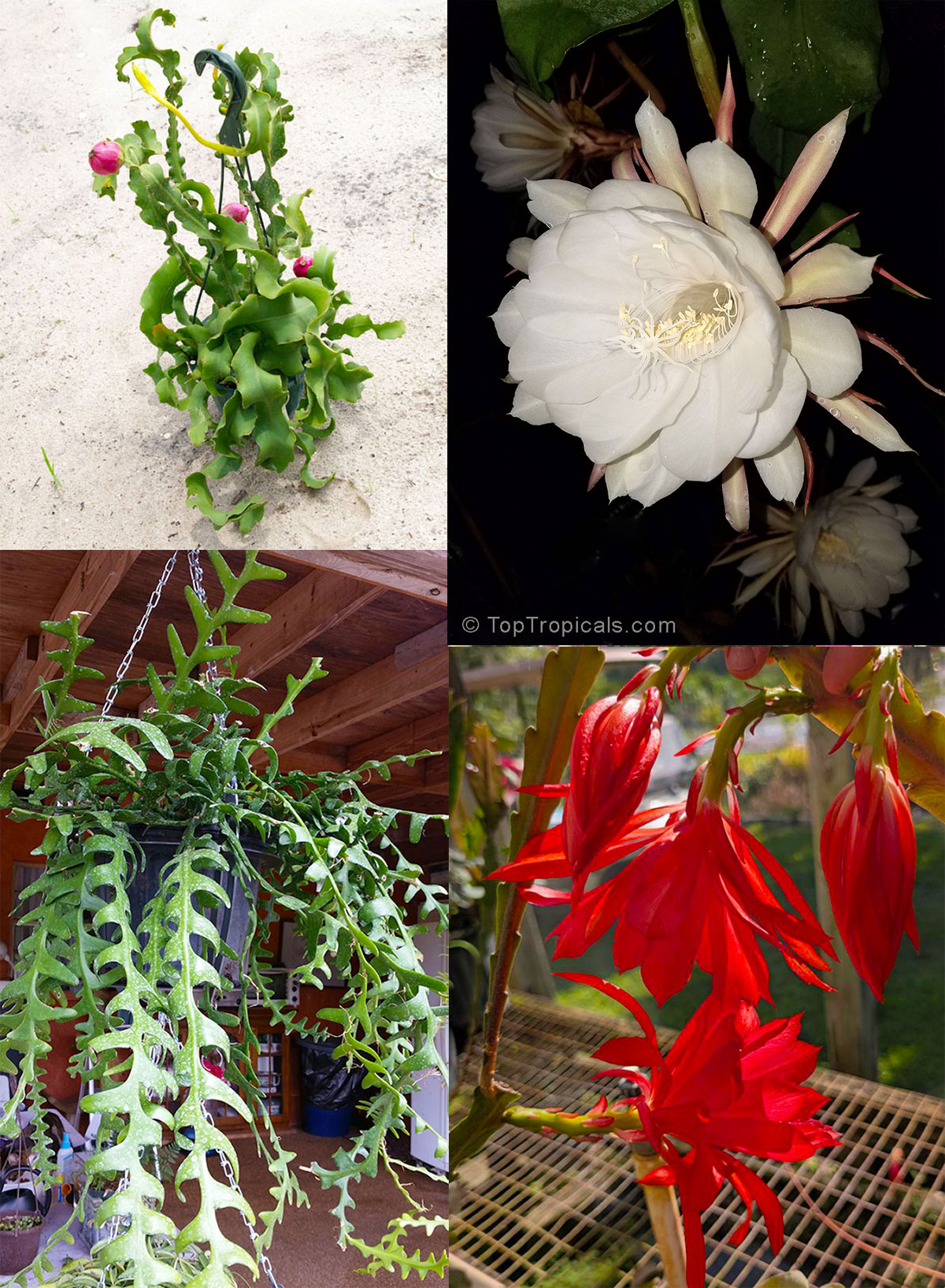
Collage  of  four  jungle  cactus  plants:  top  left  Epiphyllum  guatemalense 
 Monstrosa  (Curly  Locks  Orchid  Cactus),  top  right  Epiphyllum  oxypetalum 
 (Queen  of  the  Night),  bottom  left  Cryptocereus  anthonyanus  (Zig-Zag  Cactus),
    and  bottom  right  Disocactus  ackermanni  (Red  Orchid 
 Cactus).

Jungle cactus collage: top left Epiphyllum guatemalense Monstrosa (Curly Locks Orchid Cactus), top right Epiphyllum oxypetalum (Queen of the Night), bottom left Cryptocereus anthonyanus (Zig-Zag Cactus), and bottom right Disocactus ackermanni (Red Orchid Cactus)

Most people picture cactus as desert plants: hot sun, sharp spines, dry sand. But that’s only half the story. There’s another branch of the family that lives in the shade of rainforests. These are the jungle cacti — epiphyte plants that climb trees, trail from branches, and throw out flowers so big and showy they look closer to orchids than to cactus blooms.

See one up close and it’s a surprise. The stems can be flat, zig-zagged, or even curly. Some trail like ferns, others pile into a shaggy basket. And when the flowers open — often at night — they’re wide, fragrant, and gone by morning. It’s no wonder gardeners like them from a first sight.

✔️ Jungle Cactus Q&A

Aren’t all cacti desert plants?

Not these. Jungle cacti are epiphytes and grow in rainforests, clinging to trees and catching rain. They never touch desert sand.

What kind of light do they need?

Outdoors, filtered sun under a tree works best. Indoors, give them bright but indirect light — east or north windows are usually safe. Direct summer sun can scorch the stems, whether inside or out.

How much water is safe?

They take more water than desert cactus but still hate wet feet. Outdoors, a rain shower is fine if the pot drains fast. Indoors, water when the top inch of soil feels dry. Always use a loose mix like Adenium mix so roots get some air.

Do they bloom indoors?

Yes. In fact, many bloom better inside where conditions are steady. They set buds when a little root-bound, and cooler nights help. Outdoors in frost-free zones, flowers come with seasonal shifts. Indoors, expect surprise buds after a cool spell by the window.

Best way to display them?

Hanging baskets show off trailing stems both inside and out. Shallow pots work well on shelves or ledges indoors. In warm climates, they can even be tied to a tree branch outside — exactly how they grow in the wild.

Extra note on indoor vs. outdoor care?

Indoors, watch for dry heated air in winter — they like a bit of humidity. A tray of pebbles and water under the pot helps. Outdoors, protect from heavy midday sun and bring them in if nights dip below the mid 30s F.

Jungle cacti are easy to keep and full of surprises. Whether trailing from a basket or blooming after dark, they prove that not every cactus belongs in the desert.
Read Garden Blog about Cacti

Add Jungle Cactus to your collection

Date: 14 Feb 2024

Year of the Dragon: Chinese or Vietnamese?

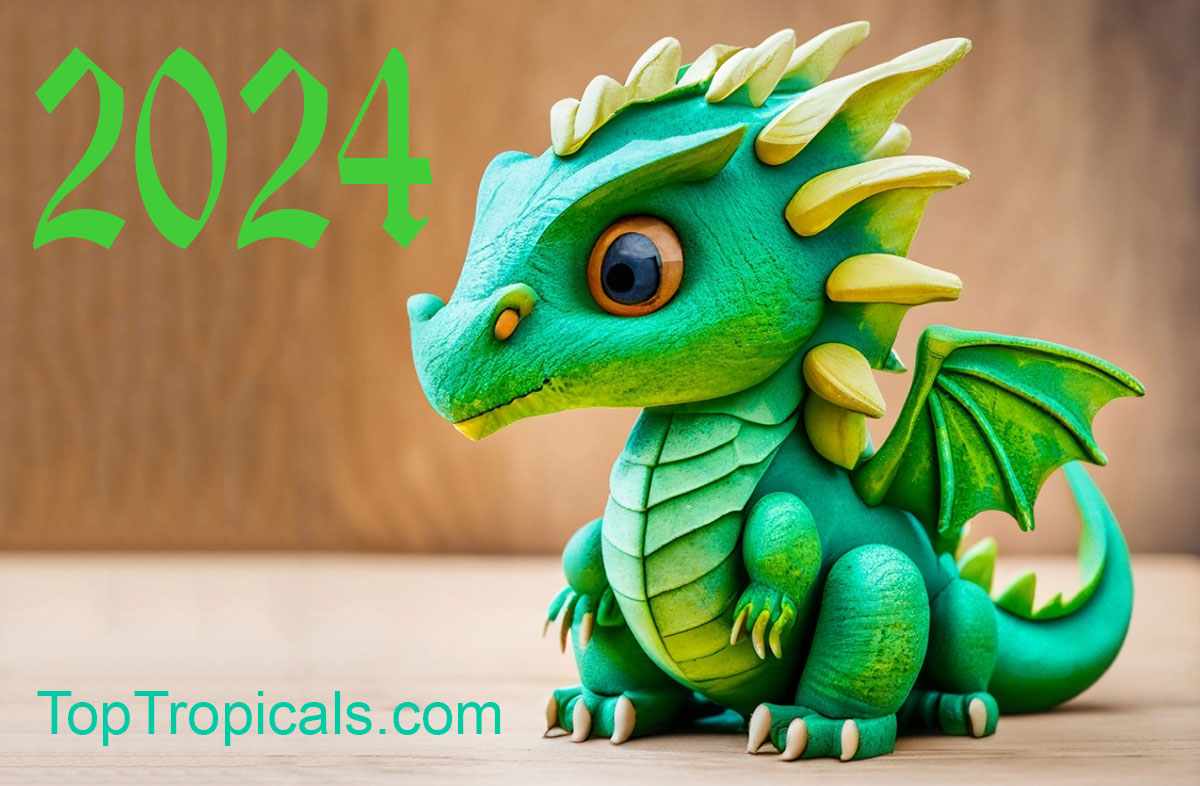
Green  Wooden  Baby  Dragon

Q: Is Chinese New Year the same as Vietnamese Tat? I want to buy a Vietnamese Micky Mouse plant and I am wondering if this would be also a lucky plant for the Year of the Dragon?

A: Vietnam, as well as other parts of Asia, is celebrating the Lunar New Year of the Dragon, which falls on February 10. Vietnam and neighboring China share 10 of the zodiac calendar's 12 signs: the rat, tiger, dragon, snake, horse, goat, monkey, rooster, dog and pig. The Vietnamese traditional Tet market in Hanoi is covered in hues of red and gold, colors that represent good luck and fortune. One of the most significant plants is the golden-flowered Ochna. But there are several other plants associated with the Lunar New year, as well as Dragon Year.

Green Wooden Dragon has specific favorite plants, including all species of Dragon fruits, Lychee or First Dragon's Eye (Litchi sinensis), Longan or Second Dragon's Eye (Euphoria longana), Creeping Philodendrons, and the Golden Rain Tree (Koelreuteria paniculata).

Learn more:

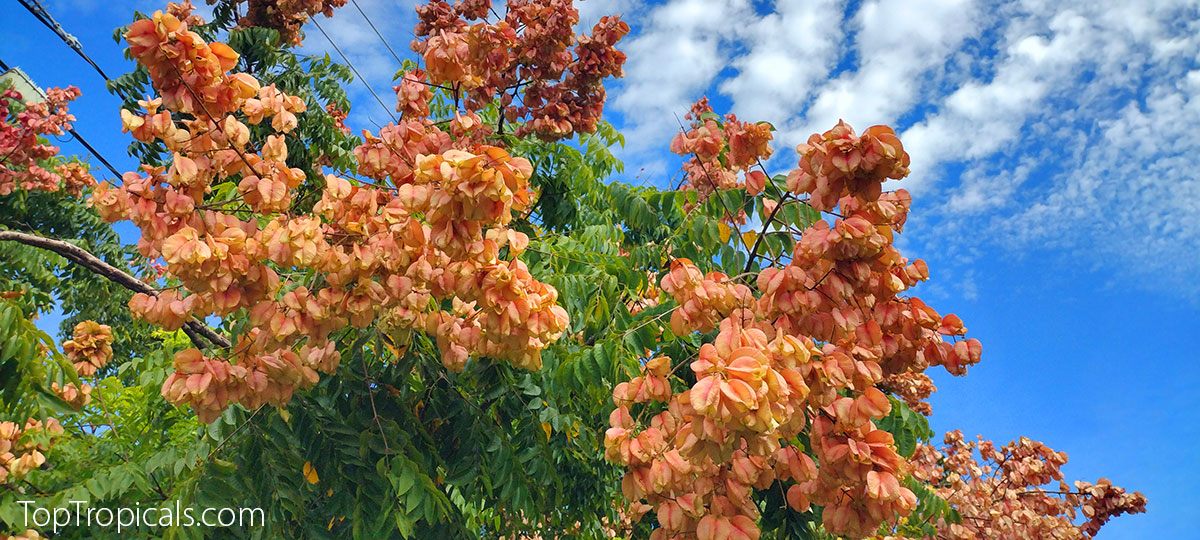
Golden  Rain  Tree  (Koelreuteria 
 paniculata)

Golden Rain Tree (Koelreuteria paniculata). According to ancient Chinese manuscripts, the Golden Rain Tree (Koelreuteria paniculata) is crucial for Dragons, as it is believed to be connected to their existence, guarding and complementing each other. Growing these plants is considered auspicious and is believed to safeguard the Dragon family.

Green  Wooden  Baby  Dragon

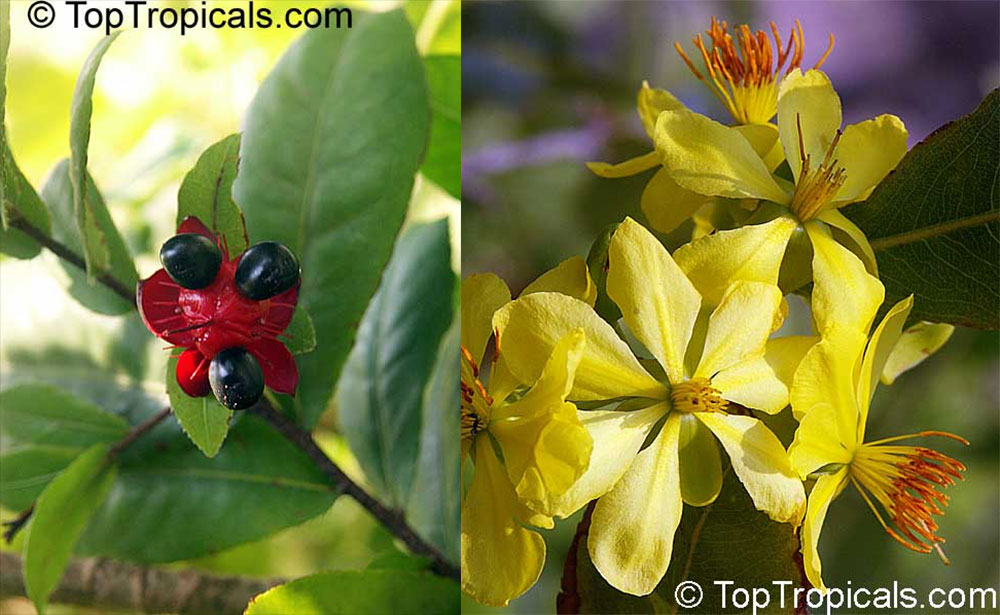
The most celebrated flower in Vietnam, Ochna integerrima, called in Vietnam Hoa Mai or Mai Vang, blooms profusely on the occasion of Tet, the Vietnamese Lunar New Year.

Date: 22 Mar 2017

Condo Mango

Q: I was curious about indoor fruiting mango trees. I live in upstate New York and was thinking about trying to grow an indoor tree for fruit. I have a small heated greenhouse. Is there a variety that can be grown from seed that would suit my purposes and if not what is the most economical way I could obtain a cutting or small grafted plant? I keep my greenhouse around 60F in the winter and have no supplemental lighting. Are there any varieties that may work in a sunroom or other well lit indoor location?

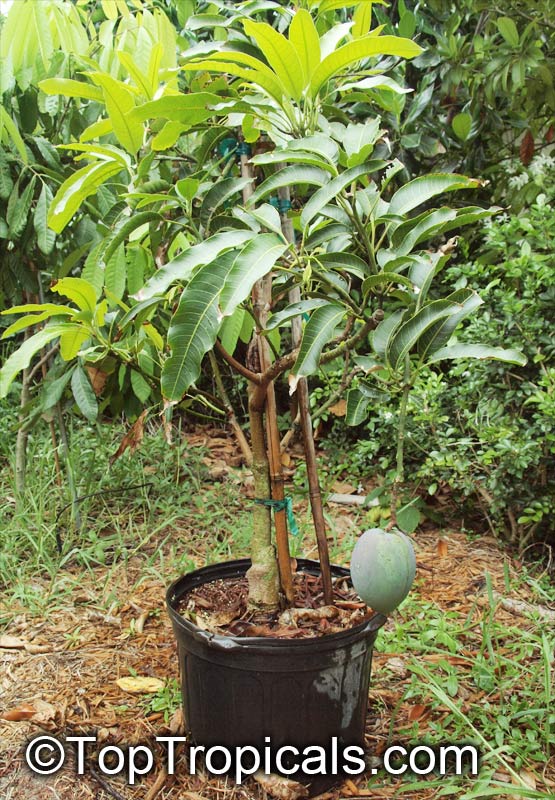
A: There are many dwarf varieties of mango suitable for container culture. They are called "condo mangoes".
The most popular condo varieties are: Carrie, Cogshall, Cushman, Fairchild, Graham, Ice Cream, Julie , Mallika, Nam Doc Mai, Pickering. You may read more about them in our online catalog. You may also look into variety Lancetilla which is also a compact tree, and produces one of the biggest size fruit, up to 5 pounds. If you want some rare variety that hardly anyone else has - try Baptiste, an exotic Haitian dessert mango.

Your greenhouse should work for the winter time. Mango trees can take as low as mid 40s during winter and even lower as long as that cold is occasional. If you keep the temperature around 60, this should work well for over wintering. Just make sure to reduce watering to a minimum, because cool temperatures, low light and wet soil - is a bad combination for tropical plants, especially for mango trees which prefer to be kept on a dry side.

Many indoor gardeners have fruiting mango trees in their collection. However, keep in mind that the most important requirement for a mango is full sun. While you may over winter the plant for a few months in a low light conditions, in order for it to flower and produce fruit it needs lots of light. If moving the tree into full sun your yard during the summer is possible, this would be the best solution.

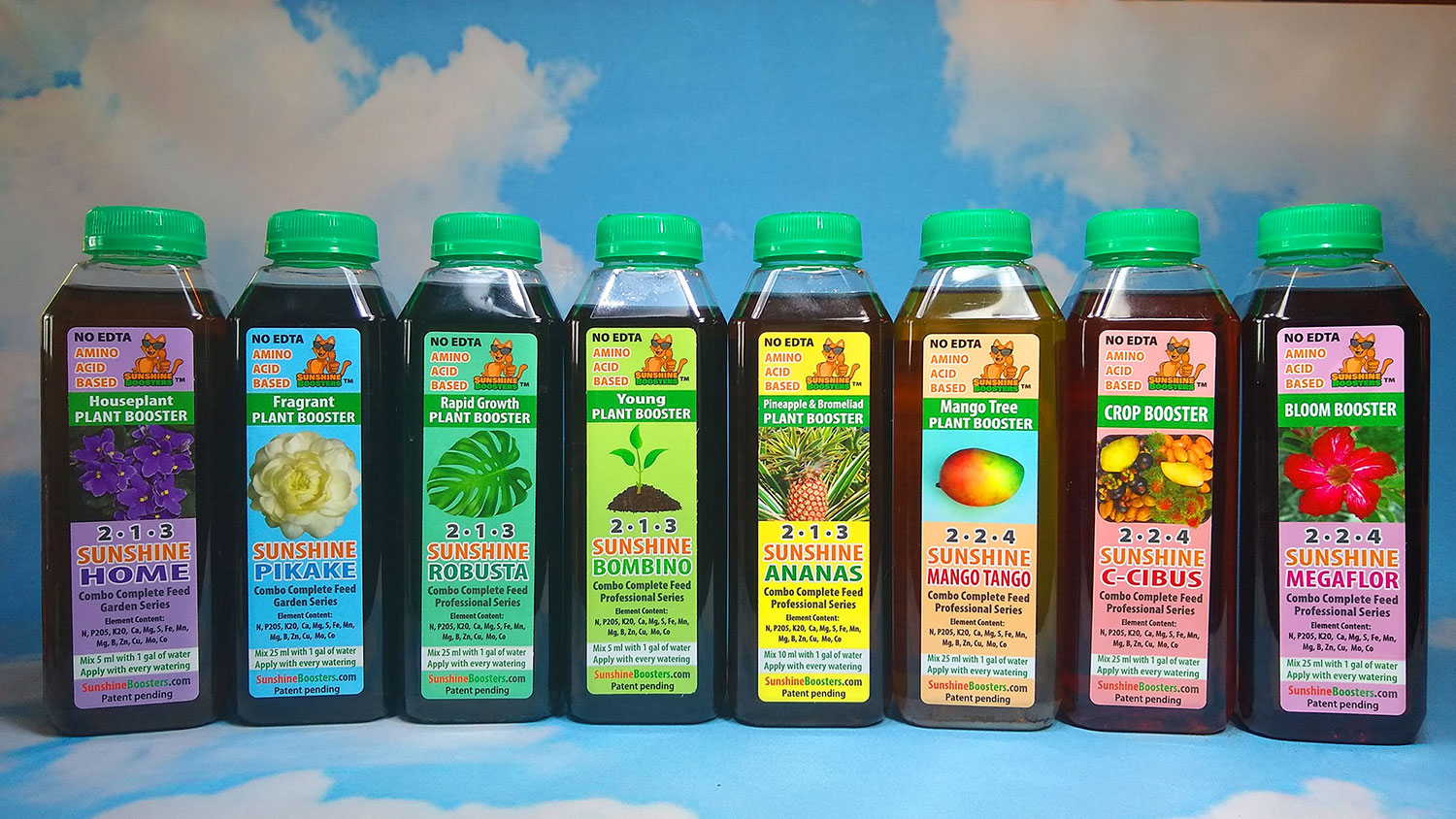
We always recommend SUNSHINE boosters for both over wintering tropical plants in colder climates, and for indoor gardening. SUNSHINE applications will help your tree to cope with cool temperatures and low light conditions. This will also dramatically increase flowering and fruiting performance. Another important factor for keeping your container plant healthy is quality of your potting soil. We offer a special professional mix that contains lots of good stuff: coconut fiber, peat moss, pine bark, and perlite. Fertilizing potted plants is also very important during the warm season, because this is the only way for them to get nutrients (which in the ground can be reached by spreading root system).

As far as seedlings vs. grafting - the only way to have a nicely fruiting mango tree is to plant a grafted variety. Seedlings start producing only after 8-15 years, and the quality of such fruit may be questionable. Only grafted plants can guarantee the desired taste of a variety. Besides, grafted mangoes start producing immediately - you may see fruit forming on plants as small as 3 ft, in 3 gal containers. However, during the first 1-2 years you will need to remove extra fruit and leave only 1-2 fruit so the plant doesn't get exhausted and has enough energy to establish strong root system.

For fun stories about growing mango, check out our Radio Show recording YO Tango Mango!

Date: 13 Jul 2023

Fertilizing during rainy season

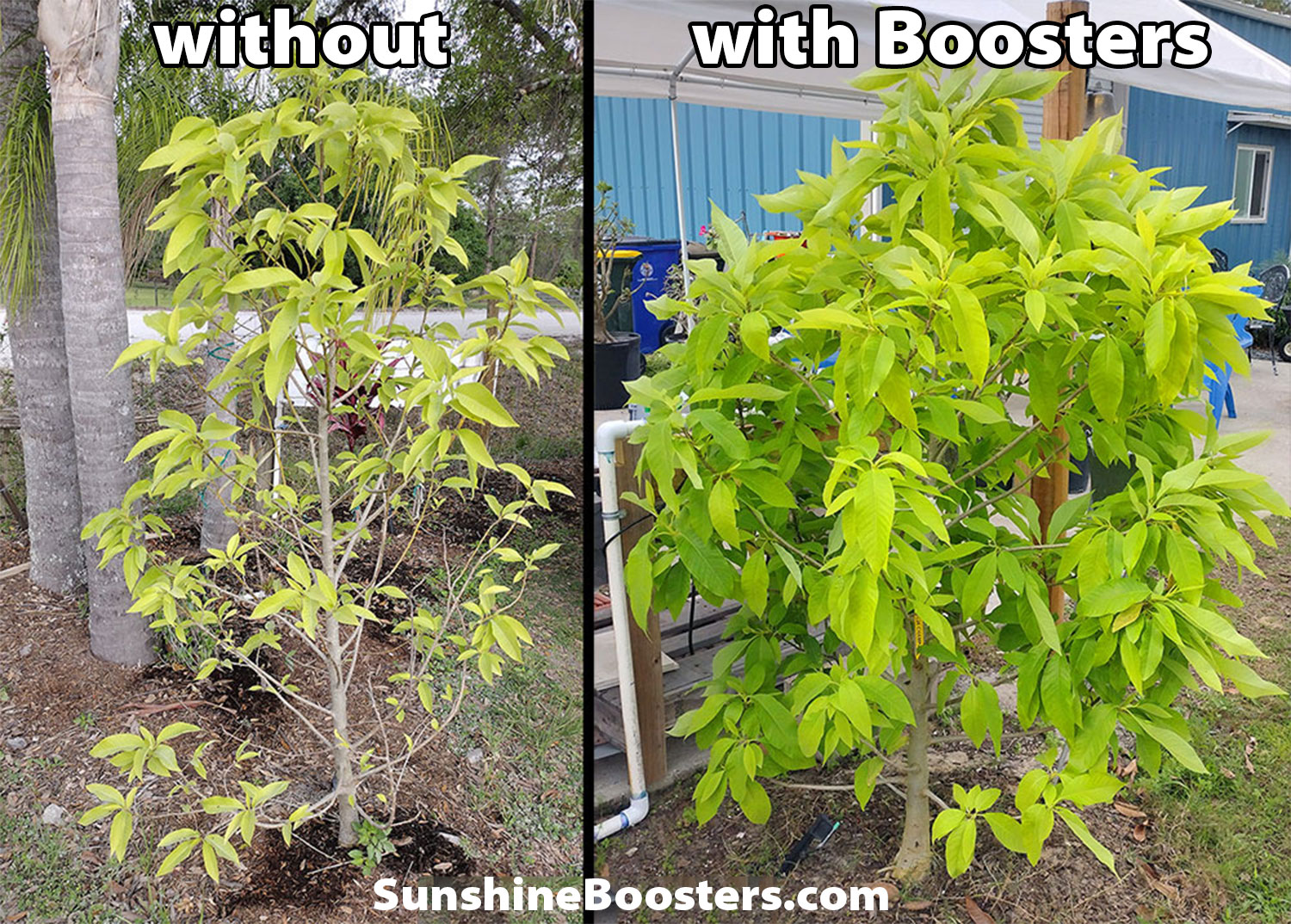
Champaka  trees  without  and  with  Sunshine  Boosters

Q: I have installed your Robuster unit to fertilize my fruit trees, but here in Florida, it is the rainy season and most of the time I do not need to irrigate during the summer. What do you recommend to keep up with fertilizing program?

A: This is what we recommend for fertilizing during rainy season:

For in the ground plants

If there are frequent rains, it's not necessary to use any fertilizers except for slowly soluble ones. During rainy periods, use a slow release fertilizer. Simply scatter 3 oz per 100 square ft. You can adjust the amount based on your specific area and number of plants.

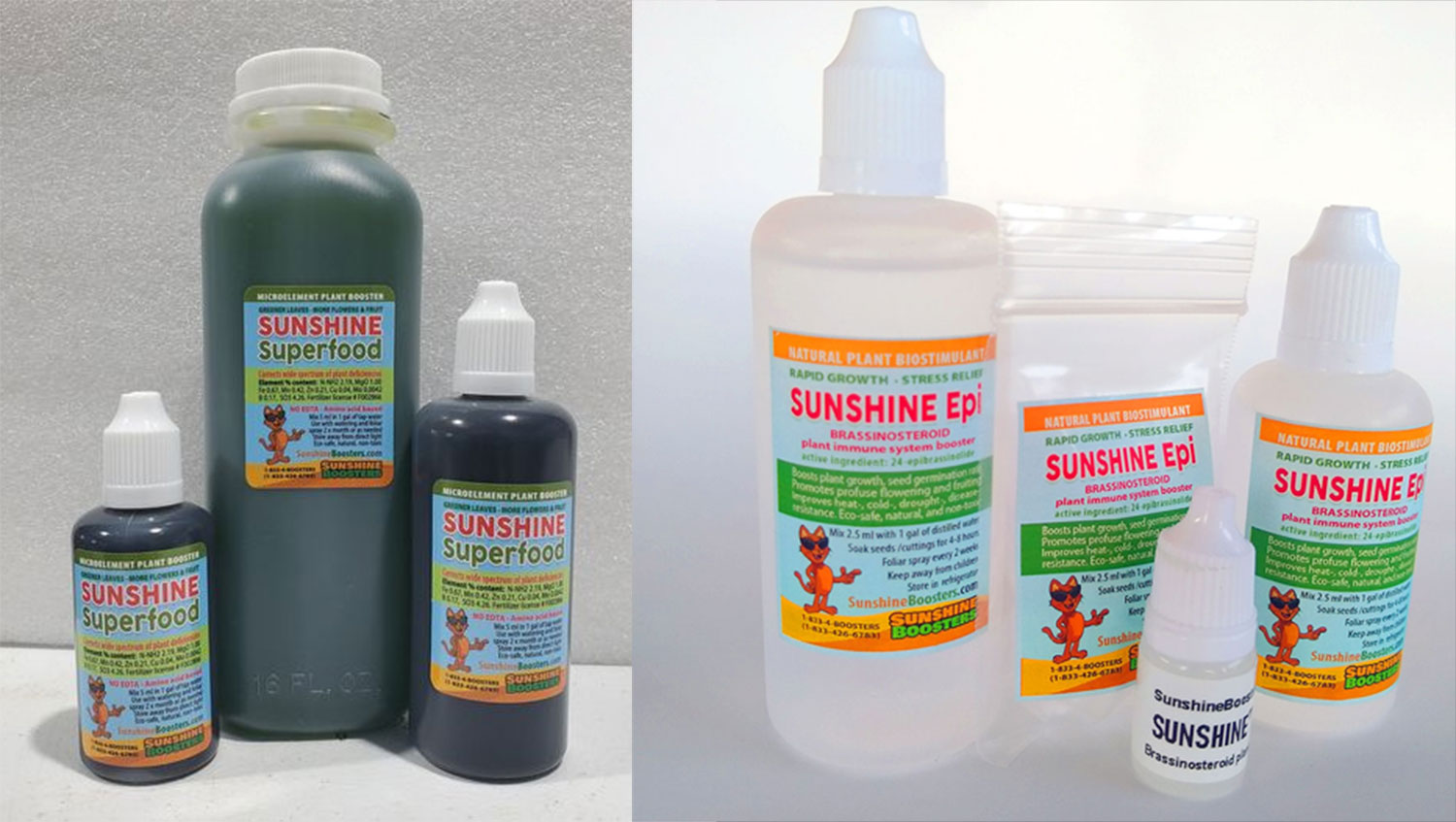
Additionally, for foliar treatments, use Sunshine SuperFood microelement supplement and Sunshine Epi biostimulator.
When you water next time, regardless of whether it rained or not, resume using liquid Sunshine Boosters.

Sunshine  Superfood  and  Epi

For potted plants

When you water your potted plants, use liquid Sunshine Boosters. Every 1 or 2 weeks (we recommend weekly), apply Sunshine Garden Series (the same type you are using when watering) for foliar treatment. Use the same dosage as you would for watering. By following these recommendations, you can ensure that your plants receive the appropriate nutrients during the rainy season.

Sunshine  Boosters  Garden  Series

the  Robuster

Date: 28 Jun 2023

Six reasons to grow
Elephant Ears in your garden

Pomegranate  fruit

Alocasias and Colocasias, commonly known as Elephant Ears, are both remarkable and popular plants that can bring a touch of tropical elegance to any garden. Here's why they are often considered great additions:

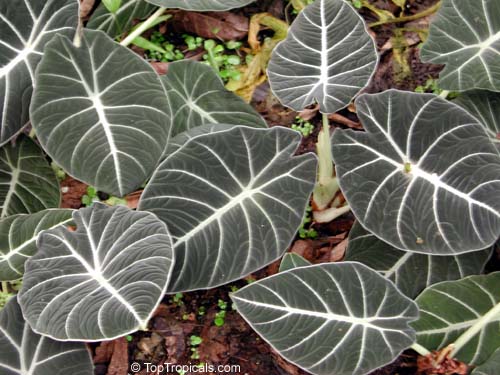
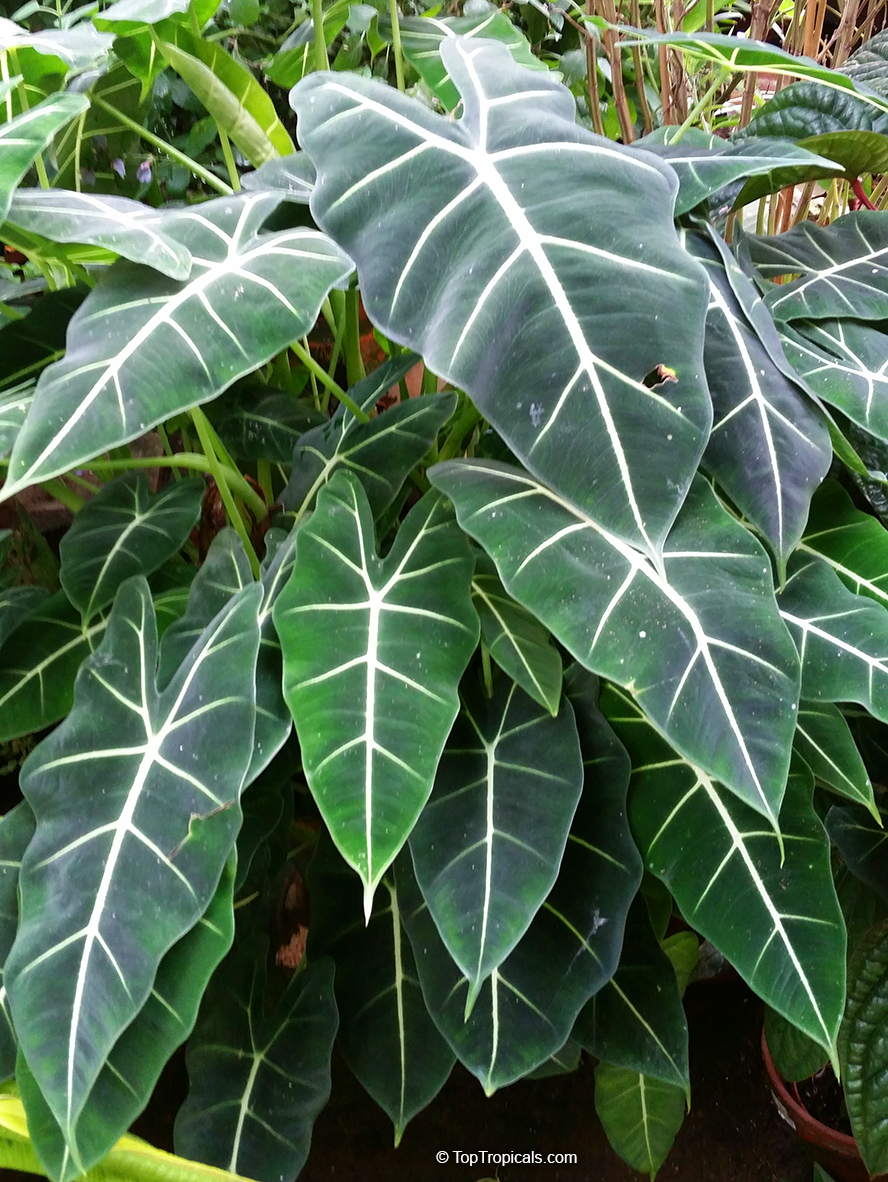
1. Striking Foliage: One of the most captivating features of colocasias and alocasias is their large, lush foliage. The leaves can be enormous, resembling the shape of elephant ears, hence the common name. The foliage is usually rich green, but there are also varieties with hues of purple, black, or variegated patterns. These vibrant leaves create a dramatic focal point in any garden setting.

2. Tropical Aesthetic: Colocasias and alocasias have a distinct tropical vibe that can transform your garden into a lush oasis. Their exotic appearance lends itself well to creating a tropical-themed garden or adding a bold accent to other styles of landscaping. Their large, architectural leaves add a sense of drama and create a stunning backdrop for other plants.

3. Versatility: These plants can be grown in various garden settings. They work well in containers, making them suitable for patio gardens or balcony displays. In larger landscapes, colocasias and alocasias can be planted directly in the ground, either as standalone specimens or as part of mixed border plantings. They can also be utilized around water features or in bog gardens since they enjoy moist conditions.

4. Low Maintenance: Once established, colocasias and alocasias are generally low maintenance plants. They thrive in full to partial shade, preferring a consistently moist soil. Regular watering and occasional fertilization will help them grow vigorously. While they are generally hardy, some varieties may require protection during colder months or overwintering in frost-prone regions.

5. Impressive Size: With proper care and favorable growing conditions, colocasias and alocasias can reach impressive sizes. Some varieties can grow several feet tall, creating a stunning vertical element in the garden. Their size and presence make them ideal for adding structure and height to planting arrangements.

6. Unique Varieties: Colocasias and alocasias offer a wide range of cultivars and species, each with its own distinct characteristics. From the classic Colocasia esculenta to the more exotic Alocasia macrorrhizos, there are numerous options to choose from. You can select plants with different leaf shapes, colors, and patterns to suit your taste and garden design.

Alocasia  Elephant  Ears

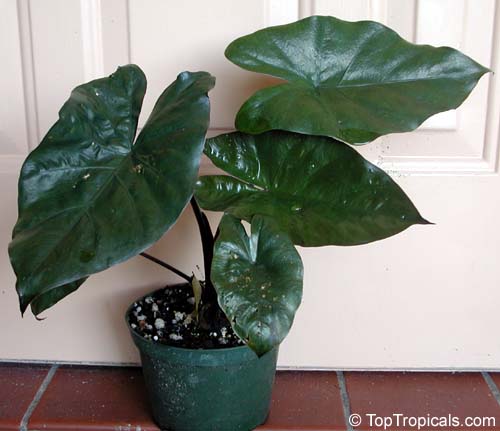
Alocasia  in  a  pot