Date: 24 Aug 2019
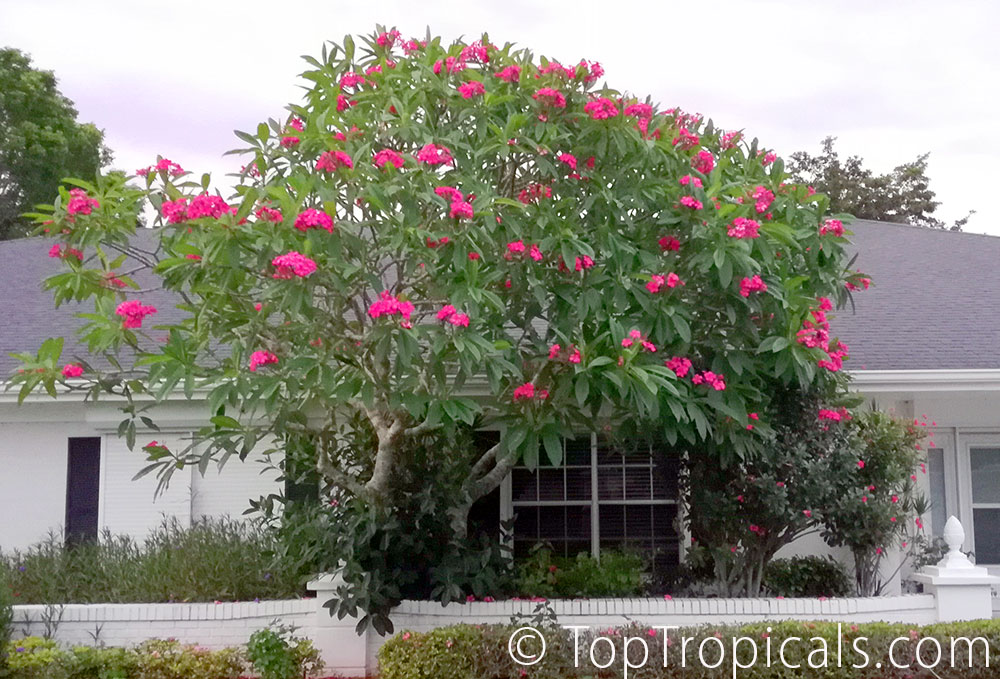
Growing a Plumeria Tree
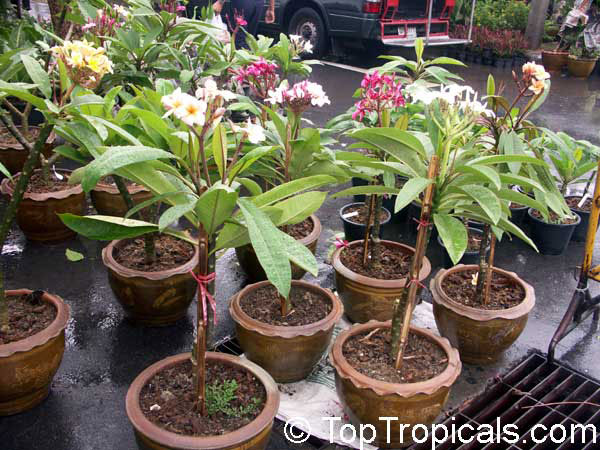
Q: I have a graft plumeria that is growing sideways. The leaves seem to be growing upside down. I tied it up with yarn and a bamboo stick last night. Will it grow strong enough to support itself without stakes or should I just let nature take its course and take the yarn and stake away?
A: You should definitely help the tree and keep the stick. The tree will eventually straighten out. It will have a strong trunk and you will be able to remove the supports.
Make sure to feed the Plumeria tree to provide enough energy for fast
growth and strong trunk:
Plumeria Top Dress - Smart-Release Booster.
Check out all Plumerias from our store, they are 15% OFF today!

Date: 19 Aug 2019
Colorful Yesterday-Today-Tomorrow
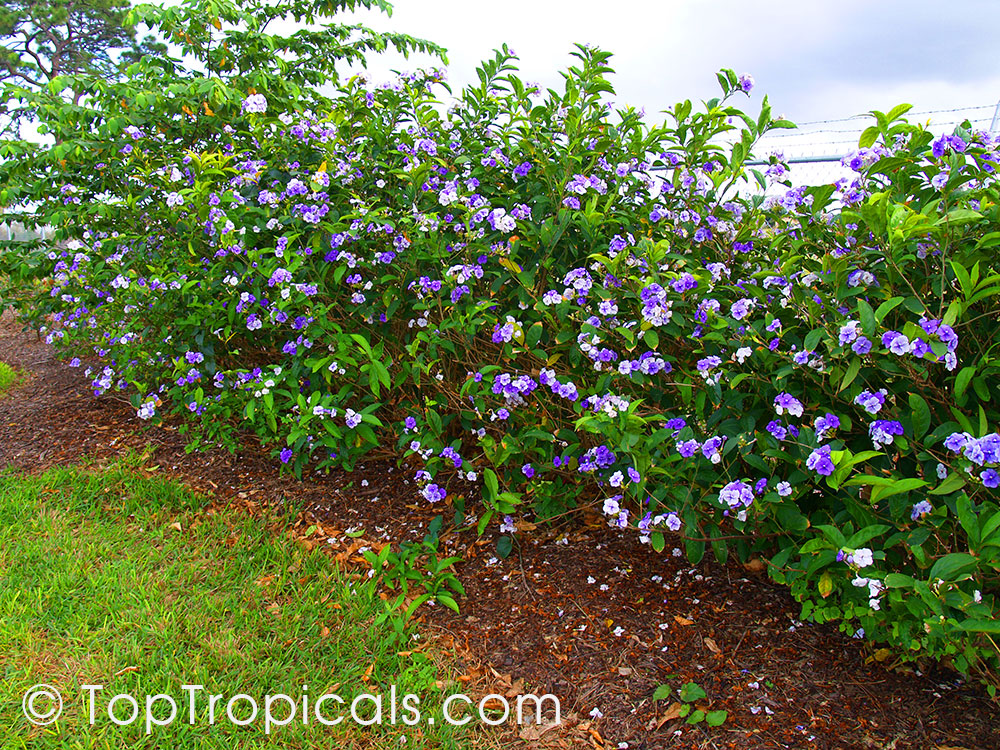
Q: I have a large oak in front of the house and nothing grows under it, even grass. Can you recommend me a compact, colorful flowering shrub that will tolerate shade location and still will bloom for me? I love fragrant flowers, that would be nice... Also, I am a snowbird staying in Florida mostly from Fall to Spring so I miss the flowering season! Any winter bloomers? Or am I asking for too much?
A: There is a plant for every location and every need! Here is a
perfect plant for you, Brunfelsia grandiflora - Yesterday-Today-Tomorrow. It is a winter
bloomer and it enjoys filtered light. In fact, in full sun Brunfellsia leaves
sometimes turn yellowish, so a shade location will be perfect for it, leaves will
be healthy and dark green.
It is a beautiful specimen plant. The unusual popular name of this
medium-sized shrub becomes clear to anyone who observes it over the course of two
or three days. Its tubular fragrant flowers change from purple to lavender
and then to white over a three day period (First they open as rich
lavender-blue; then they change to pale lavender and finally to almost white before they
fall). Then all three colors can be seen on the same plant. It grows to
about 3-6 ft and does best in filtered sunlight. Blooms fall to winter.
Check out all Brunfelsias from our store - they all are shade lover and free-flowering!
And here is a list of all winter flowering plants for you... and a Winter-Flowering Guide for Snow Birds (PDF file) that includes many late-season trees, shrubs and fruiting plants.
Date: 14 Jul 2019
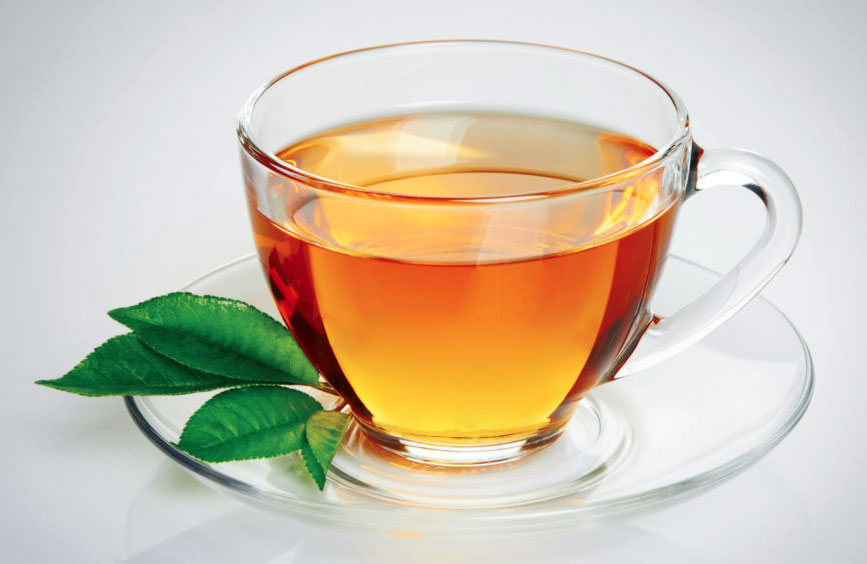
A Cup of Tea Plant
By Onika Amell, tropical plant specialist
A: I live in Ave Maria, Florida. I want to try my hand at growing my own tea. Which plant do I need?
A: Most people do not realize they are actually enjoying
camellias when they sip their cup of tea. True tea comes from the Camellia sinensis
plant, an evergreen shrub or small tree.
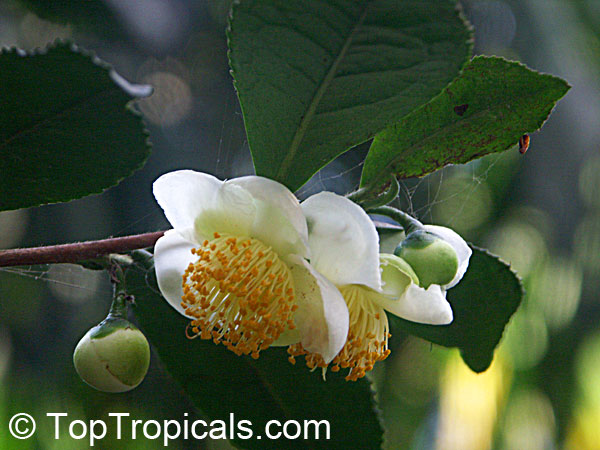
In the fall and winter, the plant will produce small white flowers with
a lovely fragrance. The foliage is shiny and dark green with a very nice
informal and open look.
Camellia sinensis (or tea plant, as it is commonly known) prefers a
temperature between 65 and 86 degrees, which makes Florida an ideal area to grow
them. However, if you live in colder zones, you can certainly succeed
growing your own tea plants using a greenhouse. Alternatively, you can use
containers which can be brought inside when temperatures start falling. Tea plants
will usually survive a very slight freeze, though the leaves may be damaged or
killed. It will not tolerate a hard freeze. They prefer full sun or light
shade in the garden.
Tea plants will become small trees or large bushes if not pruned.
Hardcore tea growers trim back the shoots repeatedly to a height of around 4 feet
to encourage new growth and to contain the size.
Make sure to pick an area of your landscape where it does not flood or
remain wet during our rainy season. Camellia sinensis does not like wet feet
at all. They prefer well-drained, sandy and slightly acidic soil. If grown in
a container, add some sphagnum moss to the potting mix. They will benefit
from frequent applications of small amounts of fertilizer.
You will need some patience, too. Your plant should be around 3 years old
before you start harvesting leaves.
Recommended fertilizers:
Tropical Greenhouse Plus - Plant Booster
Tropical Allure - Smart-Release Booster
Harvesting recipes
Now that you know how to grow the Tea, you need to check this out: the Harvesting recipes how to harvest and make different kinds of real tea: Green Tea, Japanese Style Green Tea, Oolong Tea, Black Tea, Orthodox Indian Tea... Continue reading...

Date: 17 May 2019
Persimmons - seedlings or grafted?
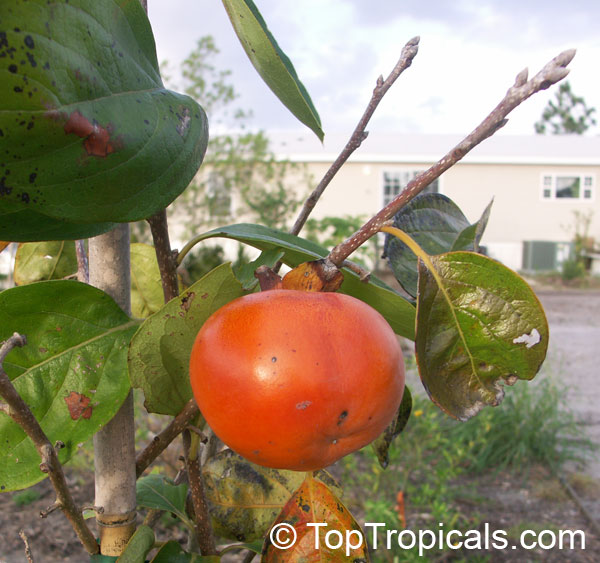
Q: Do all persimmons take roughly 6 years to fruit if grown from seed?
A: Persimmons, like most of the cultivated fruit trees, are recommended to be grafted to ensure a certain variety, although they may also come true to seed. And unfortunately, you are right - it will take a few years (depending on growing conditions) until the seedling will start fruiting. So your best bet to get a quality fruit right away is to obtain a grafted plant. You may check out persimmons (tropical and subtropical) that we carry in stock. If you are interested in any of the varieties that are currently sold out, just add your email to wishlist by clicking on link Notify me when available and you will be notified as soon as we have it back in stock.
Date: 12 Mar 2019
Spring tips

Once temperatures stay above 65F, growing season starts for tropical plants.
1. Increase watering as soon as you see new buds opening and new leaves growing
2. Trim all dead or damaged wood 1-2 inches above new growth
3. Apply the following treats to make your plants happy:
- granulated balanced fertilizer
- SUNSHINE Superfood microelements as foliar spray for healthy growth, profuse flowering, and disease/bug resistance
- SUNSHINE-E to help plants come out of dormancy faster and increase metabolism. 100 ml bottles and 50 ml bottles available for large plant collections.