Garden Blog - Top Tropicals

Date: 30 May 2019

Selecting the right jasmine

TopTropicals.com

Q: Would you please help me select the right jasmine? I want to find a jasmine that smells like lily of the valley or honeysuckle or roses, not the one that smells like gardenia. I'm in Missouri, zone 6, so I want a jasmine for my deck for the summer, so I want it to bloom this season.

A: There are 3 major types of tropical flower fragrances - Sweet, Fresh, and Fruity (including Lemony). Below are the most interesting fragrant tropical flowers, excluding Gardenias (which are sweet type). These are all same-year bloomers, so you can enjoy the fragrance this year assuming proper care and bloom booster feeding.

* - The fastest growers that can be treated as annuals. Others can be grown in a pot and brought inside for winter, and be enjoyed every year.

Sweet

* Aloysia virgata - Almond Bush
* Cestrum diurnum - White Chocolate Jasmine, Day Blooming Jasmine
* Cestrum nocturnum - Night blooming jasmine
* Heliotropium peruviana - Turnsole, Cherry Pie
Portlandia Cubanola domingensis - Cubanola (Warm white Chocolate)
Portlandia grandiflora - Glorious Flower of Cuba (Warm white Chocolate)

Fresh

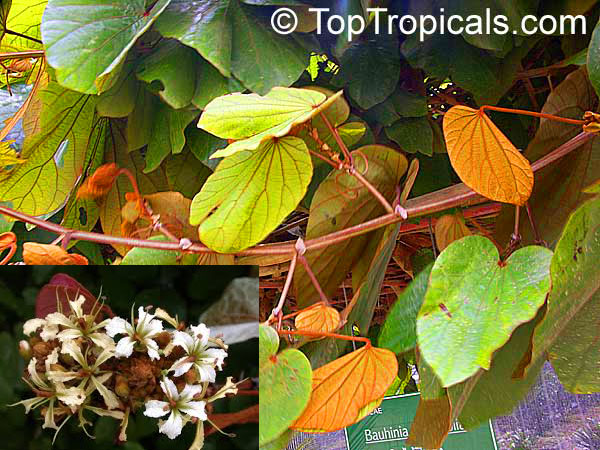
Beaumontia grandiflora - Easter Lily Vine
* Brugmansia Jean Pasco - Yellow Angels Trumpet
* Brugmansia Variegated Orange Angel Trumpet
* Brunfelsia americana - Lady of the night
* Brunfelsia lactea - Lady of the night
* Brunfelsia nitida - Lady of the night
Crinum Queen Emma - Spider lily
* Eucharis grandiflora - Amazon Lily
* Hedychium coronarium - Butterfly Ginger
Hiptage benghalensis - Helicopter Flower
Hoya odorata - Fragrant Hoya
Ixora hybrid Sea Green
Ixora odorata - Fragrant Ixora
* Jasminum azoricum - River Jasmine
* Jasminum Molle - Indian Jui
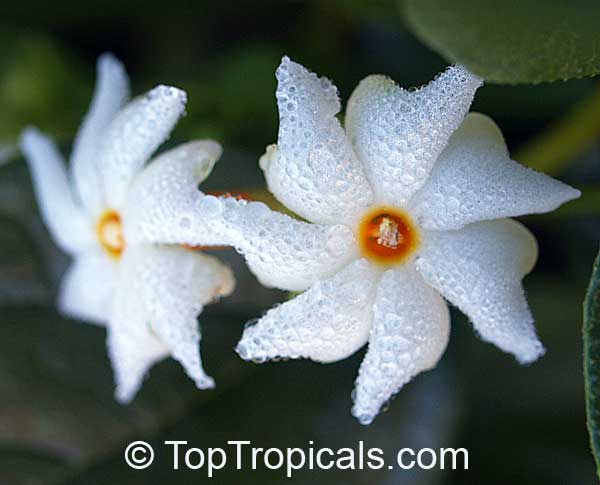
Jasminum nitidum - Star Jasmine
* Jasminum officinale Flore Pleno - French Perfume Jasmine
* Jasminum polyanthum - Pink Winter Jasmine
* Jasminum sambac Belle of India
* Jasminum sambac Grand Duke
* Jasminum sambac Maid of Orleans
* Polianthes tuberosa - Tuberose
*Sclerochiton harveyanus - Blue Lips, Mazabuka (Lavender-violet-like)

Fruity

Aglaia odorata - Chinese Perfume Plant (Lemony)
Artabotrys siamensis - Climbing Ylang-Ylang (Lemony)
Cananga fruticosa - Dwarf Ylang-Ylang
Carissa grandiflora - Natal Plum
Cerbera x manghas hybrid - Enchanted Incense
* Jasminum dichotomum - Rose Bud Jasmine
* Lonicera japonica - Japanese Honeysuckle
Magnolia figo - Banana Magnolia (Banana-like)
Magnolia x Alba grafted (Bubble-gum-like)
* Mirabilis jalapa - Four oclock plant
Oxyceros horridus, Randia siamensis
* Quisqualis - Rangoon Creeper
* Radermachera Kunming - Dwarf Tree Jasmine
* Stephanotis floribunda - Bridal Bouquet
Strophanthus gratus - Climbing Oleander
Telosoma cordata - Pakalana vine (Lemony)

Fertilizers for profuse flowering:

Pink N Good Daily Plant Food - Flower Booster
Tropical Allure - Smart-Release Booster

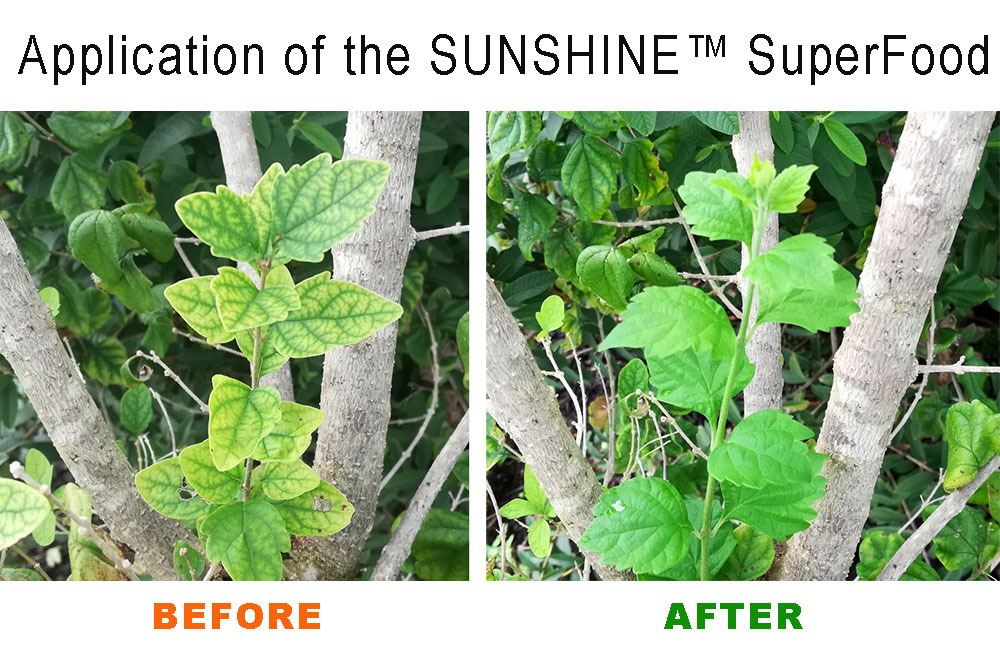
SUNSHINE-Superfood micro-elements

Date: 21 May 2019

Perfecting a Mango Tree

TopTropicals.com

Q: I recently purchased a Mangifera indica - Coconut Cream Mango from you and would like to know if it is possible to keep this in a large pot rather than putting it in the ground. If so, I have a few questions:
1. How large would you expect this variety to get?
2. What are the ideal growing conditions? Full sun, partial sun, etc...?
3. What is the ideal soil?
4. Any specific watering directions for ideal growth?

A: Coconut Cream mango tree has a moderate growth. We've planted one in our garden 4 years ago and it is still under 10 ft tall. This variety should be well suitable for container culture.
1. Keep the branches trimmed after fruiting is over. Mango trees can be grown in 15 to 25 gal containers and can be trimmed under 7-8 ft high.
2. All mango trees need full sun, the more sun the better.
3. Mango needs very well draining soil, ideally with lots of bark and perlite. We recommend our professional soilless mix or a similar formula.
4. Mango trees hate wet feet, and prefer to stay on a dry side: make sure soil in a pot doesn't stay wet; allow it to dry a little between the waterings.
Remember to apply Mango Food fertilizer during warm season for vigorous growth and heavy crop!

Date: 12 Apr 2019

Dwarf Red Ginger - more than just a pretty face

TopTropicals.com

Q: I've just recently moved to Florida from North Carolina. I don't know much about tropical plants. Can you perhaps suggest an easy and pretty flowering plant for a beginner which I can plant around my garden pond for a tropical feeling?

A: For adding that tropical look to your garden, few plants beat beautiful ginger! Alpinia purpurata, the Dwarf Red Cone Ginger with its bright red floral spikes and lush, lance-shaped foliage is no exception. This striking perennial will add a tropical effect to your garden that will definitely take your breath away.
The Dwarf Red Cone grows between 3 and 4 feet tall and blooms 8-9 months of the year! The blooms will hold on the plant for up to 3 weeks! It makes a very attractive and distinctive backdrop for other plants.
Red Cone Ginger likes partial shade and moist, humid conditions, but will tolerate full sun. It is fast growing, easy to grow and resistant to disease, heat, and insects. The plant is a wonderful accent in a garden and works well as a focal point specimen, show-stopping when planted around garden ponds or near entryways. This ginger also works very well in containers and planters. Either in mass plantings or smaller groups, all gingers add tropical flair which never disappoints.
In addition, the beautiful flower spikes make for great, long-lasting cut flowers and is an interesting addition to bouquets.
An added bonus? Dwarf Red Ginger is super easy to propagate. If stems are cut at the base and placed in water, they will generally root within a few weeks. Eventually, you can make a whole flowering hedge just from one plant!

Who does not like a plant that is non-fussy and not only beautiful but easy to grow? Dwarf Red Ginger is more than just a pretty face!

To keep this plant happy and blooming, give it some food: Broad Leaf Plus - Ginger-Heliconia-Banana Booster.

Date: 7 Aug 2024

Florida native plants for Florida and beyond

Florida  Native  Plants

If you live in Florida community with HOA, you may need these plants!

Did you know that we carry Native Florida plants?

At Top Tropicals, we have the biggest selection of tropical plants from around the World, with a special selection of Florida Natives. If you are looking for a particular Florida Native plant, just let us know - we can get them for you, because... we are here in Florida and we know them all!

If your Florida yard is regulated by a Homeowners Association, you may be required to plant native plants or those species on approved list. Why? These policies aim to promote sustainable landscaping practices and protect Florida's unique ecosystems. Although this may seem to limit your choices, there are plenty of Florida-friendly plants to choose from!

In general, native plants are adapted to the local climate and soil conditions, making them more resilient and requiring less water, fertilizer, and pesticides. This makes them easy to grow and great for beginners.

Native plants provide essential habitat and food sources for local wildlife, including birds, butterflies, and other pollinators. And Florida flora has a lot to offer for the wildlife!

If you live outside of Florida, our native plants may appear to you as much exotic and rare as those from Asia, S. America or Africa! Let's take a peak at some Natives...

Erythrina  herbacea  -  Coral  Bean

In the photo above: Erythrina herbacea - Coral Bean. Coral trees - Erythrinas are very showy, red-flowering small trees that are perfect for locations with poor soil and limited irrigation, very easy to grow, great butterfly and hummingbird attractors..

Acacia  farnesiana  -  Sweet  Mimosa

In the photo above: Acacia farnesiana - Sweet Mimosa. One of the most useful tropical plants that is very cold tolerant, blooms all winter through spring with honey-fragrant flowers - canary yellow powder puffs, attracting bees and butterflies. Fast growing bushy tree, tolerates poor soils and drought.

Date: 11 Mar 2025

NEW VIDEO:
What Fertilizer to Use and How?

It's springtime - your plants are growing and need more food! Now is the perfect time to fertilize. Our customers have been stocking up on fertilizers and asking lots of questions.
In addition to our recent article What Fertilizer to Use Now and How? Five important keys to healthy plants, we're excited to share this short video on how to use Sunshine Boosters.

Our PeopleCats actively participated in the production with real hands-on (paws-on) involvement. Enjoy the show - and your happy plants!

Subscribe to our Channel:

Subscribe to Top Tropicals YouTube Channel and get our latest video news of what is fruiting and blooming!

Cat  with  fertilizers