Garden Blog - Top Tropicals

Date: 10 Feb 2026

Cold-hardy avocado varieties - what freezing they really survive
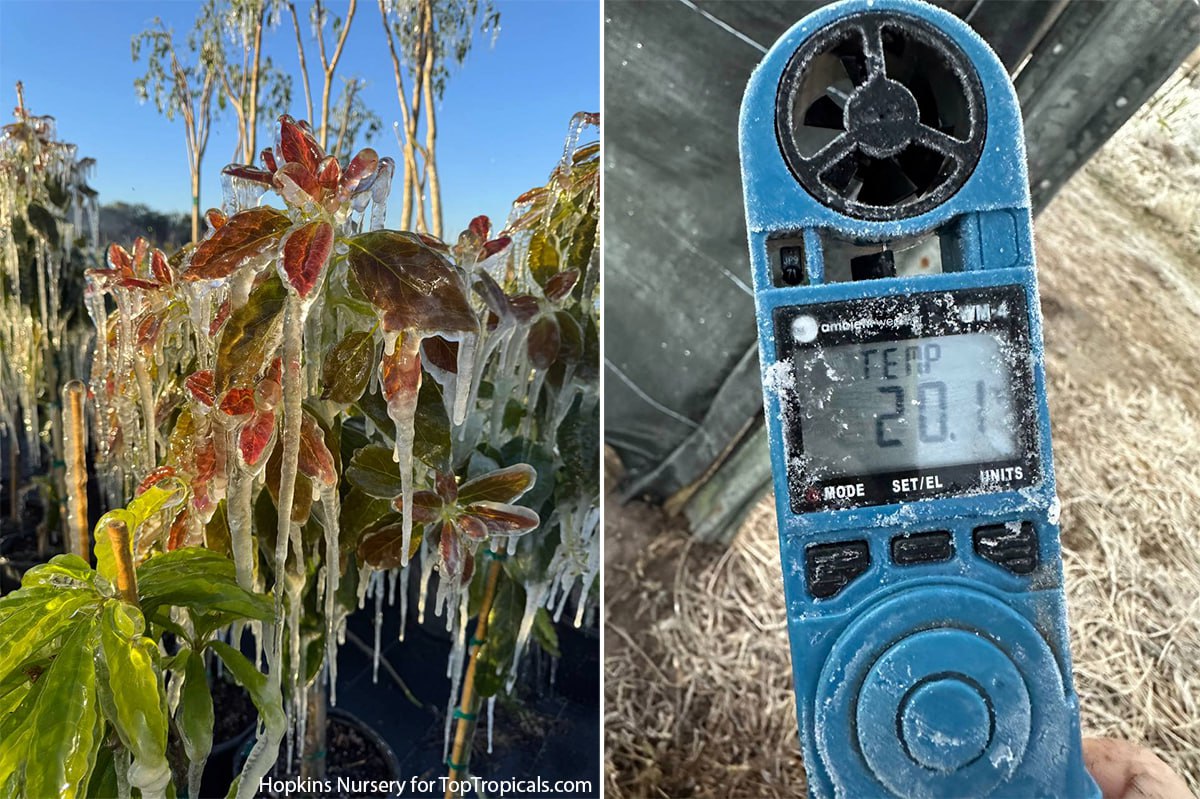
Avocado leaves covered with ice

Avocado leaves covered with ice

❄️ Cold-hardy avocado varieties - what freezing they really survive


Avocado trees are usually associated with warm, frost-free climates, so every winter freeze raises the same question - which avocados actually survive cold weather? After recent freeze events, interest spikes as gardeners look for real answers, not guesses. The truth is, avocado cold hardiness is not just about the lowest temperature. Duration, moisture, wind, and tree maturity matter just as much - sometimes more.
  • What cold hardiness really means for avocados


    Cold hardiness does not mean an avocado tree escapes winter untouched. It simply means the tree survives a freeze without being killed.
    Leaf burn, branch dieback, or temporary growth setbacks can still occur. Survival is the key distinction.
  • Cold tolerance is influenced by:


· Tree age and establishment. Young avocado trees are always more vulnerable. Once established, tolerance improves significantly.
  • · Length of the freeze
  • · Wind exposure
  • · Daytime sun and heat retention
  • · Drainage and soil moisture
  • · Overall tree health going into winter


Where cold-hardy avocados come from


The most cold-hardy avocados are of Mexican origin. These types evolved in cooler, higher-elevation regions and differ genetically from West Indian and Guatemalan avocados.
These varieties are widely grown around San Antonio, Texas (USDA Zone 8b), where trees have been damaged but not killed by temperatures near 10F. As a general rule, established Mexican-type avocados can tolerate short freezes (about 3-6 hours) down to roughly 15F with little or no permanent damage. Temperature estimates apply to established trees under favorable conditions. The best results come from combining the right genetics with smart planting, good drainage, and thoughtful winter care.
  • Why cold tolerance varies so much


    Cold ratings are never absolute. The same variety can survive very different temperatures depending on conditions such as tree maturity, freeze duration, wind, microclimate, and humidity. For example, an avocado may tolerate 10-15F in dry Texas winters but only 15-20F in wetter East Coast conditions.
  • Planting and protection tips for colder climates


· Plant in the warmest available location, ideally near a south or southeast wall
  • · Protect trees from cold wind
  • · Ensure excellent drainage; standing water during cold weather is deadly
  • · Use raised mounds in poorly drained areas
During freezes, small trees should be covered, mulched heavily, and protected with frost cloth. In severe cold, gentle heat under covers may help. Mature trees often need little to no protection.

Avocado varieties known for the best freeze survival


These varieties are among the more reliable choices for colder regions once established, reported tolerance near 15F:
  • · Brazos Belle - medium to large purple-black fruit, season October-November
  • · Fantastic - green fruit with paper-thin skin, creamy texture, the most cold tolerant
  • · Joey - selected in Uvalde, Texas; purple-black fruit, excellent flavor, heavy producer, season September-October
  • · Lila - medium green fruit, season September-October (not to be confused with Lula)
  • · Poncho - medium to large green fruit

  • Cold-hardy avocados make growing this fruit possible beyond the tropics, but expectations must stay realistic. Survival does not mean zero damage, and protection still matters during extreme weather.


🛒 Explore cold hardy Avocado varieties

📖 Our Book: Avocado Variety Guide, Snack or Guacamole?

📚 Learn more:


🎥 Avocados survived 25F hard freeze 3 nights of Florida Record Freeze

#Food_Forest #Avocado #Discover #How_to

🟢 Join 👉 TopTropicals
Date: 22 Feb 2026

How to grow Papaya from seed, step-by step - FAQ

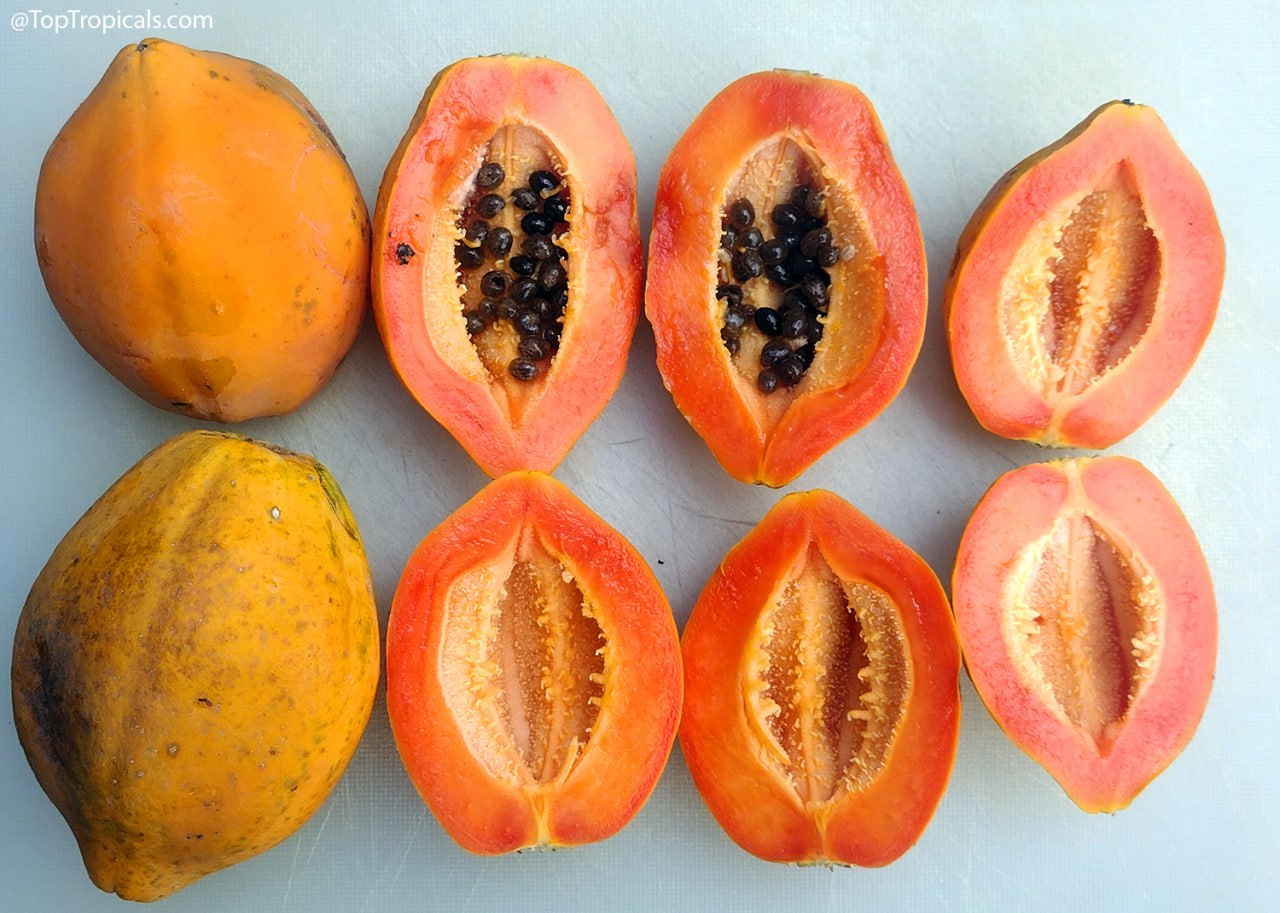
Carica papaya - Papaya fruit

Carica papaya - Papaya fruit

🍊 How to grow Papaya from seed, step-by step - FAQ

  • 💚 Is papaya a tree?


    No. Papaya is a herbaceous plant with a hollow trunk. Treating it like a tree is one of the most common mistakes growers make.
  • 💚 How fast does papaya grow from seed?


    Very fast. Papaya can start producing fruit in 10–15 months when grown in warm conditions.
  • 💚 Can papaya be grown in containers?


    Yes. Dwarf papaya varieties stay under 4–5 ft tall in containers and still produce full-size fruit.
  • 💚 Will seeds from grocery store papaya work?


    They will germinate, but the variety is unknown and usually not dwarf. If you want a compact plant, use seeds from a known dwarf variety.
  • 💚 Do papaya plants come true from seed?


    Yes. When the seed source is known, papaya grows true to type.
  • 💚 How long do papaya seeds take to germinate?


    Fresh seeds usually germinate in 2–3 weeks with warmth. Stored dry seeds can take 8–10 weeks.
  • 💚 What temperature do papaya seeds need?


    Above 70F, ideally 85–90F. Bottom heat greatly improves success.
  • 💚 Do papaya seeds need to be cleaned before planting?


    Yes. The slimy coating must be removed or seeds may rot instead of sprouting.
  • 💚 What soil is best for papaya seedlings?


    A well-draining mix or coconut fiber. Soil should be moist, never soggy.
  • 💚 Why do papaya seedlings rot so easily?


    Overwatering and poor drainage are the main causes. Young papaya roots are very sensitive to excess moisture.
  • 💚 Do papayas like transplanting?


    No. Papayas hate root disturbance. Reduce transplanting and move into larger containers sooner rather than stepping up gradually.
  • 💚 How big should the container be?


    After a 4-inch pot, move directly into a 1-gallon or even 3-gallon container to minimize root disturbance.
  • 💚 Does papaya need staking?


    Yes. Papaya grows fast, and the stem can outpace root development. Even light wind can knock it over.
  • 💚 How much sun does papaya need?


    Full sun. Shade causes leggy growth, poor flowering, and little to no fruit.
  • 💚 Should papaya be watered heavily?


    No. Once established, papaya prefers drier conditions. Large plants tolerate rain better than young ones.
  • 💚 Can papaya be planted in the ground?


    Yes, but only in well-drained soil and elevated spots. Low areas with standing water will kill it.
  • 💚 Is fertilizer important for papaya?


    Yes. Papaya is a heavy feeder. Poor soil means poor growth and little or no fruit. Use Green Magic once every 6 months or Sunshine Boosters C-Cibus with every watering.
  • 💚 Should papaya be pruned to control height?


    No. Pruning ruins its natural form. If height is an issue, grow a dwarf variety instead.


🛒 Explore Papaya varieties

📚 Learn more:

Plant Facts

Carica papaya
Papaya
USDA Zone: 9-11
Small tree 10-20 ftFull sunDry conditionsModerate waterYellow, orange flowersWhite, off-white flowersEdible plantEthnomedical plant.
Plants marked as ethnomedical and/or described as medicinal, are not offered as medicine but rather as ornamentals or plant collectibles.
Ethnomedical statements / products have not been evaluated by the FDA and are not intended to diagnose, treat, cure, or prevent any disease. We urge all customers to consult a physician before using any supplements, herbals or medicines advertised here or elsewhere.Subtropical plant. Mature plant cold hardy at least to 30s F for a short time


🎥 Nobel Prize goes to this pregnant male papaya

#Food_Forest #How_to #Papaya #Discover

🟢 Join 👉 TopTropicals

Date: 24 Jun 2018

Cold hardy tropical fruit trees for Luisiana

Q: I've just moved to Louisiana and have been wondering whether it would make sense to plant some tropical fruit trees in our garden. Average lows in New Orleans are 41 deg F in January and February, although we did hit 25 once with the Arctic vortex. I'm interested in litchi, longan, rambutans, and persimmons. Do you have varieties that can tolerate Louisiana's temperature range? I'd love mangosteen but I don't suppose they will survive. Do you have any suggestions on tropical fruit trees that I could try?

A: Average temperatures are for statistics only; it is actual temperatures that may hurt your cold sensitive plant. This is what you should keep in mind when starting your tropical fruit collection:
1) Ultra-tropical plants like Rambutan can not survive winters below 45-50F. However, they can be successfully grown in containers in a greenhouse or moved indoors into a sun room during cold periods.
2) Tropical plants like Litchi and Longan may take some light frost once established. Still, for areas with freeze our advice is - keep them in pots and move inside in case of cold.
3) There is a number of subtropical fruit trees that are hardy enough to take some freeze. Persimmon, Feijoa, Fig, Cattley Guava, Jujube, Kiwi, some Eugenias and others. Please refer to our Tropical Fruit Sensitivity Chart.
4) Remember that plant's ability to survive winter depends on several factors, not only temperature itself. Important factors are: wind protection (chill wind kills rather than low temperature itself), exposure, how close the tree is planted to the house, plant maturity and its overall strength and health. If a plant had received good nutrients during summer, has well established root system, planted in enclosed area protected from winds and has plenty of bright sunlight - it has better chances to survive than a weak plant in warmer conditions.
5) Use SUNSHINE plant boosters for improving cold tolerance of your tropical plant. It only takes a few drops, and only costs $5!

Date: 6 Jan 2017

6 easiest fruit trees and 5 spices to grow in containers indoors

Q: This is why I want to move so that I can grow absolutely anything I want from your catalogue. Prefered Puerto Rico. Right now I live in New York and there is absolutely nothing I can grow there.

A: Of course living in Puerto Rico brings more opportunities to grow tropical species. However, you can create your unique tropical paradise even living in New York. We have many customers from up North who successfully grow tropical species (and get them to flower and fruit) in greenhouses, and even indoors.
Here are a few suggestions of tropical fruit trees that adapt well for container/indoor culture - for both beginners and advanced gardeners.

Top 6 fruit trees great for indoors / container culture / beginners
1. Mango (Mangifera indica). Select from one of smaller mango varieties
2. Sugar Apple (Annona squamosa)
3. Guanabana, Soursop (Annona muricata)
4. Miracle Fruit (Synsepalum dulcificum)
5. June Plum (Spondias cytherea)
6. Guava (Psidium guajava)

5 top spice plants (the spice will be with you right away, you don't have to wait for it to grow)
1. Allspice (Pimenta dioica)
2. Cinnamomon or Campor tree
3. Bay Leaf (Laurus nobilis)
4. Mint Tree (Satureja vimenea)
5. Vanilla orchid (Vanilla planifolia)

See a brief article of growing tropicals outside of tropics.

Don't forget to get some SUNSHINE boosters for your plant collection - for both successful indoor culture and cold protection!

See also our magazine Tropical Treasures) - Pushing the Limits of Tropical Gardening, with list of issues.

Date: 22 Mar 2021

The most rewarding hardy fruit trees

Q: Recently I started working remotely and I kinda like it, no need to commute, it saves me so much time so I can have life now! My friend got me involved into growing some small houseplants but I really want to take advantage of our Florida climate and sun. I want to plant some cool fruit trees since I have a decent size yard. But I live in Florida Panhandle and we do have some occasional freeze in winter, although not for too long. But it gets very hot in summer! Are there any tropical fruit trees that will be happy here? Or should I keep everything in pots? I am excited to have my own tropical plant collection!

A: There is a perfect plant for everyone, and a perfect tree for every climate. Many tropical and especially subtropical plants can be much hardier than they are believed to be, both flowering and fruiting trees among them. You may keep the most sensitive species in pots and bring them inside for winter, while there are so many trees that will be happy in your area. Start with these that are perfect for climates with hot summers and cool winters:

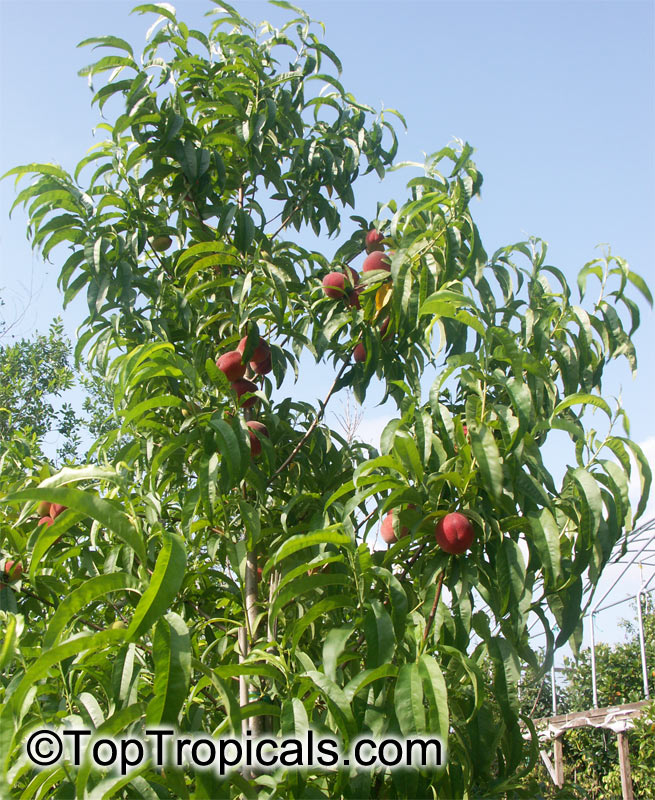
1. Peaches and Plums

Low-chill, Heat-tolerant Peaches, Nectarines, Plums are especially selected for Florida hot summers. They produce well and do not require many "chill" hours like temperate fruit trees. They only need 150 chill hours and grow well in even in Arizona, so you know they are taking the heat.

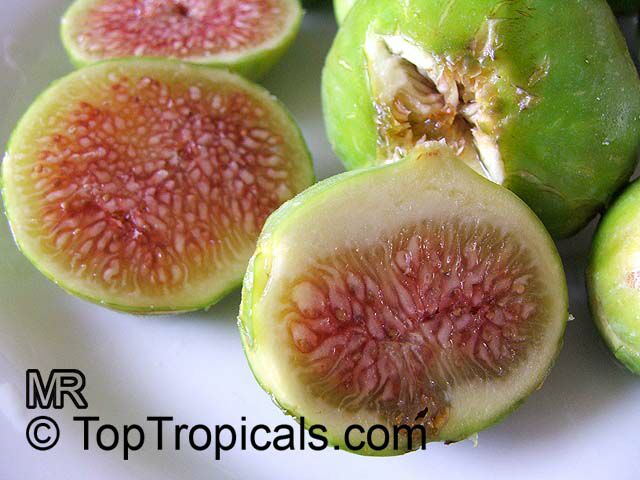
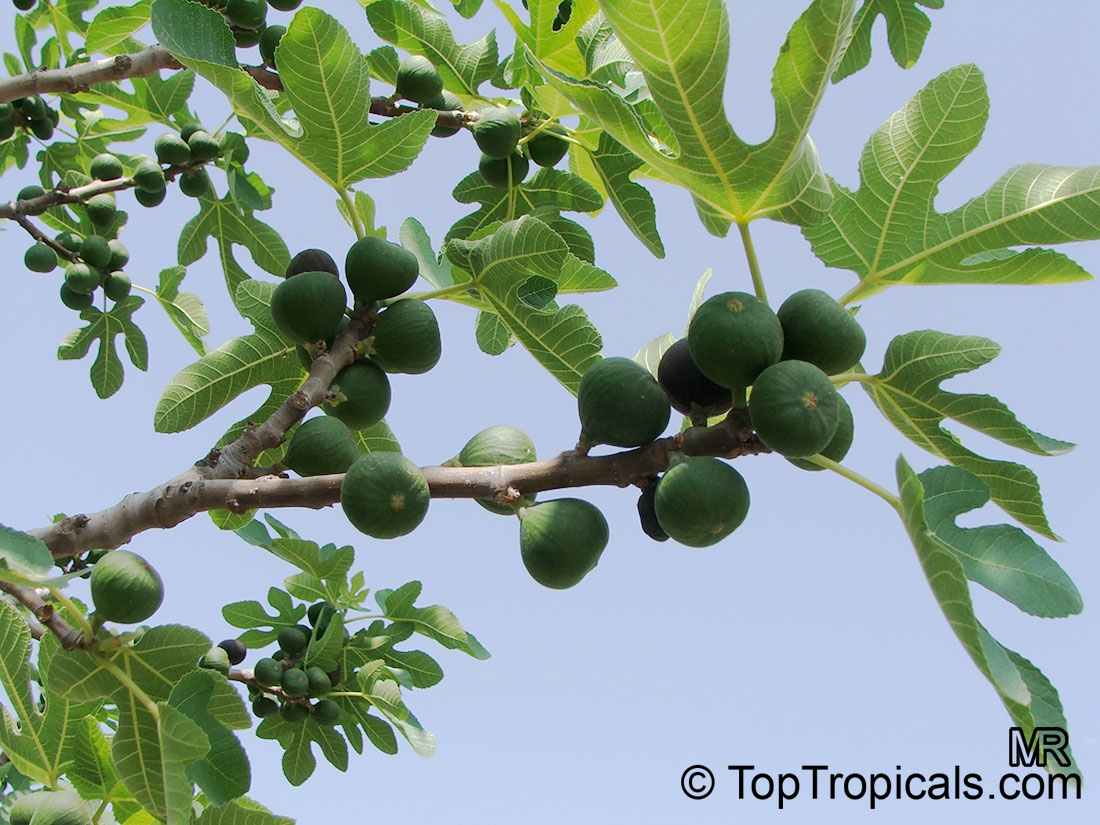
2. Figs

2) Fig trees - they are easy to grow, heat- and drought- resistant trees. They are prized for their delicious fruit, which can be one to three inches in length, violet, brown or black. There are even varieties with yellow fruit. Most fruits are borne from early summer to late fall on new growth, and the fruits generally mature very quickly. These trees are sensitive to frost only when actively growing, but can withstand 10F when dormant. Read more about Fig trees.