Garden Blog - Top Tropicals

Date: 16 Mar 2026

🌱 💪 Green Magic + SUNSHINE Boosters: A Complete System for Strong Plant Growth

By Tatiana Anderson, Horticulture Expert at Top Tropicals with Smokey & Sunshine help
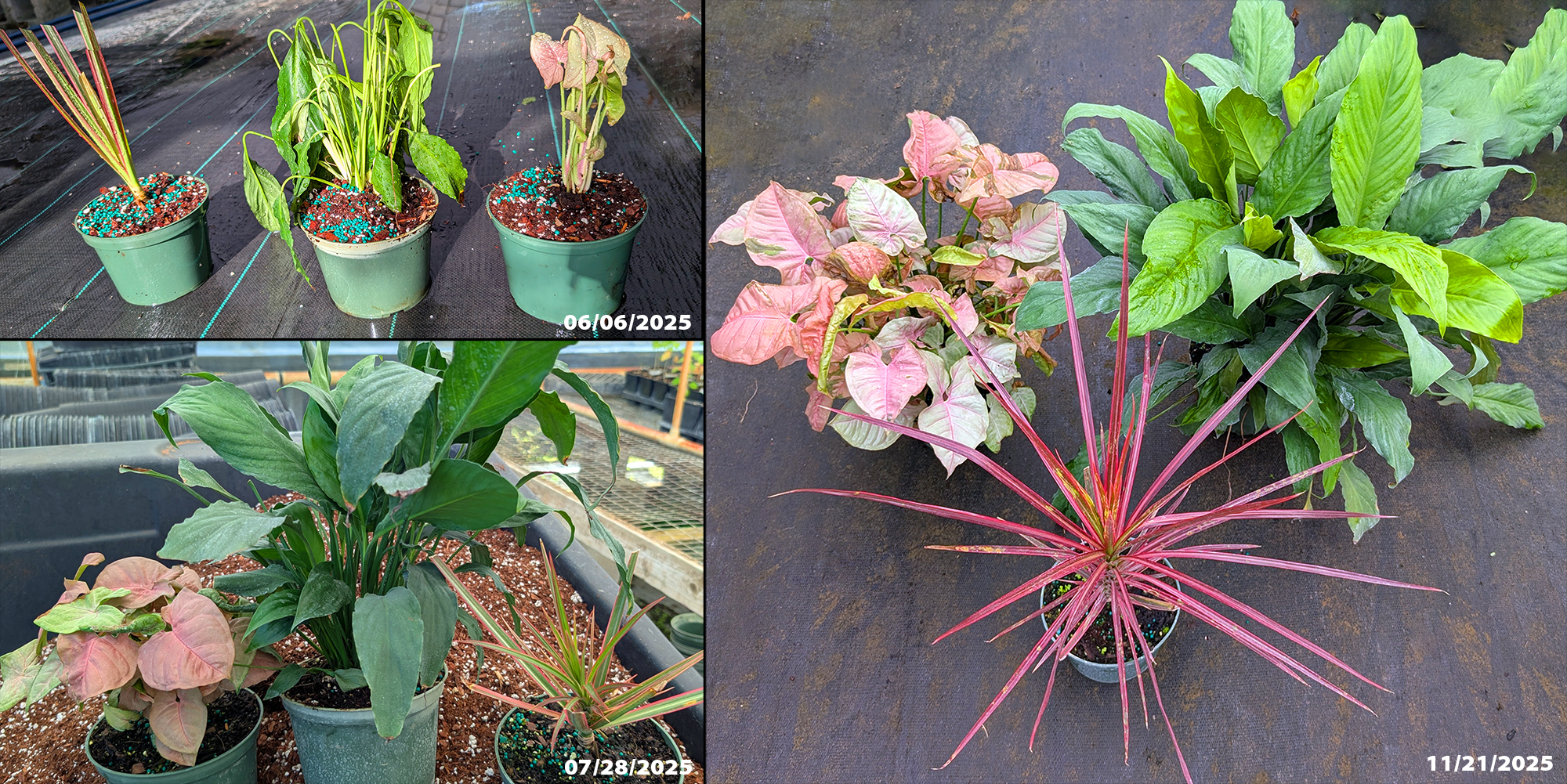
Nearly  dead  houseplants  (Dracaena,  Syngonium,  and  Spathiphyllum) 
 recovering  and  growing  vigorously  after  treatment  with  Green  Magic 
 fertilizer  and  Sunshine  Robusta  plant 
 booster.

Green Magic recovery test with SUNSHINE Robusta support: Dracaena, Syngonium, and Spathiphyllum revived from severe stress and growing vigorously.

☀️🌱 Sunshine Boosters: Complete Plant Nutrition

Sunshine Boosters provide complete plant nutrition, including Calcium and micronutrients that plants need for strong growth. Because nutrients are delivered in liquid form, plants can absorb them quickly and respond almost immediately.

The Practical Problem

Liquid feeding works well, but it requires frequent application. In real gardens, many growers simply do not have time to add liquid fertilizer with every watering.

Green Magic: The Foundation

Green Magic solves this problem by providing steady background nutrition through controlled-release fertilizer. It feeds plants gradually, so they continue receiving nutrients even between liquid feedings.

Why This Combination Works

Together, this system provides both complete nutrition and steady feeding. Sunshine Boosters supply fast nutrients and Calcium, while Green Magic maintains a stable nutrient supply between feedings.

✍️ How to Feed Your Plants

📅 Step 1 – Start of the Growing Season

  • Apply Green Magic around the root zone every 6 months.

    In ground:
    • Small Shrubs (1–3 feet): Use approximately 1/4 to 1/2 cup per plant
    • Established Trees: Use 1/2 lb to 1 lb of product per 1 inch of trunk diameter.
    • Small In-Ground Ornamentals: A common "spoon" rate is roughly 1 teaspoon per gallon of estimated root volume (or per sq. ft. of surface area).
    • Spread evenly around the dripline. Avoid piling the granules against the base or trunk of the plant. For best results, lightly rake the granules into the top 1–2 inches of soil.
    Container plants:
    • Apply 1 tea spoon per 1 gal of soil (mix in with soil) every 6 months during active growth period, or with every re-potting.
  • Water normally after application.
  • Adjustment for Temperature. Because Green Magic is temperature-controlled, adjust your rate if your local climate is extreme:
    • Cooler Climates (<60°F average): Increase the rate by 20% to ensure enough nutrients are released.
    • Hot Climates (> 80°F average): Decrease the rate by 20% to prevent over-releasing as the heat speeds up the process.

☀️🌿 Step 2 – Active Growing Season

  • Apply Sunshine Boosters during the growing season.
  • Regular feeding (maintenance): Mix with tap water according to the ratio on the label. For SUNSHINE Robusta use 25 ml (5 tsp)per gallon of water and spray leaves every 5-7 days during active growth.
  • Correction feeding ("medicine" dose): if plants show visible nutrient deficiencies, combine SUNSHINE Robusta with SUNSHINE Superfood and spray every 5–7 days until new growth appears healthy. All SUNSHINE Boosters products are compatible and can be mixed with water in the same sprayer.
  • Best time to spray: early morning or evening when temperatures are cooler and leaves can absorb nutrients efficiently.
  • Important: spray both the top and underside of leaves for maximum absorption.
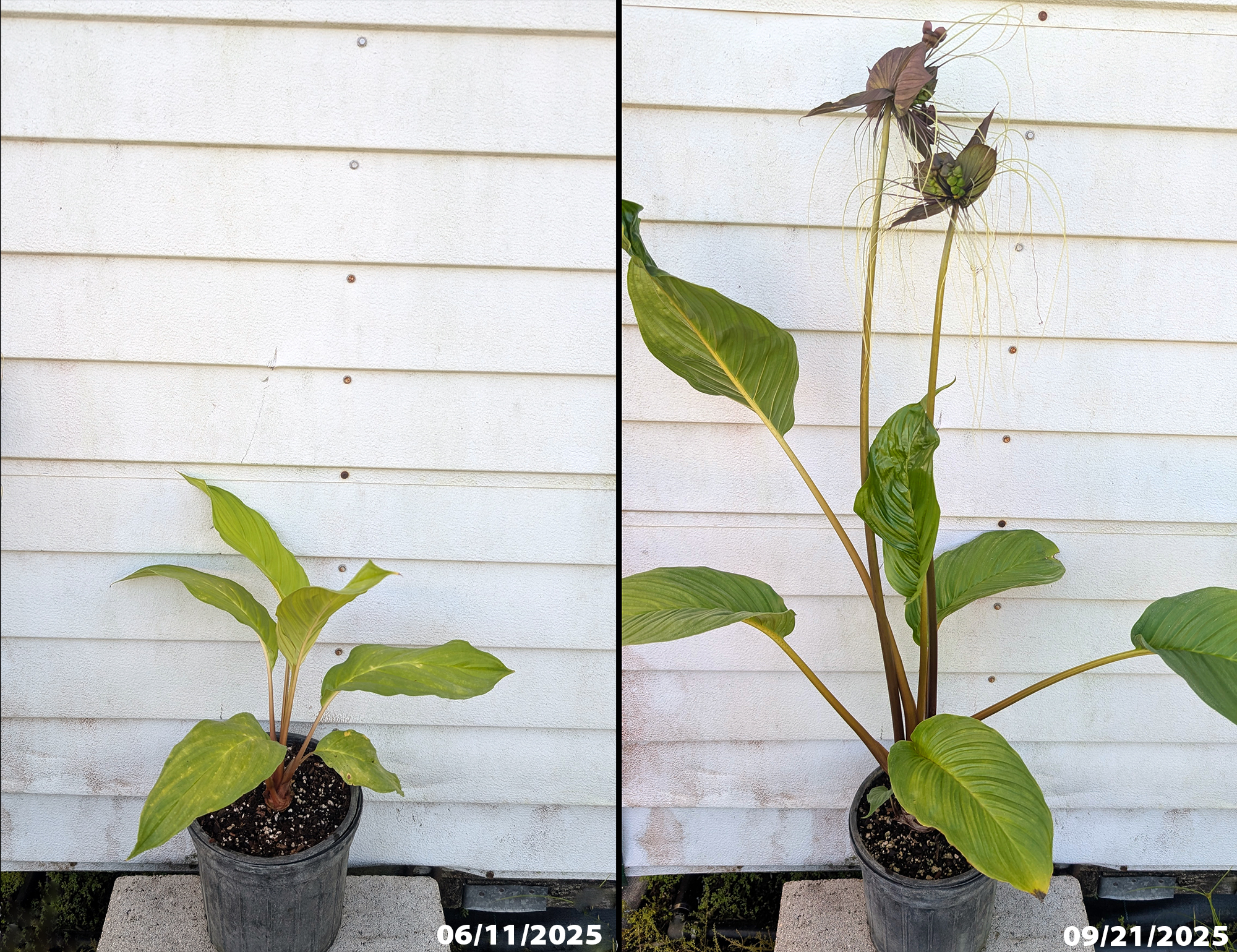
Tacca  plant  (bat  flower)  showing  strong  vegetative  growth  and  flower 
 bud  development  in  the  same  season  after  feeding  with  Green  Magic 
 fertilizer.

Tacca (bat flower) showing vigorous growth and producing flower buds in the same season after feeding with Green Magic.
Swipe left/right to see all data ↔️

📊 Seasonal feeding schedule with Green Magic and Sunshine Boosters.

Season Product Method Goal
Spring (March) Green Magic Soil Surface 6-month steady nutrient base.
Growing Season Sunshine Boosters Foliar (Every 5-7 days) Calcium & Bio-available growth power.
Late Summer Green Magic Soil Surface Replenish foundation for Fall.
Winter Sunshine Epi Foliar/Drench Cold tolerance and shipping recovery.

Quick Dose Reference

  • Green Magic: 1 teaspoon per 1 gallon of soil volume.
  • Sunshine Boosters: 25 ml (5 tsp) per 1 gallon of water.
  • Pro Tip: Always spray in the early morning or late evening to prevent leaf scorch and ensure maximum absorption through the stomata.

❓Frequently Asked Questions: Plant Nutrition & Fertilizer

General Fertilizer Concepts

Why is the "Spring Fertilizer Rush" a problem?
Most gardeners apply a large amount of traditional fertilizer once in March. This creates a "roller coaster" effect where plants get a sudden spike of nutrients followed by weeks of starvation. This leads to inconsistent growth and potential "fertilizer burn."

What is "fertilizer burn"?
Traditional fertilizers are made of soluble salts. When too many salts accumulate around the roots, they actually pull water out of the plant tissues (osmosis), dehydrating the plant and damaging sensitive root tips and leaf edges.

Is there a difference between "Slow-Release" and "Controlled-Release"?
Yes.

  • Slow-Release: Relies on natural factors like moisture and soil microbes to break down. It is often unpredictable.
  • Controlled-Release: Uses engineered polymer membranes (like Polyon) to release nutrients at a specific, predictable rate based primarily on temperature.

Green Magic & Temperature

How does temperature affect my fertilizer?
Most fertilizers are lab-tested at 75°F. In hot climates (90°F+), the nutrients release much faster. A "6-month" fertilizer might only last 3 months in the summer heat.

How should I adjust Green Magic for my local weather?

  • Cooler Climates (<60°F): Increase the application rate by 20%.
  • Hot Climates (> 80°F): Decrease the application rate by 20% to prevent over-releasing.

The Calcium Gap

Why doesn't Green Magic contain Calcium?
Calcium salts are highly soluble and can destabilize the polymer coating used in controlled-release granules. Therefore, most high-quality granules leave Calcium out. You can provide Calcium by using SUNSHINE Boosters

Why is Calcium so important for new growth?
Calcium is the "bone" of the plant, building strong cell walls. Unlike other nutrients, it is immobile—the plant cannot move it from old leaves to new ones. If you don't provide a constant supply, new leaves and fruit will emerge distorted or weak.

Advanced Science & Troubleshooting

What makes Sunshine Boosters "Bioavailable"?
Unlike most liquid fertilizers that use EDTA chelators, Sunshine Boosters are amino-acid based. They use organic acids and glycine to escort minerals into the plant, allowing it to incorporate nutrients into its proteins almost immediately.

Will these fertilizers affect the taste of my fruit?
No. Sunshine Boosters are made from pharmaceutical-grade components and contain no urea or harmful salts, ensuring your harvest (like Mangoes or Avocados) has a pure, natural flavor without a chemical aftertaste.

✨ Green Magic - 15% Off This Week

Give Your Plants a Strong Start This Spring
Green Magic - 15% OFF.

Build the foundation for the entire growing season with a steady, long-lasting nutrient base.

No coupon needed. The discount is automatically applied at checkout.
Offer valid through 03/21/2026. Discount applies to Green Magic products only. Not valid on previous purchases and cannot be combined with other promotions or discounts. Offer subject to change without notice.
Sunshine: So Green Magic feeds the plant for months. Does that mean I can forget about Sunshine Boosters?

Smokey: Not quite. Green Magic is the steady base diet. Sunshine Boosters are the weekly power drink during active growth.

Sunshine: Ah. Like my regular meals and donuts on top.

Smokey: Exactly. Plants eat slowly from Green Magic, and once a week they get a fresh boost.

Sunshine: Sprinkle once, then boosters every week. The plant grows, I drink coffee, and nobody forgets anything important.

Smokey: Except where you left the donuts.

Sunshine: Smokey... nobody forgets donuts. Ever
🛒 Feed your plants

✍️ Learn more about fertilizers

Date: 22 Mar 2021

The most rewarding hardy fruit trees

Q: Recently I started working remotely and I kinda like it, no need to commute, it saves me so much time so I can have life now! My friend got me involved into growing some small houseplants but I really want to take advantage of our Florida climate and sun. I want to plant some cool fruit trees since I have a decent size yard. But I live in Florida Panhandle and we do have some occasional freeze in winter, although not for too long. But it gets very hot in summer! Are there any tropical fruit trees that will be happy here? Or should I keep everything in pots? I am excited to have my own tropical plant collection!

A: There is a perfect plant for everyone, and a perfect tree for every climate. Many tropical and especially subtropical plants can be much hardier than they are believed to be, both flowering and fruiting trees among them. You may keep the most sensitive species in pots and bring them inside for winter, while there are so many trees that will be happy in your area. Start with these that are perfect for climates with hot summers and cool winters:

1. Peaches and Plums

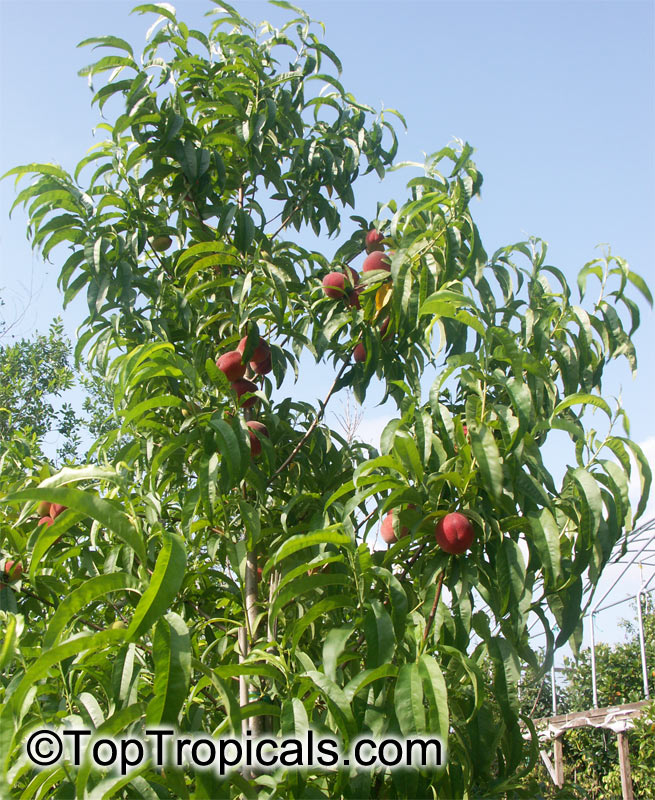
Low-chill, Heat-tolerant Peaches, Nectarines, Plums are especially selected for Florida hot summers. They produce well and do not require many "chill" hours like temperate fruit trees. They only need 150 chill hours and grow well in even in Arizona, so you know they are taking the heat.

2. Figs

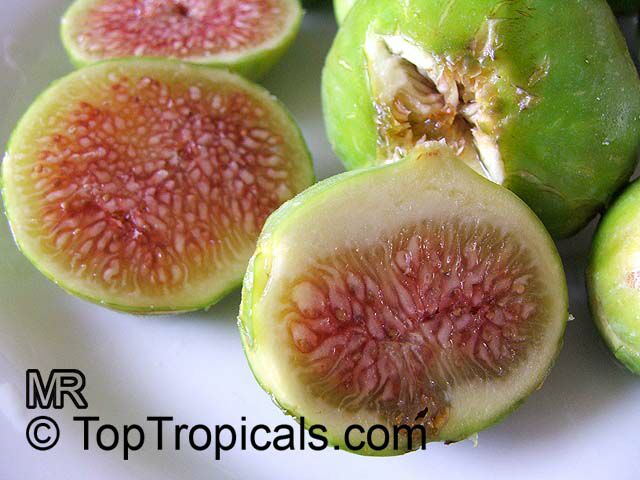
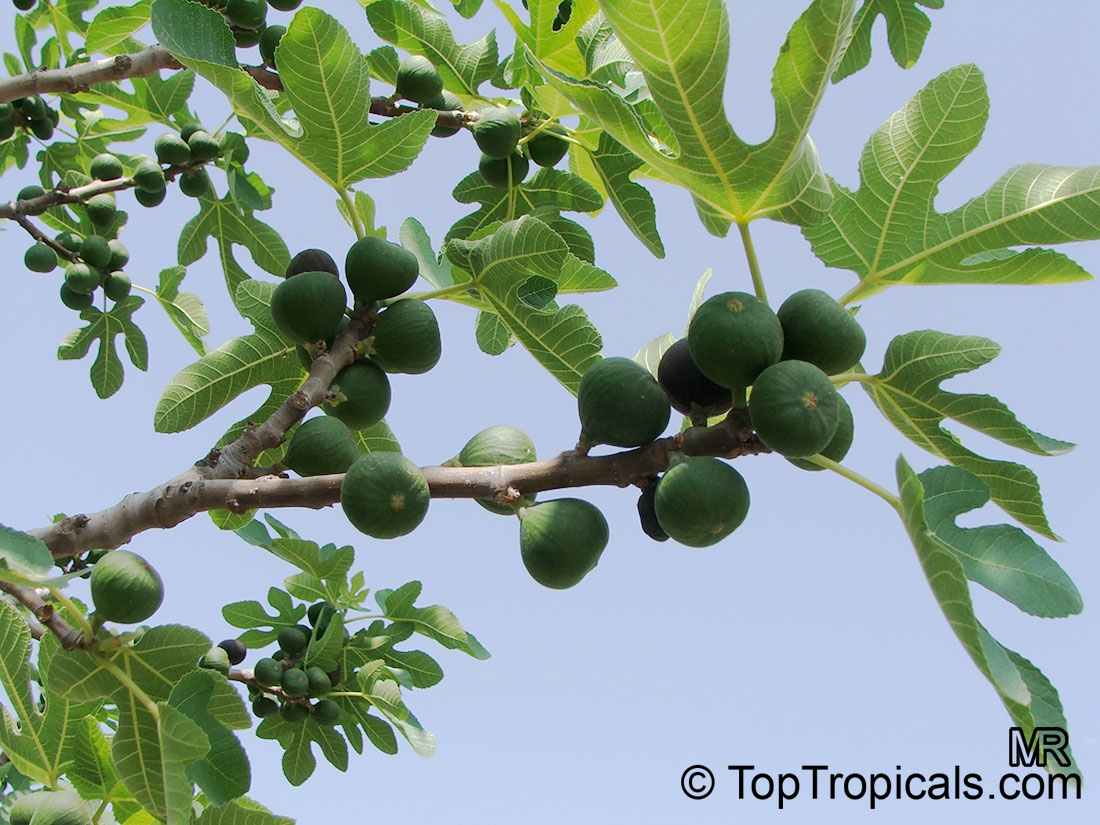
2) Fig trees - they are easy to grow, heat- and drought- resistant trees. They are prized for their delicious fruit, which can be one to three inches in length, violet, brown or black. There are even varieties with yellow fruit. Most fruits are borne from early summer to late fall on new growth, and the fruits generally mature very quickly. These trees are sensitive to frost only when actively growing, but can withstand 10F when dormant. Read more about Fig trees.

Date: 18 Apr 2026

The Secret to a Sharper Mind Might Be Growing in Your Backyard

The Secret to a Sharper Mind Might Be Growing in Your Backyard

The Secret to a Sharper Mind Might Be Growing in Your Backyard


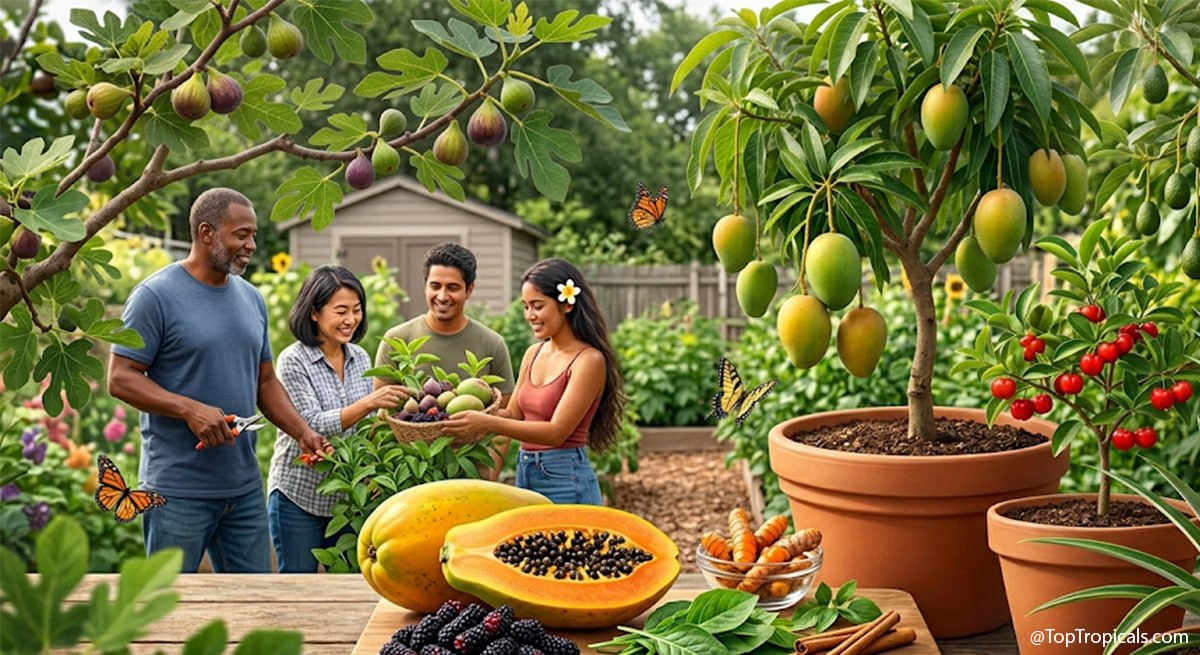
Your garden shed might hold a more powerful tool for brain health than your medicine cabinet. What if the best defense against cognitive decline isn’t found in a pill bottle - but right outside your door? While we often think of gardening as just a hobby, new research suggests that the combination of physical "zone-pushing" and harvesting your own nutrient-dense tropical fruit could be a literal life-saver for your brain.

  • 🍒 What the Research Actually Says


A massive study recently published in the journal Neurology followed more than 92,000 people to see how diet impacts the mind. The findings were clear: the quality of the plant-based foods you eat plays a massive role in your risk of dementia. It isn't just about "eating your veggies" - it's about which ones you choose.
(The full study: Plant-Based Dietary Patterns and Risk of Alzheimer Disease and Related Dementias in the Multiethnic Cohort Study)

  • 🍒 Why Growing Your Own Fruit Changes the Game


If you grow your own fruit, you quietly solve two problems at once. It turns a "diet plan" into a natural part of your day.

1. Effortless Nutrition
When a ripe mango, a handful of mulberries, or a fresh guava is hanging within arm's reach, you eat it. It replaces processed, sugary snacks without any "willpower" required. You are naturally moving toward the high-quality, whole-food diet the research supports.

2. Functional Fitness
Gardening doesn't feel like a workout, but it is. Bending, pruning, carrying pots, and digging are all forms of functional movement. It’s steady, useful physical activity that supports your heart and brain while you’re focused on your plants.

3. The "Outdoor" Effect
Sunlight and fresh air are natural mood boosters. The mental focus required to manage tropical plants - especially when you’re protecting them from a surprise freeze - provides a level of mental engagement and stress relief that you just can't get from a treadmill.

  • 🍒 What to plant if you are just starting


You don’t need a massive orchard to start investing in your brain health. One or two plants can shift your habits immediately.

For Fast Results: Papaya and Mulberries produce fruit quickly and are incredibly easy to manage. Turmeric (curcuma), leafy greens (Longevity spinach, Katuk) and Cinnamon proved instant harvest.
For Small Spaces: Dwarf Mango varieties and Cherries (Eugenias or Acerola), Pineapples thrive in containers and provide massive doses of antioxidants.
For the "Zone Pusher": Figs and cold-hardy Avocados offer healthy fats and fiber that are essential for long-term health.

  • 🍒 Start Small, Start Now


The research makes one thing clear: improving your food quality matters, and you can see results no matter your age. Planting a fruit tree changes what you eat, how you move, and how often you step outside.
That’s more than just gardening - that’s a lifestyle shift your brain will thank you for.

🍒 FAQ


Does fruit really support brain health?
Yes. Diets rich in whole, high-quality plant foods are linked to a lower risk of dementia, especially when they replace processed snacks and added sugars.

Is gardening enough to count as exercise?
Absolutely. Regular gardening provides steady, functional movement that improves circulation and supports overall physical health.

Is it too late for me to start?
No. The study showed that even participants who improved their diet quality in their 60s and 70s saw a measurable reduction in dementia risk.

🛒 Start your tropical fruit journey

Guava · Mango · Mulberry · Papaya · Pineapple · Avocado · Cherries · Figs

📚 Learn more:


#Food_Forest #Remedies #Discover

🟢 Join 👉 TopTropicals

Date: 17 Apr 2024

Just hanging out in Tropical Paradise

😺🍹🏝 Just hanging out in Tropical Paradise...

How is your Garden doing? Get some Tropicals from TopTropicals! 🥭🌺

📸 😺 👇 Share your cats in comments!

#PeopleCats

TopTropicals.com
We Grow Happiness

Date: 29 Oct 2024

How can you use Elephant Ears?

🐘 How can you use Elephant Ears?


  • 🟢 Alocasias and Colocasias, or Elephant Ears, are both remarkable and popular plants that can bring a touch of tropical elegance to any garden.

  • 🟢 Striking Foliage: large, lush foliage. The leaves can be enormous, resembling the shape of elephant ears, hence the common name. The foliage is usually rich green, but there are also varieties with hues of purple, black, or variegated patterns. These vibrant leaves create a dramatic focal point.

  • 🟢 Tropical Aesthetic: large, architectural leaves add a sense of drama and create a stunning backdrop for other plants.

  • 🟢 Versatility: work well in containers, making them suitable for patio gardens. In larger landscapes, colocasias and alocasias can be planted directly in the ground, either as standalone specimens or as part of mixed border plantings. They can also be utilized around water features or in bog gardens since they enjoy moist conditions.

  • 🟢 Low Maintenance: thrive in full to partial shade. Regular watering and occasional fertilization will help them grow vigorously.

  • 🟢 Impressive Size: Some varieties can grow several feet tall, creating a stunning vertical element in the garden.


📸 Colocasia esculenta Jacks Giant: This astonishing elephant ear is well-named, it really does look like something that would grow for the giant! The foliage is absolutely massive, many feet long and wide, with a glossy texture, prominent ribbing, and a rich blue-green cast that lightens to chartreuse around the edges.

📚 Learn more from previous posts:


What to plant by the pond?
Pharaoh Mask with stunning 3D effect
Mojito Elephant Ears
Colocasia vs Alocasia - what is the difference?

🛒 Shop Colocasias

#Shade_Garden

🔴 Join 👉 TopTropicals