Garden Blog - Top Tropicals

Date: 3 Dec 2025

Can Poinsettia grow for years? 5 most common mistakes with new container plants
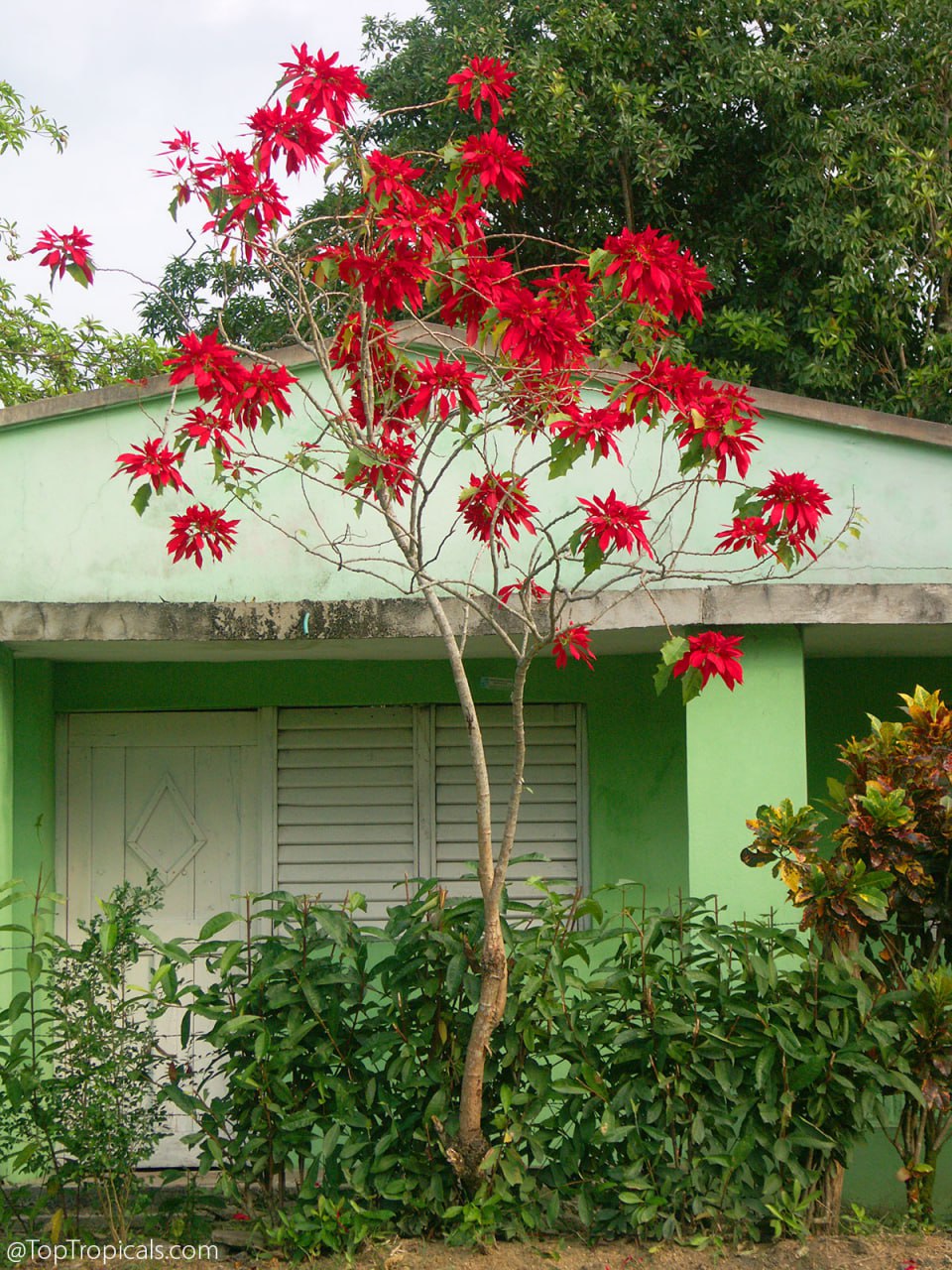
Poinsettia - Euphorbia pulcherrima tree
Poinsettia - Euphorbia pulcherrima tree

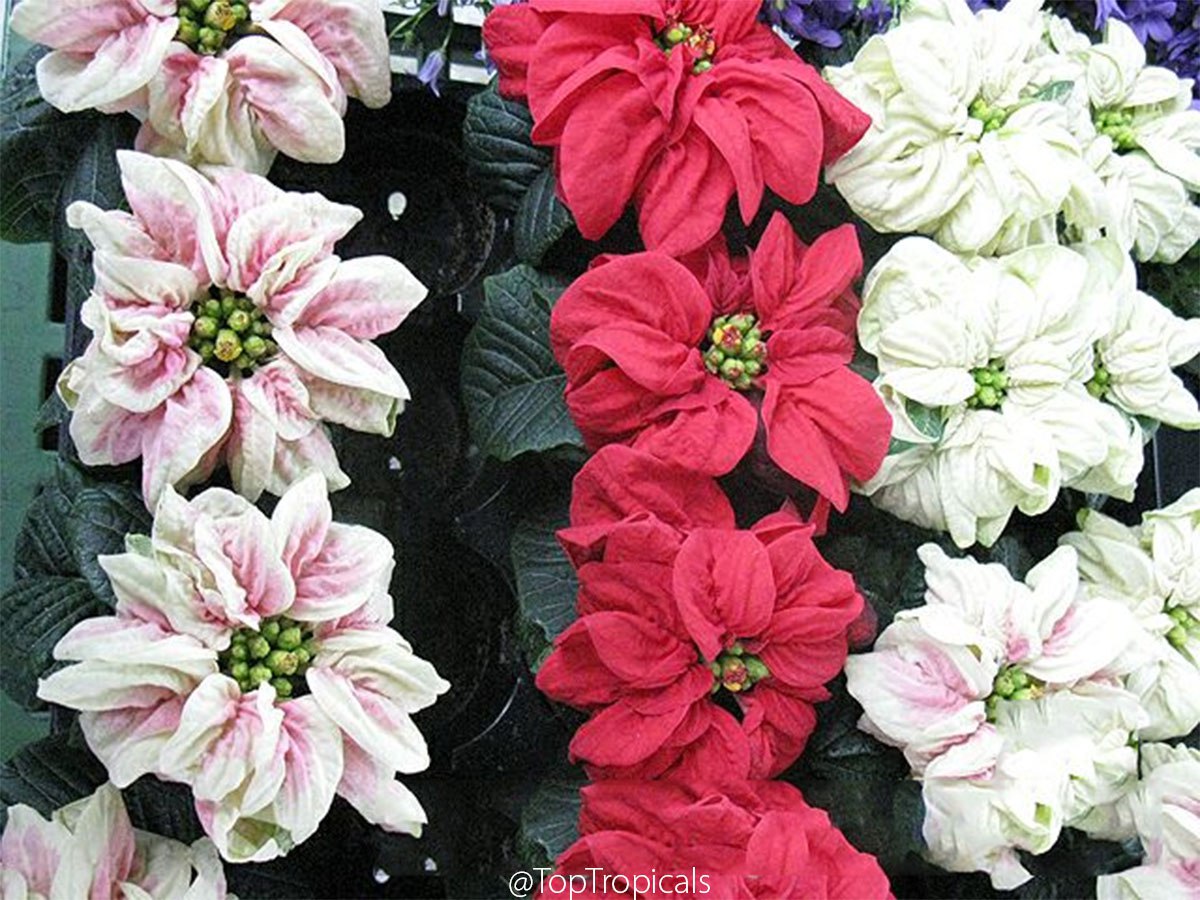
Poinsettia - Euphorbia pulcherrima colorful leaves
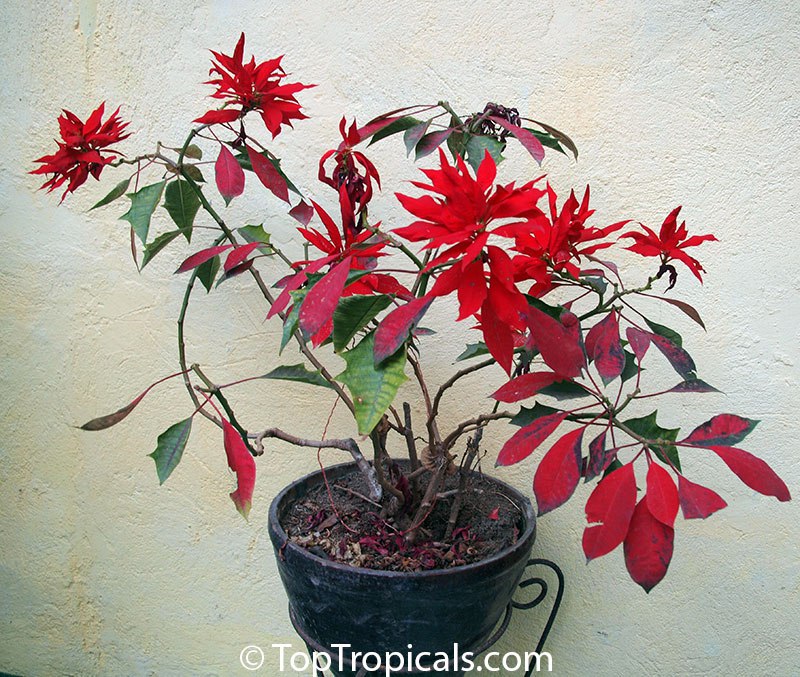
Poinsettia - Euphorbia pulcherrima colorful leaves

Poinsettia - Euphorbia pulcherrima in a pot
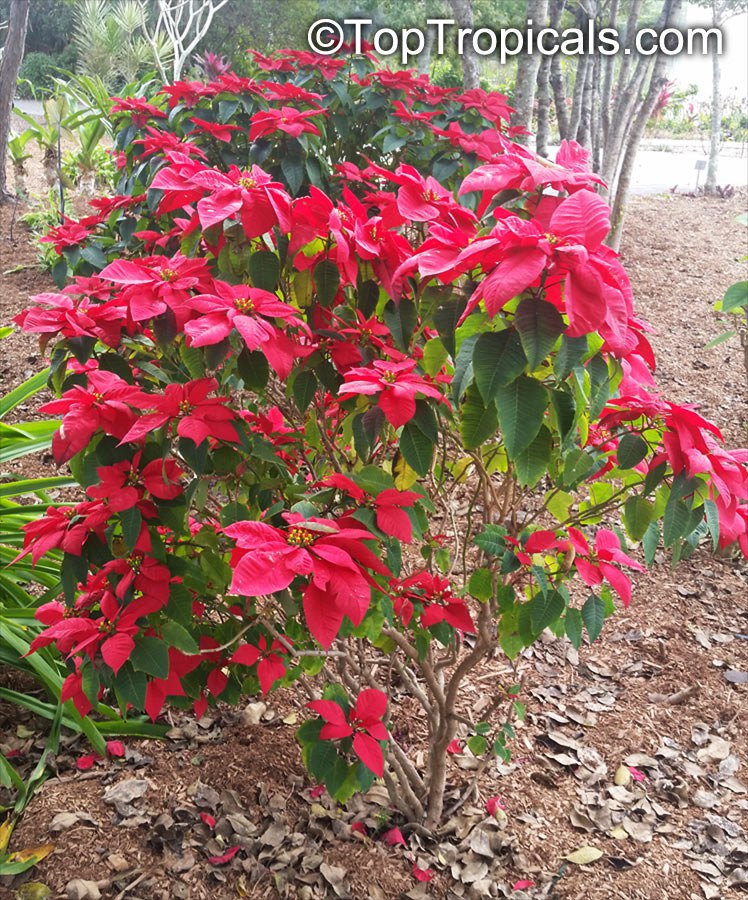
Poinsettia - Euphorbia pulcherrima in a pot

Poinsettia - Euphorbia pulcherrima bush

Poinsettia - Euphorbia pulcherrima bush

Can Poinsettia grow for years? 5 most common mistakes with new container plants.


You buy a beautiful plant from a big garden center, or maybe you received one as a holiday gift. It looks perfect - lush, bushy, colorful, spotless. But a few weeks later… what happened? It is dropping leaves, getting leggy, or simply dying. Think about poinsettias after Christmas - most end up in the trash like annuals. But poinsettias are actually perennial shrubs that live for many years in their native environment!

So what went wrong? Here are simple ways to avoid these disappointments and keep your new plants as happy as they were in the greenhouse - and even help them grow bigger and nicer for a long time.
  • ❌ Do not put a plant directly into hot, bright sun.


    Most nursery plants are grown in filtered light under shade cloth, and sudden full sun can burn the leaves.

    ✅ Move sun-loving plants gradually into full sun.

  • ❌ Do not rely on the original container.


    Holiday and gift plants often come in decorative pots that have issues:
    - no drainage holes
    - glazed or heavy plastic that traps moisture and causes root rot
    - dry, porous terra cotta that loses moisture too fast
    - cone-shaped pots that hold water and create waterlogging
    - pots that are simply too big or too small for the root system

    ✅ Use simple black nursery pots with straight sides.


    They:
    - hold moisture at the right level
    - are made of safe professional-grade plastic
    - make it easy to remove the root ball when stepping up
    For a fancy display, place the black pot inside a decorative planter. It will also act as a saucer to collect excess water - no stress, no mess.
  • Do not skip checking the soil. Even plants from professional growers can hide surprises:
- the plant may be buried too deep. Large nurseries sometimes add extra soil on top to make the pot look full, but burying the stem can kill the plant in days.
- soil type on top may be wrong. They may pack peat moss or sphagnum on top to keep stems tight for display.
- the entire soil media might be temporary. Many orchids in stores, for example, sit in glazed pots stuffed with soggy sphagnum - not how orchids should grow.

✅ Take the plant out of the pot and inspect the roots and soil.


Remove excess peat or sphagnum. Use a quality, well-drained mix like Abundance and repot into a container that matches the root size or is just slightly larger.
  • ❌ Do not forget fertilizer.


    Your plant came from a professional nursery where it likely received constant feeding through a liquid injection system - almost like being on life support. Once removed, it can decline within weeks.

    ✅ Put your plant on a regular fertilizer schedule.


    When repotting, mix in Green Magic controlled-release fertilizer and refresh it every 6 months. Simple and easy! You can also apply liquid Sunshine Boosters - safe to use with each watering.
  • ❌ Do not ignore individual plant needs.


Take a moment to ask what the plant prefers and what to avoid, when buying from a nursery where you can talk to a grower, like Top Tropicals. The grower knows exactly how it was grown and what it likes. Getting a plant is like adopting a baby - knowing its habits makes all the difference!

🛒 Select plants for containers

#How_to #Container_Garden

🟢 Join 👉 TopTropicals

Date: 4 Jan 2026

Dont drink your coffee until you see this!

Coffea arabica - Coffee tree, fruit

☕️ Don't drink your coffee until you see this!

  • Our coffee trees, Coffea arabica, are growing in 7-gallon pots, and after months of waiting, the cherries are fully ripe!
  • They bloomed in May, set fruit in August, and now in winter the fruit has turned red and ready to harvest.
  • Coffee is one of the easiest fruiting plants you can grow at home. It does well in containers, loves shade, and can be grown indoors or outdoors in warm climates. With regular watering and a little patience, you can grow, harvest, roast, and brew your own coffee right from your home garden.
  • We are harvesting now, and the next video will show the full roasting process step by step.

  • 👉 Coming up next: Roasting video coming soon - stay with us!


🛒 Start your own coffee harvest

📚 Learn more:

Plant Facts

Coffea arabica
Coffee
USDA Zone: 9-11
Large shrub 5-10 ft tallSmall tree 10-20 ftSemi-shadeShadeKeep soil moistWhite, off-white flowersEdible plantEthnomedical plant.
Plants marked as ethnomedical and/or described as medicinal, are not offered as medicine but rather as ornamentals or plant collectibles.
Ethnomedical statements / products have not been evaluated by the FDA and are not intended to diagnose, treat, cure, or prevent any disease. We urge all customers to consult a physician before using any supplements, herbals or medicines advertised here or elsewhere.Fragrant plantSubtropical plant. Mature plant cold hardy at least to 30s F for a short time

🎥

#Food_Forest #Container_Garden #Shade_Garden

🟢 Join 👉 TopTropicals

Date: 15 Jan 2026

Why collectors go crazy for this ginger

Burbidgea schizocheila - Voodoo Flame Ginger

🔥 Why collectors go crazy for this ginger

  • 🔥 Burbidgea schizocheila - Voodoo Flame Ginger is one of those gingers that quietly surprises you. This ginger looks fake - but it blooms like this in real life! Compact, upright, and rarely seen in cultivation, it sends up glowing golden-orange flower cones that look almost unreal against its dark green leaves and deep maroon stems. Blooms appear on and off throughout the year, and each cone slowly opens individual flowers that can last up to two weeks, giving you a long-lasting show instead of a one-day flash.
  • 🔥 What makes this plant especially intriguing is how different it is from typical gingers. It grows more like a sculptural accent than a spreading clump, staying neat and vertical. Even more unusual - it behaves partly like an epiphyte. The rhizome prefers to sit above the soil surface, with only the roots buried, much like orchids or staghorn ferns. Bury the rhizome and the plant will sulk.
  • 🔥 Voodoo Flame Ginger thrives in bright shade, warm temperatures, and high humidity, making it a natural choice for indoor growing or protected patios. Direct sun will scorch the leaves, and cold temperatures are not tolerated, so it is best kept in containers and brought inside when nights cool down. Slow-growing, tidy, and dramatic without being flashy, this is a true collector ginger - strange, elegant, and quietly mesmerizing.


📚 Learn more about gingers:

🛒 Get collectible Coral Ginger Borneo Pink

#Shade_Garden #Container_Garden

Plant Facts

Burbidgea schizocheila
Golden Brush, Dwarf Orange Ginger, Voodoo Flame Ginger
USDA Zone: 9-11
Small plant 2-5 ftSemi-shadeModerate waterRegular waterEpiphyte plantYellow, orange flowersSubtropical plant. Mature plant cold hardy at least to 30s F for a short time
🟢 Join 👉 TopTropicals

Date: 20 Jan 2026

7 steps for a care-free Spanish Tamarind - the easiest rare fruit to grow

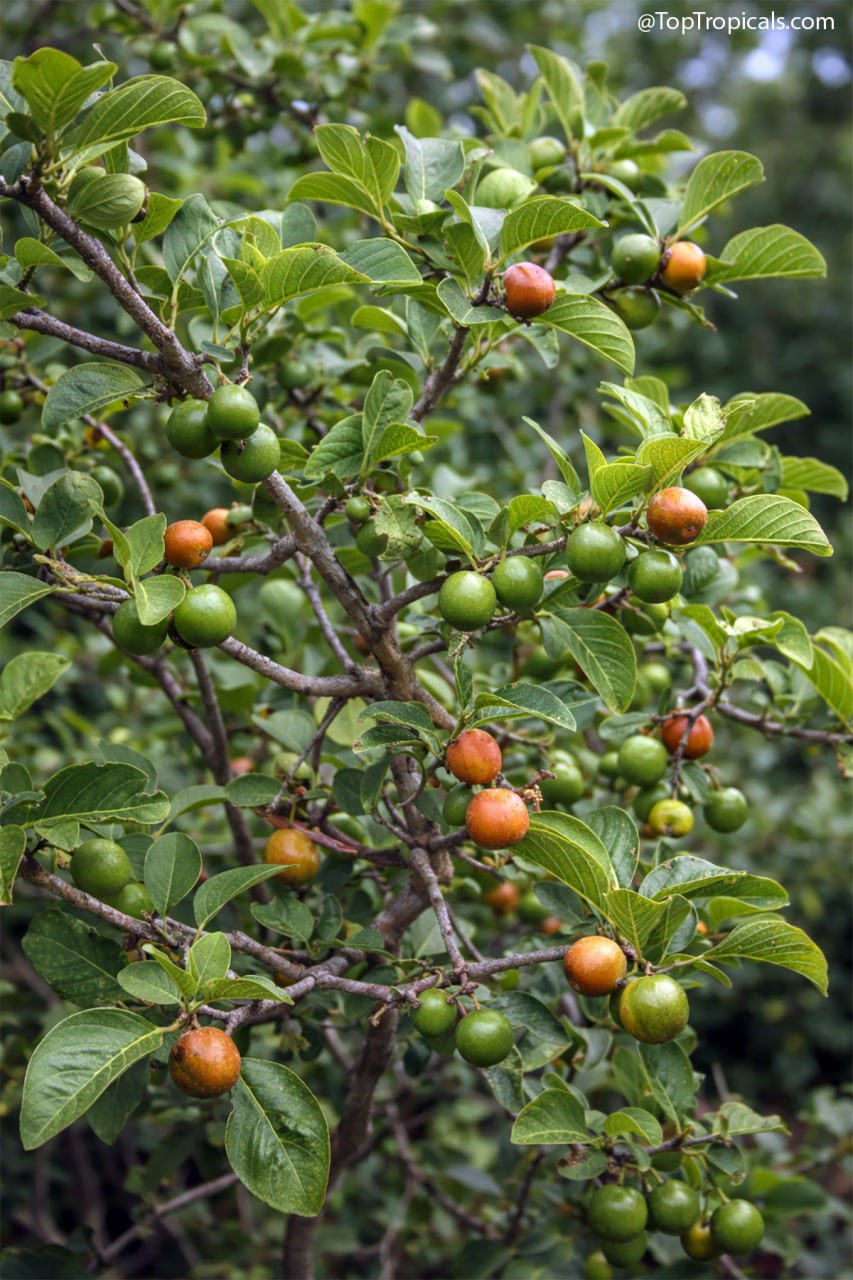
Vangueria infausta (Spanish Tamarind, Wild Medlar)

Vangueria infausta (Spanish Tamarind, Wild Medlar)

🍊 7 steps for a care-free Spanish Tamarind - the easiest rare fruit to grow


Yes, it can handle light frost - Vangueria infausta (Spanish Tamarind, Wild Medlar) - we just discovered it can handle cold snaps! After a few cold nights in January, our young tree planted just a few months ago, still looks happy and strong!
If you are looking for a tough little fruit tree that thrives on neglect but gives you something truly special in return - try this rare, compact fruit tree. Spanish Tamarind is native to southern Africa, it is drought-tolerant, pest-resistant, and surprisingly cold-hardy once established - making it a great choice even for gardeners in borderline zones.

Here’s how to grow this resilient gem:

🌞 Sun and soil


Spanish Tamarind loves full sun, but will tolerate light shade. It isn’t picky about soil as long as it drains well - sandy, rocky, or loamy, it will grow just fine. No special amendments needed.

💧 Watering


Once established, it's very drought tolerant, but young trees need regular watering to develop a deep root system. In containers, water when the top inch of soil is dry. In the ground, water deeply but infrequently.

❄️ Cold tolerance


Now for the surprise: while it’s considered a tropical fruit, Wild Medlar can handle brief dips into the mid-30s F without damage, especially when mature and dormant. In Sebring, FL, we’ve seen this tree shrug off light frosts with no protection!
And what makes this even more impressive? The tree has beautiful, lush velvet leaves - soft to the touch and tropical in appearance - yet surprisingly hardy for such large, tender-looking foliage.
  • · Young plants should be protected the first couple winters
  • · Grow in containers if you’re in USDA zone 8 or lower
  • · A little mulch around the base helps stabilize soil temps in winter


Growing in pots


This tree is very compact and does well in containers. Use a large, well-drained pot and a loose soil mix. Keep it outside in spring through fall, then bring it indoors before a hard frost. It grows slowly and stays compact for years, making it a great fit for patios or balconies.

🍊 When to expect fruit


With enough sun and time, your tree can start fruiting in 2-3 years. Mature trees can bear 20-40 small round fruits per season, ripening to a golden-brown with a tangy-sweet flavor. The fruiting season may vary depending on your local climate, but typically occurs in late summer to fall.

🛠 Maintenance? Almost none.

  • · No special pruning needed (except to shape)
  • · No major pests or diseases reported
  • · Tough and low-maintenance in the landscape


🏆 Final thought: grow it for the surprise


Spanish Tamarind - Wild Medlar - is a tree that rewards patience. It's unusual, beautiful in its own scruffy way, and packs a punch with cold tolerance, drought resistance, and tasty fruit. Spanish Tamarind belongs in every experimental garden or food forest - especially if you love growing things no one else in the neighborhood has.

🛒 Add rare Spanish Tamarind to your rare fruit collection

📚 Learn more:

Plant Facts

Vangueria infausta
Wild Medlar, Spanish Tamarind
USDA Zone: 9-11
Small tree 10-20 ftFull sunModerate waterEdible plantDeciduous plantEthnomedical plant.
Plants marked as ethnomedical and/or described as medicinal, are not offered as medicine but rather as ornamentals or plant collectibles.
Ethnomedical statements / products have not been evaluated by the FDA and are not intended to diagnose, treat, cure, or prevent any disease. We urge all customers to consult a physician before using any supplements, herbals or medicines advertised here or elsewhere.Subtropical plant. Mature plant cold hardy at least to 30s F for a short time

#Food_Forest #Remedies #Discover

🟢 Join 👉 TopTropicals
Date: 21 Jan 2026

Ice Cream Bean cool fluff: quick-n-fun exotic recipes

Ice Cream Bean cool fluff

Ice Cream Bean cool fluff

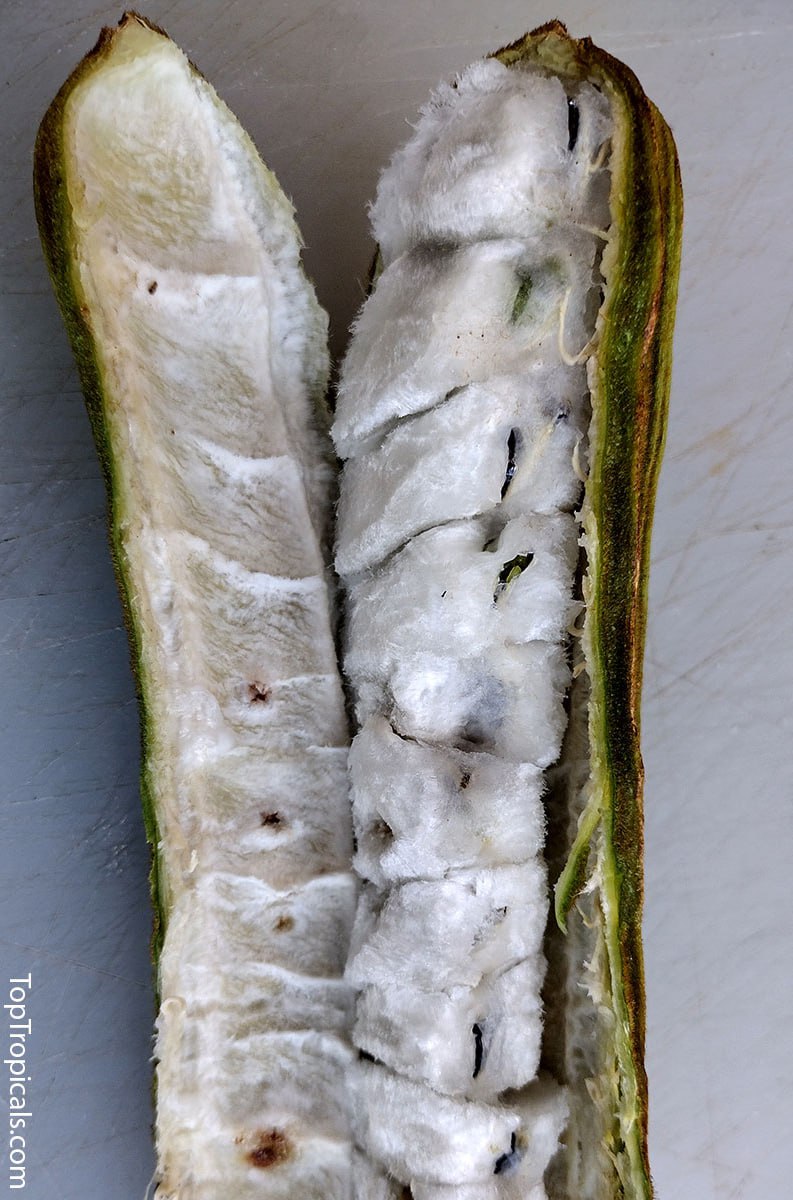
Ice cream bean tree (Inga edulis) - fruit

Ice cream bean tree (Inga edulis) - fruit

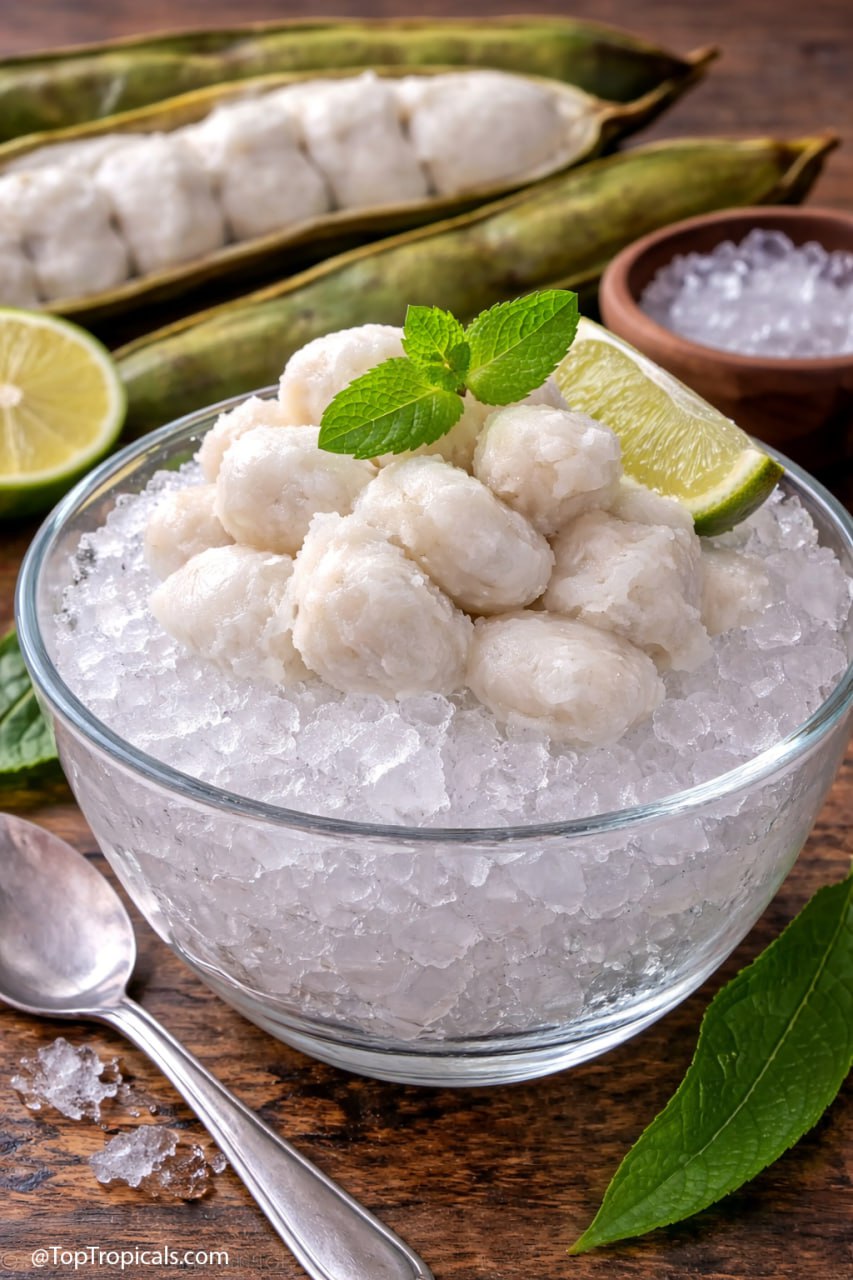
🍴 Ice Cream Bean Cool Fluff

Ingredients

  • Fresh Ice Cream Bean pulp (Inga edulis)
  • Crushed ice
  • Optional: lime wedge or mint leaf for garnish

Instructions

  1. Open ripe Ice Cream Bean pods and scoop out the sweet white pulp.
  2. Remove and save the seeds if you want to plant more Ice Cream Bean trees.
  3. Chill the pulp for 20 to 30 minutes.
  4. Serve the chilled pulp over crushed ice as a natural shaved-ice dessert.

🌿 About the plant:


Ice cream bean (Inga edulis) produces long pods filled with sweet, cottony white pulp surrounding dark seeds. The flavor is mild, vanilla-like, and naturally creamy. The pulp is eaten fresh and used as a natural dessert across South and Central America.

🌱 In the garden:


Inga edulis is a fast-growing tropical tree with lush foliage and nitrogen-fixing roots that improve soil health. It is a perfect tree for a quick shade solution in just one season. While large in the ground, it can be managed with pruning in home orchards.

🛒 Plant Ice Cream Bean tree

📚 Learn more:

Plant Facts

Inga edulis, Inga feuilleei
Ice Cream Bean, Inga, Guama, Guaba
USDA Zone: 9-11
Large tree taller than 20 ftFull sunRegular waterWhite, off-white flowersEdible plantSubtropical plant. Mature plant cold hardy at least to 30s F for a short time

#Food_Forest #Recipes

🟢 Join 👉 TopTropicals