Garden Blog - Top Tropicals

Date: 13 Apr 2024

Grow your own Olive Oil

Branch  of  olives

Q: Can I grow an olive tree in Florida and have my own olives? How long does it take to fruit?

A: Olive trees can indeed thrive and fruit in various regions of Florida. Their adaptability to different climates makes them suitable for the state's diverse conditions. In the northern and central parts of Florida olive trees can flourish.

Easy to grow. Olive trees prefer well-drained soil, and they thrive in full sun, which Florida offers in abundance. While they may not produce as prolifically as in their native Mediterranean habitats, with proper care and suitable varieties, such as Arbequina, Coratina and Leccino, you can still enjoy a bountiful harvest.

Cold hardy. One advantage of olive trees in Florida is their cold hardiness. They can withstand occasional frosts and freezes, particularly when they are mature.

Heat- and drought-tolerant. Olive trees also offer additional benefits beyond their fruit production. They are drought-tolerant once established, making them well-suited to Florida's sometimes erratic rainfall patterns.

Beautiful in landscape. Evergreen foliage of olive trees adds aesthetic appeal to landscapes year-round, and their gnarled trunks and silvery-green leaves create a Mediterranean ambiance reminiscent of warmer climates.

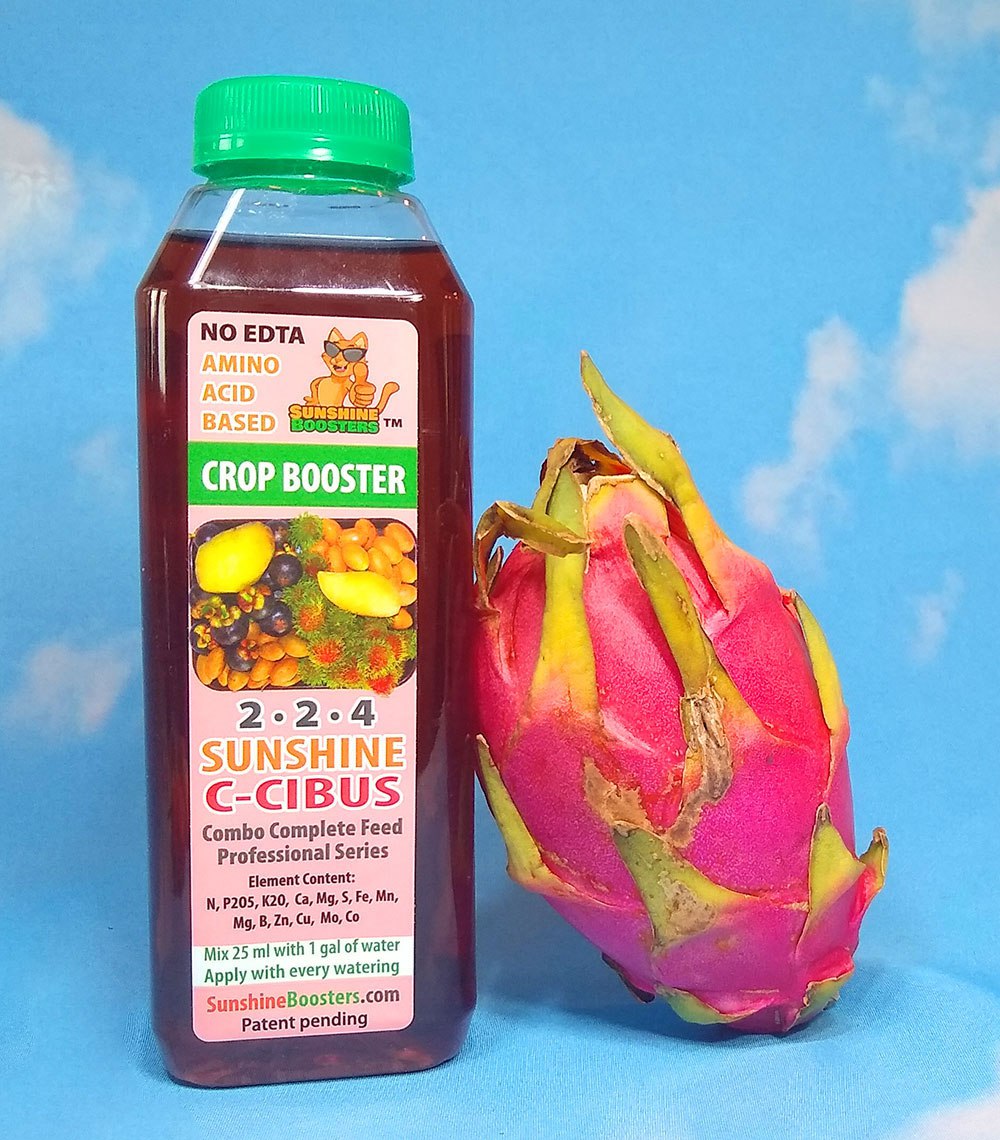
Fertilize for quick fruit. Olives will start flowering within 1-2 years of planting, providing regular fertilizing program. We recommend Sunshine Boosters C-Cibus liquid fertilizer, perfect for edibles and organic gardens.

Symbol of Prosperity. The olive branch has long been revered for its symbolic significance, representing peace, prosperity, and hope across cultures and centuries. It transcends mere botanical importance to embody the enduring power of goodwill.

Healthy Olive Oil. Similarly, olive oil, extracted from these timeless fruits, has been celebrated not only for its culinary excellence but also for its remarkable health benefits. Rich in antioxidants and heart-healthy fats, olive oil has sustained generations with its nourishing properties, earning it a cherished place in both culinary traditions and holistic wellness practices worldwide. So, whether adorning Olympic crowns or enriching Mediterranean cuisine, the olive and its offerings continue to inspire and enrich our lives with their timeless allure and profound significance.

Get your own Olive tree today!

Read more: How to grow a nice Olive tree fast?

Large  olive  tree

Date: 9 Apr 2024

How to start a tropical garden?

Lagerstroemia

Photo above: Lagerstroemia speciosa - Queen Crape Myrtle. Gorgeous flowering tree with cascades of lilac flowers. One of the most popular trees in Southern gardens.

Q: It's spring, finally! I can't wait to plant my paradise garden with lots of tropical flowers. We moved into a nice new house but the yard has nothing but grass. Where do I start?

A: When you start your garden from scratch, you need to plant your trees first. It's a perfect timing!
Getting tropical flowering trees now is really important for making your garden strong and beautiful. Trees are like the bones of your garden, giving it shape and shade. If you plant them in spring, they have enough time to grow strong roots before winter. This helps them survive better.
Trees also give shade to other plants so they can grow well too. It's like building a house - you need to start with the frame before adding other parts. So, it's a good idea to get those trees now before moving on to shrubs and vines.
Remember to provide regular fertilizing program which is the most important during season of active growth. The more food your tree gets, the stronger and faster it grows! For flowering trees, we recommend Sunshine Boosters Megaflor formula.

Royal  poinciana,  Flamboyant  tree,  Delonix  regia

Photo above: Royal poinciana

Date: 27 Jan 2024

Valentine Sweetheart Hoya:
a must gift for your Valentine

Hoya  kerrii  -  Sweetheart,  Valentine  Hoya

Q: What plant can you recommend for a Valentines Day present?

A: There is a perfect plant specifically for Valentine's Day! When it comes to finding the ideal plant for an occasion, it doesn't get better than this one. The Sweetheart Hoya, also known as Valentine Hoya or Hoya kerrii, is not only easy to grow but also easy-ship, making it the most user-friendly of all houseplants. Its popularity has soared in recent years, thanks to its unique and quirky "heart" shaped leaves that appeal to everyone and bring smiles to faces. In addition to these charming leaves, the Sweetheart Hoya produces fragrant, beautiful flowers resembling tiny red stars. These flowers are not only stunning but also waxy, durable, and long-lasting.

Caring for the Sweetheart Hoya is a breeze, requiring only minimal attention. It can likely thrive with just one good watering a month - that's how hardy it is. While this plant prefers a reasonably well-lit room for optimal growth, it can still fare well in shadier spots, making it a versatile addition to any home or office. Don't wait till the last moment, get your Valentine's present now - the best one ever!

We have large developed plants, ready to bloom!
Buy one (for her/him) - get one free, for yourself!

Hoya  kerrii  -  Sweetheart,  Valentine  Hoya

Don't forget some plant food for it!

SUNSHINE Bombino - Young Plant Vigor Booster

SUNSHINE  Bombino  -  Young  Plant  Vigor  Booster

Date: 24 Oct 2023

Calathea Zebrina: Nature's Zebra Striped Star

Calathea  Zebrina  -  Zebra  Plant

Q: Can you recommend a showy houseplant for a living room that doesn't need much care?

A: Meet the Calathea Zebrina - Zebra Plant, the zebra-striped sensation straight from the Brazilian rainforests. This charismatic plant is like a piece of living art for your home! The Calathea Zebrina isn't just a houseplant; it's a conversation starter and a slice of jungle magic right in your living room. Get ready to embrace the zebra-stripes and let your home's wild side shine!

Calathea  Zebrina  -  Zebra  Plant

Zebra Stripes with a Twist:
With its bold dark green stripes on a velvety light green canvas, the Zebra Plant adds a touch of nature's whimsy to any room. It's like having a zebra with a green thumb as your housemate. The underside of the leaves are purple and not always visible because leaves grow horizontally (although some will curve or grow more upright).

Low-Light Lover:
Not only is it easy on the eyes, but it's also easy to care for. The Zebra Plant thrives in low light conditions, so you don't need to rearrange your whole house just to keep it happy. It even tolerates a little over-watering which all of us tend to do with house plants.

Green with Envy:
This plant may make your other houseplants a bit envious with its captivating appearance. Its zebra stripes aren't just a fashion statement; they're a botanical masterpiece. Keep it even greener with Sunshine Robusta plant food - safe to use year around!

A Slice of Serenity:
In a world that's always in a hurry, the Zebra Plant is a gentle reminder to slow down, appreciate nature's beauty, and bring a touch of tranquility to your space.

Calathea  Zebrina  -  Zebra  Plant

Date: 15 Oct 2023

Growing Barbados Cherry in container

Barbados  Cherry  fruit  on  the  branch

Q: I am interested in buying some Barbados cherry plants. Could you please advise if these can be grown in containers indefinitely or it's still better for them to be planted in ground for nutrients etc?

A: The Barbados cherry, like other tropical cherry varieties, is exceptionally well-suited for cultivation in containers.

Barbados cherry grows into a dense bush, demands minimal pruning, and begins bearing fruit at a young age. Our plants, which are propagated from cuttings, initiate the flowering and fruiting process in the very same year. They produce fruit almost year around. This year we've had three big crops: April, July and October (still fruiting now!) besides sporadic fruiting throughout the warm season.

Barbados  Cherry  branches  with  fruit

You can cultivate Barbados cherry in a pot, commencing with a 1-3 gallon container and gradually increasing the size each year. Below is a photo of a fully developed tree in the ground, for reference. This tree is approaching its third year of growth. When grown in a container, it maintains a more compact size, with the largest container needed likely being between 7 to 15 gallons. Regular pruning can be employed to keep it smaller.

Barbados  Cherry  bush  in  the  ground

Photo above: Barbados Cherry bush in the ground

Barbados cherry (Malpighia) possesses a distinct growth pattern that sets it apart from other tropical cherry varieties - Eugenias. Malpighia's branches can assume peculiar shapes, even at angles of up to 90 degrees. Therefore, pruning to achieve the desired shape is advantageous.

Additionally, you may want to explore the Dwarf Barbados cherry, a miniature cherry variety ideal for container cultivation, with cascading growth habit. Although its fruits are slightly smaller than those of the regular variety, they are notably sweeter.

Dwarf  Barbados  Cherry  branches  with  fruit

Photo above: Dwarf Barbados Cherry fruit

When it comes to ensuring the health and vitality of your potted Barbados cherry plants, maintaining a consistent nutrient supply is crucial. Implementing a regular fertilization regimen is essential to promote robust growth, consistent flowering, and bountiful fruit production. For optimal results, we recommend using Sunshine Boosters, which are specially formulated to enhance the development of fruits and edibles. These boosters are derived from organic amino acids, making them environmentally friendly and safe for year-round use. By incorporating Sunshine Boosters C-Cibus into your plant care routine, you can ensure that your container-grown Barbados cherry plants receive the essential nutrients they need to thrive and flourish.

Barbados  Cherry  in  the  ground

Photo above: Dwarf Barbados Cherry in the ground

Barbados  Cherry  in  a  pot