Date: 17 Sep 2021
Hibiscus: TopTropicals' first plant

- September 2001 @ TopTropicals -
Q: I wonder how you started your plant business and what was your first plant?
A: It was 20 years ago this month that we started Top Tropicals Project. No idea where it was going or how to even get "there", just started with the idea of sharing these wonderful creatures we call plants with anyone and everyone who felt the same way.
Believe it or not, the first plant at TopTropicals was a hibiscus. Right
before we opened our plant nursery in Florida, we ran into a place called Winn Soldani's FANCY
HIBISCUS. The variety of colors inspired us to start our own tropical plant
business. We asked the owner Winn Soldani: what plants do you suggest us to
grow in Florida? His answer was, "Your plant will find you". Very soon we
discovered
jasmines, then perfume trees and fruit trees - all those became our specialty. Then very quickly
TopTropicals.com turned into a large Plant Mall where you can find every tropical plant you can think of!
But at TopTropicals we still grow hibiscus!
- September 2004 @ TopTropicals -
Hibiscus Plus
Hibiscus is a wonderful plant, considering there are thousands of
hybrids with color palettes you can only imagine. Especially interesting are those
rare and useful species, yet very easy to grow, such as:
- Salad Hibiscus - Hibiscus furcellatus - yes, used in salads
- Coral Hibiscus with crazy pendant flowers - Hibiscus schizopetalus
- African Cranberry hibiscus that is used for making teas and salads - Hibiscus
acetocella
- Cotton Candy Hibiscus mutabilis - the flower changes color, opens as white and turns
into bright pink within 3 days, like Yesterday-Today-Tomorrow
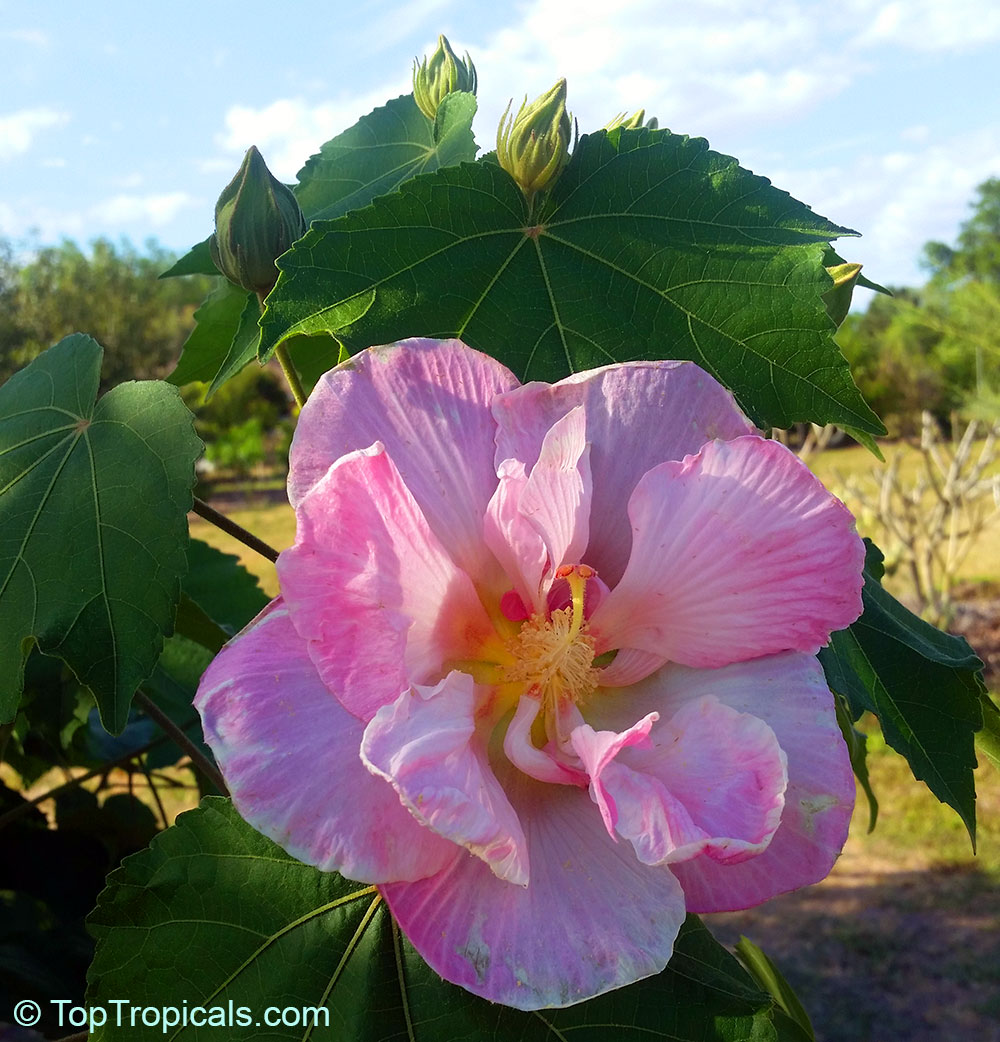
Photo above: Hibiscus mutabilis Cotton Candy
Care of Hibiscus and other flowering tropicals
"If your plant isn't flowering, feed it."
- Winn Soldani, Fancy Hibiscus -
Among gardeners, Hibiscus plants have a reputation to have couple
maintenance issues:
1) they can get bugsy (because they must be so tasty!)
2) they can get leggy, especially fancy grafted cultivars, and after a
while they don't look as perfect as when they came from a nursery.
4 tips for healthy and pretty hibiscus plant
1. Full sun. Essential for profuse flowering and keeps away
diseases.
2. Pruning. Keep it pruned and it will get bushy and produce more
blooms.
3. Well-drained soil. Hibiscus likes regular watering but hates wet
feet.
4. Nutrition program. Hibiscus plants are heavy feeders. But keep in
mind that if you just keep pushing granulated plant food, you can
over-fertilize the plant. Excessive salts will accumulate in soil and you will end up
with a sickly looking plant.
Keys to balanced plant food and bloom booster
1) Use liquid fertilizer, preferably amino acid based, it won't create
nutrients lock up
2) Fertilize on regular basis, it's better dilute concentration and add
food with every watering
3) Always add micro-elements - they are essential for plant health
If you do this part right, the result will be:
- healthy, green plants, like they just came from a nursery
- reliable blooming circle
- better cold tolerance and disease resistance. Remember that a strong
plant will be less stressed and less "bugged" by bugs!
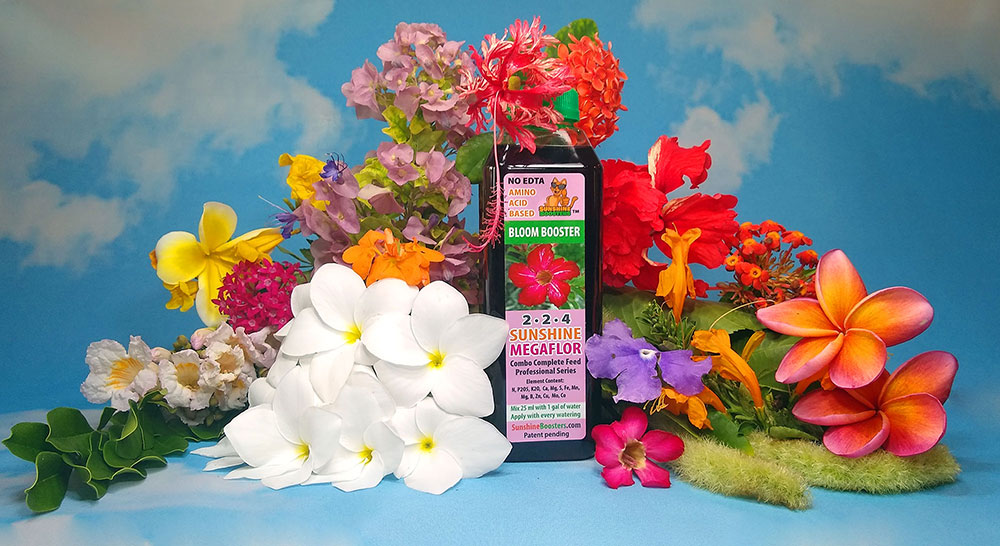
We always suggest Sunshine Boosters - scientifically balanced liquid fertilizers that are amino acid based = they are natural and organic, can be used for both flowers and edibles, and what's most important - year around. They are safe to use virtually with every watering.
This is all you need for healthy plants and lots of flowers!

Date: 8 Apr 2020
Gardening has hooked another fan!

Over the last few weeks, we've been discussing using this time to engage
in the activities that make you happy, to do more of what you love. Of
course, for all of us at Top Tropicals, we have been singing the praises of
gardening and tropical plants for years and sharing the love with any friends and
neighbors who have expressed an interest in our activity of choice.
Do we have an affect on some people? Do we encourage them to try their hand
at gardening and experience the wonder of plants? Yesterday, we just saw it
with our own eyes. Our neighbor, to whom we once gave an Ylang Ylang tree, has consistently and politely resisted a suggestion
to try gardening herself and put some new and interesting plants in an
otherwise traditionally landscaped builders' home. Even her husband emphatically
stated that he was never going to put plants in, let alone take existing plain
boring stuff out!
What a pleasant surprise when we saw them both and their 2 young children
digging in the garden together yesterday. They replaced a whole section of
generic stock plants provided by the builder and filled the area in with loads
of colorful flowers and even topped it off with a healthy dose of new mulch!
We couldn't believe our eyes and was so happy to see the gardening "bug" made
yet another friend!
We hope our Dream Cart Offer will help someone make their dreams come true, and this forced vacation time will be well spent on their home and garden!
Save 20% on ANY 20 Dream Plants in your cart!
Date: 4 Jun 2019
Plants for South Texas and other hot states
Q: Pretty much adore last newsletter. Haven't been buying because our weather here in deep south Texas is so bad it is stunting and killing even the Tamaulipan Scrub! Do you have a cure for that? :) I have every expectation the new grafted Plumeria I purchased from you last year will bloom soon. One of my favorite plants. Thanks again and keep up the good works.
A: Yes, there is a "cure" - using biostimulants that improve drought- and heat- resistance (SUNSHINE
boosters), plus the right plant selection. In fact, there is a large number of
tropical rare plants that can be successfully grown in hot climates like yours.
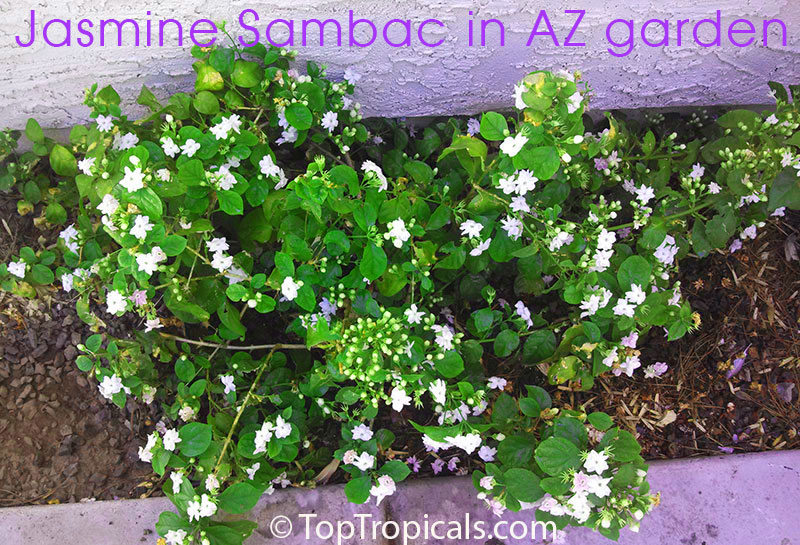
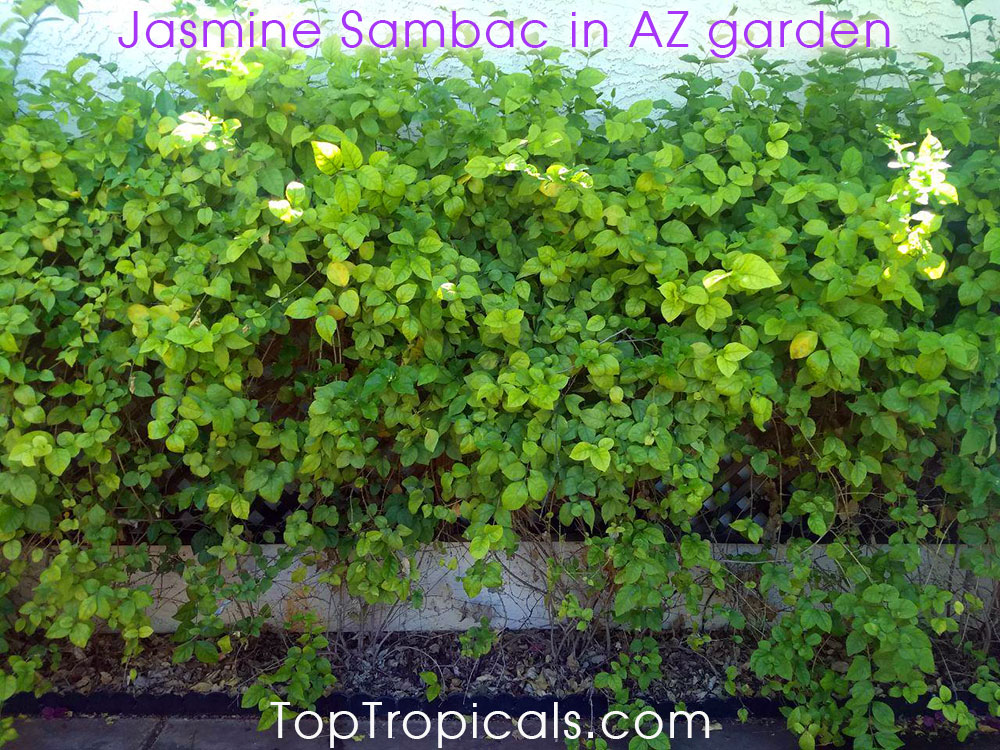
One of our partners lives in hot and dry Arizona area and has an amazing
tropical garden that includes many fruit trees (Mango, Persimmons, Pomegranates, Loquats, etc). Here you can see a few pics from his garden.
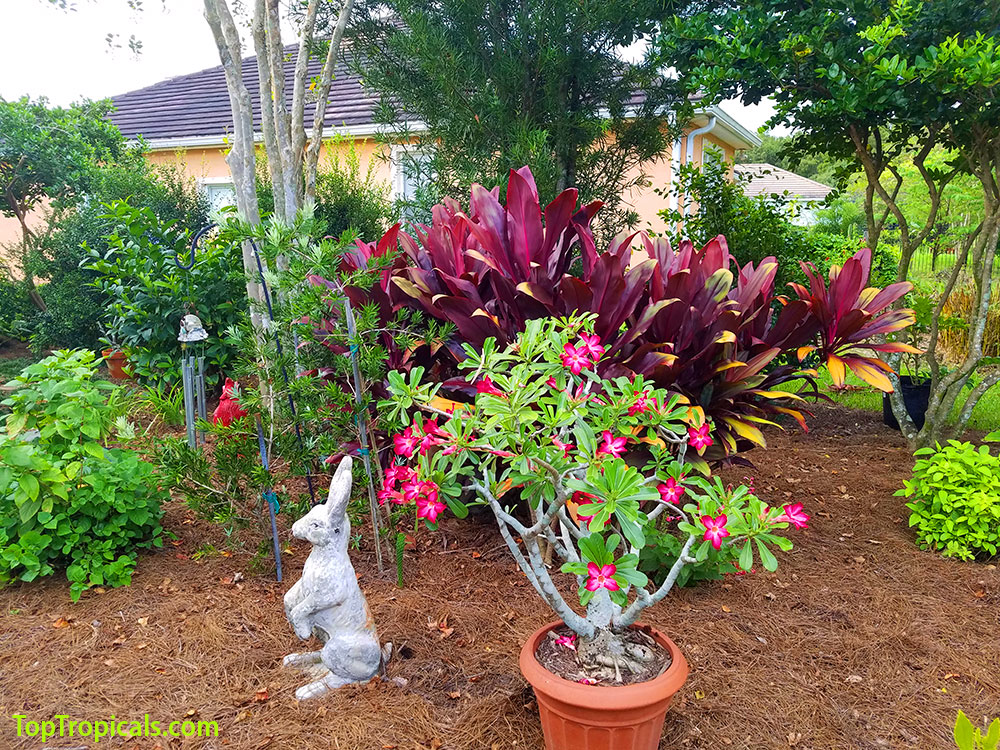
Your choice is absolutely right about plumerias. Other easy plants would be Desert roses - Adeniums, and Fancy Euphorbia millii - all these come in so many varieties of colors
and bloom throughout most of the year. Our special recommendations for you
would be also:
Bougainvillea Dwarf Pixie
Jasmine sambac
Calliandra selloi Pink Lilian
Dracaena marginata Tricolor - Colorama, Money Tree
Hamelia patens Lime Sizzler - Variegated Fire Bush
Jatropha berlandieri - Buddah Belly
Pedilanthus tithymaloides - Devils Backbone
Trachelospermum asiaticum Mandaianum - Dwarf Confederate Jasmine
See full list of more plants that are suitable for hot and dry landscapes.
Apply fertilizers, miscroelements, and plant stimulants for improving heat tolerance

Date: 24 May 2019
Synergy of SUNSHINE, biostimulants, and macro-micro
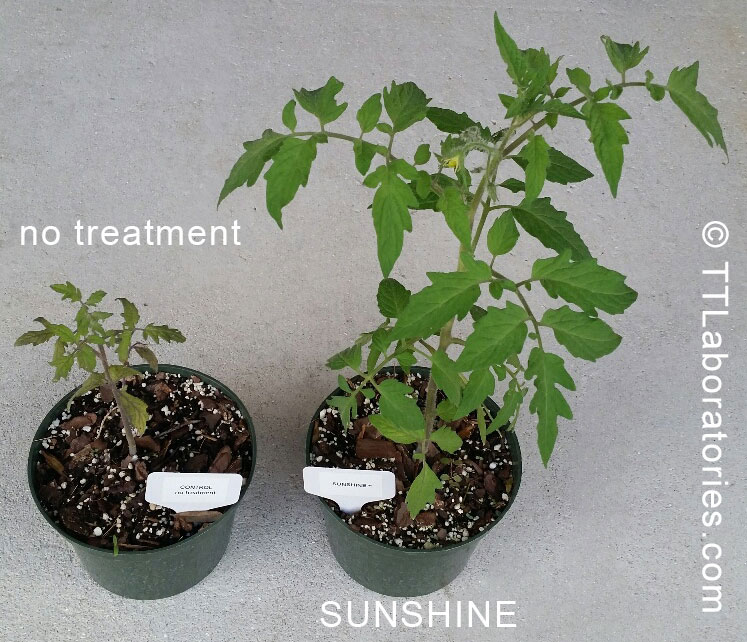
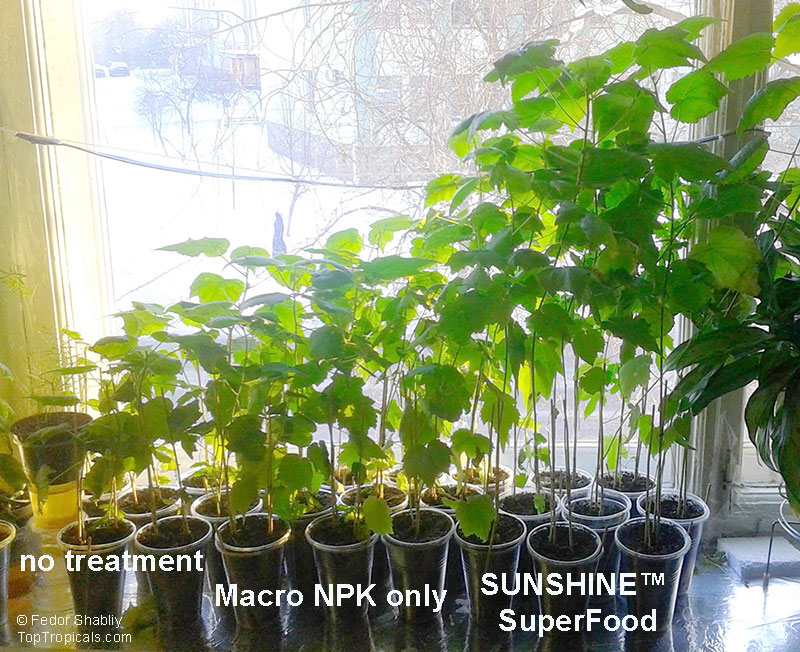
Q: I've heard that plants grow better and bigger with SUNSHINE boosters and when using Myco-Mix instead of regular soil mix. Do they work like fertilizers? If I use a Myco-mix, do I still need a fertilizer?
A: SUNSHINE boosters are not fertilizers, they are natural plant hormones, or biostimulants, as well as Myco-Mix which is a naturally occurring compound or microbes. Biostimulants are becoming increasingly attractive to folks interested in sustainable agriculture, and very popular for plant growth or pest resistance. A plant biostimulant is not a fertilizer because it provides no nutritional value to the plants. But, it can promote greater nutrient and water use efficiency, increase resistance to pests and diseases, reduce abiotic stresses, and in turn, lead to plant growth and health.
To answer your question, you can not replace regular fertilizers (NPK) and micro-elements with plant boosters and stimulants. However, fertilizers and microelements will work more efficiently when used in combination with biostimulants. Together they create a synergy, so plants use the most of fertilizer's potential, and will grow a lot better, faster, and healthier.
4 components for the best growing results
1. SUNSHINE boosters. They are a must during the juvenile stage of plant
development - seedlings and cuttings. They are especially important for
recovery of weak or stressed plants (boosting their immune system).
2. SuperFood microelements
3. NPK fertilizers. Select from water-soluble and smart-release types and
make sure do not exceed the recommended concentration. Lower dose and more
frequent use is always better for a plant.
4. Specialized soilless mixes: Myco-Mix (with biostimulant Mycorrhiza) for exclusive growing projects
and special/unique plants, Professional potting mix for potted plants, and Propagation mix for seeds and cuttings.
Date: 3 Jul 2024

Celebrate Freedom on Happy
4th!
- Independence Day Sale ending soon -
Feel Free to Fill Your Yard!
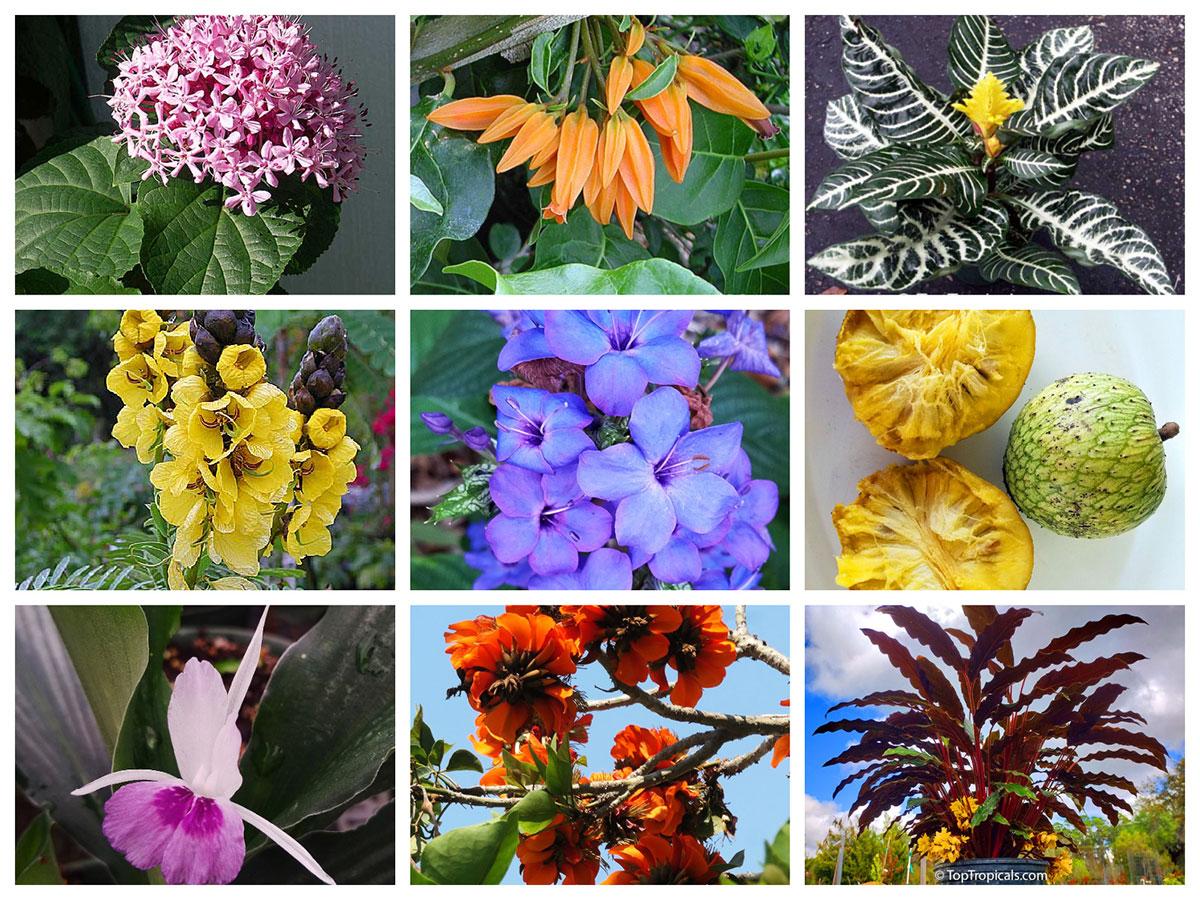
Feel FREE to fill your yard with plants you ever wanted for your garden - at the lowest prices. Hurry up, only one day left! Choose from over 100 varieties of rare tropical plants specially priced for this Independence Day:
BLUE TAG SALE $9.95 >> SHOP
RED TAG SALE $14.95 >> SHOP
Check out our BOGO DEALS and Shipping discounts and make it a steal!
While supply lasts
Deals expire July 4, 2024
No minimum order
Max order: 2 plants per variety per order (for shipped orders)
Local pick up - no limit!