Garden Blog - Top Tropicals

Date: 10 May 2026

🍑 Tree-Ripened Peaches Change Everything
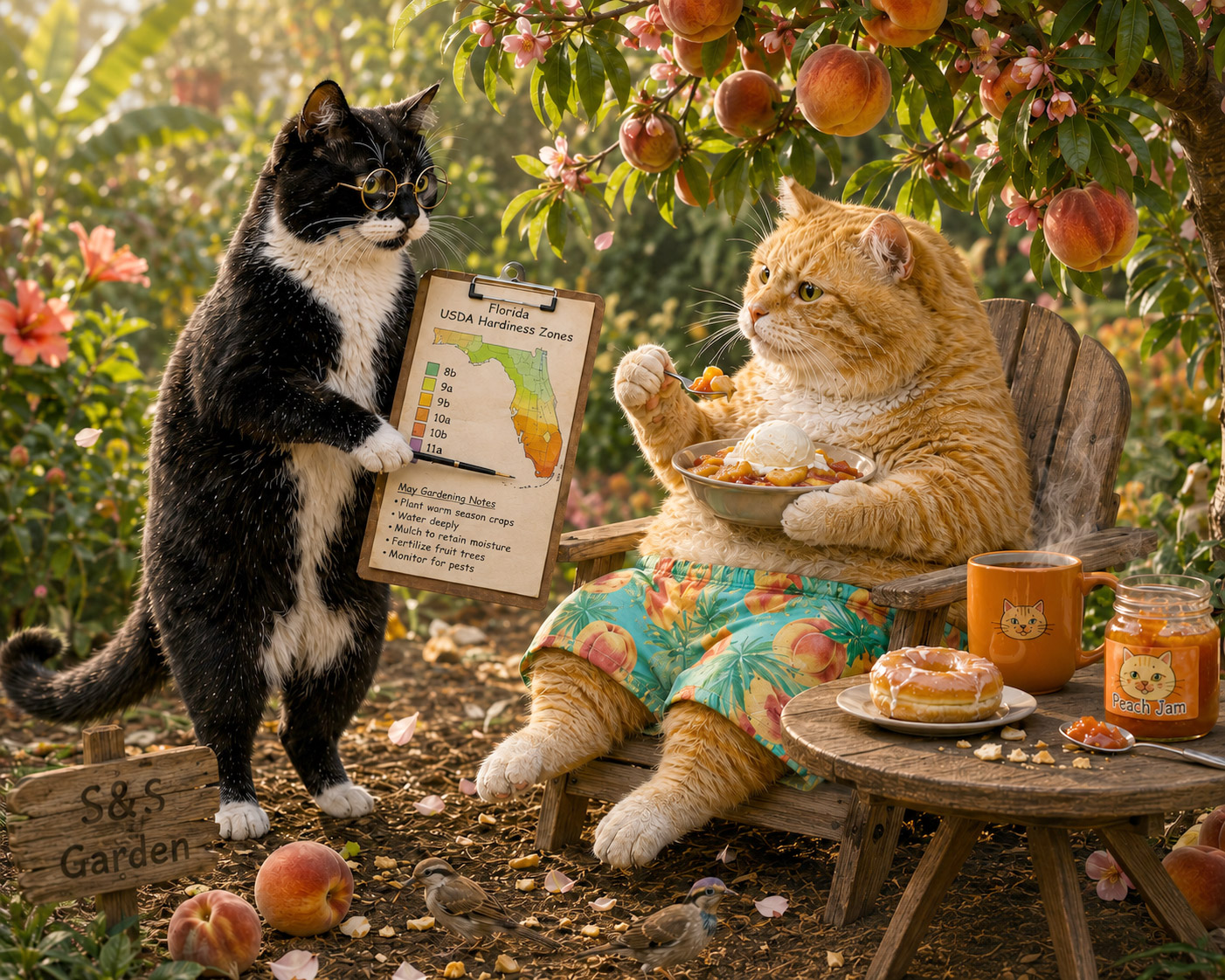
Smokey  and  Sunshine  relax  under  a  peach  tree  in  the  S&S  Garden, 
 discussing  low-chill  peaches  for  Florida  while  enjoying  peach  cobbler  with 
 ice 
 cream.
Sunshine: I love peach cobbler. Smokey, why are peaches on the tree so early?
Smokey: Low-chill peach varieties for Florida. They ripen much sooner.
Sunshine: I thought peaches were for Georgia.
Smokey: Not if you plant low-chill peaches. And speaking of peaches, do you know about donut peaches?
Sunshine: Donut peaches? Finally, horticulture I can understand.

Some fruits carry memories before you've even tasted them.

There's something about a peach still warm from the tree - the way it gives a little when you pick it, the smell that hits you before you even take a bite. It makes you slow down. It makes summer feel like it actually meant to show up.

Peach Plant Facts

Botanical name: Prunus persica, Amygdalus persica
Also known as: Peach
USDA Zone: 5 - 10
Highligths Small tree 10-20 ftFull sunWatering: Regular. Let topsoil dry slightlyWhite, off-white flowersPink flowersEdible plantDeciduous plantSubtropical plant. Mature plant cold hardy at least to 30s F for a short time
Get personalized tips for your region

For Florida gardeners, that moment used to feel borrowed. Peaches were a Georgia thing, a Carolina thing. You'd admire someone else's harvest and quietly file it under not for us.

Low-chill peaches rewrote that story.

Here's the thing about regular peaches - they need cold. Not just a cool night or two, but a real winter. We're talking 600 to 1,000 hours below 45F. That's how they know to wake up in spring and actually fruit. South Florida just doesn't deliver that. The trees will grow fine, look healthy even, and then give you almost nothing come harvest time. Frustrating doesn't cover it.

Low-chill varieties are different. They were bred specifically for places like ours - warm winters, mild springs. Some only need 100 hours of chill. A hundred. That's a few cold fronts, not a season. And because they're working with our climate instead of against it, they fruit reliably. Every year.

They're not just a Florida trick either. Gardeners in coastal Texas, southern Louisiana, southern California - anywhere in that Zone 8b to 10 range - have been growing these successfully. If you've got warm winters and thought peaches weren't for you, they probably just weren't the right peaches.
🛒 Shop Low-Chill Peach trees

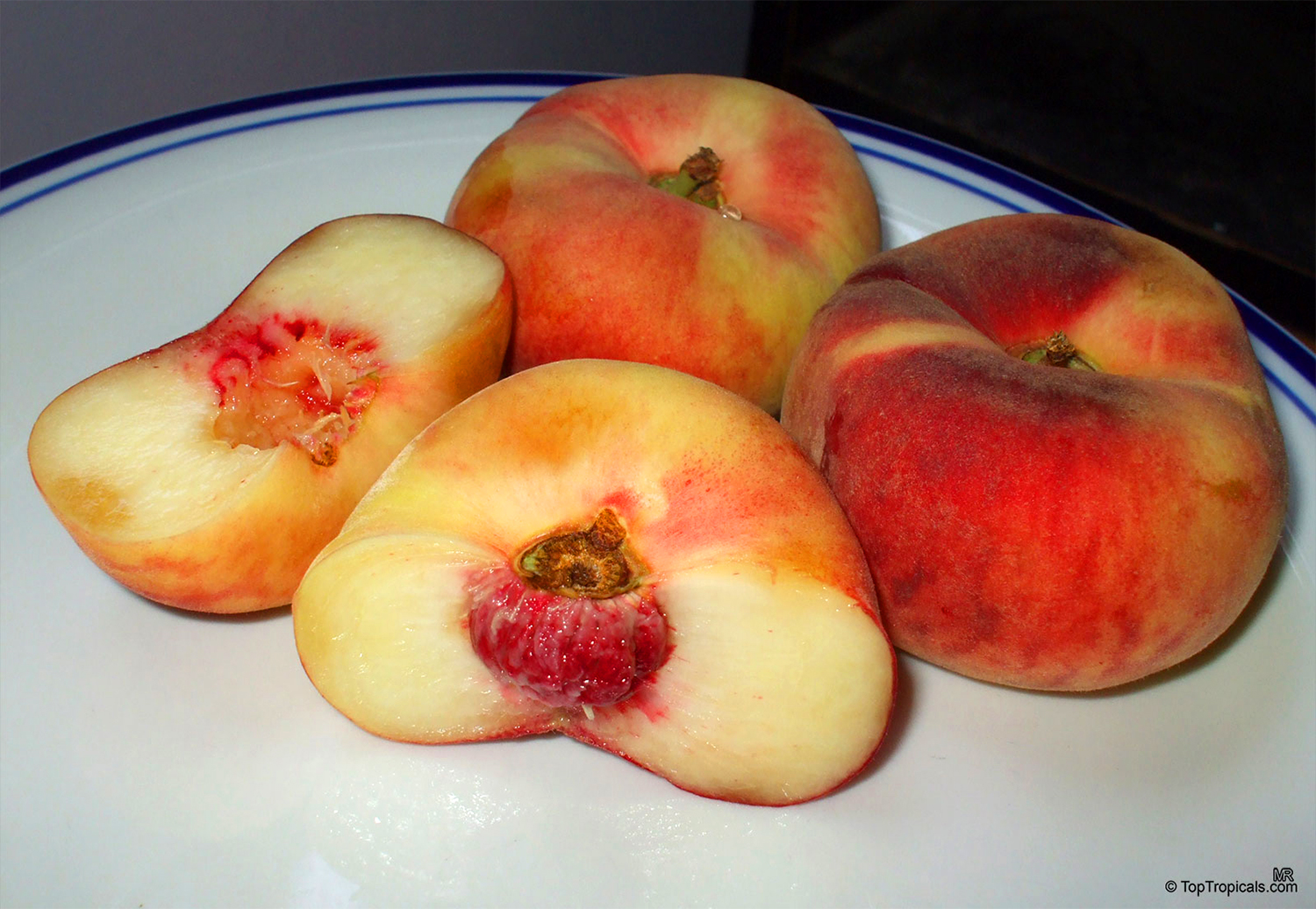
Several  ripe  flat  peaches,  also  known  as  donut  peaches  or  Saturn 
 peaches,  displayed  on  a  white  plate.  Two  peaches  are  cut  open,  showing  the 
 pale  white  flesh  and  small  central  pit  with  pink-red  coloring  around  the 
 seed 
 area.

Flat peaches - sometimes called DONUT peaches - are known for their sweet white flesh, low acidity, and fun squashed shape.

Date: 25 Jun 2021

Kristi's Loquat Tropical BBQ sauce

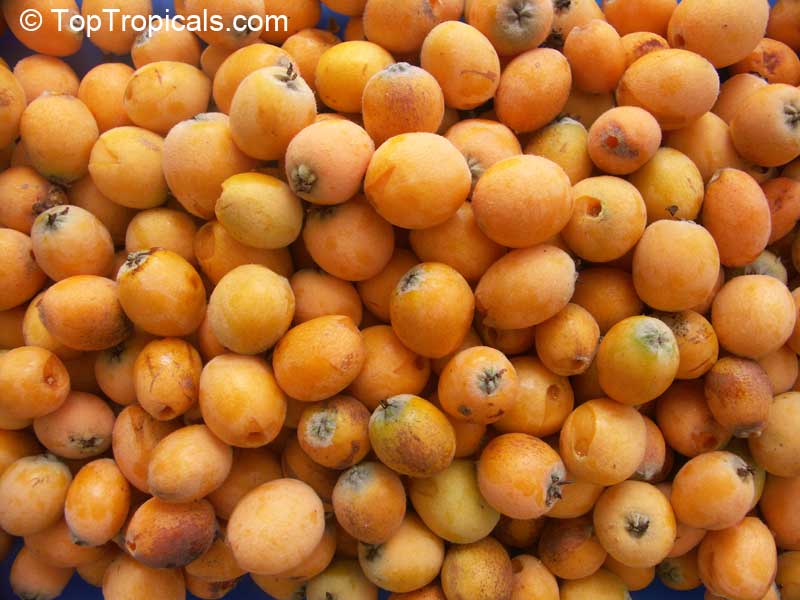
Loquat trees are famous for their abundant fruit production. Many customers who purchased this tree from us, soon end up with some serious crops and start asking if we have any special recipes for loquat fruit - because you can only eat so much out of hand! Here is our manager Kristi's favorite Loquat recipe - not only delicious and tropically-aromatic, but also good for you. Happy Tropical Meal!

Ingredients

2 lbs loquat fruit
1 cup soft brown sugar
3 cups malt vinegar
1 onion chopped
2 cloves garlic

1/2 tsp salt
1/2 tsp black pepper
1/4 tsp cayenne pepper
6 cloves whole or 1/2 tsp ground cloves

Instructions

Wash the fruit, cut them in half and remove stones. The loquats will lose about a third of their weight once stoned (3 lbs of whole fruit = 2 lbs of fruit, stones removed). Add loquats and all remaining ingredients to a large saucepan. Bring to a low boil, then simmer for about an hour, stirring occasionally. The liquid will have reduced quite a bit and the fruit will be collapsed and very soft. Allow to cool slightly, then liquidize the sauce in a blender or a food processor. Be careful, hot sauce really burns!
This delicious tropical sauce is great for any BBQ - with meats or fish. Enjoy!

Date: 30 Aug 2020

Healthy Plant Food

Q&A from Mr Booster

How to make Mango tree fruit

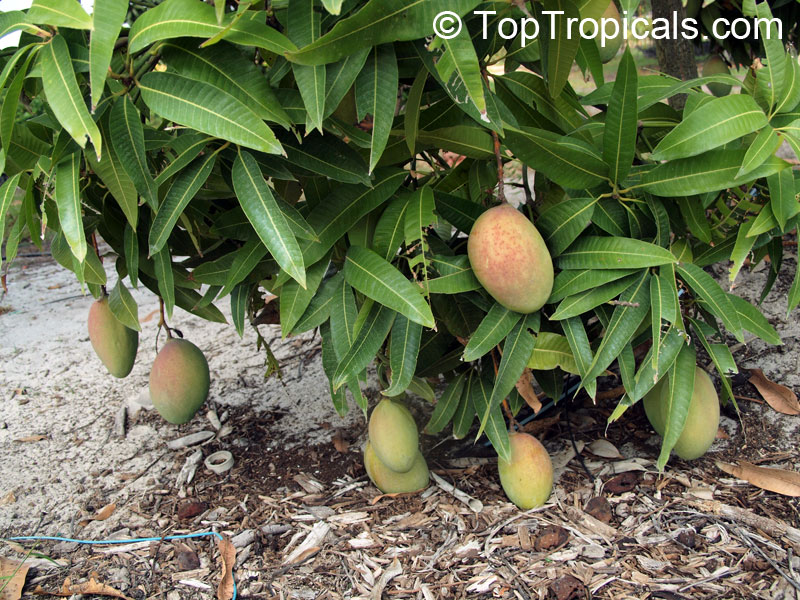
Q: Hello, I have a five-year-old Lemon Meringue tree that has only given me fruit one year. It put out about 50 mangoes and has done nothing for the past three years. Do you recommend any vitamins or any of the nutrients that you guys sell to help with this for next season?

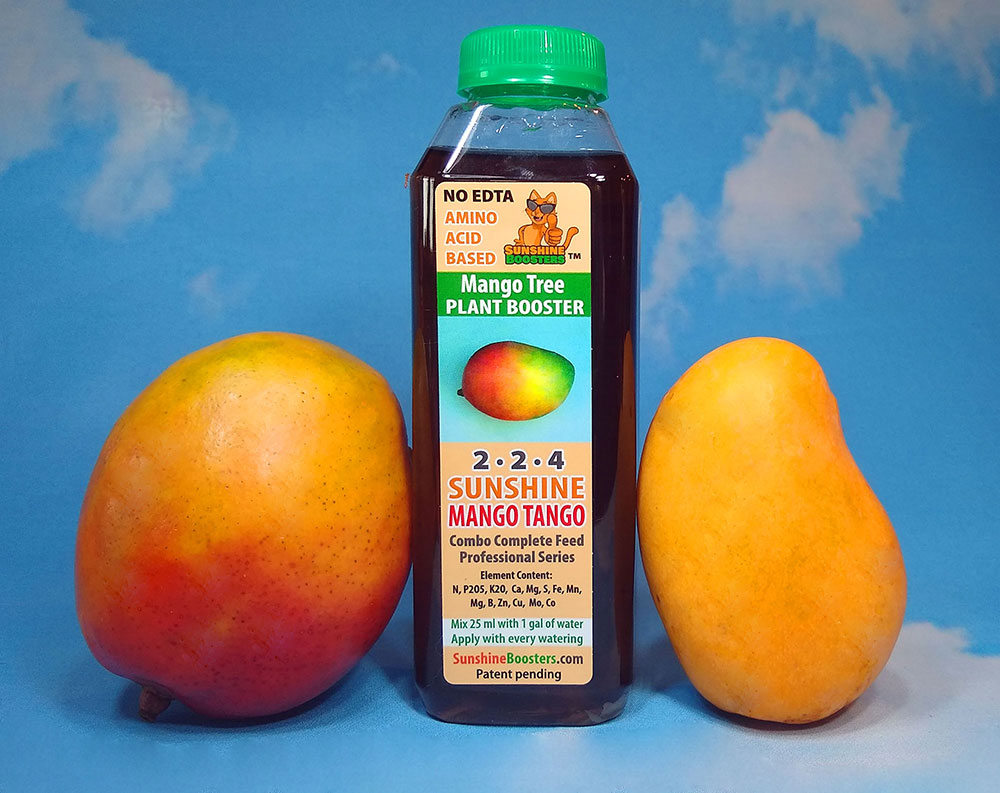
A: We've had very similar problem with our Nam Doc Mai Mango tree, fruited once and no more next year. Usually the reason is nutrients deficiency, here in Florida we have poor soils. We applied Mango-Tango tree booster and it started flowering within a couple of weeks.
Generally, Mango flowering season is over by now, however, we recommend to feed the tree starting now, during active growth season. This way it will get better established before winter and also will store away all elements necessary for triggering flowering and fruiting. So by late Fall through Winter it will be ready to flower.
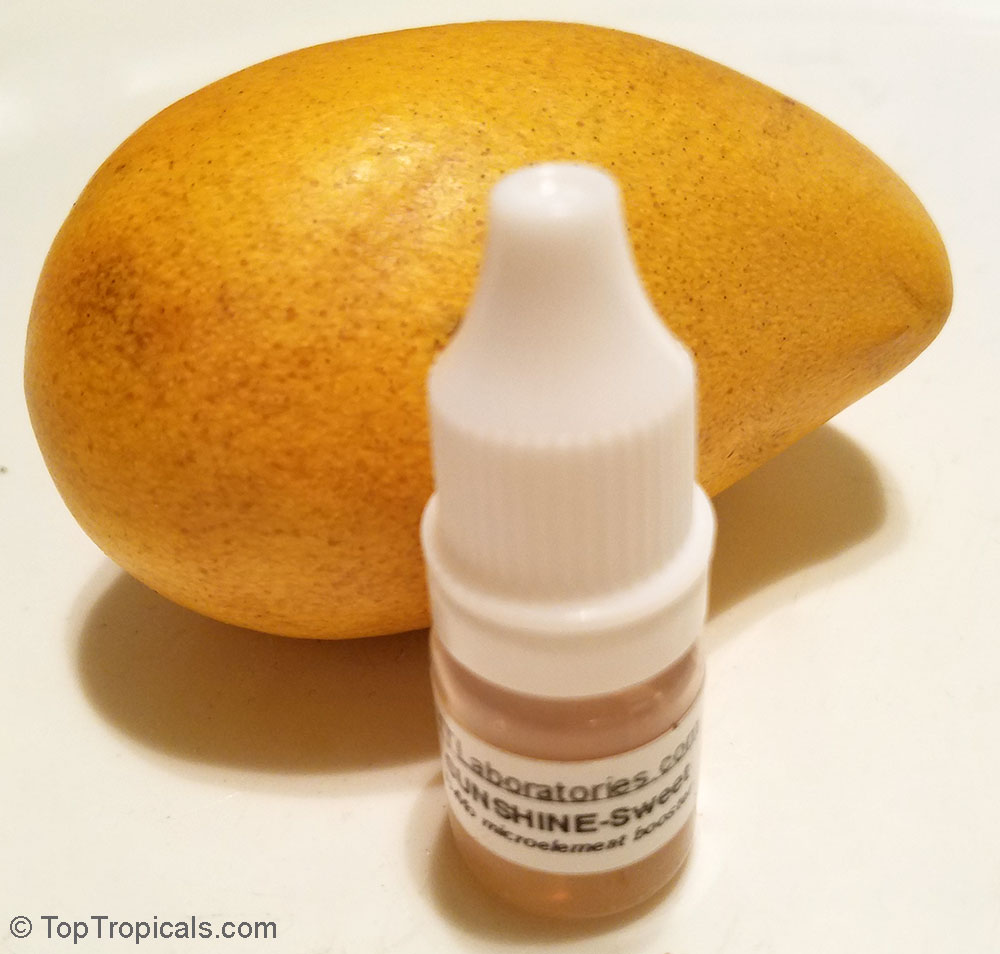
Along with the fertilizer, additional micro-element supplements will be beneficial. For improving fruit quality and increasing number of flowers, we also recommend to use SUNSHINE-Honey - sugar booster

SUNSHINE Mango Tango - Mango Tree Booster, for healthy mango trees and profuse fruit production.

SUNSHINE Honey - a natural supplements that makes fruit sweeter, and increases fruit quantity and quality.

Date: 22 Jun 2024

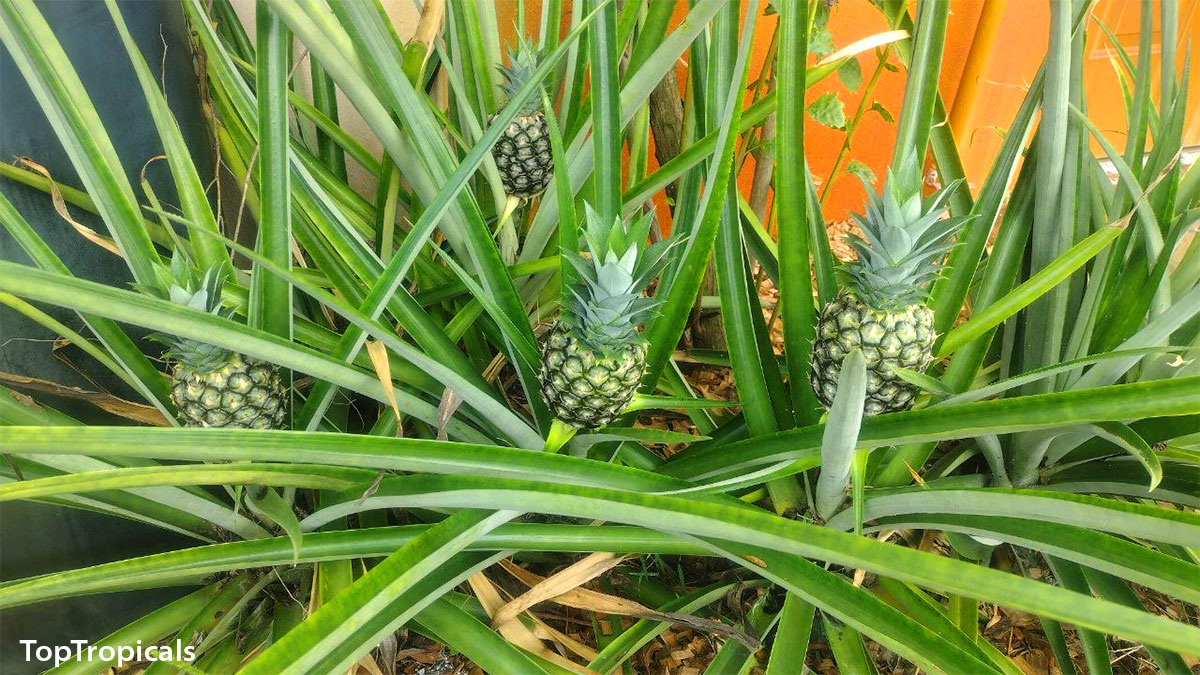
Pineapple Season started!
The most luscious Hospitality Fruit

Pineapples

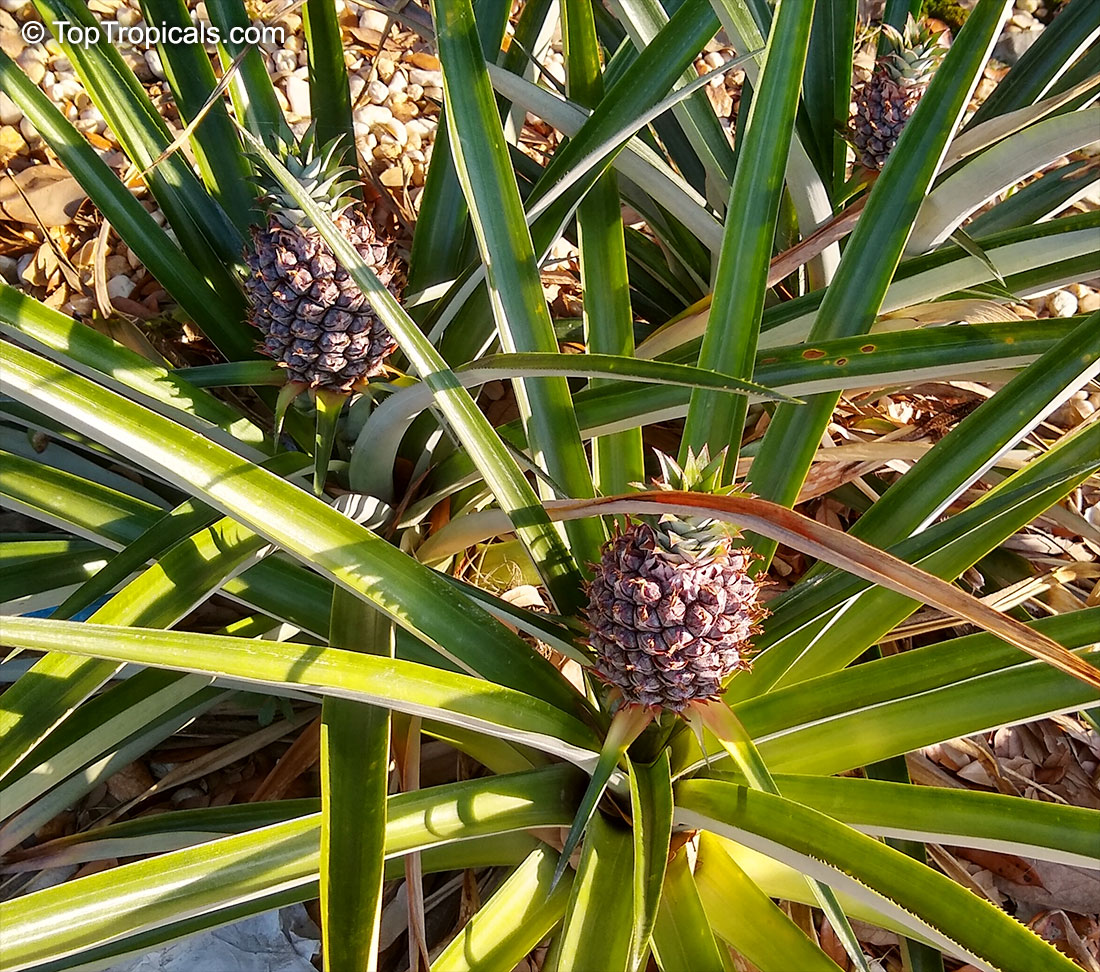
Pineapple plant (Ananas comosus) produces a delicious fruit treat and is a fascinating plant to grow.

King of fruits. Pineapple is often referred to as the "king of fruits" (along with Durian and Mango). It is cherished for its sweet and tangy taste, refreshing qualities, culinary uses, and health benefits, including high vitamin C content and digestive enzymes.

Bromelain for healthy guts: pineapples contain an enzyme called bromelain that can break down proteins and is often used as a meat tenderizer. It's great for digestion; eat 1 slice of pineapple after every meal to maintain healthy digestive system.

Single fruit per plant: each pineapple plant produces just one pineapple per year.

Growth time: It takes about 18-24 months for a pineapple to mature and be ready for harvest.

Symbol of Hospitality: in many cultures, pineapples are a symbol of hospitality and welcome.

Those are berries! A pineapple is formed from many individual single fruit (technically, berries), which fuse together around the core.

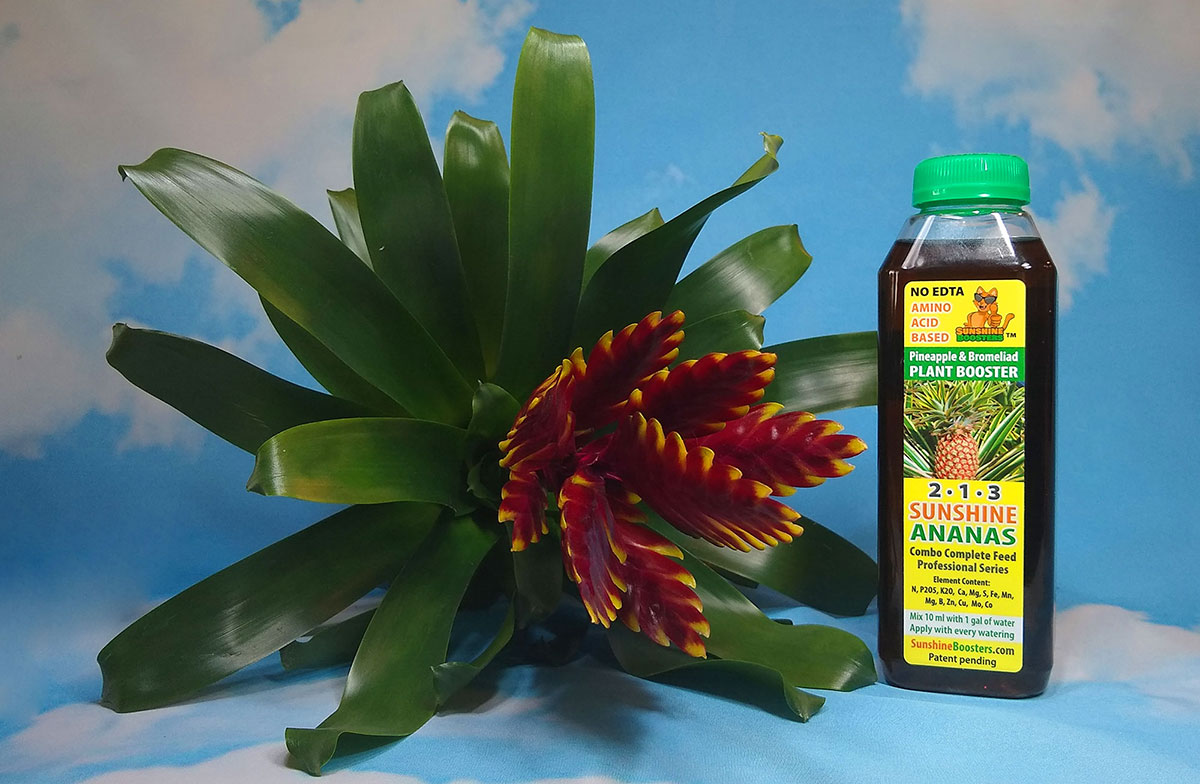
Cultivation. Pineapples are easy to grow. They need very little water to thrive, and take full sun, shade, semi-shade. For faster production, fertilize with SUNSHINE boosters Ananas - Pineapple and Bromeliad Booster. Perfect container plant, Pineapple can be grown indoors as a houseplant. Many superior varieties are available in selection.

Learn more: The most luscious Hospitality Fruit - Pineapple.

Sunshine  Boosters  Ananas

Pineapple

Date: 14 Jul 2024

What is the best Avocado variety? Five more most popular Avocado cultivars - total of 10

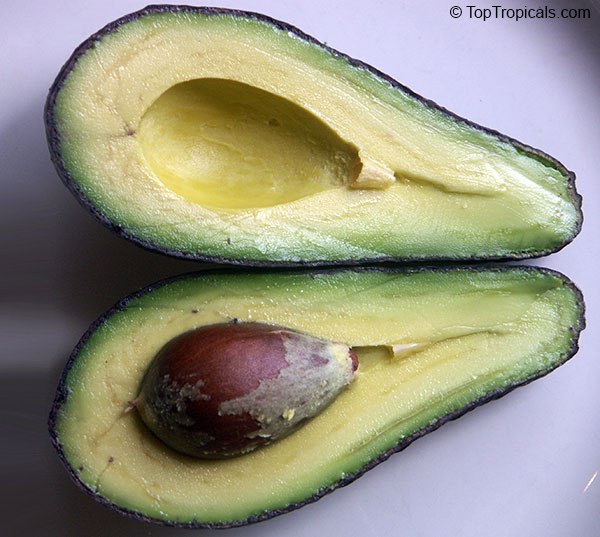
Avocado Joey

Avocado Joey

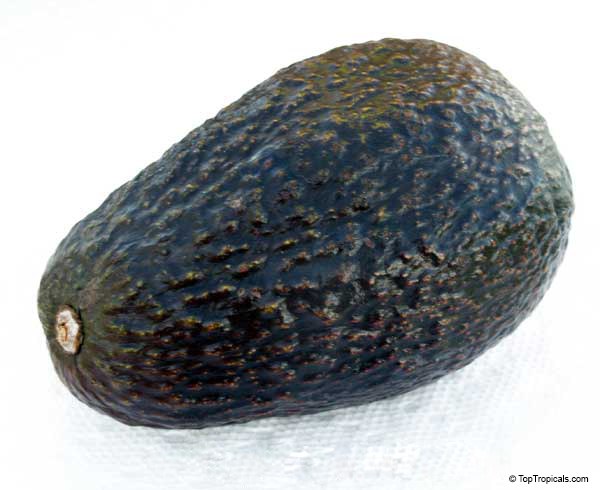
Avocado Day

Avocado Day

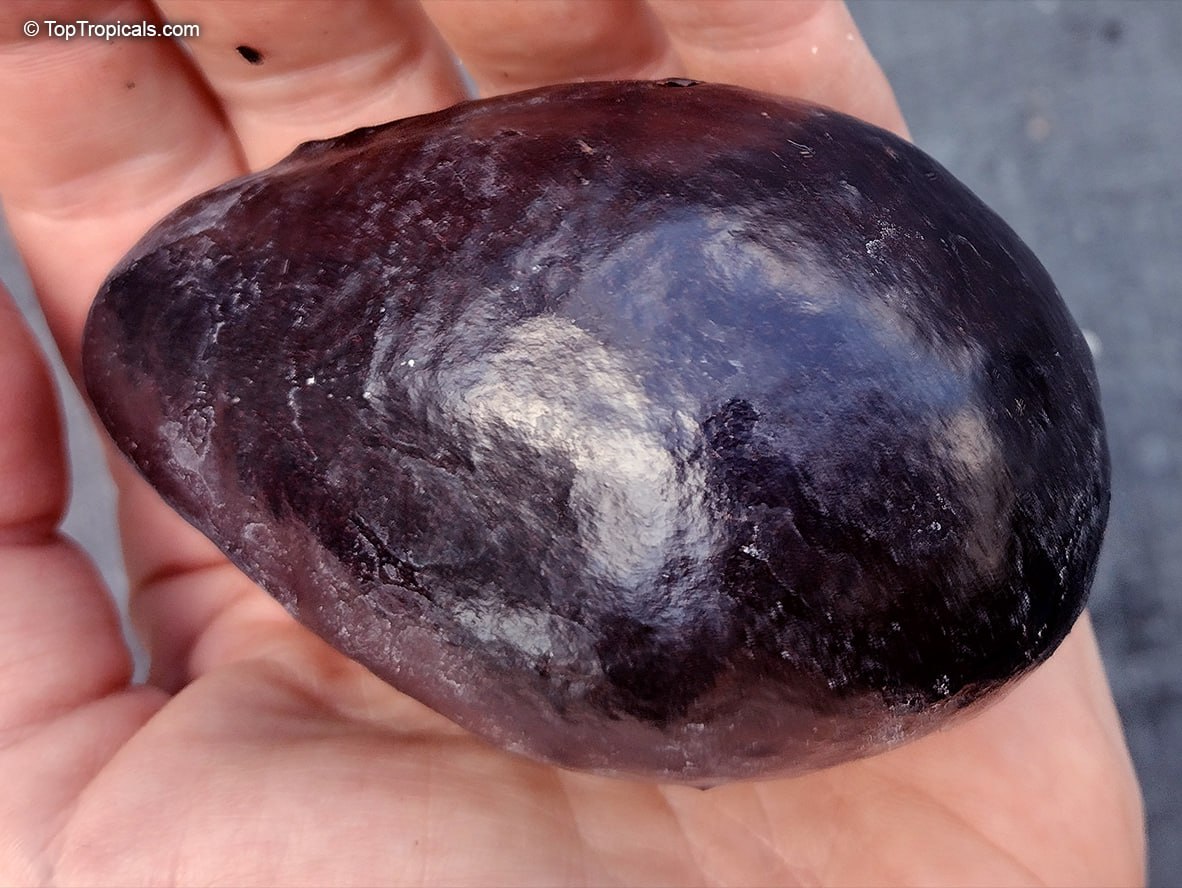
Avocado Ulala (Super Hass)

Avocado Ulala (Super Hass)

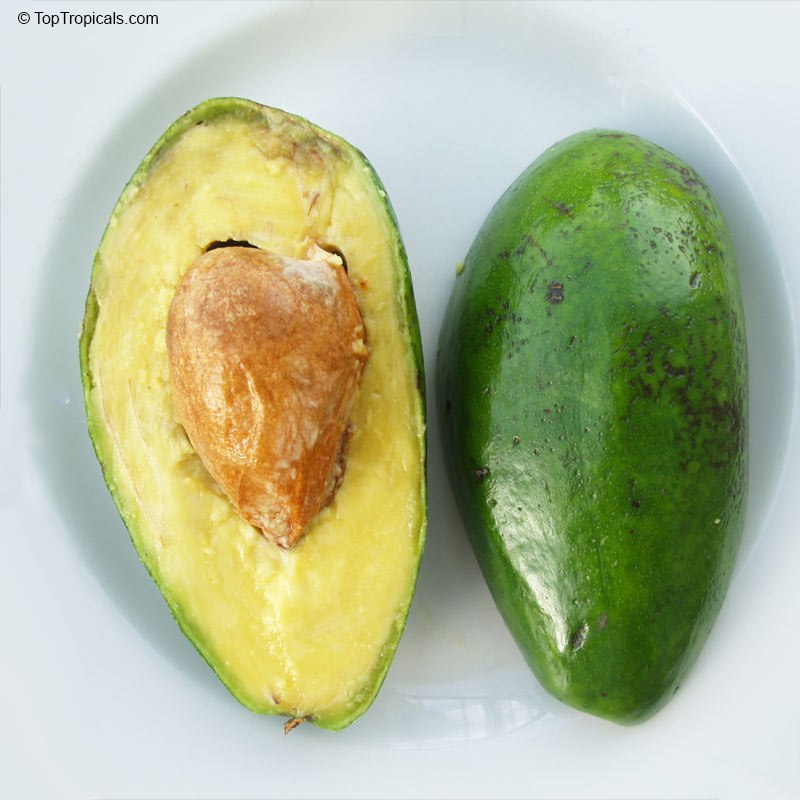
Avocado Fantastic

Avocado Fantastic

Avocado Monroe

Avocado Monroe

What is the best Avocado variety? Five more most popular Avocado cultivars - total of 10!

🏆 We introduced 5 most popular varieties in our previous post. Here is 5 more, making it 10 total.

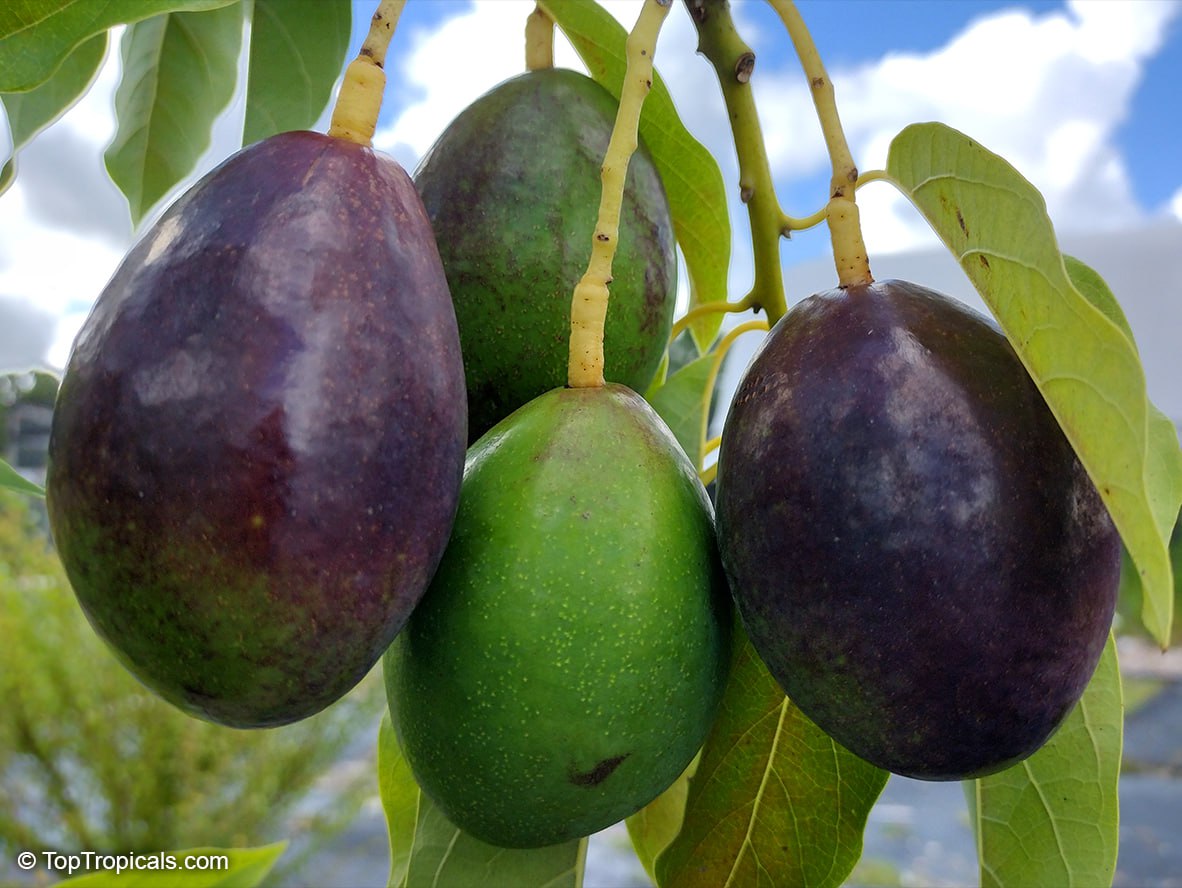
6. Joey - very cold hardy variety. Produces medium size, egg shaped purple-black fruit. It has excellent flavor. Heavy bearer. Season: September-October. It survived temperatures around 10F near San Antonio, Texas (Zone 8b). Can take temperatures down to 15F for a short period of time without significant damage.

7. Day - green, smooth skin and is shaped like a club. The fruit is of very good quality and has a nice buttery consistency. The slender tree is very cold tolerant and produces July through September.

8. Ulala (Super Hass) - sometimes called Uhlala or Uh-La-La. Cold hardy variety that can take temperatures down to 18F for short period of time without significant damage. The fruit is black skinned, with smooth texture. Seed is very small.

9. Fantastic - very cold hardy variety, supposedly the most most cold hardy of all avocados. Produces green, paper thin skin. The fruit has a creamy texture. It survived temperatures around 10F near San Antonio, Texas (Zone 8b) and can take temperatures down to 15F for short period of time without significant damage.

10. Monroe - inherited from its Guatemalan-type parent some degree of cold hardiness. In addition, the trees produced a very large, elliptical-shaped fruit with good eating qualities. Good producer, commercial cultivar in Florida. Legend has it that "it was found in Homestead, Florida on a cool dark rainy night after a meteor crashed into an abandoned papaya plantation."

📚 Learn more: Avocado Variety Guide - check this out for interactive chart of Avocado varieties and sort them by flower type A or B, tree habit, fruit shape and quality, cold hardiness, origin, season and more!

What is your favorite Avocado variety?
Share in comments
👇

🛒 Shop Avocado Trees

#Food_Forest

🏵 TopTropicals