Garden Blog - Top Tropicals

Date: 18 Feb 2025

Unlock Your Carefree Tropical Paradise:
Discover Our Useful Succulent Sale!

Red  plumeria  flower

Beautiful flowers and Edibles

It's no secret that everyone's dream plant is the one that requires little to no care yet still blesses us with the beauty of flowers or the bounty of fruits. Does such a plant exist? Some might say, "Sure, get a plastic one!" But the truth is, some tropical plants, which typically need a lot of water and nourishment, can thrive with minimal effort.

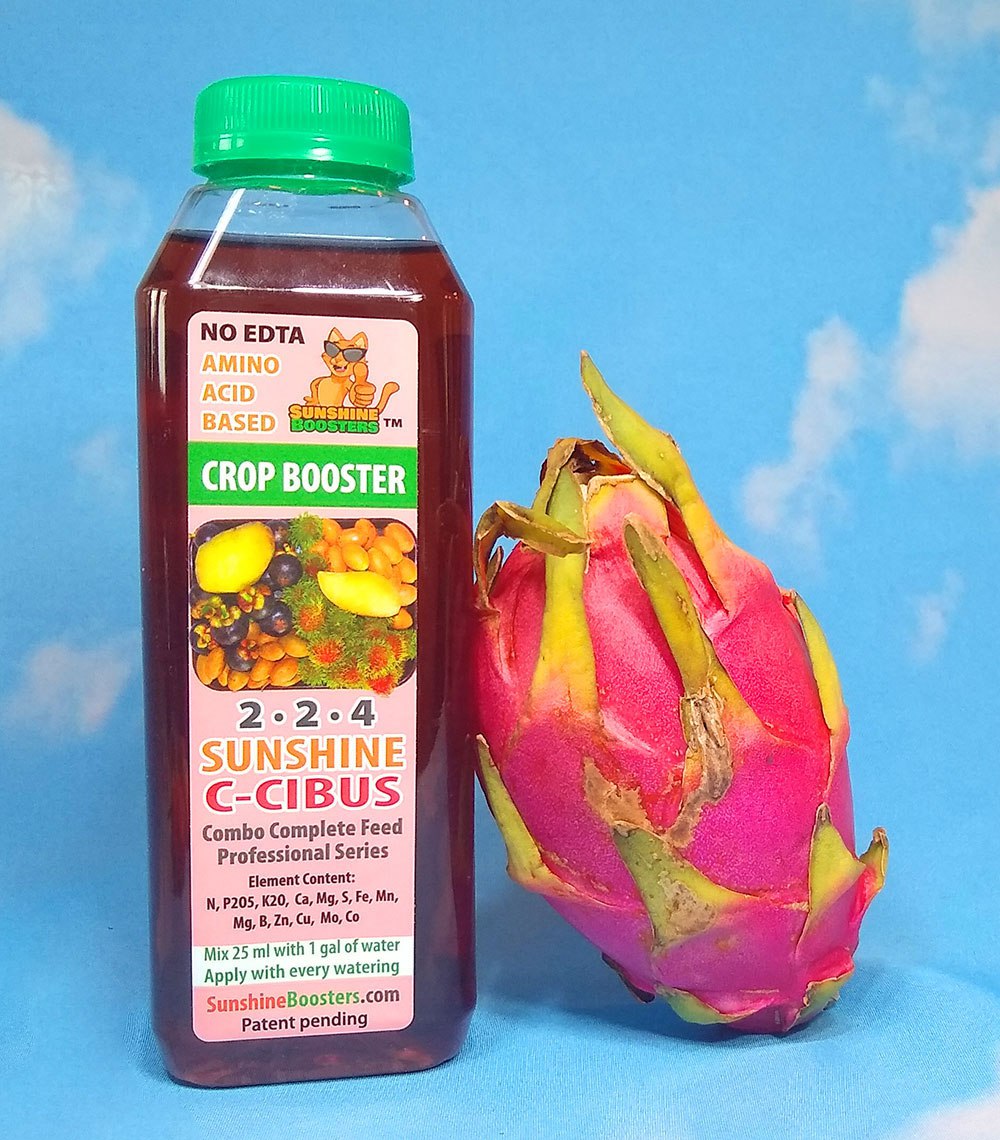
Dive into our Useful Succulent Sale, where you'll find plants like the enchanting Plumerias, the striking Adeniums (Desert Roses) and Starfish Flower, fragrant Epiphyllums (Queen of the night), delicious Dragon Fruits, and exotic Barbados Gooseberries that promise a low-maintenance slice of paradise. These hardy succulents need just sunshine, occasional watering, and a splash of our liquid Sunshine Boosters for flourishing flowers and fruits. Take advantage of our INSTANT 15% discount on all these splendid succulents - one week only!

Instant 15% discount to start your carefree tropical garden today!

No code required!

No min order. Exp. 2-25-25

Reminder: use our FREE and DISCOUNTED SHIPPING for qualified orders

Dragon  fruit  cat

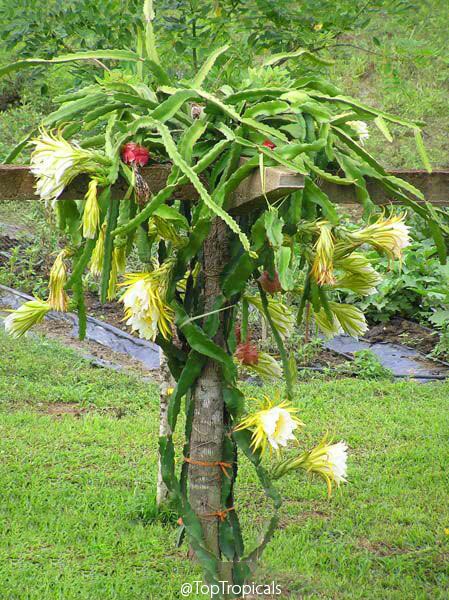
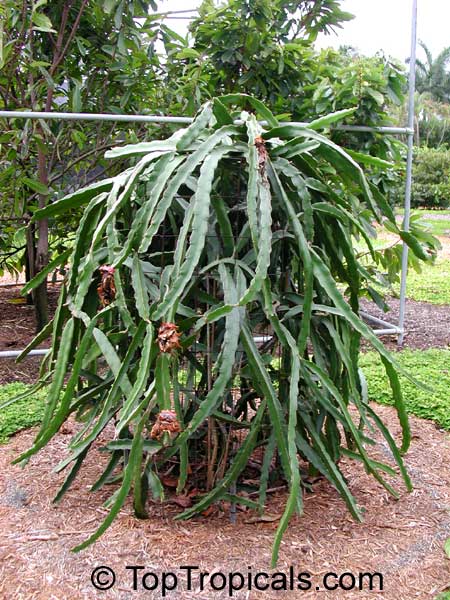
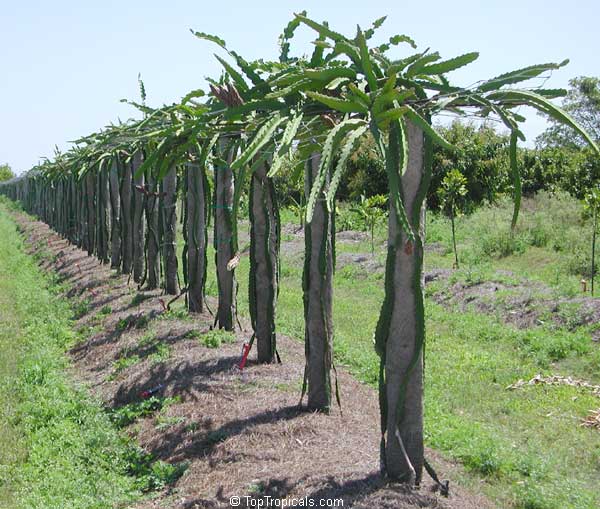
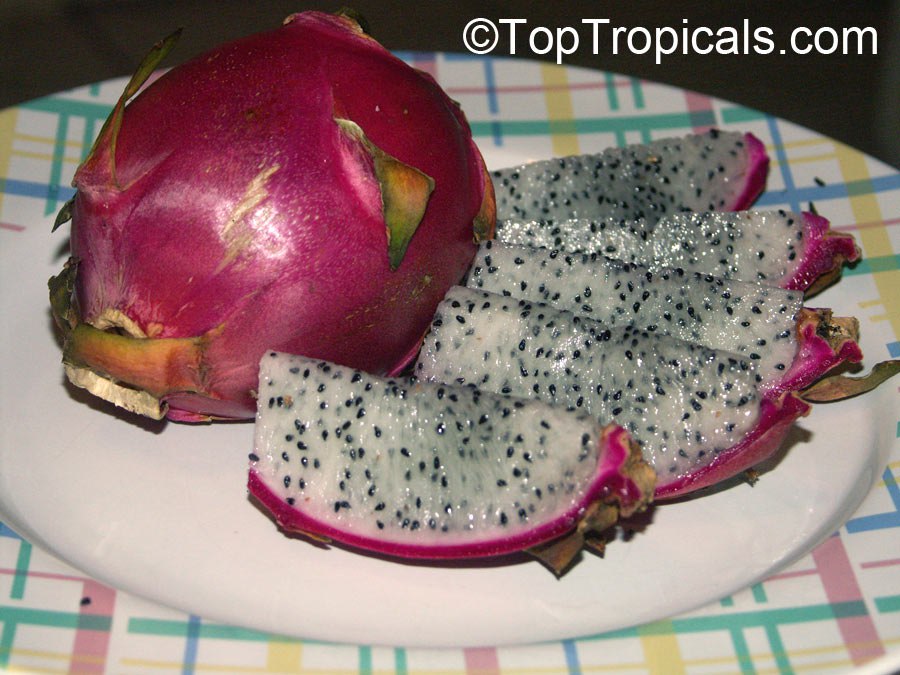
Dragon Fruit, or Pitaya - a striking member of the cactus family known for its spectacular night-blooming flowers and vibrant fruit. This climbing cactus can stretch up to 30 feet, producing fruit with flesh in shades of white, red, or magenta. Rich in antioxidants, it offers health benefits such as reducing the risk of cancer and heart disease. A staple in both traditional and modern cuisine, it's featured in products from major brands like Tropicana and Snapple. According to the legend the fruit was created thousands of years ago by fire breathing dragons.

Epiphyllum  oxypetalum  -  Queen  of  the  Night

Epiphyllum oxypetalum - Queen of the Night - exotic cactus from tropical rainforests with large, meaty leaves and spectacular, huge white flowers that bloom nocturnally, filling the night with their powerful fragrance. A truly mesmerizing addition to any Southern or indoor garden.

Stapelia  gigantea  -  Starfish  Flower

Starfish Flower

Date: 11 Mar 2025

NEW VIDEO:
What Fertilizer to Use and How?

It's springtime - your plants are growing and need more food! Now is the perfect time to fertilize. Our customers have been stocking up on fertilizers and asking lots of questions.
In addition to our recent article What Fertilizer to Use Now and How? Five important keys to healthy plants, we're excited to share this short video on how to use Sunshine Boosters.

Our PeopleCats actively participated in the production with real hands-on (paws-on) involvement. Enjoy the show - and your happy plants!

Subscribe to our Channel:

Subscribe to Top Tropicals YouTube Channel and get our latest video news of what is fruiting and blooming!

Cat  with  fertilizers

Date: 18 Aug 2025

Step Up Your Plants Before Fall

Tropical  plants  in  containers
Tropical Plants Ready for Repotting

After a busy summer of growth, many potted plants are bursting out of their containers. Now is the perfect time to step them up into a slightly larger pot.

🌱 Why now in August?

Repotting before fall gives roots room to expand, while there’s still warmth for active growth. Plants have time to sprout new shoots, fill out, and build strength before cooler weather slows them down.

✂️ Trim and Shape

This is also your last chance to give plants a light trim. Pinching or cutting back helps them branch, bush out, and get denser — exactly what you want going into fall.

💚 Add Green Magic

When repotting, mix in Sunshine controlled-release Green Magic fertilizer to reduce transplant stress and boost new root growth. It helps plants settle in quickly and keep thriving.

👉 Watch our on how to step up your plant the right way, then check your pots — some of your summer growers are ready to move up!

⚠️ Important Note on Timing

This advice is for gardeners in warm climates or for anyone who still has at least a month of warm weather left. Tropical plants go dormant when temperatures drop below 75F, so planting in a larger pot at that time may cause root rot — roots stop growing in dormancy, and extra moisture in the soil can lead to rotting.

Repotting,  potting  soil  and  fertilizer

Watch repotting video

How to Repot a Plant Properly

  1. Choose the Right Pot

    Pick a pot just a few inches larger than the old one.

    Make sure it has good drainage — tropical plants hate sitting in water. A pot without drainage holes can cause waterlogging and root rot.

  2. Why plastic pots are better than fancy ceramic

    Ceramic pots may look pretty, but they are heavy, breakable, and often lack proper drainage. Plastic pots are lightweight, easier to handle, and — most importantly — if a plant is root-bound and stuck, you can simply cut the plastic pot to free it without harming the roots. For looks, slip the plastic pot inside a decorative cover pot.

  3. Add Soil and Fertilizer

    Place fresh potting soil at the bottom. Mix in a good fertilizer — we use Sunshine Green Magic.

  4. Remove the Plant

    Why turn it upside down? Gravity helps loosen the plant, and it slides out more easily without tugging.

    Never pull a plant by its head (stems or leaves). That can damage the crown and tear roots.

    If it doesn’t come out easily: lay the pot on its side and gently squeeze or tap the pot to dislodge the soil. If it is really stuck, cut the old pot instead of forcing the plant.

  5. Check the Root System

    If roots are circling tightly (pot-bound), gently untangle or loosen the outside layer so they will grow outward into the new soil.

    Do not shake off or remove old soil from the root ball. Roots have tiny hairs that absorb water and nutrients, and damaging them will set the plant back. Keep the root mass intact and disturb as little as possible.

  6. Set at the Same Level

    Place the plant in the new pot so it sits at the same soil level as before.
    👉 This is important: burying the stem too deep can suffocate it, while setting the plant higher than before may expose roots and cause drying. Keeping the level the same protects the root crown.

  7. Fill and Firm

    Add more soil and fertilizer around the sides. Press lightly around the edges to remove air pockets.

  8. Water Thoroughly

    Give it a deep watering to help roots settle.

  9. Aftercare

    Don’t water again until the top inch of soil feels dry. Freshly repotted plants are vulnerable to soggy soil and root rot if kept too wet.

Watch the video how to repot properly

Shop Garden Supplies

Date: 24 Dec 2018

Growing Nutmeg from seed: secrets of successful germination

TopTropicals.com

Q: I received a Nutmeg nut and I am wondering do I need to open a hard shell before planting it? Any other tips on growing nutmeg from seed? When will you have Nutmeg plants for sale?

A: We just received fresh nutmeg seeds from Sri Lanka and planted them right away, so we should have Nutmeg plants by Spring/Summer. These are some tips on how to make germination a success:
- nutmeg seeds are viable only for a few weeks after harvesting so plant them as soon as possible.
- wash the seed and soak it in warm (100F) water with a few drops of SUNSHINE-S booster that improves germination. Soak for up to 24 hours. You may use a thermos to keep it warm.
- there is no need for scarification. The outer shell of nutmeg is hard, however, it is not thick so the water will penetrate easily. On the photo above, you can see 2 seeds: the one on the right expanded twice in size after sozking.
- Plant in a porous soilless mix, preferably light seed germination mix, in 4-6"pot, and keep moist but not soggy. You may cover the pot with plastic to keep moisture in.
- Unless you are germinating the seed in hot tropical conditions, you should use bottom heat - 80-85F. A heating pad is the best solution (make sure it doesn't have a timer that automatically shuts it off). For safety, use GFI protected electric outlets since you will be watering the pot.
- Be patient and allow a few weeks for germination. Once the seed sprouted, keep it in bright filtered light and apply SUNSHINE Superfood to young seedling, along with a small dose of Slow Release Fertilizer, for kickstart.
- Move the seedling out in bright sun light once the temperature outside is above 70F.

We have a very long waiting list for Nutmeg plants (item 3878) and seeds (item 6203), so you may reserve one for yourself using our Wishlist form; this way you will be notified immediately when we have the plants in stock, as they won't last long. A few seeds are still available for sale, order now while they are fresh:

Top

Date: 2 Nov 2018

Happy Hobby: growing tropicals from seeds

TopTropicals.com

Q: What is the best time to start tropical plants from seeds? Should I wait till spring?

A: If you want to feel happier, get into gardening. If you want to feel God, start plants from seeds and watch New Life grow from a tiny grain. Fall is a perfect time to start tropicals from seed.
Traditionally, people prefer sowing seeds in Spring, especially temperate species for a vegetable garden: tomatoes, peppers, cucumbers... My grandmother up North started them in early Spring in paper cups on a windowsill, then once the temperatures went just above freezing, she planted them out in the garden beds, and that early start always helped her to have the best early crop in the neighborhood.
When we deal with tropical plants, "just above freezing" is not warm enough. Which means you have to grow small babies indoors for quite a while, providing additional heating when needed. Heating pads always work best. If you keep your living space around 75F (ideal for many species), this is a perfect temperature to get your seeds started. Tropical plants are not like annual tomatoes that try to grow through the season as fast as possible. They take time. So the sooner you start, the more chances to get small seedlings just in time when Spring air outside is "warm enough" for those tropicals - at least in 70's.
A great advantage of starting tropical seeds indoors is controlled temperature and moisture. In the plant world, environment extremes are not good for the germination process. Mild conditions of your home or a greenhouse create better chances for successful growth. Seeds won't get overheated in the hot Summer sun, and won't rot because of a sudden heavy rain. Just keep in mind that some species require light for good germination.
For the best seed germination:
- Use only well-drained mix - we recommend special Seed Germination Mix #3, professional grade. Put seeds not too deep (1/2 inch deep or less) to allow air circulation
- Soak large seeds for a few hours with Sunshine-S solution
- Keep warm (75-85F) and in bright light
- Keep soil slightly moist but not soggy
- Apply micro-element booster SuperFood