Date: 13 Mar 2020
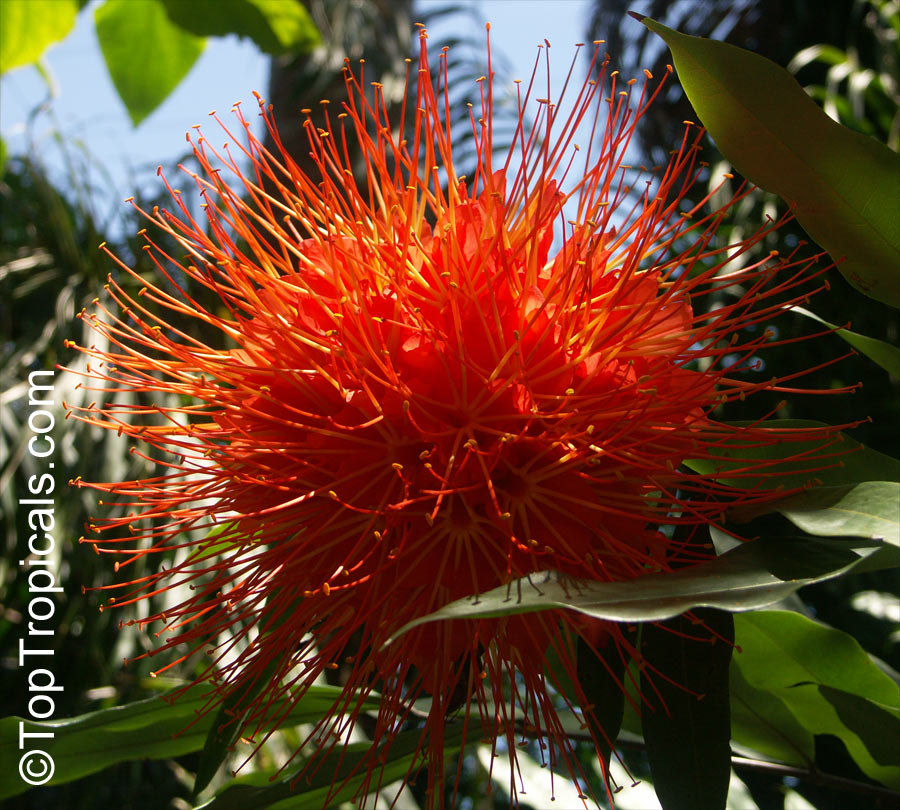
The stunning beauty of Brownea
by Mark Hooten, the Garden Doc
Recently, while admiring the stunning beauty of a large flowering Brownea planted on the grounds here at Top Tropicals, I began wondering why these most splendid of tropical flowering trees remain so rare and obscure in South Florida. Much of our local climate seems perfectly conducive to their cultivation...
CONTINUE READING >>

Date: 15 Feb 2020
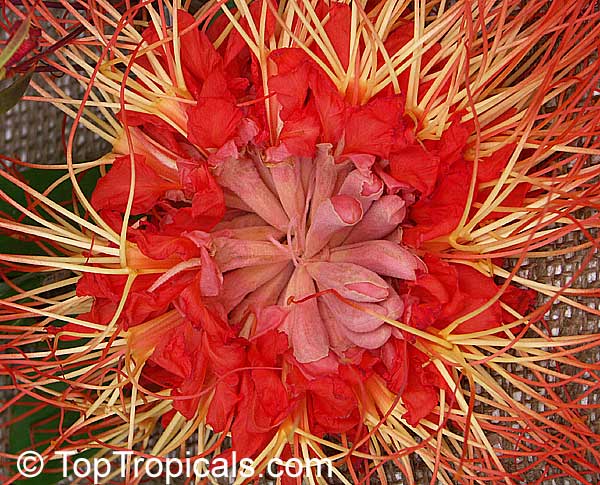
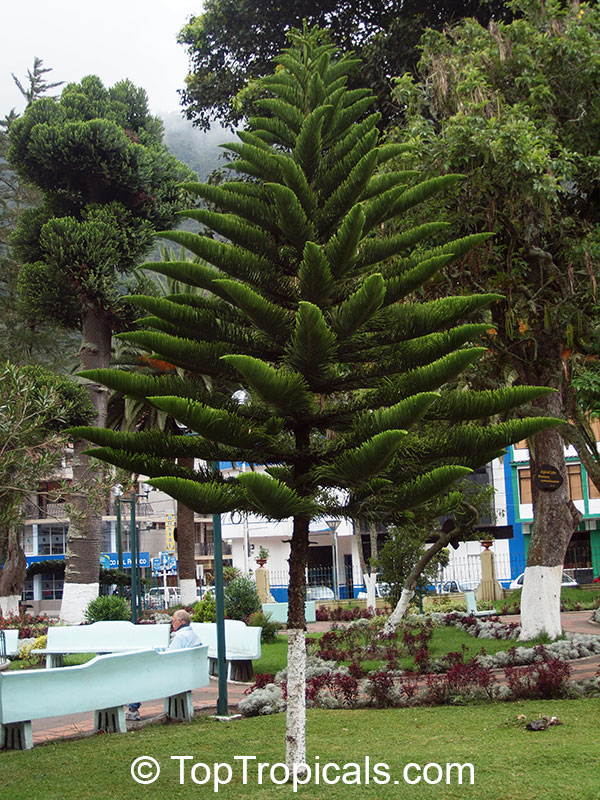
Araucaria: A Case of Mistaken Identity
by Mark Hooten, the Garden Doc
There is a particular kind of tall narrow tree, commonly seen planted in yards all over the Florida peninsula... They perhaps resemble Northern spruces or firs, and basically everyone knows them as "Norfolk Island Pines". For many years, I also did not question their identity. Not only are they planted very commonly here in Florida, but are also found for sale, often as potted "Christmas Trees" in every major nursery, big box store, and often grocery stores across the country. They are all sold as Norfolk Island Pines. Basically everyone knows them under that name. However, they are NOT!..
CONTINUE READING >>
Date: 21 Nov 2019
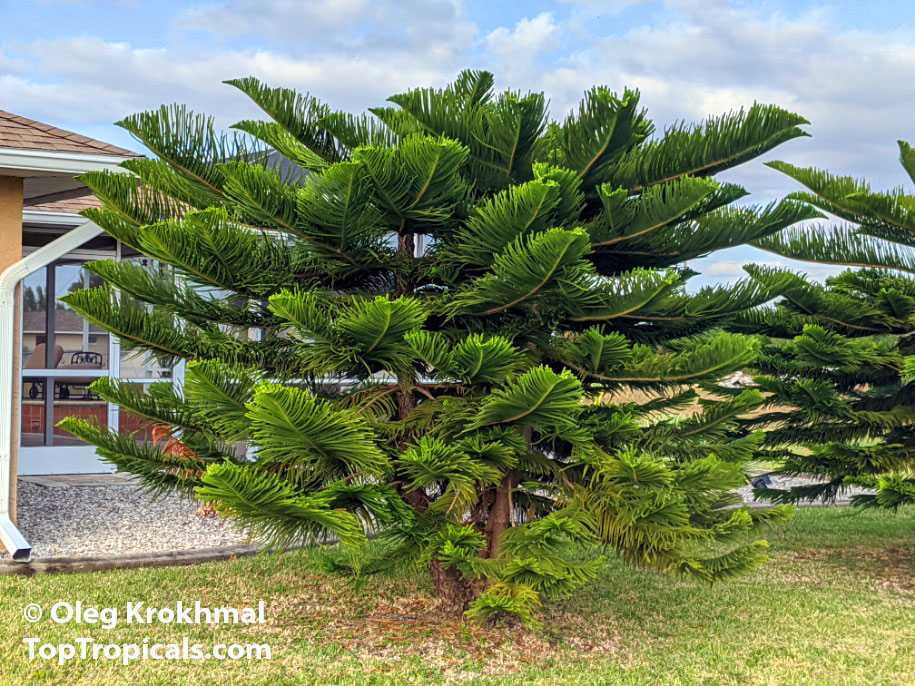
Manifestation of the Ghost Trees
by Mark Hooten, the Garden Doc
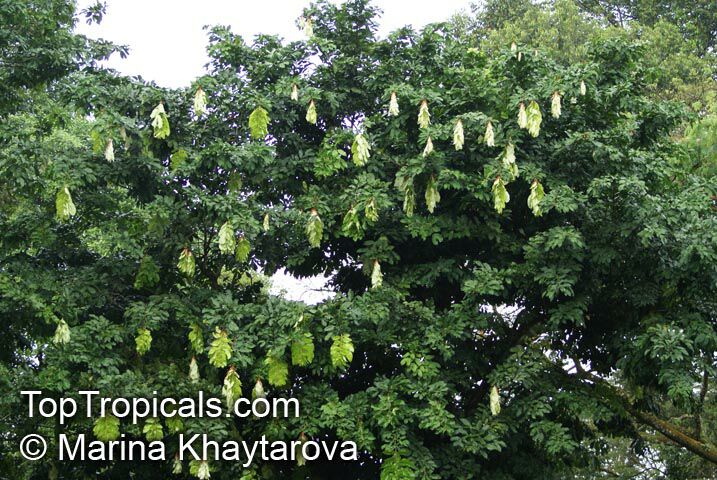
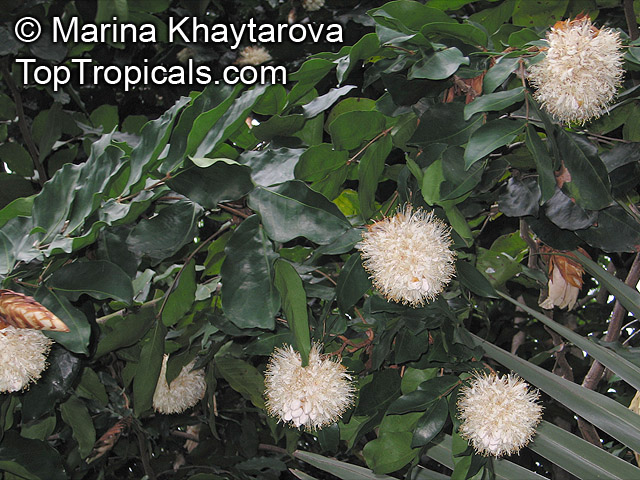
...What makes these rare beauties so wonderful is not only the very nice white Hydrangea-like flowers on the ends of the branches, but also the slowly unfolding new leaves. A number of times a year, they develop little bracts on the ends of their branches which then erupt into stunning cascades of long, weeping ivory-pink new leaves. Most notably, in the more horizontal light of morning or evening, against the deep bottle-green of older leaves, these new hanging growths create the impression of being nearly incarnate apparitions floating in mid-air. I am sure this is the reason for its scientific name Maniltoa, deriving from the New Guinea name for the tree, Manilto - which means "ghost" or "manifestation"...
CONTINUE READING >>

Date: 24 Sep 2019
How to fertilize a bamboo?
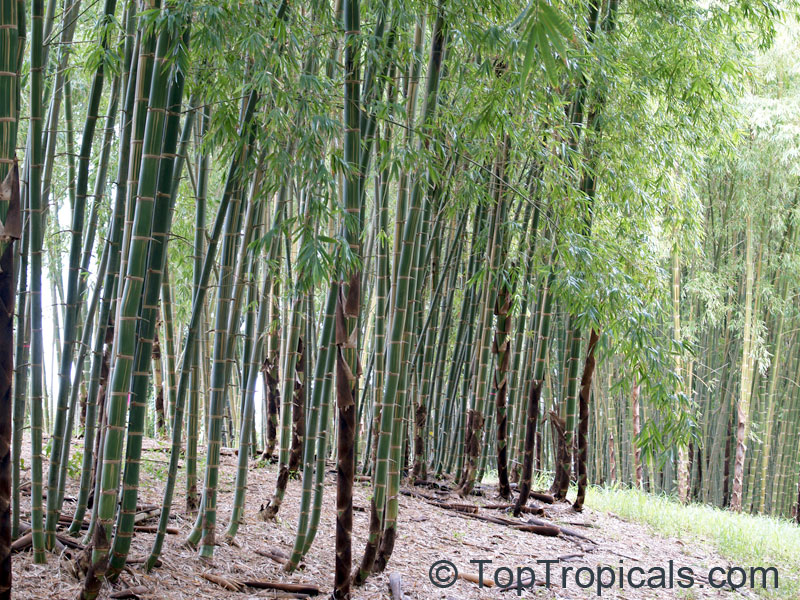
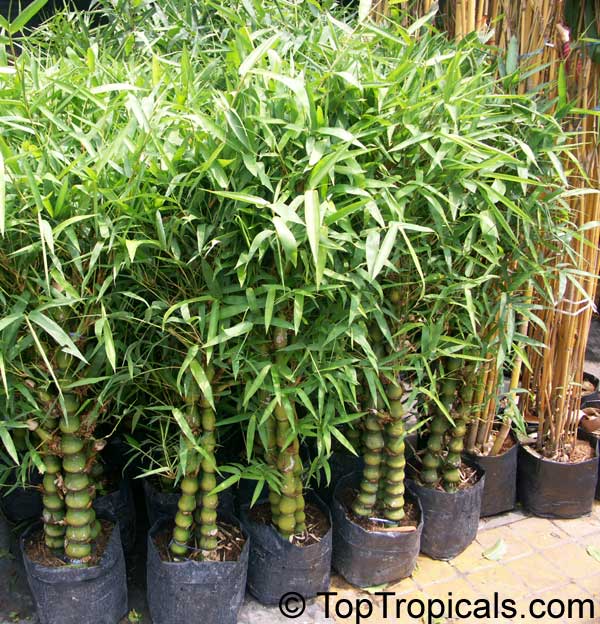
Q: When do you fertilize new bamboo trees and can you use the same fertilizer you use for mango trees?
A: Bamboo is a tropical to subtropical plant with growing season
year-round. You can start fertilizing it right away with the exception of colder
months when temperatures drop below 65F.
Mango fertilizer is formulated for fruit trees, so bamboo won't benefit
from it. Bamboo is not a fruiting plant and is not even cultivated for
flowers. Its beauty is in healthy green foliage and beautiful stems. So you will
need foliage-type of fertilizers for it.
We recommend the following fertilizers for bamboo plants:
Tropical Greenhouse Plus - Plant Booster
Tropical Allure - Smart-Release Booster
Remember to always use micro-elements that are essential for every green plant.
Date: 16 Jun 2019
Repotting Artocarpus with a taproot in ground
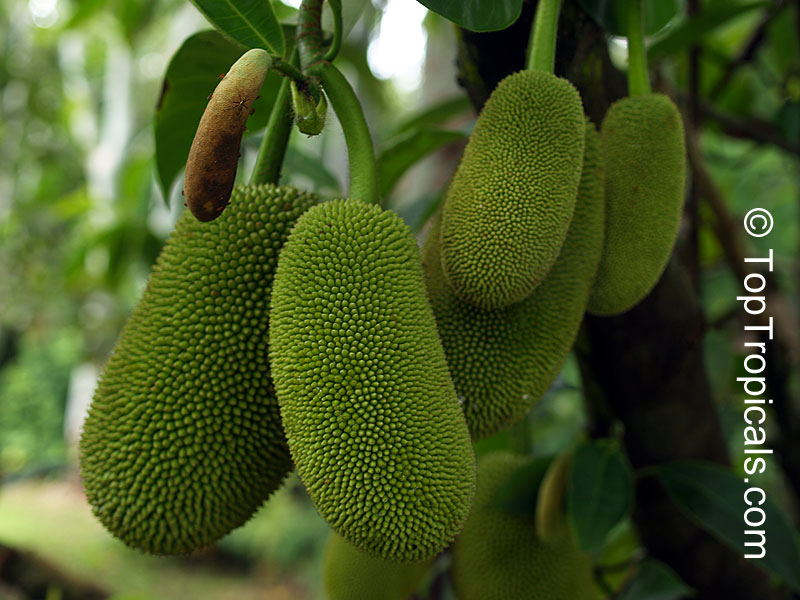
Q: The Chempedak I bought from you almost 3 years ago which I had repotted twice has a thick taproot growing in the ground, which I noticed this past winter. I was going to repot into the largest size pot almost half of a 55-g rain barrel. Can I try to dig/save as much of the taproot before repotting, will it die if I had to shorten/cut what I can't dig out completely? I hate to put it in the ground for fear it may not make it when we have severe cold/long hours of frost. I live in west Cocoa, Central Florida, 9b.
A: Yes, you can repot the tree and keep it in reasonable size container after trimming the roots. Most of the tropical trees (fruit trees not an exception) can be grown in containers even if in Nature they grow into vigorous large trees. The key is, trim the roots every time you transplant it. The process is similar to trimming branches and both don't hurt the plant as long as done right and moderately. You should trim the overgrown and spreading limbs at the same time. You may trim as much as 10% off root system at the time of repotting. This will cause the root system to branch out and become fuller, similar to branches, which is a good thing. If a tree grows a taproot like in your case, it is not necessary to try "saving" and digging out the whole root that may go down for a few feet. You may cut it off without major damage to the tree since the rest of its root system will continue to support the plant metabolism. Just keep in mind that the plant will be stressed for a while - so put it in bright shade and water regularly until signs of stress go away (wilted or dropping leaves may occur). This particular type of tree - Artocarpus - is pretty strong and vigorous so the stress should be minimal.
