Garden Blog - Top Tropicals

Date: 15 May 2026

The Tropical Survivor: Why This Pink Plume Defied a 25F Freeze
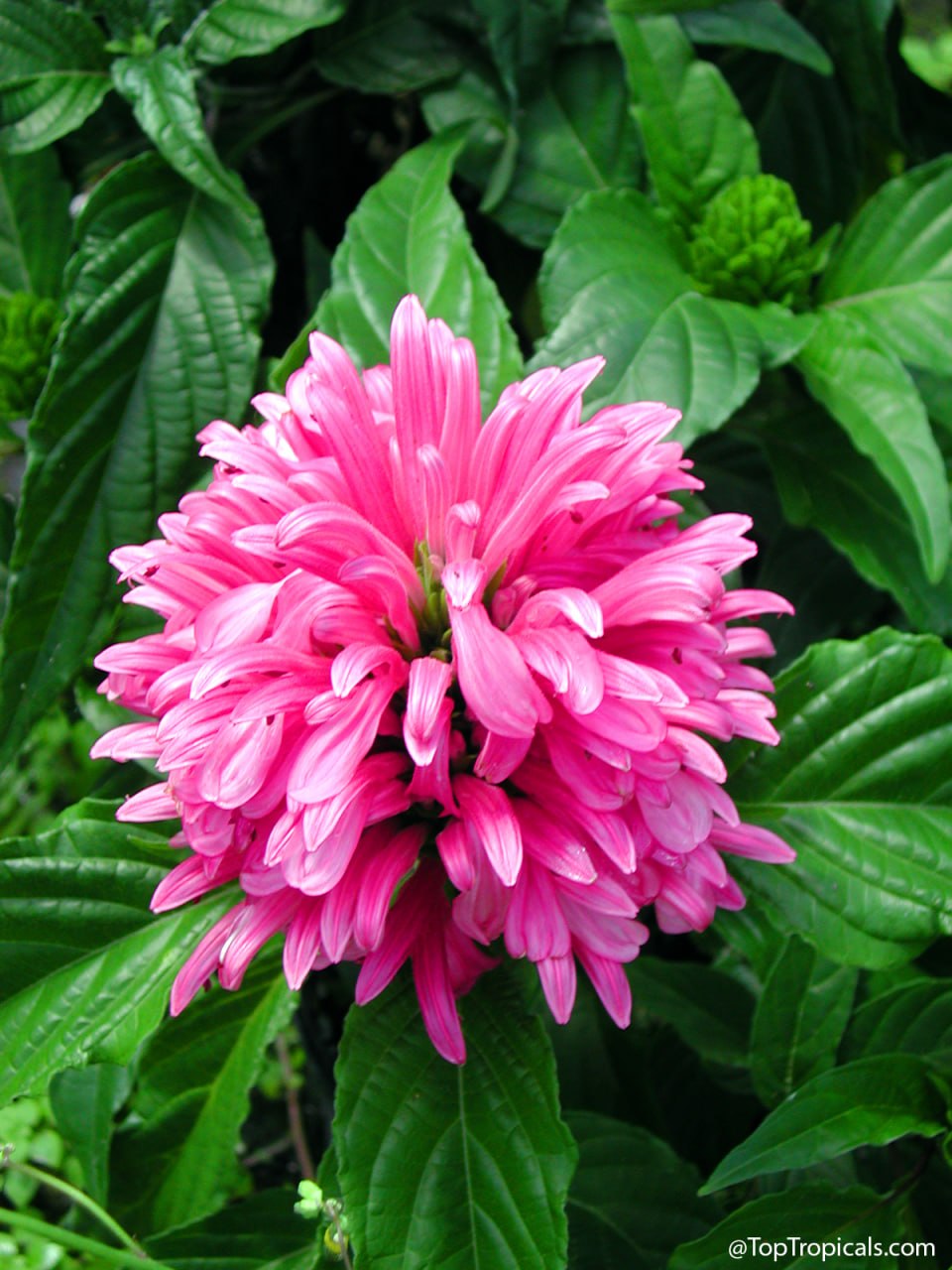
The Tropical Survivor: Why This Pink Plume Defied a 25F Freeze The Tropical Survivor: Why This Pink Plume Defied a 25F Freeze
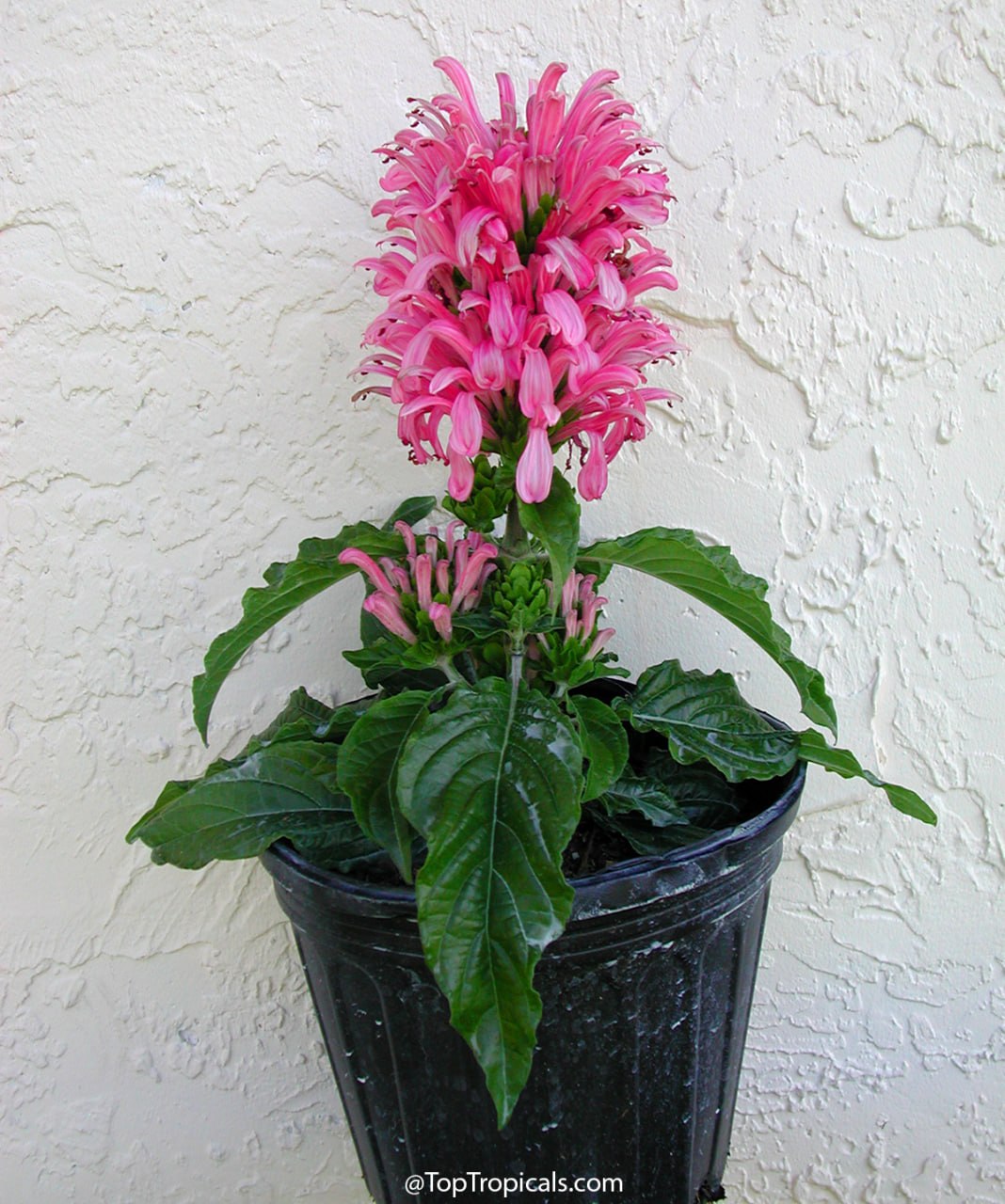
The Tropical Survivor: Why This Pink Plume Defied a 25F Freeze


When Central Florida temperatures plummeted to 25F for two days, many gardeners braced for a total loss; and while most tropicals melted into black mush, Justicia carnea - the Pink Brazilian Plume or Jacobinia - proved that looks can be deceiving.

Tougher Than it Looks


As many other tropical plants from Acanthaceae family - Justicia plants are much hardier than they look.

At first glance, the Brazilian Plume looks like a greenhouse diva. It boasts huge, lush leaves and giant, cotton-candy pink flower clusters. However, it harbors a secret: it behaves more like a hardy perennial than a delicate shrub.

Even when a hard freeze burns the top growth to the ground, the root system remains remarkably resilient. Once the soil warms, fresh shoots often push through the dirt faster than expected.

A Hummingbird Magnet for the Shade


The real draw of Justicia carnea isn't just its survival skills - it’s the show-stopping blooms.

Large upright plumes can reach the size of a football. The tubular flowers are a primary target for hummingbirds and butterflies. Unlike most tropical bloomers, it thrives in filtered light and bright shade, making it perfect for understory planting.

  • 👉 Gardener’s Tip:


Don't dig it up too soon! Freeze-damaged stems may look finished for weeks, but patience usually rewards you with new growth by late spring.

🌱 Quick Care Guide


Light: Bright shade or filtered sun
Soil: Rich, well-draining
Water: Regular moisture during heat
Best For: Pool areas, woodland gardens, and pollinator beds

For gardeners wanting that high-impact tropical aesthetic without the heartbreak of constant replanting, this Jacobinia is the ultimate comeback kid.

🛒 Plant beautiful and hardy Jacobinia

📚 Learn more:

Hummingbird Plant Plant Facts

Dicliptera suberecta, Justicia suberecta
Hummingbird Plant, Uruguayan Firecracker Plant
USDA Zone: 9-11
Small plant 2-5 ftSemi-shadeFull sunModerate waterRegular waterYellow, orange flowersRed, crimson, vinous flowersPlant attracts butterflies, hummingbirds

#Butterfly_Plants #Discover #Container_Garden

🟢 Join 👉 TopTropicals
Date: 17 May 2026

9 awesome accent plants and vines that love heat and dry conditions

9 awesome accent plants and vines that love heat and dry conditions 9 awesome accent plants and vines that love heat and dry conditions 9 awesome accent plants and vines that love heat and dry conditions 9 awesome accent plants and vines that love heat and dry conditions 9 awesome accent plants and vines that love heat and dry conditions

☀️ 9 awesome accent plants and vines that love heat and dry conditions


The hardest spots aren’t for trees - they’re for everything else. The toughest areas are often smaller spaces - along walls, patios, containers, or rocky patches where soil dries out fast. This is where most plants fail quickly.
These picks don’t just survive - they stand out. They bring texture, color, and structure - without needing constant watering or perfect soil.


Why containers are the toughest of all in heat


Growing in pots in hot, dry conditions is a different game. The soil heats up fast, roots can literally overheat, and moisture disappears much quicker than in the ground. If you’re using containers, protect the root zone - group pots together, tuck them into partial shade, or shield the container itself from direct sun. Choosing drought-tolerant plants helps, but don’t assume they can go totally without water - even tough plants in pots can dry out quickly, so check regularly and don’t let them go bone dry.

🔥 9 best smaller plants and vines for hot, dry spots


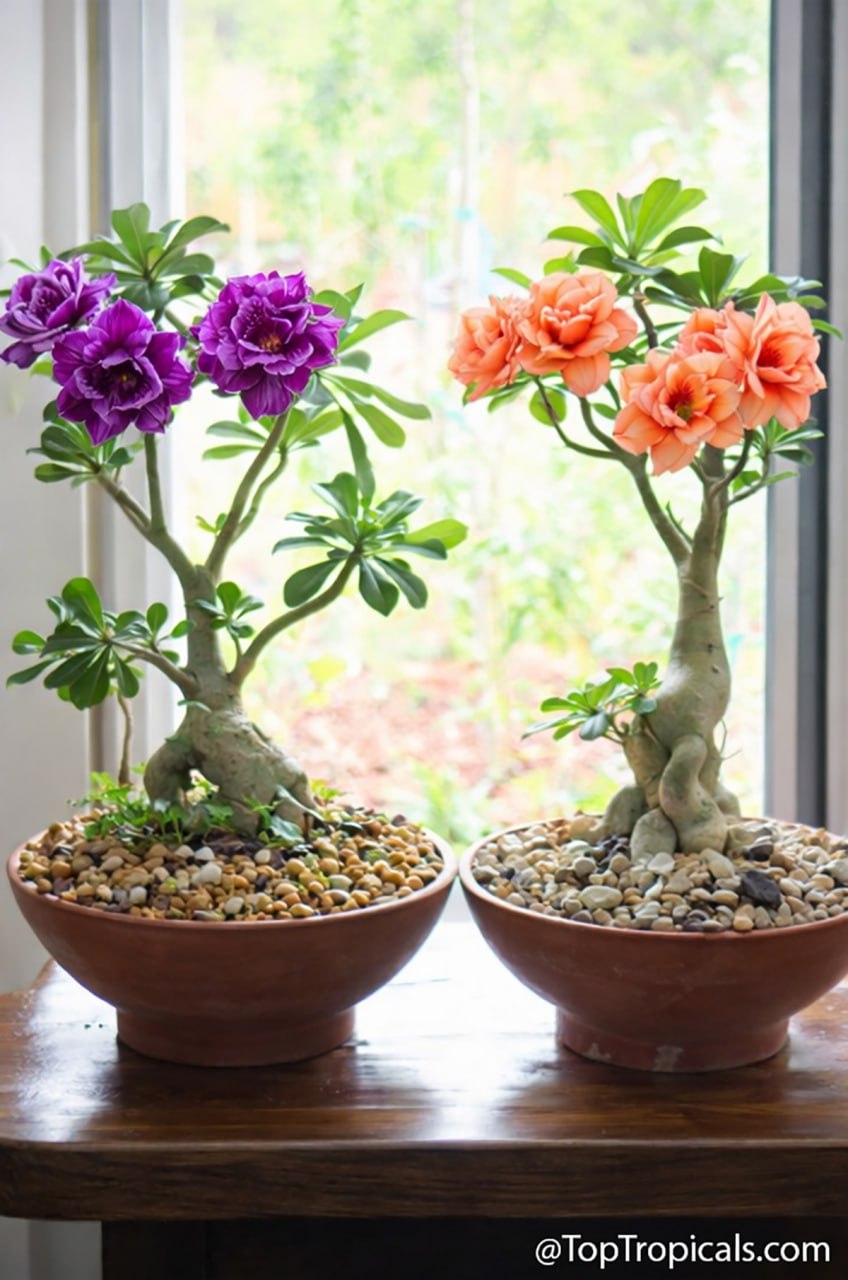
  • ☀️ 1. Adenium - Desert Rose 📸
  • Stores water in its caudex and thrives in heat - one of the best flowering plants for dry conditions. 👉 More

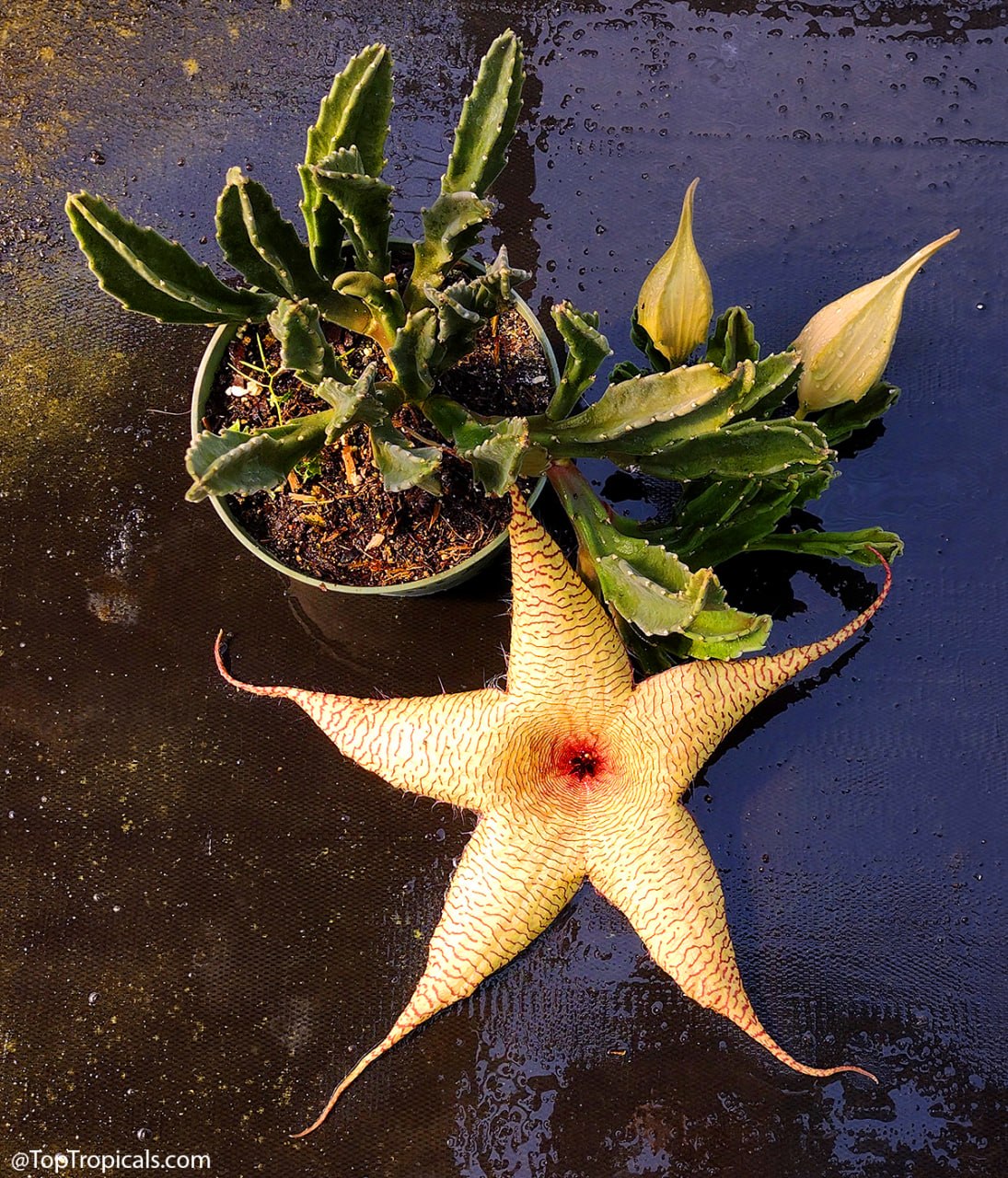
  • ☀️ 2. Stapelia gigantea - Starfish Flower 📸
  • Unusual and tough - thrives in dry soil and produces massive, eye-catching blooms. 👉 More

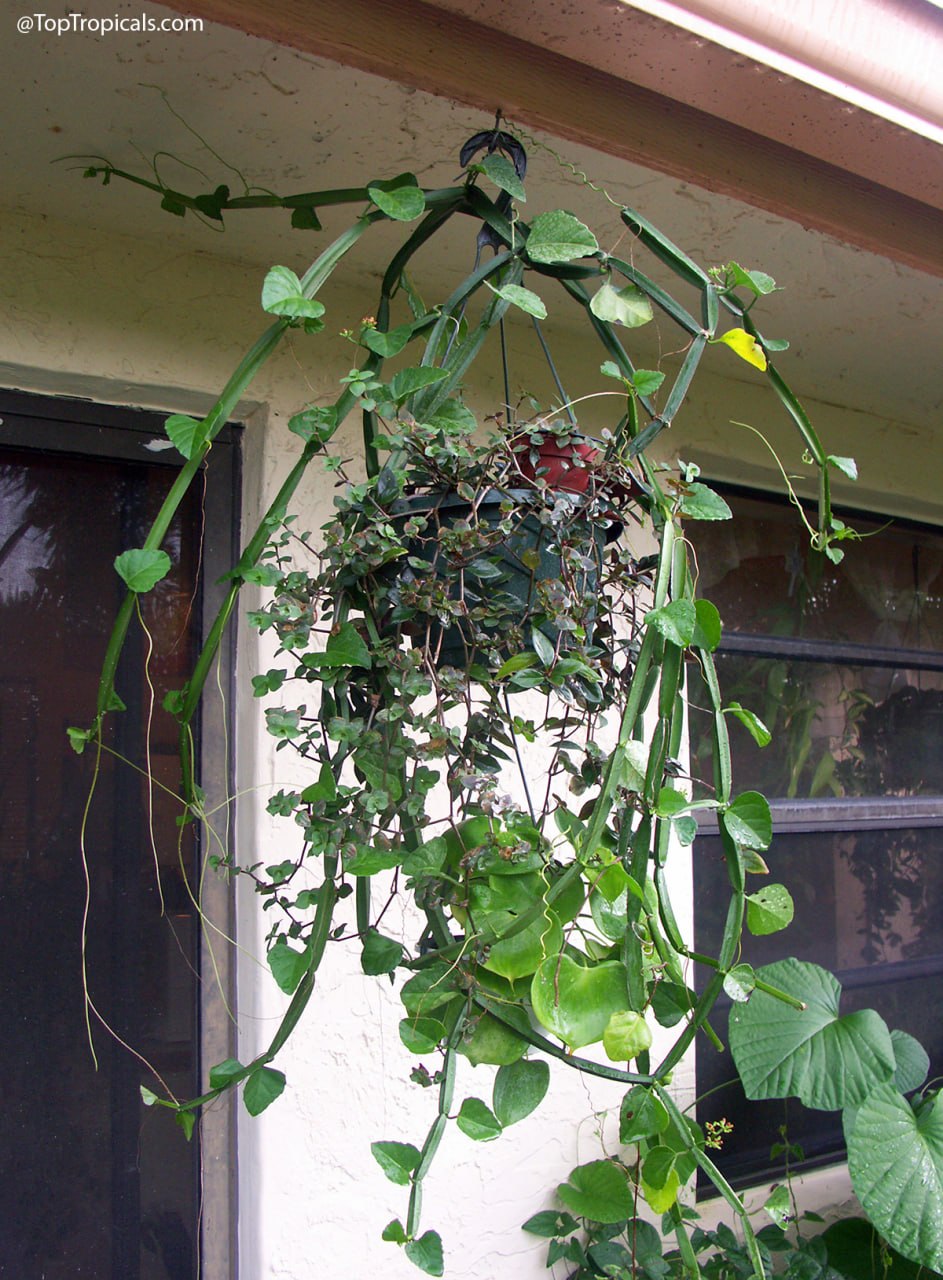
  • ☀️ 3. Cissus quadrangularis - Veld Grape Vine 📸
  • A succulent vine that handles heat and drought while adding a unique structural look. 👉 More

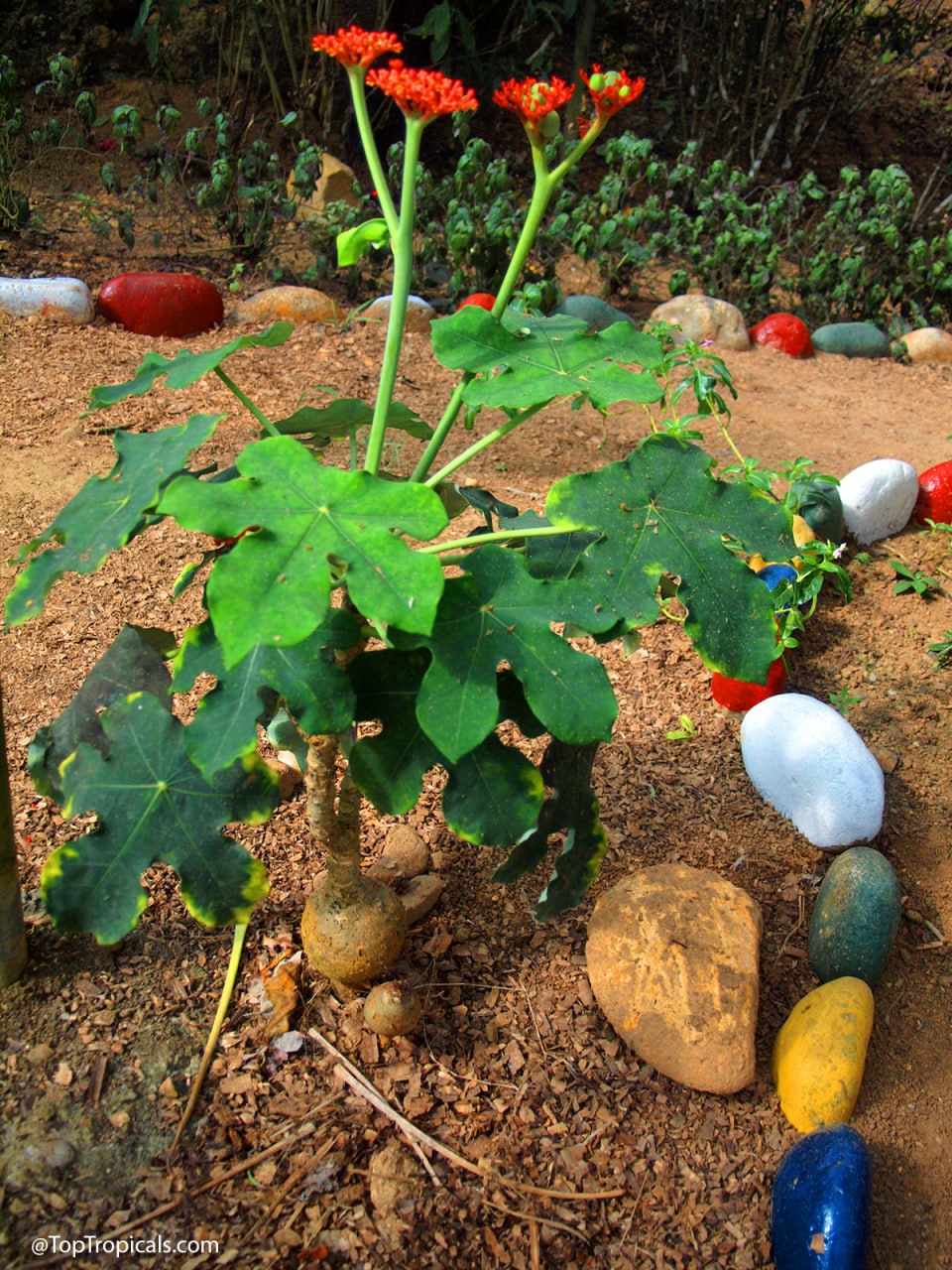
  • ☀️ 4. Jatropha podagrica - Gout Plant 📸
  • Thick stems store water, making it surprisingly drought tolerant with a bold tropical look. 👉 More

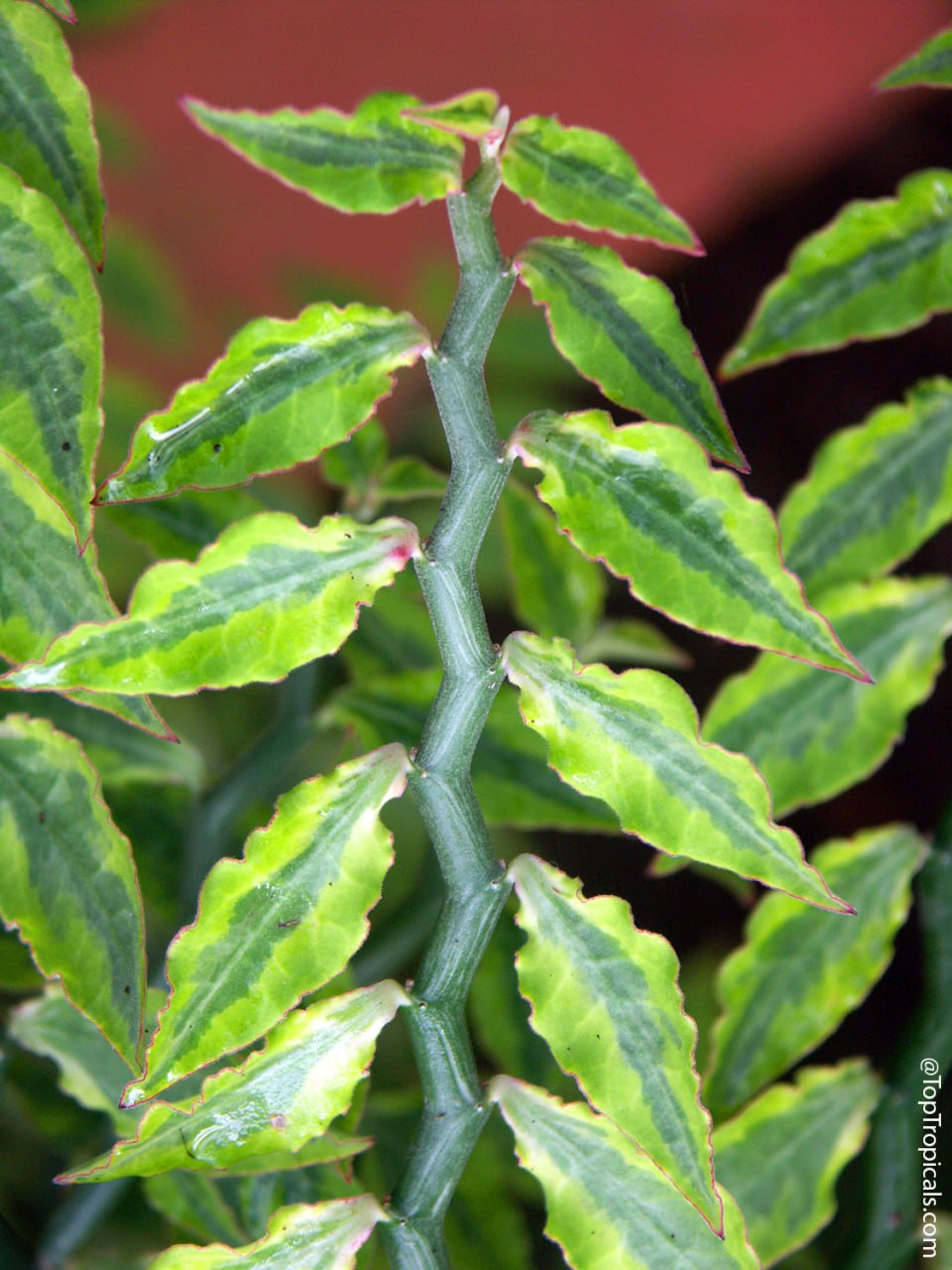
  • ☀️ 5. Pedilanthus tithymaloides - Devil's Backbone 📸
Extremely forgiving - thrives on neglect, heat, and dry soil. 👉 More

  • ☀️ 6. Agave species - Tequila Agave, Century Plant

Classic drought plants - architectural, extremely tough, and almost maintenance-free. 👉 More

  • ☀️ 7. Crocosmia species - Coppertips / Falling Stars

Handles heat well once established and adds bright seasonal color with minimal care. 👉 More

  • ☀️ 8. Ipomoea platensis - Caudiciform Morning Glory

A rare vine with a swollen base - built to handle dry cycles and intense sun. 👉 More

☀️ 9. Plectranthus hadiensis tomentosus - Camphor Basil


Soft, aromatic foliage that tolerates dry conditions better than most leafy plants. 👉 More

🛒 Shop drought tolerant plants - for hot and dry spots

📚
Learn more:
#Discover #Hedges_with_benefits #How_to

Gout Plant Plant Facts

Jatropha podagrica
Gout Plant, Gout Stick, Buddha Belly, Guatemala Rhubarb, Tartogo
USDA Zone: 9-11
Plant with caudexPlant used for bonsaiSmall plant 2-5 ftSemi-shadeShadeFull sunModerate waterYellow, orange flowersRed, crimson, vinous flowersOrnamental foliageToxic or PoisonousPlant attracts butterflies, hummingbirdsSubtropical plant. Mature plant cold hardy at least to 30s F for a short timeSeaside, salt tolerant plant
🟢 Join 👉 TopTropicals

Date: 18 May 2026

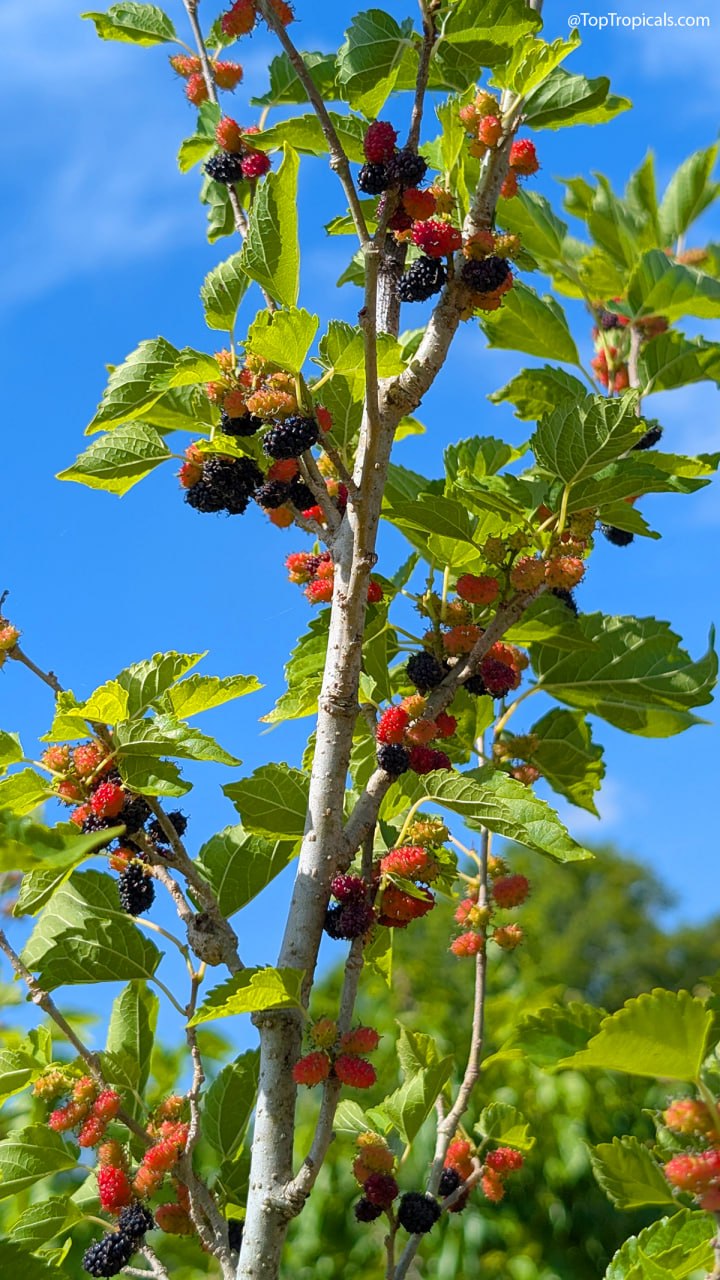
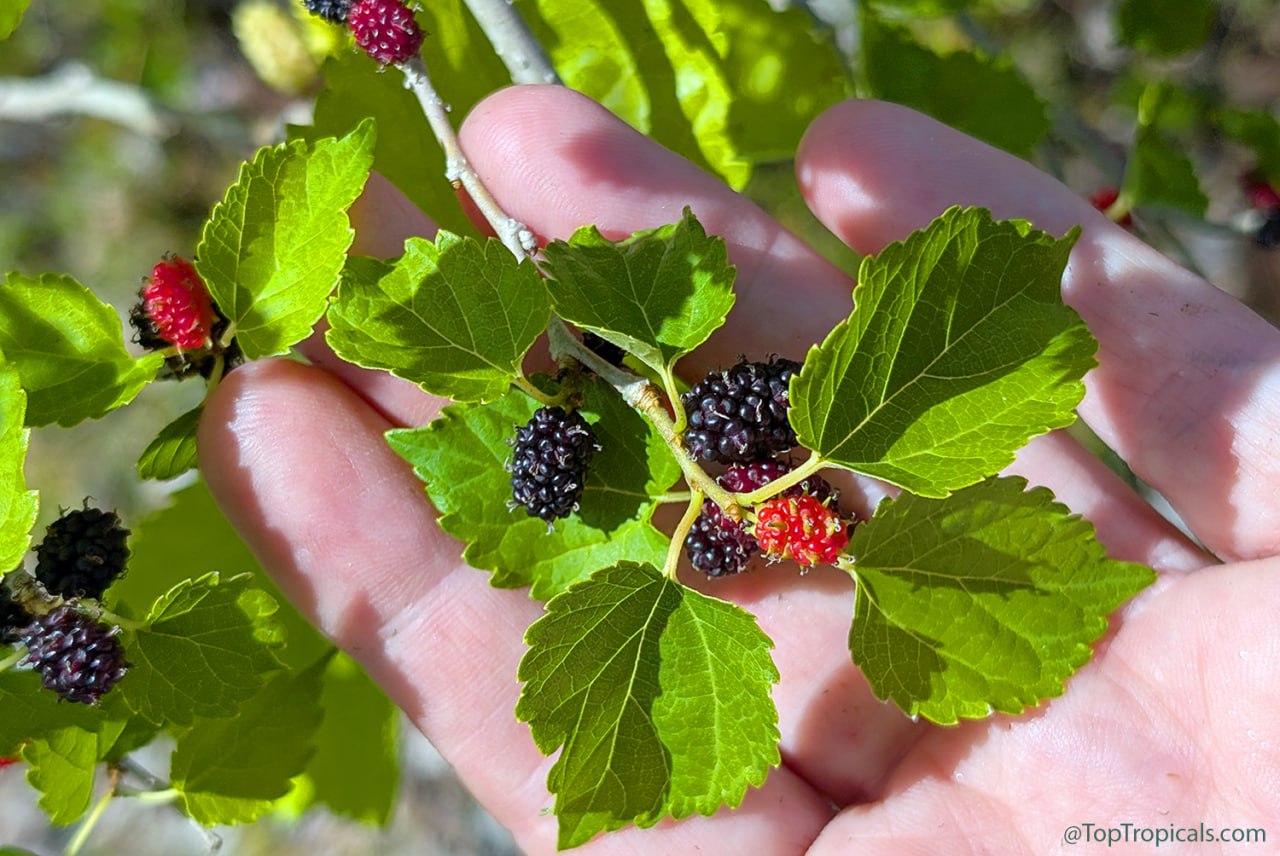
Want Massive Mulberry Harvests? Do These 5 Things Before May Ends

Want Massive Mulberry Harvests? Do These 5 Things Before May Ends Want Massive Mulberry Harvests? Do These 5 Things Before May Ends

🍇 Want Massive Mulberry Harvests? Do These 5 Things Before May Ends


Don’t let your mulberry tree fool you. While they are incredibly low-maintenance, what you do in May dictates your summer harvest. Avoid these common mistakes for a bumper crop of juicy berries.

Mulberry trees are famously bulletproof, handling intense heat and pumping out massive crops with little care. But May is the month that decides it all. Right now, they are pouring energy into fruit development. A few simple mistakes this month can quietly sabotage your harvest.

Fortunately, maximizing your crop is easy if you follow these five simple rules:

  • 1. The Deep Soak Rule

While established mulberries tolerate drought, moisture stress causes them to drop young berries early. Drop the sprinkler—frequent, shallow watering only wets the surface. Instead, give the tree a slow, deep soak that penetrates the root zone. Check the soil two inches down; if it’s dry, water thoroughly.

  • 2. Lock it in with Mulch

Late spring heat evaporates soil moisture fast. Apply a 2-to-4-inch layer of pine bark or compost to keep roots cool and suppress weeds. Crucial rule: Leave a 4-inch gap around the base of the trunk. Piling mulch against the bark traps moisture and invites devastating fungal rot.

  • 3. Don't Over-Fertilize

Mulberries are naturally vigorous. If you feed them this month, use a balanced, slow-release organic plant food. Avoid high-nitrogen fertilizers. Excess nitrogen triggers a massive explosion of green leaves, causing the tree to completely forget to grow fruit.

  • 4. Put the Pruning Shears Away

Heavy spring pruning clips off active fruiting wood and decimates your harvest. Mulberries are also notorious "bleeders" - cutting now causes them to lose significant sap, stressing the tree during fruit set. Only remove dead or damaged wood. Save major shaping for winter dormancy.

5. Exploit the Softwood Cuttings Window


Want more trees? May is prime time for softwood cuttings. Cut a few 6-inch flexible green stems, strip the lower leaves, dip in rooting hormone, and tuck into moist potting mix in partial shade. They root incredibly fast!

🛒
Choose from Mulberry varieties

📚 Learn more:


#Food_Forest #Discover #How_to

🟢 Join 👉 TopTropicals