Garden Blog - Top Tropicals

Date: 12 Dec 2025

🎄 Holiday Plant Market:
Saturday, Dec 13, 2025, 9:00 AM to 4:00 PM 🎉

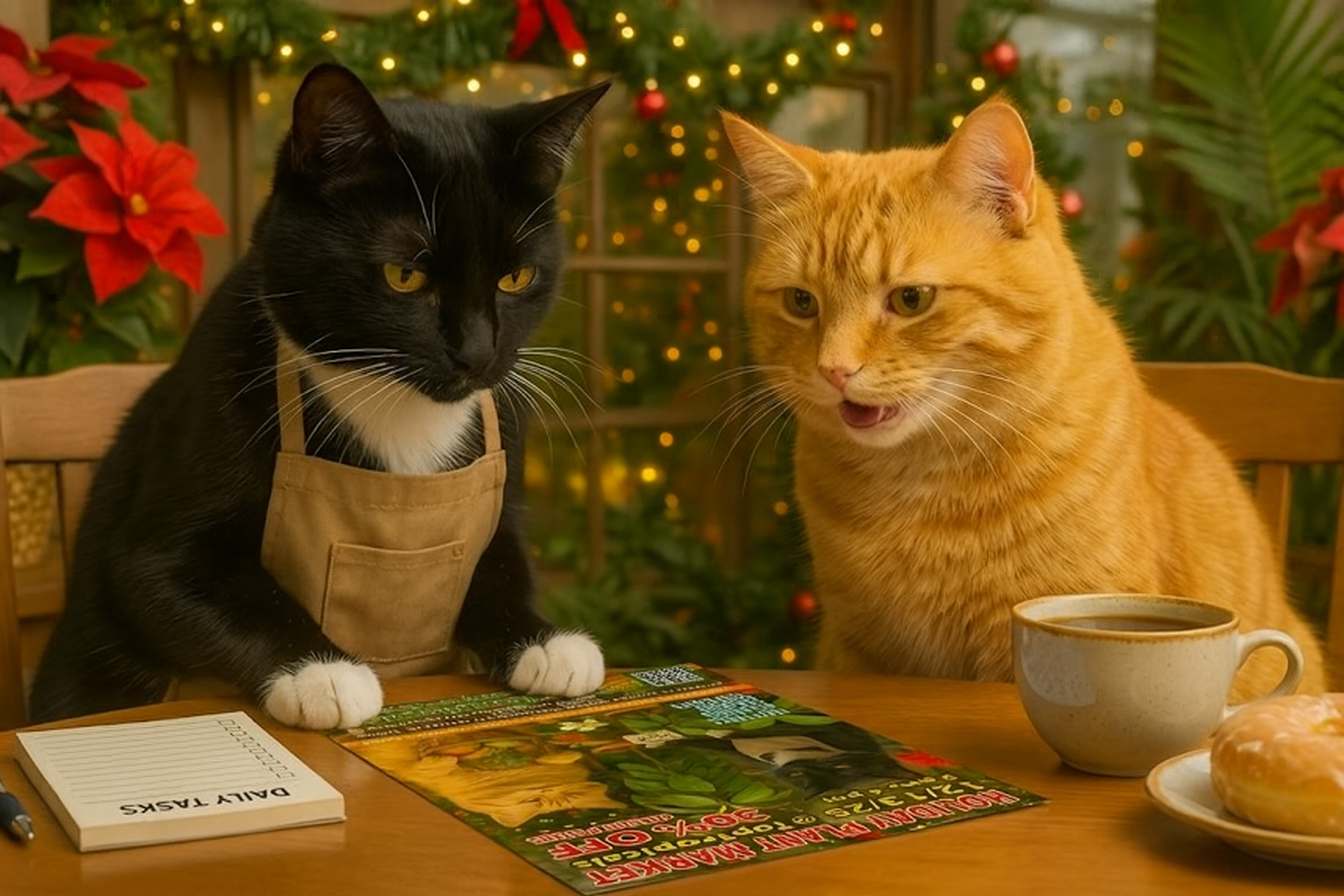
Smokey  the  tuxedo  cat  and  Sunshine  the  ginger  cat  sitting  at  a  table, 


studying  a  Holiday  Plant  Market  flyer  with  a  notepad,  coffee  cup,  and 


donut.

Smokey: We invited people, so we need to be prepared for the crowd.
Sunshine: I am prepared. I saw yummy donuts on the flyer.
Smokey: Of course you did, genius. You are responsible for donuts and coffee.

It is almost here. Our big end-of-season Plant Day. All year we grow the rare and unusual plants that will be featured at this event, and Saturday is the day they finally meet their new homes. The garden turns into a small holiday escape: fresh air, bright colors, music, snacks, and the PeopleCats greeting everyone like they have known you for years.

Meet PeopleCats crew in charge

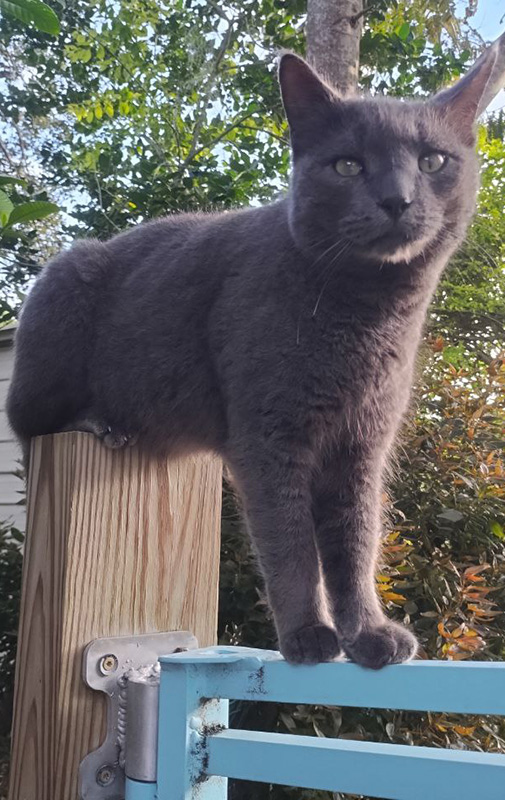
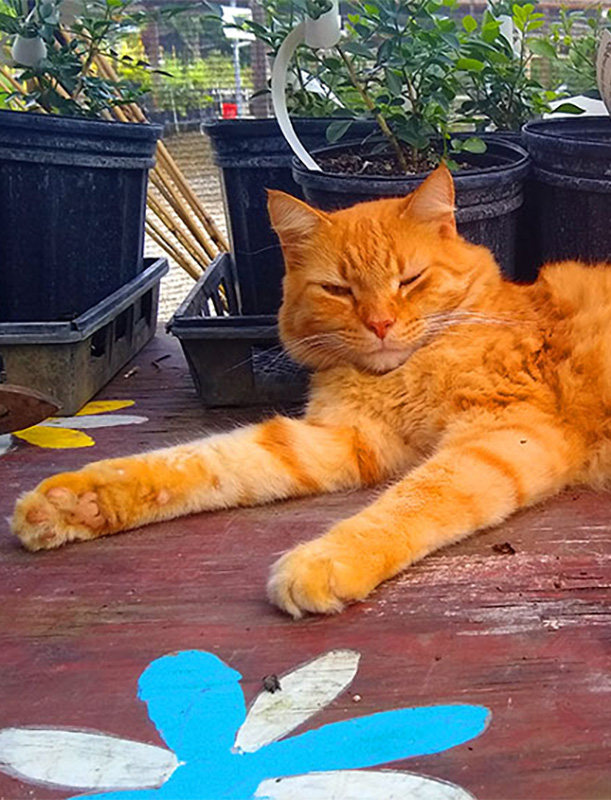
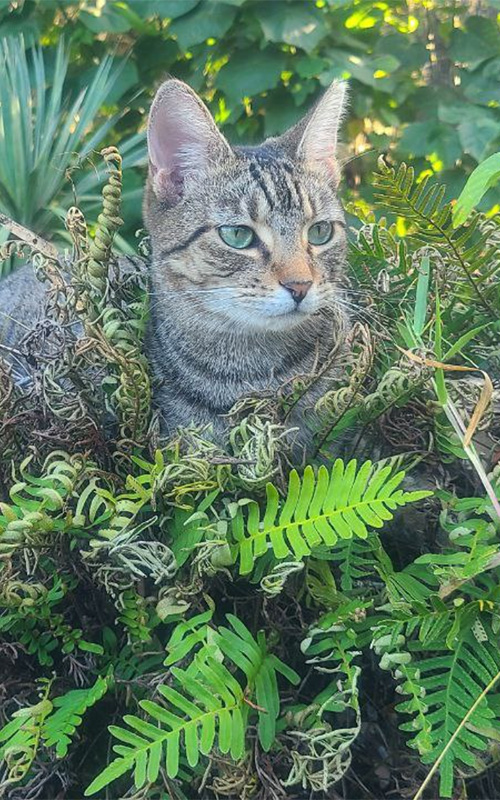
TopTropicals  CatPeople:  cat  King
King
TopTropicals  CatPeople:  cat  King
Sushi
TopTropicals  CatPeople:  cat  Snitch
Snitch
TopTropicals  CatPeople:  cat  Paisley
Paisley
TopTropicals  CatPeople:  cat  Persephone
Persephone
TopTropicals  CatPeople:  cat  Loki
Loki

Why you should come

It is December in Florida - warm breeze, sunshine, and perfect planting weather. While the rest of the country is scraping frost off windshields, you're choosing which banana tree to take home. Come enjoy a colorful Saturday surrounded by plants, music, snacks, and friendly PeopleCats. This is your holiday escape, your plant-hunting adventure, and your chance to bring home something amazing before the season ends.

Not Local?

Not everyone is lucky enough to live close by. For our online customers, here is 20% for online orders:

EVENT2025

Valid for online orders only. Minimum order $120 (excluding shipping and handling). Cannot be combined with any other discounts, coupon codes, automatic promotions, or special offers. Not valid on previous purchases. One use per customer. Code must be entered at checkout. Offer valid through the end of Sunday, 12/14/2025

Learn more about the event

🛒 Go Shopping

Date: 20 Jan 2026

Smokey and Sunshine

Anthropomorphic
Sunshine: Newsletter?
Smokey: Yes.
Sunshine: Another article?
Smokey: No.
Sunshine: Advice?
Smokey: Also no.
Sunshine: Just plants?
Smokey: Just plants. New arrivals and top picks by our horticulturist
Sunshine: Perfect. I just enjoy the plants and coffee. Hope everyone reading does too.

Shop new arrivals

Date: 6 Feb 2026

💘Rooted love lasts longer than flowers

Smokey  the  tuxedo  cat  and  Sunshine  the  ginger  cat  sit  in  a  greenhouse 


beside  a  Sweetheart  Hoya  with  heart-shaped  leaves,  a  tag  reading  rooted 


love,  and  a  cup  of  coffee  with  donuts  on  a  wooden 


table.
Sunshine: Valentine Day soon. We need flowers.
Smokey: Nope. Heart-shaped hoya. Flowers fade. Plants stay.
Sunshine: Alright. One for my Valentine. One for me, with coffee.

💖 Sweetheart Hoya: a Valentine gift that lasts

Sweetheart Hoya (Hoya kerrii) has thick, heart-shaped leaves and a compact form that fits easily on a windowsill, desk, or shelf. It does not need constant attention, bright sun, or frequent watering. In fact, it prefers a lighter touch.

This is a plant that works well indoors, grows slowly, and forgives missed waterings. It is comfortable in normal home conditions and does not require special tools or experience. That makes it a good gift not only for plant lovers, but also for people who have never kept a houseplant before.

Unlike flowers, it does not come with an expiration date. It becomes part of daily life and stays there quietly, doing its job. Over time, it feels less like a purchase and more like something chosen with intention.

For Valentines Day, Sweetheart Hoya is a simple, lasting way to give something real.

Sweetheart Hoya care: quick how-to

  • Light: Bright window light is ideal. Avoid harsh, hot direct sun.
  • Water: Let the potting mix dry between waterings. When you water, water thoroughly, then let it drain.
  • Feeding: Light feeding during active growth helps. A balanced fertilizer like Sunshine™ Robusta keeps growth steady and leaves healthy.
  • Pace: Slow-growing and patient. Do not overwater or overpot.

❓Sweetheart Hoya: quick FAQ

  • Is it good for beginners? Yes. It is forgiving and does not need constant attention.
  • Can it live indoors year-round? Yes, in bright indoor light and normal home conditions.
  • Does it need flowers to be special? No. The heart-shaped leaves are the main feature.
  • Learn more: What is the best Valentines Day gift that actually lasts?

♥️ Shop Sweetheart Hoya

Valentine  Sweetheart  Hoya  Plant

Date: 23 Feb 2026

❄️ The Hardiness Report: February 2026 ❄️

🐾 Smokey & Sunshine’s real-world survival data from our Sebring, Florida Research Gardens. Smokey analyzed the data. Sunshine just stayed happy. Here is what they found.

Macadamia  tree  surviving  25F  freeze  as  Smokey  inspects  leaves  and 


Sunshine  holds  steaming  coffee  in  frosty  garden.
Sunshine: Twenty five degrees. Wind chill fourteen. And it is still standing... like nothing happened?
Smokey: This is macadamia strength.
Sunshine: I should put a macadamia nut in my coffee and borrow some of that strength.
Smokey: Do not get too nutty yet. It still needs curing and cracking.

📊 Weather Data – February 1–6, 2026

Sebring, Florida – 132 years of recorded observations
This was not a light frost. It was a prolonged, windy, penetrating hard freeze.

  • 🌡 Minimum temperature: 25F
  • ❄️ Wind chill: 14F
  • ⏳ Duration: 3 nights of 8–10 hour hard freeze
  • ☀️ Daytime temperatures: around 50F for 7 days
  • 🌀 Wind: sustained 20 mph, gusts 40–50 mph

While all our plants in pots were protected in greenhouses, our in-ground plantings faced the freeze outdoors. We covered what we could. Even so, some plants were damaged, some died, and some surprised us by surviving.

In the next few newsletters, we will share the real survivors - the plants that proved themselves in the ground, under real conditions. Smokey and Sunshine have been out in the fields assessing the damage from the February 1–6 freeze. While many plants struggled, the Macadamia proved to be a true standout. This is how we grow them to handle the tough years.

Why does this matter? Because we have gotten used to warm winters, and this freeze was a rude awakening. Not everyone lives in Miami. If you garden in places where a real cold event can happen, you have to be prepared - and you have to plant what can take it.

🌰 Macadamia: Freeze Tested and Standing

Three  year  old  macadamia  tree  after  three  nights  of  25F  hard  freeze  in 


February  2026,  showing  healthy  foliage.

3 year old macadamia tree after 3 nights of hard freeze in February 2026 - standing strong.

When temperatures dropped to 25F with wind chill near 14F, our established macadamia trees remained upright, green, and structurally intact. Leaves held. Branches stayed firm. No collapse, no panic.

That is not luck. That is macadamia hardiness.

Often considered a "tropical luxury nut," macadamia proved it can handle more than many gardeners expect. In USDA Zones 9b-11, with proper drainage and site selection, it is not just ornamental - it is a long-term food tree with real resilience.

In a winter that reminded us not to take warmth for granted, macadamia earned its place on the survivor list.

The nut itself is famous for its strength. The shell is among the hardest in the nut world, requiring serious pressure to crack. Inside, the kernel is creamy, buttery, rich, and deeply satisfying. High in monounsaturated fats and naturally low in sugar, macadamias have long been valued both for flavor and for nutrition.

The tree is equally impressive. An evergreen with tough leaves and elegant spring flowers, it matures into a productive, manageable canopy. Nuts develop slowly over six to seven months. Production begins in a few years and increases steadily as the tree matures. Plant it once, and it can reward you for decades.

Macadamia  tree  with  pink  flower  racemes  and  developing  round  green  nuts
 
 
  on  branches.

Macadamia flowers and developing nuts on the tree.

Cold will come again. It always does. The question is not whether winter will test your garden. The question is whether your trees are ready. Macadamia proved it is. If you are building a garden that feeds you for decades, this is a tree worth planting.

🛒 Add Macadamia Tree to your garden

Fresh  macadamia  nuts  with  outer  husks  removed  and  hard  brown  shells 


exposed  in  a  container.

Freshly harvested macadamia nuts with husk removed and hard shells visible.

Date: 7 Aug 2025

Randia  formosa  shrub  in  bloom  with  white  star-shaped  flowers,  close-up  of  single  bloom,  and  ripe  yellow  fruit  with  black  pulp  that  looks  like  blackberry  jam

Randia formosa - Blackberry Jam Fruit Tree with Flowers and Ripe Fruit

You know how some plants just surprise you?

That's Randia formosa - the Blackberry Jam Fruit Tree. At first, it just looks like a cute little gardenia-type shrub. Glossy leaves, sweet white flowers. Nice enough. But then the fruit shows up… and you crack one open and go, “Wait - this tastes like jam?!”

And not just any jam - like real, fresh blackberry jam. No sugar, no cooking. Just soft black pulp inside this golden little fruit. It's weirdly satisfying. One of those things you make everyone taste just to see their face.

What's even cooler is how easy it is. This thing starts blooming and fruiting when it's barely 2 feet tall. You can grow it in a pot on your porch, or even inside if it gets enough light. And while most of your other plants take the winter off, this one keeps going - flowers, fruit, the whole show.

If you've got a spot with filtered light and a little curiosity, it's absolutely worth a try. Honestly, it's just… fun.

This rare South American evergreen shrub checks all the boxes: fragrant, compact, easy, and edible.

✅ Grows in pots ✅ Indoors ✅ Small yards

Randia formosa – Blackberry Jam Fruit Tree – FAQ

What is Randia formosa?

Randia formosa, also known as Blackberry Jam Fruit or Jasmin de Rosa, is a compact tropical shrub that produces fragrant white flowers and small yellow fruits filled with soft, black pulp that tastes remarkably like blackberry jam. It belongs to the Rubiaceae family, the same as Gardenia and Coffea.

Why gardeners love Randia

  • Delicious jam-flavored fruit – no sugar needed.
  • Compact grower – perfect for patios and indoor spaces.
  • Fast results – blooms and fruits within 1–1.5 years.
  • Big yield in a small pot – 25–30 fruits at once!
  • Fall–Winter performer – keeps going when others stop.
  • Kid favorite – fun to grow, fun to eat.

What does the fruit taste like?

The pulp inside the fruit tastes just like fresh blackberry jam - sweet, tangy, and rich. It is edible fresh, without any processing or sweeteners, and is loved by both kids and adults.

How big does the plant get?

In the ground, Randia formosa typically reaches 4 to 5 feet tall. In containers, it usually stays smaller, around 3 to 4 feet, making it perfect for small gardens, patios, or indoor growing.

How soon will it fruit?

Very quickly! This is one of the fastest fruiting tropicals. Plants begin to flower and produce fruit within two years from seed. Еstablished plants in 3 gallon containers may begin fruiting at just 2 feet tall.

Does it need full sun?

No. It actually prefers filtered light or partial shade, especially in hot climates. Leaves tend to look healthier and greener when grown in dappled light.

Can I grow Randia formosa indoors?

Yes! Its compact size and shade tolerance make it an excellent choice for bright indoor spaces. Just be sure to provide good air circulation, high humidity if possible, and avoid cold drafts.

How cold-hardy is it?

Mature plants can tolerate temperatures down to about 26F for short period of time, but young plants are more sensitive and should be protected from frost. It is best grown outdoors in USDA zones 9b and up or kept as a container plant that can be brought indoors in winter.

What kind of soil does it need?

Randia formosa requires acidic, well-draining soil. Avoid alkaline soils, which may cause leaf chlorosis (yellowing with green veins).

How often should I water it?

Keep soil evenly moist but not soggy. It is sensitive to overwatering, especially in cooler weather. During winter, reduce watering. Underwatering may cause sudden leaf drop - but the plant usually recovers quickly once watered again.

What fertilizer does it need?

Yes. Use a slow-release fertilizer formulated for acid-loving plants. Regular applications of micronutrients (especially iron and magnesium) help prevent chlorosis. Foliar sprays can also be helpful. Apply Sunshine C-Cibus Booster or Green Magic controlled release fertilizer to keep your plant happy: Blackberry Jam Fruit is a heavy feeder!

When does it flower and fruit?

This plant can bloom and fruit for several months, often from summer through winter. It is known to bloom off-season, making it a fun and productive plant when others are dormant.

Are the flowers fragrant?

Yes, the white star-shaped tubular flowers have a light, sweet fragrance, similar to gardenias but less intense. The flowers open at night.

Is it self-pollinating?

Yes. A single plant can set fruit on its own, although insect activity can improve fruit set.

Are there any common problems?

The most common issue is chlorosis, which shows up as yellowing leaves with green veins - usually due to overwatering, poor drainage, or alkaline soil. It's fixable with acidification and micronutrients. The plant may also drop leaves suddenly if underwatered but tends to bounce back.

Is this plant related to Gardenia?

Yes. It is in the same plant family (Rubiaceae) as Gardenia and Coffee. That's why the flowers look similar and why it tolerates similar care needs.

Can it be used for bonsai or miniature tree styling?

Yes, due to its slow growth and branching habit, Randia formosa can be shaped into a miniature tree form and is quite attractive when trained.

Is it drought-tolerant?

Once established, it shows moderate drought tolerance. However, young plants need regular watering and are more vulnerable to drying out.

Read Garden Blog about Blackberry Jam Fruit

Get your Blackberry Jam Fruit