Date: 13 Aug 2025
🌸 Orchid Tree - Bauhinia: Winter Blooms & Year-Round Beauty
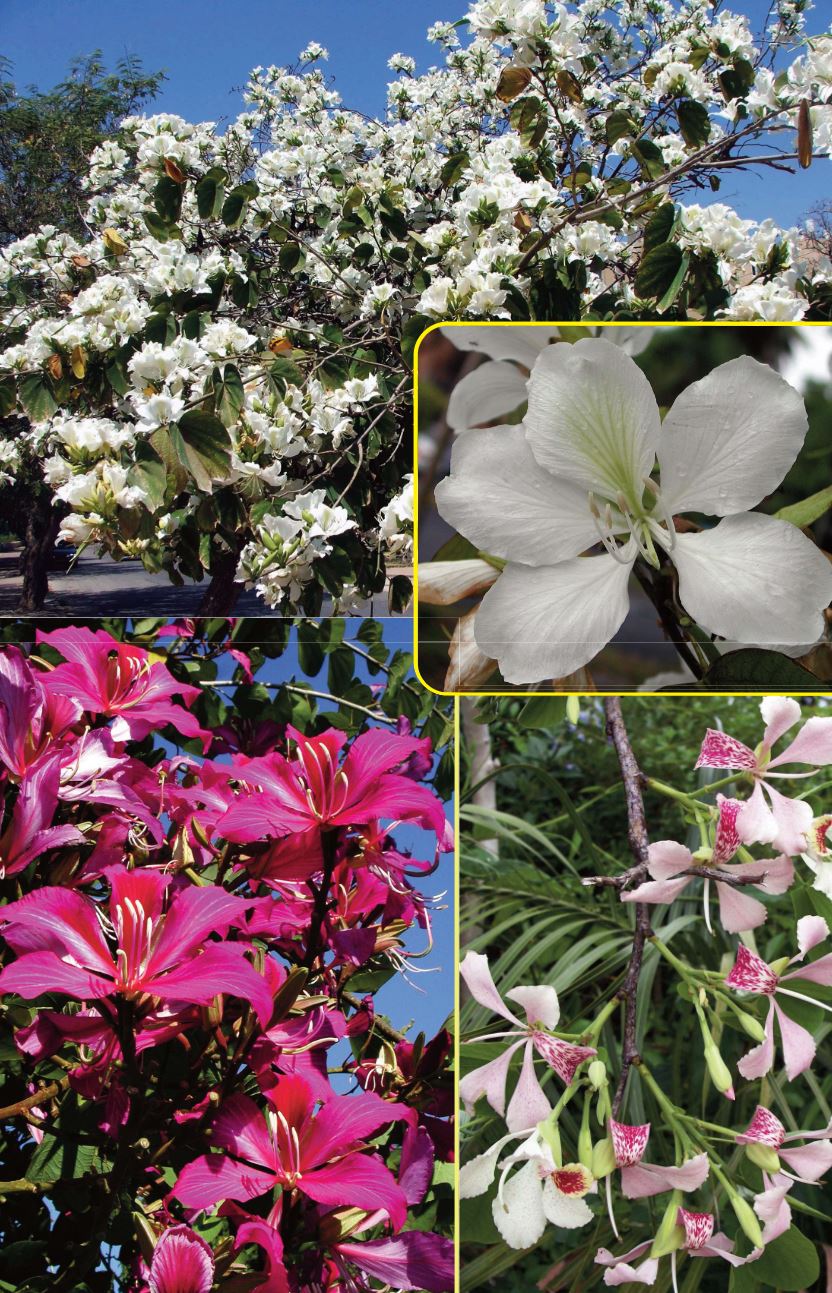
Sometimes a plant stops you midwalk. Flowers so bright they almost glow, leaves shaped like butterflies — that’s a Bauhinia, the Orchid Tree. These fast growers bring color when many gardens are quiet, with some blooming in the heart of winter.
🌟 Why Grow Bauhinia?
- Exotic blooms in colors from white to deep magenta
- Distinctive leaves — nature’s own butterfly design
- Many varieties flower in the cooler season
- Fast growth, easy shaping, more blooms after pruning
- Varieties for large yards, small gardens, and sunny patios
- Tolerant of heat, drought, and poor soils
 Bauhinia Care Tips
🌞 Outdoor
Full sun for best flowering, well-draining soil, deep watering once established. Light pruning after bloom keeps shape and encourages more flowers. Protect young plants from frost. During the growing season (Spring - Fall), apply a balanced fertilizer - like top-dress slow release fertilizer or controlled-release Green Magic. Liquid fertilizer Sunshine Boosters Megaflor can be used year around - to promote vigorous growth and abundant blooms.
🏡 Indoor / Patio
Bright sun (south window or outdoors in warm months), large pot with drainage, even moisture during growth, and a bloom-booster feed in season. Feed regularly with a balanced fertilizer controlled-release Green Magic. Liquid fertilizer Sunshine Boosters Megaflor can be used year around - to promote vigorous growth and abundant blooms. Bring indoors before frost.
🍂 Seasonal Note – Bauhinias are Deciduous
Bauhinias drop their leaves in winter — even in warm climates. This is normal and part of their rest cycle. Bare branches in the cool season will leaf out again in spring, often just as flowers begin.
📝 Quick choice guide
- Winter flowers: Bauhinia alba, Bauhinia blakeana, Bauhinia variegata
- Small space: Bauhinia acuminata, Bauhinia madagascariensis
- Vine option: Bauhinia galpinii for long warm-season color
Date: 10 Jul 2025
Instant rainforest for your yard - tropical vibes made easy!
Cyathea cooperi - Australian tree fern
🌴 Instant rainforest for your yard - tropical vibes made easy!
- 🌴 How to create your own jungle retreat quickly? Bring a touch of the tropics to your yard with the Australian tree fern!
- 🌴 Cyathea cooperi - Australian tree fern - grows fast and looks like it came straight from a Hawaiian rainforest.
- 🌴 Its giant, lacy fronds can reach up to 8 feet long.
- 🌴 It takes bright shade or sun, as long as it stays moist.
- 🌴 The baby fronds of the Australian tree fern unfurl like little furry scrolls, each one slowly unrolling like a curious creature’s tail coming to life. They look almost animated!
- 🌴 Even in windy spots, this fern holds its own and adds instant jungle vibes. Create your own jungle retreat!
🛒 Yes, I want tropical vibes! Add to my paradise
#Nature_Wonders #Trees #Shade_Garden
🟢 Join 👉 TopTropicals
Date: 11 Jul 2024
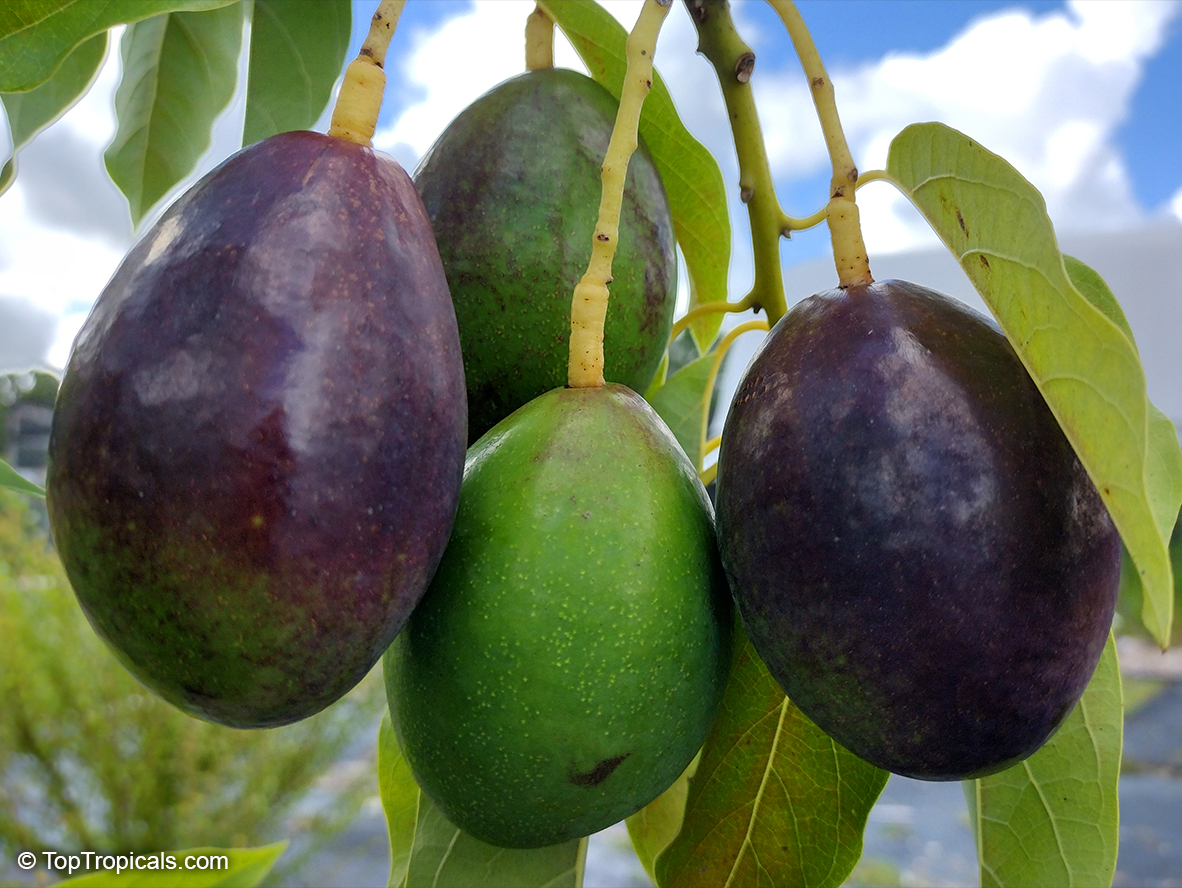
Five most popular Avocado varieties
Food Forest
"What is the best variety of Avocado?"
"Do you have the one with small black fruit and bumpy skin?"
"I have avocado with very large green fruit, what variety is it?"
These are frequently asked questions we get from our customers. This basic "classification" by black/green doesn't encompass all the wonderful qualities avocados have to offer. There are numerous hybrids in cultivation, and once you plant your first tree and taste the REAL fruit (not from the grocery store), you'll be eager to explore other varieties. While it's true that avocado fruit can vary in "butter" content, most superior varieties are equally delicious. First comes first -
The most popular Avocado varieties this year are:
1. Brogdon - red-purple pear-shaped fruit, 7-15 oz. Skin is very thin, yellow buttery flesh. Fruit ripens in late summer-fall. Very cold hardy.
2. Hass - probably the most popular, but this tree prefers drier climate (Florida is humid, so we plant adaptable Florida Hass here). The fruit is dark-colored with a rough and bumpy skin, turns black when ripe.
3. Fuerte - a dwarf and a very cold hardy variety. Everybody's favorite "Condo Avocado": perfect for container culture and small yards. The mature tree in the ground is under 15 ft; 6-7 ft in containers.
4. Oro Negro - Oro Negro means "black gold" in Spanish, which is an incredibly appropriate name for this fruit. This Monroe hybrid (with big size fruit) is crossed with a Mexican type which would explain the black skin. The flesh is rich and buttery with a creamy texture.
5. Winter Mexican - one of most cold hardy varieties, Guatemalan x Mexican origin. Mature trees may withstand temperatures in the mid 20s. Oblong fruit, 12-18 oz, thick green skin. Very vigorous tree, bears heavily and regularly in December-January.
Learn more: Avocado Variety Guide - check this out for interactive chart of Avocado varieties and sort them by flower type A or B, tree habit, fruit shape and quality, cold hardiness, origin, season and more!
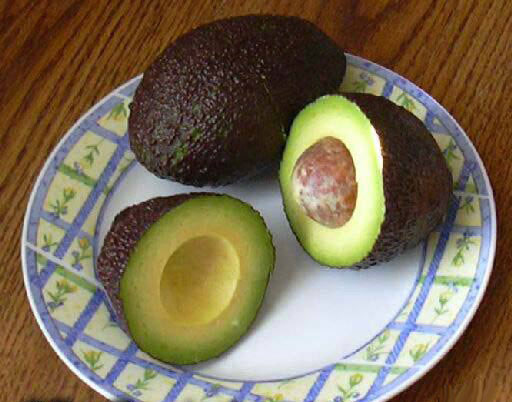
Photo above: Avocado Hass
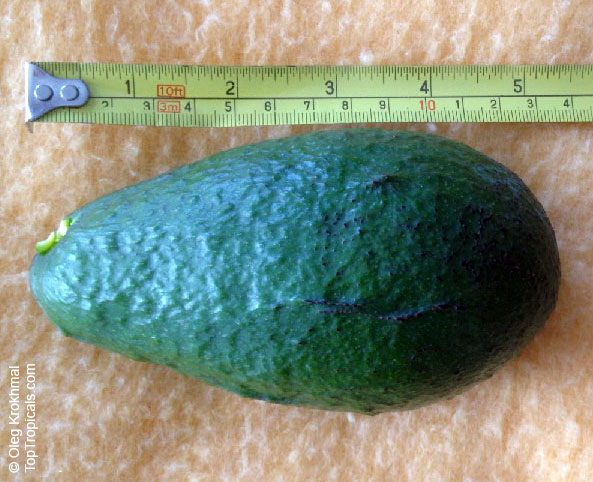
Photo above: Avocado Fuerte
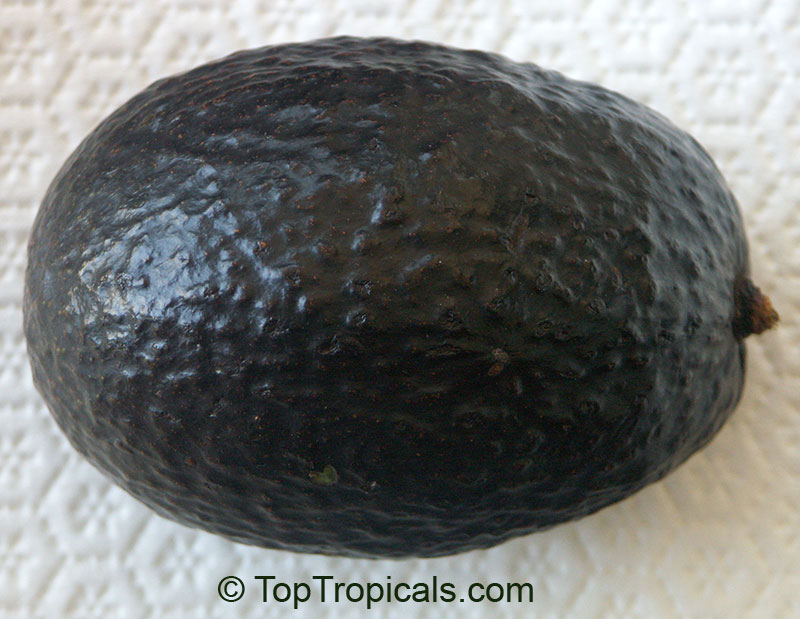
Photo above: Avocado Oro-Negro
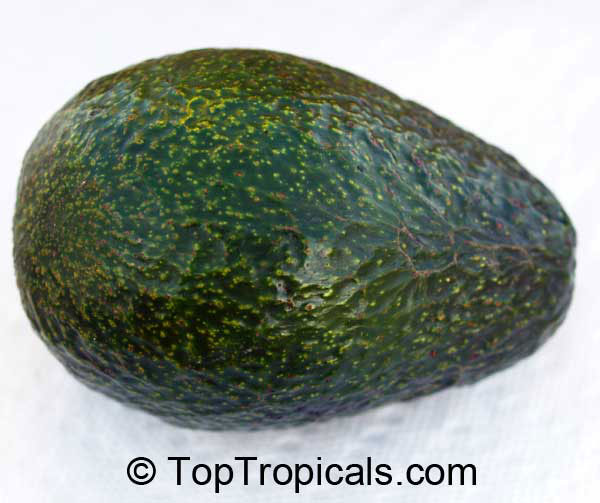
Photo above: Avocado Winter-Mexican
Date: 28 Dec 2025
Mango tree tipping - Quick Field Guide: why it improves flowering and production
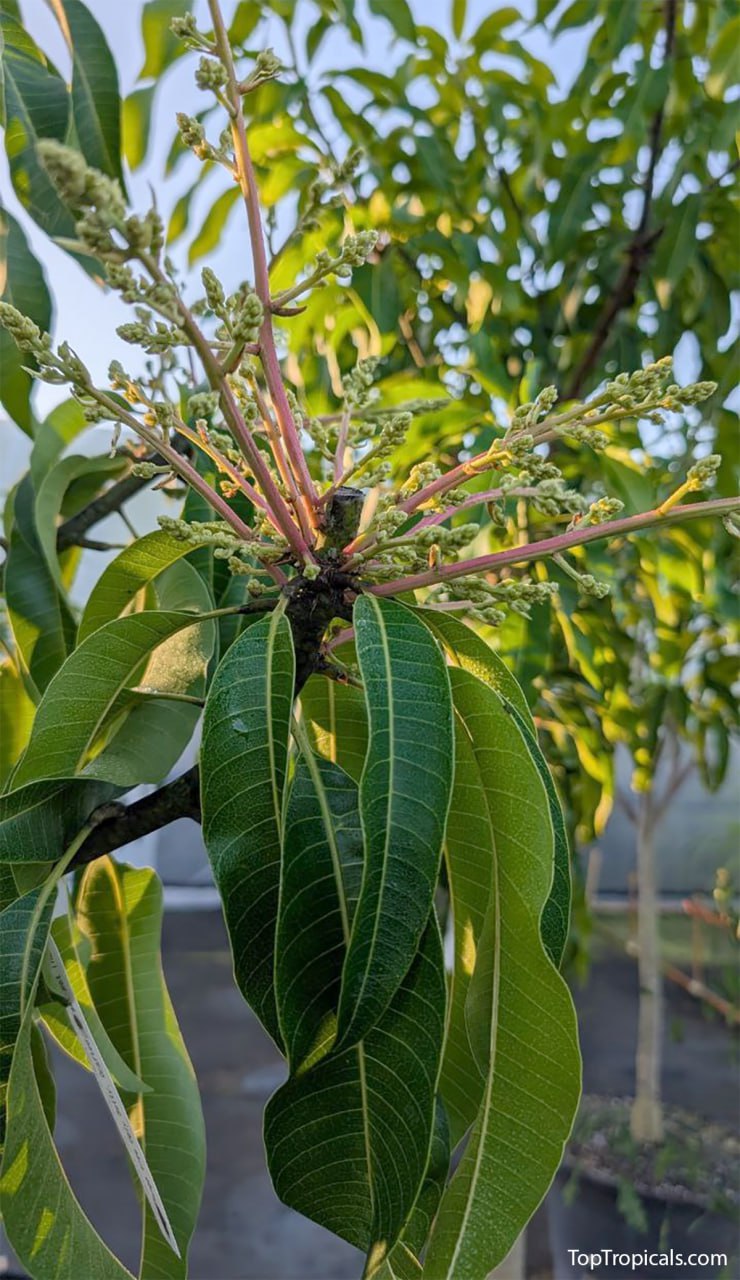
Mango tree tipping - Quick Field Guide
🥭 Mango tree tipping - Quick Field Guide: why it improves flowering and production
📊 Mango Tree Tipping - Quick Field Guide
It is mid-winter. While early mango varieties like Nam Doc Mai are already flowering, late varieties still have a month or two before they start. Trees such as Keitt, Honey Kiss, Kent, Venus, Beverly, Palmer, and Neelam bloom later in the season. In warm climates without expected cold snaps, this is still a good window for tipping before flowering begins. Tipping encourages more branching, more flower tips, and better fruit production. If cold weather is still possible, save this guide and tip after the risk of cold has passed - but always before the tree enters the flowering stage.
✔️ What tipping is
Tipping is the removal of the soft growing tip of a mango branch once it reaches about 20 inches long. This simple cut stops straight upward growth and forces the branch to split into multiple side shoots.
✔️ When to tip
- · Young, actively growing trees
- · After a flush hardens slightly (not brand-new soft growth)
- · Warm weather when the tree is growing strongly
- · Best during the training years, not heavy fruiting years
✔️ How to tip (step-by-step)
- · Let a branch grow to about 20 inches
- · Using clean pruners, remove 1-2 inches from the tip
- · Cut just above a node (leaf joint)
- · Do not cut into thick woody growth - this is a light heading cut
✔️ What happens next
- · 2-4 new branches usually form below the cut
- · The tree becomes shorter, wider, and stronger
- · More branch tips = more flowering points
- · Better light penetration inside the canopy
✔️ Why it improves flowering and production
- · Mango flowers form at branch tips
- · More branches = more tips
- · A well-shaped tree puts energy into fruiting, not height
- · Easier harvesting and long-term structure
❌ Common mistakes to avoid
- · Letting branches get too long before tipping
- · Tipping weak or stressed trees
- · Over-tipping all at once (stagger cuts)
- · Doing it right before cold weather
- · Doing it too close to flowering
✍️ Simple rule to remember
→ grow 20 inches → tip → repeat
This builds a compact, productive mango tree from the start.
🛒 Explore mango trees
📚 Learn more:
Tipping mango trees
📱 Why tipping mango trees makes them fruiting machines (DIY Garden Tip)
#Food_Forest #Mango #How_to
🟢 Join 👉 TopTropicals
Date: 10 Oct 2016
Cold protection - winter action for your plant collection
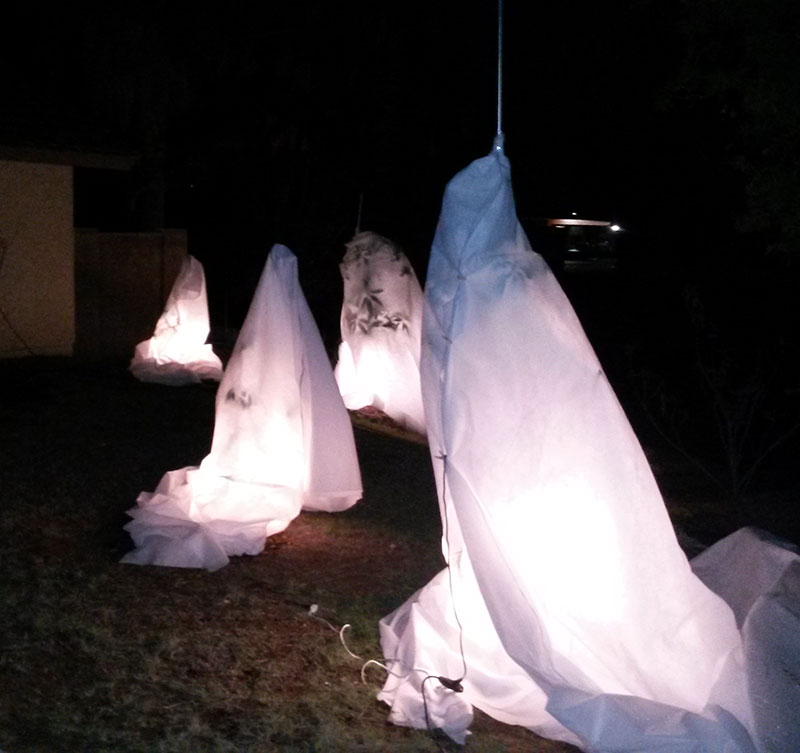
A note from our customer: Last winter was very cold here in Arizona, lower 30's. I used white synthetic sheets (called frost cloth, it is very light and yet effective) to cover my fruit trees, and kept simple light garlands on for the whole night. Sending you couple photos so you can share with others. It worked pretty well for my plants and no cold damage!
With winter approaching, it is time to take some actions to protect your rare plants from cold stress and damage.
If you live in a mild climate, you still need to get ready for the cold nights. When expecting a cold night, individual plants and trees can be wrapped with sheets, or blankets, to protect them from the wind chill. Christmas lights is a good idea for an additional warm up.
For large collections of tropical plants, temporary winter greenhouse doesn't have to be expensive. An easy-assembly mobile carport from a hardware store covered with a plastic or fabric will cost you $100-200. It can fit a hundred plants or more!
If you live in area with a hard freeze, Southern exposure windowsill will work for most of the compact tropicals providing proper care. Larger collections may also move into your garage for a few cold nights, or for longer periods if the garage has a bright light source.
Factors affecting tropical plant winter survival:
1. Duration of cold period. Tropical plants can't stand long periods of cold. A few days of even upper 30's may kill a tropical plant. A few hours of frost may cause leaf drop but the plant will recover.
2. Minimum temperature - of course, the warmer the better. But see 1) - if cold is not for too long, it may be OK.
3. Wind-chill can be more dangerous than low temperatures.
4. Exposure. Southern slopes get warm during daytime and stay warm longer.
5. Protection with a house, fence, larger trees - where a "pocket" of warm air forms and stays - is beneficial.
6. Humidity. A lake or a river nearby (especially ocean) will mild the micro-climate.
7. Individual species hardiness. Don't try to grow Orchid Tree outdoors in New York.
8. Plant maturity and health. A well-established plant with developed root system has more chances to survive cold. If a plant had a good change to develop during warm season (bright light, enough water, fertilizer), it will be more cold hardy. Healthy plant can withstand lower temperature, so proper nutrition is important, including micro-element applications. Large specimens, even ultra-tropical, may survive cooler winter than they normally do in their natural habitat. The Nature provided plants with better hardiness level than it is normally used. To boost plant immune system and improve cold tolerance even more, use SUNSHINE plant boosters. SUNSHINE-T