Garden Blog - Top Tropicals

Date: 4 Dec 2020

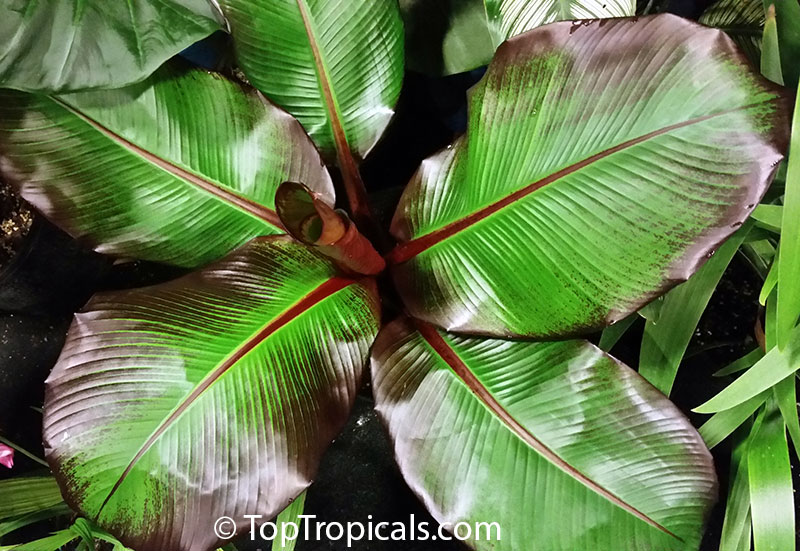
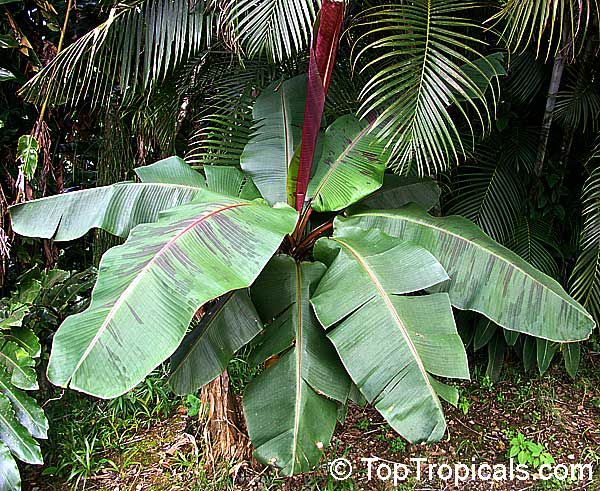
Musa ensete Maurelli - Red Abyssinian Banana

by Onika Amell, tropical plant expert

Q: I am looking for a colorful, tropical plant with in particular, coarser texture, to add to planting beds next to my decks and around my swimming pool. Any suggestions? I am located in St. Petersburg, FL.

A: Consider incorporating some fast growing Red Abyssinian Banana, also known as wild banana or Ethiopian banana. This is a fantastic ornamental from East Africa and an excellent choice to create a tropical feel and to add coarse-textured foliage. This plant is not a true banana and therefore does not produce any edible fruit. American gardeners were rather slow to discover this enormous perennial, but finally woke up to them over the last decade to a point where they now are considered to be one the most beautiful ornamental banana plants for the landscape and for good reason...

CONTINUE READING >>

Date: 25 Nov 2019

Meet PeopleCats of TopTropicals. Anna Banana's Kiki and Bandit

Everyone knows and loves our Anna Banana - the Heart of Top Tropicals Customer Service. Today she found herself another exciting project... to build a Cat Play Room! She sacrificed her whole living room and the whole paycheck for that.
The girl kitty with a black face is Kiki Tails. She is a bobtail. Bandit is a black and white boy with a white tip on a black tail. Anna Banana got them when they were just 7 weeks old. Kiki and Bandit were born on August 26, 2019, in Buckingham, just down the street from Top Tropicals Nursery!

Call Anna Banana's direct line 239-771-8081 to say hi to Kiki and Bandit! We will follow up on these babies and soon will update you with their new stories. Stay with us!

Attention, Contest: Cats in the Garden

Now, here is Anna Banana's million-dollar question to her favorite customers: how do Cats and Plants go together in your garden or indoor plant collection? Tell us how your cats help you to grow plants, with pictures! The Winner will receive a FREE plant of $50 value! Participating stories and photos will be featured on Top Tropicals Facebook page.

Please use our contact form to submit your stories with pictures, with a subject "Cats in the Garden Contest"

Check out and more Cat of the Day stories.

Date: 3 Mar 2025

Why this Magnolia flower smells like banana?

Magnolia figo, Banana Magnolia

🍌 Why this flower smells like banana?
  • Magnolia figo, or Banana Magnolia that we mentioned earlier, is currently in full bloom and filling the air with its unbelievably delightful fragrance! The sweet, fruity aroma of its perfume-like flowers carries a hint of banana, making it a truly irresistible addition to your garden.
  • Looking for a little perfume tree for a small garden or container? Compact and evergreen, reaching only5-6 ft in container, this small tree or shrub adds sophistication to any landscape. Glossy, deep green foliage enhances its visual charm.
  • Cold tolerant and heat tolerant. Takes sun and shade.


🛍 Plant Banana Magnolia

#Perfume_Plants #Container_Garden #Trees

🔴 Join 👉 TopTropicals

Date: 22 Sep 2025

Dragon Fruit Plant Care – Tips from the Garden Expert

Stages  of  dragon  fruit  pitaya  plant  growth  and  trellis  support 


system

Dragon fruit is one of those plants that look exotic but are surprisingly easy once you know the basics. Here is what works best in the garden:

  • Soil: They hate wet feet. A sandy, fast-draining soilless-mix is your friend. If water sits around the roots, rot comes fast.
  • Watering: Deep watering is better than frequent sips. Let the soil dry between waterings. In rainy season they cope well, but in pots you need to be careful.
  • Sunlight: Full sun is great, but in very hot places a touch of afternoon shade keeps them happy.
  • Support: They are natural climbers. A wooden post, concrete pole, or trellis will give them something to grab and makes harvest easier.
  • Fertilizer: Feed lightly but often. A gentle liquid like Sunshine C-Cibus liquid booster with every watering, or Green Magic controlled release fertilizer every 5-6 months. It encourages strong roots, lush growth, and lots of flowers.
  • Pruning: Trim off tangled or weak stems. This guides energy into strong branches that will flower and fruit.

Think of it as training a cactus vine into a small tree. Once it settles in, it almost takes care of itself — and pays back with fruit you can’t buy in stores.

🌱 Dragon Fruit Plant Care – Outdoors and Indoors

Outdoors: Dragon fruit thrives in USDA Zones 10–11 year-round. In warm regions like Florida, Texas, California, and Hawaii, you can grow it outside in the ground. Give it fast-draining soil, full sun with a little afternoon shade in the hottest months, and a sturdy trellis or post to climb. Deep watering with drying periods in between keeps roots healthy. A yearly pruning shapes the plant and boosts flowering.

Indoors or Patio Pots: Gardeners in cooler zones can still enjoy dragon fruit in containers. Use a large pot with sandy, well-draining mix or soilless-mix and a pole for support. Place the pot in the brightest spot — a greenhouse, sunroom, or patio that gets 6+ hours of light daily. Move pots inside when temperatures drop below 40F. Even indoors, a healthy plant can bloom and fruit if it has enough light and warmth.

❓ Dragon Fruit FAQ


How soon will a dragon fruit start producing?

Cuttings can flower and fruit in as little as 2–3 years. Seed-grown plants take longer, often 4–6 years. Large developed specimens can start flowering and fruiting within a year or even the same season.

Do I need more than one plant for pollination?

Some varieties are self-fertile, others need a second plant for cross-pollination. Even self-fertile types usually set more fruit with a partner nearby.

How big do they get?

In the ground, dragon fruit can climb 15–20 ft if you let it. With pruning and a trellis, you can keep it shaped like a small tree, 6–8 ft tall.

Can I grow it in a pot?

Yes. A large container with sandy mix or soilless-mix and a pole for climbing works well. Indoors it will need bright light or a grow lamp.

What does a dragon fruit taste like?

Sweet and juicy, like a blend of blackberry and raspberry. Varieties differ: flesh can be white, pink, deep red, or purple, wrapped in skins of red, pink, or yellow. White flesh is mild and refreshing, red flesh is sweeter, and yellow flesh is the sweetest with a honey-pineapple flavor.

What zones can I grow dragon fruit outside?

USDA Zones 10–11 are best for year-round outdoor planting. In cooler areas, grow it in containers and bring inside for winter.

How often should I water?

Deep water, then let the soil dry. Too much water causes root rot. Think “desert cactus with a taste for rain.”

Is dragon fruit easy to grow?

Yes. Pitayas grow like cactus trees on strong supports, but they are easy to care for — little water, sun or semi-shade, and they thrive.

How long do they live?

A healthy dragon fruit cactus can produce for 10 years or more with proper care.

What are the health benefits?

Dragon fruit is high in fiber, supports digestion, and is low in calories. It is rich in antioxidants and vitamin C, making it good for immunity and overall wellness. Many gardeners enjoy it as a healthy snack or in smoothies.

Explore Dragon Fruit varieties

Date: 10 May 2024

5 best plant gift ideas for any occasion

These plants are large, developed and beautiful NOW!
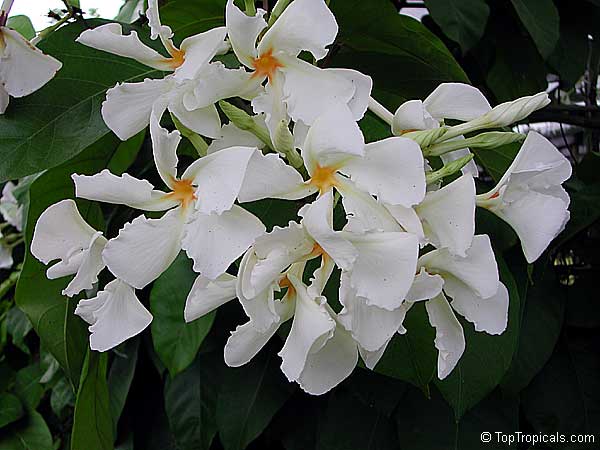
Chonemorpha  fragrans  -  Frangipani  vine

The Chonemorpha fragrans, also known as the Frangipani vine, is truly a botanical marvel. With its exquisite clusters of perfume-fragrant, large flowers and lush green foliage, this vine captivates with its beauty and charm. Not only does it adorn gardens with its elegant presence, but its intoxicating scent also fills the air, creating a sensory delight for anyone nearby. The leaves, reaching up to 12 inches in size, further enhance its appeal. As a large, woody vine, it requires sturdy support such as a fence or robust structure to thrive, adding to its majestic presence in any garden landscape or indoor setting.
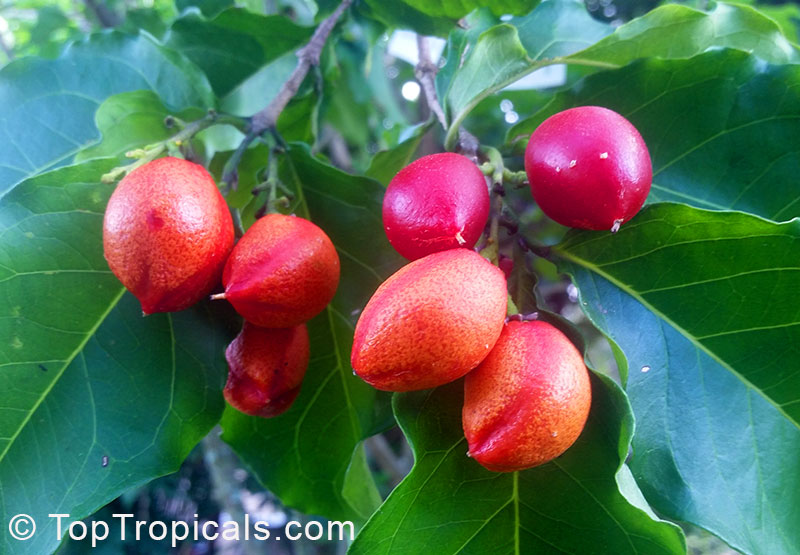

Bunchosia  argentea  -  Peanut  Butter  Tree

Bunchosia argentea - Peanut Butter Tree - gets its name because its small fruits taste like peanut butter. Isn't that cool? This attractive small tree has clusters of yellow flowers that are followed by an abundance of dark red fruit. The rich, sweet flesh has a texture very similar to peanut butter. Yes, it tastes exactly like peanut butter! Sweet, soft pulp with a peanut flavor. One of the most fascinating exotic fruits, as amazing as Miracle fruit, Peanut Butter Fruit is loved by both kids and adults. The tree is small in size, grows only 10-15 ft, or can be kept as a bush. It starts fruiting within 2-3 years from seed! Keep it in a pot if you have limited space; it can be grown indoors, too. Very rare in cultivation.
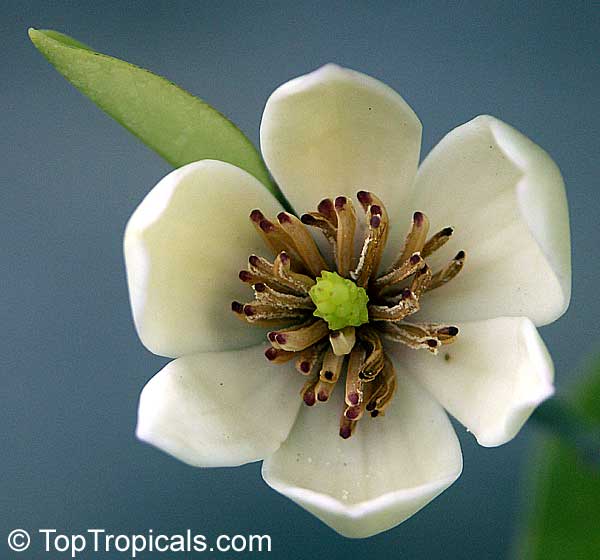

Magnolia  Michelia  figo  -  Banana  Magnolia

Magnolia figo commonly known as the Banana Magnolia, is a botanical wonder. Its creamy yellow, banana-shaped flowers release a sweet, fruity fragrance that fills the air with a delightful aroma (slightly resembling banana), making it a standout among flowering shrubs. The glossy, deep green foliage provides an elegant backdrop to the striking blooms, further enhancing its visual appeal. Growing up to 10 feet tall, this dense and bushy evergreen shrub or a small tree adds a touch of sophistication to any landscape, whether as a focal point in a garden bed or a graceful accent in a container. As a very cold-hardy tropical plant, it thrives in zones as low as zone 8. Great container plant.
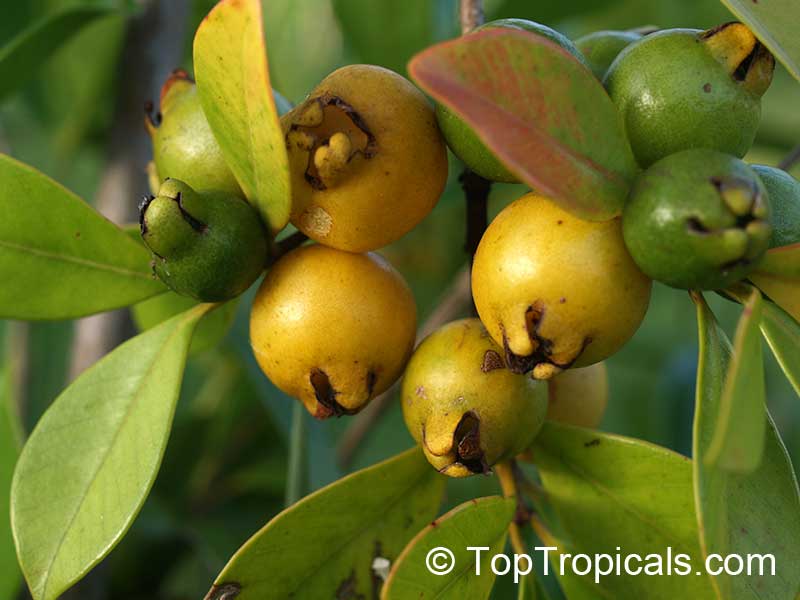

Cattley  Guava  tree,  Psidium  littorale

The Cattley Guava, scientifically known as Psidium littorale, is a delightful small tropical fruit tree that adds both beauty and flavor to any landscape. With its pretty round fruits - miniature guavas - this tree offers a unique culinary experience. The fruits boast a sweet and tangy flavor, making them perfect for jams, jellies, and desserts. You can make lots of guava juice just out of one tree! Cattley Guava is not only a tropical delight but also surprisingly cold-hardy plant. Great container fruit tree.
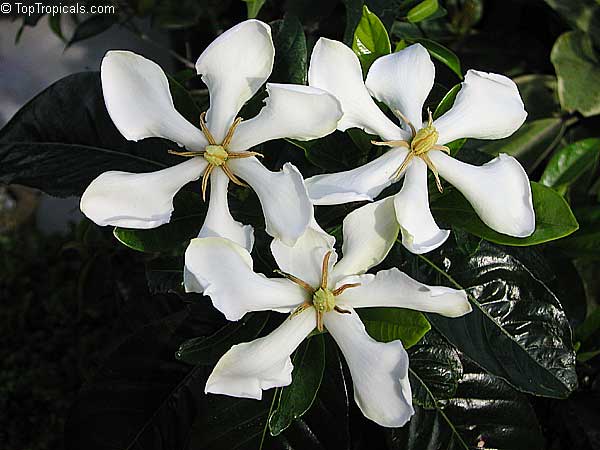

Gardenia  (Kailarsenia)  vietnamensis  -  Vietnamese  Gardenia

Kailarsenia vietnamensis - Vietnamese Gardenia, is a stunning botanical treasure. It stands out for its large, fragrant flowers and remarkable ease of cultivation. Unlike most gardenias that can be not easy to grow, this variety demonstrates resilience, tolerating overwatering, poor soils, and showcasing exceptional cold hardiness. The flowers are like beautiful artworks, and they give off a lovely smell that fills the air. Whether grown in containers or planted directly in the ground, this bushy beauty thrives, offering versatility and charm to any garden or indoor setting. Learn more about Vietnamese Gardenia.