Garden Blog - Top Tropicals

Date: 2 Jan 2026

Velvet Nopal tacos: quick-n-fun exotic recipes

Velvet Nopal tacos

Velvet Nopal tacos

Opuntia cochenillifera - Velvet Nopal Cactus, Prickly Pear

Opuntia cochenillifera - Velvet Nopal Cactus, Prickly Pear

🍴 Velvet Nopal Tacos

Ingredients

  • 2 to 3 tender velvet nopal pads (Opuntia cochenillifera)
  • 1 small onion, diced
  • 1 small tomato, diced
  • 1 tablespoon vegetable oil
  • Salt to taste
  • Corn tortillas

Instructions

  1. Remove spines from nopal pads and slice into strips.
  2. Boil the sliced nopal for 5 minutes, then drain well.
  3. Heat oil in a pan and saute onion until soft.
  4. Add tomato and cooked nopal, season with salt, and saute until tender.
  5. Serve warm in corn tortillas.

🌵 About the plant:


Nopal Opuntia (prickly pear cactus pads) is a cornerstone vegetable in Mexican cuisine and a long-standing staple across Central and South America. It is valued both as food and medicine. Traditionally eaten sauteed, grilled, or stewed, nopal is rich in fiber, minerals, and antioxidants. It is especially well known for its role in blood sugar management - many people who eat it regularly report significant improvement in diabetes control.

🌱 In the garden:


Prickly pear is a fast-growing, tough desert plant with showy red flowers. It thrives on neglect, tolerates drought, and also handles Florida rain surprisingly well. Easy to grow, productive, and edible, it is one of the most practical food plants you can add to your landscape.

🛒 Add Nopal Cactus to your kitchen garden

📚 Learn more:


#Food_Forest #Recipes #Remedies

🟢 Join 👉 TopTropicals

Date: 1 Mar 2026

Skip the lemon - 5 better fruits for a cough

Best fruits for a cough

Best fruits for a cough

Skip the lemon - 5 better fruits for a cough 😰

5 fruits to eat when you have a cough or cold - backed by research

When you are fighting a cough or cold, your immune system works overtime. While no fruit can cure a viral infection, certain fruits contain nutrients and bioactive compounds that may help reduce inflammation, support immune defenses, and ease respiratory discomfort.
Here are five fruits supported by nutrition research that may help during cold season.

1. Pomegranate 🍅

Pomegranate is rich in polyphenols, especially punicalagin, known for antiviral activity.
According to a study published in PubMed, pomegranate polyphenol extract suppressed replication of influenza A virus in cultured cells and showed direct virucidal effects. Researchers identified punicalagin as a key compound involved in blocking viral RNA replication. These findings suggest pomegranate extracts may help reduce viral load during respiratory infections.

2. Kiwi

Kiwi is exceptionally high in vitamin C, a nutrient closely linked to immune function and respiratory health.
A study published in Antioxidants (MDPI) found that consuming two SunGold kiwifruit daily for six weeks restored adequate plasma vitamin C levels in adults with a history of severe respiratory infections. Researchers concluded that kiwi consumption can directly support antioxidant defenses during respiratory illness.

3. Tropical cherries 🍒

Instead of traditional lemon, consider tropical cherries such as Malpighia (acerola cherry) and Eugenia (Surinam cherry).
Acerola (Malpighia glabra - Barbados Cherry) is one of the richest natural sources of vitamin C. Clinical research shows that adequate vitamin C intake is associated with reduced duration and severity of common cold symptoms. Vitamin C supports immune cell function and helps maintain the respiratory tract's protective barrier.
Eugenia species (Tropical Cherries) contain anthocyanins and phenolic compounds with antioxidant and anti-inflammatory properties, which may help reduce oxidative stress during illness.

4. Pineapple🍍

Pineapple contains bromelain, a group of proteolytic enzymes known for anti-inflammatory effects.
According to a study published in PubMed, bromelain significantly reduced inflammatory cell infiltration in the lungs in a mouse model of airway inflammation. These findings suggest bromelain may help ease airway inflammation and congestion.

5. Berries and including mulberries

Strawberries, blueberries, raspberries, blackberries and mulberries are rich in flavonoids and vitamin C.
Although direct clinical trials on berries for colds are limited, nutrition reviews highlight their immunomodulatory potential. Flavonoids such as quercetin, anthocyanins, and catechins have demonstrated antioxidant effects and possible antiviral activity in laboratory studies.
Mulberries provide additional anthocyanins and resveratrol-like compounds, offering strong antioxidant support during illness.

Practical tips when you are unwell ❤️‍�
  • 🔻Choose room-temperature or lightly warmed fruit to avoid throat irritation.
  • 🔻Prefer whole fruit over juice to retain fiber and stabilize blood sugar.
  • 🔻Pair fruit with warm herbal tea or honey if appropriate.
  • 🔻Rotate fruits to benefit from diverse phytonutrients.
  • 🔻If symptoms persist, worsen, or include high fever or breathing difficulty, seek medical care.


🛒 Grow your own vitamin-rich fruit

📚 Learn more:


#Food_Forest #Remedies #Discover

🟢 Join 👉 TopTropicals

Date: 9 Mar 2026

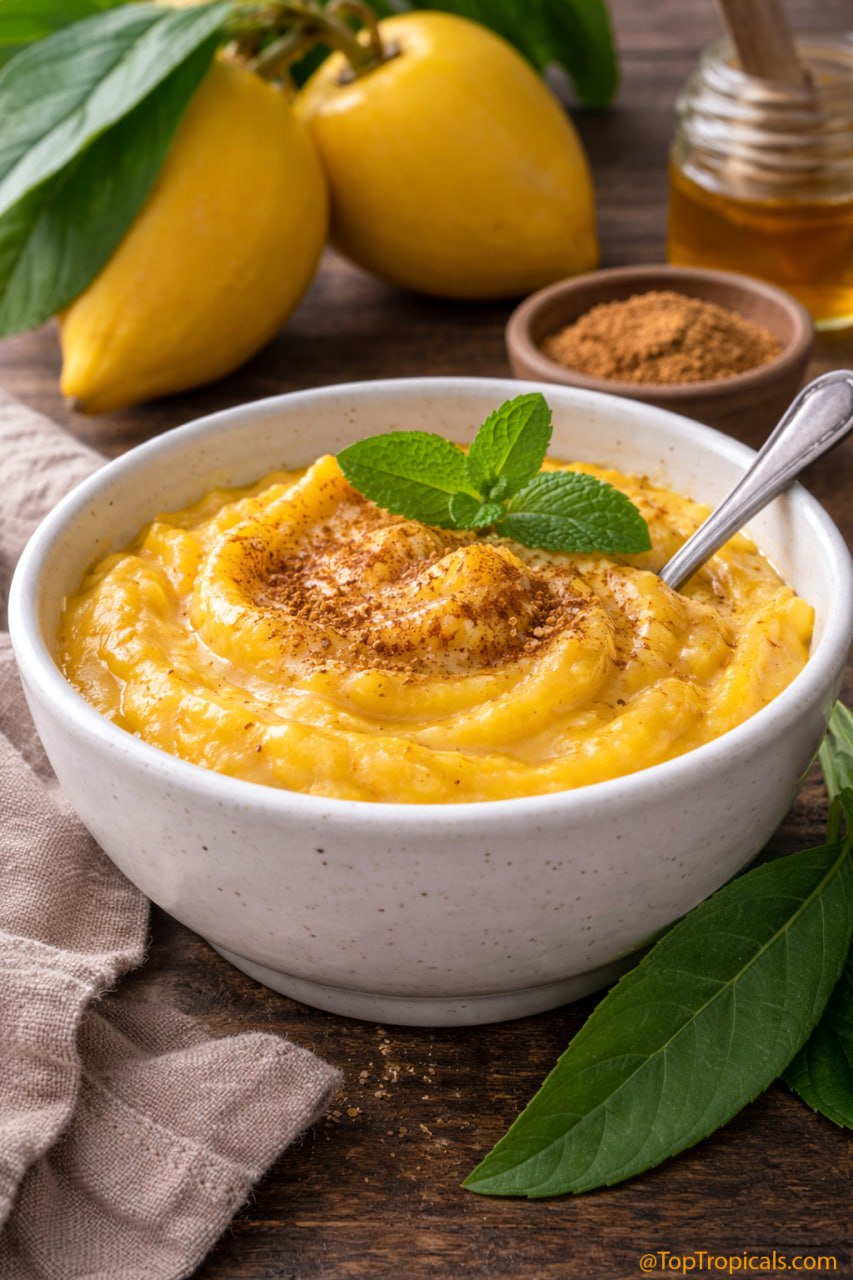
Golden canistel cream: quick-n-fun exotic recipes

Golden canistel cream

Golden canistel cream

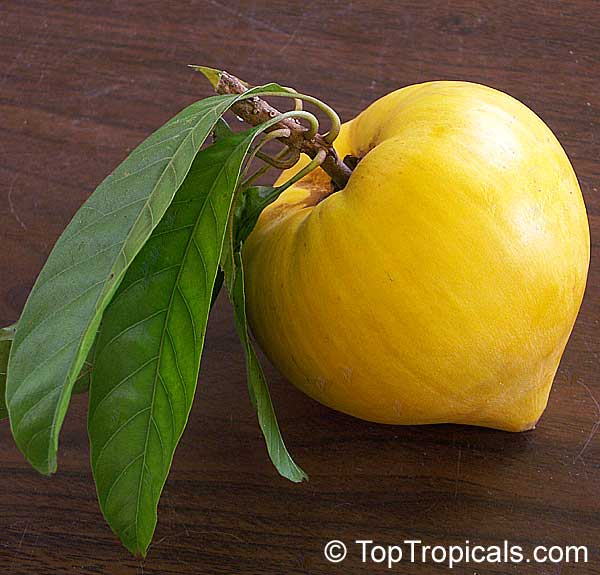
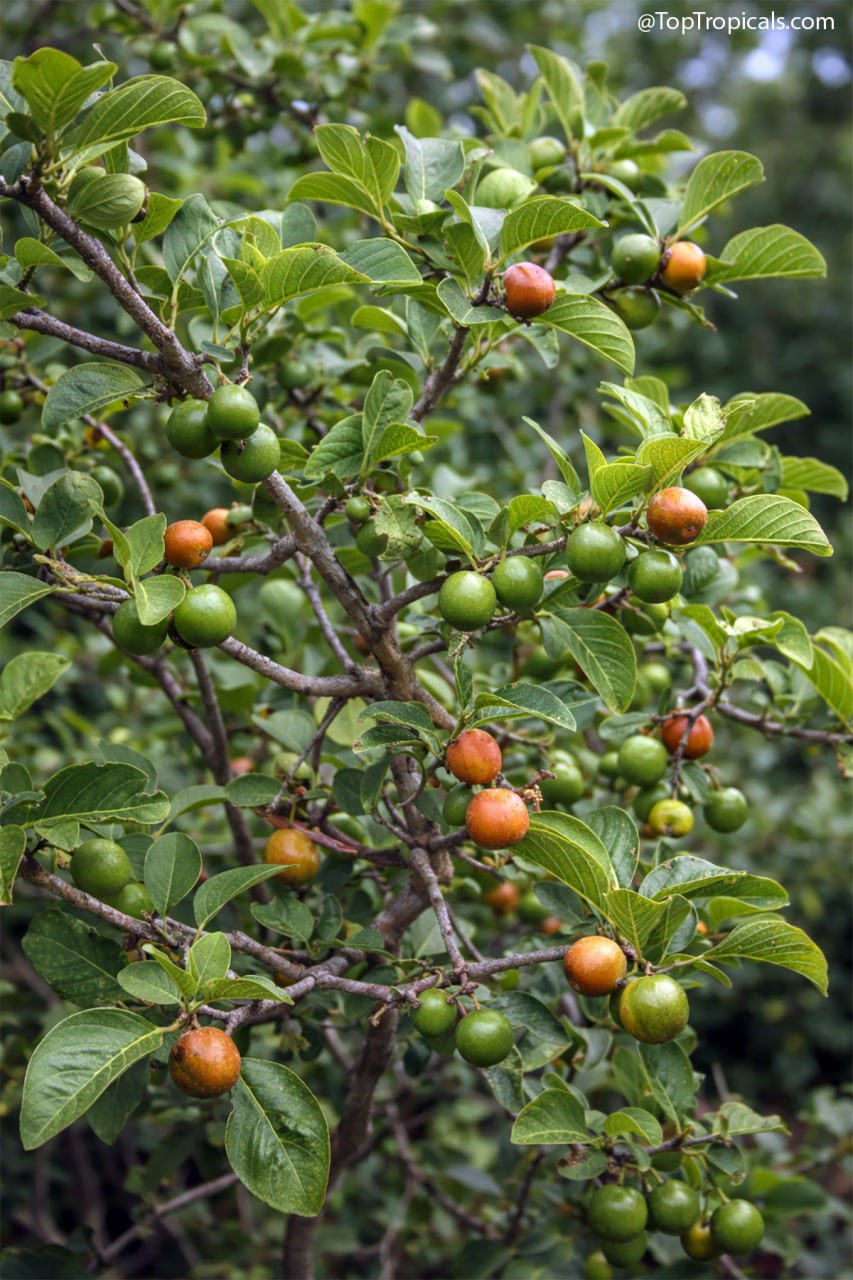
Pouteria campechiana - Canistel, Eggfruit

Pouteria campechiana - Canistel, Eggfruit

🍴 Golden canistel cream: quick-n-fun exotic recipes

  • 🟡Mash ripe flesh with a little milk and honey.
  • 🟡Warm gently in a pan and serve like a thick porridge.


🌿 About the plant:


Also called Eggfruit, canistel has bright yellow flesh that is dense and slightly dry when ripe.

🏡 In the garden:


Grows well in warm climates with good drainage. Compact growth makes it suitable for small yards.

🛒 Plant Canistel Egg Fruit tree - grows well in container too

📚 Learn more:


#Food_Forest #Recipes

🟢 Join 👉 TopTropicals

Date: 26 Feb 2026

Stop Sugar Crashes: 5 Tropical Fruit Hacks for Healthy Dessert

Exotic Tropical Fruits for Blood Sugar Management

Exotic Tropical Fruits for Blood Sugar Management

🍨 Stop Sugar Crashes: 5 Tropical Fruit Hacks for Healthy Dessert


The smarter way to handle sugar cravings - no restriction required

Tired of the post-cookie slump? Sugar cravings are a physiological response to blood glucose fluctuations, not a lack of willpower. Refined sugars trigger an insulin spike followed by a hypoglycemic crash, trapping you in a cycle of fatigue and hunger.
The secret to metabolic health is managing glycemic load. By choosing nutrient-dense tropical fruits, you satisfy your sweet tooth while maintaining stable energy homeostasis.
The solution is not to give up dessert. It is to change what dessert means. Here is how to use tropical horticulture to hack your biology and regulate insulin:
  • 🍭 1. Choose fruit that comes with fiber


    Whole tropical fruits deliver sweetness wrapped in fiber, water, and nutrients. That slows sugar absorption and keeps energy steady.
    Try:

· Mango, chilled and sliced
  • · Sapodilla - naturally caramel-sweet
  • · Mulberries by the handful
  • · Loquat halves straight from the fridge
  • · Dragon Fruit for light, clean sweetness
Same pleasure. Less crash.
  • 🍭 2. Pair sweet with fat to blunt the glucose spike


    Healthy lipids are a biological hack for your metabolism. Fats slow gastric emptying, ensuring a steady glucose release rather than an inflammatory spike. Furthermore, lipids trigger cholecystokinin (CCK) - the hormone that signals satiety to the brain - effectively "turning off" cravings at the source.

· Avocado blended into a chocolate-style mousse: The monounsaturated fats create a creamy texture while blunting the sugar response.
  • · Banana with nut butter: Combining fast-acting fruit sugars with dense protein and fats.
  • · Pineapple with raw nuts: The bromelain in pineapple aids digestion, while the fats in nuts provide long-lasting satiety.
  • · Mango mixed into full-fat yogurt: The combination of probiotics, protein, and lipids turns a simple fruit into a complete, low-glycemic snack.
When fruit is balanced with fat, cravings calm down instead of escalating.
  • 🍭 3. Use naturally rich fruits in place of sugar


    Some tropical fruits taste like dessert already.

· Jackfruit has candy-like sweetness
  • · Sapote is creamy and custard-like
  • · Guava brings floral depth
  • · Cherries add brightness
  • · Mash Banana into baking instead of white sugar.
  • · Blend Mango into yogurt instead of syrup.
  • · Top oatmeal with Mulberry instead of brown sugar.
Dessert stays. The crash disappears.
  • 🍭 4. Balance sweet with tart


    Adding contrast reduces the urge to overeat sweetness.

· Carambola adds crisp tang.
  • · Pineapple brightens the palate.
  • · Loquat gives gentle acidity.
Balanced flavors satisfy faster.
  • 🍭 5. Start the day right


    Skipping breakfast increases late-day sugar cravings.
    A morning smoothie with Avocado, Banana, and Mango prevents the afternoon energy dip. Hydration also matters - thirst often disguises itself as a sweet craving.
  • 🍭 In essence


    Dessert is not the enemy. Refined sugar is.
    When sweetness comes from nature's bounty, it nourishes instead of draining energy.
    You do not need to quit dessert.
    You just need to let nature handle it.

    Consult with a healthcare professional before making significant dietary changes, especially if you have diabetes or metabolic conditions


🛒 Start your tropical fruit journey

Annona · Guava · Mango · Sapodilla · Mulberry · Pineapple · Avocado · Banana · Loquat · Dragon fruit · Jackfruit · Sapote · Cherries · Carambola

📚 Learn more:


#Food_Forest #Remedies #Discover

🟢 Join 👉 TopTropicals