Date: 24 Jun 2018
Choosing the right Mango for your garden
Q: Do the mango trees you sell already have fruit? Or how long does it take to get fruit? Are they tricky to keep up? I live locally and have been interested in getting a few!
A: Some
of our mangos in both 3 gal and 7 gal pots have fruit on
them. All our mango trees are grafted which means they are
ready to produce fruit. So if not the same year, you
should get fruit the next year.
Mangoes in general are easy to grow plants. They are not
picky about soil and water, however they need full sun for
fruiting. When you are lucky to live in tropical or
subtropical climate, your mango will thrive in a ground,
and within 2-3 years you will have a mature tree, and a
crop every year (those who have cold winters, still can
grow a mango tree in a pot, and move it indoors for colder
period). Visit our garden center for a tour of our Mango
Gardenthat is only 3 years old and is full of fruit!
Tasting table available :) We offer over 100 varieties,
and our experts can help you to make the right choice for
your garden. To start your own mango tree collection,
depending on space available, you may begin with the
following varieties:
Nam Doc Mai - one of the most
popular and delicious Asian mango
Carrie - very compact
grower, reliable producer with great taste
Cogshall and Ice Cream - dwarf varieties
for small yards, excellent taste
Alphonso - considered one of
the best tasting
Date: 5 Jan 2026
How to grow papaya from seed without killing it
Papaya (Carica papaya) is one of the fastest and most rewarding fruit plants you can grow from seed - but it is also one of the easiest to lose early if you treat it like a regular tree. In this guide, we start at the very beginning: what papaya really is, how to choose and prepare seeds, and what it actually takes to get strong, healthy seedlings off to a good start.
🍊 Papaya basics - what kind of plant it really is
Papaya is not a tree - and that changes how you should grow it
- 🟡 Papaya is technically not a tree. It is a herbaceous plant with a hollow trunk - often jokingly called a giant grass.
- 🟡Papaya grows extremely fast from seed and usually starts producing fruit within 10–15 months. It has a palm-like look, with a large canopy of leaves at the top. Flowers and fruit form directly under that canopy, right on the trunk.
- 🟡In the ground, papaya can grow 10–15 ft tall, but there are dwarf varieties that stay under 4–5 ft in containers while still producing full-size fruit.
- 🟡Papayas are very productive and are one of the best exotic fruit plants to grow even outside the tropics, especially because they perform so well in containers.
🍊 Growing papaya from seed - what to know first
What grocery store papaya seeds don’t tell you
Papaya is easy to grow from seed, but one detail matters more than most people realize:
- 🟡Seeds from store-bought fruit come from unknown varieties
- 🟡Most will not be dwarf
- 🟡If you want a compact plant, start with a known dwarf variety or seeds from one
- 🟡The good news: papaya comes true from seed, so when the source is known, the result is reliable.
Now that you understand what papaya is - and what grocery store seeds don’t tell you - it is time to move on to the most misunderstood stage of all: germination. In Part 2, we break down exactly how papaya seeds sprout, what they need, how long they really take, and why so many people give up too early.
- 👉 Coming up next: Part 2 - Papaya seed germination, step by step
🛒 Explore Papaya varieties
📚Learn more:
- · Carica papaya in Plant Encyclopedia
- · How to grow papaya from seed without killing it: Part 1: Papaya basics
- · Carefree Garden: How Easy Is It to Grow a Papaya Tree?
- · Male papaya produces fruit!
- · Top 10 fast-fruiting trees: #6. Papaya
- · How to have fresh Papaya fruit year around
- · The truth about Papaya
- · Papayas contain a secret enzyme
Part 2: Seeds germination
Part 3: Containers, sunlight, and common mistakes
🎥 Nobel Prize goes to this pregnant male papaya
#Food_Forest #How_to #Papaya
🟢 Join 👉 TopTropicals
Date: 1 Mar 2026
Skip the lemon - 5 better fruits for a cough
5 fruits to eat when you have a cough or cold - backed by research
When you are fighting a cough or cold, your immune system works overtime. While no fruit can cure a viral infection, certain fruits contain nutrients and bioactive compounds that may help reduce inflammation, support immune defenses, and ease respiratory discomfort.
Here are five fruits supported by nutrition research that may help during cold season.
1. Pomegranate 🍅
Pomegranate is rich in polyphenols, especially punicalagin, known for antiviral activity.
According to a study published in PubMed, pomegranate polyphenol extract suppressed replication of influenza A virus in cultured cells and showed direct virucidal effects. Researchers identified punicalagin as a key compound involved in blocking viral RNA replication. These findings suggest pomegranate extracts may help reduce viral load during respiratory infections.
2. Kiwi
Kiwi is exceptionally high in vitamin C, a nutrient closely linked to immune function and respiratory health.
A study published in Antioxidants (MDPI) found that consuming two SunGold kiwifruit daily for six weeks restored adequate plasma vitamin C levels in adults with a history of severe respiratory infections. Researchers concluded that kiwi consumption can directly support antioxidant defenses during respiratory illness.
3. Tropical cherries 🍒
Instead of traditional lemon, consider tropical cherries such as Malpighia (acerola cherry) and Eugenia (Surinam cherry).
Acerola (Malpighia glabra - Barbados Cherry) is one of the richest natural sources of vitamin C. Clinical research shows that adequate vitamin C intake is associated with reduced duration and severity of common cold symptoms. Vitamin C supports immune cell function and helps maintain the respiratory tract's protective barrier.
Eugenia species (Tropical Cherries) contain anthocyanins and phenolic compounds with antioxidant and anti-inflammatory properties, which may help reduce oxidative stress during illness.
4. Pineapple🍍
Pineapple contains bromelain, a group of proteolytic enzymes known for anti-inflammatory effects.
According to a study published in PubMed, bromelain significantly reduced inflammatory cell infiltration in the lungs in a mouse model of airway inflammation. These findings suggest bromelain may help ease airway inflammation and congestion.
5. Berries and including mulberries
Strawberries, blueberries, raspberries, blackberries and mulberries are rich in flavonoids and vitamin C.
Although direct clinical trials on berries for colds are limited, nutrition reviews highlight their immunomodulatory potential. Flavonoids such as quercetin, anthocyanins, and catechins have demonstrated antioxidant effects and possible antiviral activity in laboratory studies.
Mulberries provide additional anthocyanins and resveratrol-like compounds, offering strong antioxidant support during illness.
Practical tips when you are unwell ❤️
- 🔻Choose room-temperature or lightly warmed fruit to avoid throat irritation.
- 🔻Prefer whole fruit over juice to retain fiber and stabilize blood sugar.
- 🔻Pair fruit with warm herbal tea or honey if appropriate.
- 🔻Rotate fruits to benefit from diverse phytonutrients.
- 🔻If symptoms persist, worsen, or include high fever or breathing difficulty, seek medical care.
🛒 Grow your own vitamin-rich fruit
📚 Learn more:
- One bite, your whole day of vitamin C: Barbados Cherry that outdoes oranges!
- What fruit can help with health issues and VITAMIN deficiencies
- Top 10 fruit you'll ever need for your health benefits: Lolita (Surinam) Cherry
#Food_Forest #Remedies #Discover
🟢 Join 👉 TopTropicals
Date: 3 Mar 2026
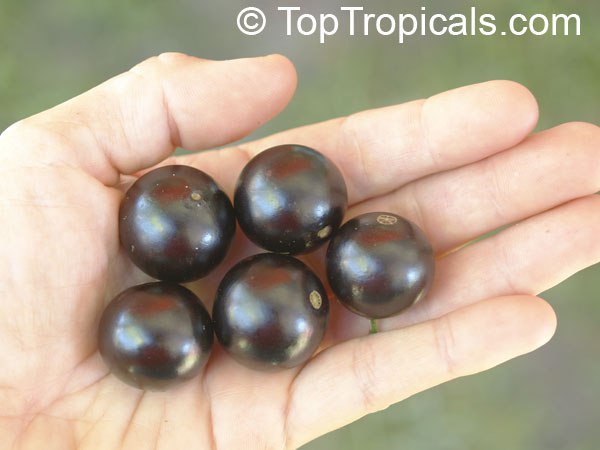
Jaboticaba reduction sauce: quick-n-fun exotic recipes
Jaboticaba Reduction Sauce
Ingredients
- 1 cup ripe jaboticaba fruit
- 1 tablespoon sugar
- 1 tablespoon water
Instructions
- Crush the jaboticaba fruit in a small saucepan.
- Add sugar and a little water.
- Simmer gently until the mixture thickens and becomes glossy.
- Strain the sauce to remove skins.
- Drizzle over roasted pork, chicken, or grilled vegetables.
🌿 About the plant:
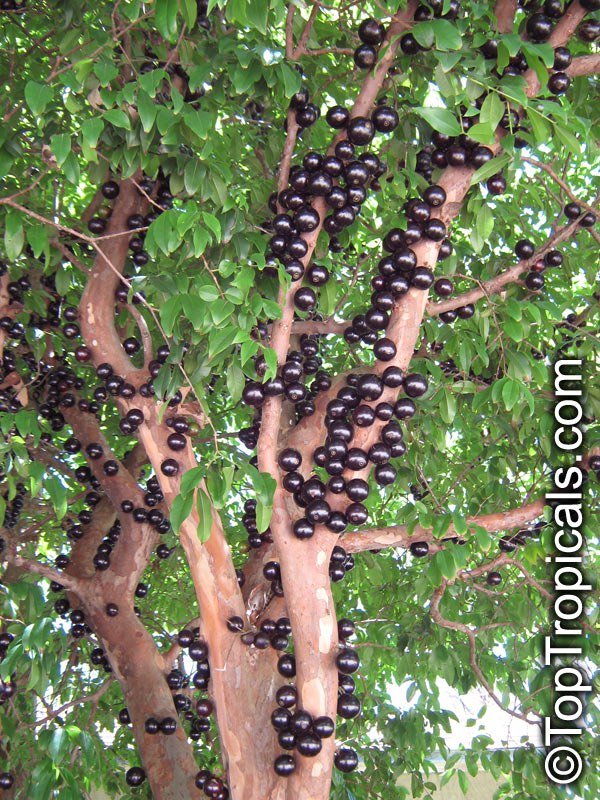
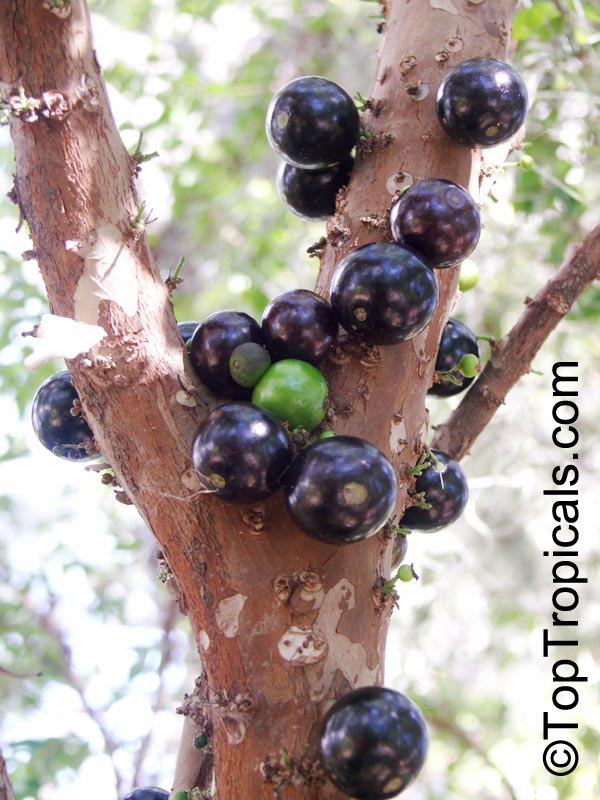
A Brazilian tree that fruits directly on the trunk. The grape-like fruit has a thick skin and juicy pulp inside.
🏡 In the garden:
Grows well in warm, humid climates. Slow growing but very ornamental. Can be grown in large pots when young.
🛒 Plant Jaboticaba tree now, don't wait - it's slow growing!
📚 Learn more:
- Jaboticaba (Myrciaria cauliflora) in Plant Encyclopedia
- Before you open a bottle of wine, meet the Secret Wine Tree from Brazil
- What does Blue Jaboticaba taste like?
- How Blue Jaboticaba is different from regular Jaboticaba?
- What is Jaboticaba? I like the sound of this word!
#Food_Forest #Recipes
🟢 Join 👉 TopTropicals
Date: 25 Jun 2021
Kristi's Loquat Tropical BBQ sauce
Loquat trees are famous for their abundant fruit production. Many customers who purchased this tree from us, soon end up with some serious crops and start asking if we have any special recipes for loquat fruit - because you can only eat so much out of hand! Here is our manager Kristi's favorite Loquat recipe - not only delicious and tropically-aromatic, but also good for you. Happy Tropical Meal!
Ingredients
2 lbs loquat fruit
- cup soft brown sugar
- cups malt vinegar
1 onion chopped - cloves garlic
1/2 tsp salt
1/2 tsp black pepper
1/4 tsp cayenne pepper
6 cloves whole or 1/2 tsp ground cloves
Instructions
Wash the fruit, cut them in half and remove stones. The loquats will
lose about a third of their weight once stoned (3 lbs of whole fruit = 2 lbs of fruit, stones removed). Add loquats and all remaining
ingredients to a large saucepan. Bring to a low boil, then simmer for about an hour, stirring occasionally. The liquid will have reduced quite a bit and the fruit
will be collapsed and very soft. Allow to cool slightly, then liquidize the sauce in a blender or a food processor. Be careful, hot sauce really
burns!
This delicious tropical sauce is great for any BBQ - with meats or fish. Enjoy!