Garden Blog - Top Tropicals

Date: 12 Jun 2023

What is Akee?

Grow Your Own Food

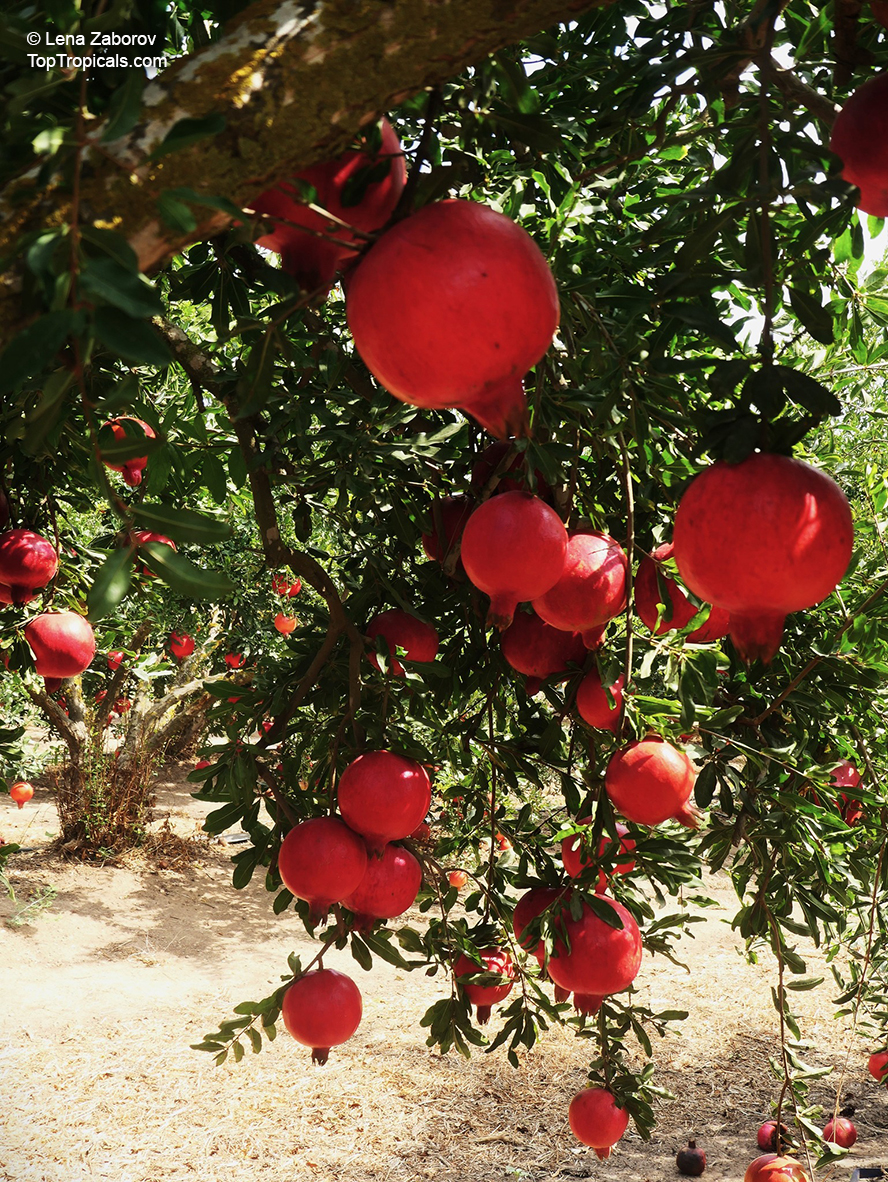
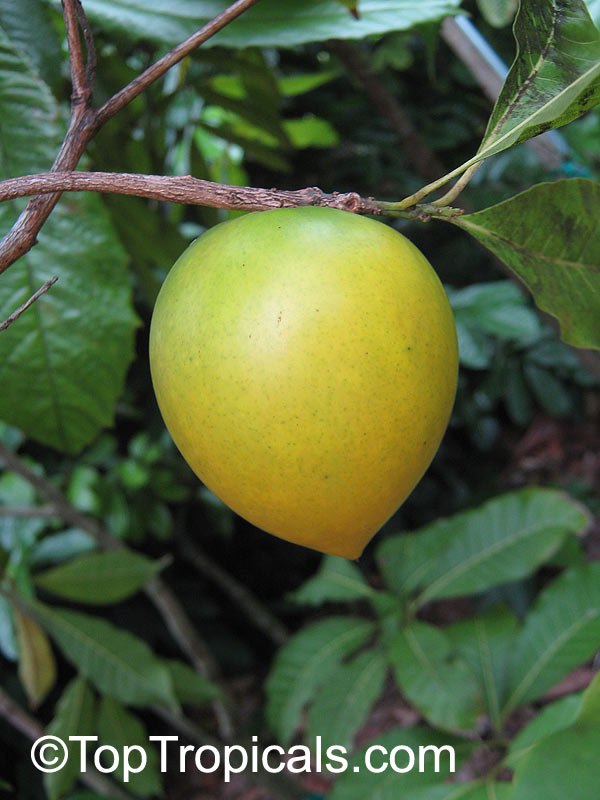
Akee  fruit  on  the  branch

Q: What is Akee and how do you eat it? Is it a fruit or a vegetable?

A: Blighia sapida, commonly known as Akee, holds a special place as the Jamaican National Fruit. The fruit of this medium size, fast growing subtropical tree is used as a vegetable, is renowned for its delicious taste, vibrant red pods, and creamy texture. Akee is primarily grown in Jamaica and is an integral part of Jamaican cuisine. Its unique ripening process and the need for careful preparation make it distinctive.

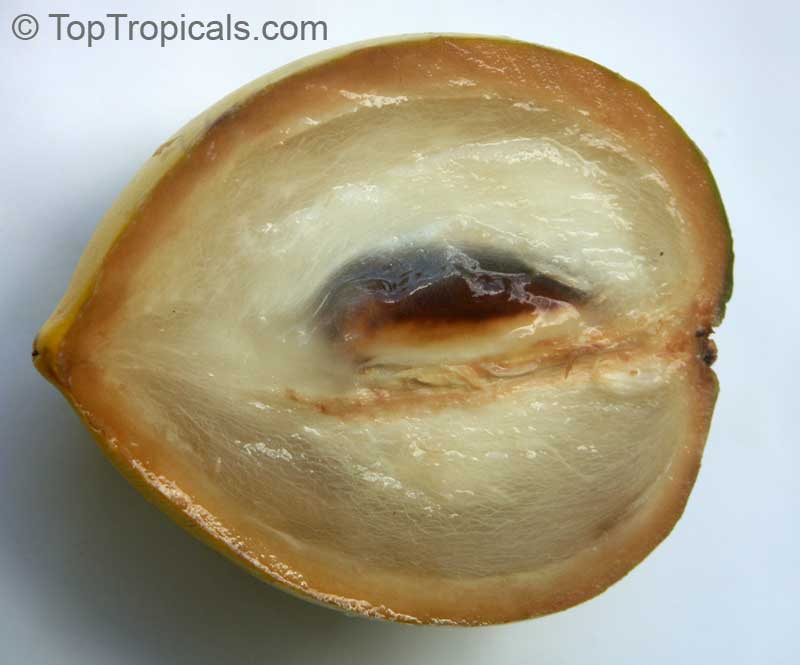
The fruit starts off green and gradually transforms into a vibrant red hue when it matures. To enjoy Akee, the pods must be harvested when fully ripe, and the skin should be orange to red. They are then carefully opened, revealing three distinct sections: the creamy white or yellow flesh, the central seed, and a thin, dark membrane. The seed and the membrane are not edible, only the ripe yellow flesh is consumed, which has a soft, buttery consistency and a mild, nutty flavor.

Akee is often cooked and served in various traditional Jamaican dishes. It is famously paired with salted codfish, creating the popular national dish known as "Ackee and Saltfish." This dish is a flavorful combination of sauteed Akee with flaked salted codfish, onions, peppers, tomatoes, and spices. Akee is also used in stews, curries, and salads, adding a rich and distinct taste to the culinary preparations.

Beyond its culinary significance, Akee holds cultural and historical importance in Jamaica. It is believed to have been brought to the Caribbean region from West Africa during the transatlantic slave trade era. Today, Akee symbolizes national pride and is a source of cultural identity for Jamaicans.

Akee tree is fast growing and easy to grow. It will start producing within 2-3 years after planting.

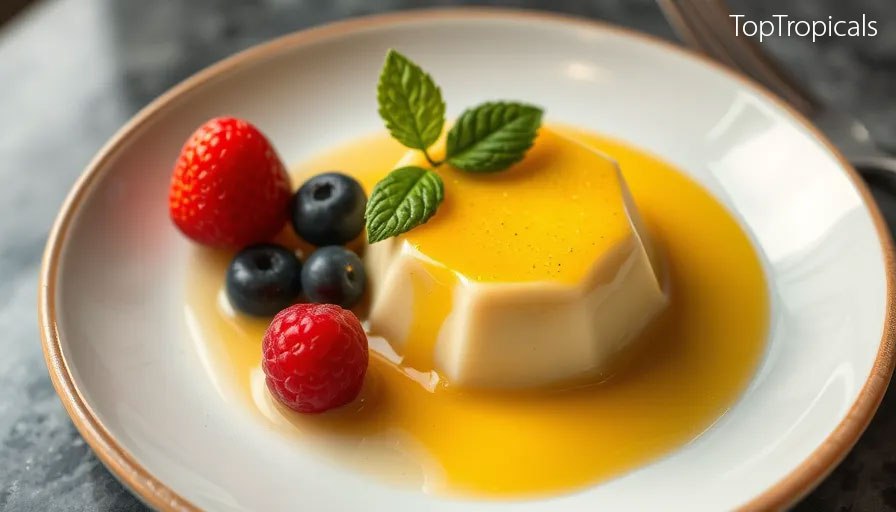
Akee  fruit  on  a  plate

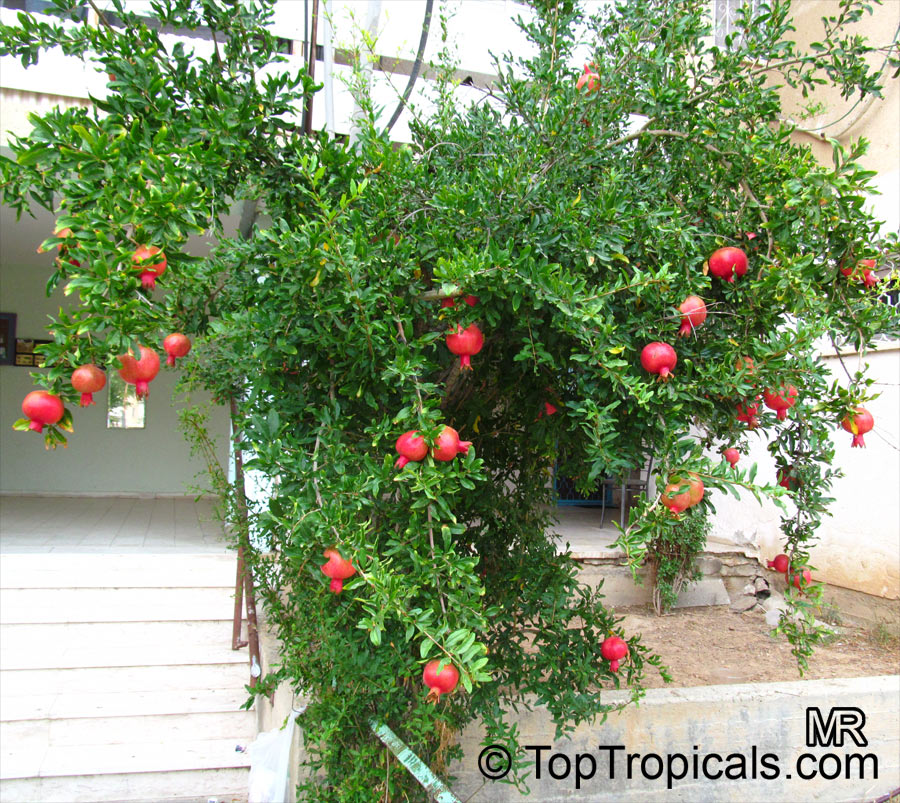
Akee  fruit  on  a  tree

Date: 21 Jun 2022

Grow Your Own Food...
Affordable for everyone!

Grow  your  own  food

Grow Food Not Lawns - this is the theme for our Garden party. But it's much more than that. It's a philosophy and a state of mind. One that more and more people are adopting as the world's food supply continues to dwindle and get more expensive...
Like all things plant and garden related, each of us can adopt this state of mind at whatever level we're capable of and comfortable with. Many of our customers just want to start small and see what it's all about. After all, the world of tropical plants can be more than just beautiful, it can be sustaining as well!

Growing your own food is more than just about price, it's also about quality, choices and availability. As you watch the choices, and quality of store bought food go down and prices continue to go up, maybe it's time to grow more of your own food?

Fun Facts

- A mature mango tree can produce 200 to 300 fruit per year
- A single avocado tree is capable of producing 500 avocados in one year
- A mature papaya plant can produce as many as 100 fruits per growing season
- One longevity spinach plant can provide you with a fresh supply of healthy spinach leaves all the time!

At Top Tropicals we offer a wide selection of fruit, including mango and avocado, and even spinach to get you started and to continue down the road on your own self sustaining journey. Even better, to help you with your food project, we have not only added to our varieties, but we have reduced prices on many items to make it even more affordable and enjoyable!

Who is cutting prices in today's world?! - We are, because...

...it's important that we do what we can to make it easier for our customers!

We have Avocados starting at only $49.95 and Mangos as low as $79.95, with dozens of varieties in stock! Use our discount coupons to save even more, and if you're local or in Fort Myers, stop by our Garden Center and save even more!

Mango  fruit

Date: 2 Apr 2022

Grow Your Own Food:
Costa Rican Guava - Guava for Drinking!

Cas  Guava  -  Psidium  friedrichsthalianum,  Fruit

by Alex Butova, the Witch of Herbs and Cats

...Looking for a handsome, unusual fruit tree for container culture with healthy and flavorful fruit? Or simply want an easy fruit tree that is hardy and undemanding? Psidium friedrichsthalianum (family Myrtaceae), the Costa Rican Guava or Cas Guava, is a perfect small guava tree that can be very rewarding. In Nicaragua it is called "Guava for Drinking" or "Fresco de Guava". Despite the tartness, the flavor is excellent with passionfruit and pineapple tones and is much more pronounced than the subtle flavor of the common Guava. These fruits are very much a part of the culture and cuisine of Costa Rica. Also it has been successfully grown in California now and can be grown in many subtropical regions or as a container plant - "condo" fruit tree...

Cas  Guava  -  Psidium  friedrichsthalianum,  Tree

Date: 6 Jan 2020

Ever heard of Chupa-Chupa?

By Mark Hooten, the Garden Doc

...I wonder how many knowledgeable people here have even heard of the national fruit of Brazil? Ever heard of the chupa-chupa tree? Almost no-one in this country has, unless they are either Brazilian by birth, or perhaps visit there regularly, exploring the abundant fresh-fruit markets. It is a magnificent fruit tree, and deserves to be better known here...
The flesh inside is bright orange, very sweet, and especially juicy! ...Something you might imagine as an unlikely cross of cantaloupe and pineapple, and that it is especially juicy similar to a good pineapple...

CONTINUE READING >>

Date: 17 May 2019

Grafted Guanabana - what is the trick?

TopTropicals.com

Q:Should I buy grafted Guanabana or a seedling? It is a big price difference. I have heard that Annonas fruit within 3 years from seed, why do I need a grafted tree?

A: Annona muricata - Guanabana, or Soursop - is known as the best tasting Annona fruit. Many fruit lovers and gardeners want to have this tree in their plant collection, and the first question they always ask is: "How soon will it fruit? I can't wait to enjoy its deliciousness!"
Most Annonas start flowering and fruiting at a young age, 3-4 years from seed. Annona muricata seedling takes longer. You may read more information on how to grow Guanabanas from seed, even in a pot, even indoors - in Tropical Treasures Magazine issue # 7. Although it may take up to 15 years to see the fruit...
Now we have a solution to get this fruit sooner - a grafted tree! It will fruit within a year after planting. The secret of grafting Guanabana was almost lost (it's a tricky one to graft) and grafted plants were nearly impossible to find. Now we have them! Quantities are limited.
Keep in mind that Guanabana is very cold sensitive and won't tolerate even light freeze. However it is still relatively easy to grow even in subtropical areas: the tree is small, and if tree grown in ground, a simple cold protection structure can be built around it using basic wood or pipes (metal or PVC) and covered with plastic for a few weeks of cold weather. Grafted Guanabana is also a perfect choice for container culture (hand-pollinating maybe required).

Photo: This grafted tree was planted less than a year ago, and was covered in winter with cold protection for about 8 weeks. Within a year, it has 4 large fruit on it!