Garden Blog - Top Tropicals

Date: 23 Jan 2026

Insulin Ginger traditional remedies: Quick-n-fun exotic recipes

Insulin Ginger (Chamaecostus cuspidatus) traditional remedies recipes

Insulin Ginger (Chamaecostus cuspidatus) traditional remedies recipes

❣️ Insulin Ginger traditional remedies: Quick-n-fun exotic recipes


6 very simple, real-world ways people actually use Insulin Ginger (Chamaecostus cuspidatus)

✦ 1. 🍵 Simple leaf tea


Steep 1–2 fresh leaves (or dried) in hot water for 10–15 minutes. Drink warm, plain or lightly sweetened.

2. ❄️ Refreshing iced herbal drink
Blend a couple of leaves with water, strain, add ice. Some people add a squeeze of lemon.

✦ 3. Coconut water blend


Blend 1–2 leaves with fresh coconut water. Drink chilled as a mild daily tonic.

✦ 4. 🌿 Fresh leaf chew


The simplest method - chew a fresh leaf in the morning, then discard. Very common traditional use.

✦ 5. Salad add-in


Finely slice young leaves and mix with other greens. Use lightly, like a functional herb.

✦ 6. 🍲 Leaf Chutney


Leaves can be blended with spices and other herbs into a savory condiment. Meals like this make the leaves easy to include in everyday diet (though you’d want to adapt it for flavor and personal preferences).

👆This plant has a long history of traditional use. Everyone’s body is different, so if you have diabetes or take medication, it’s wise to check with your healthcare provider first.

🛒 Add Insulin Ginger to your medicinal herb garden

📚 Learn more:

Insulin Plant Facts

Botanical name: Costus igneus, Chamaecostus cuspidatus
Also known as: Insulin Plant, Fiery Costus, Spiral Flag
USDA Zone: 9 - 11
Highligths Large shrub 5-10 ft tallSmall plant 2-5 ftSemi-shadeShadeWatering: Regular. Let topsoil dry slightlyYellow, orange flowersEdible plantSpice or herb plantEthnomedical plant.
Plants marked as ethnomedical and/or described as medicinal, are not offered as medicine but rather as ornamentals or plant collectibles.
Ethnomedical statements / products have not been evaluated by the FDA and are not intended to diagnose, treat, cure, or prevent any disease. We urge all customers to consult a physician before using any supplements, herbals or medicines advertised here or elsewhere.Subtropical plant. Mature plant cold hardy at least to 30s F for a short time
Get personalized tips for your region

Costus igneus (Chamaecostus cuspidatus) - Insulin Ginger in Plant Encyclopedia
A leaf you grow, not a pill you buy: Insulin ginger - the plant people actually use
How to make lots of Insulin Ginger plants quickly and get more health benefits
How to lose weight naturally with tropical fruit and plants
The fiery plant that fights sugar: Nature secret insulin?
Most interesting edible gingers

#Food_Forest #Remedies #Shade_Garden #Discover #Recipes

🟢 Join 👉 TopTropicals

Date: 23 Jan 2026

A leaf you grow, not a pill you buy

Insulin Ginger (Chamaecostus cuspidatus)

Insulin Ginger (Chamaecostus cuspidatus)

❣️ A leaf you grow, not a pill you buy: Insulin ginger - the plant people actually use

❣️ Costus igneus (Chamaecostus cuspidatus) - Insulin Ginger, Fiery Costus or Spiral Flag - I love this plant! And that’s not something I say lightly.

Insulin Plant Facts

Botanical name: Costus igneus, Chamaecostus cuspidatus
Also known as: Insulin Plant, Fiery Costus, Spiral Flag
USDA Zone: 9 - 11
Highligths Large shrub 5-10 ft tallSmall plant 2-5 ftSemi-shadeShadeWatering: Regular. Let topsoil dry slightlyYellow, orange flowersEdible plantSpice or herb plantEthnomedical plant.
Plants marked as ethnomedical and/or described as medicinal, are not offered as medicine but rather as ornamentals or plant collectibles.
Ethnomedical statements / products have not been evaluated by the FDA and are not intended to diagnose, treat, cure, or prevent any disease. We urge all customers to consult a physician before using any supplements, herbals or medicines advertised here or elsewhere.Subtropical plant. Mature plant cold hardy at least to 30s F for a short time
Get personalized tips for your region


❣️ Customers often ask me about medicinal plants that may help with diabetes, and Insulin Ginger always comes up - for a good reason. This is one of those plants people grow on purpose, not just because it looks nice. Imagine stepping into your garden and picking a leaf instead of opening a pill bottle. That idea alone makes people pause.

❣️ In everyday use, Insulin Ginger is valued for supporting healthy blood sugar and helping the body respond better to insulin. It’s also packed with antioxidants, which gardeners like to think of as quiet helpers for organs that get stressed when sugar balance is off. No lab talk, no big claims - just a plant people have trusted and used for a long time.

❣️ From a gardener’s point of view, it’s hard not to love. You can harvest leaves year-round, and the more you pick, the better it grows. One plant quickly turns into many, which means you’ll have enough for yourself and extras to share with friends and family.

❣️ It’s one of those plants people don’t regret planting. Easy to grow. Easy to share. Easy to use.

🛒 Add Insulin Ginger to your medicinal herb garden

📚 Learn more:


Costus igneus (Chamaecostus cuspidatus) - Insulin Ginger in Plant Encyclopedia
How to make lots of Insulin Ginger plants quickly and get more health benefits
How to lose weight naturally with tropical fruit and plants
The fiery plant that fights sugar: Nature secret insulin?
Most interesting edible gingers

#Food_Forest #Remedies #Shade_Garden #Discover

🟢 Join 👉 TopTropicals

Date: 22 Jan 2026

This old-school tropical fruit is making a quiet comeback: Eggfruit - Canistel

Canistel - Pouteria campechiana, Egg Fruit

💛 This old-school tropical fruit is making a quiet comeback: Eggfruit - Canistel


❓✔️ The tropical fruit that feels like dessert but isn’t junk: FAQ


💛 What is canistel fruit?


Canistel is the fruit of Pouteria campechiana, often called Egg Fruit because its texture resembles a cooked egg yolk. It has dense, yellow flesh and a naturally sweet, custard-like flavor.


💛 Is canistel a high-energy fruit?


Yes. Canistel contains complex carbohydrates that provide steady, long-lasting energy instead of quick sugar spikes. It is a good choice for active days or when you need sustained fuel.


💛 Does canistel help you feel full?


It does. The thick texture and fiber content make canistel very satisfying, helping you feel full with smaller portions.


💛 Can canistel support weight management?


Canistel is filling and naturally sweet, which can help reduce cravings for processed desserts and snacks.


💛 Is canistel easy to digest?


Yes. Its soft, pasty texture is gentle on the stomach and often well tolerated by people with sensitive digestion.


💛 How does canistel benefit skin health?


Canistel provides beta-carotene and vitamin C, which support skin renewal, elasticity, and overall skin appearance.


💛 Does canistel help with muscle function?


Yes. It contains potassium and other minerals that support muscle function and help reduce fatigue after physical activity.


💛 Is canistel good for brain health?


Canistel supplies iron and B vitamins that support oxygen delivery and mental clarity, especially during periods of fatigue.


💛 Does canistel support healthy aging?


Its antioxidants help protect cells from oxidative stress, which plays a role in aging and long-term wellness.


💛 Is canistel just a snack fruit?


Not at all. Canistel is a functional fruit used in custards, smoothies, baked goods, spreads, and even savory dishes, offering both nutrition and comfort-food satisfaction.


🛒 Plant Egg Fruit - Canistel Tree

📚 Learn more:

Canistel Plant Facts

Botanical name: Pouteria campechiana
Also known as: Canistel, Eggfruit, Chesa
USDA Zone: 9 - 11
Highligths Large tree taller than 20 ftSmall tree 10-20 ftFull sunWatering: Regular. Let topsoil dry slightlyEdible plant
Get personalized tips for your region

Pouteria campechiana - Canistel, Eggfruit - in Plant Encyclopedia
Canistel breakfast mash: quick-n-fun exotic recipes
Health Benefits of Canistel Fruit
Pouteria campechiana - Canistel, the curious heart-shaped Egg Super-Fruit

#Food_Forest #Remedies #Discover

🟢 Join 👉 TopTropicals

Date: 22 Jan 2026

Free shipping on Exotic Adenium Desert Roses - limited time!

Adenium hybrids

Adenium hybrids

🆓 Free shipping on Exotic Adenium Desert Roses - limited time!

🛍 One week only, all adenium desert roses ship FREE!

Adenium Plant Facts

Botanical name: Adenium sp.
Also known as: Adenium, Desert Rose, Impala Lily
USDA Zone: 9 - 10
Highligths Plant with caudexLarge shrub 5-10 ft tallSmall tree 10-20 ftFull sunWater Requirement: Low. Allow soil to dry out between wateringsWatering: Moderate. Water when top soil feels dryYellow, orange flowersRed, crimson, vinous flowersUnusual colorBlue, lavender, purple flowersWhite, off-white flowersPink flowersToxic or Poisonous
Get personalized tips for your region


🌸 Perfect time to grab the varieties you have been eyeing or add a few more to your collection.

🌸 Many selections are limited and selling quickly. Orders are filled first come, first served.

🌸 We will pack all your adeniums together and ship them safely in one big box for you (or many boxes if that's what it takes) - with free shipping on us!

🌸 Don’t wait on this one. When they’re gone, they’re gone. While supply lasts.

🛒 Explore collectible Adeniums

📚 Learn more:


· About #Adenium Rainbow - fantastic varieties
· Why Adeniums are the most popular container plants
· How to grow a happy Adenium
· What is the easiest container plant with beautiful flowers
· Multi-grafted Adenium with different colors of flowers on the same plant
· What you need for successful growing Adeniums
· Adenium Rainbow Video, Part 1 and Part 2
· The First Video of Exotic Adenium Hybrids
· What are the most beautiful desert roses
· Which adenium is ever-blooming? Discover Flamingo Glow
· Arrival of 1000 Adeniums

#Container_Garden #Adeniums #Shade_Garden

🟢 Join 👉 TopTropicals

Date: 22 Feb 2026

How to grow Papaya from seed, step-by step - FAQ

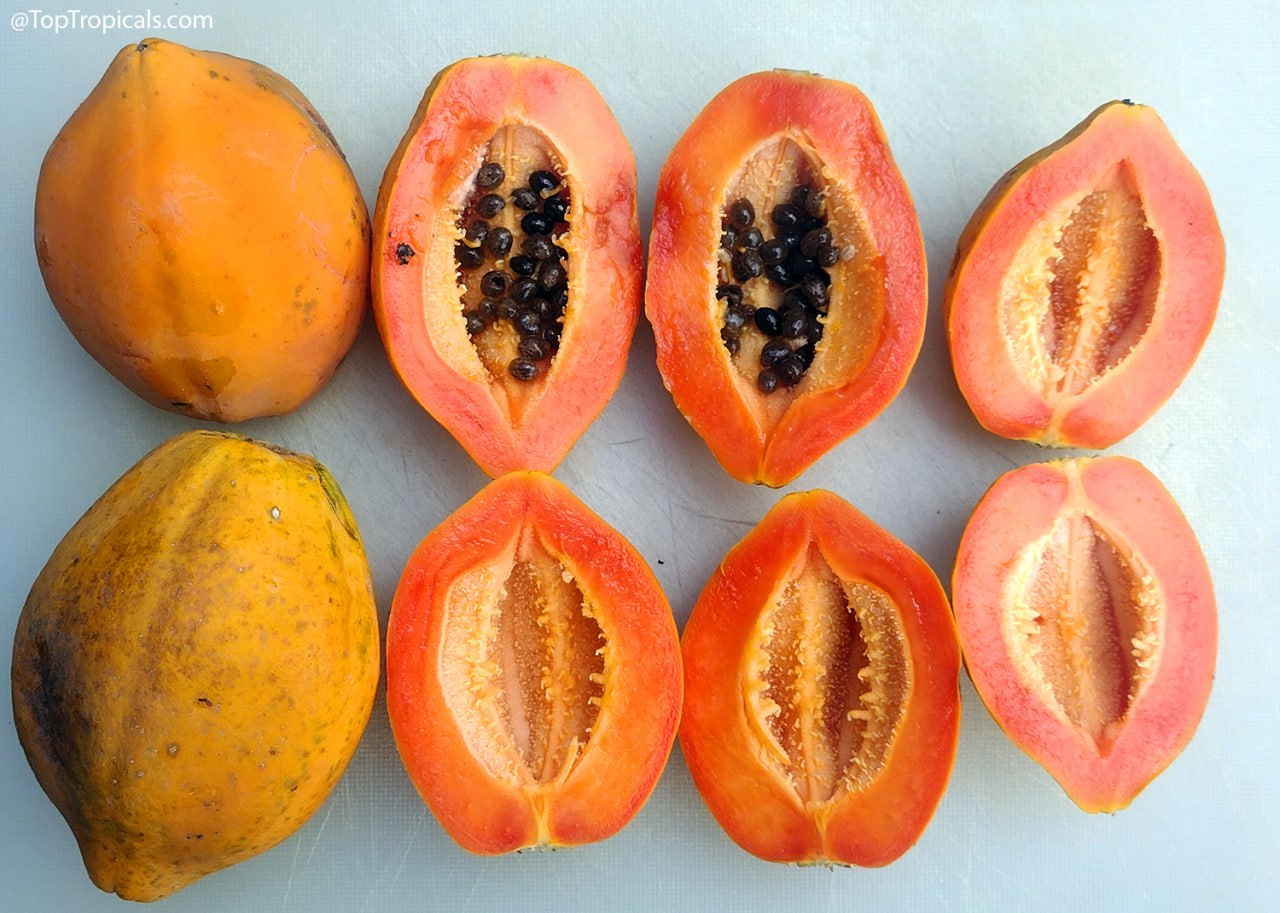
Carica papaya - Papaya fruit

Carica papaya - Papaya fruit

🍊 How to grow Papaya from seed, step-by step - FAQ


💚 Is papaya a tree?


No. Papaya is a herbaceous plant with a hollow trunk. Treating it like a tree is one of the most common mistakes growers make.

💚 How fast does papaya grow from seed?


Very fast. Papaya can start producing fruit in 10–15 months when grown in warm conditions.

💚 Can papaya be grown in containers?


Yes. Dwarf papaya varieties stay under 4–5 ft tall in containers and still produce full-size fruit.

💚 Will seeds from grocery store papaya work?


They will germinate, but the variety is unknown and usually not dwarf. If you want a compact plant, use seeds from a known dwarf variety.

💚 Do papaya plants come true from seed?


Yes. When the seed source is known, papaya grows true to type.

💚 How long do papaya seeds take to germinate?


Fresh seeds usually germinate in 2–3 weeks with warmth. Stored dry seeds can take 8–10 weeks.

💚 What temperature do papaya seeds need?


Above 70F, ideally 85–90F. Bottom heat greatly improves success.

💚 Do papaya seeds need to be cleaned before planting?


Yes. The slimy coating must be removed or seeds may rot instead of sprouting.

💚 What soil is best for papaya seedlings?


A well-draining mix or coconut fiber. Soil should be moist, never soggy.

💚 Why do papaya seedlings rot so easily?


Overwatering and poor drainage are the main causes. Young papaya roots are very sensitive to excess moisture.

💚 Do papayas like transplanting?


No. Papayas hate root disturbance. Reduce transplanting and move into larger containers sooner rather than stepping up gradually.

💚 How big should the container be?


After a 4-inch pot, move directly into a 1-gallon or even 3-gallon container to minimize root disturbance.

💚 Does papaya need staking?


Yes. Papaya grows fast, and the stem can outpace root development. Even light wind can knock it over.

💚 How much sun does papaya need?


Full sun. Shade causes leggy growth, poor flowering, and little to no fruit.

💚 Should papaya be watered heavily?


No. Once established, papaya prefers drier conditions. Large plants tolerate rain better than young ones.

💚 Can papaya be planted in the ground?


Yes, but only in well-drained soil and elevated spots. Low areas with standing water will kill it.

💚 Is fertilizer important for papaya?


Yes. Papaya is a heavy feeder. Poor soil means poor growth and little or no fruit. Use Green Magic once every 6 months or Sunshine Boosters C-Cibus with every watering.

💚 Should papaya be pruned to control height?


No. Pruning ruins its natural form. If height is an issue, grow a dwarf variety instead.

🛒 Explore Papaya varieties

📚 Learn more:

Papaya Plant Facts

Botanical name: Carica papaya
Also known as: Papaya
USDA Zone: 9 - 11
Highligths Small tree 10-20 ftFull sunWater Requirement: Low. Allow soil to dry out between wateringsWatering: Moderate. Water when top soil feels dryYellow, orange flowersWhite, off-white flowersEdible plantEthnomedical plant.
Plants marked as ethnomedical and/or described as medicinal, are not offered as medicine but rather as ornamentals or plant collectibles.
Ethnomedical statements / products have not been evaluated by the FDA and are not intended to diagnose, treat, cure, or prevent any disease. We urge all customers to consult a physician before using any supplements, herbals or medicines advertised here or elsewhere.Subtropical plant. Mature plant cold hardy at least to 30s F for a short time
Get personalized tips for your region

· Carica papaya in Plant Encyclopedia
· How to grow papaya from seed without killing it:
Part 1: Papaya basics
Part 2: Seeds germination
Part 3: Containers, sunlight, and common mistakes
· Carefree Garden: How Easy Is It to Grow a Papaya Tree?
· Male papaya produces fruit!
· Top 10 fast-fruiting trees: #6. Papaya
· How to have fresh Papaya fruit year around
· The truth about Papaya
· Papayas contain a secret enzyme

🎥 Nobel Prize goes to this pregnant male papaya

#Food_Forest #How_to #Papaya #Discover

🟢 Join 👉 TopTropicals