Garden Blog - Top Tropicals

Date: 9 Aug 2021

Care of Desert Roses
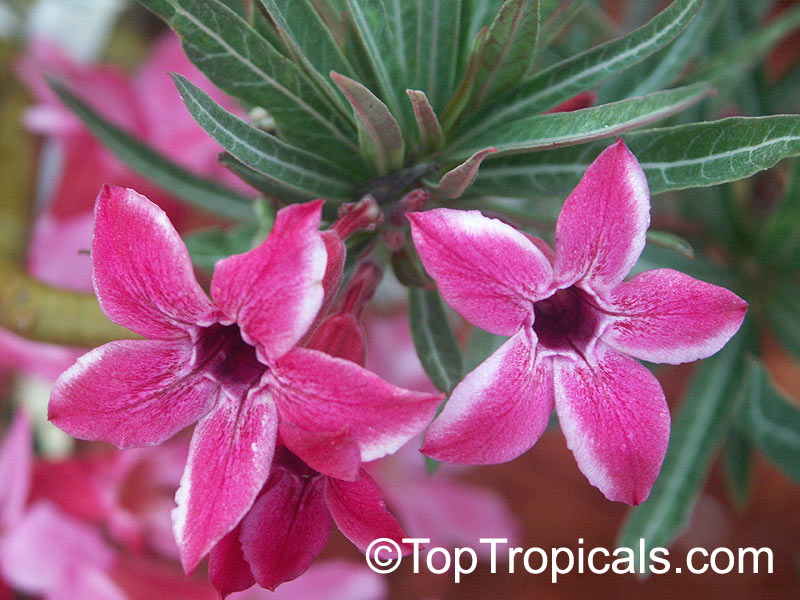
Q: I am looking forward to my three desert roses I just ordered from you and I am wondering how to take care of them, especially during winter time. Should I put the pots in full sun or shade? What kind of soil do they like? How often should I water them? When it gets cooler, should I bring them inside? We do have occasional frost here during winter.

A: Here are a few tips for your desert roses:

1. When received Adenium from mail-order, unpack carefully; branches are fragile. Plant in well-drained potting mix. Cactus mix will do, but we recommend special Adenium mix. If using regular acidic peat-based potting mix, you may add sea-shells on top of soil to neutralize acidity: adeniums prefer alkaline soils. Using clay pots is beneficial. Water once and do not water again until soil gets dry. Place in bright shade until new leaves sprout, then the plant can be moved to full sun.

2. Adenium is a succulent, but not a cactus. It needs watering, however let soil dry before waterings. Reduce watering during cool season and discontinue when plant gets dormant (drops all leaves in winter).

3. Bright light is the best for profuse flowering. However, adeniums look much healthier in slightly filtered light rather than in all-day full sun.

4. Fertilize and spray leaves with liquid fertilizer SUNSHINE Megaflor - Nutrition Bloom Booster. Phosphorous is responsible both for flowering and caudex development. Avoid caudex, spray over foliage only. Dry fertilizer can be used only during hot months.

5. Watch for spider mites during hot and dry season.

6. Give plants a break during winter dormant season. Keep in bright shade and reduce watering to 1-2 per month or stop watering if temperature is below 65F.

More info on growing Desert Roses:
What you need for successful growing Adeniums
Overwintering Adeniums outside of tropics
Growing Exotic Adeniums - Growing Exotic Adeniums

Date: 18 May 2021

Healthy Plants: Q&A from Mr Booster

Healthy Heliconia Leaves?

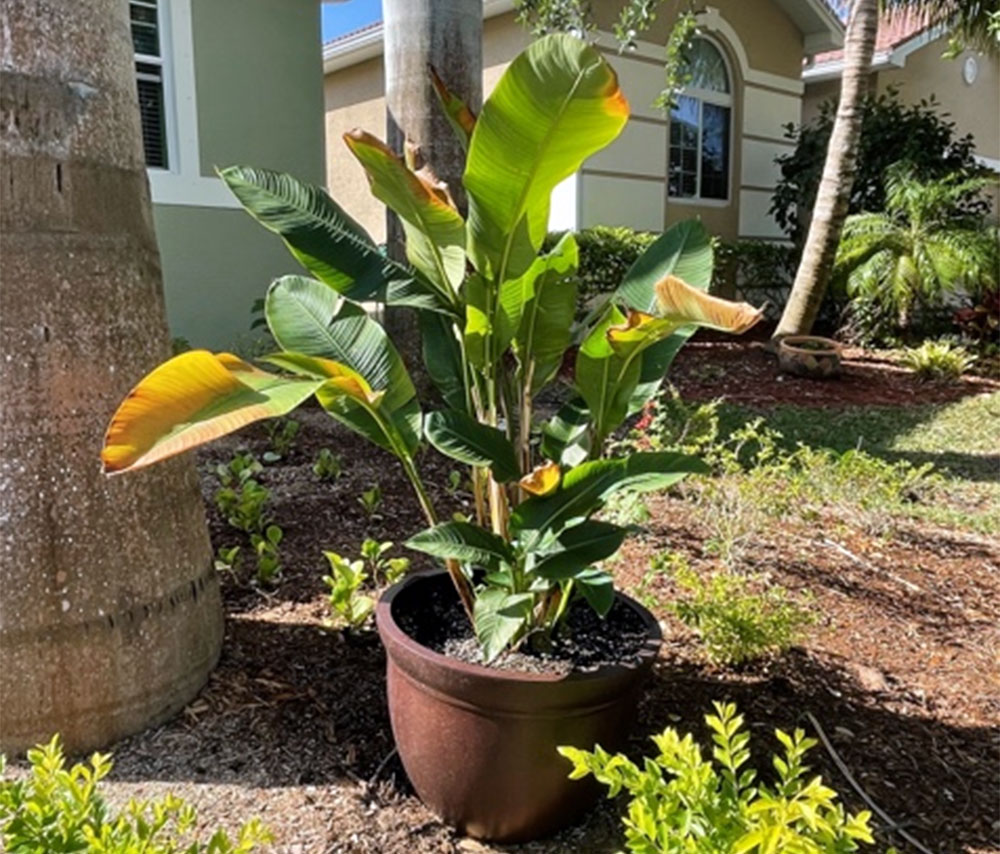
Q: I purchased a heliconia from you a couple months ago. The new growth seems to be doing fairly well, however some of the larger leaves are discoloring around the edges then drying up. It's potted in a large pot with potting soil with 3 holes in the bottom to help with drainage in partial sun under a Royal Palm facing northwest. I'm here in Ft Myers. I was previously watering it every other day with your rapid growth fertilizer 1 tbsp per gallon but I have cut that back to once or twice a week. Please let me know your thoughts.

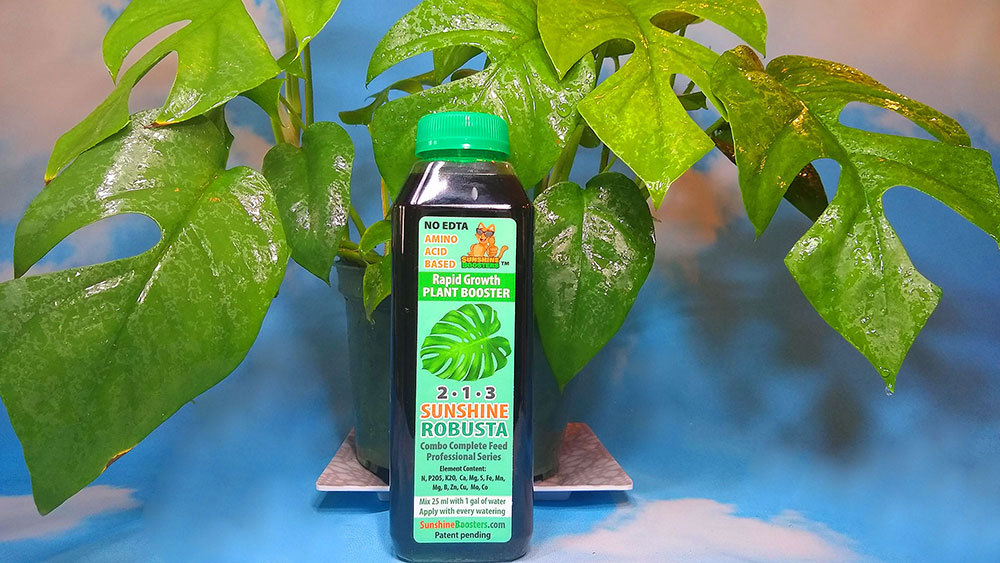
A: Heliconias and Gingers tend to develop dry leaves if grown in pots, especially ceramic or clay pots, because soil in such pots dries out too fast. These dry leaves are not caused by fertilizer, and you can see lots of new healthy green growth. The plant overall seem to be healthy. Continue fertilizing it with liquid Sunshine Robusta that is great for all wide-leaf tropical species, promotes green, lush foliage, and do not use any additional dry fertilizers!
Another suggestion, try to move the plant in more shady spot. Right now it sits in pretty bright light, this may be OK for established plants in the ground, but potted heliconias are very sensitive to hot sun. They get leaf burn easily.

Date: 15 Dec 2020

Healthy Plants: Q&A from Mr Booster

What is an ideal potting mix?

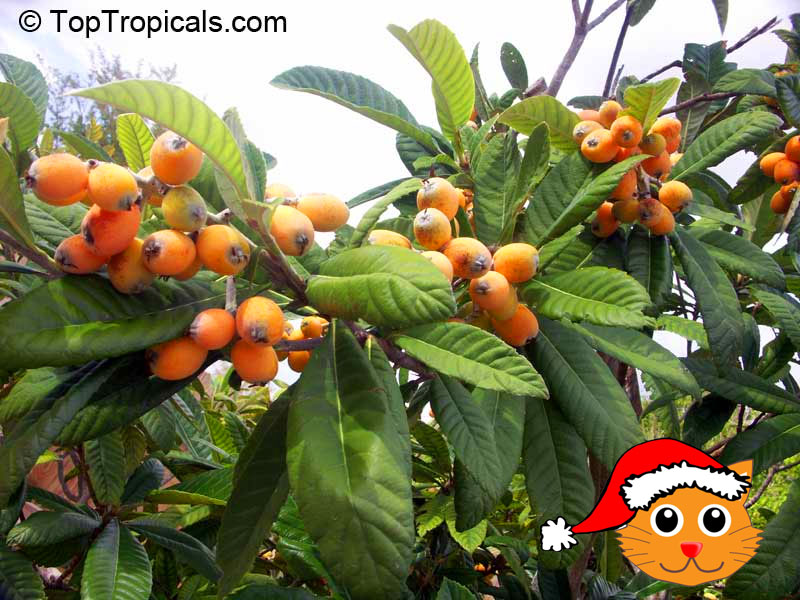
Q: A few years ago, I purchased a Barbie Loquat from you, and I'm pleased to say it's been growing very well. I now have several loquat seedlings. I have read that a well-draining medium should be used, and I have found that the various formulations provided on the web for such medium seem vaguely reminiscent of the recipe provided in your transplanting instructions. Therefore, I would like to retrieve your recipe, unless you could recommend an even better one?

A: The main requirements for a good potting mix are:
- perfect drainage, allowing air circulation that is so necessary for healthy roots; oxygen circulation helps to avoid root rot
- water retention: to keep nutrients in soil
- low pH (soil acidity) which is important for most tropical plants
- adequate amount of organic matter in the mix, in combination with proper fertilizer program

In our nursery we experimented with many different potting mixes for the past couple decades. We ended up with an ultimate mix for tropical container plants that we designed ourselves. This custom mix is called -

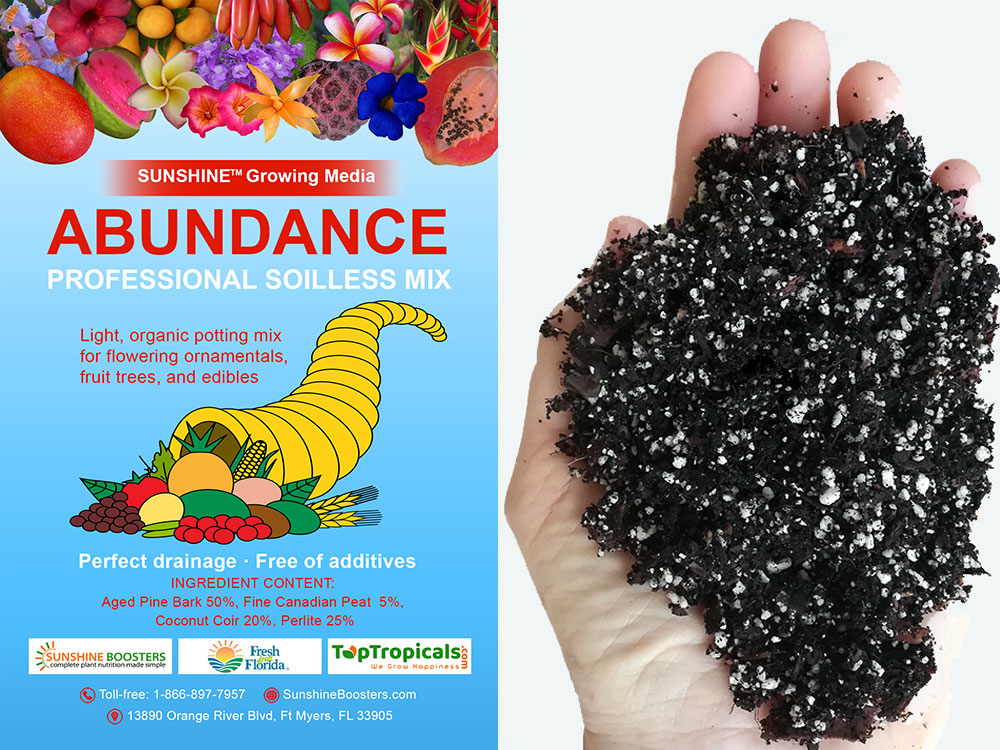
Abundance - TopTropicals professional soilless potting mix

It meets all the requirements above which makes it a perfect mix. All our plants are happy with it. Abundance is a professional quality (nursery-grade) potting mix with great drainage characteristics, ideal for any tropical plants. It is organically derived soil-less mix, free of any additives.
Ingredients are:
- fine Canadian peat moss
- coconut coir
- perlite
- aged pine bark (soil conditioner).
See more info on soil mixes.
We have this mix available for purchase in different packaging sizes - 2, 3, and 7 gal bags.

Besides proper potting mix, all container plants require regular fertilizing. We recommend the newest, scientifically balanced fertilizers Sunshine Boosters that are natural, eco-safe, great for all edibles and organic gardening. They are safe to use with every watering, provide all necessary elements for plant daily needs, and won't burn the roots.
For your loquat tree, consider Sunshine C-Cibus, it boosts both flowering and fruit production. Loquat is Winter-Spring bloomer, hopefully you will get some crop soon!

See more information about potting mix science

Date: 19 Nov 2020

Healthy Plants: Q&A from Mr Booster

Feeding Indoor Plants

Q: I am moving all my potted plants indoors as weather is cooling down. I still have Sunshine Boosters that I got from you in Summer. Do I need to continue fertilizing and how often, or should I wait until Spring?

A: Indoor plants add a vibrant warmth to your home, and can even improve the air quality. But most importantly, indoor plants give you access to year-round gardening. While majority of house plants are easy to maintain, they still require proper care to thrive.
Too many gardeners overlook the importance of fertilizing plants indoors. However, proper feeding is essential to grow healthy, vibrant plants. With outdoor plants nature sends rain and a plant will send new roots to find food, an indoor plant is limited to only what you will give it. That is why it is essential to feed your plants a healthy nutritious meal even indoors.
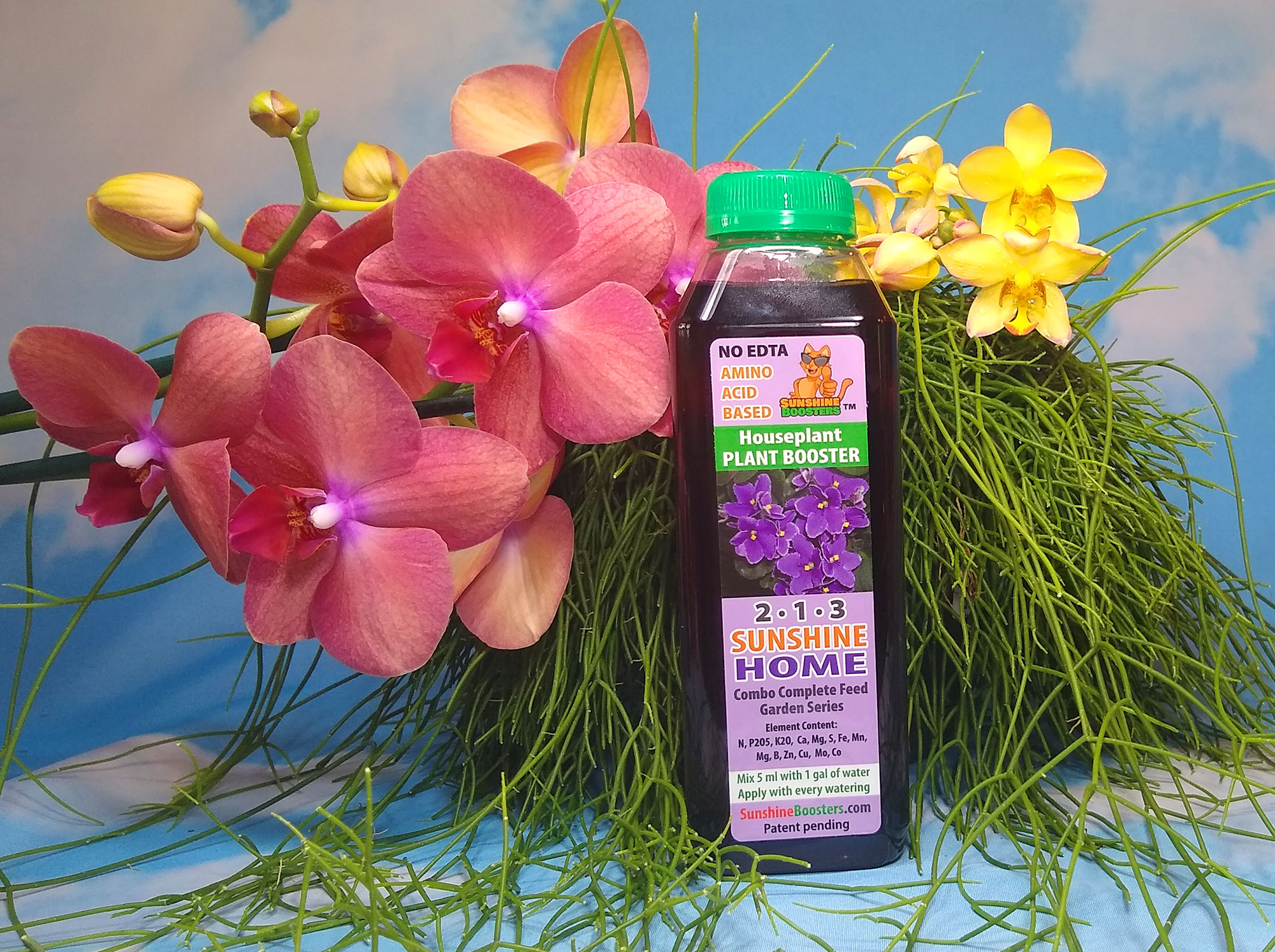
Many granular and slow-releasing fertilizers will recommend that you only feed your plants occasionally, but this is not the healthiest for plants, since they need to "snack" every day to satisfy their daily nutrient needs. When you feed a plant a large meal rarely, it cannot absorb the nutrients effectively, leftovers creating build up in soil (it's called "locked up nutrients") and that is why we specifically designed our fertilizers to be a light, daily nutritious meal for your plants - Sunshine Home for houseplants...

Date: 4 Oct 2020

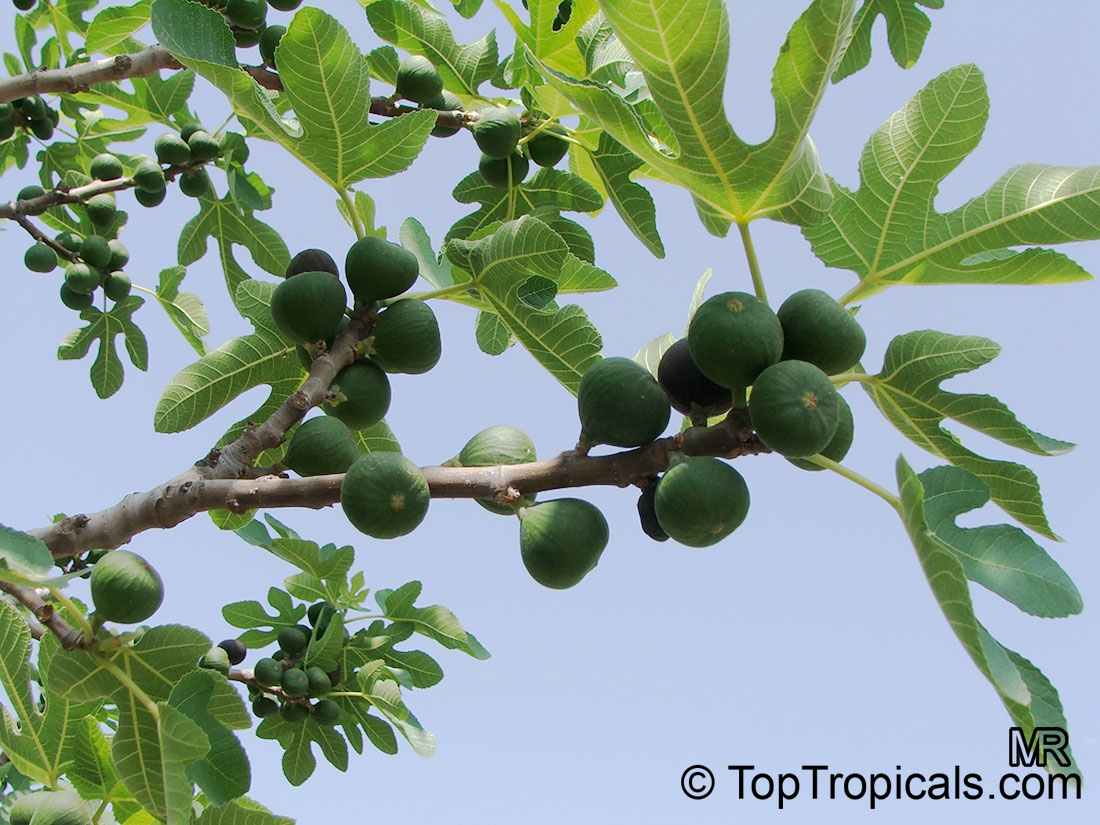
What fig trees are good for Florida?

Q: My baby fig tree was sprayed by the lawn people with weed killer :( Any ideas? Also what figs do you have available to grow here in Florida?

A: Unfortunately once a plant is affected by a herbicide, there is not much you can do about it. If you don't rinse the chemical within a few seconds, it gets into the plant internal system and nothing can be done to save the plant. The tree may remain green for a few days up to a week, but then gradually dies back. If your fig tree wasn't rinsed immediately after herbicide spray, it is probably too late.
If you want to replace it with a new one, here is a few suggestions of our favorite fig varieties which are great producers and grow well in Florida heat:

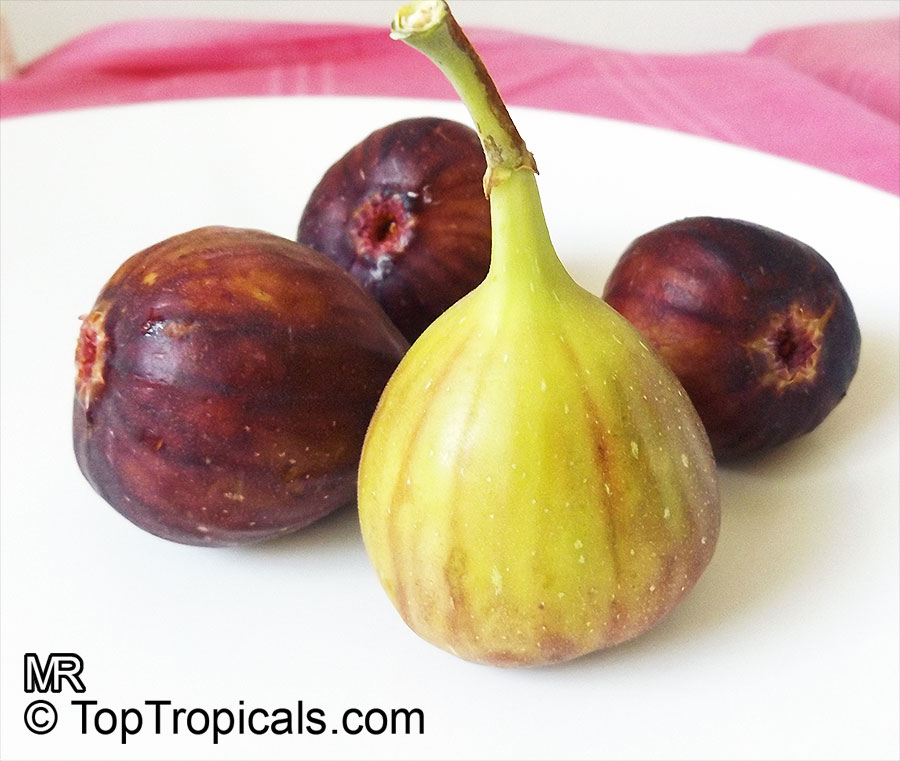
Brown Turkey Fig - our favorite!
Black Mission Fig
Beers Black Fig
Texas Everbearing Fig
Magnolia Fig
LSU Purple Fig
Olympian Fig
Texas Blue Giant Fig
See full list of Fig Trees.

Make sure to get appropriate plant food for your fig tree so it develops faster for you and gets well-established before winter: SUNSHINE C-Cibus - Crop Nutrition Booster from Garden Series, or Combo Total Feed Collection - all nutrients in just one bottle, for fruit trees and edibles.