Garden Blog - Top Tropicals

Date: 24 Jun 2025

The wild fruit with a secret: health benefits of rare Spanish Tamarind - the exotic fruit youve never heard of

The wild fruit with a secret: health benefits of rare Spanish Tamarind - the exotic fruit youve never heard of The wild fruit with a secret: health benefits of rare Spanish Tamarind - the exotic fruit youve never heard of The wild fruit with a secret: health benefits of rare Spanish Tamarind - the exotic fruit youve never heard of The wild fruit with a secret: health benefits of rare Spanish Tamarind - the exotic fruit youve never heard of The wild fruit with a secret: health benefits of rare Spanish Tamarind - the exotic fruit youve never heard of

🍊 The wild fruit with a secret: health benefits of rare Spanish Tamarind - the exotic fruit you've never heard of


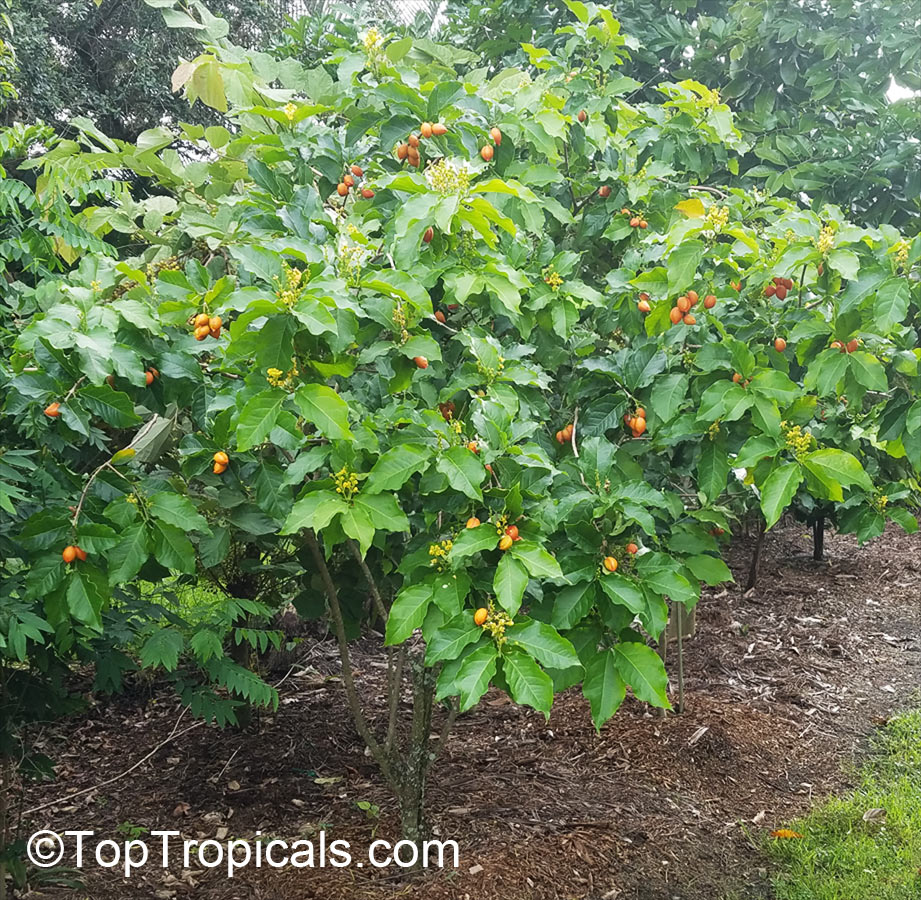
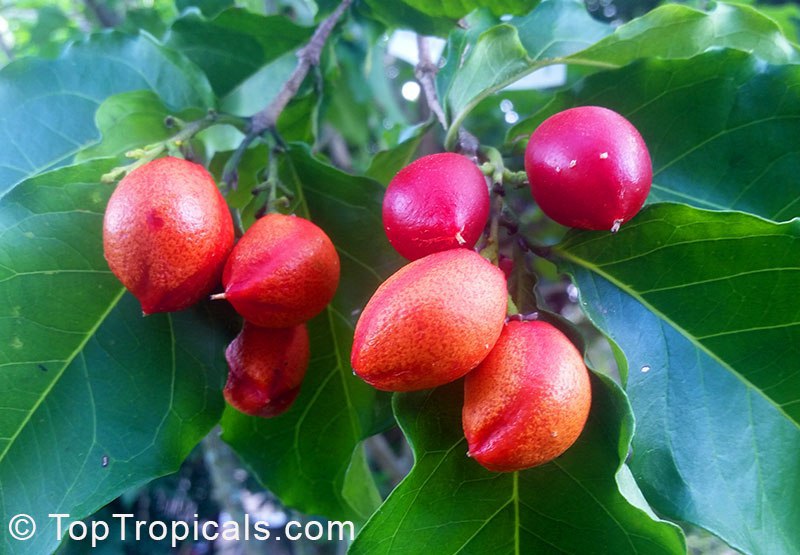
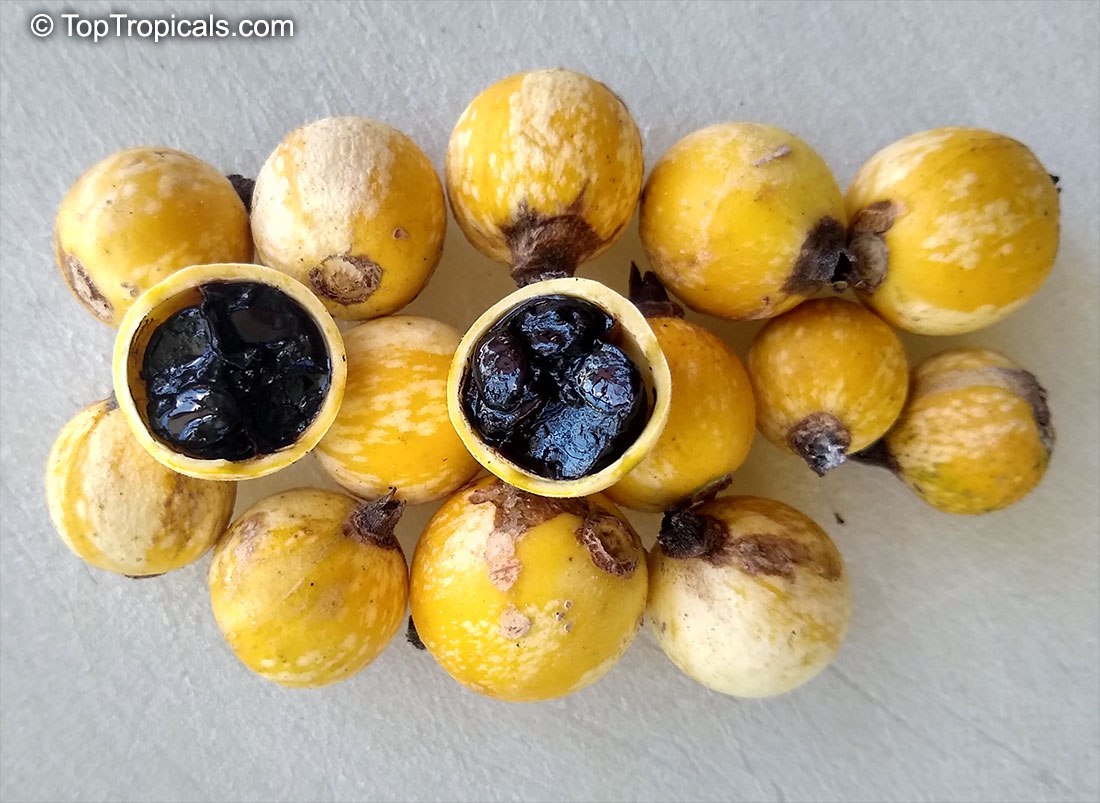
  • Looking for a new exotic fruit to love? Meet Vangueria infausta - Spanish Tamarind, also called Wild Medlar. Native to Southern Africa, this little-known gem grows on a small tree and produces round, golden-brown fruit with a sweet-tart flavor. You can eat them fresh, dried, or even turn them into a tropical jam or homemade fruit beer!

  • But it's not just tasty - it's super healthy. The fruit is packed with vitamin C, fiber, and minerals like iron and magnesium. Locals use it as natural medicine: the leaves and bark are brewed into teas for colds, fevers, and stomachaches. The roots are even used for coughs and snakebites.

  • Secret bonus? Its bark and leaves make natural dyes in yellow, green, and purple!

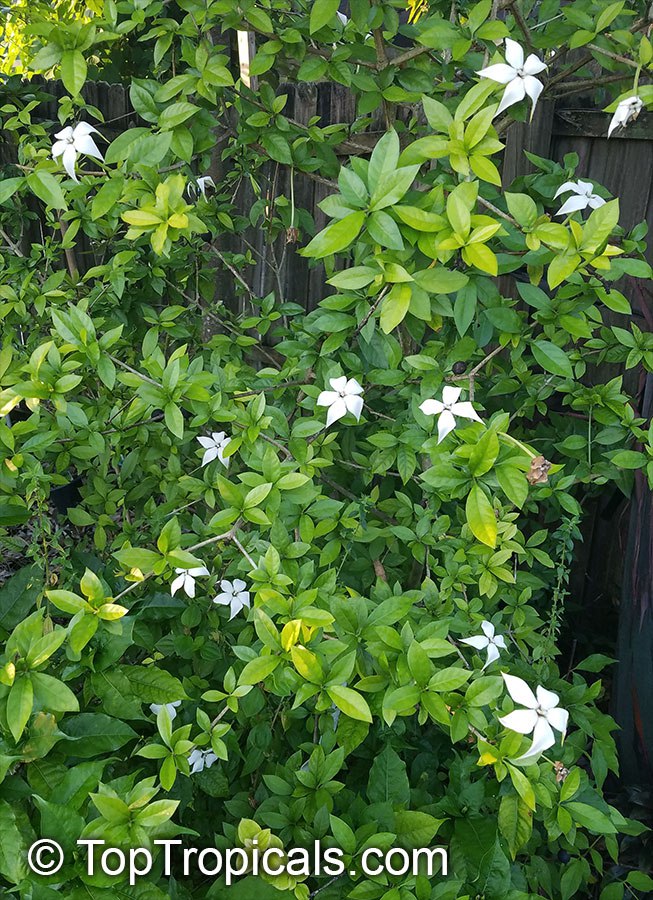
  • The Wild Medlar is easy to grow in warm climates (Zones 9-11) and can handle poor soil and dry weather. In cooler zones, just grow it in a pot and bring it in for winter. Give it full sun, some water, and it'll reward you with 20-40 fruits per season.


🛒 Grow your own wild superfruit - Spanish Tamarind

#Food_Forest #Remedies #Discover

🟢 Join 👉 TopTropicals

Date: 7 Sep 2025

10 reasons to grow this Indian secret tree - the miracle Fruit of the Gods you never knew about: Syzygium cumini - Jambolan

Syzygium cumini - Jambolan, Java plum, Malabar plum, Black Plum, Jamun, Jaman, Jambul, Duhat, Lilly Pilly

🍆 10 reasons to grow this Indian secret tree - the miracle Fruit of the Gods you never knew about

  • Sacred and secret Indian divine Berry - Jambolan (Syzygium cumini) - goes by many names: Java plum, Malabar plum, Black Plum, Jamun, Jaman, Jambul, Duhat, even Lilly Pilly! Which one do you know it by?
  • Sweet-tart and healthy fruit. The tree is a heavy producer of juicy, sweet-tart black fruits that can be eaten fresh or turned into tarts, sauces, and jams. In Ayurveda and Chinese medicine, both the fruit and plant are valued for their powerful health benefits. The flavor is unique, with a mile herbal note (maybe Oregano?).
  • A tree steeped in tradition. According to Hindu belief, Rama survived on this fruit during his 14-year exile, which earned it the title Fruit of the Gods. Lord Krishna himself is often described as having skin the color of jambul. In India, its leaves are still used to decorate marriage pendals.


♥️ Jambolan health and life benefits

  • 1. Fights diabetes - helps manage blood sugar naturally.
  • 2. Weight loss - low in calories, high in fiber, keeps you full and curbs cravings.
  • 3. Fiber-rich digestion aid - improves gut health, prevents constipation, and soothes indigestion.
  • 4. Vitamin C boost - strengthens immunity, brightens skin, and supports healthy hair.
  • 5. Controls heart rate and blood health - potassium regulates heart rate and blood pressure, while iron supports hemoglobin and circulation.
  • 6. Slows aging - loaded with antioxidants, it protects cells and supports vitality.
  • 7. Liver and kidney detox - traditionally used for cleansing and protection.
  • 8. Skin and oral care - helps with acne, blemishes, mouth ulcers, and freshens breath.
  • 9. Respiratory relief - eases coughs, asthma, and colds.
  • 10. Quick privacy screen! Here's what most gardeners don't realize: Jambolan is the ultimate low-maintenance, fast-growing tree with dense glossy leaves. It thrives in any soil, stays pest free, and in just a couple of seasons can grow into a dense, bushy privacy screen - perfect if you want quick shade, an ornamental barrier, or a living fence with health benefits that practically takes care of itself!


🛒 Plant Jambolan: shade, fruit, beauty, and health - all in one tree!

📚 Learn more:
The Divine Berry - large, bushy, exotic fruit tree in no time

#Food_Forest #Remedies #Hedges_with_benefits

🟢 Join 👉 TopTropicals

Date: 12 Jun 2023

What is Akee?

Grow Your Own Food

Akee  fruit  on  the  branch

Q: What is Akee and how do you eat it? Is it a fruit or a vegetable?

A: Blighia sapida, commonly known as Akee, holds a special place as the Jamaican National Fruit. The fruit of this medium size, fast growing subtropical tree is used as a vegetable, is renowned for its delicious taste, vibrant red pods, and creamy texture. Akee is primarily grown in Jamaica and is an integral part of Jamaican cuisine. Its unique ripening process and the need for careful preparation make it distinctive.

The fruit starts off green and gradually transforms into a vibrant red hue when it matures. To enjoy Akee, the pods must be harvested when fully ripe, and the skin should be orange to red. They are then carefully opened, revealing three distinct sections: the creamy white or yellow flesh, the central seed, and a thin, dark membrane. The seed and the membrane are not edible, only the ripe yellow flesh is consumed, which has a soft, buttery consistency and a mild, nutty flavor.

Akee is often cooked and served in various traditional Jamaican dishes. It is famously paired with salted codfish, creating the popular national dish known as "Ackee and Saltfish." This dish is a flavorful combination of sauteed Akee with flaked salted codfish, onions, peppers, tomatoes, and spices. Akee is also used in stews, curries, and salads, adding a rich and distinct taste to the culinary preparations.

Beyond its culinary significance, Akee holds cultural and historical importance in Jamaica. It is believed to have been brought to the Caribbean region from West Africa during the transatlantic slave trade era. Today, Akee symbolizes national pride and is a source of cultural identity for Jamaicans.

Akee tree is fast growing and easy to grow. It will start producing within 2-3 years after planting.

Akee  fruit  on  a  plate

Akee  fruit  on  a  tree

Date: 21 Jun 2022

Grow Your Own Food...
Affordable for everyone!

Grow  your  own  food

Grow Food Not Lawns - this is the theme for our Garden party. But it's much more than that. It's a philosophy and a state of mind. One that more and more people are adopting as the world's food supply continues to dwindle and get more expensive...
Like all things plant and garden related, each of us can adopt this state of mind at whatever level we're capable of and comfortable with. Many of our customers just want to start small and see what it's all about. After all, the world of tropical plants can be more than just beautiful, it can be sustaining as well!

Growing your own food is more than just about price, it's also about quality, choices and availability. As you watch the choices, and quality of store bought food go down and prices continue to go up, maybe it's time to grow more of your own food?

Fun Facts

- A mature mango tree can produce 200 to 300 fruit per year
- A single avocado tree is capable of producing 500 avocados in one year
- A mature papaya plant can produce as many as 100 fruits per growing season
- One longevity spinach plant can provide you with a fresh supply of healthy spinach leaves all the time!

At Top Tropicals we offer a wide selection of fruit, including mango and avocado, and even spinach to get you started and to continue down the road on your own self sustaining journey. Even better, to help you with your food project, we have not only added to our varieties, but we have reduced prices on many items to make it even more affordable and enjoyable!

Who is cutting prices in today's world?! - We are, because...

...it's important that we do what we can to make it easier for our customers!

We have Avocados starting at only $49.95 and Mangos as low as $79.95, with dozens of varieties in stock! Use our discount coupons to save even more, and if you're local or in Fort Myers, stop by our Garden Center and save even more!

Mango  fruit

Date: 2 Apr 2022

Grow Your Own Food:
Costa Rican Guava - Guava for Drinking!

Cas  Guava  -  Psidium  friedrichsthalianum,  Fruit

by Alex Butova, the Witch of Herbs and Cats

...Looking for a handsome, unusual fruit tree for container culture with healthy and flavorful fruit? Or simply want an easy fruit tree that is hardy and undemanding? Psidium friedrichsthalianum (family Myrtaceae), the Costa Rican Guava or Cas Guava, is a perfect small guava tree that can be very rewarding. In Nicaragua it is called "Guava for Drinking" or "Fresco de Guava". Despite the tartness, the flavor is excellent with passionfruit and pineapple tones and is much more pronounced than the subtle flavor of the common Guava. These fruits are very much a part of the culture and cuisine of Costa Rica. Also it has been successfully grown in California now and can be grown in many subtropical regions or as a container plant - "condo" fruit tree...

Cas  Guava  -  Psidium  friedrichsthalianum,  Tree

SHOP NOW!