Garden Blog - Top Tropicals

Date: 24 Jun 2018

TopTropicals

Florida winters and gardening

From Anna Banana, our Garden Center customer advisor.
Cool weather - no sweat. Here in Florida we are blessed to have warm winters. We just went to the beach for Christmas! Winter time is not only a good beach time, but also the best planting time here. Why? I always refer my customers to Murray Corman's article Tropical Planting Breaks the Rules. "...Wintertime does not just mean hard work for tropical gardeners. It is also a time to enjoy the fruits of our labor. Winter-blooming plants and the visitors they attract - birds, bats and butterflies - make the garden as enjoyable in winter as any other time of year. Tasks performed during the spring and summer up north have to be done during the fall and winter here. Why? The answer is elementary: It's too hot! Taking advantage of the coolest months of the subtropical year for heavy chores like planting trees has a twofold benefit: The gardener can make hay while the sun shines without getting heat stroke and the plants appreciate the moderate temperatures, enjoying a break from the stress of 93 degrees in the shade..."
Continue reading...

Winter flowering plants - are a blessing for a tropical gardener. See below what's blooming now! See our recommendations for winter flowering and fruiting plants (PDF).
Date: 24 Jul 2022

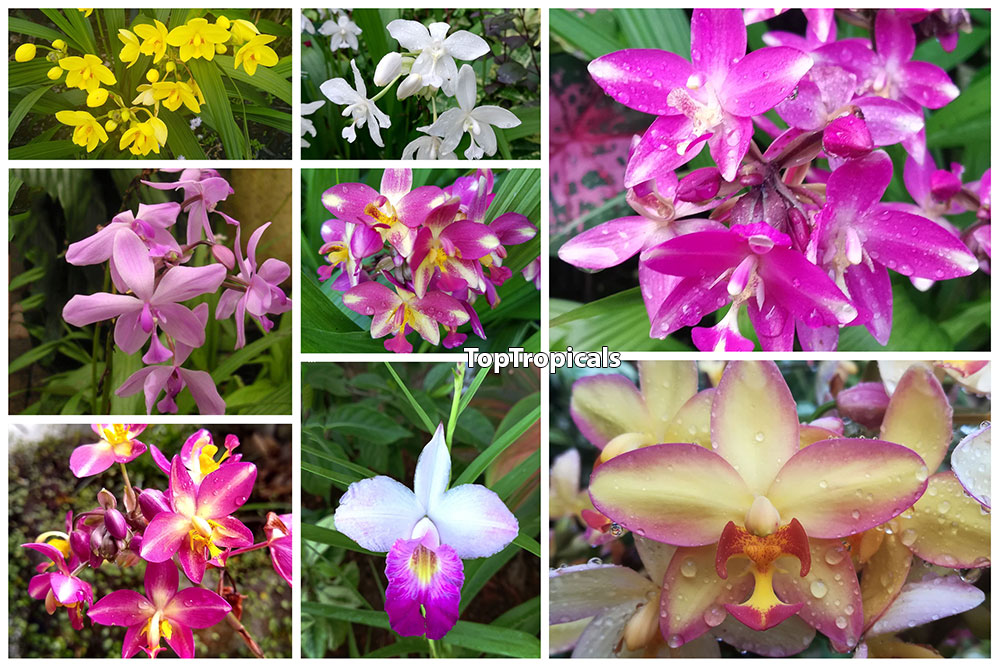
Ground Orchids for every Home
10% OFF 3 days only!

ground  orchids

Ground orchids are the easiest and the most rewarding flowers for a tropical garden. They grow in regular garden soil or potting mix, take both sun and shade and bloom nearly year around. And look at these colors! Watch the video:

Date: 25 Oct 2025

Straight from the Amazon: the most beautiful ginger everyone asks about at our farm

Variegated Spiral Ginger - Costus arabicus (amazonicus)

⭐️ Straight from the Amazon: the most beautiful ginger everyone asks about at our farm

  • 🌀 Variegated Spiral Ginger - Costus arabicus (amazonicus) is not your average ginger. Unlike the common gingers with plain green leaves and short flower spikes, this one is a real standout. Its tall spiral stems are striped with bold white variegation, creating a dramatic swirl of green and cream even before it blooms.
  • 🌀 And when it does bloom - the flowers are pure white with soft yellow centers, like porcelain sculptures nestled among the leaves. It's a tropical showpiece that turns heads wherever it grows.
  • 🌀 Originally from South America and now loved in Hawaii and Florida, this ginger thrives in moist, rich soil and loves plenty of water. It handles both sun and shade, but really shines in a bright, filtered light spot.
  • 🌀 We have one growing right by our farm office, and everyone who walks by stops, stares, and says the same thing: "I want that plant!"
Now you can have it too - straight from the Amazon forest to your garden!

🛒 Get your own Amazon Ginger

📚 Learn more:
#Container_Garden #Shade_Garden

🔴 Join 👉 TopTropicals

Date: 18 Jan 2026

Five steps to everblooming Rose Hydrangea

Dombeya seminole - Tropical Rose Hydrangea

🌸 Five steps to everblooming Rose Hydrangea

  • 🌸 Dombeya seminole - Tropical Rose Hydrangea: everyone who sees this plant falls in love at first sight. Exceptional rose-pink flower clusters cover the shrub, and butterflies and bees go wild over it. While it is considered a winter bloomer, here at Top Tropicals garden we regularly see it flower multiple times a year, with peak bloom from November through January and surprise blooms the rest of the year.
  • 🌸 Here is how to keep your Dombeya seminole happy and blooming more:


💋 1. Full sun


The more sun it gets, the more flowers it produces. Sun equals bloom power.
  • 💋 2. Adequate water


    Dombeyas are heavy drinkers. Regular watering fuels fast growth and heavier flowering.
  • 💋 3. Feed for flowers


    Use Sunshine Megaflor bloom booster with regular watering, or apply Green Magic controlled-release fertilizer every 6 months.
  • 💋 4. Trim after flowering


    Prune once blooms fade. A bushier plant means more flowering points next season.
  • 💋 5. Give it space


    This is a round, airy shrub. Allow at least 6 x 6 ft for good air circulation and even light exposure.


🌸 Quick facts you will appreciate:
  • 💋Often called Tropical Hydrangea because of its hydrangea-like flower clusters
  • 💋Blooms fall through spring, often all winter
  • 💋Reaches about 6-7 ft tall and wide, but can be kept smaller with pruning
  • 💋Thrives in full sun to partial shade and tolerates poor soil
  • 💋An excellent nectar source for butterflies

If you want a beautiful color that refuses to quit, this shrub earns its spotlight.

🛒 Add Beautiful Dombeya to your garden

📚 Learn more:


#Hedges_with_benefits #Butterfly_Plants

🟢 Join 👉 TopTropicals

Date: 31 Jan 2026

Pitomba pop cups: quick-n-fun exotic recipes

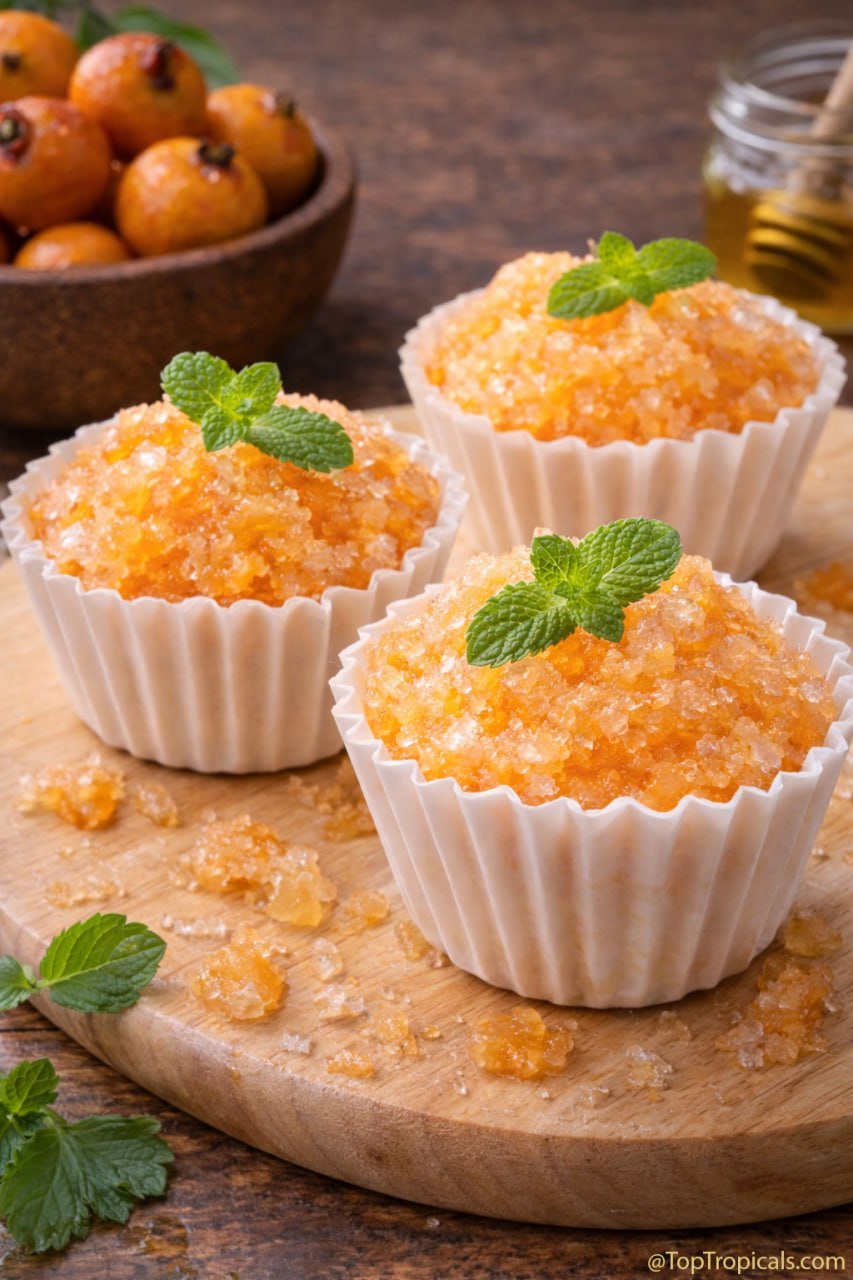
Frozen pitomba pops with mint

Frozen pitomba pops with mint

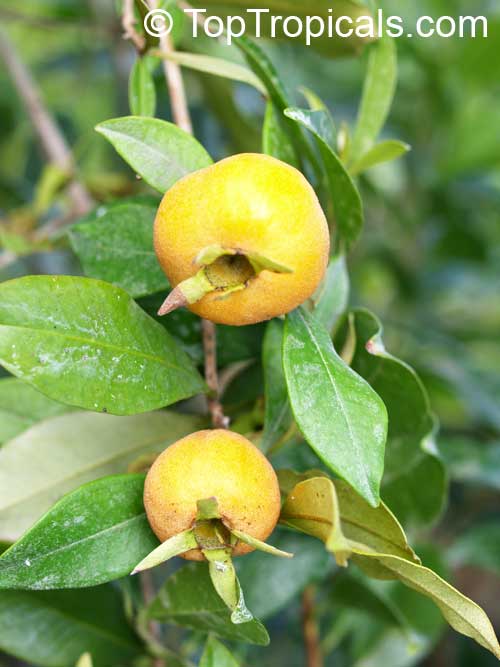
Eugenia luschnathiana - Pitomba

Eugenia luschnathiana - Pitomba

🍴 Pitomba pop cups: quick-n-fun exotic recipes


Pitomba Pop Cups

Ingredients

  • 1 cup pitomba pulp
  • 1 teaspoon honey
  • 1 tablespoon water
  • Fresh mint leaves (optional)

Instructions

  1. Scoop pitomba pulp into a small bowl.
  2. Mix with honey and a little water to soften the texture.
  3. Spoon the mixture into small cups or molds.
  4. Freeze until icy-soft.
  5. Serve topped with fresh mint for a refreshing tropical snack.


🌿 About the plant:


Pitomba (Eugenia luschnathiana) is a tropical fruit native to Brazil, prized for its bright, citrusy pulp with a sweet-sour kick. The flavor is often compared to a mix of apricot, citrus, and mild resin, making it refreshing and snack-worthy straight from the fruit.

🌱 In the garden:


Pitomba grows as a small to medium-sized slow growing tree with glossy evergreen leaves. It thrives in warm climates, prefers full sun to light shade, suitable for USDA zones 10-11, it can also be grown in large containers and responds well to pruning, making it manageable for home gardens.

🛒 Plant exotic Pitomba cherry in your garden

📚 Learn more:

Pitomba Plant Facts

Eugenia luschnathiana, Phyllocalyx luschnathianus
Pitomba
USDA Zone: 9-11
Small tree 10-20 ftFull sunModerate waterRegular waterWhite, off-white flowersEdible plant

Eugenia luschnathiana - Pitomba - in Plant Encyclopedia

#Food_Forest #Recipes

🟢 Join 👉 TopTropicals