Garden Blog - Top Tropicals

Date: 25 Jan 2026

How to grow Winter blooms without sun, indoors or out

Clerodendrum wallichiii - Bridal Veil

✨ How to grow Winter blooms without sun, indoors or out

  • ⭐️ Clerodendrum wallichii - Bridal Veil, is one of those plants that quietly steals the show. It is a graceful shrub that drapes itself in long, hanging sprays of white, lightly fragrant flowers just when many gardens are slowing down. Around fall and into winter, it suddenly comes alive with cascading blooms that really do look like a veil.
  • ⭐️ One of the things that makes Bridal Veil really special is that it blooms beautifully in bright shade, which is rare - not many flowering shrubs are happy without direct sun. Because it tolerates lower light so well and stays elegant in a container, it also makes a surprisingly great indoor plant in a bright room or sunroom.
  • ⭐️ What you will love most is how elegant but easygoing it is. The plant grows upright with soft, arching branches, usually topping out around 6–7 feet, with narrow, pointed leaves that stay neat and refined. The green stems set it apart from some other clerodendrums, giving it a lighter, airier look even when it’s not in flower.
  • ⭐️ Bridal Veil does best when you treat it gently. It likes bright light but not harsh afternoon sun, and it really appreciates protection from wind. Give it a spot with morning sun or bright shade, keep the soil evenly moist but well drained, and it rewards you without much fuss. It’s a great choice for containers, patios, or sheltered garden beds where you can enjoy the flowers up close.
  • ⭐️ Another bonus - it blooms when you want it most. While many plants rest, Bridal Veil puts on its show from fall through spring, making it a favorite for winter-interest gardens in warm climates. Pollinators notice it too, especially when little else is blooming.
  • ⭐️ If you like plants that feel a bit romantic, bloom off-season, and don’t need constant attention, this one earns its place fast. Bridal Veil is quiet, graceful, and unforgettable once you’ve grown it.


🛒 Start your Clerodendrum collection

📚 Learn more:
#Shade_Garden #How_to #Hedges_with_benefits #Container_Garden

🟢 Join 👉 TopTropicals
Date: 7 Feb 2026

How to grow an Avocado tree on your patio

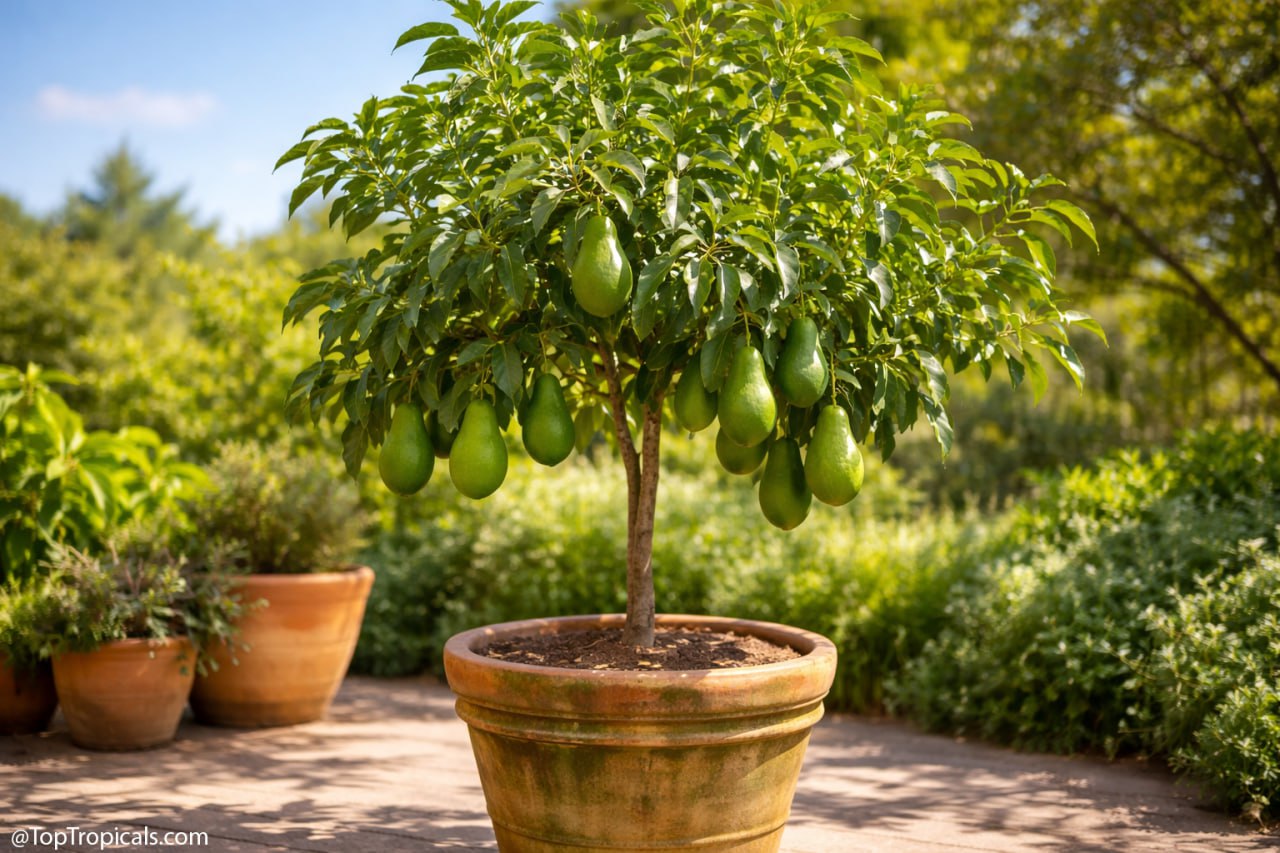
Avocado tree fruiting

Avocado tree fruiting

Yes, you can grow an Avocado tree on your patio - here is how to do it right

  • If you would love to grow your own avocado but don’t have a big yard, good news - avocado trees can grow very well in containers. Compact or dwarf varieties, often called condo avocados, are especially suited for pots, patios, balconies, and even indoor growing near a sunny window.
Growing avocados in pots is also a smart choice in cooler climates, since you can move the tree indoors when temperatures drop. With the right variety and basic care, potted avocado trees are easy to manage.
  • Pick a compact avocado variety


    Choosing the right variety is the most important step. Standard avocado trees grow very large, but condo or compact varieties stay much smaller and adapt well to containers.
    Good choices for pots include:

· Wurtz (Little Cado) - a true dwarf, perfect for containers
  • · Fuerte - a semi-dwarf that stays manageable with pruning
  • · Joey - naturally compact and easy to keep smaller
Dwarf avocado trees usually grow 6 to 10 feet tall. Fruit size is normal, but yields are smaller than on large trees.
  • Choose the right pot


    Start with a pot about 12 inches wide (around 5 gallons). This size is easier to water correctly and helps prevent root rot. Avoid planting a small tree into a very large pot too soon.
    As the tree grows, move up gradually. A mature potted avocado will need an 18- to 24-inch container. Repot every couple of years when roots show through drainage holes.
    Always use a pot with excellent drainage.
  • Use well-draining soil


    Avocados love water but hate wet feet. Use a loose, fast-draining mix, such as Abundance Professional Soilless Mix. You can improve drainage by adding perlite or coarse sand. Avoid heavy garden soil.
    Water deeply, but not too often.
    Water thoroughly, then let the soil dry before watering again. Always check moisture first. In summer, watering may be needed once or twice a week; in cooler weather, much less.
    Overwatering is the fastest way to kill a potted avocado.
  • Give plenty of sun


    Avocado trees need at least 6 to 8 hours of full sun daily. Outdoors is best, but indoors place the tree near a bright south- or west-facing window. Grow lights can help if light is limited.
  • Fertilize and prune


    Feed during the growing season with a balanced fertilizer such as Green Magic (every 6 months) or liquid Sunshine Boosters (safe to use with every watering, year-around). Prune lightly to keep the tree compact and well-shaped.
  • Protect from cold


    Most Avocados are sensitive to hard freeze. When temperatures drop below 35F, move the pot indoors or into a protected space. Reduce watering in winter as growth slows.
    Cold hardy varieties can take cooler temperatures down to 18F once established. For example, Joey is both cold hardy and dwarf - perfect choice.
  • Final thoughts


    Growing an avocado tree in a pot is practical and rewarding. With good drainage, sun, careful watering, and the right variety, you can enjoy homegrown avocados even without a yard.
    Small space? No problem. Just think condo avocado. According to Southern Living, Lemons can be grown in pots - and so can Avocados!


✔️ Check out
Avocado Variety Guide interactive chart. Sort them by flower type A or B, tree habit, fruit shape and quality, cold hardiness, origin, season and more!

🛒 Explore Avocado varieties and Dwarf Avocado

📖 Our Book: Avocado Variety Guide, Snack or Guacamole?

📚 Learn more:


🎥 What is a Dwarf Condo Avocado that fruits at 3 ft tall? 📱

#Food_Forest #Avocado

🟢 Join 👉 TopTropicals

Date: 9 Mar 2026

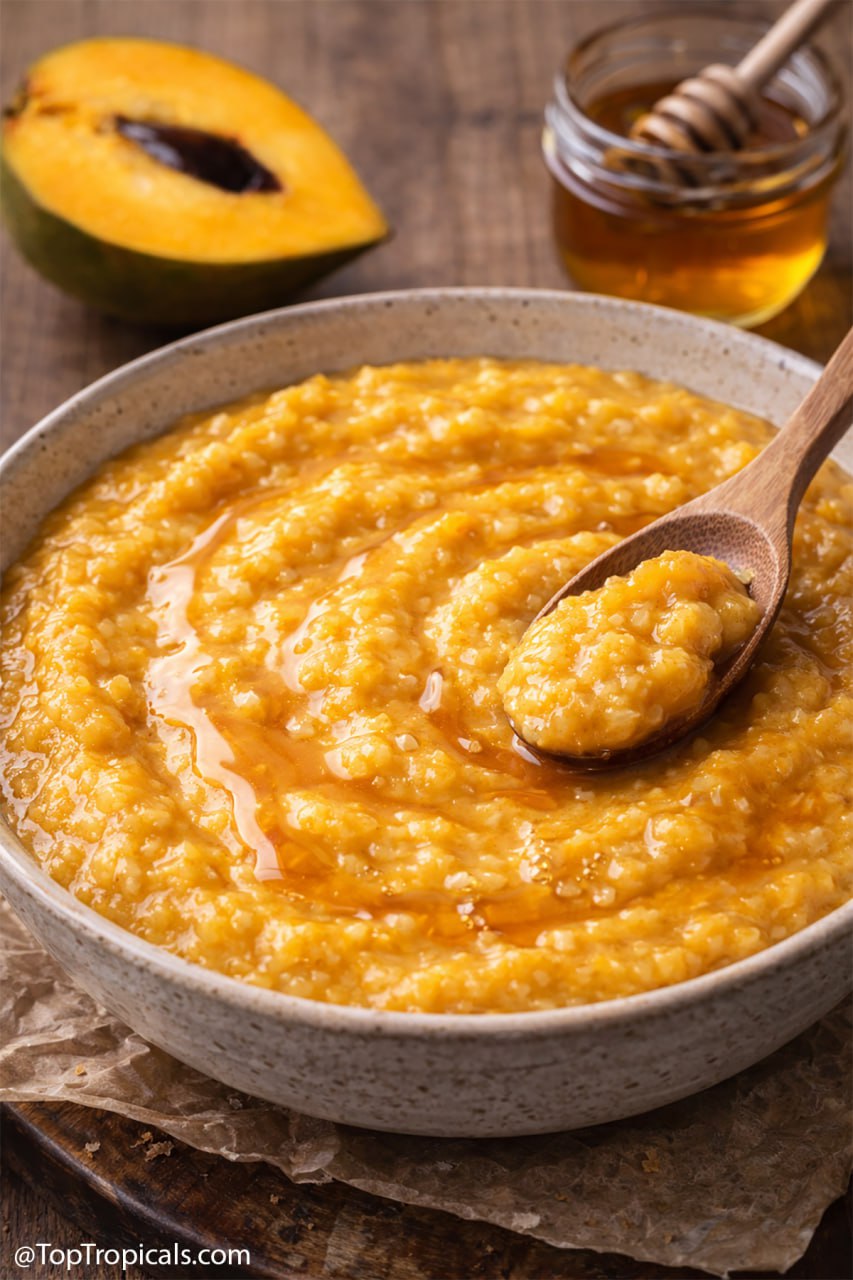
Golden canistel cream: quick-n-fun exotic recipes

Golden canistel cream

Golden canistel cream

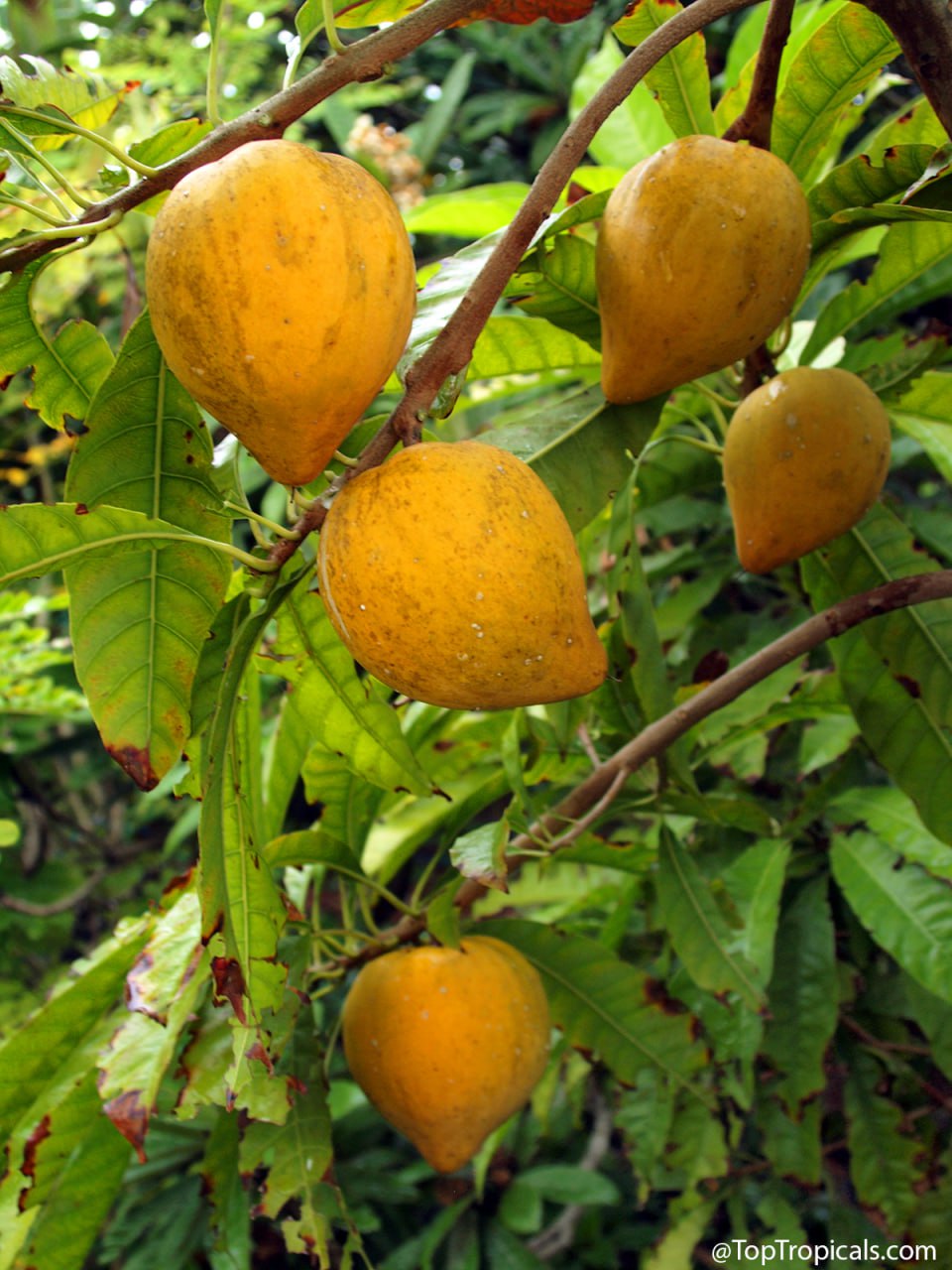
Pouteria campechiana - Canistel, Eggfruit

Pouteria campechiana - Canistel, Eggfruit

🍴 Golden canistel cream: quick-n-fun exotic recipes


Golden Canistel Cream

Ingredients

  • 1 ripe canistel (eggfruit)
  • 2 to 3 tbsp milk
  • 1 to 2 tsp honey

Instructions

  1. Scoop the ripe canistel flesh into a bowl.
  2. Add milk and honey.
  3. Mash until smooth and creamy.
  4. Warm gently in a small pan if desired.
  5. Serve warm like a thick tropical porridge.

🌿 About the plant:


Also called Eggfruit, canistel has bright yellow flesh that is dense and slightly dry when ripe.

🏡 In the garden:


Grows well in warm climates with good drainage. Compact growth makes it suitable for small yards.

🛒 Plant Canistel Egg Fruit tree - grows well in container too

📚 Learn more:


#Food_Forest #Recipes

🟢 Join 👉 TopTropicals

Date: 15 Nov 2016

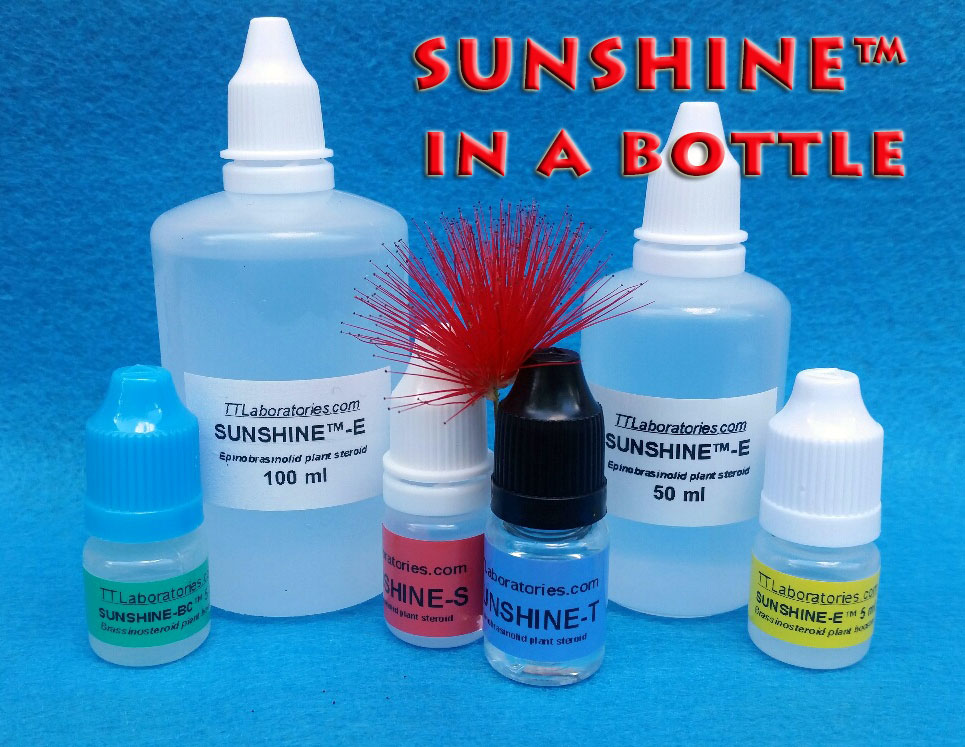
SUNSHINE in a bottle - your help during winter

Q: I have been using your new plant hormone SUNSHINE for plants after shipping, and I must admit it does make a big difference! They recover right away. I order plants online very often, and usually it takes up to a week or more until they start showing new growth. After SUNSHINE treatments, they look fresh within a day or two. My question would be, for improving cold tolerance, what do you recommend? I live in Florida and it is still warm here, should I start spraying my garden now or should I wait until cold spells?

A: SUNSHINE is very effective plant stimulant that helps tropical plants survive different kinds of stress, including cold, heat, drought, low light, etc. At TopTropicals gardens and nursery, we have been using this hormone for many years to protect our plants from unfavorable conditions, and it saved us many rare tender species, and lots of money!
The sooner in Fall you start treatments, the better. Don't wait until cold spell. SUNSHINE works slowly and in very low doses. The mechanism is actually about boosting, building up the plant's own immune system. Low doses once a week, even every other week will work just fine, so you will need very little of the product. For less than $5 you can help expensive rare plants to go through winter painlessly. Recommended application is only 2.5 ml/1 gal of water, to spray every 1-2 weeks throughout winter period.

Start spraying your plants with SUNSHINE now, to help them survive short winter days, build up insect resistance (especially for plants indoors), and what is most important, to remain strong through lower temperatures. These are our suggestions:

- SUNSHINE-T - thermo-protection booster. It is specially formulated for winter protection of tropical plants. To improve cold hardiness even more, spray 1-2 days prior to cold with 5 ml/1 gal solution and after that, continue applications with 2.5 ml/1 gal solution every 10-15 days throughout winter period.
- For large plant collections, and in-ground gardens in subtropical areas, take advantage of very cost effective bulk items 50 ml and 100 ml bottles of SUNSHINE.
- Don't forget that SUNSHINE is only a stimulant, and not a plant food. While regular fertilizer should be avoided during winter months, it is always beneficial to apply microelements through foliar spray. During cooler period, chances of chlorosis increase, because at low temperatures iron is difficult so absorb by roots especially in moist soil, hence iron deficiency! Our new Iron supplement SUNSHINE-Super-Iron microelement booster will help to avoid yellowing leaves and to maintain your plants strong and healthy during slow growth period. Ultra-potent, highly absorbable iron mix, with chelated Iron with DTPA (instead of usual EDTA) that is better soluble in hard water and more effective for chlorosis. This mix contains both EDTA + DTPA chelated iron in higher concentration than regular micro-elements mixes.

See all SUNSHINE booster products in our store. For advanced information on SUNSHINE plant boosters, history of use, formulation, and frequently asked questions, visit our manufacturer's website TTLaboratories.com.

Best plants suitable for containers. Check out our large selection of plants that are easily grown in containers

Date: 19 May 2016

Care of mail-order plants during hot summer

Q: I live in California and about a month ago ordered several plants from you, including fruit trees (Carambola, Mango, Avocado) and flowering trees (Xanthostemon, Adeniums, Champaca, Ylang Ylang). They were all doing well until I tried to move them into full sun, when they got leaf burn immediately. Ylang Ylang was doing great in a shade, but I repotted it from 1 gal into 3 gal and it is drooping leaves now. It has been very hot (over 100F) and dry (humidity is less than 25%). Any suggestions?

A: Hot summer can be pretty challenging time for establishing new plants. These are some guidelines to make your summer gardening more successful and rewarding.

1. You can order plants at any time, but keep your eye on your local weather forecast and try to chose cooler periods to schedule your plant shipments. Here at TopTropcals we monitor weather at destinations, and we can also delay shipment per your request until more favorable conditions.

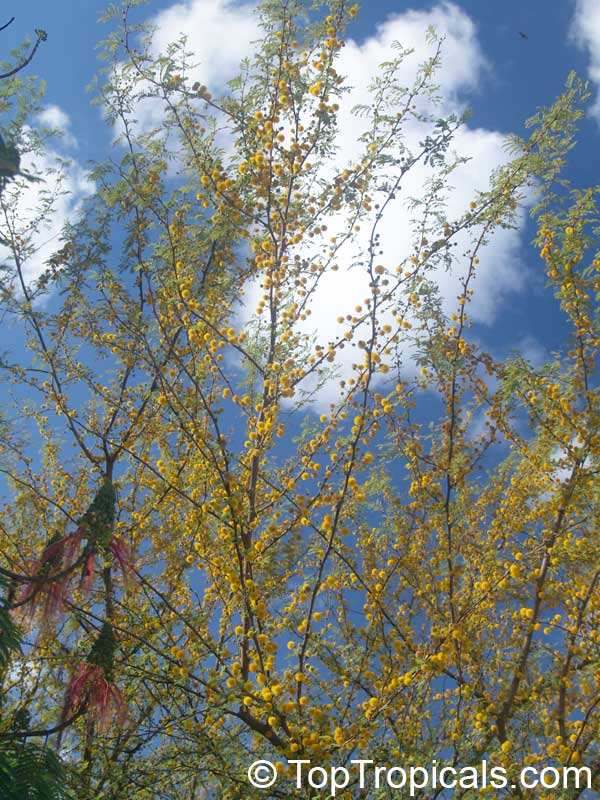
2. During hot Summer months, many plants are still OK to ship, and to be planted, many species are heat tolerant. It's usually safe to ship most succulents, including Desert roses and Euphorbias. Some fruit trees are pretty easy too, like Loquats, Mango, Eugenias. Many flowering trees can take heat: Acacias, Clusias, Jatropha, Sausage Tree, Plumerias and many others. Check our full list of plants suitable for hot and dry conditions. Most jasmines, including Jasmine Sambac and Trachelospermum make also a safe choice for hot weather planting.

3. Use shade cloth or simply white sheets to protect young plants and new plantings from hot sun.

4. When establishing mail ordered plants during hot weather, keep them in shade for longer period of time than average recommended 1-2 weeks. Give them a chance to establish really well. In areas with low air humidity, try to create a simple mist system