Garden Blog - Top Tropicals

Date: 26 Aug 2025

Its a miracle: Miracle Fruit messes with your tongue, makes lemon sweet!

Synsepalum dulcificum - Miracle Fruit

🍭 It's a miracle: Miracle Fruit messes with your tongue, makes lemon sweet!

  • 🍋🍬Miracle Fruit (Synsepalum dulcificum) Miracle Fruit - is a tidy, productive pot plant with a magical surprise.
  • 🍋🍬 Ever wish lemons tasted like candy? This little berry makes sour foods taste sweet - lemon turns into a lemon candy, vinegar into syrup, and the effect can last for hours. The secret is a natural compound that masks the sour taste buds on your tongue.
  • 🍋🍬 Miracle fruit isn’t just a fun trick - it’s also a perfect plant for your garden. A compact, slow-growing shrub, it actually prefers pots since it likes acidic soil. Indoors or out, it can fruit almost year-round, staying a neat 3-5 ft tall in a container.
  • 🍋🍬 Best part? You can surprise your friends with a slice of lemon before and after trying it - and just wait for their reaction!
  • 🍋🍬 What foods did you try with Miracle fruit? How did it change the taste?


🛒 Plant your own Miracle Fruit

📚 Learn more:


#Food_Forest #Nature_Wonders #Remedies

🟢 Join 👉 TopTropicals

Date: 4 Oct 2025

The secret tree behind Chanel No 5 perfume

Ylang-Ylang (Cananga odorata), Chanel No 5 Tree

👑 The secret tree behind Chanel No 5 perfume

  • ⭐️ Ylang-Ylang (Cananga odorata, Chanel No 5 Tree) is the tree behind the worlds most famous fragrance - Chanel No. 5. Its golden, star-like flowers drip from the branches with a scent so powerful you can smell it from yards away.
  • ⭐️ Native to Indonesia and Southeast Asia, this tropical evergreen can reach impressive heights, yet it blooms almost year-round, covering itself in clusters of perfumed flowers. This is one of the most beautiful, fast growing and beneficial flowering trees for Southern landscapes.
  • ⭐️The fragrance shifts as the blooms age, from green to lemon yellow to deep golden, each stage producing an intoxicating scent prized in perfumery and aromatherapy. Even without flowers, its tiered branches and glossy leaves create a striking, almost Christmas-tree effect.
  • ⭐️For smaller spaces, a dwarf form, Cananga fruticosa, brings the same beauty and scent in patio-friendly size. Whether towering or compact, Ylang-Ylang is more than a plant - it's living perfume in your garden.


🛒 Get your own Chanel #5 Tree

📚 Learn more:


📱 What is Chanel No5 made of? The story of Ylang-Ylang

🔽The Ylang-Ylang - Queen of the Perfume World - book - PDF file download

#Perfume_Plants #Trees

🟢 Join 👉 TopTropicals

Date: 29 Oct 2024

How to overwinter tropical plants indoors

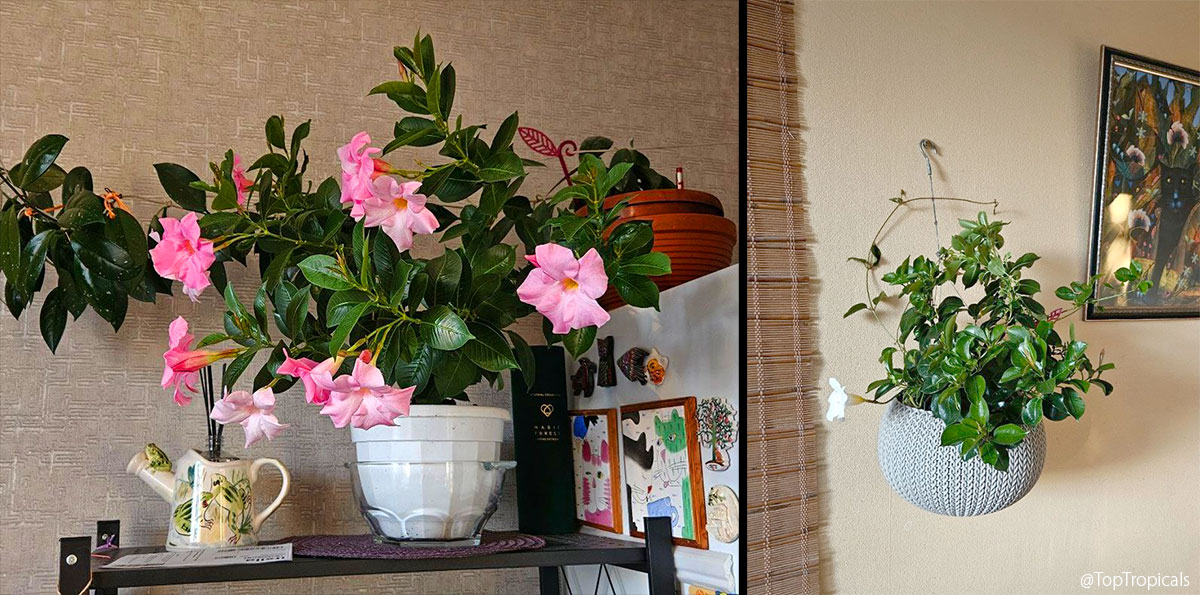
Mandevillas  indoors

10 key tips for successful overwintering

Q: I have two Mandevillas that thrived on my balcony all summer. Now that cold weather is approaching, I've moved them indoors to bright spots, but they're dropping and wilting leaves. How can I keep them healthy until spring? Should I fertilize them? Can Mandevillas grow indoors year-round?

A: First, keep in mind that the plants we call "indoor plants" or "house plants" are all tropical. However, not all tropical plants are suitable for indoor living. Some, especially shade-loving ones, thrive in indoor conditions, which is why we refer to them as "house plants" (philodendrons, monsteras, calatheas, peperomias, and many others, including some succulents). Others are less adaptable to the lower light and humidity typical of indoor spaces, but with a little extra care, you can overwinter them inside and move them back outdoors in spring. Mandevillas are no exception! Even tropical trees, including fruit trees, can tolerate a few months indoors if given the right conditions for semi-dormancy. Below are the 10 key tips for successfully overwintering tropical plants indoors.

1. Maximize Light: The more light, the better. There's no such thing as too much indoor light. If windows aren't enough, use LED grow lights, which stay cool and won't dry the air. Rotate plants every few days to prevent uneven leaf loss.

2. Reduce Watering: Less light and cooler temperatures mean plants need less water. Allow the soil to dry between waterings, and avoid overwatering - combination of cold + wet is especially harmful.

3. Maintain Moderate Temperatures: Most tropicals are happy with daytime temperatures around 75F and nights at 50-60F. In sunrooms or greenhouses, some can handle 45F if watering is kept to a minimum.

4. Boost Humidity: Avoid placing plants near heaters or vents that dry the air. Misting daily helps, or place pots on trays filled with water and pebbles to raise humidity around them.

5. Monitor for Pests: Check leaves weekly to catch insect problems early, as pests can cause serious damage or even kill the plant indoors.

6. Fertilize Smart: Use ONLY liquid, amino-acid-based fertilizers like Sunshine Boosters throughout winter; they won't burn roots since their dosage adjusts with reduced watering. Avoid dry, granulated, and EDTA-based fertilizers during winter and dormancy.

7. Use Micro-Nutrients: Along with macro-elements (fertilizers), supplement with micro-elements like Sunshine Superfood and bio-stimulants such as Sunshine Epi to build strong plants with robust immune systems, better able to withstand unfavorable conditions and resist diseases.

8. Hold Off on Pruning: Leaf drop and leggy growth are normal responses to winter. Wait until spring to prune, when new growth starts, to encourage branching and healthy foliage.

9. Don't Repot Yet: During dormancy, roots slow their growth. Repotting too soon risks root rot. Wait until spring when new growth appears to transplant into a larger container. Typically, roots grow in proportion to the above-ground parts.

10. Let Them Rest: Winter is a natural resting period. Avoid forcing growth - your plants will reward your patience with vibrant leaves and flowers when spring returns.
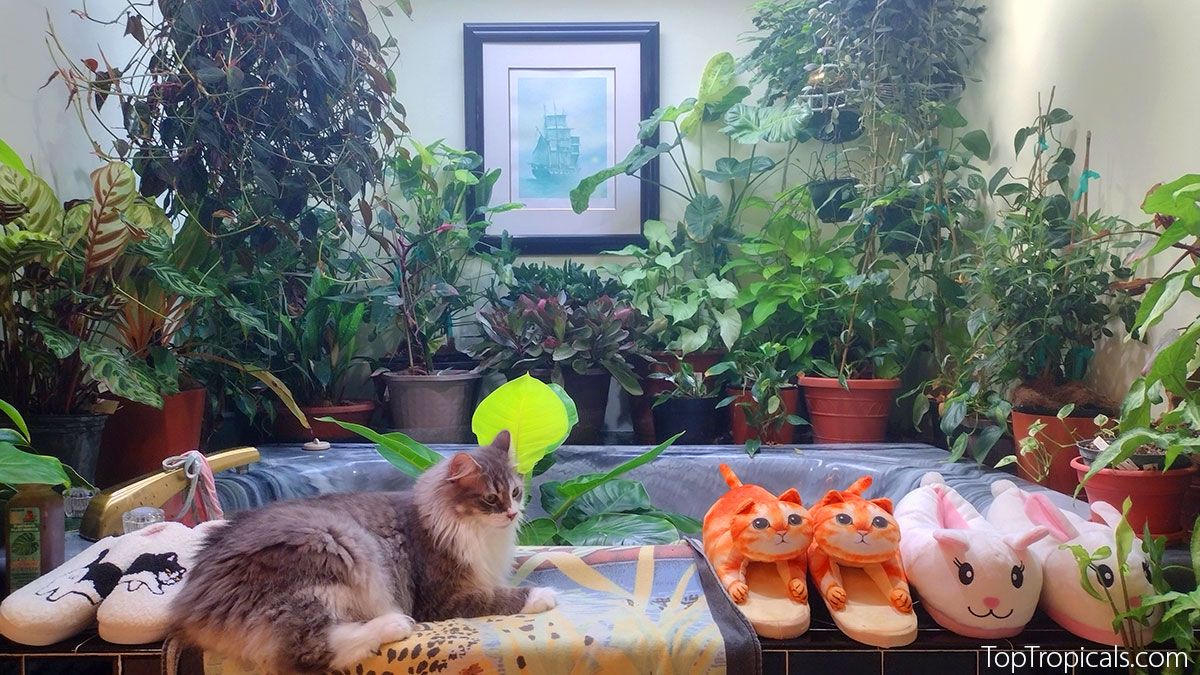
Cat  Indoor  Garden

Date: 1 May 2025

🌸 Plumeria Power: The Signature Scent of the Tropics

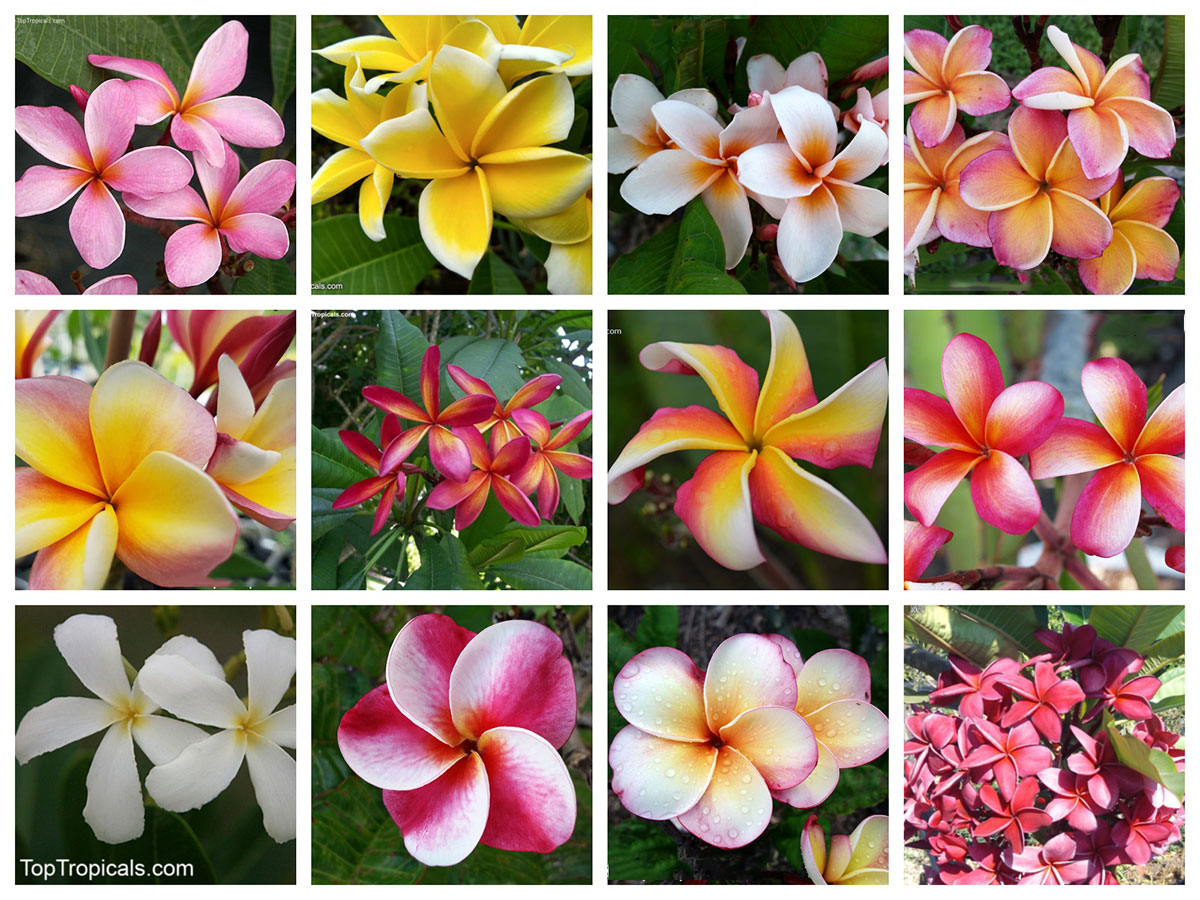
Plumeria  collage

Q: What is the most fragrant variety of Plumeria? Are some colors more fragrant than others? How do you keep Plumeria blooming?

A: From Kristi, TopTropicals Flower Expert: At Top Tropicals, we used to think yellow Plumeria was the most fragrant. That was until we discovered multi-colored hybrids and stunning "rainbow" varieties! These rare beauties are prized not just for their sweet, strong fragrance but also for their dazzling mix of tropical colors.

We just received new arrivals of stunning new Plumeria varieties - but quantities are limited, so don't wait! Choose your favorite colors and bring home the irresistible scent of the tropics.

Plumerias are famous for their rich colors and unforgettable fragrance. With just a few simple steps, you can grow your own blooming tree and enjoy flowers just like in the pictures.

5 simple rules how to grow a fragrant Plumeria

1. Use well-drained soil. Choose a potting mix rich in perlite, bark, and coconut fiber. We recommend Sunshine Abundance professional soil mix for best results.

2. Choose the right container. Use a pot just slightly larger than the root ball to prevent water-logging. Plumeria prefers dry conditions - water only when the soil is slightly dry.

3. Give it full sun. Plumeria needs plenty of light to bloom. If grown indoors, place it in the brightest spot and bring it outside for sunbathing whenever possible.

4. Let it rest in winter. Plumeria drops its leaves and goes dormant during the cooler months. When this happens, reduce watering to a minimum and let the plant rest until new growth begins.

5. Feed it to bloom. Plumeria is a heavy feeder and needs fertilizer to flower well. Use a plant food high in phosphorus, like Sunsine Megaflor Bloom Booster liquid fertilizer. It's safe to use with every watering, all year round.

New Video of Exotic Plumeria Hybrids

Check out different varieties of Plumerias in full bloom. Just look at these colors in this short video !

Date: 24 Jun 2018

Care for ultra-tropical plants

TopTropicals

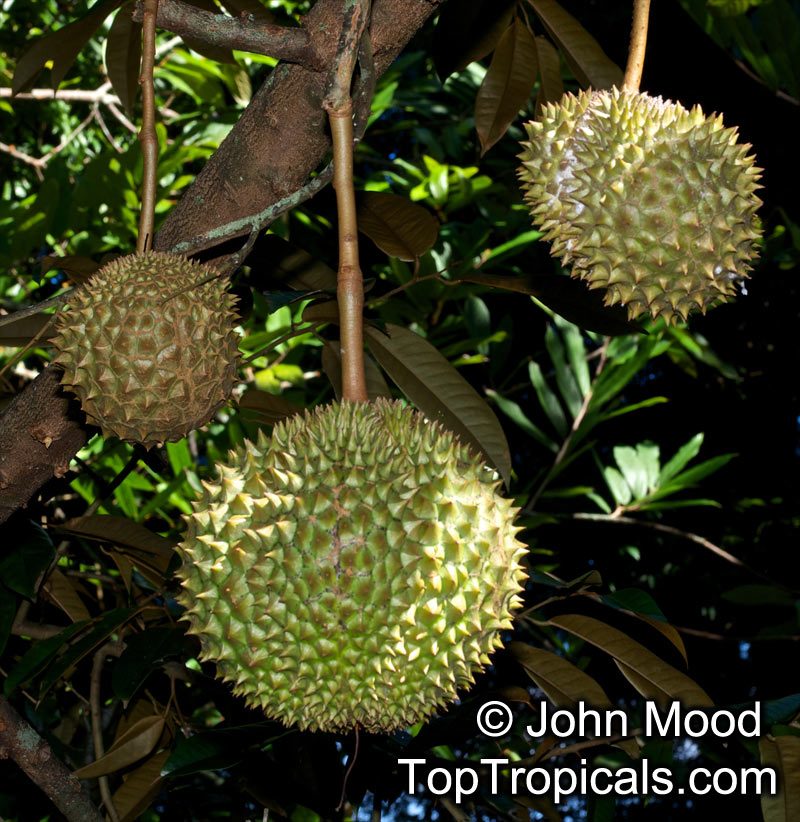
Some tropical plants like Durian, Breadfruit, Cacao are rare in plant collections and require true tropical environment for successful growing and most likely greenhouse conditions unless you live in mild tropical climate like Hawaii. These plants are hard to find and are not cheap. They can be shipped to you in original containers via Express mail and usually take trip well as long as there are no delays or overheating (or cold) during transportation. To enjoy your rare plant collection gem, please make sure to follow these recommendations:
- Keep your eye on delivery, track the shipment and make sure package is not left outside in the heat or cold.
- Unpack immediately and put plant in humid, warm environment with filtered light. Remember, "warm" for tropical plant means 78-85F.
- If a plant is wilted, put clear plastic bag over leaves to increase humidity for a few days. Keep the branches covered with clear plastic, in shade only - to avoid overheating.
- Keep soil slightly moist and don't let dry out. These plants like water as well as good drainage.
- Keep plant in original container until recovers from shipping stress. If necessary, re-pot in 2-3 weeks in bigger pot with rich organic potting mix, containing a lot of peat moss, and perlite or bark for good drainage.
- Grow these plants in warm and mild conditions, in filtered light, high humidity, with no temperature extremes. Remember to keep these plants at temperatures above 50F at all times.