Garden Blog - Top Tropicals

Date: 18 May 2024

What was discovered in the Pyramids: Pigeon Pea - an Ancient Superfood

Cajanus cajan - Pigeon Pea and Egyptian pyramids

Cajanus cajan - Pigeon Pea and Egyptian pyramids

Cajanus cajan - Pigeon Pea

Cajanus cajan - Pigeon Pea

Cajanus cajan - Pigeon Pea

Cajanus cajan - Pigeon Pea

Cajanus cajan - Pigeon Pea

Cajanus cajan - Pigeon Pea

What was discovered in the Pyramids: Pigeon Pea - an Ancient Superfood...

  • Cajanus cajan - Pigeon Pea - existed for more than 4800 year! It's been widely consumed in South Asia, South East Asia, Africa, and Latin America. Documented in India since 2,800 BC; reached Ancient Egypt around 2,200 BC.
  • Provides flavorful, nutritious, and healthy food, with potential to become widely popular like Japanese sushi 🍱
  • It is a showy perennial woody shrub or small tree, 4-8 ft tall, with soft leaves. Can be grown in container
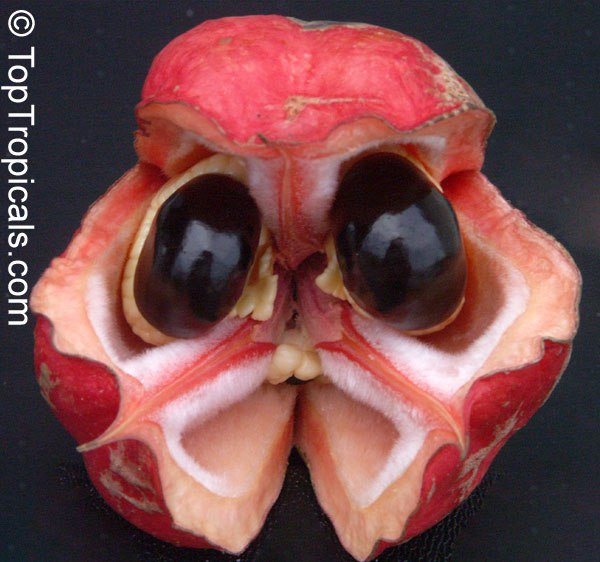
  • Pretty flowers are yellow, with purple or red streaks, pods containing oval to round seeds.
  • Many culinary uses: the tasty and healthy beans used in rice dishes, soups, stews, tempeh, tofu. Unripe pods eaten in curries, leaves and young shoots cooked as a vegetable.
  • Rich source of fiber, protein, vitamins (B, C, E, K), and minerals (calcium, iron, magnesium, manganese, phosphorus, potassium, zinc).
  • Medicinal value: various folk medicinal uses for sores, bladderstones, jaundice, skin irritations, bronchitis, coughs, pneumonia, toothache, dysentery, and more.
  • Everyone can grow it! The plant is super easy, tolerates poor soils, drought tolerant, improves soil quality like many other beans.


📚 Learn more about Pigeon Pea

🛒Grow your own Pigeon Pea Superfood

#Food_Forest #Remedies #Container_Garden #Fun_Facts

🏵 TopTropicals

Date: 17 May 2024

5 simple rules how to grow a fragrant Plumeria tree and make it bloom for you, just like on the pictures

Plumeria, Frangipani red rainbow

Plumeria, Frangipani red rainbow

Plumeria, Frangipani pink rainbow

Plumeria, Frangipani pink rainbow

Plumeria, Frangipani rainbow

Plumeria, Frangipani rainbow

Plumeria, Frangipani dark pink

Plumeria, Frangipani dark pink

Plumeria, Frangipani yellow

Plumeria, Frangipani yellow

Plumeria, Frangipani red rainbow

Plumeria, Frangipani red rainbow

Plumeria, Frangipani rainbow

Plumeria, Frangipani rainbow

Plumeria, Frangipani white

Plumeria, Frangipani white

🌸 5 simple rules how to grow a fragrant Plumeria tree and make it bloom for you, just like on the pictures.
  1. Soil must be well-drained: use potting mix with good amount of perlite, bark, and coconut fiber. We recommend Sunshine Abundance professional soil mix for best results.
  2. Container must be the size of the root ball and not much bigger, to avoid water-logging. Plumeria likes dry conditions. Water only when the soil gets slightly dry.
  3. Full sun is a must. If grown indoors, keep the plant in the brightest spot and take it outside for the sun bathing when possible.
  4. Dormancy in winter: this little tree drops leaves during winter. When it happens, reduce water to the minimum and let your Plumeria rest until it starts sprouting new leaves.
  5. Fertilize for the most profuse flowering with a plant food that is high in Phosphorus. Plumeria is a heavy feeder. We recommend Sunsine Megaflor Bloom Booster liquid fertilizer - it can be used with every watering and year around.


Enjoy the fragrant blooms!

🛒 Choose from fantastic colors of Plumeria

#Perfume_Plants #Container_Garden

🏵 TopTropicals

Date: 5 Jan 2025

Condo (Dwarf) Mango Practical Guide:
What varieties are good for container culture
or small yards

Condo  dwarf  mango  with  fruit

Q: "Our winters are too cold for a mango tree, but I'd like to grow one in a pot so I can bring it inside during cold nights. Which varieties do you recommend for container gardening? I've heard of Condo Mango - do you carry them?"

A: Yes, we always carry Condo Mango varieties: they are a fantastic choice for gardeners with limited space or in cooler climates. They grow well in containers and can be easily maintained through pruning. Whether you're growing them on a balcony, in a greenhouse, or in a backyard, Condo Mangos provide the perfect mix of beauty and practicality.

What Are Condo Mangos?

Condo Mangos, also known as dwarf mango trees, are perfect for small spaces. These trees can be grown in containers, making them ideal for balconies, greenhouses, or small suburban backyards. With proper care, they can be maintained at a manageable height of 6-10 feet through regular pruning. Some plant enthusiasts even manage growing Mango tree as an indoor plant!

The term Condo Mango

Condo Mango refers to mango varieties that thrive in containers and are small by nature, allowing them to be easily kept even smaller with selective pruning.

Size and Growth

Unlike traditional mango trees, Condo Mangos are compact. They naturally grow to around 6-10 feet, but with proper pruning, they can be kept small, making them an excellent choice for limited space.

Growing in Containers

- Condo Mango trees thrive in pots and containers.
- A 15-20 gallon pot is ideal to give the roots enough room to grow.
- Ensure your container has drainage holes to prevent root rot.

Planting Tips

- Plant Condo Mangos in full sun, where they'll get plenty of heat and light.
- Use well-draining soil for optimal growth.
- Fertilizer regularly with quality plant food. Out best choice is Sunshine Mango Tango for edibles. - Late Winter to early Spring is the best time to plant in containers, before the rainy season starts.
- Mangoes grow well in USDA zones 9-10, but if you live in cooler climates, you can grow them indoors or in a greenhouse, as long as you meet their heat and light needs.

Pruning and Maintenance

- Prune Condo Mango trees once a year to keep them at the desired height (6-10 feet), right after harvesting (late Summer to Fall)
- Trim the tips of the branches to maintain a compact shape and encourage healthy growth.
- Regular pruning will help keep the tree manageable and ensure better fruit production.

Learn more: Find out what are Top 10 Dwarf Condo Mango - great for container culture.

Condo  dwarf  mango  with  fruit

Condo  dwarf  mango  with  fruit

Date: 25 Apr 2024

How to keep weeds away?

Confederate Jasmine (Trachelospermum jasminoides)

Confederate Jasmine (Trachelospermum jasminoides)

Confederate Jasmine (Trachelospermum jasminoides)

☘️ How to keep weeds away?


"Give a weed an inch and it’ll take a yard...."

Hot season started, and so did the weed season!

💚 Ways to keep your yard weed-free without use of herbicide:

  1. Mulch, mulch, mulch
  2. Cover the area with cardboard (still getting those Amazon boxes?) and put mulch, mulch, mulch on top.
  3. Plant dense ground cover plants! Weeds will lose competition for food and light.


🎥 Did you know that Confederate Jasmine (Trachelospermum jasminoides) makes not only a trellis/fence solution, but also a dense fragrant ground cover? It's not demanding, fast growing, drought tolerant plant, takes full sun or shade. Sweet, deliciously fragrant flowers is a pleasant bonus!

🛒Get your fragrant ground cover

#How_to #Perfume_Plants

TopTropicals.com

Date: 10 Jan 2025

Dear Prudence

Dear Prudence

😨 Dear Prudence...


Jacques: "You were right, my guts couldn't hold that much food... I just thought you may be needing some napkins there... Sorry about the mess." 💵

🐱 Share your cats in comments!

🔠 More #PeopleCats in our Garden:
PeopleCats.Garden 

#Quotes

🔴 Join 👉 TopTropicals