Garden Blog - Top Tropicals

Date: 21 Dec 2025

Everyone wants Red Jade vine - this is the one that lives! How to grow Red Jade outside the Tropics

Camptosema grandiflorum - Dwarf Red Jade Vine, Cuitelo, or Rooster's Crest

❤️‍ Everyone wants Red Jade vine - this is the one that lives! How to grow Red Jade outside the Tropics.

  • 🔥 Camptosema grandiflorum (grandiflora) - Dwarf Red Jade Vine, Cuitelo, or Rooster's Crest - this Brazilian superstar brings cascading chains of bright red blooms.
  • 🔥 Love the stunning, fiery blooms of the famous Red Jade Vine (Mucuna benettii) but live outside the tropics? Its cousin - Dwarf Red Jade Vine - delivers the same jaw-dropping, flame-red flower chains as the famous tropical Red Jade vines - but without the extreme fuss.
  • 🔥 This vine is native to Brazil, where it grows at higher elevations. That is the secret. It is noticeably more cold tolerant than Mucuna benettii and can handle short dips to around 28F with little or no damage. It is also more forgiving with watering and can tolerate brief dry spells once established.
  • 🔥 Bloom time is late fall through winter, exactly when most gardens slow down. The flowers are long, heavy, and hang best from a pergola, arbor, or fence where they can cascade freely. Butterflies, bees, and hummingbirds find it fast.
  • 🔥 Despite the word "dwarf," this is a vigorous vine. It grows quickly, needs strong support, and rewards good care with a massive display. Give it sun to light shade, water when the soil feels slightly dry, avoid soggy roots, and prune after flowering. Mulch helps keep roots cool.
  • 🔥 It can even be grown in a large container with solid support.
  • 🔥 If you have ever wanted the iconic Red Jade look but live in a place with real winters or surprise cold nights - this is the smarter choice.


🛒 Plant the Red Jade Vine that grows outside the Tropics

📚 Learn more:

Crista-De-Galo Plant Facts

Camptosema grandiflorum
Crista-De-Galo, Dwarf Red Jade Vine, Brazilian Red Jade Vine
USDA Zone: 9-11
Vine or creeper plantSemi-shadeShadeRegular waterRed, crimson, vinous flowersPlant attracts butterflies, hummingbirdsSubtropical plant. Mature plant cold hardy at least to 30s F for a short timeSeaside, salt tolerant plant

#Nature_Wonders #Hedges_with_benefits #Butterfly_Plants

🟢 Join 👉 TopTropicals
Date: 30 Apr 2026

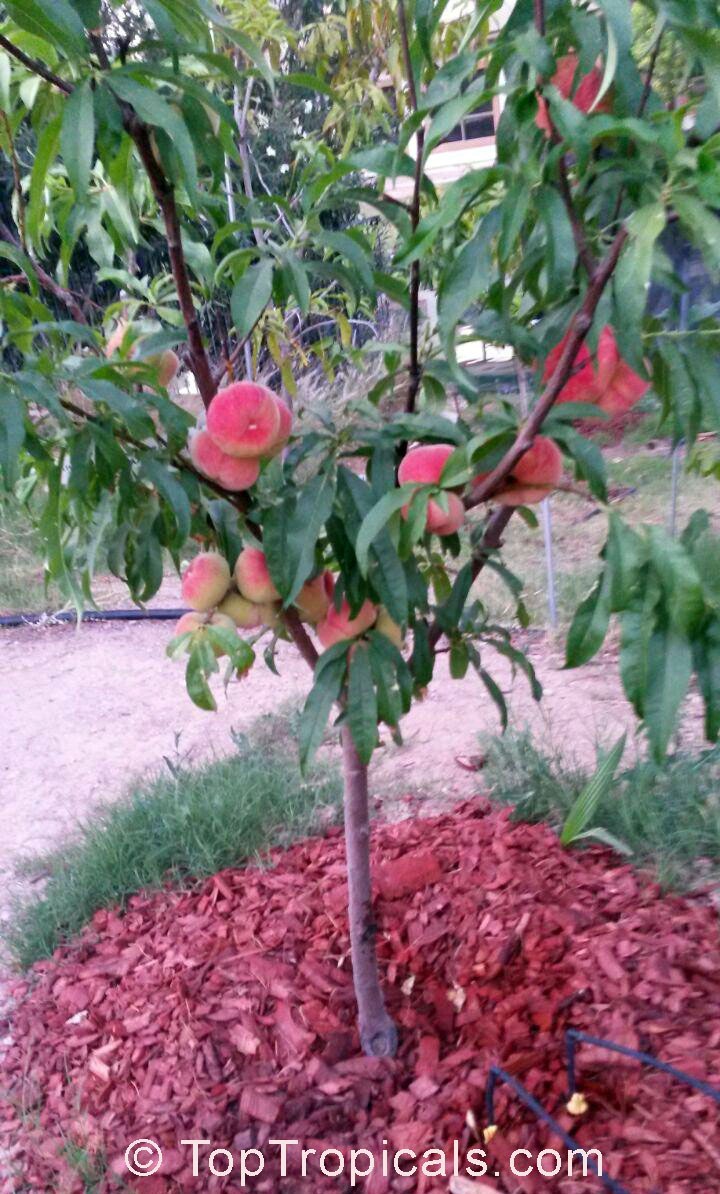
The One Peach Tree Every Florida Gardener Should Know About: Tropic Beauty

Peach tree in full bloom

Tropic Beauty Peach tree

Tropic Beauty Peach tree

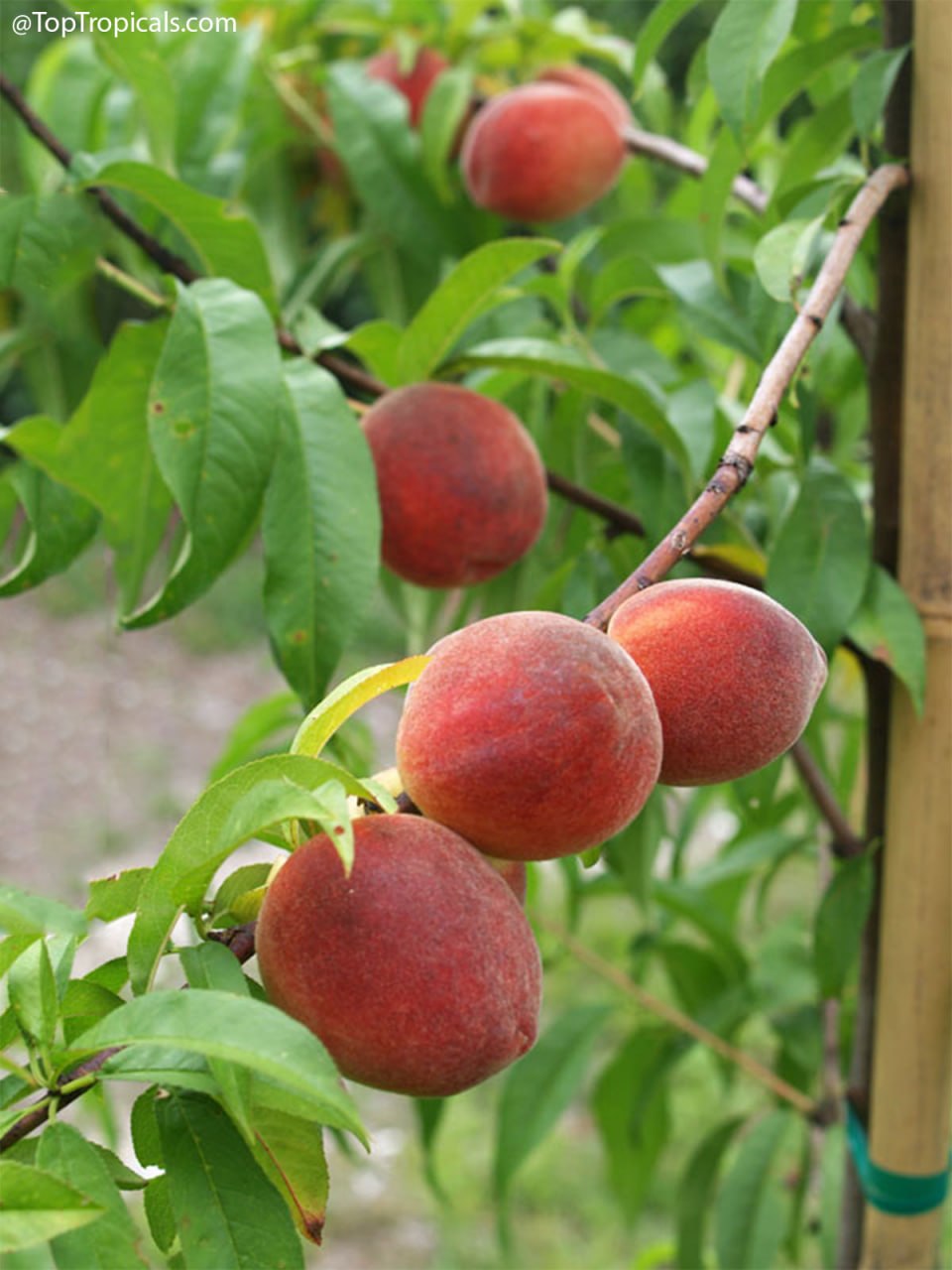
Tropic Beauty Peach fruit

Tropic Beauty Peach fruit

🍑 The One Peach Tree Every Florida Gardener Should Know About: Tropic Beauty


Most Florida gardeners assume peaches are off the table. Wrong climate, not enough cold, too much heat. Tropic Beauty exists specifically to prove that wrong - and it ripens in late April while the rest of the country is still waiting on summer.
  • 🍑 I Didn't Think You Could Grow Peaches Here


I'll be honest - when I first started growing fruit trees in Florida, I assumed peaches were just off the table. Too much heat, not enough cold winters, wrong climate entirely. Then someone at my local nursery pointed me toward Tropic Beauty, and that assumption went right out the window.

This variety has been around since 1989, developed jointly by the University of Florida and Texas A&M. That's over three decades of Florida gardeners growing it, eating it, and planting more of them. When a cultivar sticks around that long, it's just a good tree.
  • 🍑 Why Low Chill Actually Matters Here


    Most peaches need 700 to 1,000 chill hours - the number of hours below 45°F the tree needs during winter to break dormancy and set fruit. In central and south Florida, we're lucky to scrape together 150 to 300 hours in a mild year. That rules out most varieties before you even get started.

    Tropic Beauty only needs 150. It was built for exactly the winters we have here - cool but not cold, brief but not brutal. Most years, it gets what it needs without you thinking about it at all.
  • 🍑 What the Fruit Is Actually Like


    Medium-sized peaches, deep red blush covering about 70% of the skin over a bright yellow background. They look genuinely good on the tree - the kind of fruit that makes you grab your phone before you even pick one.

    Cut one open and you get soft, melting yellow flesh with classic sweet peach flavor, plus a little acidity to keep it interesting. The pit is semi-freestone, easy enough that you're not wrestling with it.

    If you've ever bitten into a grocery store peach and been let down - mealy texture, no real flavor - this is the opposite of that. Warm from the tree on a late April morning, it tastes like what peaches are supposed to taste like.
  • 🍑 April Harvest: Earlier Than You'd Think


    Ripening in late April, Tropic Beauty is one of the earliest peaches you can grow anywhere. Most of the country is still waiting on peach season while you're already making cobbler.

    The fruit also holds well on the tree - no need to pick everything at once. You can let them hang and harvest over a couple of weeks, which is a real convenience if you're planning to can and want to spread the work out.
  • 🍑 One Tree Is Enough (But Two Doesn't Hurt)


    Tropic Beauty is self-fertile, so it doesn't need a second tree to produce fruit. Plant one, get peaches. That matters if you're working with a smaller yard or just testing the waters.

    If you have space for two, yields do go up with cross-pollination - worth keeping in mind for a small home orchard.
  • 🍑 It Fits More Spaces Than You'd Expect


    The tree can grow 15 to 20 feet, but with regular pruning it's easy to keep around 10 feet. It also works well in containers, which makes it more accessible than most fruit trees.

    Plant it in full sun, well-drained soil. Peaches don't love wet feet, so if drainage is questionable in your yard, mounding the soil before planting is a smart move.
  • 🍑 Worth Planting?


    If you're in central or south Florida and you've been wanting to grow peaches but weren't sure it was realistic - Tropic Beauty is your answer. Proven over decades, adapted to the climate, and when it produces, it produces well.

    Some trees you plant and hope for the best. This one, you just wait for April.


🎥 Before the peaches, there's this. Tropic Beauty in full bloom - proof that a fruit tree can be just as beautiful as anything you'd plant purely for looks.

📚 Learn more:

🛒 Shop Low Chill Peaches

#Food_Forest #Discover TopTropicals

Peach Plant Facts

Prunus persica, Amygdalus persica
Peach
USDA Zone: 9-11
Small tree 10-20 ftFull sunRegular waterWhite, off-white flowersPink flowersEdible plantDeciduous plantSubtropical plant. Mature plant cold hardy at least to 30s F for a short time

Date: 14 Nov 2025

Java plum cooler: quick-n-fun exotic recipes

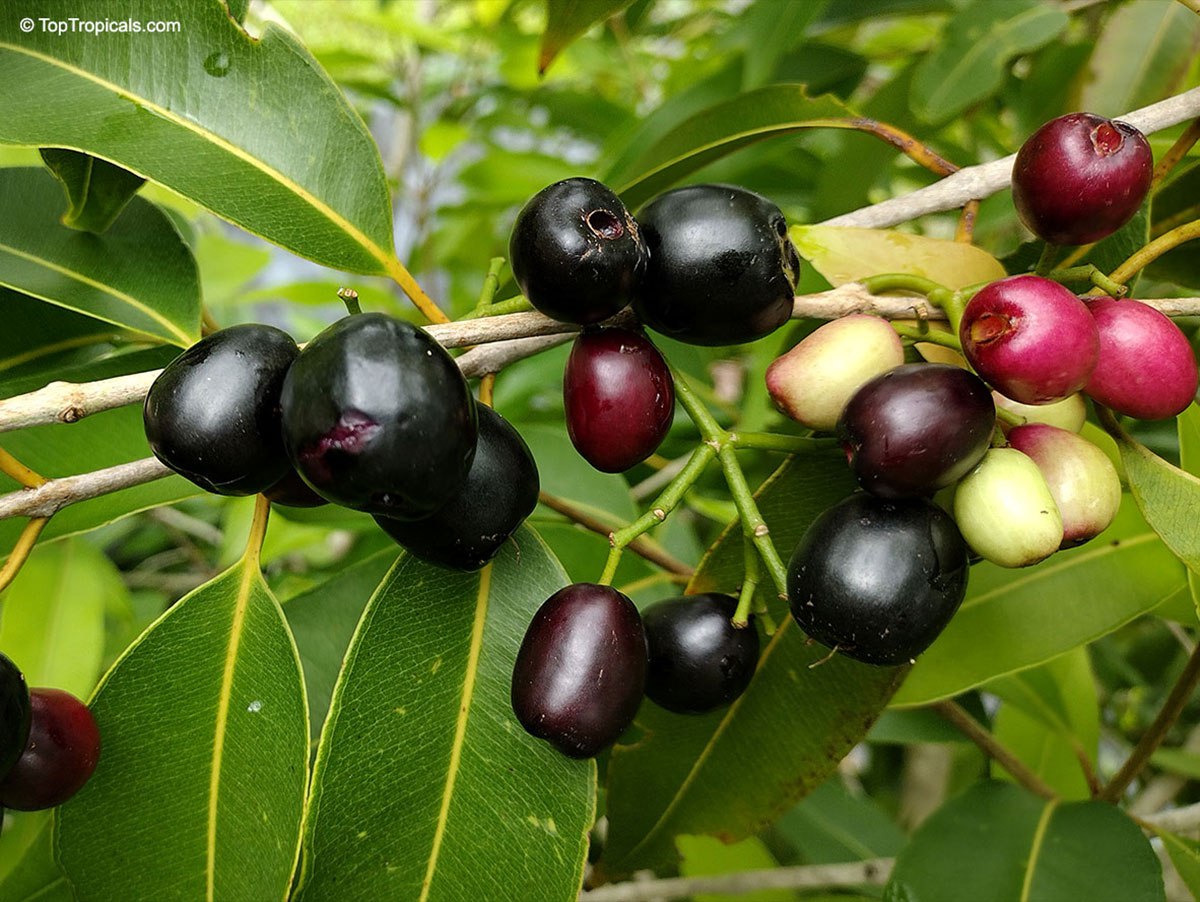
Java plum (Syzygium cumini, Jambolan)

Java plum (Syzygium cumini, Jambolan)

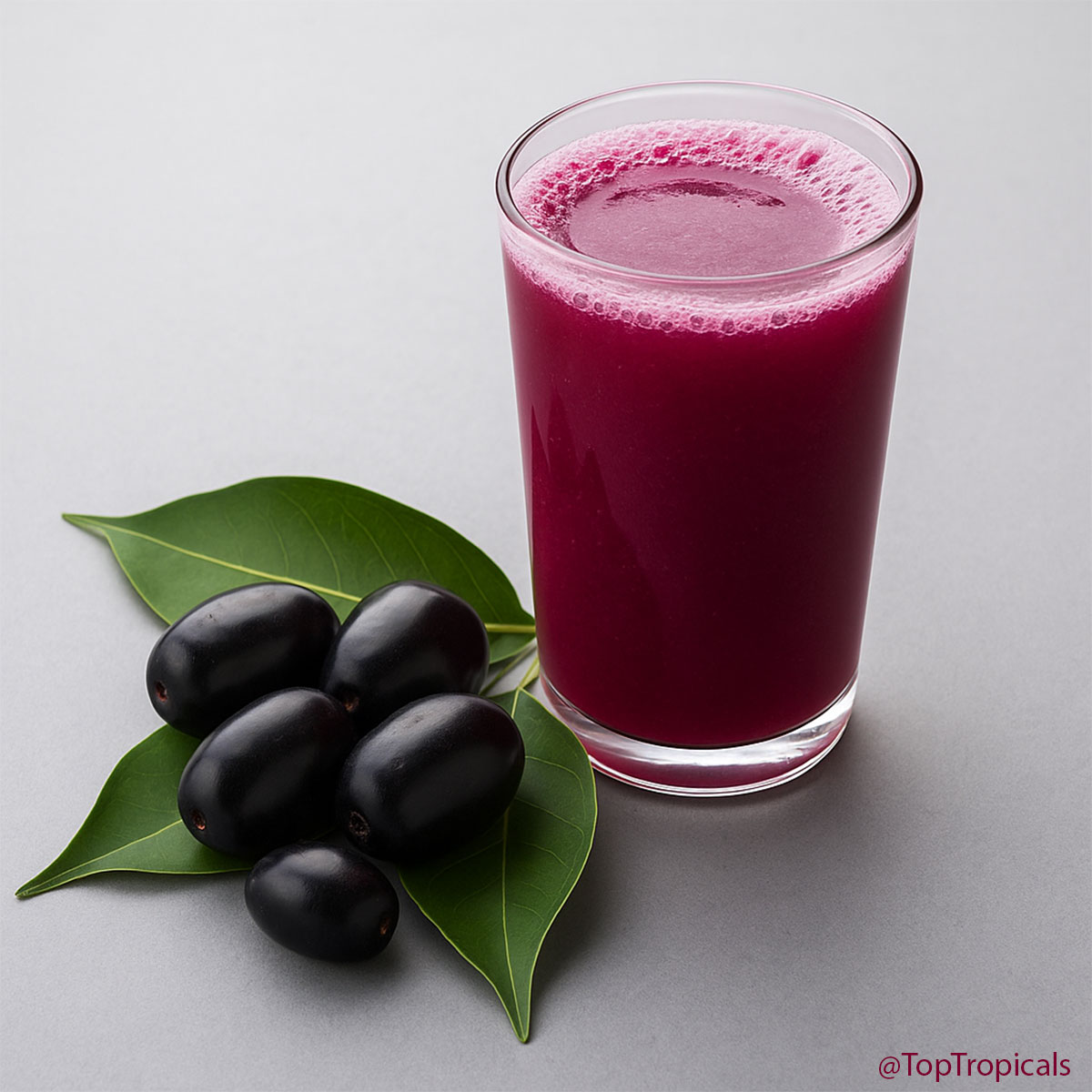
Java plum cooler

Java plum cooler

🍴 Java plum cooler: quick-n-fun exotic recipes

  • 🔵Crush ripe java plums (Syzygium cumini, Jambolan), mix with sugar, salt, and cold water.
  • 🔵A tangy, thirst-quenching drink.

Java Plum Cooler

Ingredients

  • 1 cup ripe Java plums (Syzygium cumini, Jambolan)
  • 2 to 3 tbsp sugar
  • 1 pinch salt
  • 1 cup cold water
  • Ice cubes (optional)

Instructions

  1. Wash and crush the ripe Java plums. Strain the pulp to collect the juice.
  2. Mix the juice with sugar, salt, and cold water. Stir until the sugar dissolves.
  3. Serve chilled over ice.

🛒 Plant Jambolan fruit tree for summer drinks

📚 Learn more:


#Food_Forest #Recipes

🟢 Join 👉 TopTropicals

Date: 23 Feb 2026

❄️ The Hardiness Report: February 2026 ❄️

🐾 Smokey & Sunshine’s real-world survival data from our Sebring, Florida Research Gardens. Smokey analyzed the data. Sunshine just stayed happy. Here is what they found.

Macadamia  tree  surviving  25F  freeze  as  Smokey  inspects  leaves  and 
 Sunshine  holds  steaming  coffee  in  frosty  garden.
Sunshine: Twenty five degrees. Wind chill fourteen. And it is still standing... like nothing happened?
Smokey: This is macadamia strength.
Sunshine: I should put a macadamia nut in my coffee and borrow some of that strength.
Smokey: Do not get too nutty yet. It still needs curing and cracking.

📊 Weather Data – February 1–6, 2026

Sebring, Florida – 132 years of recorded observations
This was not a light frost. It was a prolonged, windy, penetrating hard freeze.

  • 🌡 Minimum temperature: 25F
  • ❄️ Wind chill: 14F
  • ⏳ Duration: 3 nights of 8–10 hour hard freeze
  • ☀️ Daytime temperatures: around 50F for 7 days
  • 🌀 Wind: sustained 20 mph, gusts 40–50 mph

While all our plants in pots were protected in greenhouses, our in-ground plantings faced the freeze outdoors. We covered what we could. Even so, some plants were damaged, some died, and some surprised us by surviving.

In the next few newsletters, we will share the real survivors - the plants that proved themselves in the ground, under real conditions. Smokey and Sunshine have been out in the fields assessing the damage from the February 1–6 freeze. While many plants struggled, the Macadamia proved to be a true standout. This is how we grow them to handle the tough years.

Why does this matter? Because we have gotten used to warm winters, and this freeze was a rude awakening. Not everyone lives in Miami. If you garden in places where a real cold event can happen, you have to be prepared - and you have to plant what can take it.

🌰 Macadamia: Freeze Tested and Standing

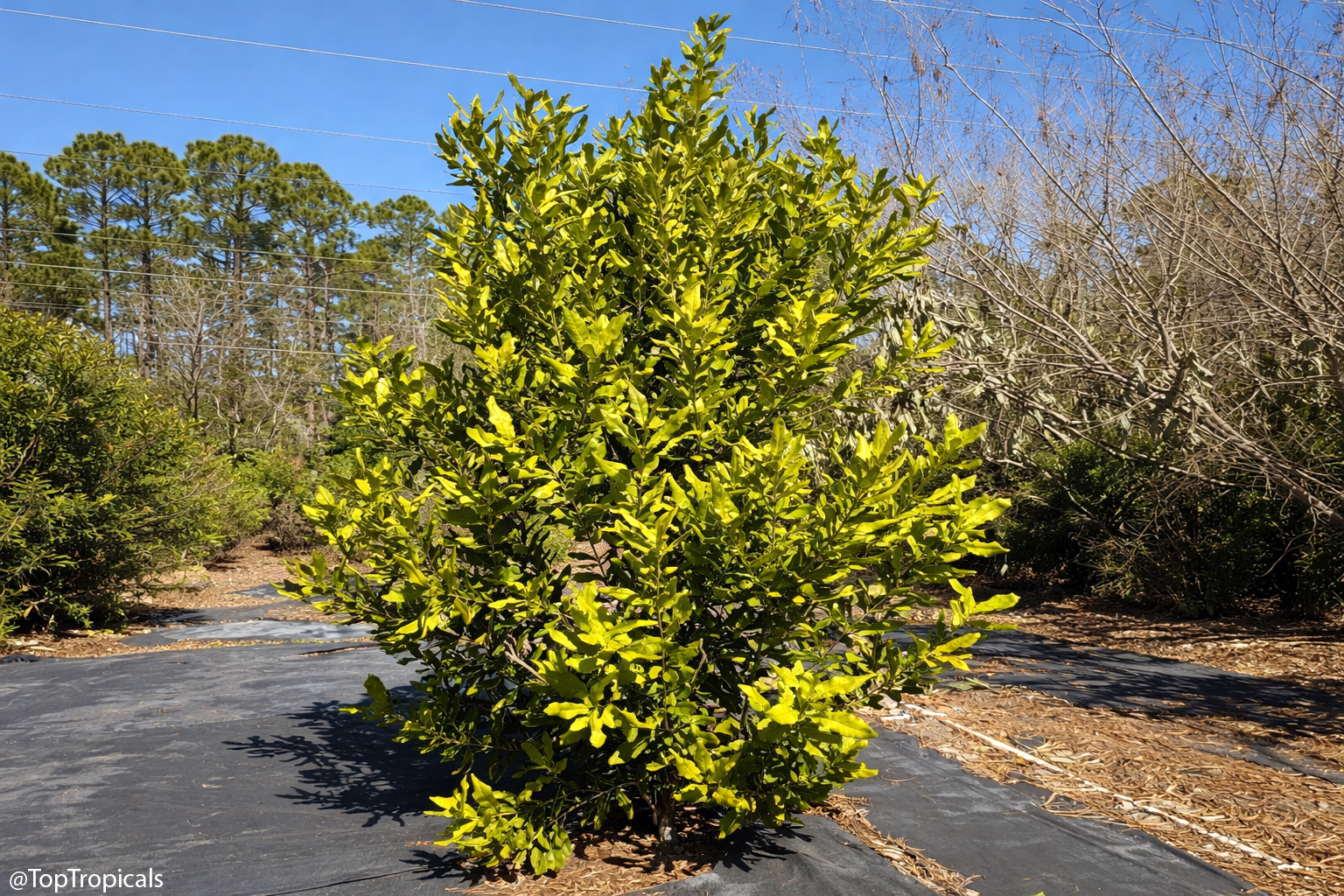
Three  year  old  macadamia  tree  after  three  nights  of  25F  hard  freeze  in 
 February  2026,  showing  healthy  foliage.

3 year old macadamia tree after 3 nights of hard freeze in February 2026 - standing strong.

When temperatures dropped to 25F with wind chill near 14F, our established macadamia trees remained upright, green, and structurally intact. Leaves held. Branches stayed firm. No collapse, no panic.

That is not luck. That is macadamia hardiness.

Often considered a "tropical luxury nut," macadamia proved it can handle more than many gardeners expect. In USDA Zones 9b-11, with proper drainage and site selection, it is not just ornamental - it is a long-term food tree with real resilience.

In a winter that reminded us not to take warmth for granted, macadamia earned its place on the survivor list.

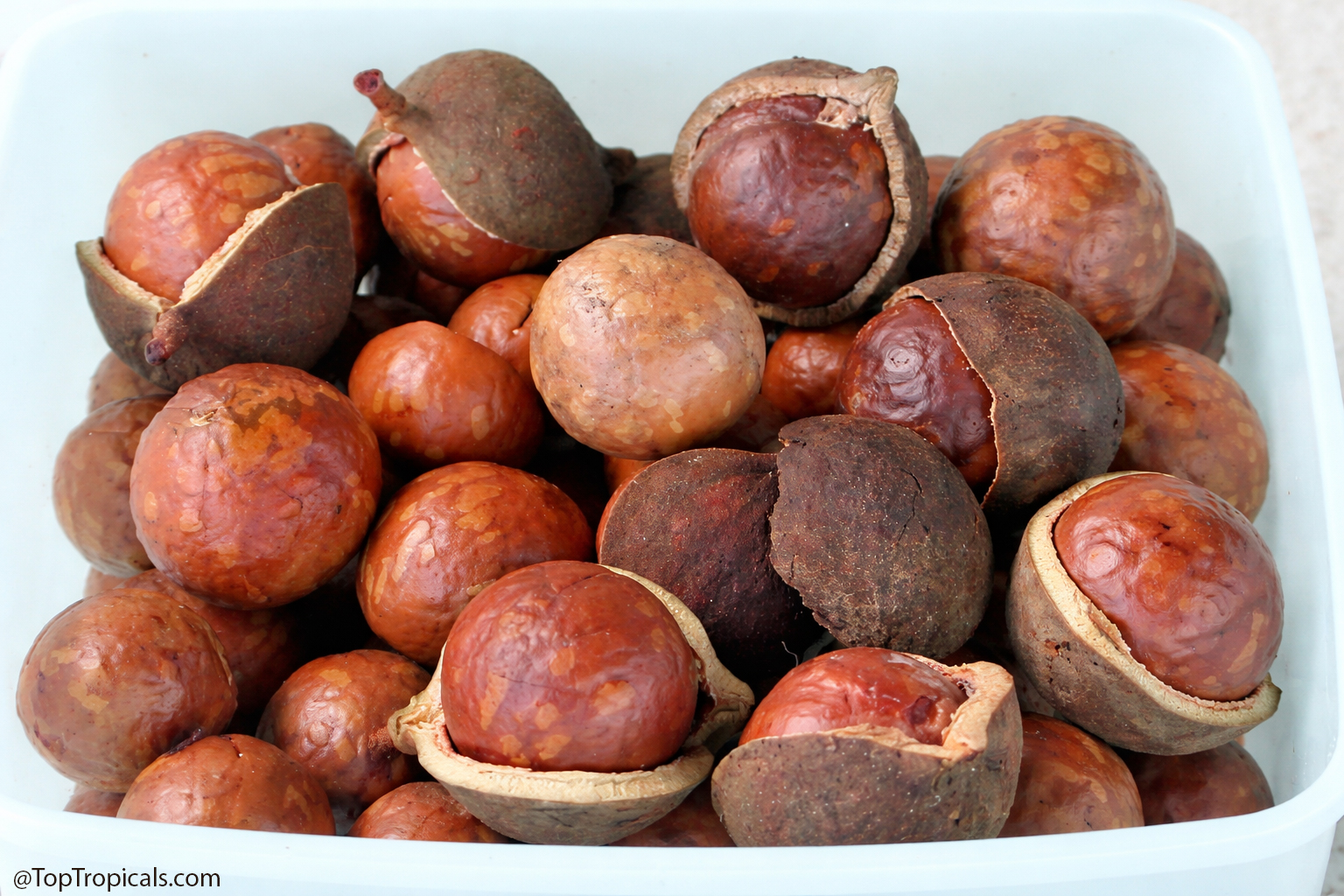
The nut itself is famous for its strength. The shell is among the hardest in the nut world, requiring serious pressure to crack. Inside, the kernel is creamy, buttery, rich, and deeply satisfying. High in monounsaturated fats and naturally low in sugar, macadamias have long been valued both for flavor and for nutrition.

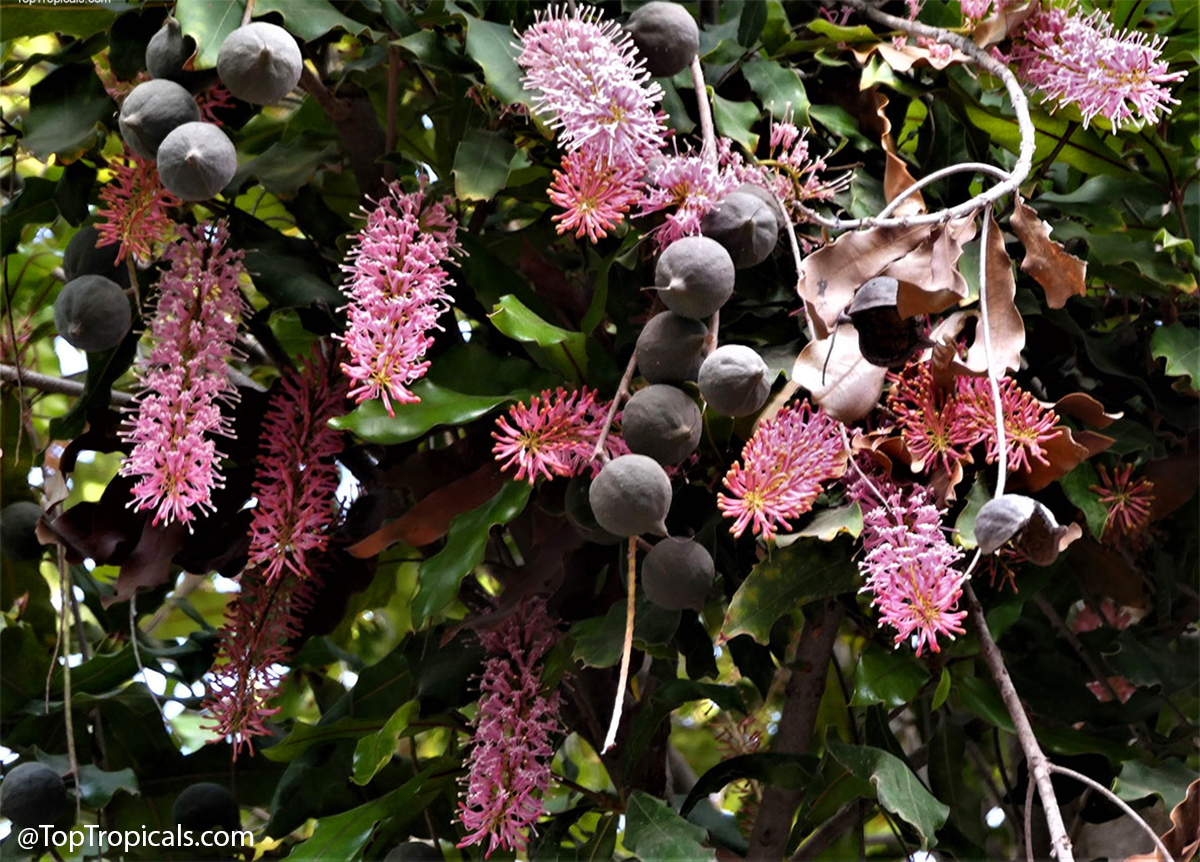
The tree is equally impressive. An evergreen with tough leaves and elegant spring flowers, it matures into a productive, manageable canopy. Nuts develop slowly over six to seven months. Production begins in a few years and increases steadily as the tree matures. Plant it once, and it can reward you for decades.

Macadamia  tree  with  pink  flower  racemes  and  developing  round  green  nuts
    on  branches.

Macadamia flowers and developing nuts on the tree.

Cold will come again. It always does. The question is not whether winter will test your garden. The question is whether your trees are ready. Macadamia proved it is. If you are building a garden that feeds you for decades, this is a tree worth planting.

🛒 Add Macadamia Tree to your garden

Fresh  macadamia  nuts  with  outer  husks  removed  and  hard  brown  shells 
 exposed  in  a  container.

Freshly harvested macadamia nuts with husk removed and hard shells visible.

Date: 19 May 2016

Care of mail-order plants during hot summer

Q: I live in California and about a month ago ordered several plants from you, including fruit trees (Carambola, Mango, Avocado) and flowering trees (Xanthostemon, Adeniums, Champaca, Ylang Ylang). They were all doing well until I tried to move them into full sun, when they got leaf burn immediately. Ylang Ylang was doing great in a shade, but I repotted it from 1 gal into 3 gal and it is drooping leaves now. It has been very hot (over 100F) and dry (humidity is less than 25%). Any suggestions?

A: Hot summer can be pretty challenging time for establishing new plants. These are some guidelines to make your summer gardening more successful and rewarding.

1. You can order plants at any time, but keep your eye on your local weather forecast and try to chose cooler periods to schedule your plant shipments. Here at TopTropcals we monitor weather at destinations, and we can also delay shipment per your request until more favorable conditions.

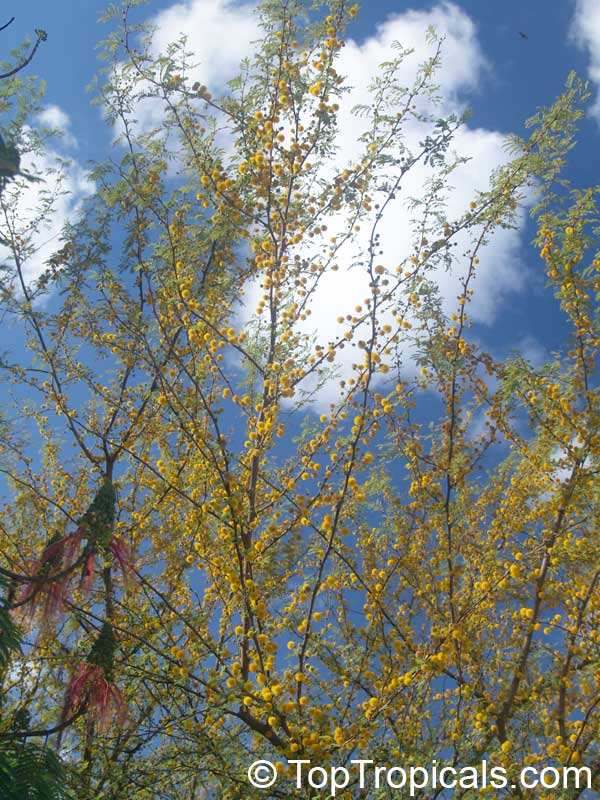
2. During hot Summer months, many plants are still OK to ship, and to be planted, many species are heat tolerant. It's usually safe to ship most succulents, including Desert roses and Euphorbias. Some fruit trees are pretty easy too, like Loquats, Mango, Eugenias. Many flowering trees can take heat: Acacias, Clusias, Jatropha, Sausage Tree, Plumerias and many others. Check our full list of plants suitable for hot and dry conditions. Most jasmines, including Jasmine Sambac and Trachelospermum make also a safe choice for hot weather planting.

3. Use shade cloth or simply white sheets to protect young plants and new plantings from hot sun.

4. When establishing mail ordered plants during hot weather, keep them in shade for longer period of time than average recommended 1-2 weeks. Give them a chance to establish really well. In areas with low air humidity, try to create a simple mist system. It can be purchased in your local Home Depot for only $20 and set up takes only 10 minutes! It makes a big difference and can help you save many plants from hot weather stress.

5. Although it may seem that during hot weather plants need more water due to high evaporation, be careful with watering, and check soil with your finger before watering - don't water if it is still wet. Combination of "hot and wet" can be as harmful for the root system as "cold and wet" during winter. Protect root systems from overheating: covering black pots with white cloth will work. Remember when temperature is above 90F, most of plants slow down their metabolism, which means roots slow down or even stop pumping water and become more vulnerable to overwatering. For the same reason, do not hurry to step up into bigger container if roots haven't filled yet the existing pot.