Garden Blog - Top Tropicals

Date: 24 Feb 2026

5 Heart-Shaped Plants Every Gardener Needs This Spring
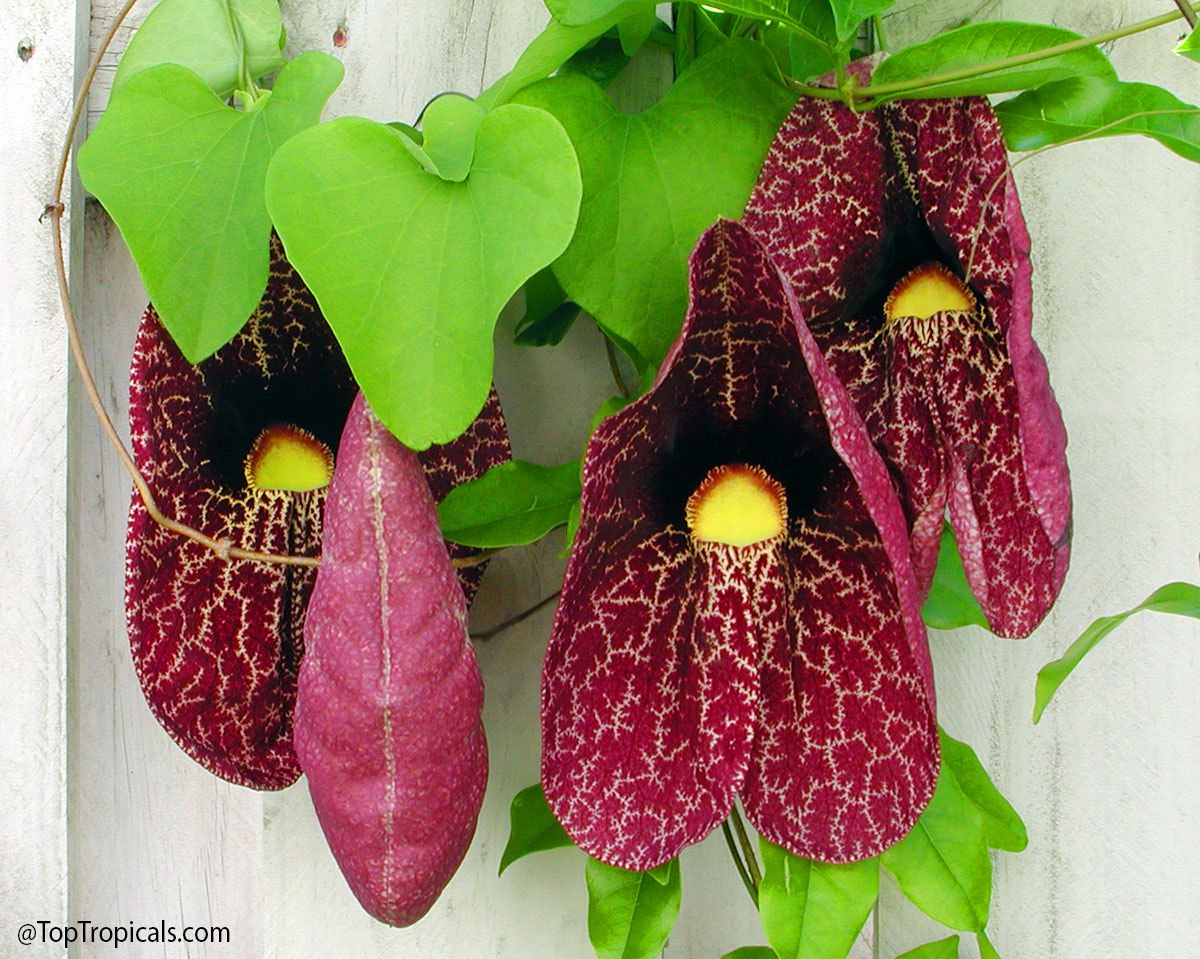
Aristolochia " The "alien" flower that hosts rare butterflies.
Aristolochia " The "alien" flower that hosts rare butterflies.

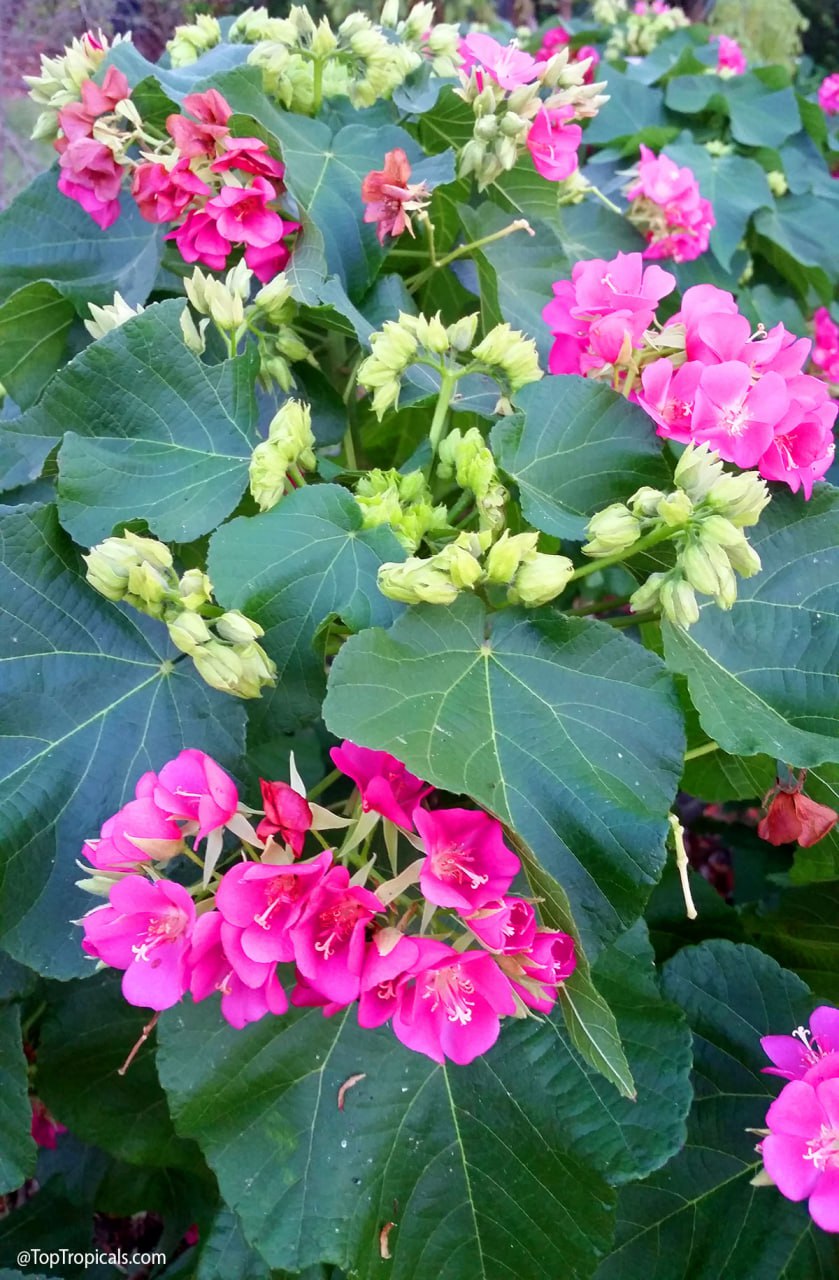
Dombeyaflowers on the bush
Dombeyaflowers on the bush

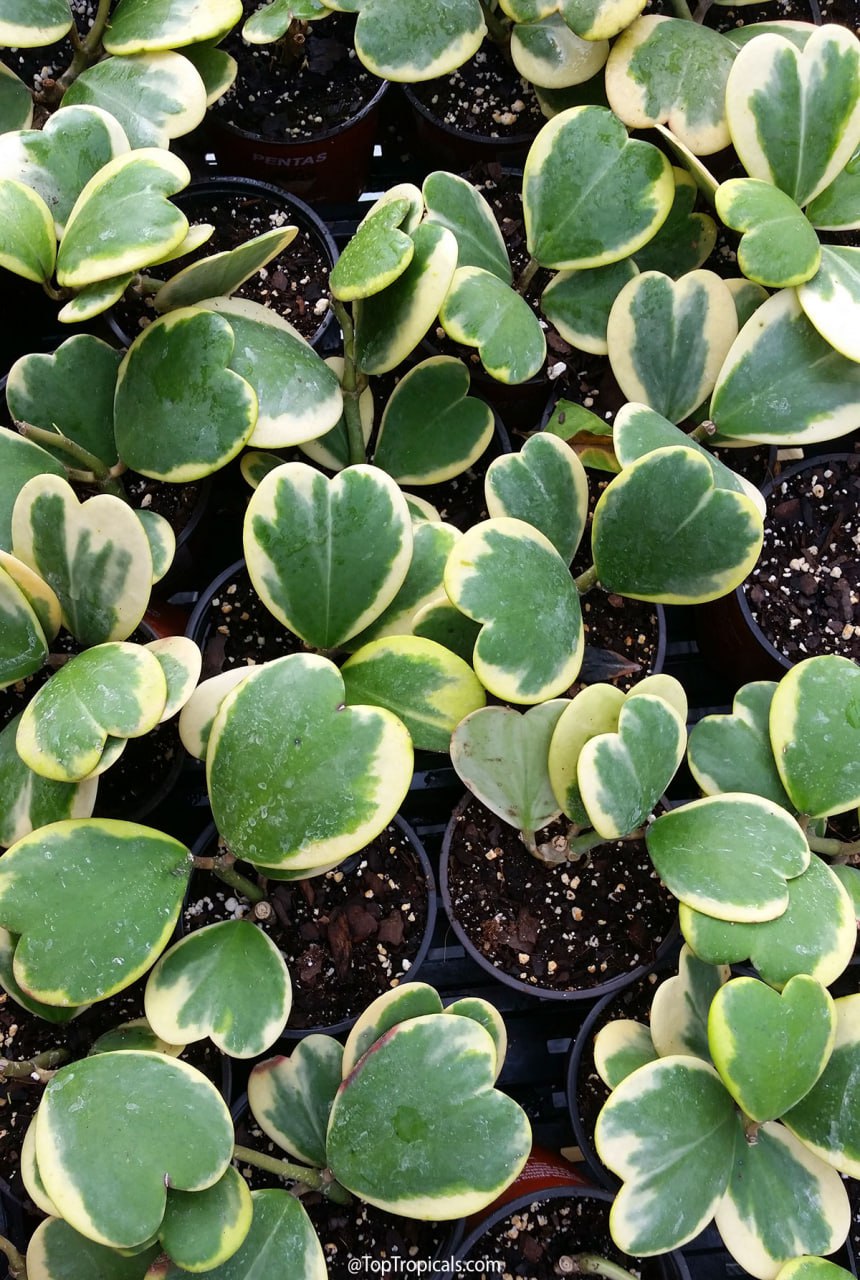
Hoya kerrii Sweetheart Hoya
Hoya kerrii Sweetheart Hoya

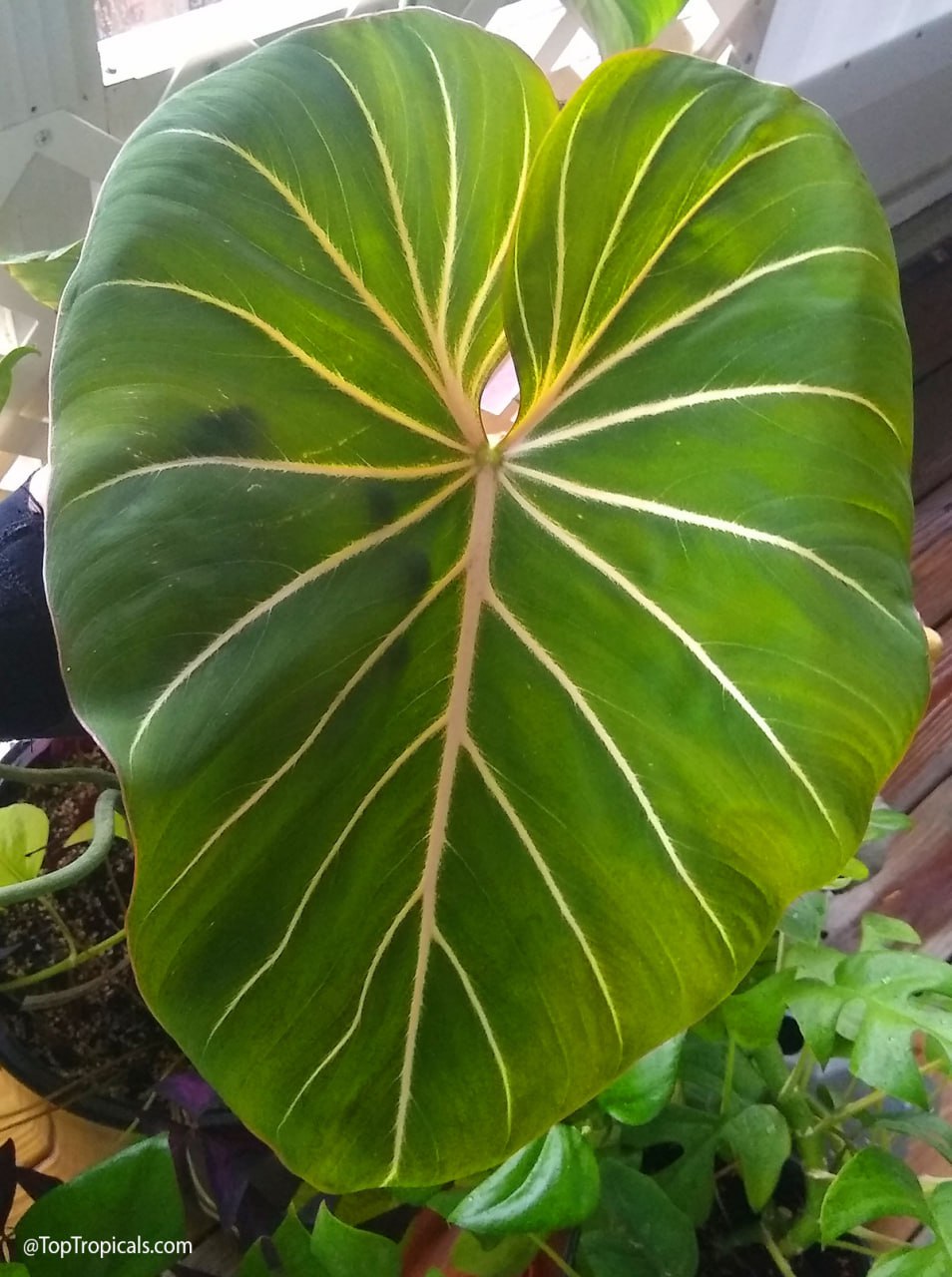
Philodendron leaves
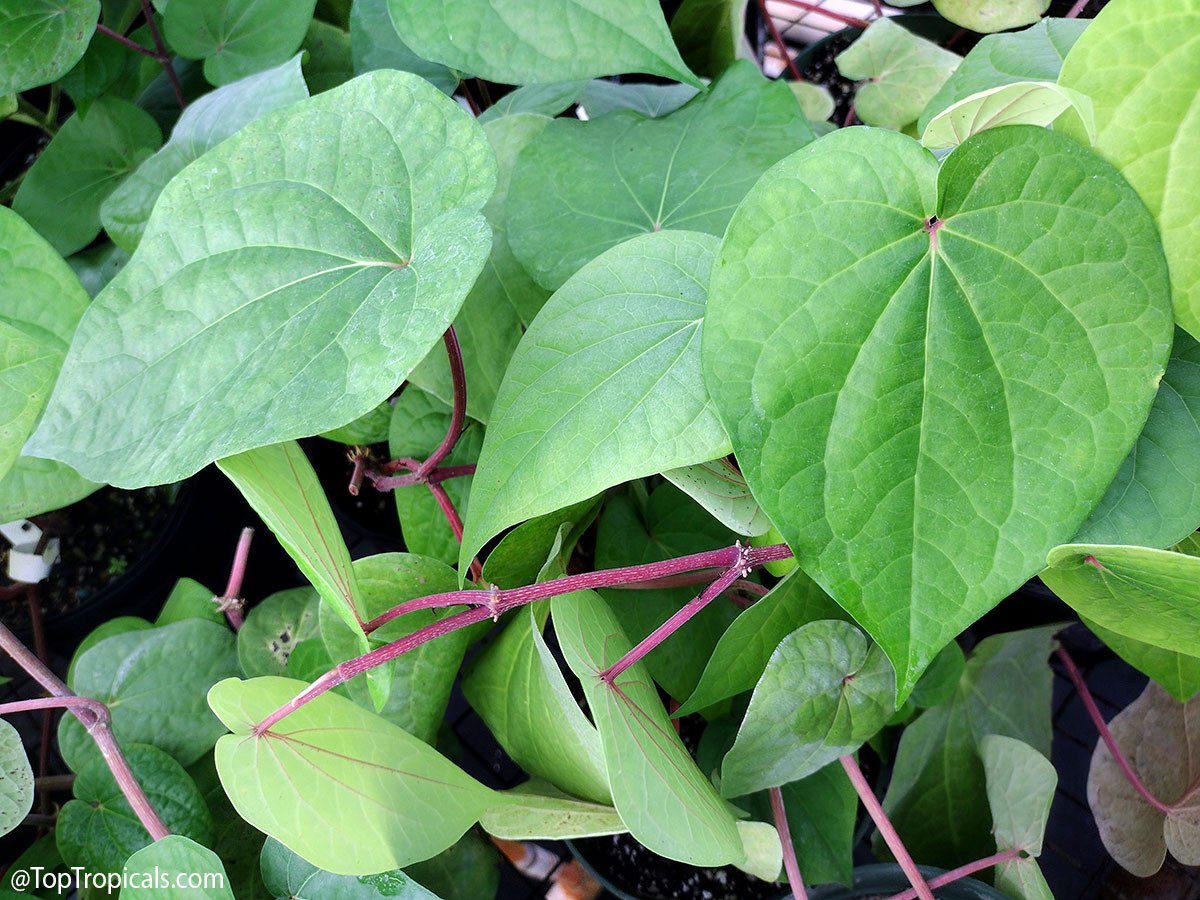
Philodendron leaves

Piper - edible leaves

Piper - edible leaves

5 Heart-Shaped Plants Every Gardener Needs This Spring 💕

❣️ Why heart-shaped?


Heart-shaped leaves instantly soften a garden. They feel welcoming, romantic, and just a little bit playful. But if you choose wisely, you will get much more than a cute leaf shape.

Before adding a plant to your collection, look beyond the foliage. Does it flower? Does it attract pollinators? Does it offer edible or fragrant benefits? The right heart-shaped plant can bring beauty, fragrance, butterflies - even flavor - to your landscape all year long.

Here are five plants that truly give your home a little love.
  • 💚 1. Aristolochias - bold leaves and wild flowers


    If you want a conversation starter, Aristolochia is the answer. These vines don't just offer bold, oversized heart foliage and produce "alien-looking" blooms that defy garden norms.

· Garden Hack: Use it to create "living shade" on hot west-facing walls to naturally cool your home.
  • · Extra benefits: Many species are host plants for Pipevine Swallowtail butterflies, making them essential for pollinator gardens. They grow fast, create dense shade, and can cool down hot garden walls during summer. 👉Explore Aristolochias


💚 2. Dombeyas - winter flowers when little else blooms


Dombeyas bring heart-shaped foliage together with spectacular winter blooms. Their large clusters of pink flowers resemble hydrangeas and appear when many other plants are resting.

Extra benefits: They bloom in the cooler months, feeding bees when nectar sources are limited. These fast-growing shrubs create privacy quickly and fill the air with a light, sweet fragrance during flowering season. 👉Explore Dombeya
  • 💚 3. Hoya kerrii - the living Valentine


    Often sold as a single heart-shaped leaf in a pot, Hoya kerrii is known as the Sweetheart plant. But when mature, it becomes a climbing or trailing vine with thick, succulent foliage.

    Extra benefits: It is extremely low maintenance, tolerates dry indoor air, and can live for many years. When happy, it produces clusters of star-shaped, lightly fragrant flowers. It is compact enough for desks and shelves, yet long-lived enough to become a true keepsake plant. 👉Explore Heart Hoya
  • 💚 4. Philodendron - classic hearts, endless varieties


    If you picture a heart-shaped leaf, you are probably imagining a Philodendron. From deep green to bright chartreuse like Golden Goddess, there is a variety for every style.

    Extra benefits: Philodendrons adapt easily to indoor or outdoor growing in warm climates. They help improve indoor air quality, tolerate lower light, and require minimal care. In the garden, they thrive in shade and add a lush tropical feel without demanding constant attention. 👉Explore Philodendrons
  • 💚 5. Piper - beautiful and edible


    Many Piper species have attractive heart-shaped leaves, but they offer more than good looks. Some are edible and culturally significant.

    Extra benefits: Piper betle and Piper sarmentosum leaves are used fresh in Southeast Asian cuisine, while Piper nigrum gives you real black pepper from your own vine. These plants grow well in warm, humid climates, thrive in partial shade, and combine ornamental appeal with practical harvest. 👉Explore Pipers
  • 💚 Ready to add some 'love' to your landscape?


    Heart-shaped foliage is charming, but the real value comes from what these plants give back - flowers in winter, butterflies in spring, edible leaves in summer, or easy indoor greenery all year.

    Choose plants that not only look lovely but also work hard in your garden. That way, your landscape is not just pretty - it is alive, useful, and full of personality.


🛒 Discover tropical plants with benefits

📚 Learn more:


#Container_Garden #Hedges_with_benefits #Discover

🟢 Join 👉 TopTropicals

Date: 22 Sep 2025

Dragon Fruit Plant Care – Tips from the Garden Expert
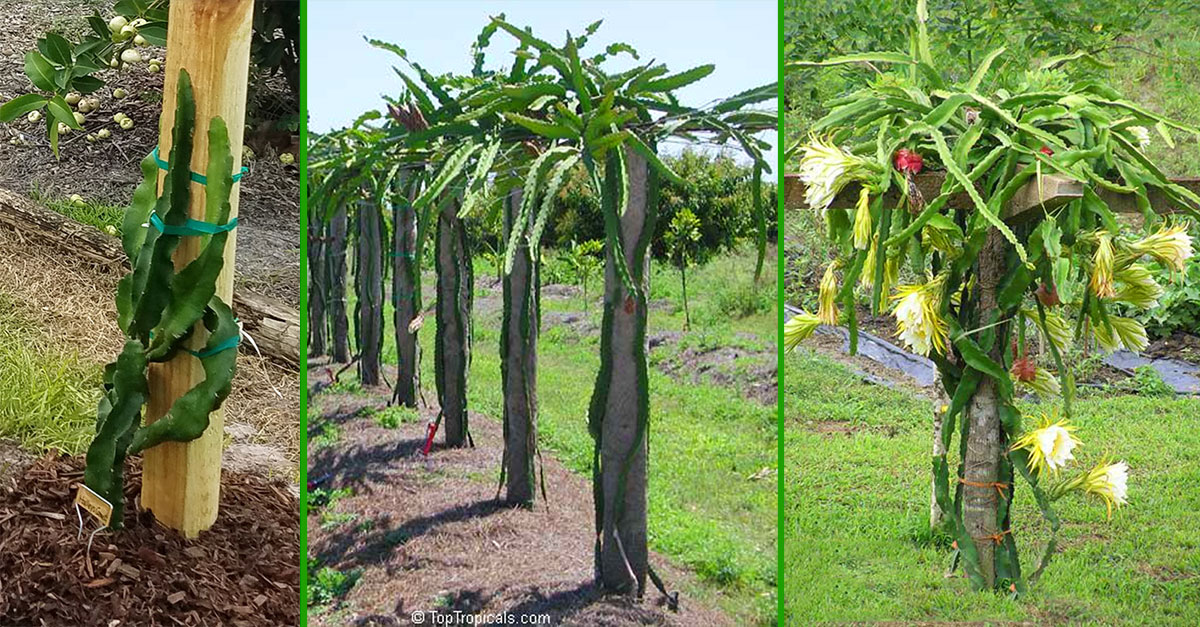
Stages  of  dragon  fruit  pitaya  plant  growth  and  trellis  support 


system

Dragon fruit is one of those plants that look exotic but are surprisingly easy once you know the basics. Here is what works best in the garden:

  • Soil: They hate wet feet. A sandy, fast-draining soilless-mix is your friend. If water sits around the roots, rot comes fast.
  • Watering: Deep watering is better than frequent sips. Let the soil dry between waterings. In rainy season they cope well, but in pots you need to be careful.
  • Sunlight: Full sun is great, but in very hot places a touch of afternoon shade keeps them happy.
  • Support: They are natural climbers. A wooden post, concrete pole, or trellis will give them something to grab and makes harvest easier.
  • Fertilizer: Feed lightly but often. A gentle liquid like Sunshine C-Cibus liquid booster with every watering, or Green Magic controlled release fertilizer every 5-6 months. It encourages strong roots, lush growth, and lots of flowers.
  • Pruning: Trim off tangled or weak stems. This guides energy into strong branches that will flower and fruit.

Think of it as training a cactus vine into a small tree. Once it settles in, it almost takes care of itself — and pays back with fruit you can’t buy in stores.

🌱 Dragon Fruit Plant Care – Outdoors and Indoors

Outdoors: Dragon fruit thrives in USDA Zones 10–11 year-round. In warm regions like Florida, Texas, California, and Hawaii, you can grow it outside in the ground. Give it fast-draining soil, full sun with a little afternoon shade in the hottest months, and a sturdy trellis or post to climb. Deep watering with drying periods in between keeps roots healthy. A yearly pruning shapes the plant and boosts flowering.

Indoors or Patio Pots: Gardeners in cooler zones can still enjoy dragon fruit in containers. Use a large pot with sandy, well-draining mix or soilless-mix and a pole for support. Place the pot in the brightest spot — a greenhouse, sunroom, or patio that gets 6+ hours of light daily. Move pots inside when temperatures drop below 40F. Even indoors, a healthy plant can bloom and fruit if it has enough light and warmth.

❓ Dragon Fruit FAQ


How soon will a dragon fruit start producing?

Cuttings can flower and fruit in as little as 2–3 years. Seed-grown plants take longer, often 4–6 years. Large developed specimens can start flowering and fruiting within a year or even the same season.

Do I need more than one plant for pollination?

Some varieties are self-fertile, others need a second plant for cross-pollination. Even self-fertile types usually set more fruit with a partner nearby.

How big do they get?

In the ground, dragon fruit can climb 15–20 ft if you let it. With pruning and a trellis, you can keep it shaped like a small tree, 6–8 ft tall.

Can I grow it in a pot?

Yes. A large container with sandy mix or soilless-mix and a pole for climbing works well. Indoors it will need bright light or a grow lamp.

What does a dragon fruit taste like?

Sweet and juicy, like a blend of blackberry and raspberry. Varieties differ: flesh can be white, pink, deep red, or purple, wrapped in skins of red, pink, or yellow. White flesh is mild and refreshing, red flesh is sweeter, and yellow flesh is the sweetest with a honey-pineapple flavor.

What zones can I grow dragon fruit outside?

USDA Zones 10–11 are best for year-round outdoor planting. In cooler areas, grow it in containers and bring inside for winter.

How often should I water?

Deep water, then let the soil dry. Too much water causes root rot. Think “desert cactus with a taste for rain.”

Is dragon fruit easy to grow?

Yes. Pitayas grow like cactus trees on strong supports, but they are easy to care for — little water, sun or semi-shade, and they thrive.

How long do they live?

A healthy dragon fruit cactus can produce for 10 years or more with proper care.

What are the health benefits?

Dragon fruit is high in fiber, supports digestion, and is low in calories. It is rich in antioxidants and vitamin C, making it good for immunity and overall wellness. Many gardeners enjoy it as a healthy snack or in smoothies.

Explore Dragon Fruit varieties

Date: 15 Jul 2024

Five most useful edibles for your Food Forest

Tropical  Food  Forest  collage

Tired of mowing a boring lawn? Use your yard instead of being used by your yard - grow edible landscape! Below are several plants that made our life happier and meals healthier. Besides, these are fun to grow! Try them out:

Hibiscus  sabdariffa  -  Flor  de  Jamaica,  Karkade  Sorrel

1. Hibiscus sabdariffa - Flor de Jamaica, Karkade Sorrel - Flowers are used to make a tea "Agua de Flor de Jamaica". Medical studies show that it lowers blood pressure and has diuretic effects. The pleasant flavor is on the tart side similar to a cranberry juice. We make this cold tea every day - perfect for hot summer. Full sun.

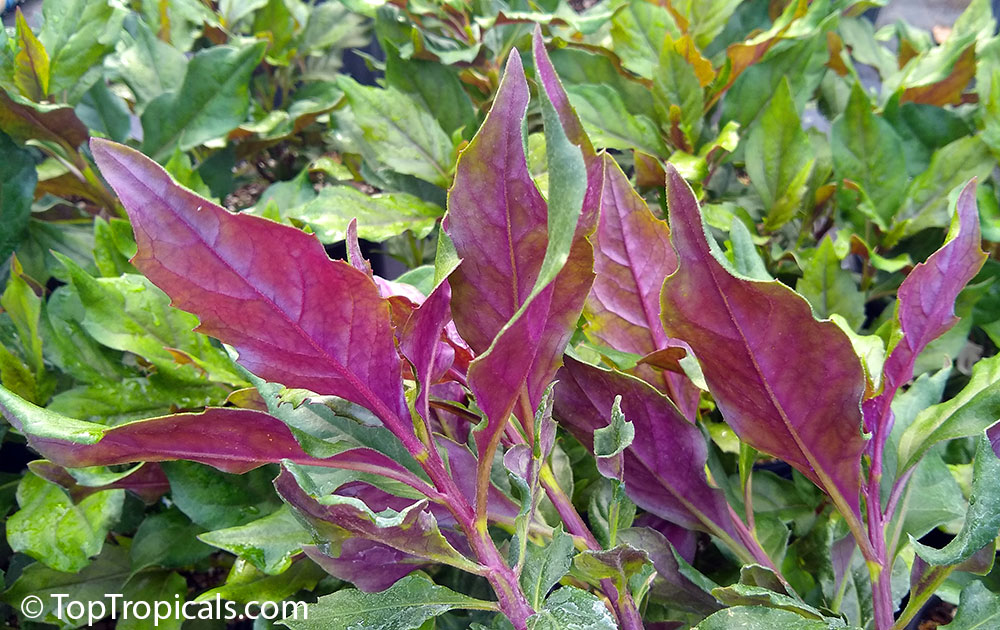
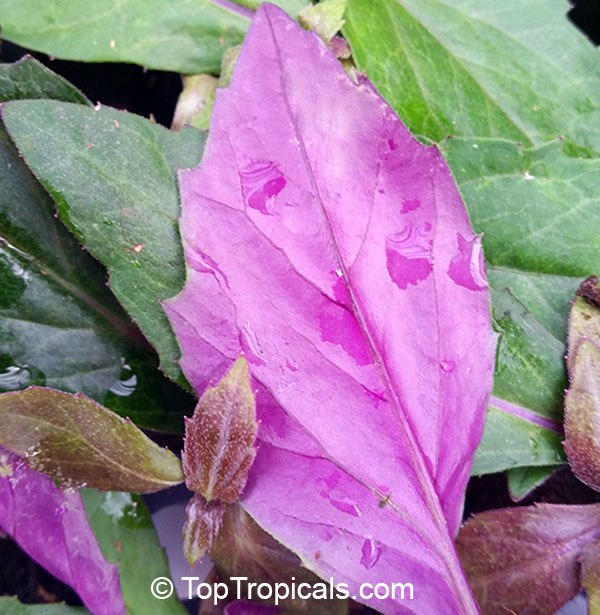
Gynura  procubens  -  Longevity  Spinach,  Cholesterol  spinach

2. Gynura procubens - Longevity Spinach, Cholesterol spinach - one of the Superfoods, and there are many claims that it lowers cholesterol. We use it in our cooking all the time and so far we are all alive! Full sun.
See recipe >>

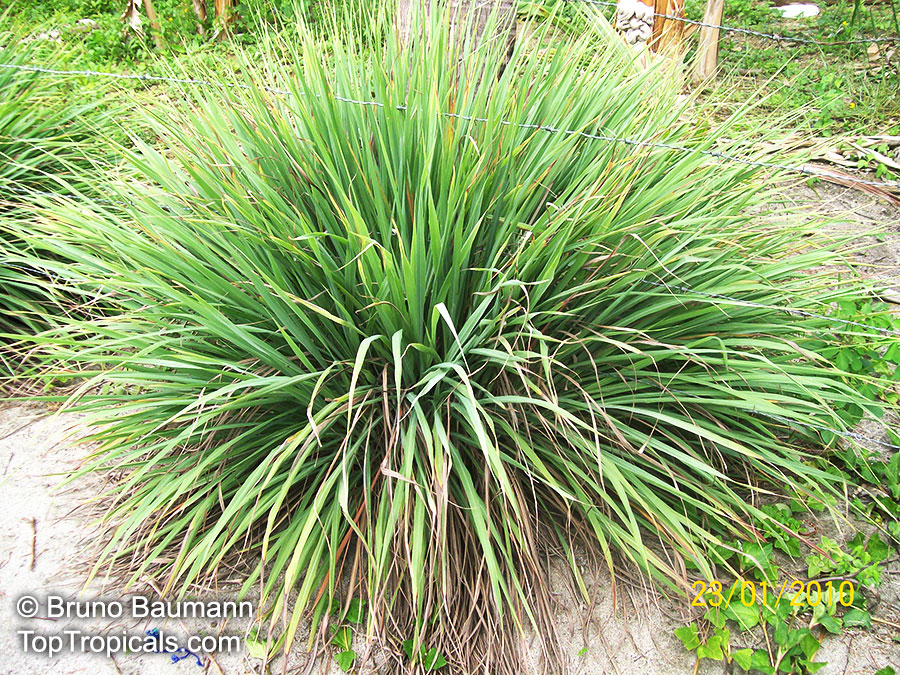
Cymbopogon  citratus  -  Lemon  grass

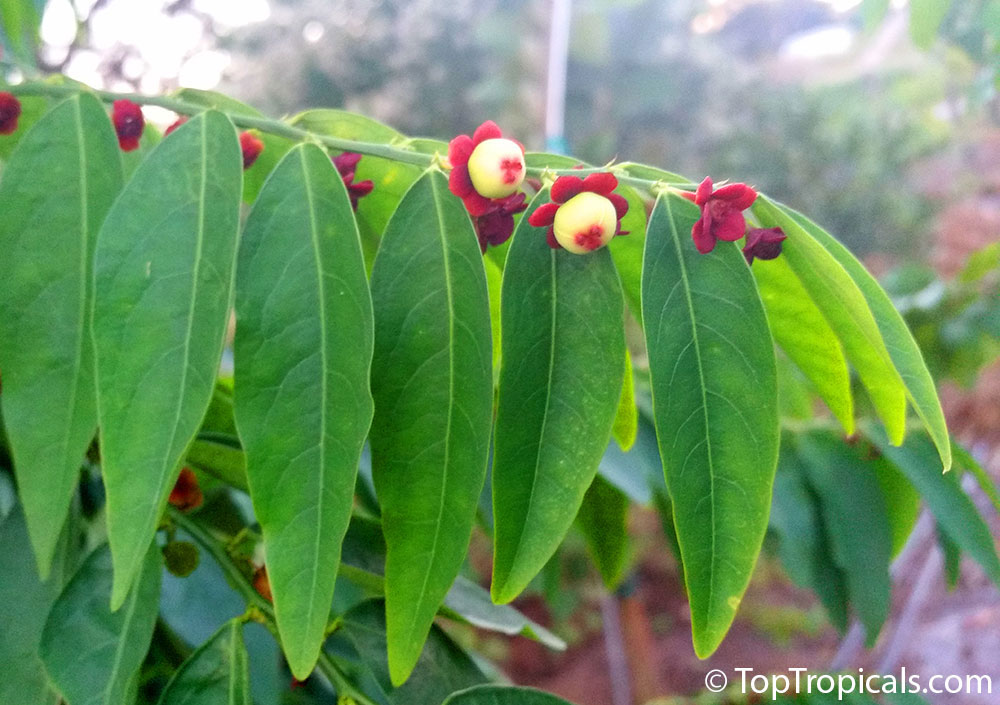
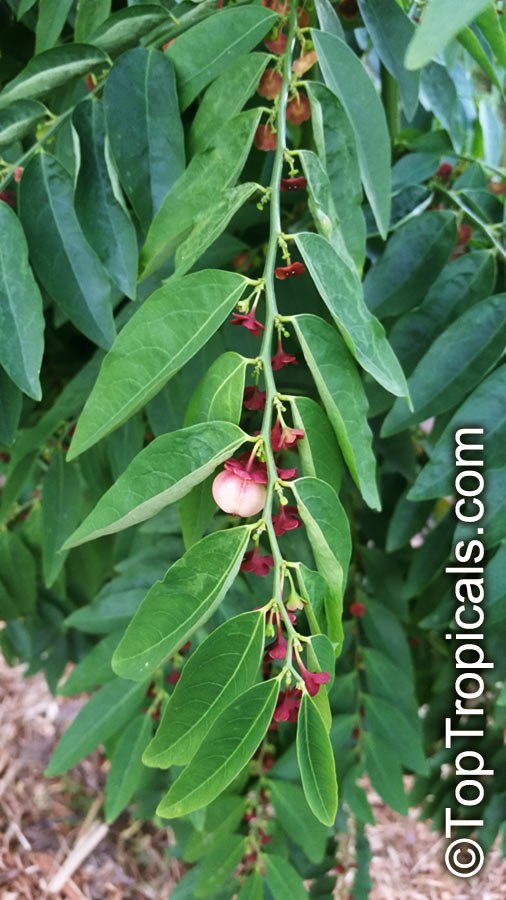
3. Sauropus androgynus - Katuk, Tropical Asparagus. Delicious young shoots, one of the most popular leaf vegetables in Southeast Asia. In Vietnam, people cook it in stews and soups. It is among only a few flora containing vitamin K. Full sun or semi-shade.
Learn more >>

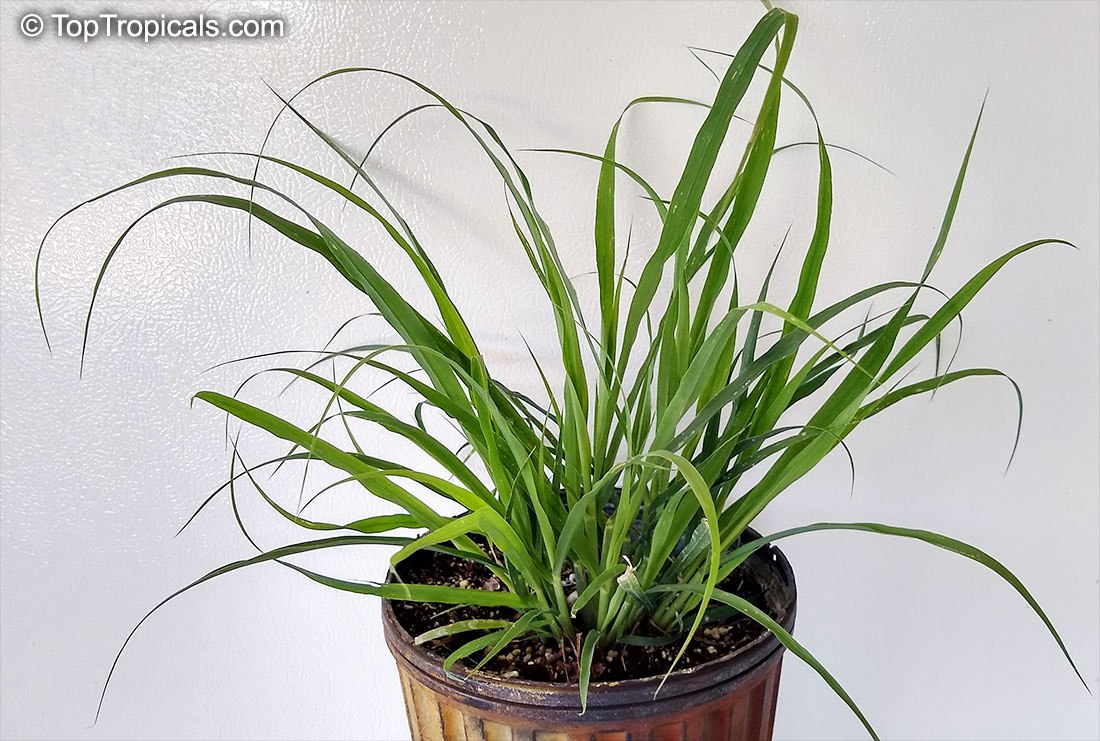
Cymbopogon  citratus  -  Lemon  grass

4. Cymbopogon citratus - Lemon grass: Versatile performer in the kitchen where it can be used in teas, beverages, herbal medicines, Eastern inspired soups and other dishes. Full sun or semi-shade.

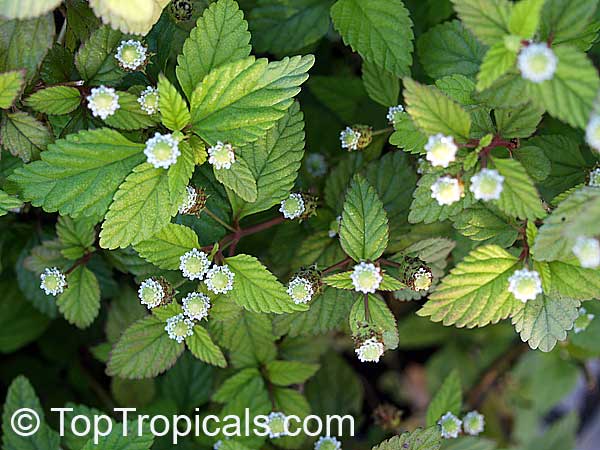
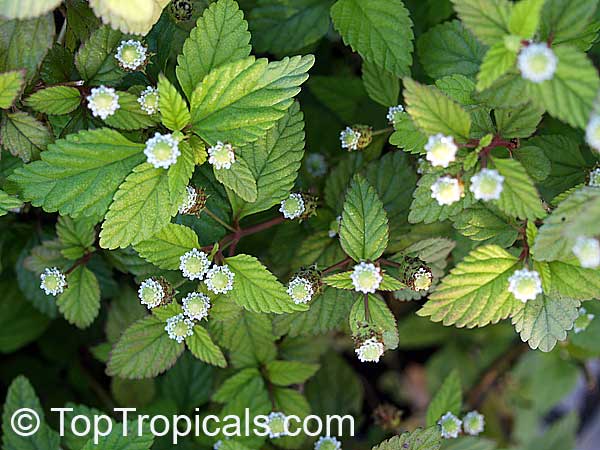
Lippia  dulcis  -  Aztec  Sweet  Herb,  Sweetleaf

5. Lippia dulcis - Aztec Sweet Herb, Sweetleaf: Mexican herb with incredibly sweet leaves that can be eaten from the plant like candy or tossed into fruit salads for an unusual addition. It has been used since the time of the Aztecs for coughs and colds. Tastes great, can be used by diabetic patients. We add this herb to Karkade or Mint tea as a sweetener. Shade or semi-shade.

Date: 22 Jul 2024

What are 5 most useful edibles for tropical garden?

Hibiscus sabdariffa - Flor de Jamaica, Karkade Sorrel

Hibiscus sabdariffa - Flor de Jamaica, Karkade Sorrel

Gynura procubens - Longevity Spinach, Cholesterol spinach

Gynura procubens - Longevity Spinach, Cholesterol spinach

Sauropus androgynus - Katuk, Tropical Asparagus

Sauropus androgynus - Katuk, Tropical Asparagus

Cymbopogon citratus - Lemon grass

Cymbopogon citratus - Lemon grass

Lippia dulcis - Aztec Sweet Herb, Sweetleaf

Lippia dulcis - Aztec Sweet Herb, Sweetleaf

What are 5 most useful edibles for tropical garden?

  • 📍 1. Hibiscus sabdariffa - Flor de Jamaica, Karkade Sorrel - Flowers are used to make a tea "Agua de Flor de Jamaica". Medical studies show that it lowers blood pressure and has diuretic effects. The pleasant flavor is on the tart side similar to a cranberry juice. We make this cold tea every day - perfect for hot summer. Full sun ☀️
  • 📍 2. Gynura procubens - Longevity Spinach, Cholesterol spinach - one of the Superfoods, and there are many claims that it lowers cholesterol. We use it in our cooking all the time and so far we are all alive! Full sun☀️
  • 📍 3. Sauropus androgynus - Katuk, Tropical Asparagus. Delicious young shoots, one of the most popular leaf vegetables in Southeast Asia. In Vietnam, people cook it in stews and soups. It is among only a few flora containing vitamin K. Full sun or semi-shade☀️🌓
  • 📍 4. Cymbopogon citratus - Lemon grass: Versatile performer in the kitchen where it can be used in teas, beverages, herbal medicines, Eastern inspired soups and other dishes. Full sun or semi-shade☀️🌓
  • 📍 5. Lippia dulcis - Aztec Sweet Herb, Sweetleaf: Mexican herb with incredibly sweet leaves that can be eaten from the plant like candy or tossed into fruit salads for an unusual addition. It has been used since the time of the Aztecs for coughs and colds. Tastes great, can be used by diabetic patients. We add this herb to Karkade or Mint tea as a sweetener. Shade or semi-shade ☁️ 🌓

Lean more:

📚 Katuk
Longevity spinach post
Longevity Spinach Recipes
Aztec Sweet Herb

🎥 Karkade Tea
Longevity Spinach

🛒 Shop edibles, herbs and spices

#Food_Forest #Remedies

. . . . . . . . . . . . . . . . . . . . . . . .
🔴 Join 👉 TopTropicals
. . . . . . . . . . . . . . . . . . . . . . . .

Date: 2 Jul 2025

The perfect ever-bloom beneath your shade tree

Tabernaemontana divaricata - Pinwheel Jasmine in bloom

🎡 The perfect ever-bloom beneath your shade tree

  • Tabernaemontana divaricata, also known as Pinwheel Jasmine or Crape Jasmine, is in bloom virtually year around at Top Tropicals garden.
  • ➕ It is a charming, low-maintenance shrub that thrives under taller trees, like palms or oaks. With glossy green leaves and delicate white, pinwheel-shaped flowers, it adds brightness and elegance to shaded spaces.
  • ➕ Blooming year-round, Pinwheel Jasmine brings steady beauty to your garden and can even be trained into a small ornamental tree.
  • ➕ While it loves bright light for the best floral show, it's surprisingly shade-tolerant - making it a go-to choice for under-tree planting.


🛒
Let your shady spots bloom beautifully!

📚 Learn more:


What is the best showy shrub to plant under a shade tree?

#Hedges_with_benefits

🟢 Join 👉 TopTropicals