You wont believe what glows in the shade: the rare blue ginger
Dichorisandra thyrsiflora - Blue Ginger
💎 You won't believe what glows in the shade: the rare blue ginger
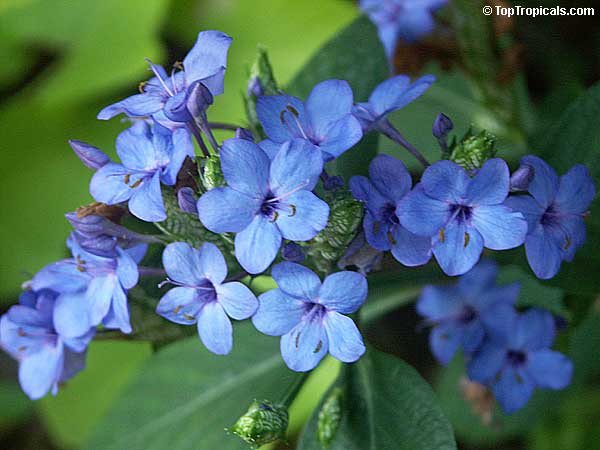
💎 If you ever spot a flash of electric blue in the tropical shade, you might think your eyes are playing tricks on you, but that vivid color belongs to a rare Dichorisandra thyrsiflora - Blue Ginger.
💎 Despite its name, this isn’t a true ginger at all. It’s actually related to Tradescantia, the same family as familiar houseplants like the Wandering Jew and Spiderwort. Native to Brazil, Blue Ginger thrives in warm, humid shade, making it a perfect choice for patios, screened porches, garden corners, or indoor collections.
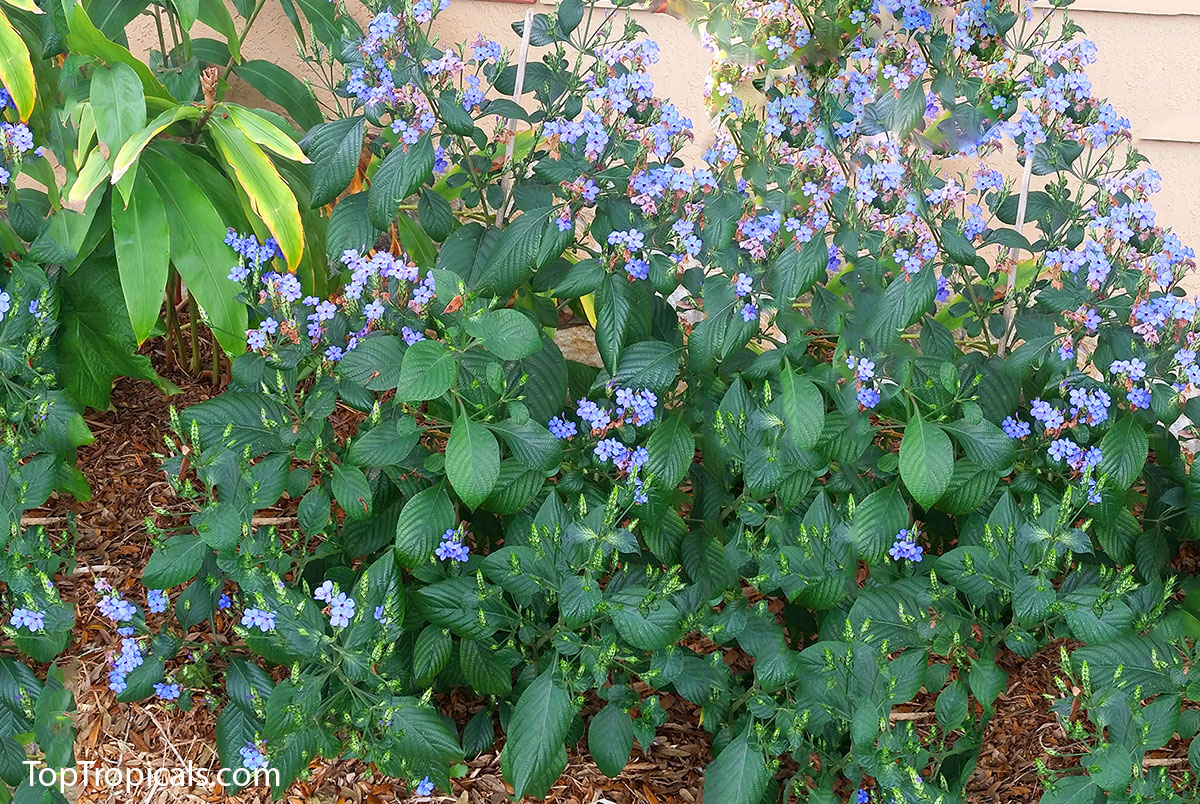
💎 Its glossy leaves and tall stems topped with clusters of sapphire-blue blooms create a tropical jewel effect. The flowers attract hummingbirds and butterflies, adding life and motion to shady areas where few other plants bloom so brightly.
💎 Give it rich, well-drained soil, steady moisture, and partial shade - and enjoy one of the rarest colors in the tropical plant world.
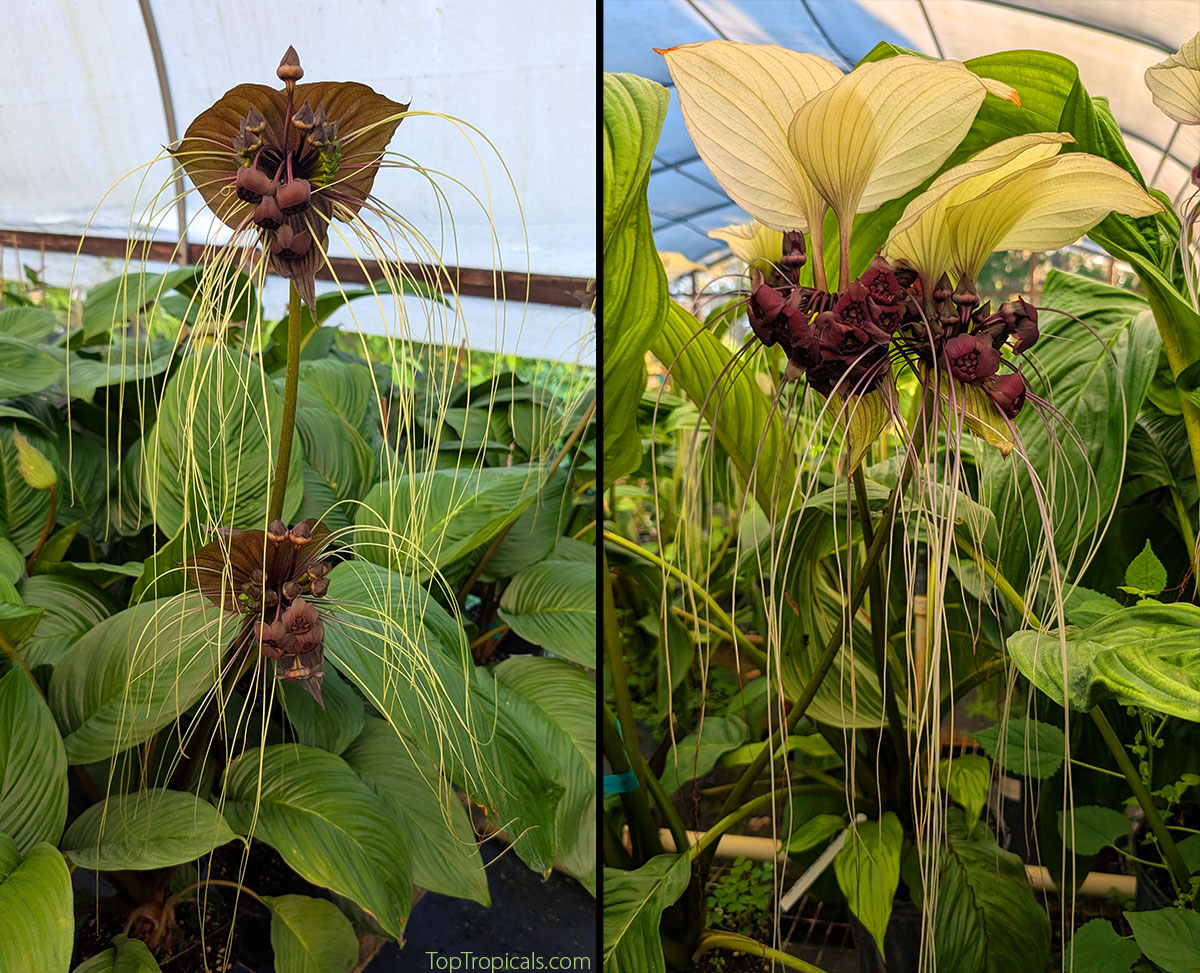
Black and White Bat Lilies (Tacca chantrieri and Tacca
nivea) side by side in bloom
How to Care for Bat Lilies
by Top Tropicals
Plant Expert Tatiana Anderson
🌞 Light
Bright, filtered light. Morning sun or dappled shade is perfect.
Avoid direct midday sun outdoors — it can scorch the leaves.
Indoors, place near a bright window with sheer curtains or use a grow
light.
🌡️ Temperature
Warm and stable, ideally 70-85 F during the day.
Protect from cold drafts or sudden chills.
Ideally, do not let temperature drop below 45 F, although Taccas can
tolerate short period of upper 30's.
💧 Watering
Keep soil evenly moist but not soggy.
Water when the top inch feels barely dry.
Use lukewarm water.
Avoid letting the pot sit in water.
💨 Humidity
High humidity (60-80%) is key.
Mist leaves often, use a humidity tray, or keep near a humidifier.
In greenhouses or bathrooms with a skylight, it thrives naturally.
🌱 Soil
Use rich, loose, well-draining mix
Combine bark, peat, and perlite for ideal airflow around the roots.
Best mix for growing tropical Tacca in pots - soilless potting mix Abundance
. It provides perfect drainage and has a texture similar to a jungle
rainforest media.
🍽️ Feeding
During growth season (Spring through Fall), feed with Green
Magic controlled release fertilizer every 6 months. For even
better results, you may apply liquid fertilizer Sunshine
Boosters Rubusta.
Stop feeding dry fertilizer in cooler months when growth slows. Liquid
Sunshine Boosters are safe to use with every watering, year around.
🏡 Indoor Growing
Great for bright bathrooms, sunrooms, or any warm, humid corner.
Rotate pot occasionally for even growth.
Keep away from heating vents and AC drafts.
🌴 Outdoor Growing (in warm climates)
Partial shade or filtered light under trees.
Excellent in large containers that can be brought inside for
winter.
Shelter from heavy rain and wind.
Sunshine: "So… it’s a diva?"
Smokey: "Exactly. But take care of it - and it rewards you with wings!"
Smokey and Sunshine: "Happy Halloween!"
By Tatiana Anderson, Horticulture Expert at Top
Tropicals
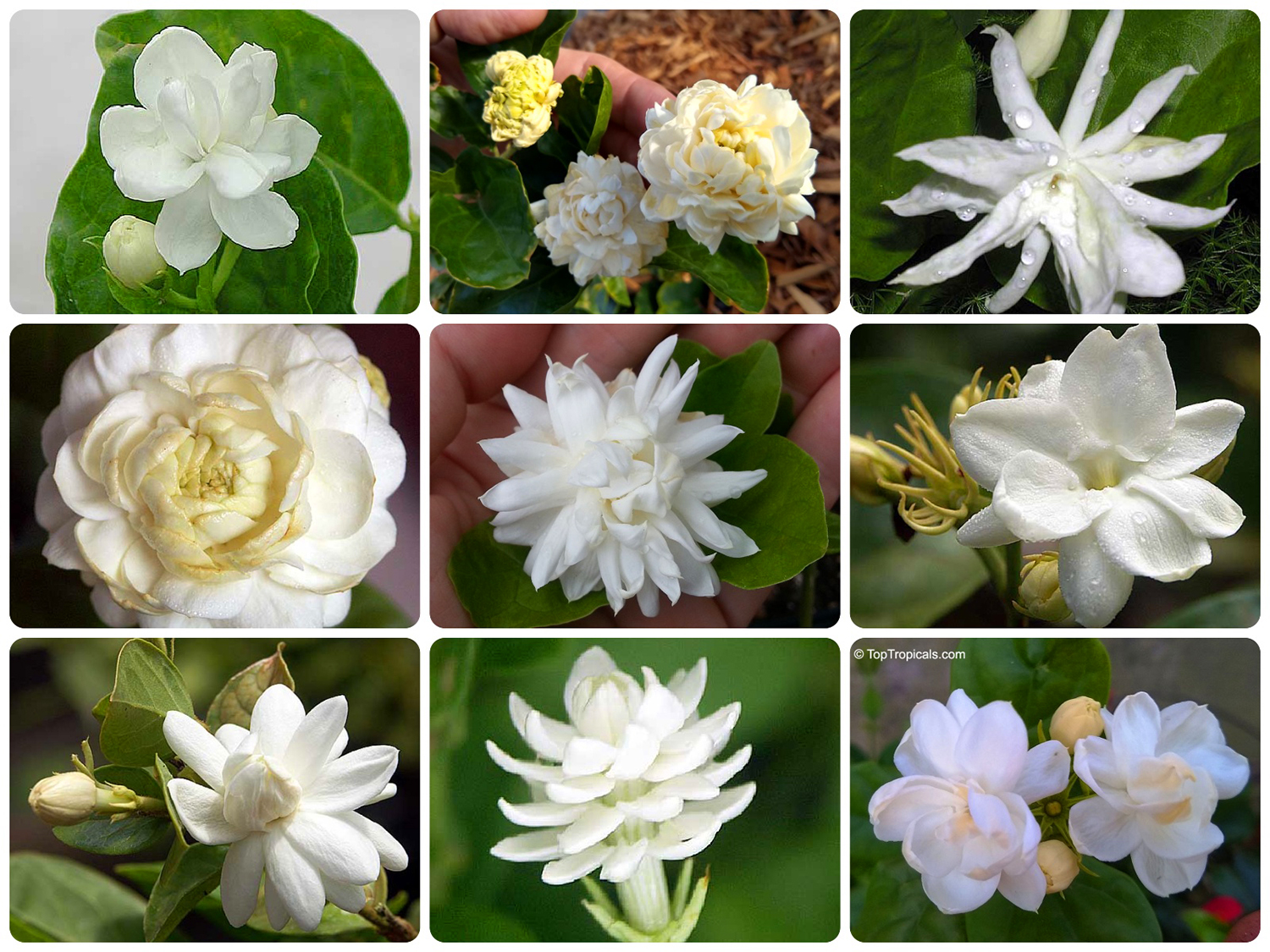
Jasmine Sambac varieties: Arabian
Nights, Little Duke, Belle of India, Grand Duke, Duke Supreme, Maid of
Orleans, Mysore Mulli, Malichat, Gundu Mallii
One of the reasons Jasmine Sambac is so fascinating is that it does not
come in just one form. Each variety has its own personality.
If you want a compact patio plant, Arabian Nights or Little
Duke are excellent choices. They stay tidy, bloom generously, and are
easy to manage in containers.
If you prefer elegant, elongated petals and a refined look, Belle of
India is a favorite. It can be grown as a small bush or trained lightly
as
a vine.
For those who love full, carnation-like double flowers, Grand Duke of
Tuscany and Grand Duke Supreme are classic
selections. They are vigorous and make impressive shrubs in warm
climates.
If you need a stronger climber for fences or hedges, Maid of
Orleans performs beautifully in full sun while Mysore Mulli
prefers semi-shade.
Collectors often enjoy rare forms like Mali Chat or newer hybrids
such as Gundu Malli, which combine traits from different lines.
How to Grow Jasmine Sambac Successfully
Sambac is not difficult, but it responds best to consistency.
Light: Full sun produces the most flowers. In very hot
climates, light
afternoon shade is acceptable. Indoors, place it in the brightest window
available.
Soil: Use a well-draining potting mix such as Sunshine
Abundance. Sambac does not
like heavy, constantly wet soil.
Water: Water thoroughly, then allow the top layer to dry
slightly before watering
again. Reduce watering during cooler months.
Pruning: Light trimming after a bloom cycle encourages
branching. More branches mean more flower buds.
Feeding: Sambac is a heavy bloomer, and fragrance takes
energy. During active growth, feed regularly with a balanced fertilizer that
supports flowering such as Green Magic (controlled release every 6 months) or liquid Sunshine
Boosters Pikake (formulated especially for fragrant flowers) - with
every watering. I prefer formulas slightly higher in potassium to encourage
stronger bud formation and richer bloom cycles. Consistent feeding during
warm months makes
a visible difference in both flower count and intensity of scent.
With proper care, Jasmine Sambac will reward you not just with flowers,
but with perfume that changes the atmosphere of your entire garden.
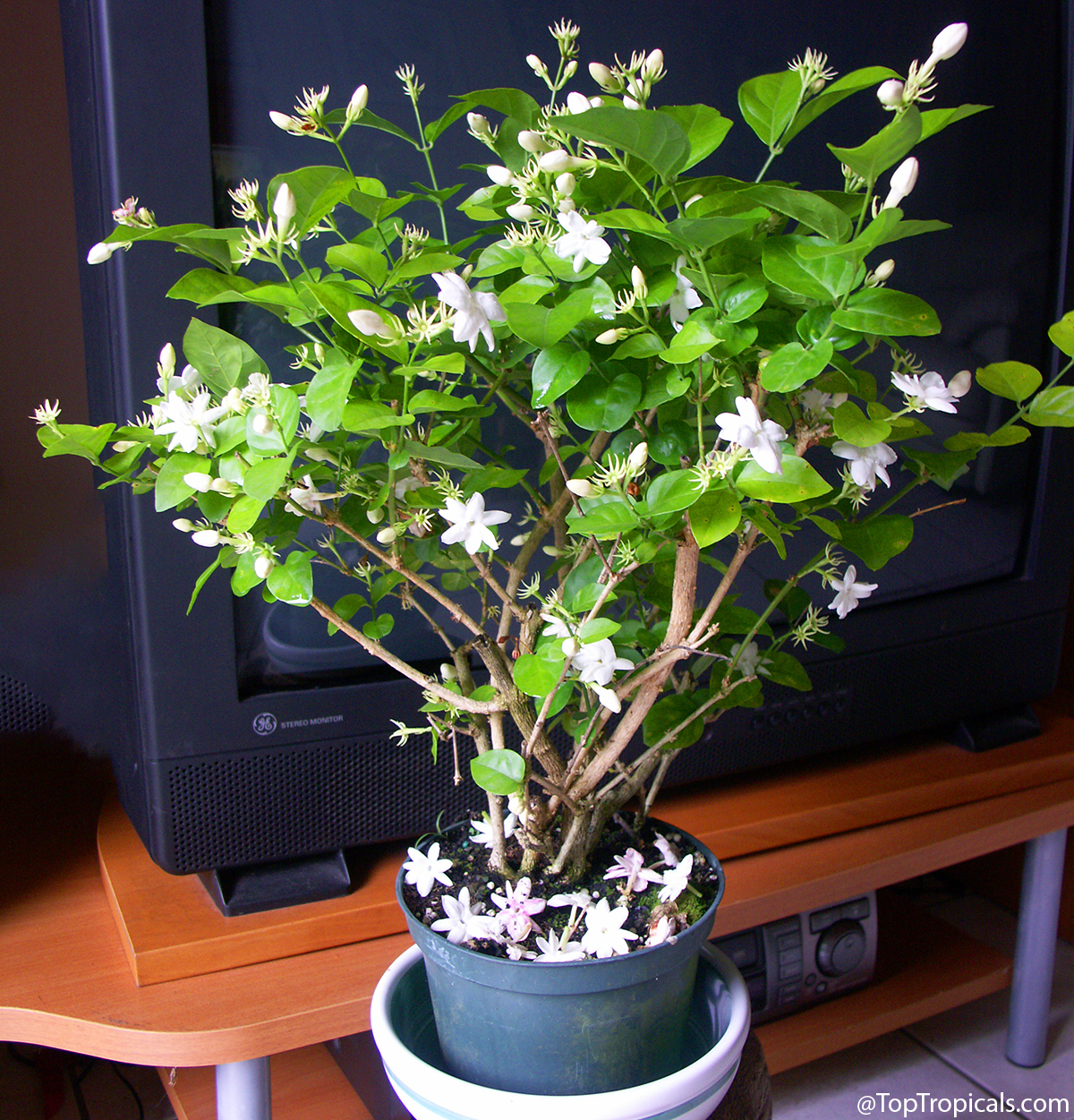
Jasmine Sambac Maid of
Orleans flowering indoors in a container under bright light.
❓Frequently Asked Questions About Jasmine Sambac
Does Jasmine Sambac need full sun?
It flowers best in full sun. In very hot climates, light afternoon shade
is acceptable. Indoors, give it the brightest window possible.
Can I grow it in a pot?
Yes. Sambac performs beautifully in containers. Many gardeners prefer pots
because it is easier to control size and move during cold weather.
How often does it bloom?
With proper light and feeding, it blooms in cycles throughout the warm
season. Consistency in care makes flowering more reliable.
Why is my plant not blooming?
The most common reasons are insufficient light or irregular feeding.
Increase light first, then review your fertilizing routine.
Is it difficult to grow indoors?
Not if you provide strong light and good air circulation. Compact varieties
adapt especially well.
Is it frost tolerant?
No. Jasmine Sambac is tropical. Protect it from temperatures below 40F and
bring it indoors before frost.
🌸 Year of
the Horse Special – Jasmine Bonus
Celebrate 2026 with the fragrance of Jasmine plants. For a limited time,
enjoy special savings when you grow one of
the most wanted perfume plants in cultivation.
Jasmine Sale - 15% Off
Save 15% on all Jasmine plants.
Discount is already applied in the online store - no code needed.
Seven most popular low-growing plants
for small gardens
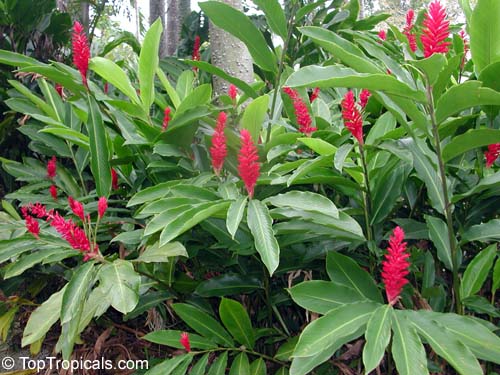
Photo above: Alpinia purpurata - Dwarf Red Cone Ginger - is a medium-growing, compact option for your garden, offering vibrant red flowers with minimal space needed. Its tropical appeal and tolerance for partial shade make it perfect for adding color without overwhelming your garden. Grows up to 4-5 ft.
Easy plants that can stay compact and short!
Q: I am looking for a few compact plants that I don't need to trim all the time. Can you recommend some low-growing pretty shrub to plant along my driveway (sun) and under an oak tree (shade)?
A: Here are a few most popular showy shrubs for you that can stay compact and require minimal if any pruning or maintenance!
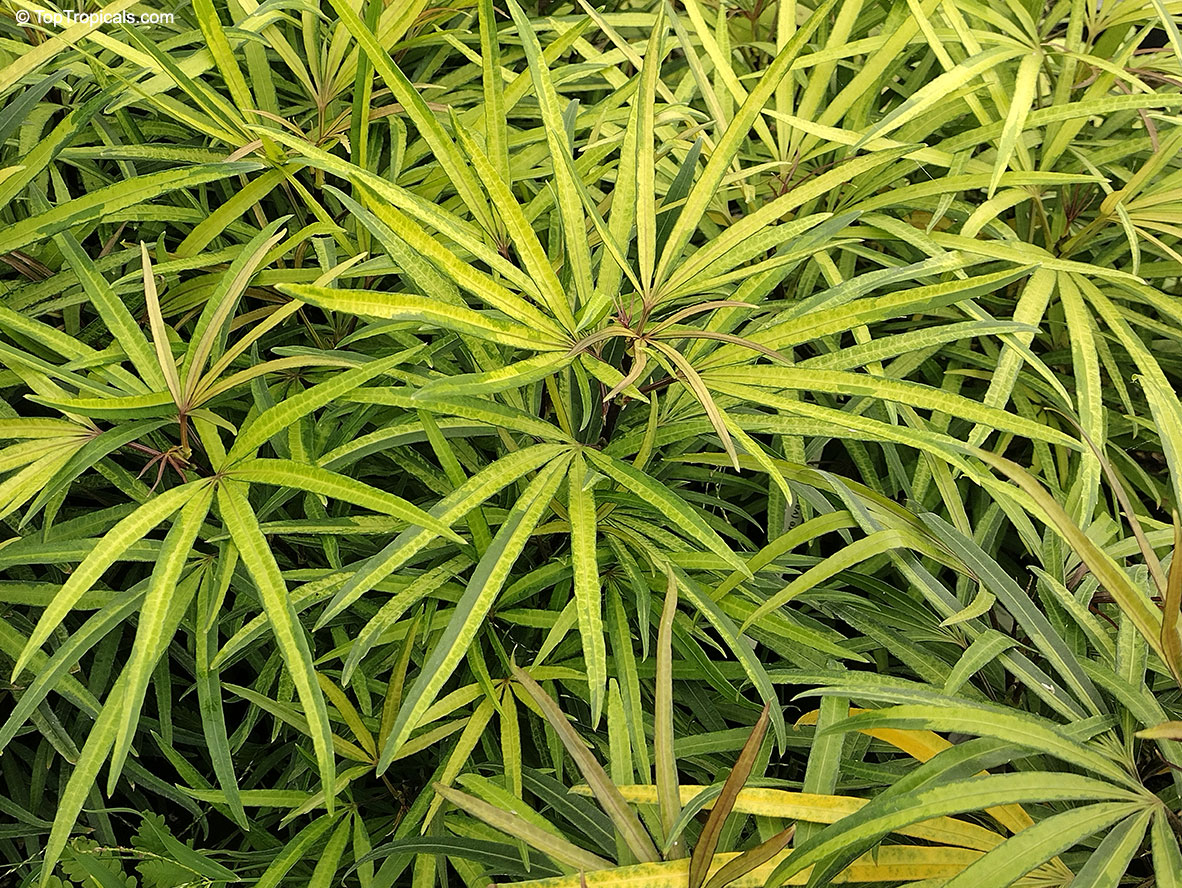
Osmoxylon lineare - variegated Miagos bush, Golden Feather - is a compact and striking shrub perfect for adding an exotic touch to a small garden or indoor space. Its hardiness and low-maintenance nature, combined with its tolerance for various light conditions, make it an ideal choice for a small, visually appealing addition to your garden. Full sun or light shade.
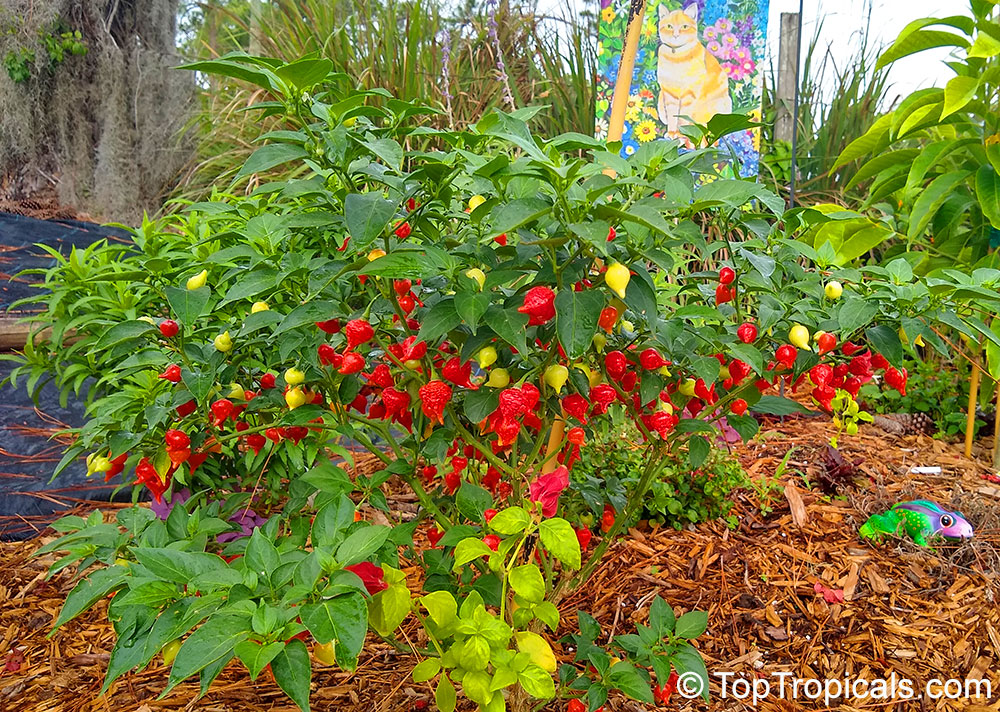
Capsicum annuum x chinense - Biquinho Pepper - amazing showy pepper, both ornamental and useful! Vibrant, compact plant that combines ornamental beauty with culinary use. Its small, bright fruits offer a burst of fruity, habanero-like flavor, making it a unique addition to any garden or kitchen, with little to no heat. Full sun: the more sun - the more peppers!
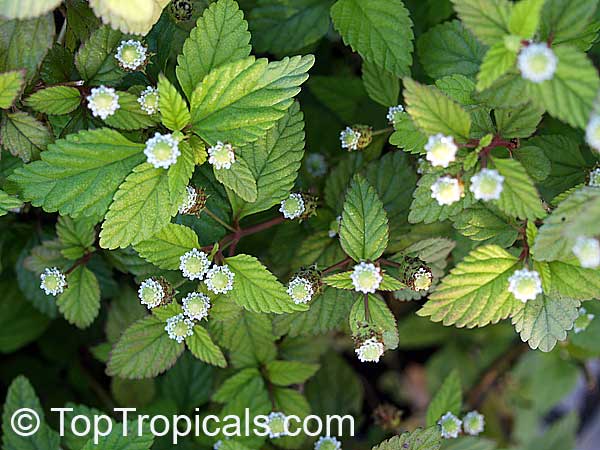
Lippia dulcis - Aztec Sweet Herb, Sweetleaf - not only showy, but also scented leaves and useful herb right at your doorstep! This fragrant, compact elegant plant adds both beauty and function to your garden. Its sweet-tasting leaves are perfect for snacking or enhancing fruit salads, while also serving as a natural remedy for colds and coughs.
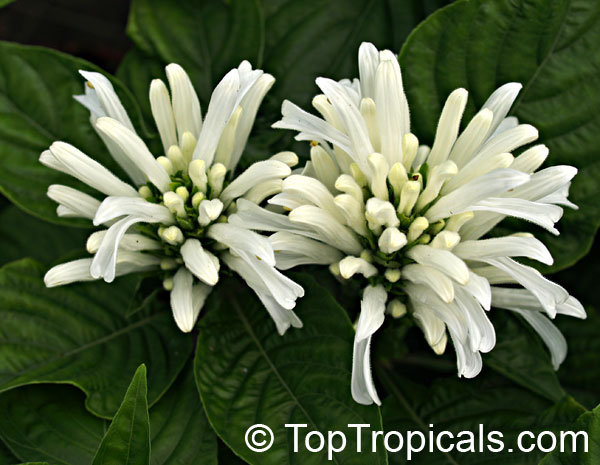
Justicia carnea Alba - White Brazilian Plume Flower is a compact, tropical beauty that thrives in full to partial sun and attracts hummingbirds and butterflies. Its stunning white flowers and lush green foliage make it a perfect choice for adding a tropical touch to your garden, and its relatively cold hardy!
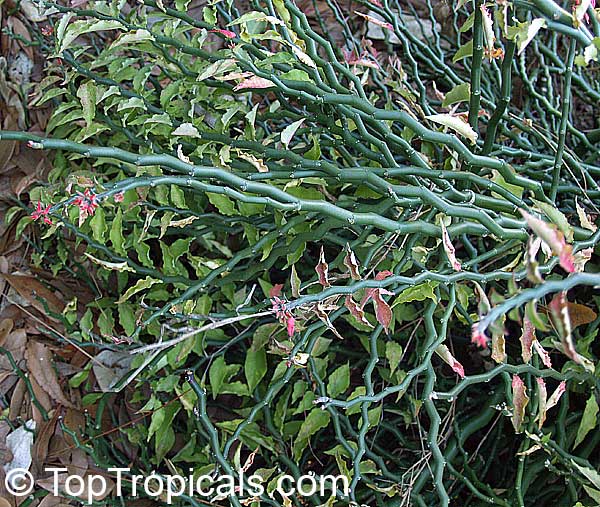
Pedilanthus tithymaloides - Devils Backbone - thrives in toughest spots! Hardy, low-maintenance plant, offering striking pink flowers and showy, unique ziz-zag foliage. Easy care requirements, full sun and minimal watering.
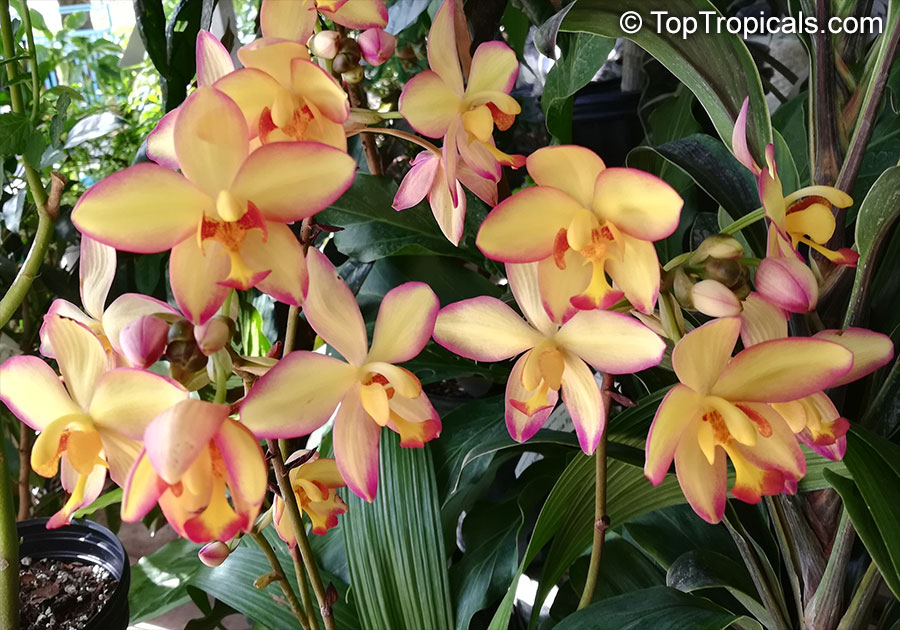
Ground orchids are a fantastic choice for exotic flower beds and colorful borders, growing just 2-3 feet tall and blooming year-round. They offer a wide selection of colors and bloom year-round. Sun or shade, they thrive in both! And yes, they grow in regular garden soil, which is why they are also called Terrestrial Orchids.
Q: I am looking for some interesting shrub that
will flower in shade and doesn't grow too big. I am a snow bird, living in
Florida during winter and will appreciate a winter bloomer.
A: In the shady corners of the tropical garden,
the Eranthemum
pulchellum, affectionately known as Blue Sage or Lead Flower, emerges as a
vibrant winter surprise. Its petals boast a bright gentian blue hue, a hue so
unusual in the tropics that it's as if the plant got a memo about standing out in
a sea of green.
This botanical maverick flaunts its blossoms when the rest of the garden
is caught napping, making it the prima donna of the winter bloomers. With a
penchant for the shadows, the Blue Sage is the introvert of the garden,
thriving in the cool embrace of shade. So, if your garden needs a touch of cool
and a dash of mystery, invite the Blue Sage - the shade-loving sensation that's
always fashionably late to the blooming party.
Blue Sage is an easygoing champ in your garden. You can trim it how you
like, and guess what? The more you trim it, the bushier it becomes. This
plant doesn't mind shade, and when winter hits, it shows off its bright flowers,
making your garden extra pretty without any fuss. So, if you're all about
simple gardening joy, the Blue Sage is your go-to pal that turns your garden
into a happy, colorful spot.
 How to Care for Bat Lilies