Garden Blog - Top Tropicals

Date: 15 May 2024

What does a dragon taste like? Does Dragon Fruit come from a monster cactus? Learn why you need to grow your own
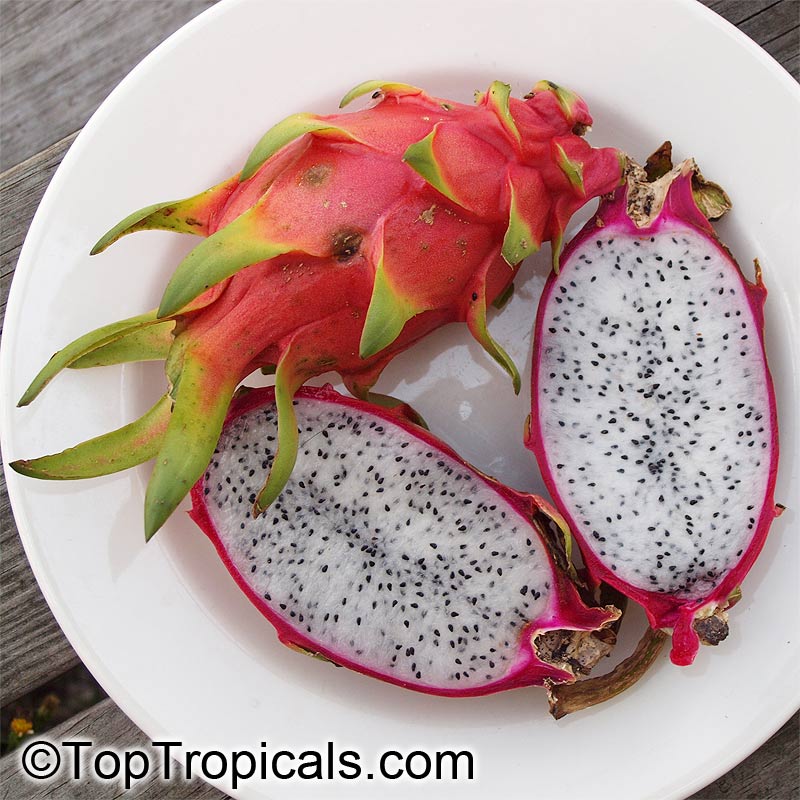
Hylocereus and Selenicereus Dragon Fruit or Pitaya
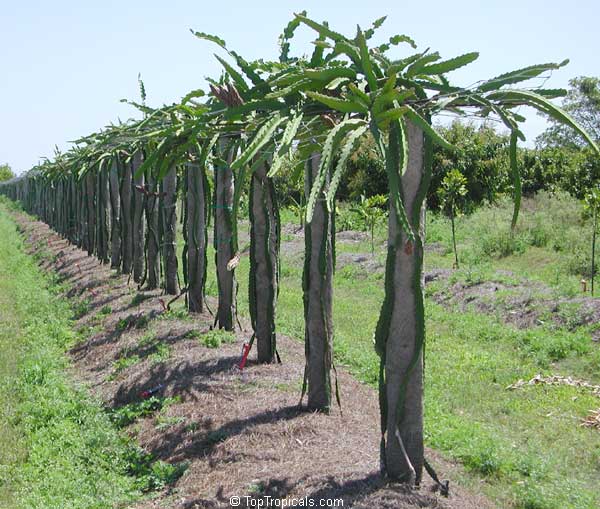
Hylocereus and Selenicereus Dragon Fruit or Pitaya

Hylocereus and Selenicereus Dragon Fruit or Pitaya trees on trellis
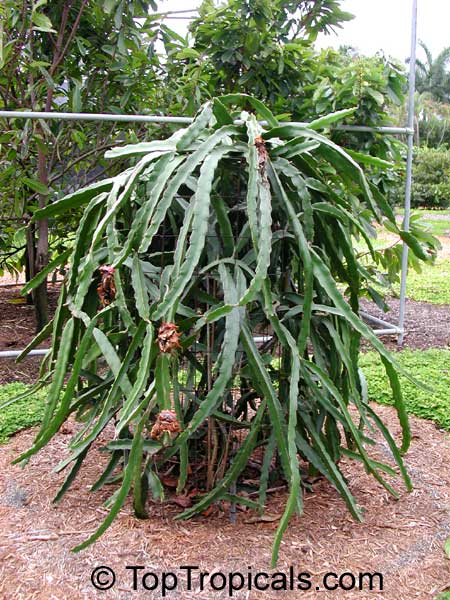
Hylocereus and Selenicereus Dragon Fruit or Pitaya trees on trellis

Hylocereus and Selenicereus Dragon Fruit or Pitaya on trellis
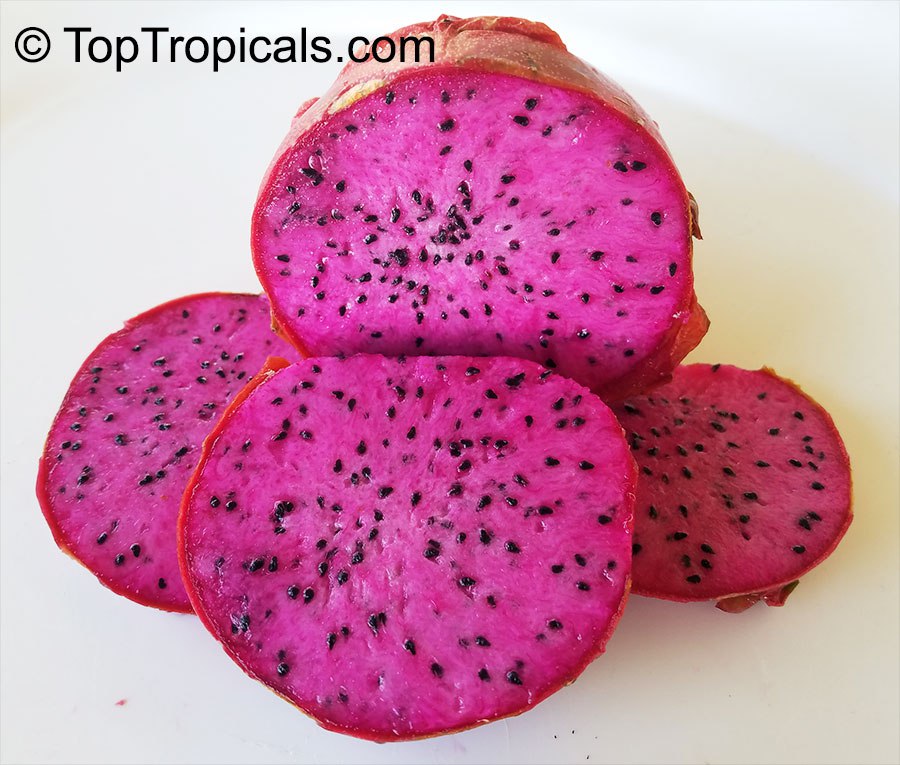
Hylocereus and Selenicereus Dragon Fruit or Pitaya on trellis

Hylocereus and Selenicereus Dragon Fruit or Pitaya red fruit
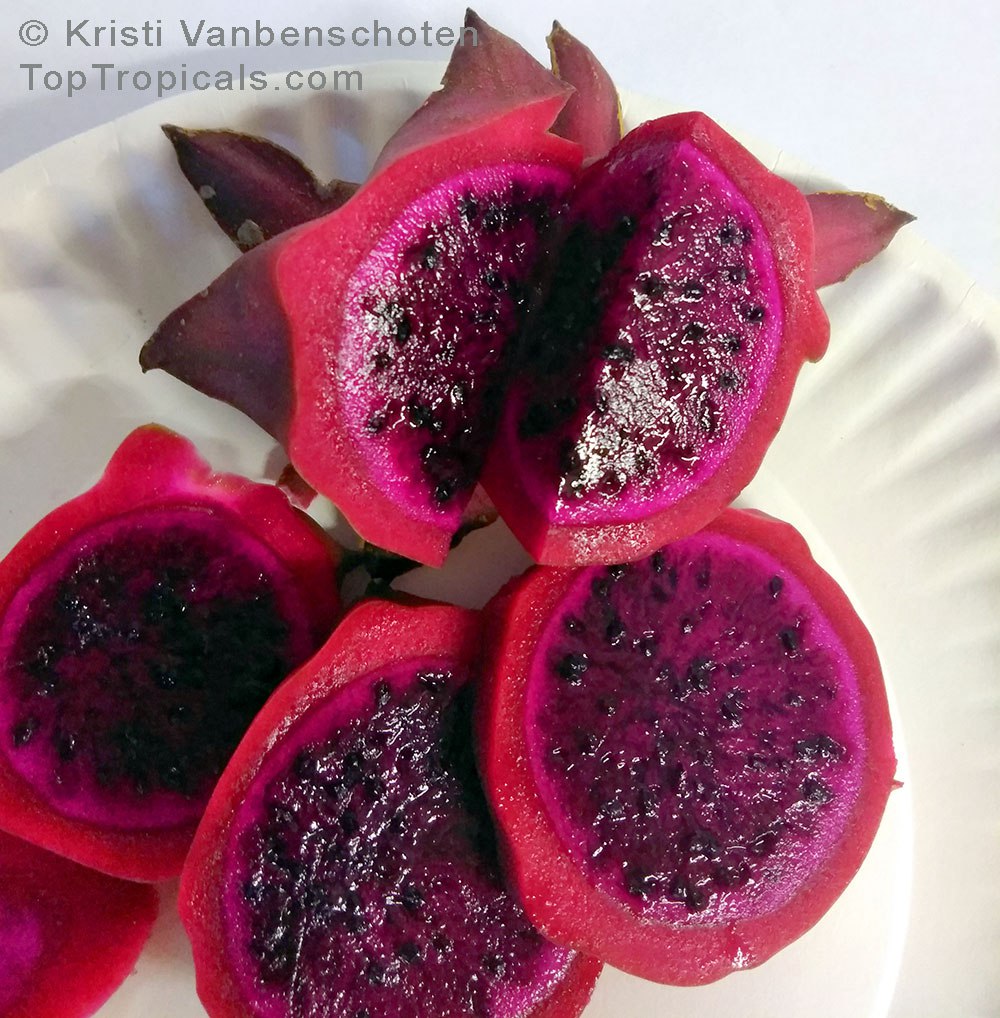
Hylocereus and Selenicereus Dragon Fruit or Pitaya red fruit

Hylocereus and Selenicereus Dragon Fruit or Pitaya purple fruit
Hylocereus and Selenicereus Dragon Fruit or Pitaya purple fruit

Hylocereus and Selenicereus Dragon Fruit or Pitaya Yellow Parlora
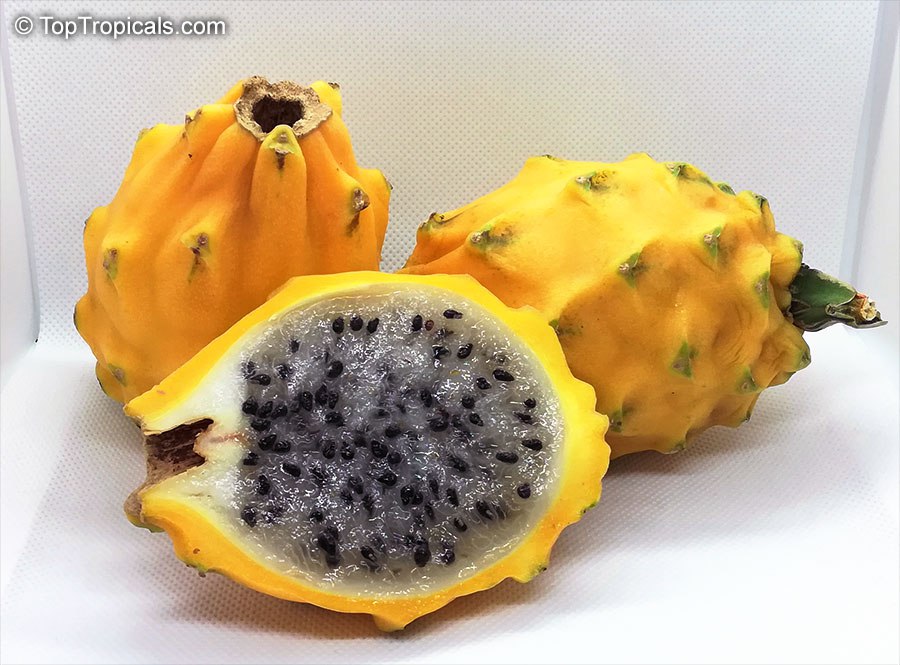
Hylocereus and Selenicereus Dragon Fruit or Pitaya Yellow Parlora

Hylocereus and Selenicereus Dragon Fruit or Pitaya flower

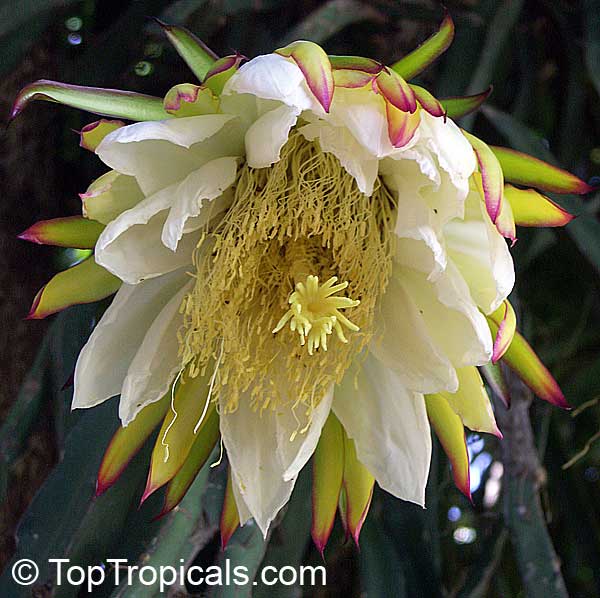
Hylocereus and Selenicereus Dragon Fruit or Pitaya flower

🐲 What does a dragon taste like? Does Dragon Fruit come from a monster cactus? Learn why you need to grow your own. 🌵
  • 🔴 You may have tried a Dragon fruit from the store l, but do you know how it grows? On a cactus tree!
  • 🔴 Names: varieties of Hylocereus and Selenicereus - these fruit bearing cactus plants are also called Dragon Fruit or Pitaya.
  • 🔴 Commercially grown fruit sold in a grocery store may be tasteless. You need to grow your own good variety to have tasty, sweet, flavorful fruit!
  • 🔴 Dragon fruit comes in many varieties. Colors of flesh differ: white, pink, dark red and even purple. The outside of the fruit can be red/pink or yellow.
  • 🔴 In commercial groves, Pitayas grow like cactus trees, over a strong support - big "umbrella frames" ☂️
  • 🔴 It is an easy plant, with low water needs, takes both sun and semi-shade.
  • 🔴 Our favorite variety is Yellow Dragon Fruit Palora, (Selenicereus megalanthus). It is the sweetest and has the most flavor of all. We shared some recipes earlier.
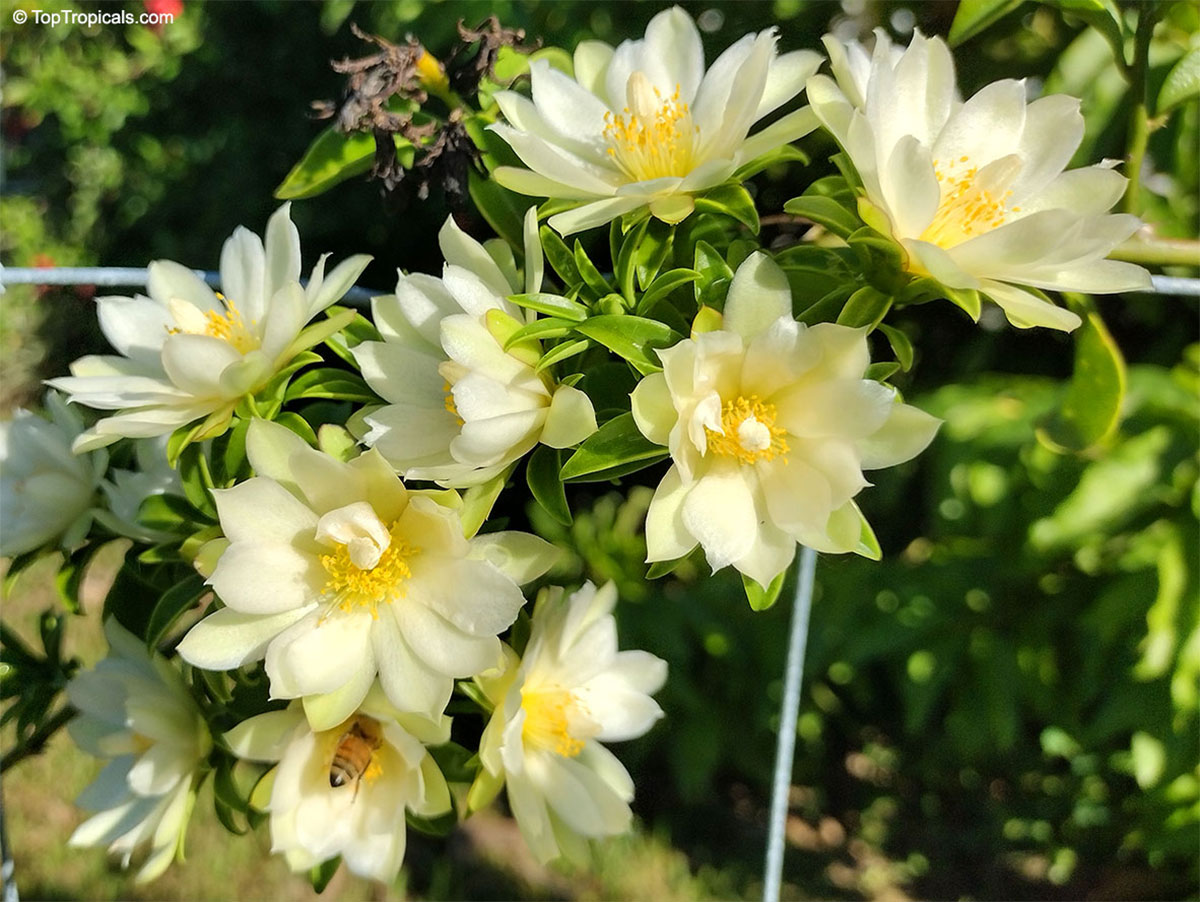
  • 🔴 Can be grown in container with a wooden trellis. And the flower is beautiful, too!


📚 Learn more about Dragon Fruit
🍹 Recipe: What to do with a Dragon fruit?

🛒Grow your own Tasty Dragon Fruits

#Food_Forest #Recipes #Nature_Wonders

🏵 TopTropicals
Date: 18 Feb 2025

What cactus vine produces gooseberries?

Perescia aculeata - Barbados Gooseberry

🐰 What cactus vine produces gooseberries? Barbados Gooseberry!

  • 🙂 Perescia aculeata - Barbados Gooseberry - unique cactus with edible leaves and edible fruit, fast-growing vine. It is a tropical treasure that combines beauty with edible delights.
  • 🙂 The fruit is yellow with a juicy, subacid pulp, and has a flavor that closely resembles a gooseberry. The fruits can be enjoyed fresh, stewed, or made into jams and jellies.
  • 🙂 The young leaves are also edible, making them a nutritious addition to your meals.
  • 🙂 A fast growing vining cactus, the Barbados Gooseberry prefers good drainage but likes its soil to remain moist during the summer, while being kept drier in the winter.
  • 🙂 Can be grown in container on a trellis.


📚 Learn more from previous posts:


What is Barbados Gooseberry?
A vine, a cactus, a tasty fruit, and a pretty flower

🛍 Plant Barbados Gooseberry

#Food_Forest #Hedges_with_benefits

🔴 Join 👉 TopTropicals🙂

Date: 14 Jun 2024

Stop! Dont touch! Just smell that magic fragrance

Easter Lily Cactus (Echinopsis sp)

🌵 Stop! Don't touch! Just smell that magic fragrance... 😭

  • 💠 Easter Lily Cactus (Echinopsis sp) is native to Brazil and Argentina. It is a globular cactus that produces splendid night-blooming, white fragrant flowers up to 10" long!
  • 💠 Big, white or pink, fragrant blooms.
  • 💠 Flowers open at night or early morning, creating a magical experience.
  • 💠 Blooms last only a day or two, making each one special.
  • 💠 Cool shapes: unique, spiny, ribbed bodies come in different forms and sizes.
  • 💠 Easy Care: low-maintenance, very little water, lots of sunlight, and well-draining soil. Adapted to survive in harsh, dry environments, it can take both drought (obviously - cactus) and rainy seasons (like we have in Florida).
  • 💠 Great for water-saving gardens and container culture.
  • 💠 Many species and hybrids to collect, with a range of colors and forms.


What other cactus species with fragrant flowers do you know? Share in comments👇

🛒 Order online

#Nature_Wonders #Container_Garden

🏵 TopTropicals

Date: 25 May 2025

Botanical bedhead: curly, crazy, and full of surprises

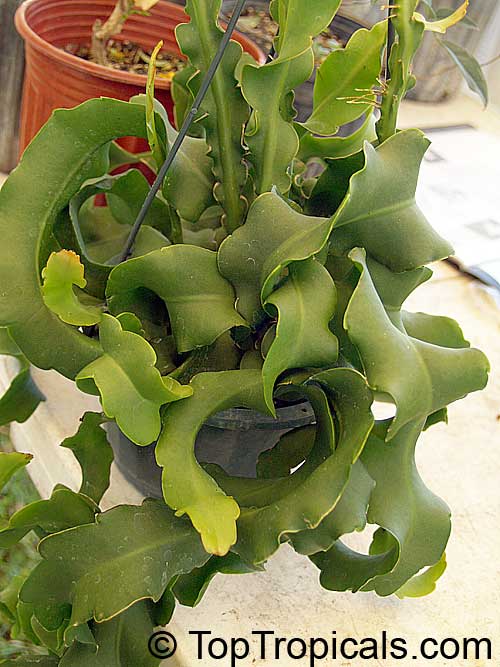
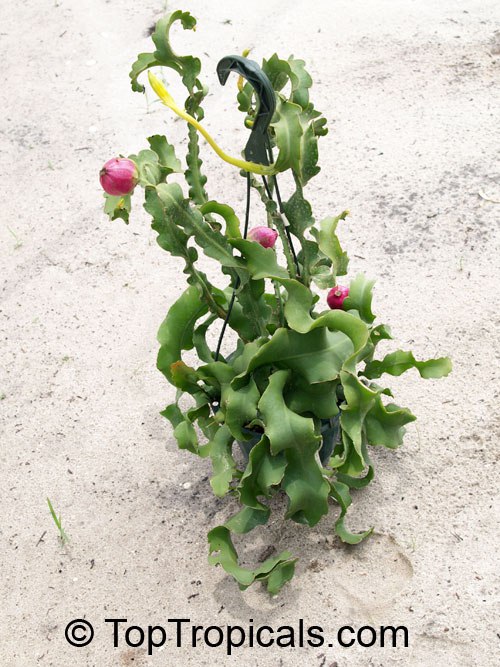
Epiphyllum guatemalense - Curly Locks

Epiphyllum guatemalense - Curly Locks

Epiphyllum guatemalense - Curly Locks, leaves

Epiphyllum guatemalense - Curly Locks, leaves

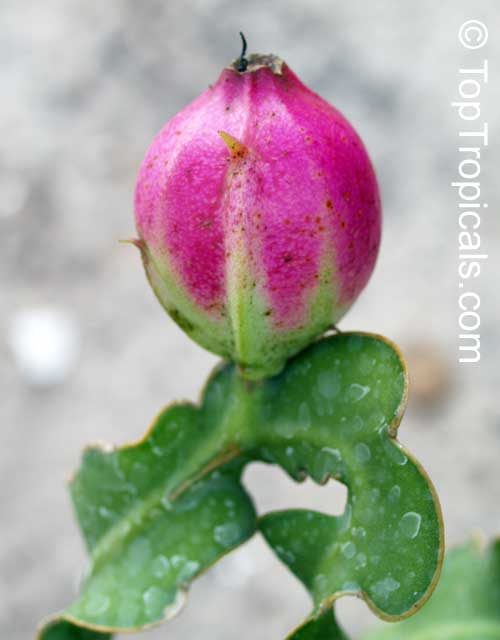
Epiphyllum guatemalense - Curly Locks, fruit

Epiphyllum guatemalense - Curly Locks, fruit

Botanical bedhead: curly, crazy, and full of surprises

  • This wild-looking jungle cactus doesn't grow straight - it spirals, twirls, and twists! Meet Epiphyllum guatemalense Monstrosa - Orchid Cactus, or Curly Locks.
  • A natural mutation of Epiphyllum guatemalense, Curly Locks creates a tangled cascade of curly stems that look like botanical noodles!
  • Perfect for hanging baskets, it blooms fragrant, orchid-like flowers at night and produces juicy, edible pink fruit.
  • It's self-pollinating and thrives in bright, indirect light. Let it get root-bound to encourage blooms, and water moderately.
  • A must-have oddity for cactus lovers and collectors!


🛒 Get the curly cactus now

📚 More about exotic epiphytic cacti:


Disocactus ackermanni - Red Orchid Cactus
Epiphyllum oxypetalum - Queen of the Night
Pseudorhipsalis (Wittia) amazonica - Blue Flame

#Fun_Facts #Container_Garden #Shade_Garden #Nature_Wonders

🔴 Join 👉 TopTropicals

Date: 18 Feb 2025

What cactus vine produces gooseberries

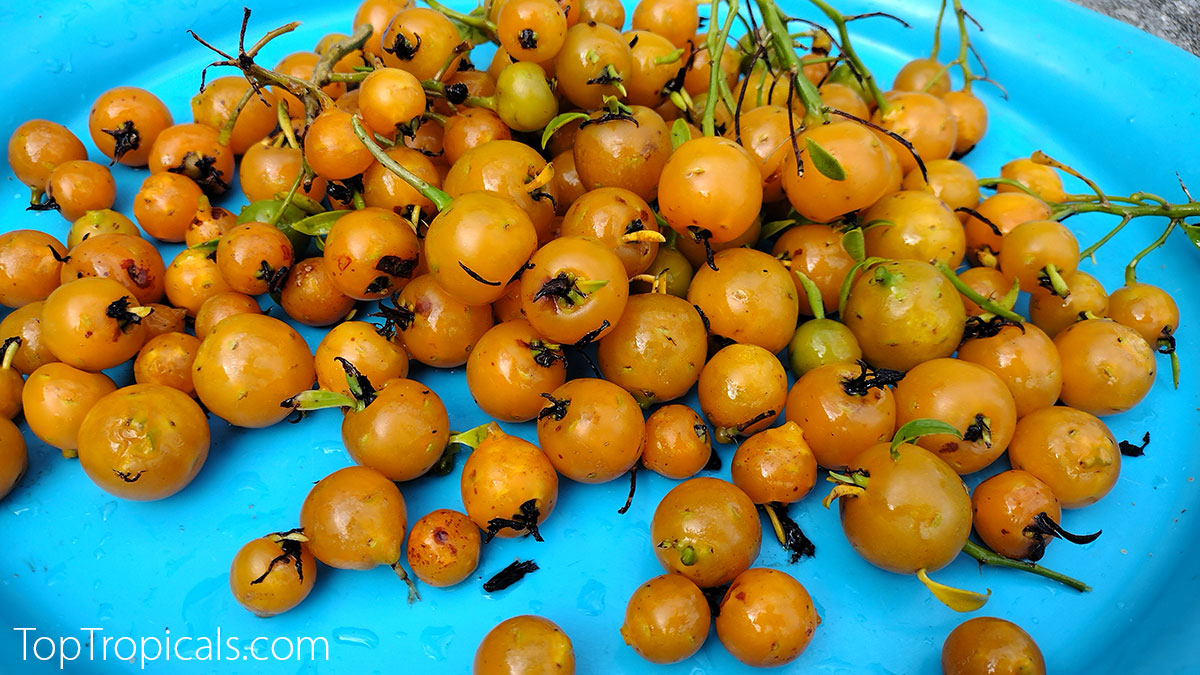
Perescia  aculeata,  Barbados  Gooseberry  fruit

Q: I've heard about a tropical gooseberry suitable for making jams but don't know its exact name. Do you have it? Gooseberry jam is my husband's favorite, but I can't find gooseberries here in Florida - too hot, maybe?

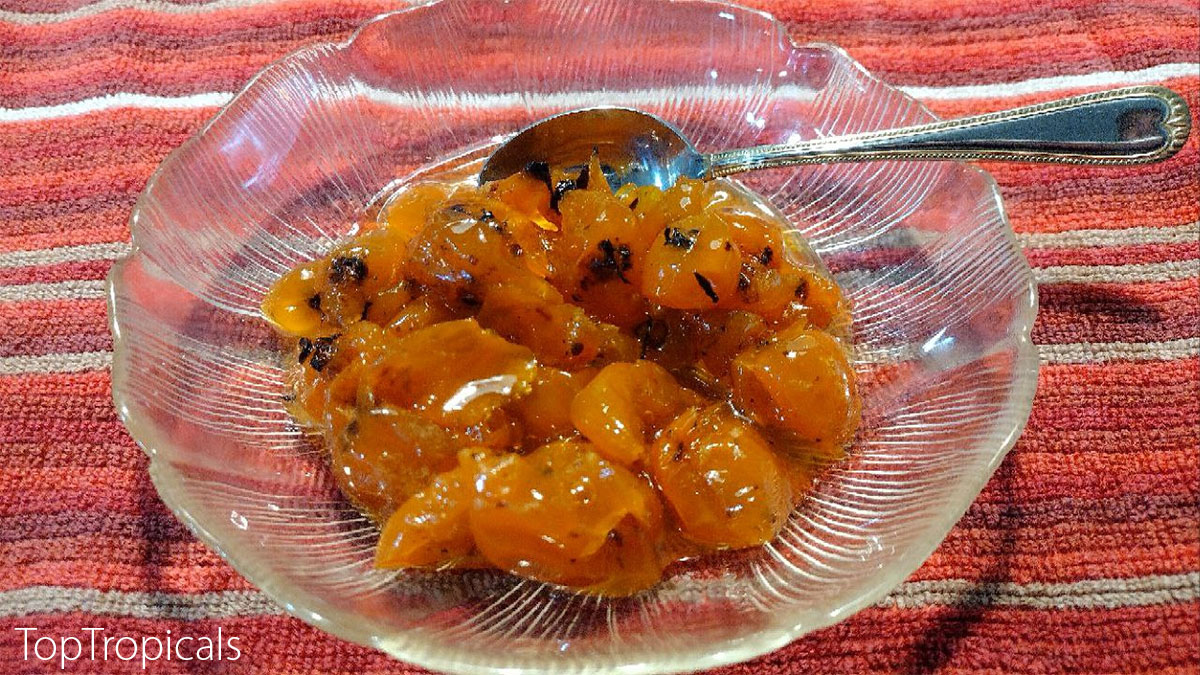
A: Yes, we do have the plant you're looking for! We've just made some delicious jam from this tropical gooseberry, and it tastes just like the northern varieties but even more flavorful! Florida's winter is the perfect season for this wonderful fruit. Right now, our plant is growing quickly and vigorously over our fence, and it's covered with fruit. Just a couple of months earlier it was full of fragrant, beautiful white flowers!

The plant in question is Perescia aculeata, commonly known as Barbados Gooseberry. It's a unique cactus with both edible leaves and fruit, making it a tropical treasure that offers beauty as well as culinary delights.

The fruit is yellow with a juicy, subacid pulp that tastes remarkably similar to traditional gooseberries. You can enjoy the fruits fresh, stewed, or transformed into jams and jellies.

The young leaves are also edible, adding a nutritious boost to your meals.

This fast-growing vining cactus prefers well-drained soil that remains moist during the summer and drier in winter, and it can be effectively grown in containers on a trellis.

Watch a short video of Barbados Gooseberry fruiting.

Perescia  aculeata,  Barbados  Gooseberry  jam

Perescia  aculeata,  Barbados  Gooseberry  flowers