Garden Blog - Top Tropicals

Date: 28 Sep 2025

Guava: The Healthiest Fruit You Can Grow
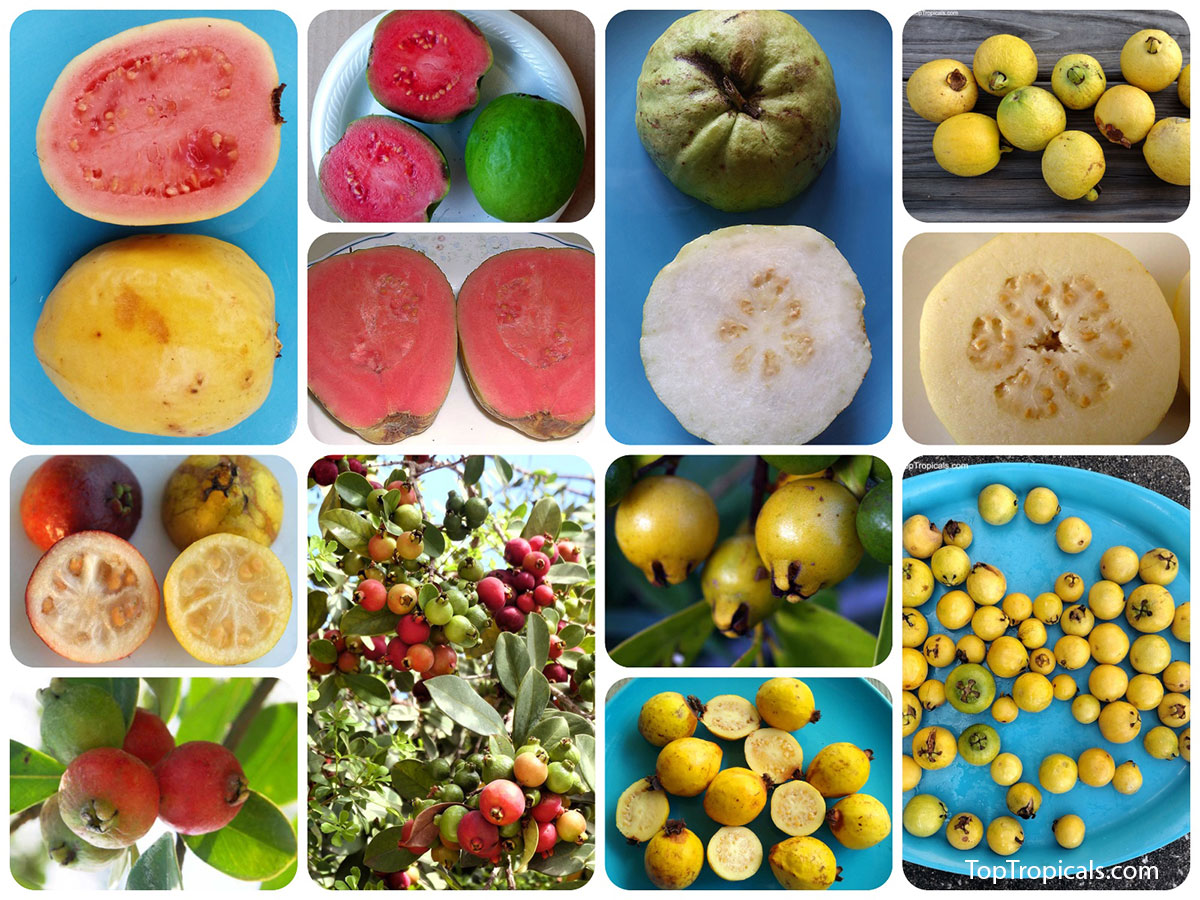
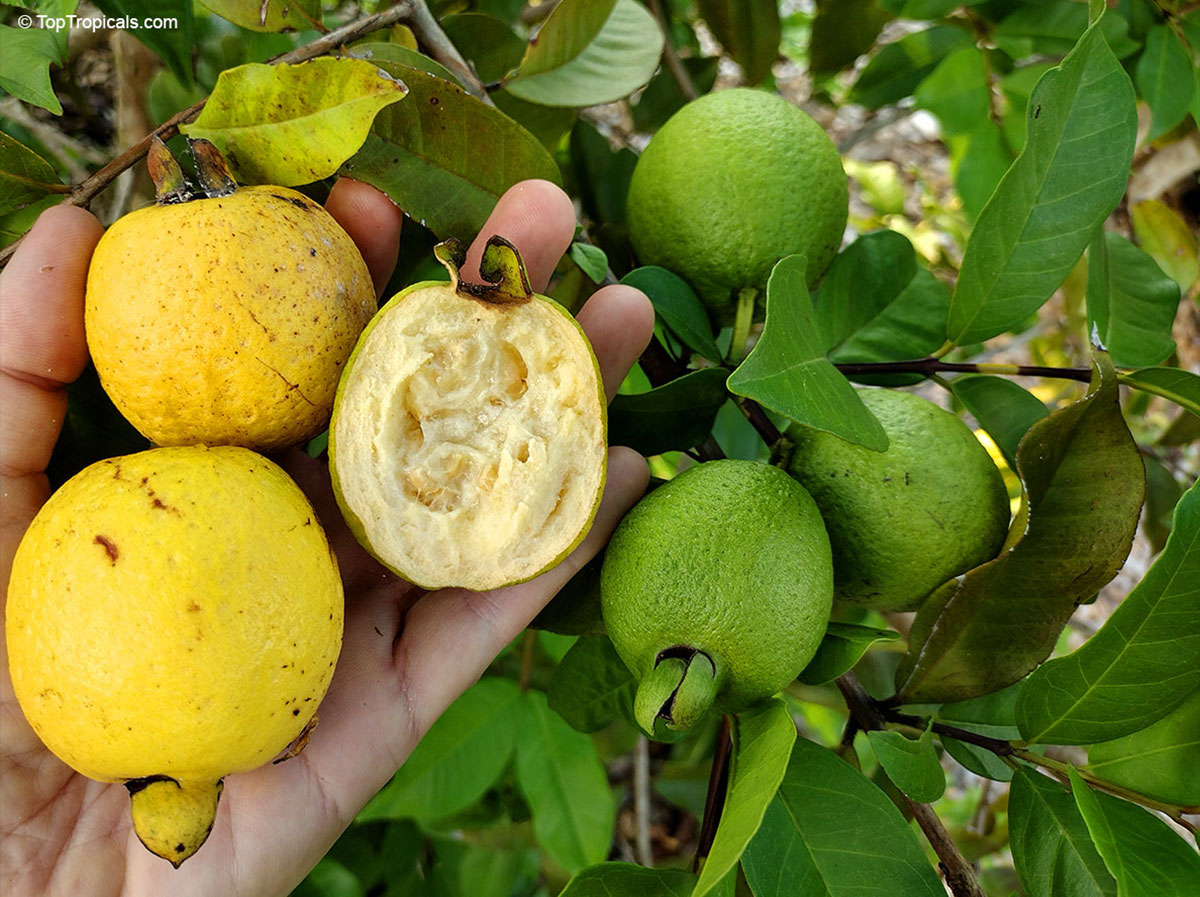
Collage  of  guava  varieties:  pink,  white,  Cas,  red  Cattley,  and  golden 
 Cattley  guavas,  shown  as  whole  fruits,  cut  sections,  and  clusters  on  the 
 tree.

Guava varieties: Pink flesh (upper left quarter), White flesh and Cas (upper right quarter), Red Cattley Guava (bottom left quarter) and Golden Cattley (bottom right quarter).

Let’s talk Guava. Few fruits check as many boxes: flavor, productivity, health, and adaptability. We’ve grown guava trees at Top Tropicals for years here in Florida, and it never fails to surprise people with how easy it is — and how quickly it rewards you.

🌿 Health Benefits

We know the first question:"Why guava in addition to all the other fruit trees I could plant?"Because guava is one of the healthiest tropical fruits you can eat and grow — and it produces faster than almost anything else.

  • Vitamin C powerhouse — guava has four times more vitamin C than oranges. One fruit covers your daily needs and then some.
  • Potassium and fiber — good for balancing blood pressure and keeping your heart strong.
  • Antioxidants like lycopene and vitamin C — these keep your skin glowing and help protect your cells from damage.
  • Dietary fiber — aids digestion and helps keep blood sugar steady.
  • Guava is a true"food as medicine"tree you can plant right in your backyard or in pot.

♥️ Our Favorite Varieties are Available Now

We currently have a DOZEN excellent guava varieties in stock selected by our plant expert Tatiana Anderson — something special for every garden. Our top picks are:

Pink Guavas

  • Barbie Pink – Yellow pear-shaped fruit with thick pink flesh, sweet and juicy. Cold hardy for a tropical fruit. The best seller.
  • Hong Kong – Large, round, smooth pink fruit. Sweet flavor, very few seeds, and very productive.
  • Tikal – Our top pick. Fast-growing, disease-resistant, and produces the sweetest pink guavas with very few seeds.

White Guavas

  • Indonesian White – Aromatic, classic white-fleshed guava with an excellent tropical flavor.
  • Kilo White – Giant fruit up to 2 lbs (1 kilo) each! Few seeds, creamy white flesh, and fruits even in containers.

Compact/Dwarf
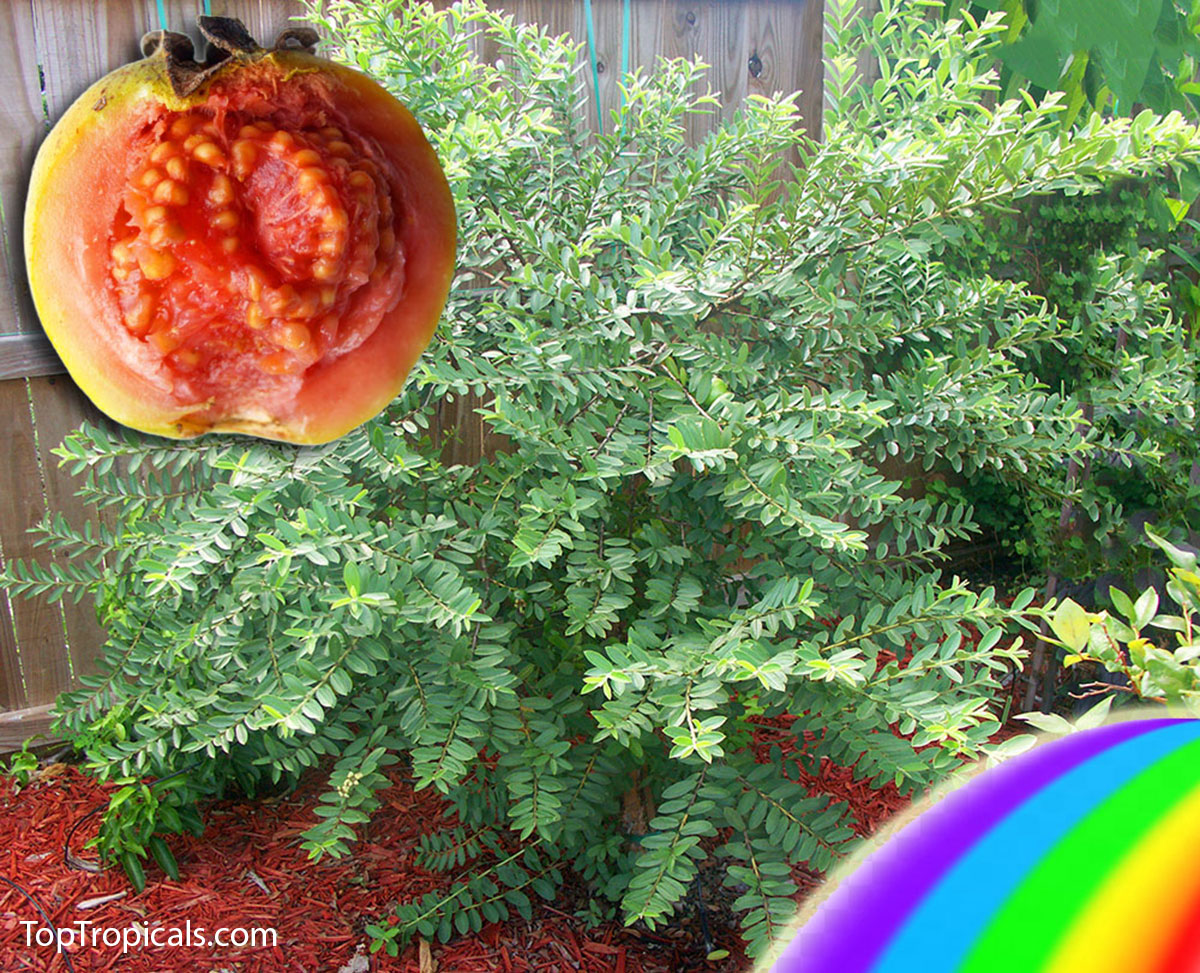
Dwarf  Guava  Hawaiian  Rainbow  tree  with  dense  green  foliage,  inset 
 showing  pink-fleshed  guava  fruit  with 
 seeds.

Dwarf Guava Hawaiian Rainbow

Specialty Varieties

Cas  Guava  fruits  on  tree,  with  ripe  yellow  and  unripe  green  fruit,  one 
 cut  open  to  show  pale  flesh.  Traditional  Costa  Rican  Agua  de  Cas 
 fruit.

Cas Guava with zero sugar for Costa Rican Agua de Cas drink

  • Cas Guava – Bold, tangy, almost zero sugar. The traditional Costa Rican Agua de Cas drink comes from this fruit. Cold hardy.
  • Hawaiian Gold, Yellow Strawberry Guava – The sweetest Strawberry Guava, golden fruit, great for fresh eating and drinks.
  • Brazilian Araca Pera – Rare hybrid used for Guava Wine in Brazil. Tart, concentrated juice makes excellent wine, sorbet, or jelly. Learn more...
  • Pineapple Guava, Guavasteen – Feijoa sellowiana. Strongly perfumed fruit, best enjoyed when the pulp is mixed with sugar – like forest strawberries. Cold-hardy, tolerates freeze, and doubles as a great windbreak. Learn more...
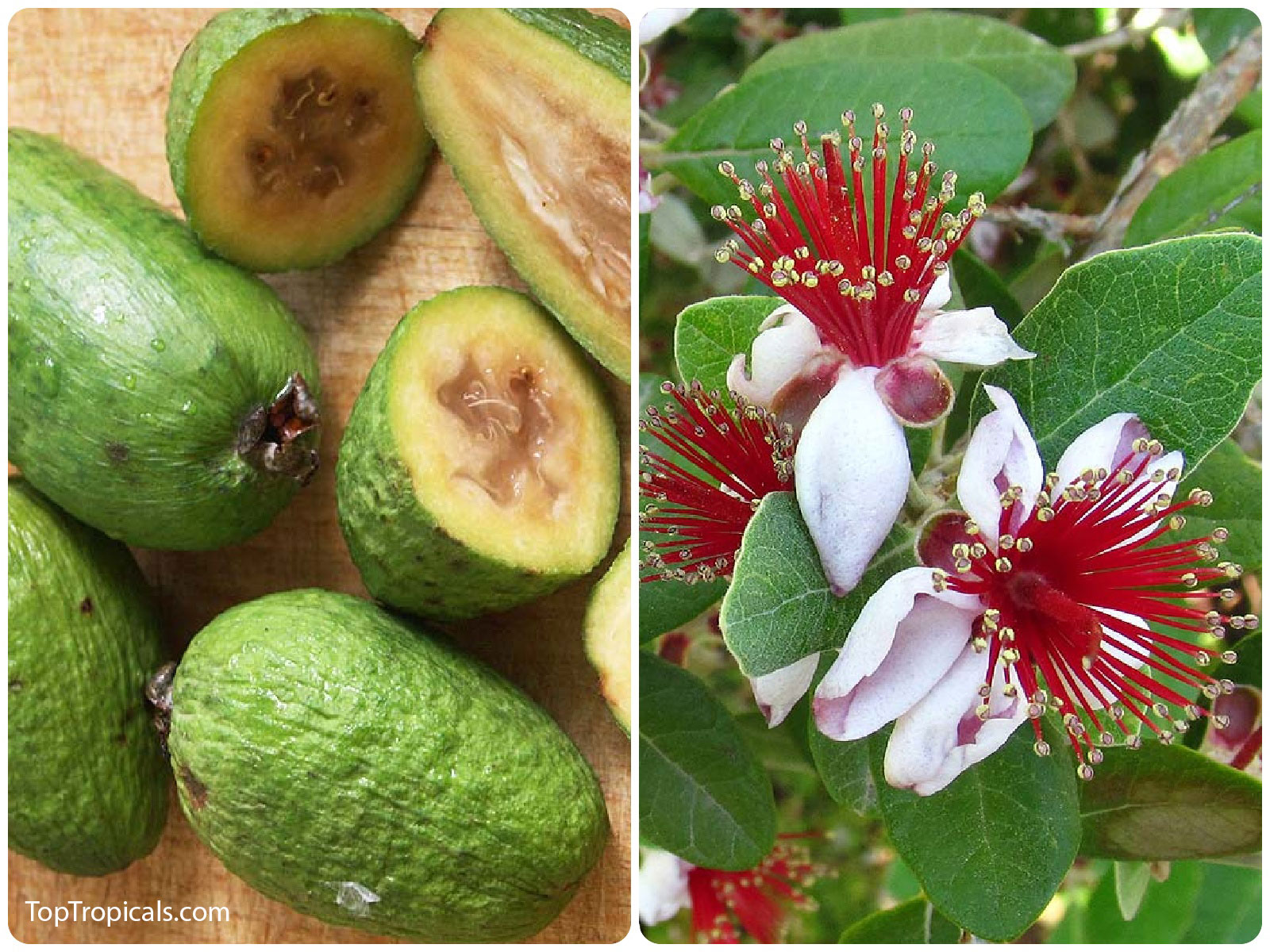
Pineapple  Guava  (Feijoa  sellowiana)  fruit  and  flowers.  Green  oval  fruit
    with  soft  aromatic  flesh,  and  white-red  blossoms  with  long 
 stamens

Pineapple Guava, Guavasteen – Feijoa sellowiana

Every one of these thrives here in Florida or in warm climate. Some are better in pots, some as landscape trees, but all produce generously.

🎥 Watch short videos about Guava:

💲 Special Offer – 20% off Guava Fruit Plants!

Get 20% OFF already discounted Guava plants with code

GUAVA2025

Min order $100. Excluding S/H, valid online only, cannot be combined with other offers.

Hurry, offer expires October 02, 2025!
Explore Guava Fruit Plants

Date: 23 Nov 2025

📅 Mark Your Calendar - Holiday Plant Market

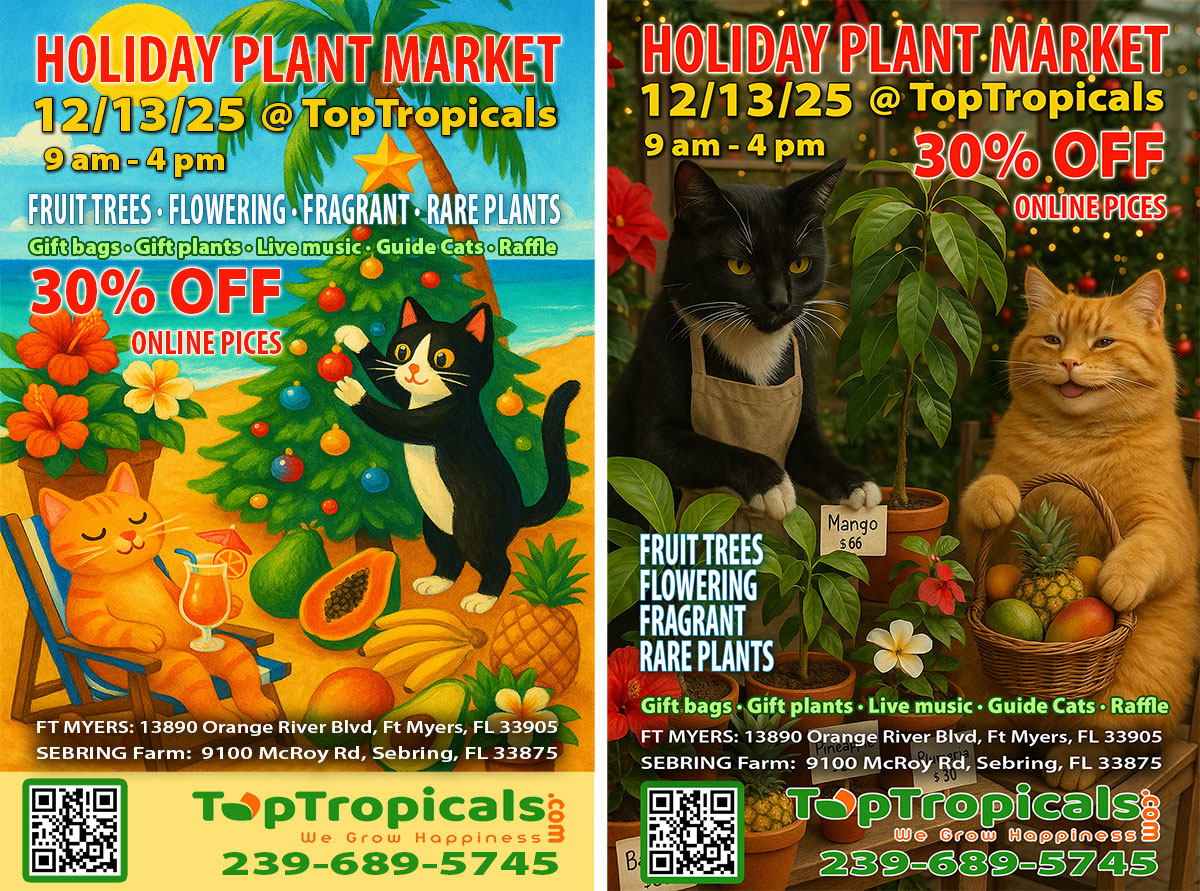
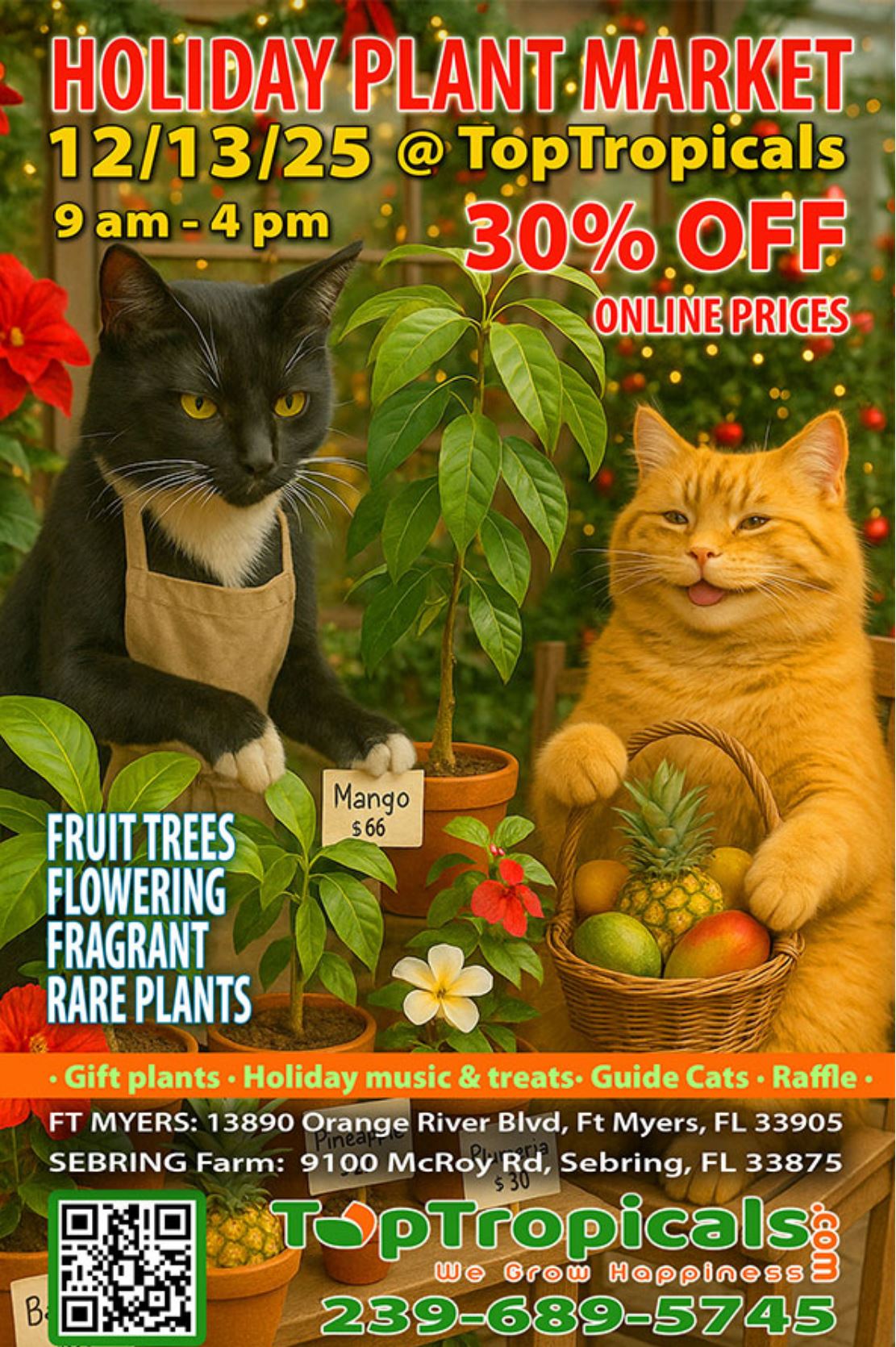
Holiday  Plant  Market  flyer  for  December  13  2025  showing  two  PeopleCats 
 in  a  festive  garden,  one  black  cat  in  an  apron  next  to  a  mango  tree  and  one 
 orange  cat  holding  a  basket  of  tropical  fruit,  with  event  details, 
 discounts,  and  Top  Tropicals 
 locations.

Holiday season in Florida means sunshine, green leaves, and cats on patrol. On Saturday 12/13/25, our PeopleCats are hosting a special Holiday Plant Market at TopTropicals, 9 am to 4 pm. This is not a regular nursery day. This is the one where you grab a donut in one hand, a mango tree in the other, and try not to trip over a cat giving you a tour.

We are bringing out the best plants we grew all year: big fruit trees with real branches, flowering and fragrant beauties, rare collectors plants, and vines that are ready to take off as soon as you get them home. December is perfect planting weather in Florida, so while the rest of the country is scraping frost from windshields, you can be choosing which banana, mango, or jasmine will perfume your yard next summer.

Holiday extras: 30% OFF online prices, free plant with purchase, 5 to 10 dollar specials, mini donuts and holiday treats, iced tea and citrus water, tropical Christmas music, and raffle prizes. If there is enough ripe fruit in the morning, we will set up a tasting table too. Our PeopleCats will be on duty all day, rearranging plants, checking on visitors, and occasionally allowing themselves to be petted between tours.

Event discounts and specials are valid at both locations:

Save the date, tell a friend, and plan your plant hunting route now. Come celebrate the holidays the Florida way: sunshine, rare fruit trees, happy cats, and a car full of tropical plants going home with you.

Facebook event page - Download invitation

to confirm attendance
RSVP on Facebook!

Learn More About The Holiday Plant Market

Date: 6 Dec 2025

🌿 Bring the Jungle Inside: Winter Survival Guide Part 1: Lighting ❄️

Smokey  the  taxedo  cat  adjusts  an  indoor  grow  light  while  Sunshine  the 
 ginger  tabby  sits  holding  a  hygrometer  he  does  not 
 understand.

Smokey: "Winter lighting must be precise. I need this light exactly at 14 inches."
Sunshine: "Sure. I am holding this… little number thing."
Smokey: "It reads humidity. Your main job is to look cute."

🌞 LIGHT, TEMPERATURE, PLACEMENT

Winter indoors is a different kind of battlefield. Dark rooms. Dry air. Cold windows. Random drafts. Weak light. Sad plants. We've been talking about keeping your tropicals alive outdoors previously. But some of you have no choice this time of year. You have to bring the jungle inside.

If that is you, then this is your plant survival guide.

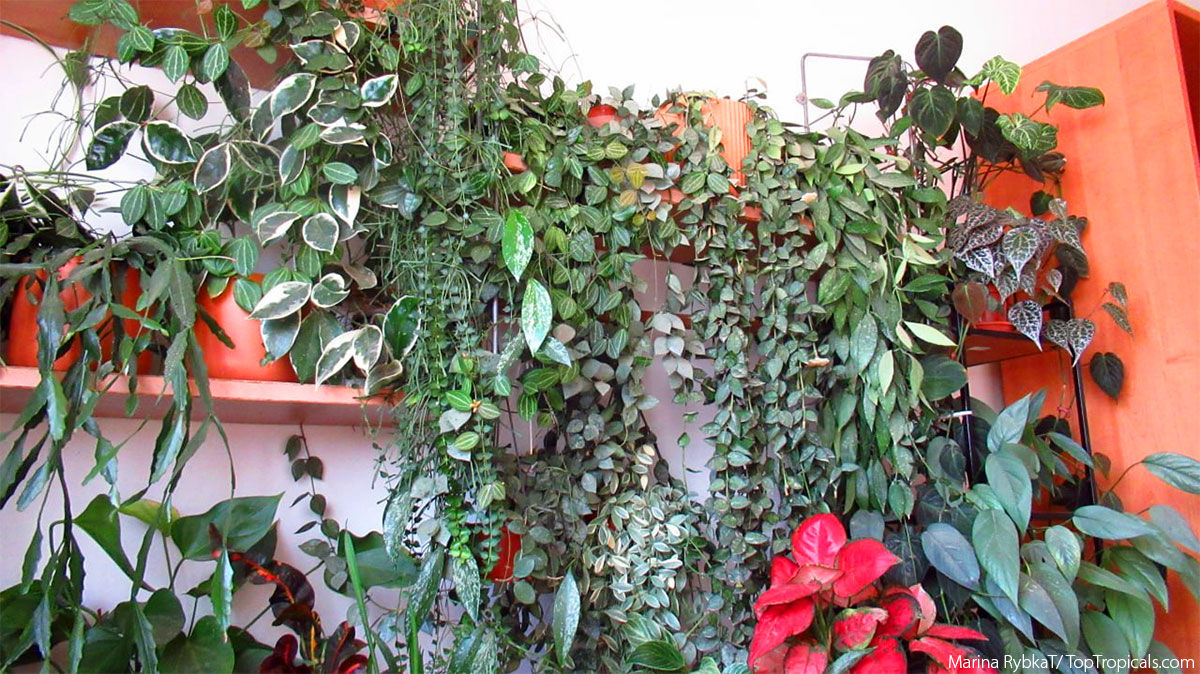
Indoor  wall  of  tropical  houseplants,  including  cascading  vines,  variegated  foliage,  and  mixed  aroids  arranged  on  shelves.

☀️ LIGHT: THE WINTER LIFELINE

Light advice here comes straight from our in-house expert, Michael Dubinovsky, a high-tech lighting engineer with over 30 years of hands-on experience. If he says brightness beats hours, trust him.

Here is the truth: Indoor light in winter is 10 to 50 times weaker than outdoors. Short days. Low-angle sun. Windows filtering half the useful light. It all adds up.

Tropicals need 10 to 12 hours of real brightness. Winter sun cannot do that on its own. Not even in a big window. So we help them.

Use bright LED shop lights or utility lights. 5000K to 6500K CCT. High lumen output. Skip decorative bulbs. Skip purple grow fancy toy lights. If you want a single plant light, even a clamp lamp is fine if you screw in a bright daylight LED bulb.

Panels work best for plant clusters. Bars for shelves. Bulbs for single plants. And grouping plants under one bright panel always beats spreading them out.

Distance matters: keep LEDs about 12 to 18 inches above the leaves. Too close: leaf burn. Too far: stretching, weak stems.

Leaves reaching up? Light is too high or too weak. Leaves curling down? Light is too close.

If you want a reality check, download any smartphone lux meter app. Most indoor corners are 50 to 200 lux without supplemental light. Tropicals want much more

And a quick tip about windows: winter sun comes in sideways. A spot that looks bright at noon can go dull by 2 PM. Don't count of window light

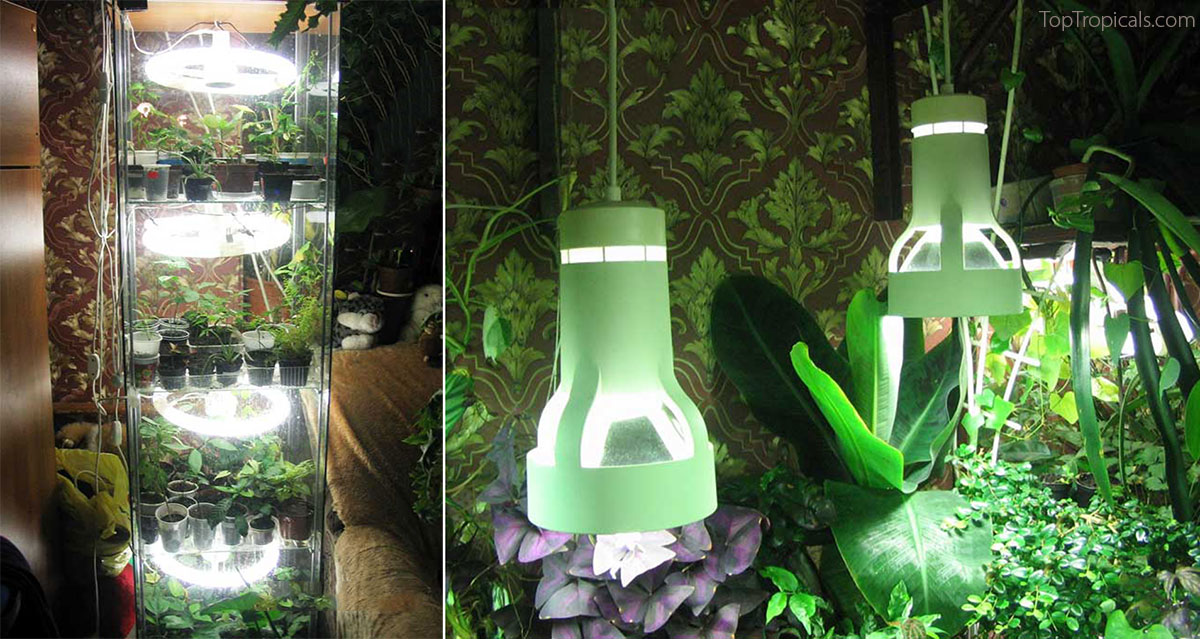
Indoor  grow  setup  with  bright  LED  lights  illuminating  shelves  of  tropical  plants.

Bright light or long hours

People try to fix weak light by running it for 16 or 18 hours. That does not work. Plants care more about light intensity. A few hours of strong light beats all-day dim light. If the light is weak, adding more hours will not change anything except your electric bill.

Simple rule: Short duration but bright is always better than long duration but weak. - by Michael, Top Tropicals lighting expert

No need for fancy horticultural panels

You do not need purple grow lights. You do not need special horticultural fixtures. You do not need expensive panels unless you want real winter growth.

For winter plant holding till spring, the inexpensive solution works great:

  • Bright LED daylight bulbs (5000K to 6500K) from hardware store
  • High lumen output
  • Inexpensive clamp lamps
  • Aim directly at the plant from 12 to 18 inches

This setup keeps tropicals happy until spring without buying anything fancy. Save the money for soil, pots, or your next plant.

Indoor plant lighting safety note:

  • Use timers. Keep cords dry. Do not overload outlets.
  • Do not hang lights over humidifiers.
  • And do not put fixtures on piles of books to raise them. People do this.

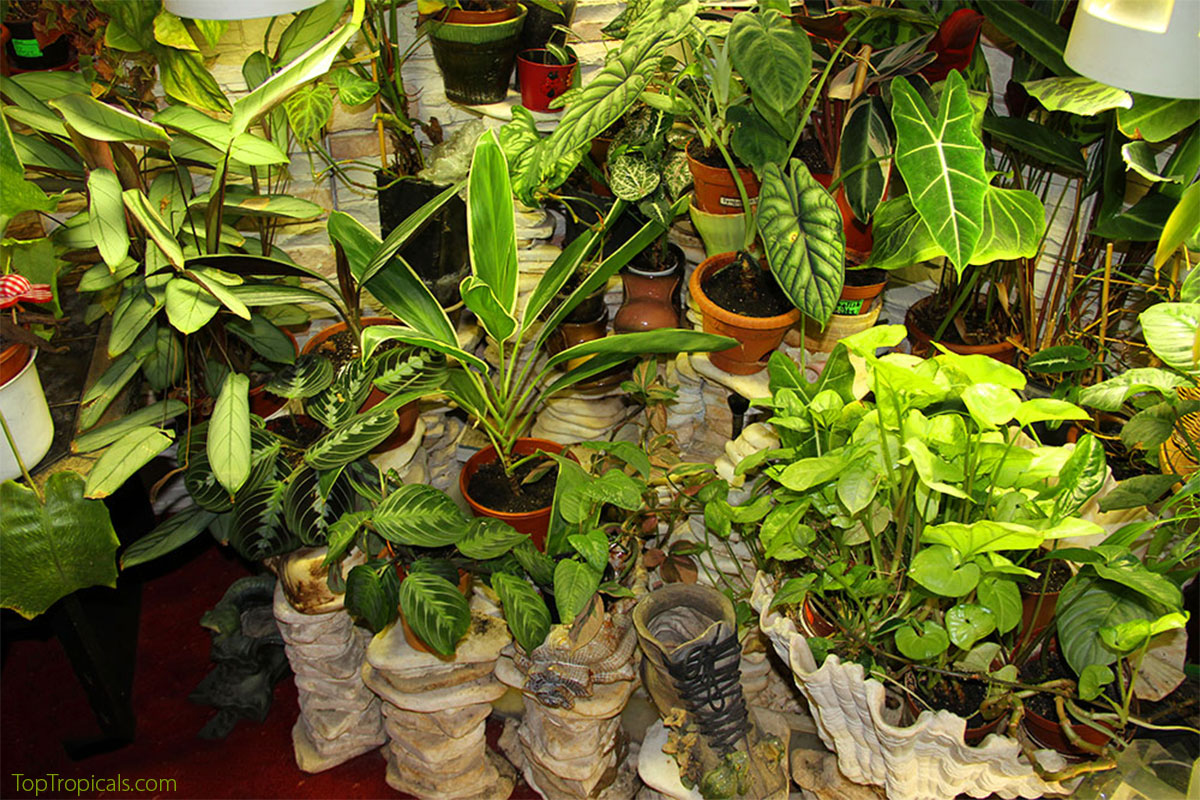
Indoor  plants


✔️ WINTER INDOOR FAQ: TEMPERATURE AND PLACEMENT

Q: I am in Home Depot. Which light do I buy?
A: LED shop light, daylight color (5000K to 6500K), high lumens. Skip fancy plant bulbs.

Q: Can I use clamp lamps or floor lamps for plants?
A: Yes. Clamp lamps with a bright daylight LED bulb work great for winter holding.

Q: Do I need special horticultural grow lights?
A: No. A bright LED daylight bulb works fine for winter. Save the fancy lights for real growth projects.

Q: How far should the light be from the plant?
A: About 12 to 18 inches above the leaves. Too close burns. Too far stretches.

Q: Can I run weak lights for 18 hours to compensate?
A: No. Weak light plus long hours still equals a weak plant. Brightness matters more than hours.

Q: How do I know if a spot is bright enough?
A: Use a free phone lux app. Most indoor corners are much too dim for tropicals.

Q: I have a huge window. Why do I still need LEDs?
A: Indoor winter light is weak, short, and filtered by glass. Plants want intensity, not just a big window.

Q: My window faces north. Now what?
A: North windows are decorative only. Use supplemental lighting or move the plant.

📚 Learn more:


Date: 21 Mar 2026

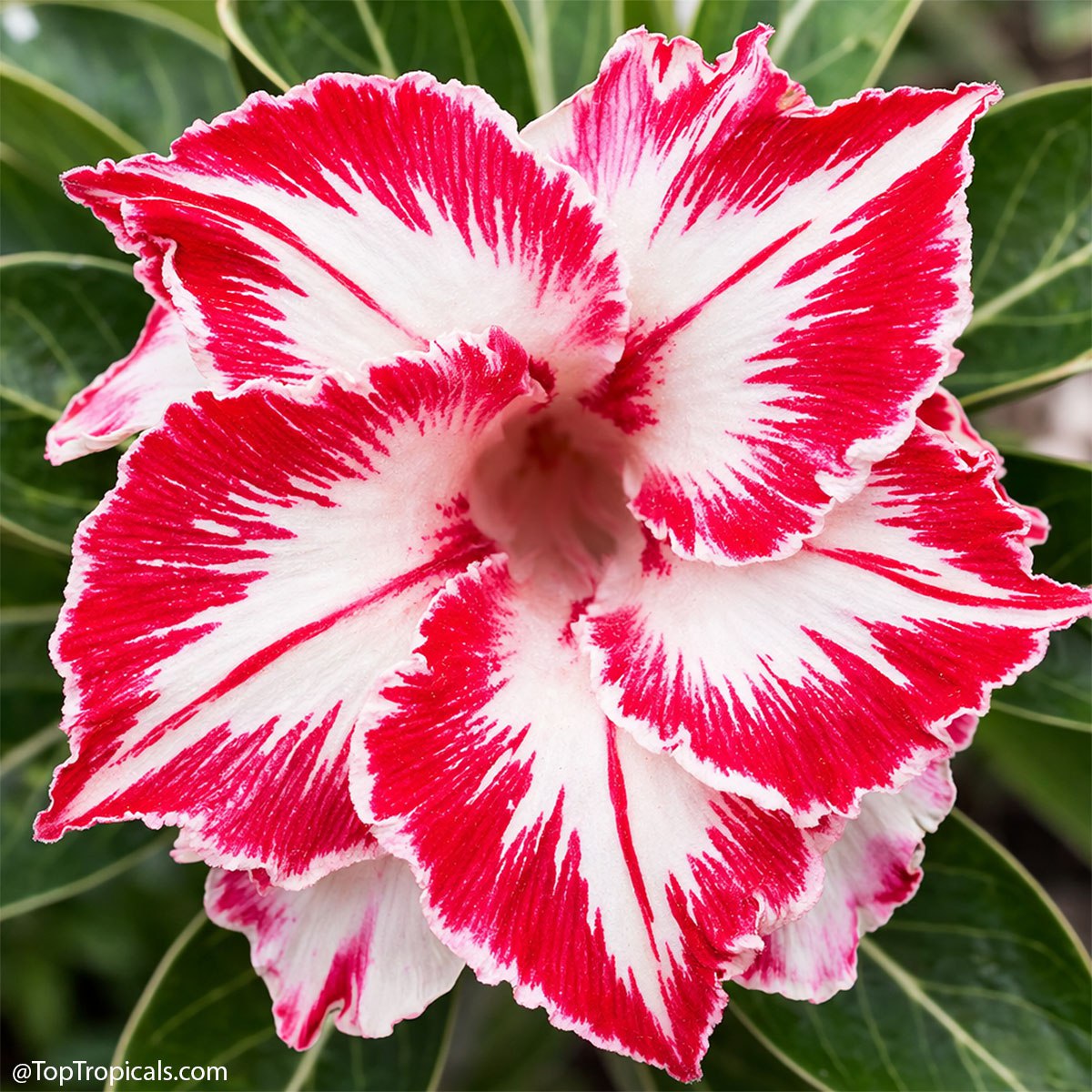
How to start your dream collection: Adenium rainbow

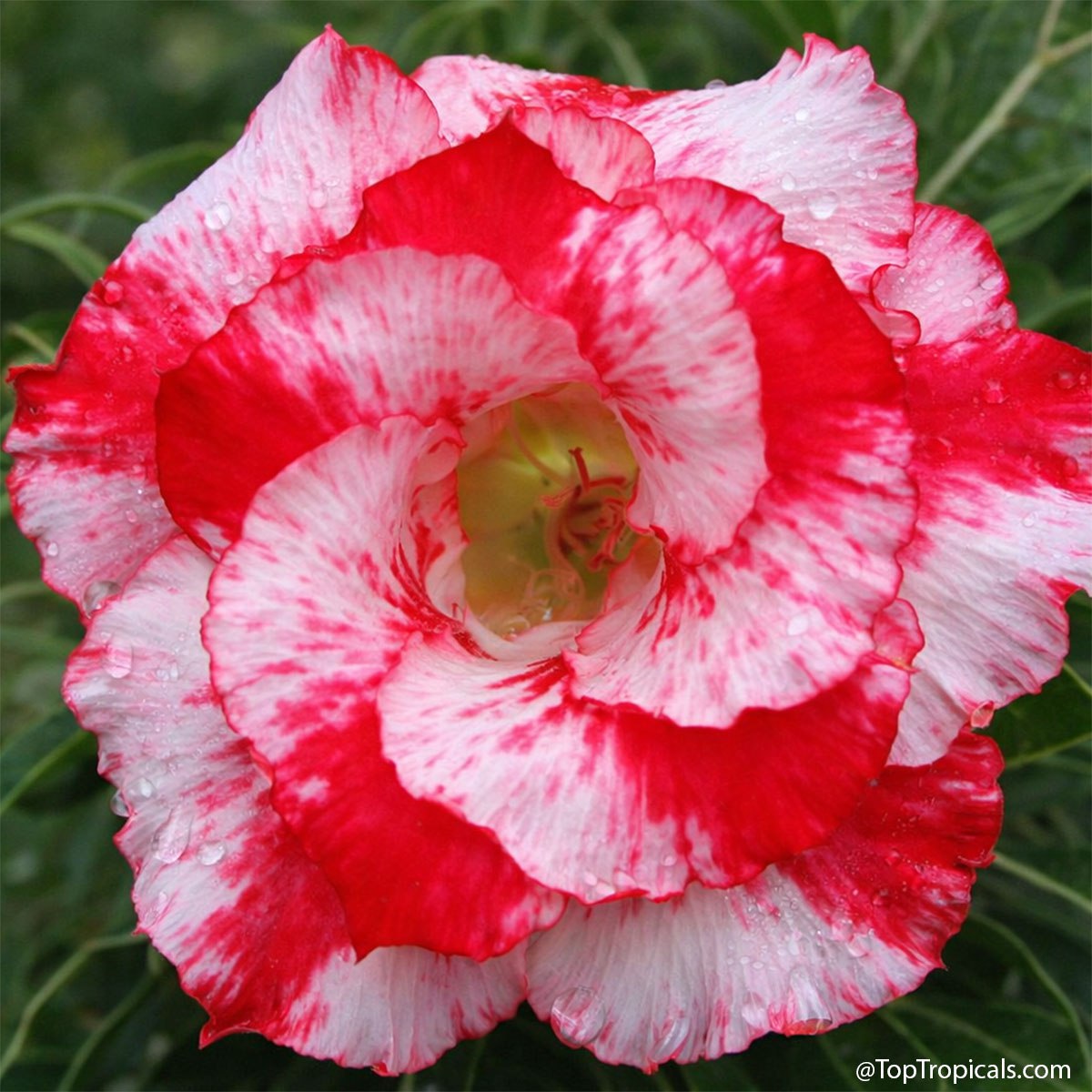
Adenium Amaryllis

Adenium Amaryllis

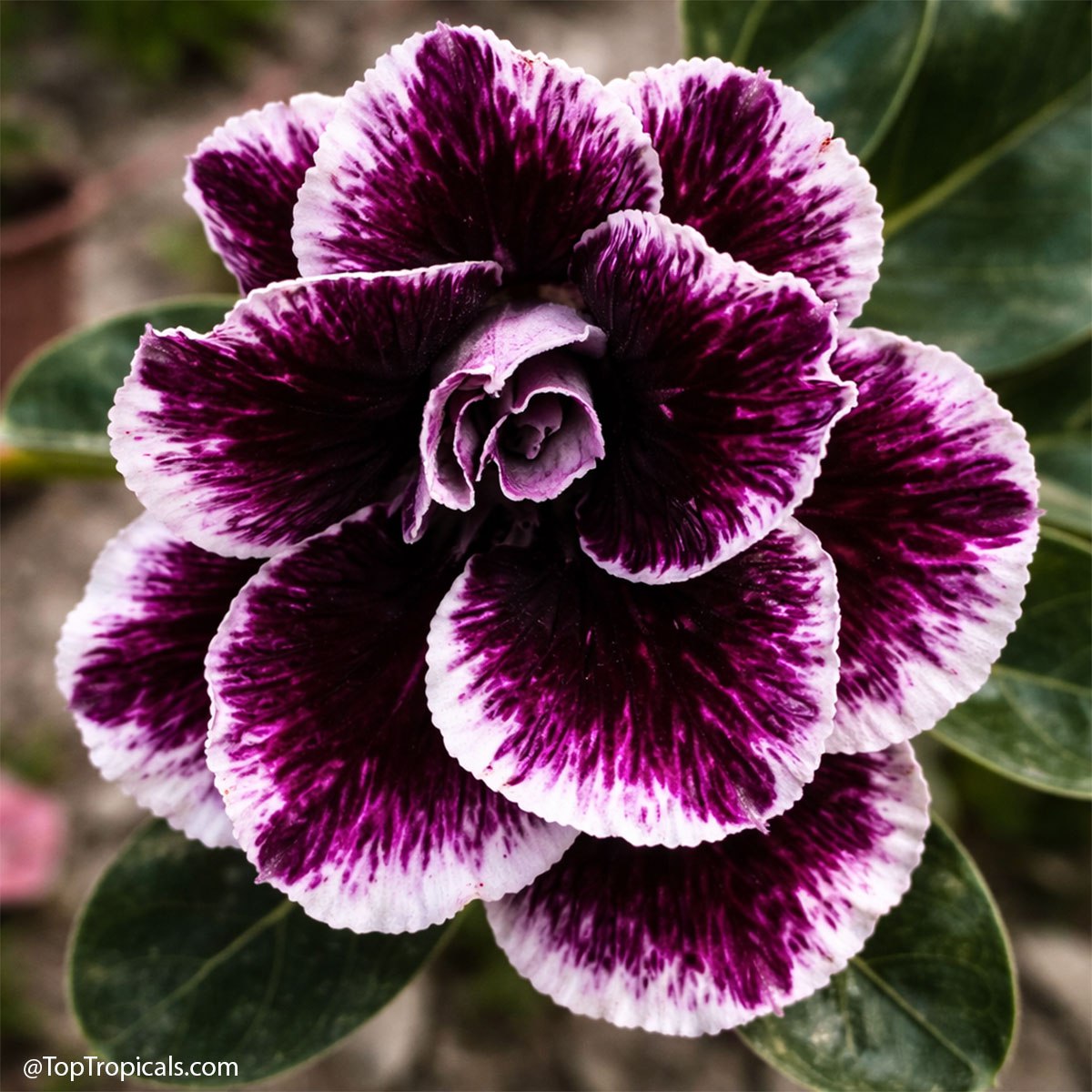
Adenium Win

Adenium Win

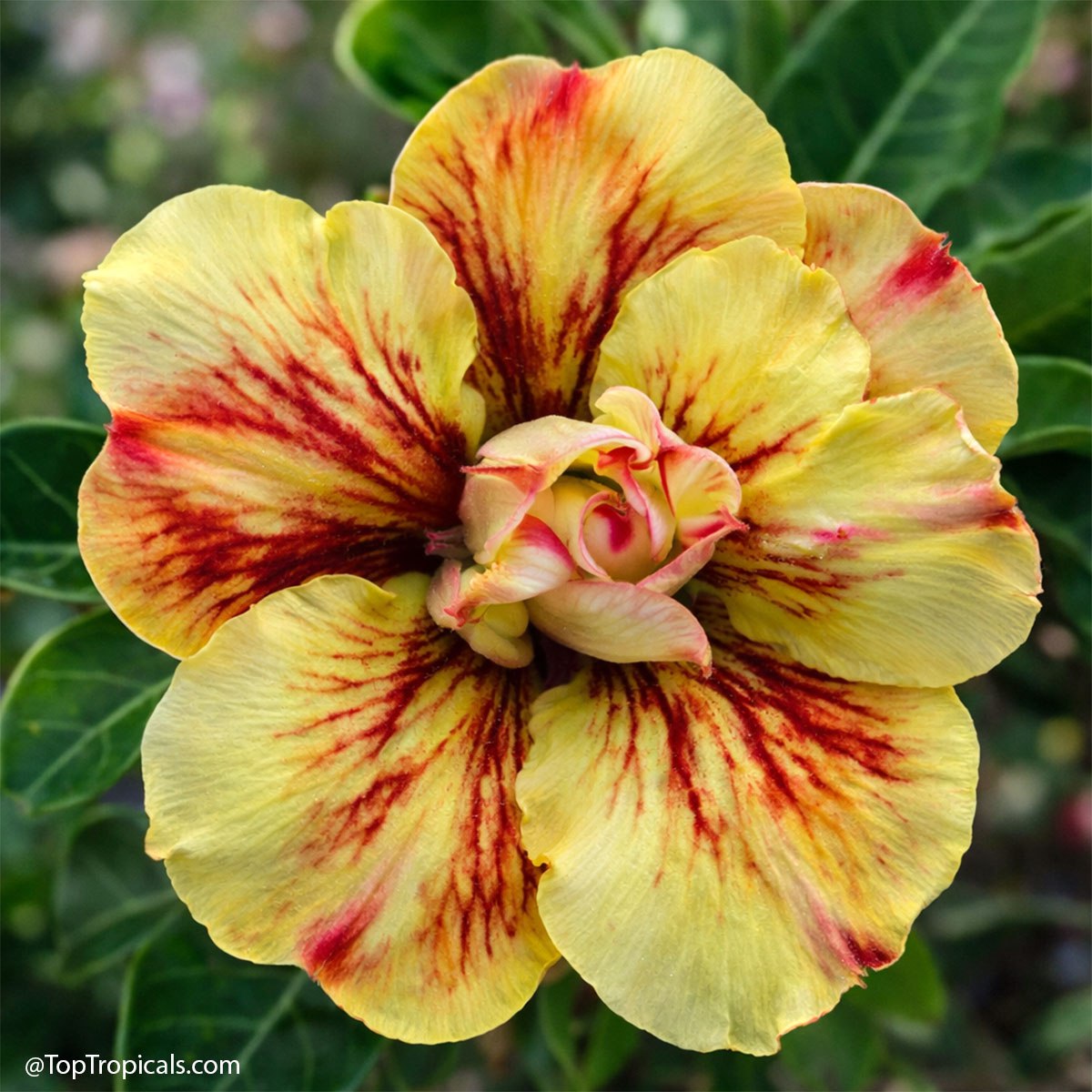
Adenium Butterfly Yellow

Adenium Butterfly Yellow

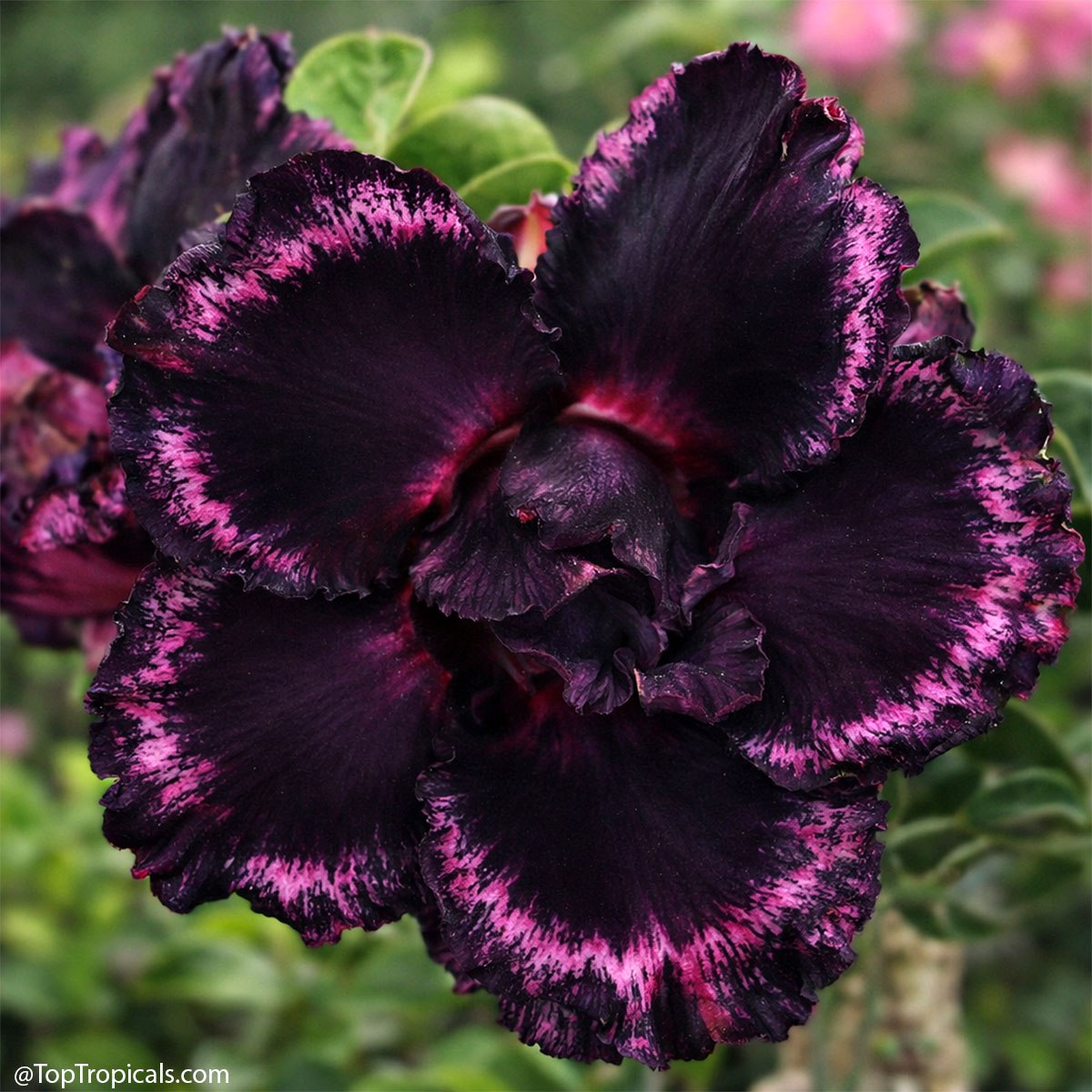
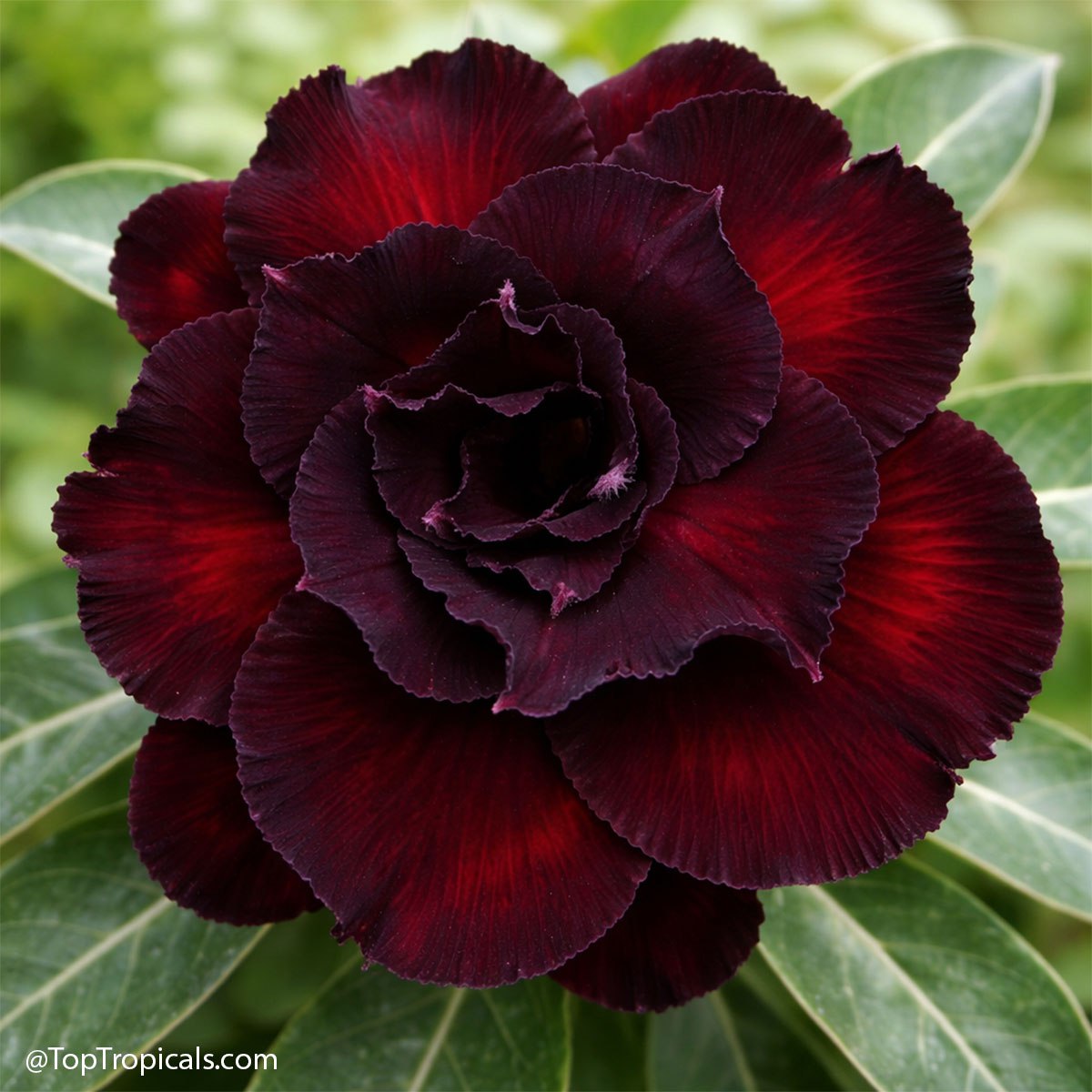
Adenium Black Butterfly

Adenium Black Butterfly

Adenium Good Morning

Adenium Good Morning

Adenium Good Night

Adenium Good Night

How to start your dream collection: Adenium rainbow 🌈

👉 Thinking about adeniums? Read this before you buy one!
How to start an adenium collection without wasting money


If you’ve ever seen a tray of different blooming adeniums, you probably had the same thought: "I want them all." And honestly - we get it.

Adenium Plant Facts

Botanical name: Adenium sp.
Also known as: Adenium, Desert Rose, Impala Lily
USDA Zone: 9 - 10
Highligths Plant with caudexLarge shrub 5-10 ft tallSmall tree 10-20 ftFull sunWater Requirement: Low. Allow soil to dry out between wateringsWatering: Moderate. Water when top soil feels dryYellow, orange flowersRed, crimson, vinous flowersUnusual colorBlue, lavender, purple flowersWhite, off-white flowersPink flowersToxic or Poisonous
Get personalized tips for your region


But with hundreds of varieties out there (and only so much space on your patio), the real trick isn’t collecting everything… it’s choosing the right ones and growing them well so they actually bloom like the photos.

Let’s make it simple.

💡 Before you start your adenium collection


A few basics that make all the difference:

🔸 Light. Bright light is key. The more light, the better the blooms.
🔸 Water. Water deeply, then let soil dry out. Adeniums hate sitting wet.
🔸 Fertilizer. Adeniums prefer liquid food. Light, regular feeding with Sunshine Megaflor Bloom Booster during active growth = stronger growth, bigger caudex, and better flowering.
🔸 Trimming. Prune after flowering to shape and encourage branching. More branches = more flowers.
🔸 Soil. Fast-draining mix is a must. No heavy, soggy soil. Use Adenium Soilless Mix.
👉 How to grow a happy Adenium

🌸 Today's featured adeniums


A few standout varieties to start (or expand) your collection:

 ✦ Amaryllis: Large, bold blooms with a classic floral shape - one of those that always catches attention.
 ✦ Win: Clean, bright blooms with a balanced form - simple and very satisfying.
 ✦ Butterfly Yellow: Soft yellow tones with a delicate, airy look - light and cheerful.
 ✦ Black Butterfly: Dark, velvety tones with a winged pattern feel - rich and dramatic.
 ✦ Good Morning: Bright, fresh tones that feel clean and uplifting - a nice contrast in any group.
 ✦ Good Night: Dark, moody tones - a completely different vibe from typical bright adeniums.

If you’re just starting, pick a few different styles - light, dark, bold, soft. That contrast is what makes a collection feel alive.

And fair warning… It rarely stops at six! 😀

🛒 Explore Exotic Thai Adeniums

📚 Learn more:


· Adenium varieties in Plant Encyclopedia
· About #Adenium Rainbow - fantastic varieties

· How to grow a happy Adenium
#Container_Garden #Adeniums #How_to #Discover

🟢 Join 👉 TopTropicals

Date: 17 Feb 2026

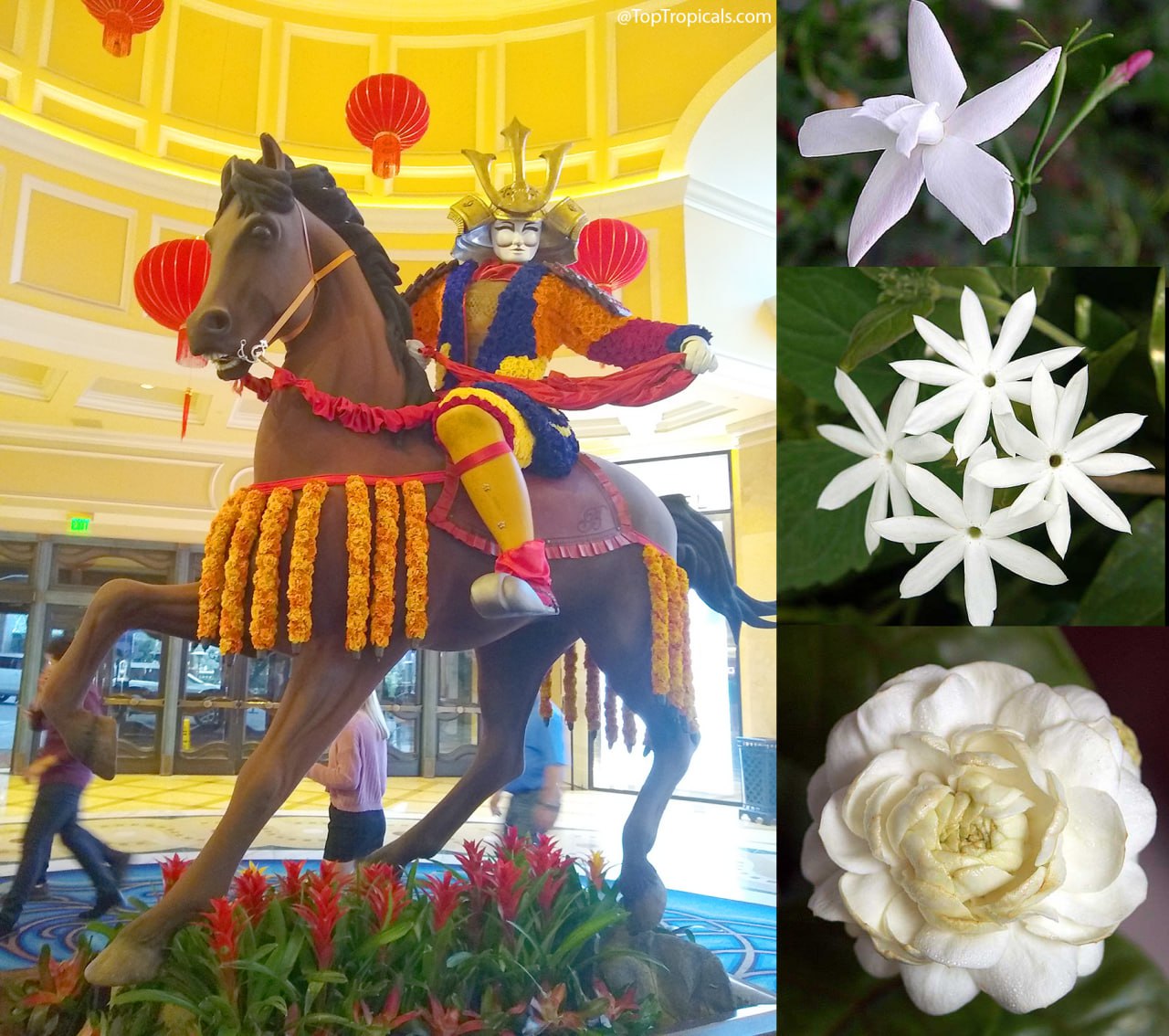
Lunar New Year starts today - welcome the Year of the Fire Horse 2026 with Jasmines

Year of the Fire Horse 2026 with its lucky plants Jasmines

Year of the Fire Horse 2026 with its lucky plants Jasmines

🔥 Lunar New Year starts today - welcome the Year of the Fire Horse 2026 with Jasmines


💮 One of the luckiest plants for 2026 is Jasmine. Today, February 17, 2026, the Lunar New Year begins, welcoming the energetic and passionate Year of the Fire Horse.

💮 If you’ve been feeling restless, ready for movement, or craving something fresh in your life - that’s Horse energy. This year is about action, authenticity, and doing things your way. And in Chinese tradition, certain plants help align your space with that powerful momentum.

💮 Why Jasmine is especially lucky this year


Jasmine symbolizes love, luck, and beauty - three themes closely connected to the Fire Horse’s vibrant spirit. Horses are social, expressive, and affectionate. Jasmine’s sweet fragrance supports harmony, romance, and positive energy in your home.
In Feng Shui traditions, fragrant flowering plants help soften intense Fire energy. Jasmine does exactly that - it balances passion with calm.

💮 How to use Jasmine for good fortune in 2026


· Grow jasmine near entrances or windows to invite good luck into your home
· Place it in patios or garden walkways where its scent can circulate
· Use jasmine oil or candles in bedrooms to enhance relaxation and romantic harmony

💮 Ready for momentum?


Ready to feel bold, inspired, and a little unstoppable? The Year of the Fire Horse moves fast - and it rewards those who move with it. Think you need more clarity, more spark, more direction? Jasmine anchors that fire with calm confidence. It keeps the passion high and the chaos low.
If you’re stepping into 2026 with purpose, don’t just make resolutions. Plant something living. Let jasmine bloom beside you - and grow into the year you’ve been waiting for.

🛒 Discover lucky Jasmine plants

📚 Learn more:
Jasmine species in Plant Encyclopedia
Hoa Mai and the Year of the Horse
2026: Year of the Fire Horse - time to grow bold, live free, and plant lucky
Year of the Fire Horse - what should you grow in 2026?
More #Horoscope info for plants and cats

#Horoscope #Perfume_Plants #Discover

Showy Jasmine Plant Facts

Botanical name: Chrysojasminum floridum, Jasminum odoratissimum, Jasminum floridum, Jasminum fruticans
Also known as: Showy Jasmine, Florida Jasmine, Yellow Jasmine, Fruity Jasmine
USDA Zone: 7 - 10
Highligths Plant used for bonsaiLarge shrub 5-10 ft tallVine or creeper plantSemi-shadeFull sunWatering: Regular. Let topsoil dry slightlyYellow, orange flowersPlant attracts butterflies, hummingbirdsFragrant plantSubtropical plant. Mature plant cold hardy at least to 30s F for a short time
Get personalized tips for your region
🟢 Join 👉 TopTropicals