Garden Blog - Top Tropicals

Date: 18 May 2026

Want Massive Mulberry Harvests? Do These 5 Things Before May Ends
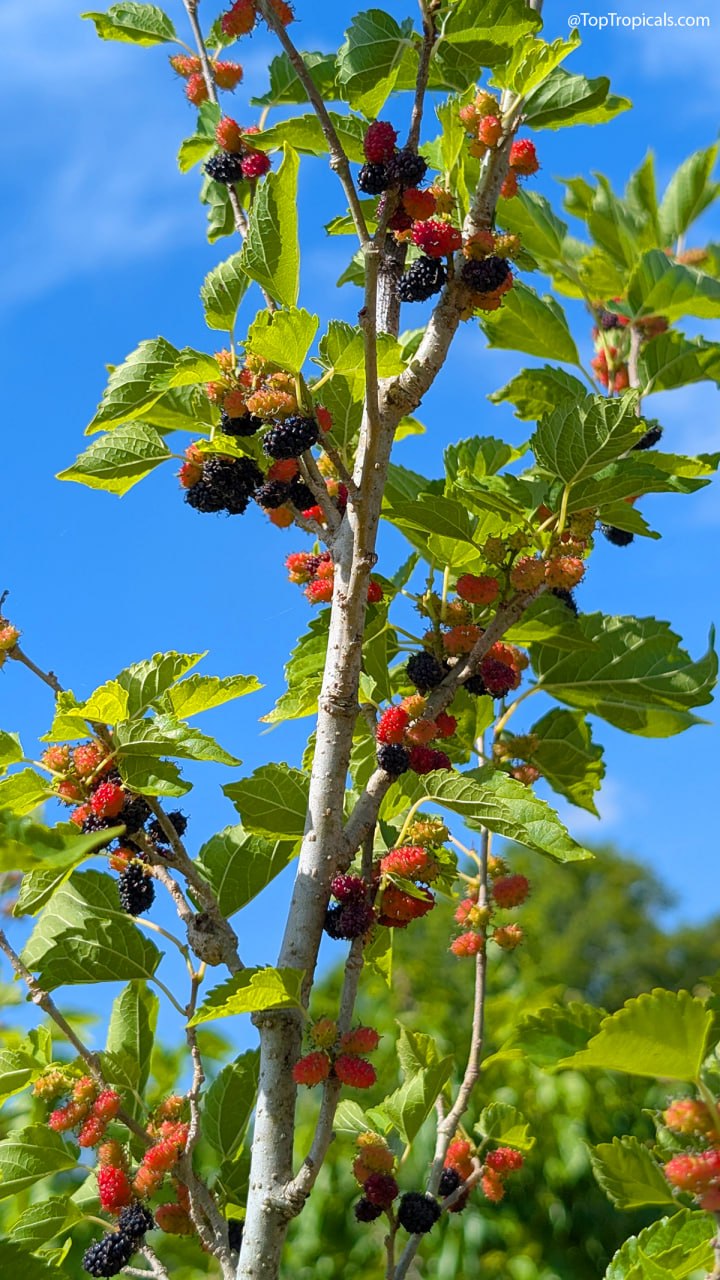
Mulberry Dwarf Everbearing, on a tree
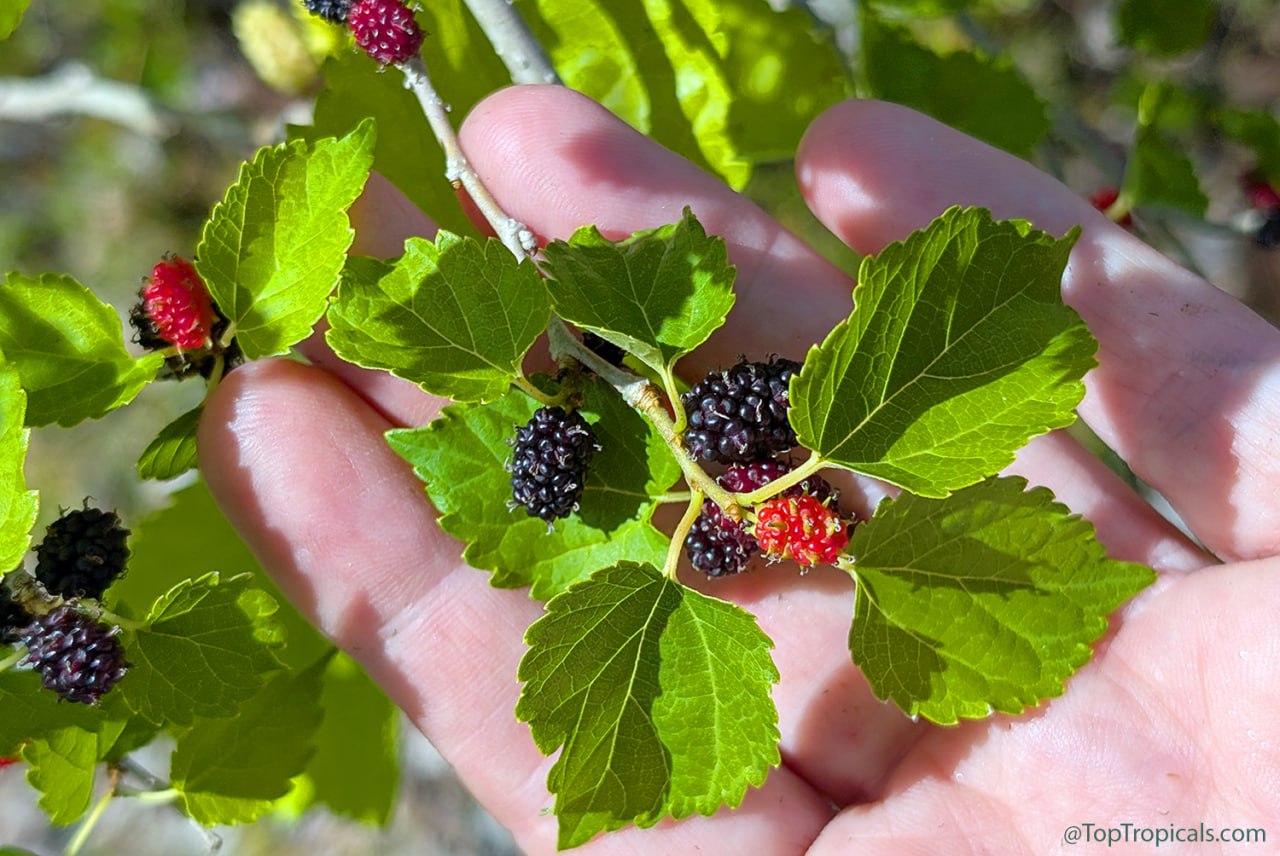
Mulberry Dwarf Everbearing, on a tree

Mulberry Dwarf Everbearing

Mulberry Dwarf Everbearing

🍇 Want Massive Mulberry Harvests? Do These 5 Things Before May Ends


Don’t let your mulberry tree fool you. While they are incredibly low-maintenance, what you do in May dictates your summer harvest. Avoid these common mistakes for a bumper crop of juicy berries.

Mulberry trees are famously bulletproof, handling intense heat and pumping out massive crops with little care. But May is the month that decides it all. Right now, they are pouring energy into fruit development. A few simple mistakes this month can quietly sabotage your harvest.

Fortunately, maximizing your crop is easy if you follow these five simple rules:

1. The Deep Soak Rule


While established mulberries tolerate drought, moisture stress causes them to drop young berries early. Drop the sprinkler—frequent, shallow watering only wets the surface. Instead, give the tree a slow, deep soak that penetrates the root zone. Check the soil two inches down; if it’s dry, water thoroughly.

2. Lock it in with Mulch


Late spring heat evaporates soil moisture fast. Apply a 2-to-4-inch layer of pine bark or compost to keep roots cool and suppress weeds. Crucial rule: Leave a 4-inch gap around the base of the trunk. Piling mulch against the bark traps moisture and invites devastating fungal rot.

3. Don't Over-Fertilize


Mulberries are naturally vigorous. If you feed them this month, use a balanced, slow-release organic plant food. Avoid high-nitrogen fertilizers. Excess nitrogen triggers a massive explosion of green leaves, causing the tree to completely forget to grow fruit.

4. Put the Pruning Shears Away


Heavy spring pruning clips off active fruiting wood and decimates your harvest. Mulberries are also notorious "bleeders" - cutting now causes them to lose significant sap, stressing the tree during fruit set. Only remove dead or damaged wood. Save major shaping for winter dormancy.

5. Exploit the Softwood Cuttings Window


Want more trees? May is prime time for softwood cuttings. Cut a few 6-inch flexible green stems, strip the lower leaves, dip in rooting hormone, and tuck into moist potting mix in partial shade. They root incredibly fast!

Mulberry Plant Facts

Botanical name: Morus sp.
Also known as: Mulberry
USDA Zone: 8 - 11
Highligths Large tree taller than 20 ftSmall tree 10-20 ftFull sunWatering: Regular. Let topsoil dry slightlyEdible plant
Get personalized tips for your region

🛒
Choose from Mulberry varieties

📚 Learn more:


Mulberry (Morus hybrids) in Plant Encyclopedia
Mulberry yogurt swirl: Quick-n-Fun exotic recipes
Why gardeners say this is the best Mulberry ever
What are the best Mulberry varieties

#Food_Forest #Discover #How_to

🟢 Join 👉 TopTropicals
Date: 4 Dec 2020

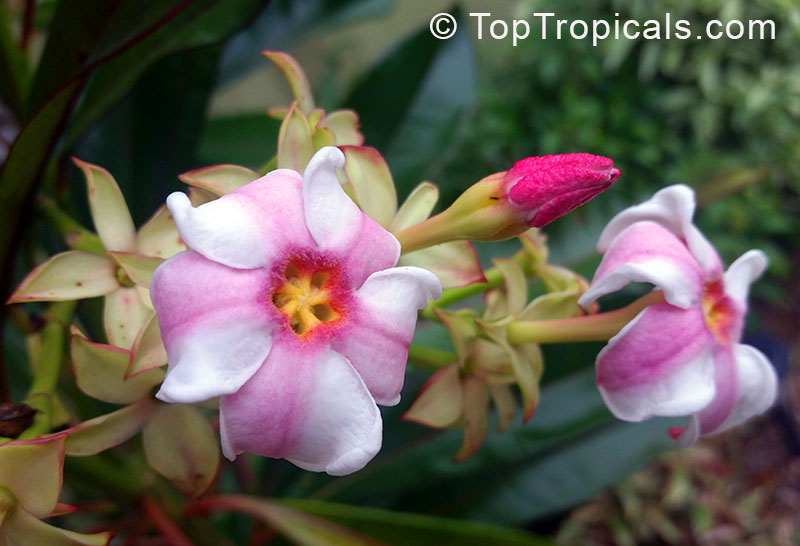
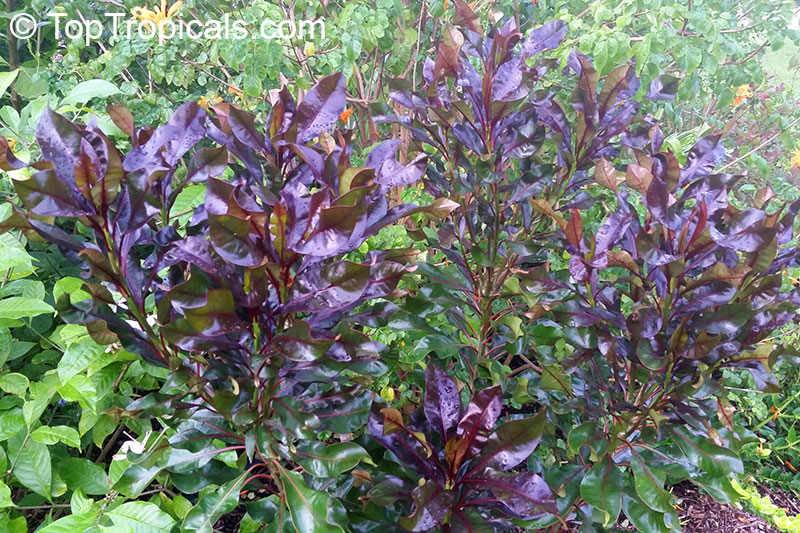
Establishing Cerbera Manghas
after a long shipping trip

Q: I live in Hawaii. I purchased Cerbera x manghas - Enchanted Incense. I followed the repotting instructions but it looks like dying? Is the normal for all the leaves to fall off? I only use purified water to mist and water the plant. I let it dry between watering and still it looks sad. Please help!

A: Cerbera is very sensitive to shipping stress (in particular to darkness) and it often loses leaves in transit. Considering long trip to Hawaii, it had extra 1-2 days in transit, longer than to most of the states. Your plant looks very much alive, however we understand your concern about lost leaves.
You need to treat it like Plumera: keep on a dry side until it starts sprouting new leaf growth. Once it gets re-established, you may move it out into regular irrigation or rain.
We recommend to keep it under roof to control water input, but in very blight spot, preferably sunny.
Make sure the soil doesn't get soggy, too much water may kill the plant especially when it is leafless and hence doesn't consume/evaporate much water.
Water only when top of the soil gets slightly dry.
Do not put into bigger container until roots start growing. The plant should recover and start new growth under proper care. Keep us in loop how the plant is doing!

Date: 11 Jun 2026

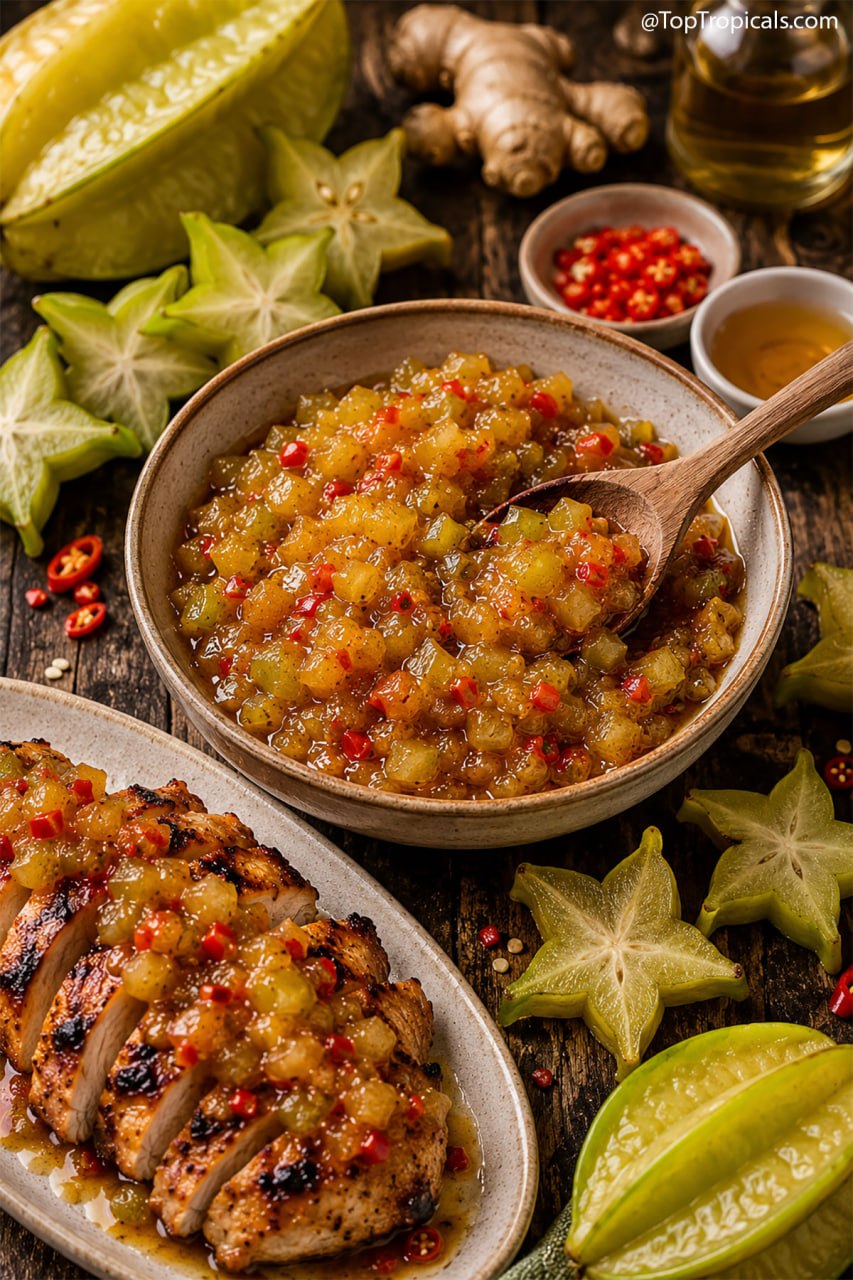
Star fruit chili relish: quick-n-fun exotic recipes

Star fruit chili relish

Star fruit chili relish

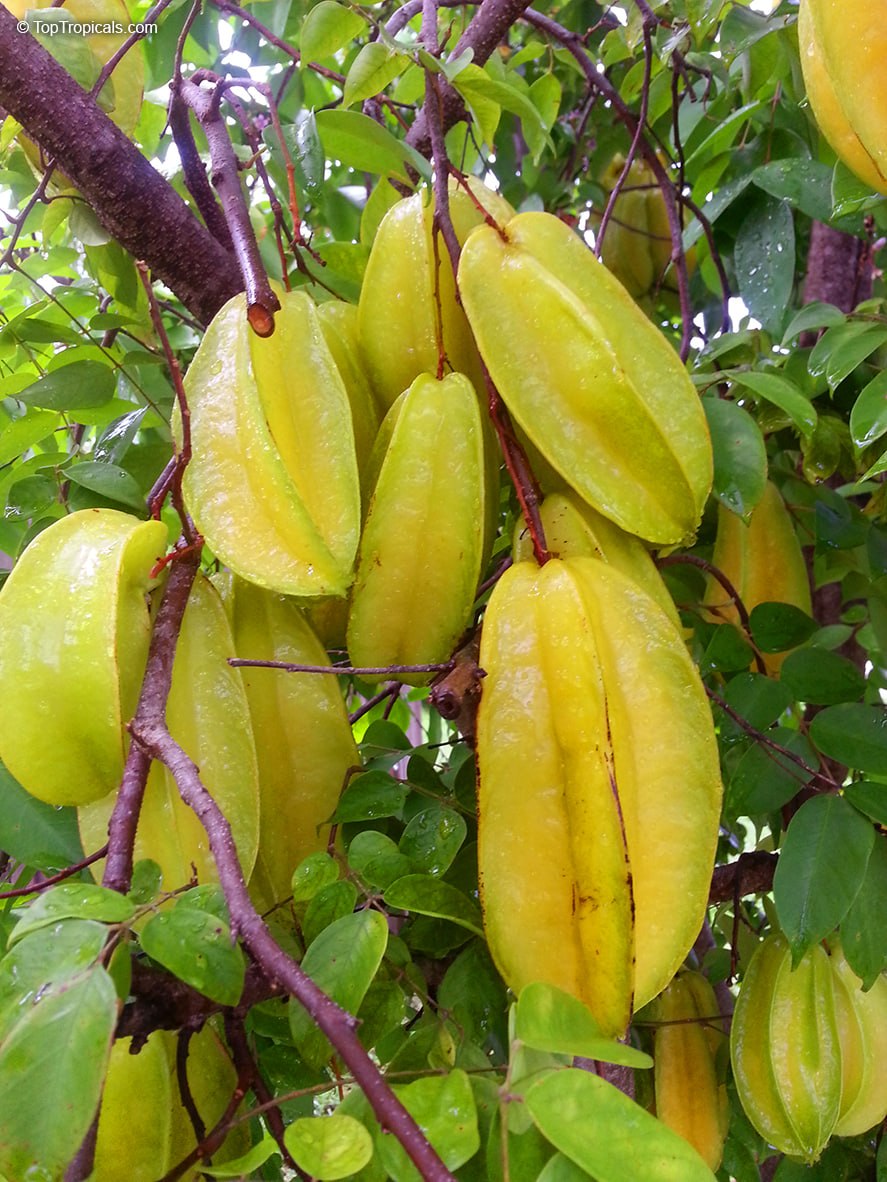
Carambola - Starfruit

Carambola - Starfruit

🍴 Star fruit chili relish: quick-n-fun exotic recipes


🟡Dice ripe star fruit into small cubes and combine with finely chopped chili peppers, grated ginger, and a splash of vinegar in a saucepan.
🟡Simmer over medium heat, stirring occasionally, until the fruit softens and releases its juices.
🟡Continue cooking until the mixture thickens into a glossy sweet-and-spicy relish with tender fruit pieces throughout.
🟡Spoon generously over grilled chicken, pork, or fish for a bright tropical kick.

🌿 About the plant:


Carambola, Averrhoa carambola, produces delicate pink-lavender flowers that grow along the branches before forming ribbed fruit. The distinctive five ridges create those clean star shapes when sliced.

🏡 In the garden:


Trees stay relatively compact and respond well to light pruning. Flowering can occur several times a year in warm climates, leading to multiple harvests. Good drainage is essential - they dislike soggy roots.

🛒 Plant Star Fruit Carambola Tree

📚 Learn more:

Carambola Plant Facts

Botanical name: Averrhoa carambola
Also known as: Carambola, Starfruit, Five-finger, Balimbing
USDA Zone: 9 - 11
Highligths Small tree 10-20 ftSemi-shadeFull sunWatering: Regular. Let topsoil dry slightlyEdible plantSubtropical plant. Mature plant cold hardy at least to 30s F for a short time
Get personalized tips for your region

Averrhoa carambola in Plant Encyclopedia
Grilled star fruit slices: quick-n-fun exotic recipes
How to gets lots of Star Fruit Carambola
Star Fruit from our garden
Grow your own Carambola
Top 10 fast-fruiting trees: #8. Carambola - Starfruit
Carambola Banana Whip
Carambola Jam recipe
When young Carambola trees are covered with fruit
Carambola tree is the Star of the orchard

#Food_Forest #Recipes

🟢 Join 👉 TopTropicals

Date: 15 Jun 2026

Passion fruit baked yogurt

Passion fruit baked yogurt

Passion fruit baked yogurt

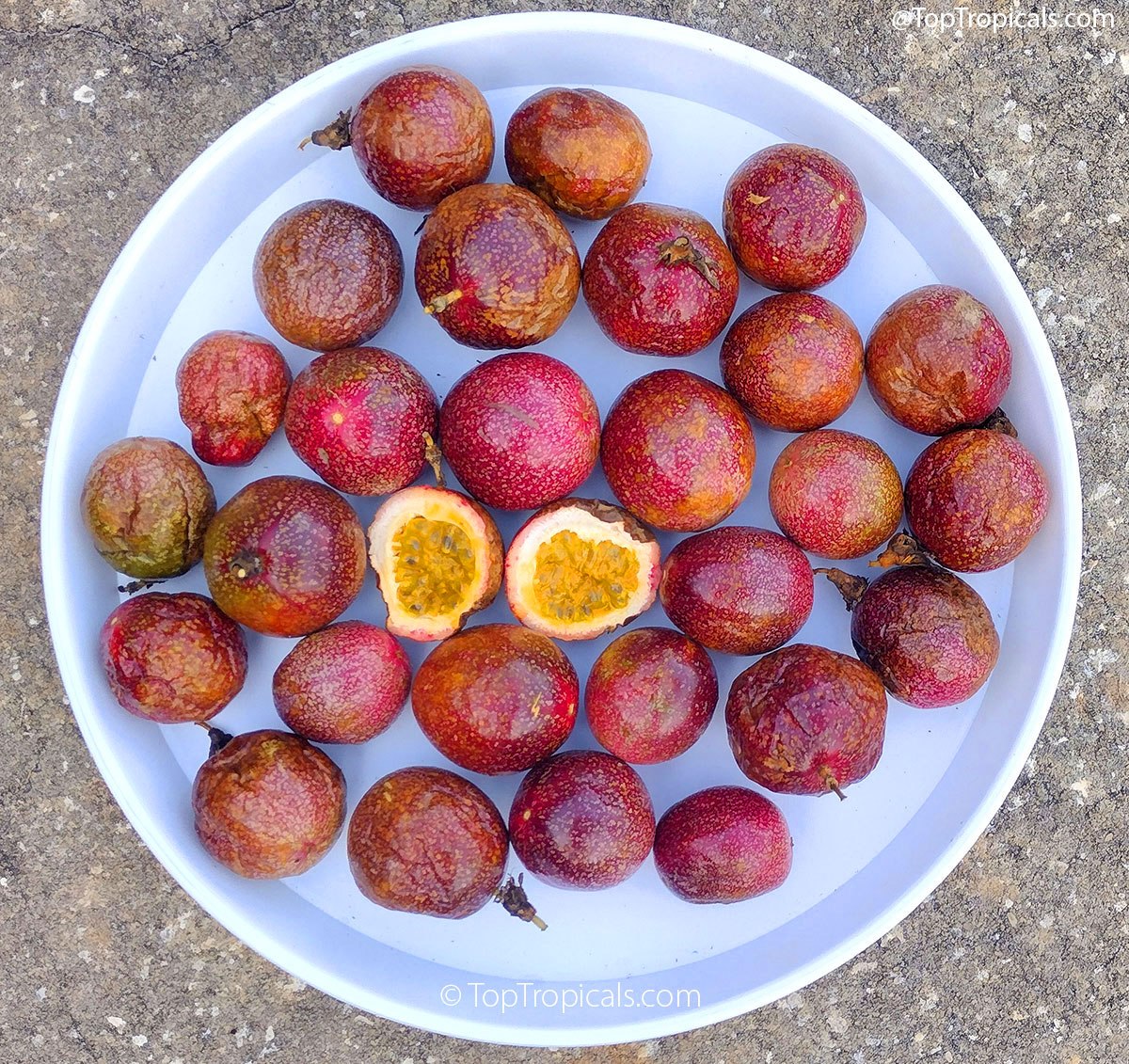
Passion fruit Passiflora edulis red fruit

Passion fruit Passiflora edulis red fruit

🍴 Passion fruit baked yogurt: quick-n-fun exotic recipes

🟡Stir fresh passion fruit pulp and a drizzle of honey into plain yogurt until evenly combined.
🟡Spoon the mixture into small ramekins and place them in a baking dish.
🟡Bake gently until the yogurt is just set but still slightly creamy in the center.
🟡Allow to cool, then chill for at least an hour to develop a smooth, custard-like texture.
🟡Top with a spoonful of fresh passion fruit pulp before serving for an extra burst of tropical flavor.

🌿 About the plant:


Passion fruit belongs to the genus Passiflora, known for its intricate, almost architectural flowers with layered filaments and bold central structures. The fruit develops after pollination, forming a tough rind around fragrant pulp.

🏡 In the garden:


Vines can grow aggressively in warm climates and quickly cover trellises or fences. Regular pruning after fruiting keeps the plant manageable and encourages new flowering growth.

🛒 Plant Passionfruit Vine - fast growing and rewarding

📚 Learn more:

Passion Fruit Plant Facts

Botanical name: Passiflora edulis
Also known as: Passion Fruit, Parcha, Maracuya, Granadilla
USDA Zone: 8 - 11
Highligths Vine or creeper plantFull sunWatering: Moderate. Water when top soil feels dryBlue, lavender, purple flowersWhite, off-white flowersEdible plantSubtropical plant. Mature plant cold hardy at least to 30s F for a short time
Get personalized tips for your region

Passiflora edulis in Plant Encyclopedia
Passion fruit butter glaze: quick-n-fun exotic recipes
The truth about Passion flower and Passion fruit.

#Food_Forest #Recipes

🟢 Join 👉 TopTropicals

Date: 13 Jun 2026

Why June Is the Most Important Month for Potted Tropical Plants

Cats Smokey and Sunshine planting tropical plants

Cats Smokey and Sunshine planting tropical plants

Why June Is the Most Important Month for Potted Tropical Plants


For many tropical plants, June is the start of peak growing season. Days are longer, temperatures are warmer, and plants that spent winter indoors or in a greenhouse are suddenly growing at full speed.
A few simple tasks now can mean stronger growth, more flowers, and better fruit later in the season.


Smokey: Sunshine, why are you mixing fertilizer with coffee and donut crumbs?
Sunshine: I'm testing a new growth formula.
Smokey: Based on what research?
Sunshine: Based on a highly controlled breakfast study. I call it Hibiscus Turbo Boost Deluxe.


✅ 1. Repot Before Plants Become Root-Bound


·  If roots are circling the pot, growing through drainage holes, or the soil dries out unusually fast, it's time to move up one pot size.
·  Fresh potting mix provides new space, better drainage, and access to nutrients that older soil may no longer contain. Use professional soilless mix Abundance for best results.
·  Don't jump from a small pot to an oversized container. One size larger is usually enough.

✅ 2. Feed Hungry Summer Growth


· Tropical plants are no longer resting. They are actively producing roots, leaves, flowers, and fruit.
· June is the perfect time to begin regular feeding.
· A balanced fertilizer program helps support strong growth, while products such as Green Magic and Sunshine Boosters provide additional nutrients that fast-growing tropicals can quickly use during summer.
· A well-fed plant grows faster, recovers from stress better, and flowers more heavily.

✅ 3. Acclimate Plants to Full Sun


One of the most common mistakes is moving a plant directly from indoors or a greenhouse into full summer sun. Leaves that developed in shade can burn within hours.
Start with bright shade or morning sun, then gradually increase exposure over one to two weeks. Even sun-loving plants benefit from a transition period.

✅ 4. Prune for Shape and Strength


June is an excellent time to remove weak, damaged, or overly long branches.
Light pruning encourages branching and creates a fuller, stronger plant.
For fruit trees, selective trimming can also help maintain a manageable size for container growing.

✅ 5. Check for Pests Before They Multiply


·  Warm weather brings rapid plant growth - and rapid pest growth.
·  Inspect new leaves, stems, and undersides of foliage for aphids, scale, spider mites, mealybugs, and whiteflies.
·  Treat problems early before populations explode during the heat of summer. We recommend Sunshine NoBug all-natural pesticide.

✅ 6. Add Stakes, Trellises, and Supports


·  Many tropical plants can double or triple their size during summer.
·  Climbing plants, vanilla orchids, passion fruit, dragon fruit, mandevilla, and many vining species appreciate support before they become tangled.
·  Installing stakes or trellises now is much easier than trying to do it later.

✅ 7. Water for Active Growth


·  A tropical plant that needed water once a week in spring may need it every day during summer.
·  Higher temperatures mean faster growth, greater water use, and more nutrient uptake.
·  Check containers frequently, especially during hot or windy weather. Water thoroughly and allow excess water to drain away.

✅ 8. Refresh Mulch and Clean Up Pots


·  Remove weeds, old leaves, and debris from containers.
·  A thin layer of mulch helps moderate soil temperatures and slows moisture loss during the hottest months.
·  Clean pots also reduce hiding places for pests and disease.

✅ The Bottom Line


June is when potted tropical plants shift into high gear. Repot if needed, fertilize regularly, inspect for pests, provide support, and keep up with watering. A little attention now often produces the biggest growth, best blooms, and heaviest fruiting of the entire year.

🛒
Get fresh soilless mix and real food for your plants

📚
Learn more:
Sunshine Boosters: Complete Plant Nutrition System
Why young trees need staking?
The SECRET growers never tell you: simple trick how to bring plants back to life and keep green 
How to re-pot a plant properly?

#Discover #How_to #Smokey_Sunshine

🟢 Join 👉 TopTropicals