Date: 20 May 2026
Why in Thailand Wrightia religiosa is near all temples and homes
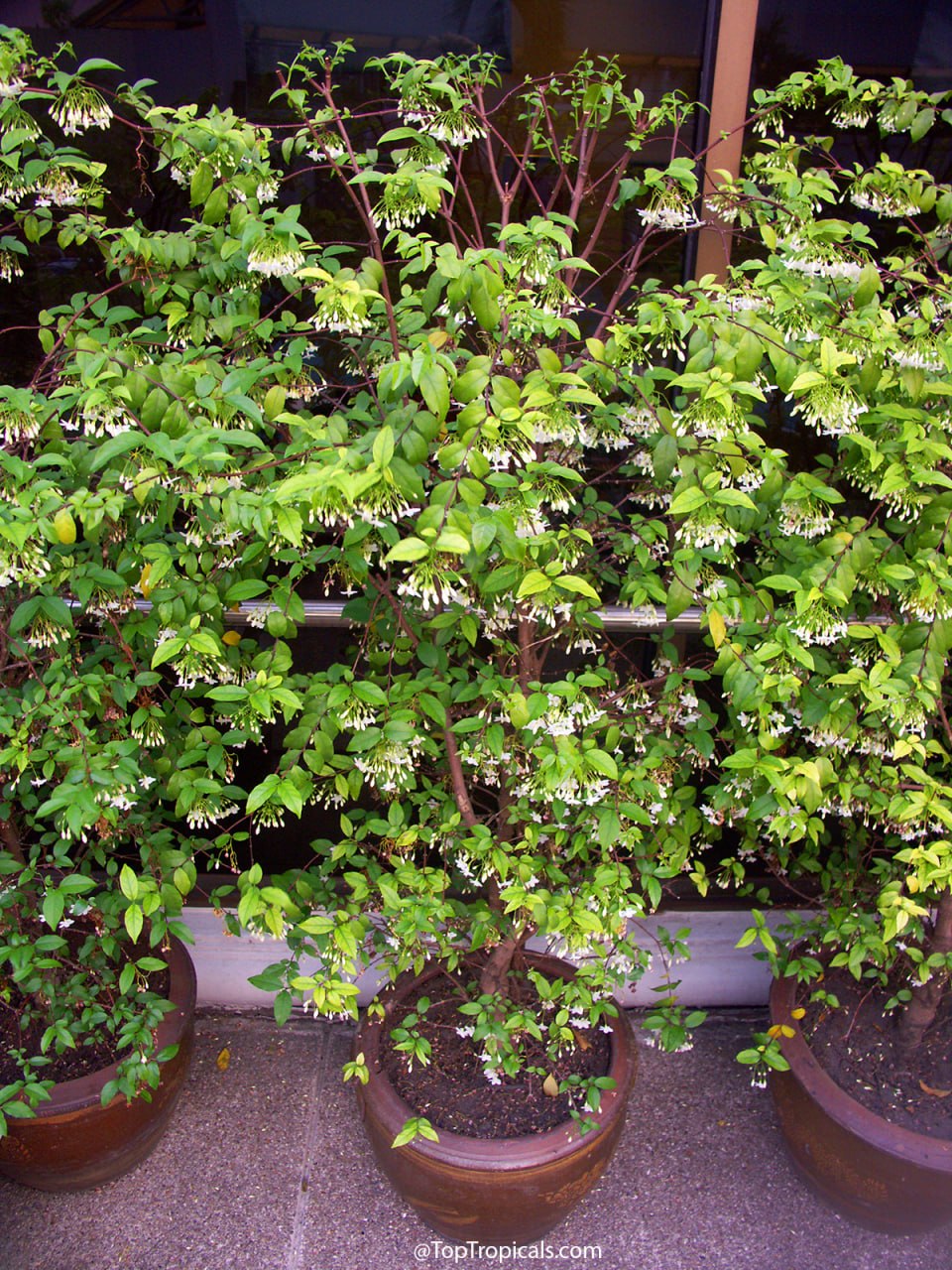
Wrightia religiosa - Sacred Buddhist, plant
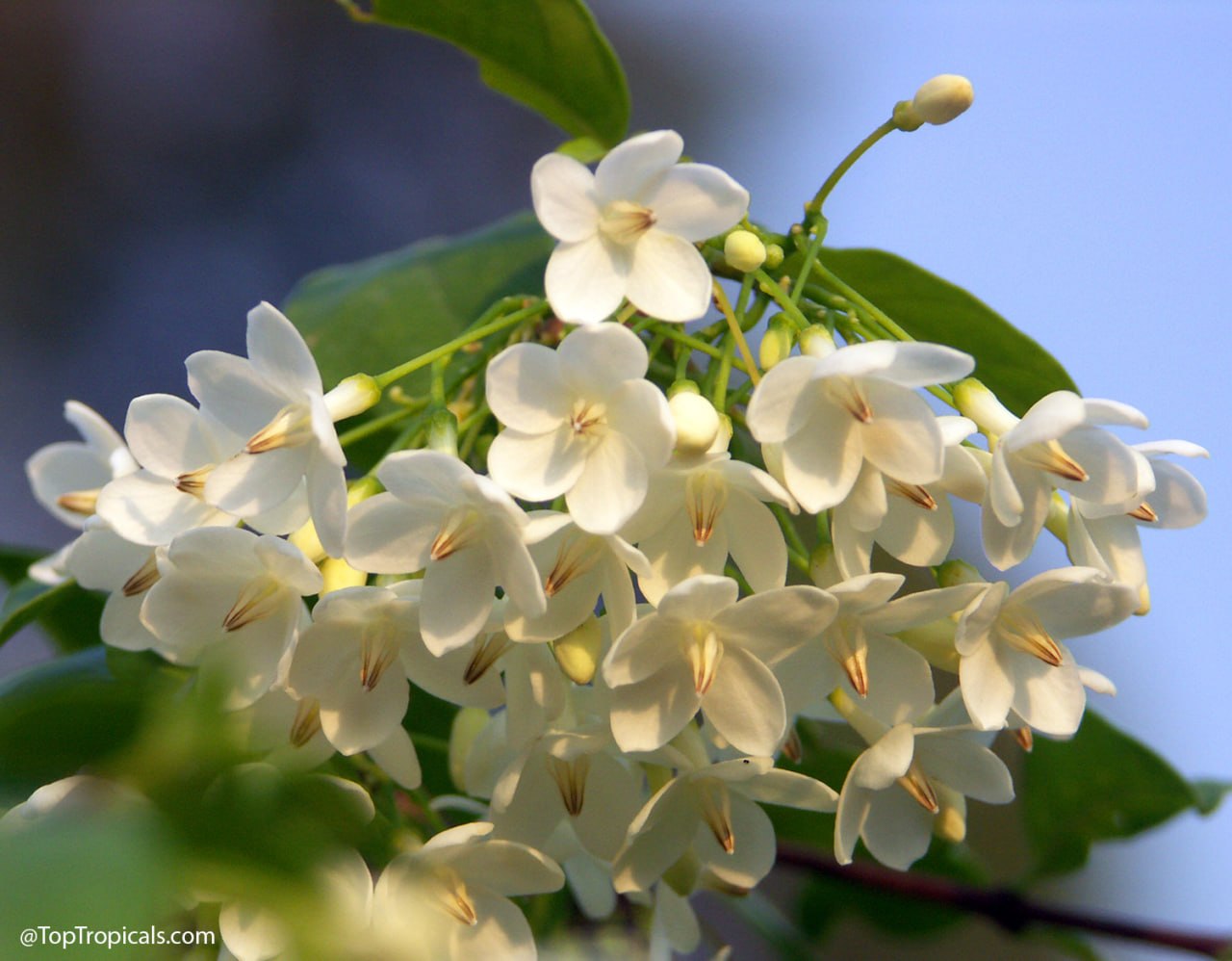
Wrightia religiosa - Sacred Buddhist, flowers
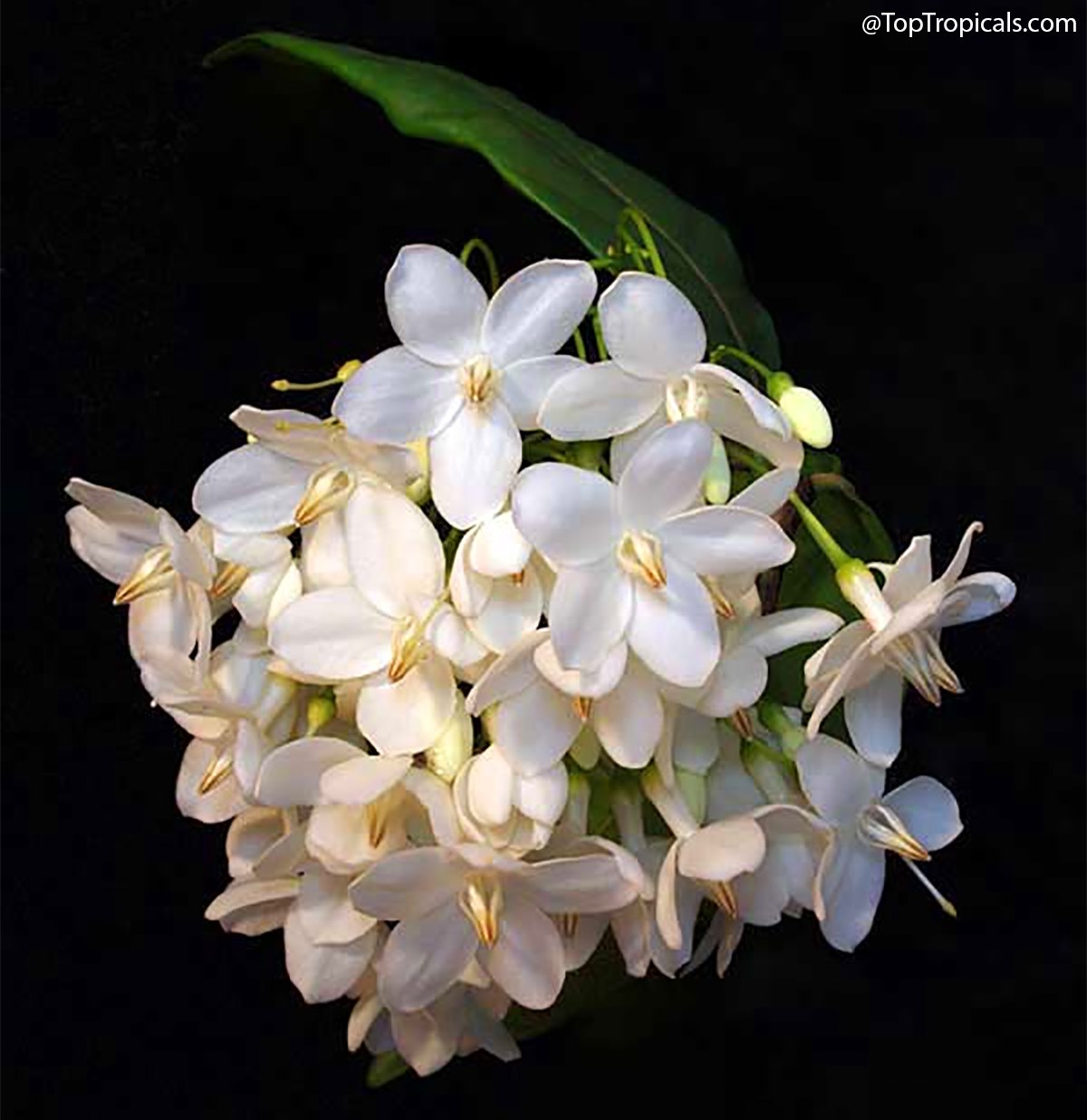
Wrightia religiosa - Sacred Buddhist, flower close up
🏯 Why in Thailand Wrightia religiosa is near all temples and homes
In Thailand, you will smell the Water Jasmine before you see it. Trace that soft, fruity, jasmine-like fragrance and you'll find Wrightia religiosa - an unassuming tropical shrub with tiny white flowers hanging like pendants. Also called Sacred Buddhist, this beloved plant is everywhere in Southeast Asia, cherished for its rich cultural history and old-world charm rather than loud colors.


💮 The Shrub of Buddhist Symbolism that Thai Temples Have Been Planting for Centuries
The species name religiosa is no accident. It literally refers to the plant’s long association with religious, spiritual, and cultural traditions across Thailand, Vietnam, Malaysia, and Singapore.
While the flowers themselves are visually simple, their unique growth habit has inspired generations of Buddhist symbolism. Unlike many flowers that point proudly toward the sky, the blooms of the Water Jasmine hang downward. In Thai culture, this downward-facing habit became a beautiful symbol of modesty and humility - a physical representation of bowing down rather than standing in pride.
Furthermore, many gardeners and monks associate the flower’s five distinct petals with foundational Buddhist virtues: wisdom, compassion, patience, kindness, and generosity. Whether ancient legend or folk interpretation, this cultural meaning has earned the plant a reputation as something sacred, making it a staple near homes and temple grounds.
💮 The Fragrance People Fall in Love With
Visually, Wrightia religiosa does not try to dazzle you with giant petals or wild, neon colors. Instead, its magic lies entirely in its scent.
The perfume it throws into the air is the real reason people become obsessed with it. It is a clean, intoxicating fragrance that drifts gracefully through the evening air. For anyone living in a warm climate, the best part is that the Water Jasmine is not a "one-and-done" bloomer. When the plant is happy, it flowers repeatedly and almost continuously throughout the year, meaning that incredible scent becomes a permanent fixture in your garden.
💮 From Temple Gardens to Bonsai Pots
Part of what makes Wrightia religiosa so widespread is its sheer versatility. It is an incredibly agreeable plant that adapts beautifully to whatever form a gardener desires. In Southeast Asia, you will see it styled as:
· A standalone specimen shrub
· A dense, fragrant privacy hedge
· A patio accent in containers
· A small, sculptural tree
It has also become an absolute classic in the tropical bonsai world. Because its branches are flexible, fast-growing, and highly responsive to pruning, even beginners can easily wire and shape young plants into twisted, artistic forms. Left to grow naturally, older plants develop a graceful, twiggy, and airy structure that looks naturally sculptural.
💮 The Fake-Dead Winter Quirk
Wrightia is easy to care for with standard sun and water, but it hates the cold (although survives it well). Below 65F, it abruptly drops all its leaves and looks completely dead. Many gardeners panic and throw it away - but it’s just resting. Simply bring container plants indoors for the winter. Once the warmth returns, it wakes up, flushes green, and resumes blooming.
💮 Subtle Beauty with Deep Roots
Some tropical plants impress with sheer size, but Wrightia religiosa does the opposite. Its beauty is quiet - thin branches, dangling white pendants, light green foliage, and a fragrance that gently fills a yard.
It is a plant with a few centuries of cultural history carried in its branches, and it is one of those rare garden gems you cannot truly appreciate until you experience its scent in person.
🛒 Plant the Sacred Buddhist and enjoy the magical aroma
📚 Learn more:
Wrightia religiosa and other wrightias in Plant Encyclopedia
#Discover #Perfume_Plants
🟢 Join 👉 TopTropicals