Garden Blog - Top Tropicals

Date: 10 Aug 2025

Tuxedo  cat  planting  tropical  tree  with  Sunshine  Boosters  bag,  orange  cat  waving  to  kitten  with  backpack  by  school  bus  in  sunny  garden 


scene.

🌺 Back to School and Back to Planting – Cats in the Garden

Back to School, Back to Planting – Why August Works for Tropicals

Planting Season Isn't Over Yet

August is still a good month for planting tropicals in warm climates. The soil stays warm enough to push root growth, and late-summer weather gives plants time to settle in before winter. In drier areas, regular watering will keep them moving along just fine.

Tropicals in warm climates aren't usually harmed by cooler Winter weather, but as days get shorter, growth may slow down. This is why planting in late Summer-Fall lets roots grow during this last warm stretch, so the plant enters winter already established.

By spring, those roots are ready to drive new shoots, flowers, and fruit. There's no lost time to transplant shock - plants can get straight to blooming and fruiting earlier in the season.

August Planting FAQ

How can heat be prevented from harming new tropicals?

Water in the morning so plants start the day hydrated. Warm soil is good for root growth, but don't let it dry out.

How should new plants be protected from strong sun?

For the first couple of weeks, use a shade cloth or even a white bed sheet to soften midday sun and prevent leaf scorch.

What fertilizer works best for planting in summer heat?

Controlled-release types are best. We use professional grade Green Magic. You may pair it with Sunshine Boosters for steady, gentle feeding through the warm months.

Which tropicals grow best when planted in August?

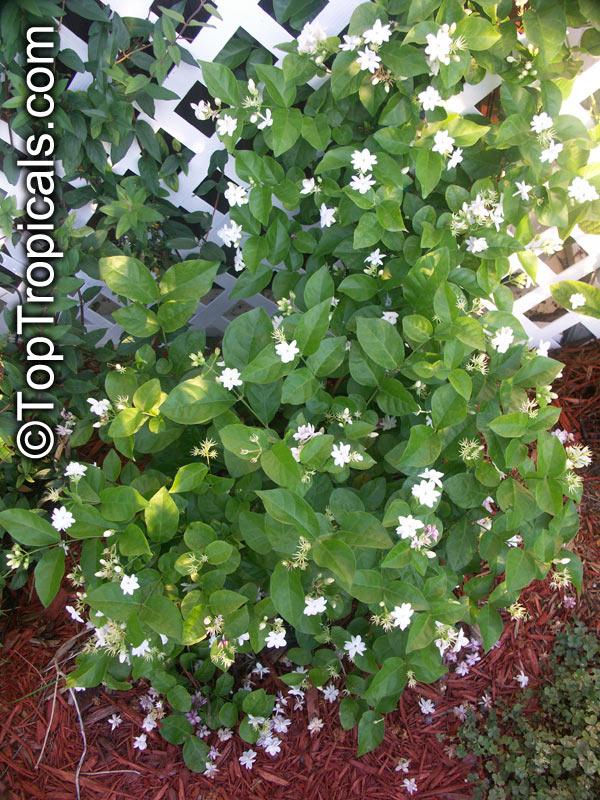
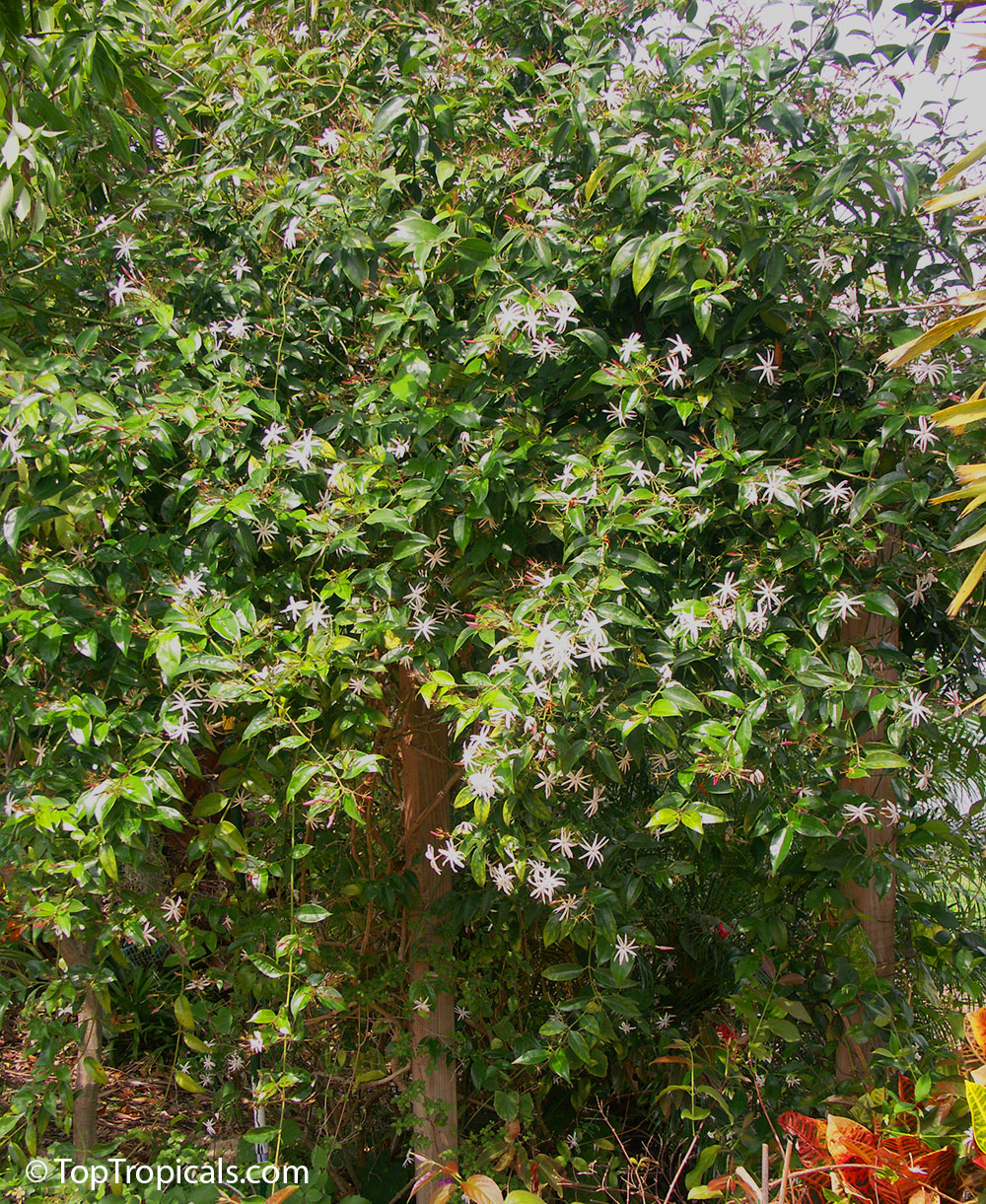
Most tropical plants do well when planted in warm end-of-summer conditions, including Mango, Avocado, Guava, Jackfruit, Annona, Bananas, Orchid Trees, Jasmines, Allamanda and most of flowering trees, shrubs and vines.

Can tropical trees planted in August produce fruit next year?

Many can, especially fast growers, since they have established roots by the time spring growth begins.

How can tropicals be kept healthy when planting in August?

Mulch around the base to help prevent soil from drying out too quickly. Water deeply in the morning to help plants handle the heat.

Shop Flowering trees

Shop Fruit trees and edibles

Date: 24 Sep 2019

How to fertilize a bamboo?

Q: When do you fertilize new bamboo trees and can you use the same fertilizer you use for mango trees?

A: Bamboo is a tropical to subtropical plant with growing season year-round. You can start fertilizing it right away with the exception of colder months when temperatures drop below 65F.
Mango fertilizer is formulated for fruit trees, so bamboo won't benefit from it. Bamboo is not a fruiting plant and is not even cultivated for flowers. Its beauty is in healthy green foliage and beautiful stems. So you will need foliage-type of fertilizers for it.

We recommend the following fertilizers for bamboo plants:
Tropical Greenhouse Plus - Plant Booster
Tropical Allure - Smart-Release Booster

Remember to always use micro-elements that are essential for every green plant.

Date: 20 Jul 2018

How to get shade quickly... and stay away from oaks

TopTropicals

Q: I just moved from Tennessee into a new house in Florida and there are no trees on the property, the yard is brutal hot. What can I plant so I have some shade real quick? I like Florida shady oaks, how long will they take to grow?

A: First of all, do not rush into oak solution. Oaks are beautiful shade trees, however they have at least 2 problems:
a) Oaks are slow growers and unless you are willing to wait some 20 years... you won't get that desirable shade that quickly.
b) We have hurricanes in Florida... sometimes. A hurricane can damage any tree, however with oaks it may be the worse case scenario - the branches of those giant trees are huge, hard and heavy and in unfortunate situation when you need to remove or trim a broken tree, it may cost you... a few thousand dollars.

These are solutions that are more economical and practical:

1) Selection. If you have room, get one of these most popular Florida shade trees: Royal Poinciana, Golden Shower, Hong Kong Orchid Tree, Red Kapok, Bottlebrush, and many others. See full list of fast growing shade trees. Or simply get a Mango Tree and have delicious fruit too! Many varieties of Mangos are very large and fast growing.

2) Do it right. Even if you are planting a smaller tree, 1-3 gal size, it may become a nice shade tree within 2-3 years and start providing your driveway with desirable shade. The keys for fast growth are -
a) Good soil. Dig as big hole as possible and fill it with good rich soil containing compost. See planting instructions PDF.
b) Water. Do not rely on sprinklers and rains. Water your tree daily for the first week, then at least twice a week for another month. After that, irrigation system will be enough.
c) Fertilizer. Put a few handfuls of fertilizer in a planting hole. Then fertilize once a month during warm season. Apply micro elements for even better results and faster growth.

3) Ask experts. Contact our office for advice. We will suggest the most suitable shade tree for your yard based on features of your property: location, soil, exposure, etc.

Check out fast growing shade trees

Date: 15 Aug 2021

How to grow Cerbera and make it flower

Q: I purchased Cerbera manghas - Enchanted Incense a year ago. As you see from the photo, it's doing great however, no blooms. I fertilize properly and very often and use worm castings for micronutrients. Yes it's not "your" fertilizer, but my plumerias, that are also in pots they are over 5 feet tall and blooming like crazy. I don't see any inflows coming on the Cerbera at all and it is hot and humid here in North Carolina, so it's happy but no sign of blooming. What is your advice?

A: Top Tropicals first brought Cerbera manghas into the US plant market a few years ago, it was recommended to us by our friend, plant taxonomist John Mood who visited Thailand, and among other exotic plants noted this fragrant beauty. Since then we've been successfully growing this plant, it has become one of everybody's favorites.

Generally speaking, Cerbera culture is very similar to Plumerias. These plants are closely related. So if you know how to grow Plumeria, you sure will succeed with Cerbera. Hot and sunny location, well-drained mix, moderate water and bloom boom fertilizer will do the trick. However, we have noticed a few distinctive features that make this plant somewhat challenging at times.

1) Flowers

For past years, we've been studying what triggers its flowering. Sometimes these plants start flowering in 1 gal pot, 1 ft tall. Other times a large developed tree 5-6 ft tall, in 5-7 gal pot, grows beautiful foliage with no signs of flowers. Eventually all of them bloom, no matter how stubborn they are, it's just some individual plants start flowering sooner than others, all grown in the same conditions.
One of our plants in the ground, a well-branched tree, was covered with flowers for a few months, but only on the 3d year after planting. Before that, it only produced a few random blooms. Others bloomed in pots at very young age.
The following factors benefit to Cerbera flowering:
- full sun at least 10 hours a day
- hot temperatures above 85F
- regular water but not heavy rains
- regular fertilizer - Bloom Booster type
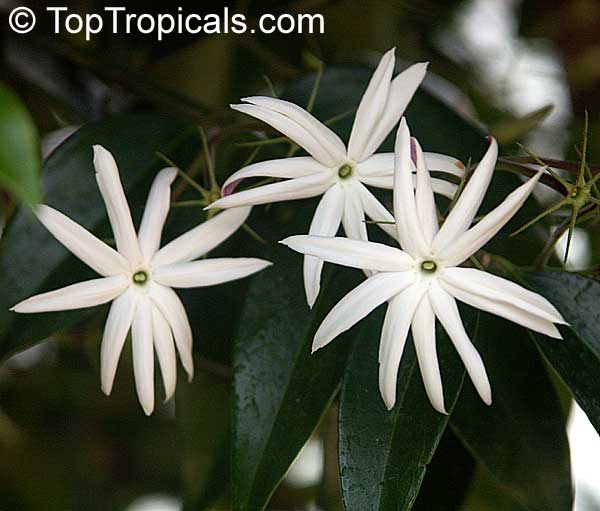
- very good drainage and drying out before waterings. If root ball stays moist, the plant may look healthy but won't set flower buds. Keeping on a dry side will encourage flowering. Very similar to Jasmines: they bloom like crazy in April while it's hot and dry in Florida, but once our summer rainy season starts, they reduce blooming.

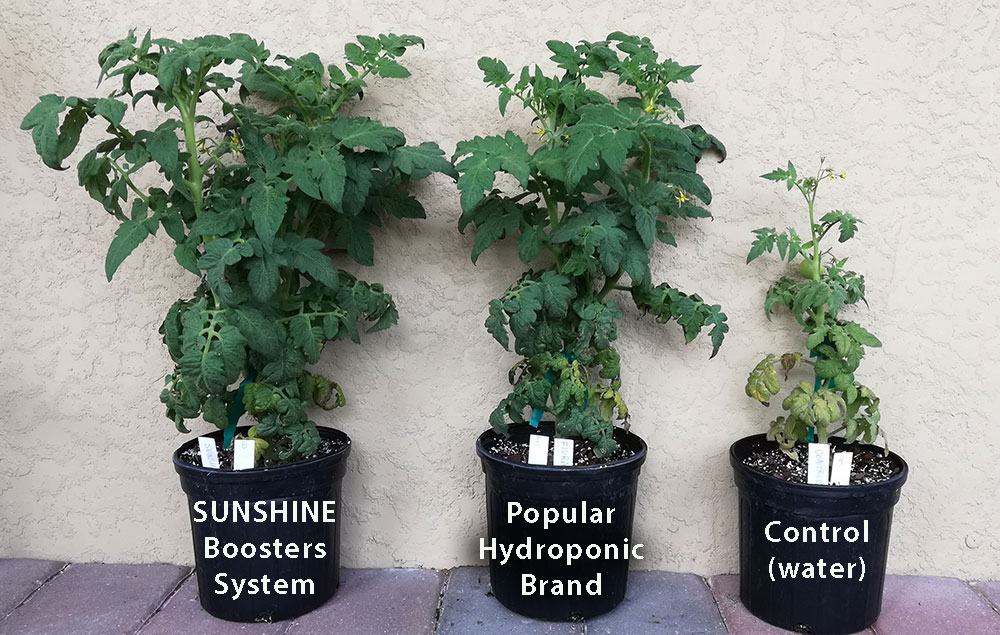
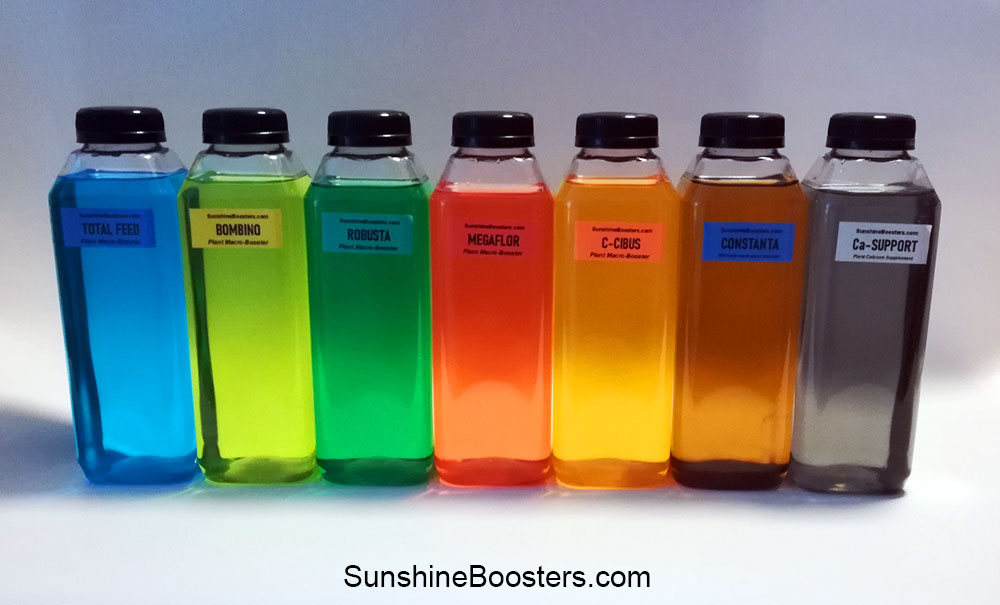
We highly recommend using Sunshine Megaflor bloom booster or SUNSHINE Pikake in combination with micro-element supplements Sunshine Honey (B-Mo) and Sunshine Superfood (complex micro) that induce flowering. Dry and granulated fertilizers may not supply exactly what a plant needs: certain elements that trigger flowering may be missing. Sunshine Boosters formulas are scientifically balanced, they contain precise amounts of nutrients needed for setting flowers. Besides, excessive salts from regular dry fertilizers create nutrient lock up that may retard plant metabolism; with liquid amino-acid based Sunshine boosters, plants consume the whole menu of elements without building them up in the soil.

2) Fruit

Fruit of Cerbera are very pretty and cover the tree after profuse flowering. To inexperienced eye they may look very much like small mango or avocado fruit - so make sure kids or visitors don't try to eat them! Cerbera seeds are extremely poisonous.

3) Leaves

If you ever grew Passiflora or Milkweed, you know how leaves can be eaten by caterpillars overnight. This may happen to Cerbera too, as we discovered. In Florida environment this exotic plant doesn't have natural predators for protection from certain insect species that may feed on it. So watch out and if noticed first signs of leaves damage - its time for insect control.
Other than that, Cerbera foliage is usually beautiful and colorful, here in Florida it looks much healthier than that of Plumerias often affected with rusty residue during high humidity months.

Hope this helps. The Cerbera fragrance is enchanting, it is worth the efforts and waiting!

Date: 13 Apr 2021

Healthy Plants: Q&A from Mr Booster

Why my Avocado is not flowering?

Q: I have 5 avocados. Three of your cold hardy varieties and two others that have all flowered and set fruit in the past. The last two years including this year, not a single one of them has put out any flowers. I am getting lots of new growth like one would expect on a tree too young to flower. The last two years have been very mild with out any damaging frost where in previous years they lost all their leaves due to frost yet started putting out flowers once winter was over. I am confused because they have all flowered and set fruit previous years. Any ideas would be appreciated.

A: From information you provided, and considering the trees get lots of full sun and cold was not an issue, the only explanation is - lack of nutrients. Here is an example.
Very common situation: you get a small 2-3 ft Avocado or Mango tree in 3 gal pot (or even smaller) from a nursery, full of flowers, and sometimes even a small fruit. You bring it home, plant it in the ground or a bigger pot, it looks happy and grows like crazy. Then next year - oops, no fruit, sometimes not even flowers. What happened?
When the tree lived in a nursery, it was provided with all necessary nutrients through the injector systems (continuous feed); or some nurseries may use top dress smart release on regular schedule. Regardless of fertilizer type, professional grower's set up delivers plant food non-stop, on regular basis, with balanced formulas. Plants are not only growing fast but also ready to produce, since nutrients are always available for a full growth cycle.
When you plant a tree in the ground (or larger pot), conditions change. They may be beneficial for the plant: lots of room for roots to establish, hence lots of vegetative growth. Even if you planted it using good quality fertile soil, this soil may contain mostly nutrients responsible for vegetative growth (branches and leaves). Chances are, your soil may be rich in Nitrogen (good for green growth), but poor in other elements responsible for flowering and fruiting (Phosphorous, Potassium, and many important micro-elements such as Molybdenum, Boron, Iron, etc.). Besides, existing soil gets exhausted quickly, and within a year a two, if you don't add fertilizer, flowering and fruiting may be reduced or even stopped. This is why fertilizing program is very important for fruit trees that are expected to bring a crop soon.

We recommend:

- SUNSHINE C-Cibus - Crop Nutrition Booster - balanced food for fruit trees
- SUNSHINE-Honey - sugar booster - promotes more efficient blossoming and pollination, makes flowers bigger and reduces bud drop
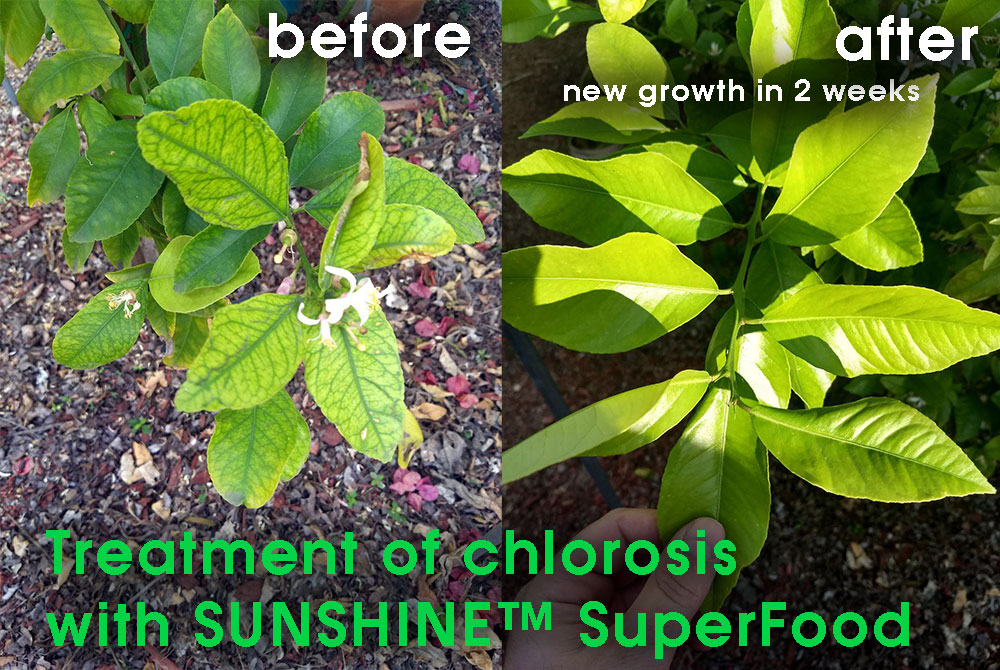
- SUNSHINE SuperFood - for improving fruit trees production

Also keep in mind that some fruit trees have a habit of "skipping" a year and may either produce less or not produce at all every other year. In any case, balanced nutrition program can help to fix this "bad habit".