Garden Blog - Top Tropicals

Date: 12 Oct 2018

Top Tropicals Powerpoint Presentation by Anna Banana:
"Let's grow something different!"

TopTropicals.com

Mark your calendar: Anna Banana's Presentation "Let's grow something different" Oct 16 @ 2 pm.

Learn more about rare tropicals and how to grow them in non-tropical climate. Cold protection, water-wise, soil improvement and much more.

Where: ALVA Garden Club
Meeting Location: The Alva Library Museum, 21420 Pearl Street, Alva, FL 33920
When: Tuesday, October 16th @ 2 pm.
Contact Phone Number for the Event: 239-728-3386
See more info about this event.

Date: 30 Aug 2018

6 Things to Do on Labor Day Weekend

TopTropicals

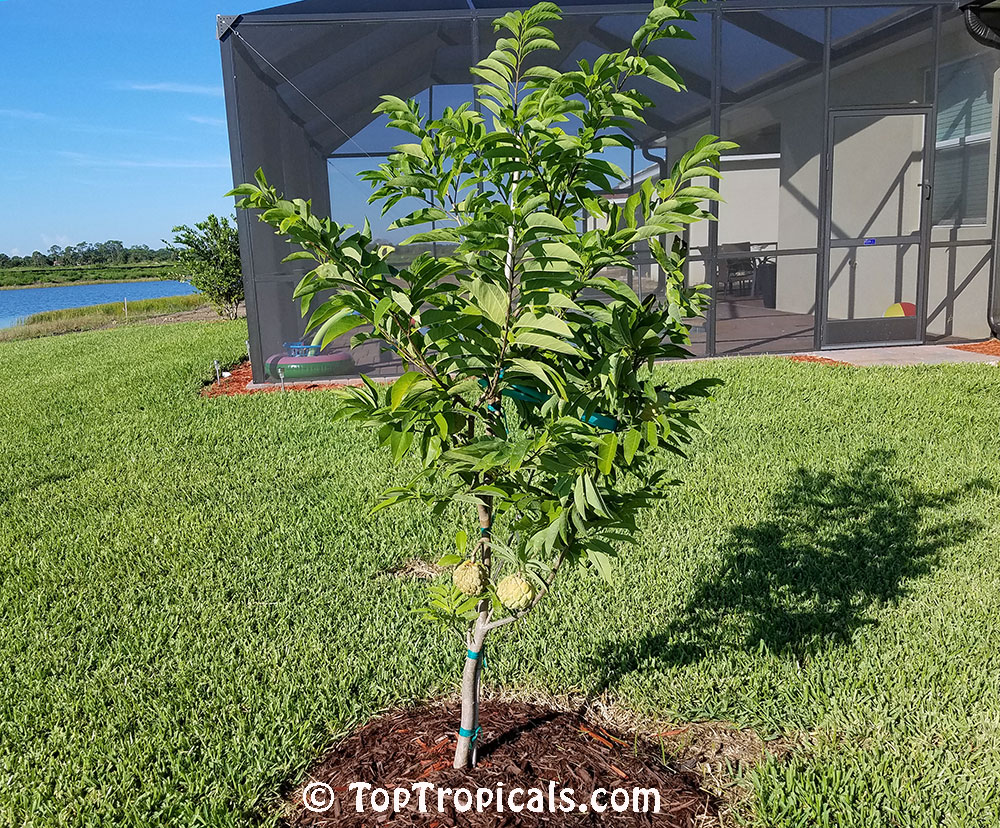
1. Plant a tree... or a shrub, even just a small perennial will do. This plant will make you feel good and accomplished for the whole year, until next Labor Day (or even longer!). You will always see this fruit of your work and remember your motivation, so things are not that bad with you!

2. Pull 66 weeds. Needless to say, you have plenty of those in your yard at the moment. Why 66? Just do it and see what happens. If you don't see any happy results, pull another 66.

3. Fertilize all plants in your garden or potted collection with slow release fertilizer and microelements. Remember, this is the last chance to give them food and strength to survive, before winter. Starting October, all leftover fertilizer goes to storage, even in tropical gardens.

4. Apply SUNSHINE booster to protect your plants from cool temperature, help to go into dormancy and rest without stress.
Remember, there are products for all your pre-winter needs: Sunshine-T for improving cold tolerance, Sunshine-BC for caudex and bonsai plants, Sunshine-H for houseplants, and general booster Sunshine-E to cover all occasions... 50 and 100 ml bottles available for large plant collections.
Sunshine-Honey should be applied on all fruit trees to ensure their next year successful crop.

5. Add extra mulch in those areas where it was washed off with summer rains or broke down. One day of mulch work will provide 6 months of safe overwintering for your plants.

6. Have a BBQ or simply a nice meal with your friends or family. Enjoy your holiday relaxation after hard work weekend and recharge your Happiness for many days to come.

Date: 24 Aug 2018

When and How Much to Water?

TopTropicals

Q: I have an automatic sprinkler system that waters my lawn. I purchased a tree from you and want to plant it in the middle of the back yard where sprinklers cover that area very well. Will it be enough water? Is there any specific time of the day I should set up the sprinklers and for how long?

A: Do not rely on sprinkler system until the tree is established and starts growing. Right after planting, saturate the soil around the root ball really well. If the weather is hot, water with a garden house daily for at least a week. Once the tree starts new growth, you may rely on sprinkler system.
Twice a day usually is enough, with 10-15 min of zone duration. As far as start times of your irrigation system, water first time in early morning (as early as 4-5 am in Summer time), and second time in late afternoon, when it cools down a little bit. It is important to give leaves a chance to dry before plants go to bed. This will help to eliminate fungus problems as fungus develops in dark moist environment. Usually 4-5 p.m. is a good time for second watering in Summer. As days get shorter, reschedule second watering time to earlier hours.

Date: 11 Aug 2018

From Anna Banana: Shipping and planting during hot weather

TopTropicals

Q: I received email notification that my order was delayed due to hot weather. Why? And do I need to do anything special if I plant when it is hot?

A: When plants are shipped via FedEx Ground, it is hot in the truck! According to our FedEx area manager information, if outside temperature is 100 degrees, inside the truck it can be 130! We don't want to put your plants through that much stress. We monitor the weather at destination, and as soon as it cools down a little bit, your order will be shipped.

Planting during hot weather:
1. For a mail-ordered plant follow planting instructions and never plant it from the box directly into the ground. Keep it in a pot the size of a root ball until the plant recovers from shipping stress, re-grows root system and adjusts from several days of darkness to a bright light. Move the pot gradually into brighter light, eventually into a spot of its permanent home. Do not over water the pot. Once you see new growth - the plant is ready to be transplanted into the ground.
2. Use only quality soil, containing lots of organic matter (compost, peat moss); soil conditioner is beneficial (pine bark). Plant it on a little hill, so growing point is elevated 1-1.5"above the rest of the surface.
3. Put a good layer of mulch around the plant, at least 1-2" thick, and not too close to the trunk as it may cause stem rot on contact.
4. Water daily with a garden hose until the plant shows active growth - then watering may be reduced every other day or less, or you may rely on sprinklers and/or rains.
5. If the sun is too hot, use shade cloth (or simply a white bed sheet) to cover the plant for the first few days (use bamboo sticks for support). It will help the plant to establish without heat stress. If leaves start dropping - this may be a sign of excessive light and heat. Shading is the way to reduce it.
6. Use SUNSHINE booster to help plants overcome heat stress, and shipping stress. It really works!

Remember that a plant has a very slow nature, unlike creatures from animal world. Give it some time and never rush it into new conditions. Go slowly and patiently - this is the only way to get a reward of a fruit crop or a beautiful flower.

Date: 24 Jun 2018

Tip of the Month: dealing with heat waves

Q: I live in California and this summer has been super hot, with temperature above 100 degrees. This heat wave is killing my plants! Please help!

A: If you live in Southwest, then you are familiar with heat waves, when temperature raises above 110F and up to 120F, while humidity is below 10%. Scorching heat can damage and kill unprotected young plants. Especially if they're recently planted.

Most tropical plants came from humid tropics and they don't easily tolerate high temperatures and low humidity. You can tell such plants immediately. Desert plants have small, waxy succulent leaves, which are capable to reduce evaporation. (See list of plants tolerant to hot and dry conditions). Tropical plants have large soft leaves and need high humidity.

These steps will help to protect them... Continue reading...