Garden Blog - Top Tropicals

Date: 20 Mar 2026

Just in time for spring: Nun Orchid blooms for months!
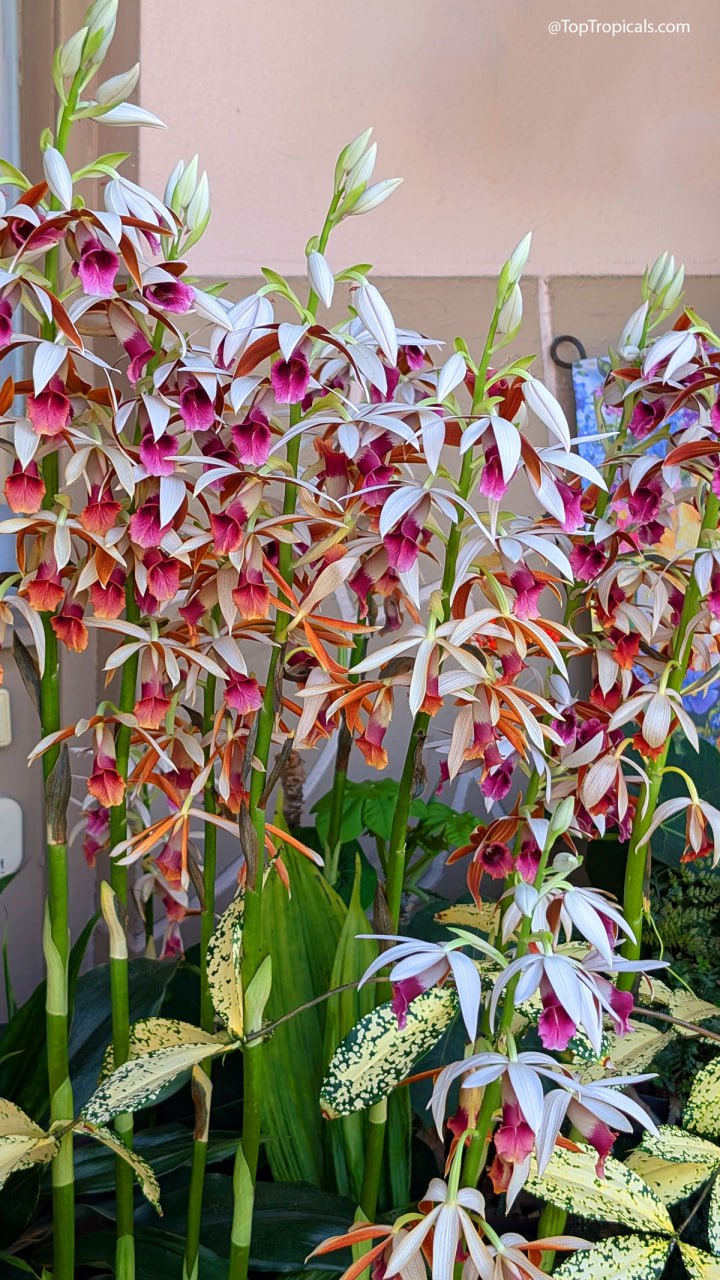
Phaius tankervilleae, Chinese Ground Orchid, Nut Orchid
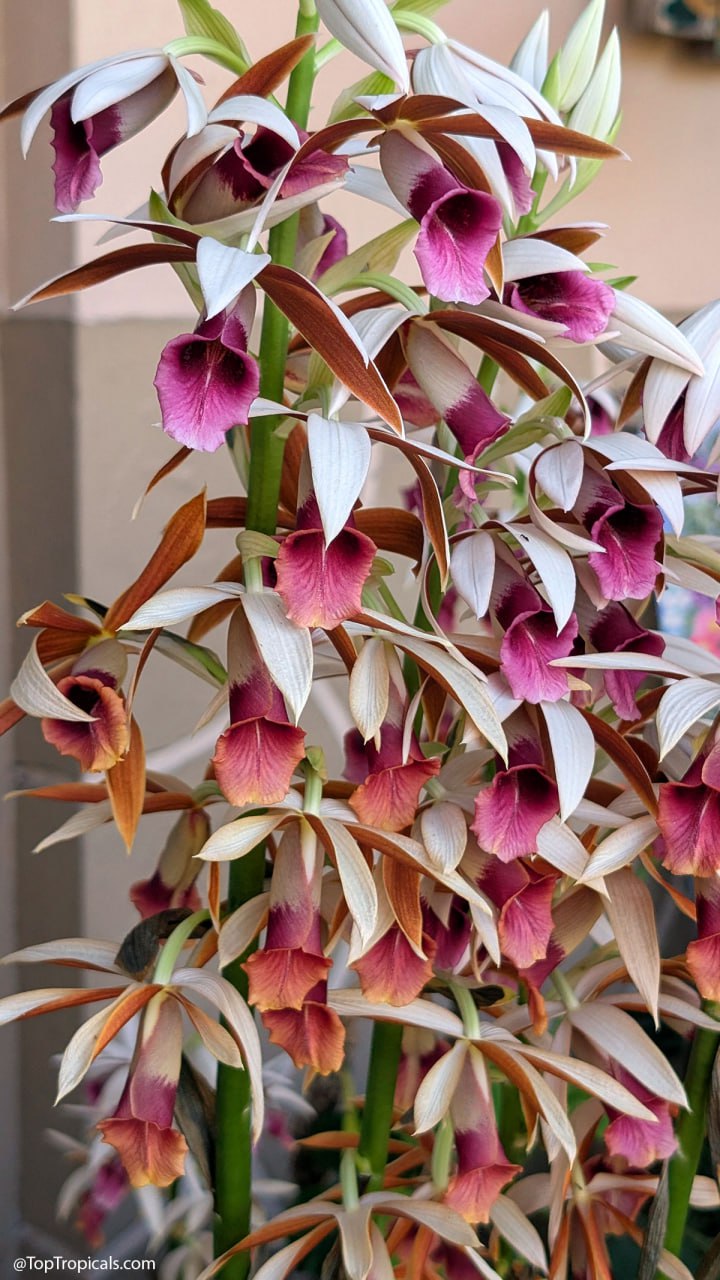
Phaius tankervilleae, Chinese Ground Orchid, Nut Orchid
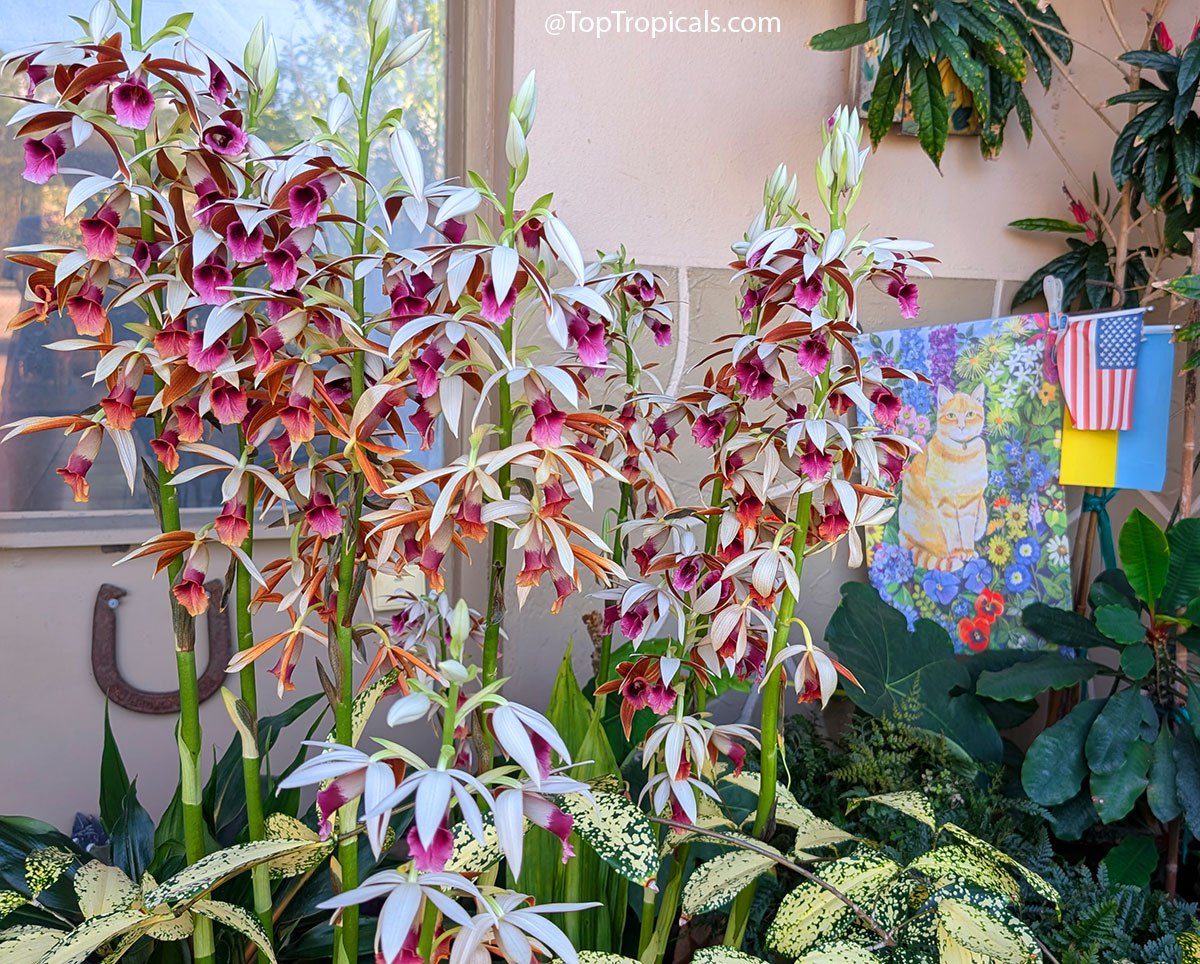
Phaius tankervilleae, Chinese Ground Orchid, Nut Orchid

Phaius tankervilleae, Chinese Ground Orchid, Nut Orchid

Phaius tankervilleae, Chinese Ground Orchid, Nut Orchid

Phaius tankervilleae, Chinese Ground Orchid, Nut Orchid

Just in time for spring: Nun Orchid blooms for months! 🌹

🌷 What a wonderful treat after a long cold winter: Nun Orchid (Phaius tankervillea) is putting on a full show right now in the garden - and it’s been going strong since February.

🌷 These plants were already loaded with buds before our Record 25F Florida Freeze, so I moved the two pots into the garage to protect them. Totally worth it - they came through beautifully and didn’t miss a beat.

🌷 Now they’re in full bloom and should keep going well into April. This is one of those rare orchids that just keeps going.

🌷 Unlike most orchids, Nun Orchid grows in regular soil. Big lush leaves, tall flower spikes, and it’s perfectly happy in filtered light - great for patios, containers, or a shady spot in your garden.

What’s blooming in your yard today?

🛒 Plant beautiful Nun Orchid

📚 Learn more:

Chinese Ground Orchid Plant Facts

Botanical name: Phaius tankervilleae
Also known as: Chinese Ground Orchid, Nun Orchid
USDA Zone: 9 - 11
Highligths Groundcover and low-growing 2ft plantSemi-shadeFull sunWatering: Moderate. Water when top soil feels dryRed, crimson, vinous flowersWhite, off-white flowersPlant attracts butterflies, hummingbirdsFragrant plant
Get personalized tips for your region

💋 Phaius tankervilleae – Chinese Ground Orchid in Plant Encyclopedia
💋 Why is it called Nun Orchid
💋 How to grow Ground orchids
💋 When Bamboo blooms with orchid flowers
💋 The prettiest flower for shade
💋 Ground orchids: all-summer colors
💋 Why do we love Ground Orchids
💋 Epidendrum radicans - Orange Reed Ground Orchid, Sunrise
💋 Terrestrial orchids
💋 What orchids can be grown in the ground

#Container_Garden #Shade_Garden

🟢 Join 👉 TopTropicals

Date: 9 Mar 2026

Golden canistel cream: quick-n-fun exotic recipes

Golden canistel cream

Golden canistel cream

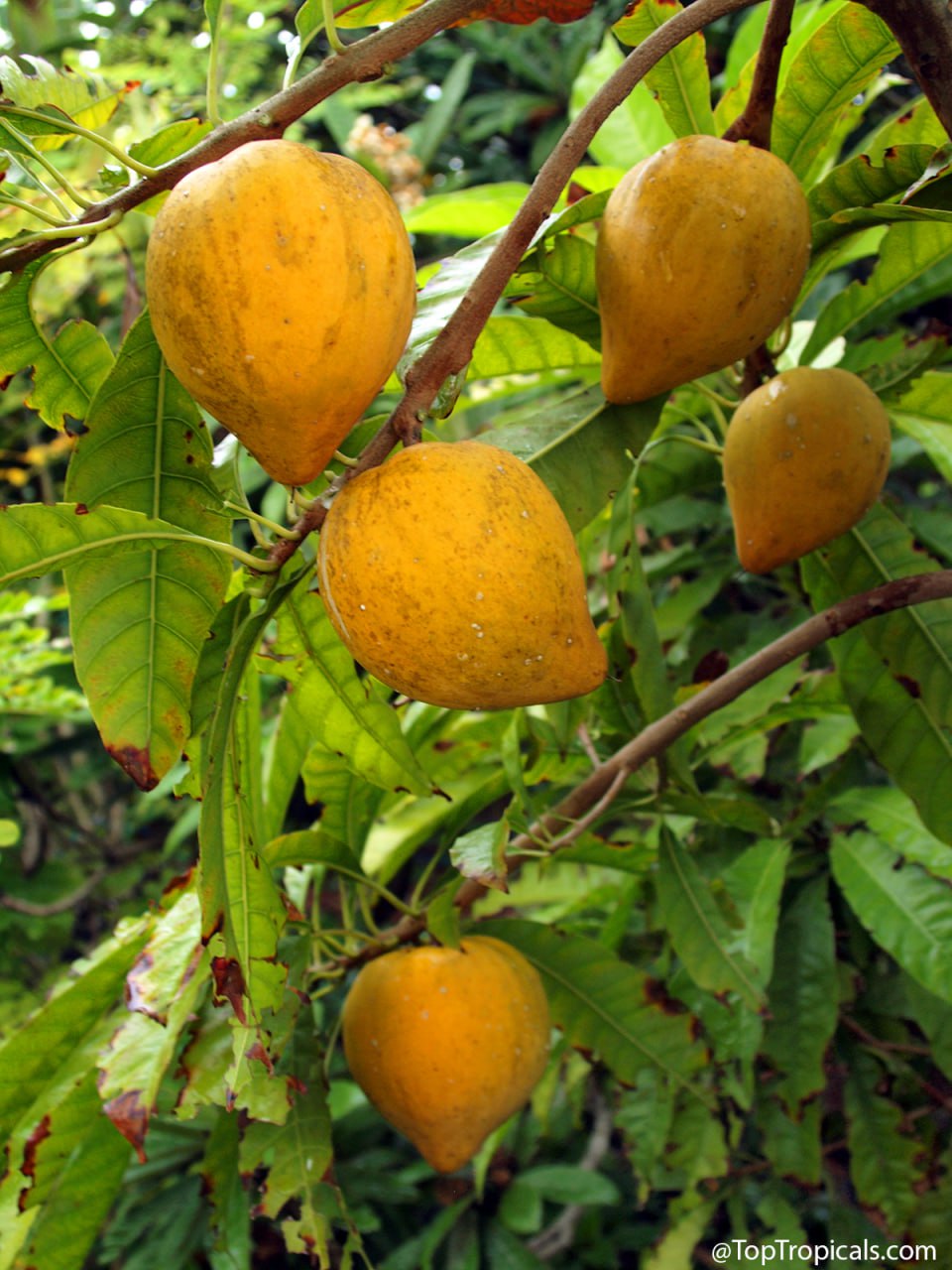
Pouteria campechiana - Canistel, Eggfruit

Pouteria campechiana - Canistel, Eggfruit

🍴 Golden canistel cream: quick-n-fun exotic recipes


Golden Canistel Cream

Ingredients

  • 1 ripe canistel (eggfruit)
  • 2 to 3 tbsp milk
  • 1 to 2 tsp honey

Instructions

  1. Scoop the ripe canistel flesh into a bowl.
  2. Add milk and honey.
  3. Mash until smooth and creamy.
  4. Warm gently in a small pan if desired.
  5. Serve warm like a thick tropical porridge.

🌿 About the plant:


Also called Eggfruit, canistel has bright yellow flesh that is dense and slightly dry when ripe.

🏡 In the garden:


Grows well in warm climates with good drainage. Compact growth makes it suitable for small yards.

🛒 Plant Canistel Egg Fruit tree - grows well in container too

📚 Learn more:

Canistel Plant Facts

Botanical name: Pouteria campechiana
Also known as: Canistel, Eggfruit, Chesa
USDA Zone: 9 - 11
Highligths Large tree taller than 20 ftSmall tree 10-20 ftFull sunWatering: Regular. Let topsoil dry slightlyEdible plant
Get personalized tips for your region

Pouteria campechiana - Canistel, Eggfruit - in Plant Encyclopedia
This old-school tropical fruit is making a quiet comeback: Eggfruit - Canistel
Canistel breakfast mash: quick-n-fun exotic recipes
Health Benefits of Canistel Fruit
Pouteria campechiana - Canistel, the curious heart-shaped Egg Super-Fruit

#Food_Forest #Recipes

🟢 Join 👉 TopTropicals

Date: 5 Mar 2026

Passion fruit butter glaze: quick-n-fun exotic recipes

Passion fruit butter glaze

Passion fruit butter glaze

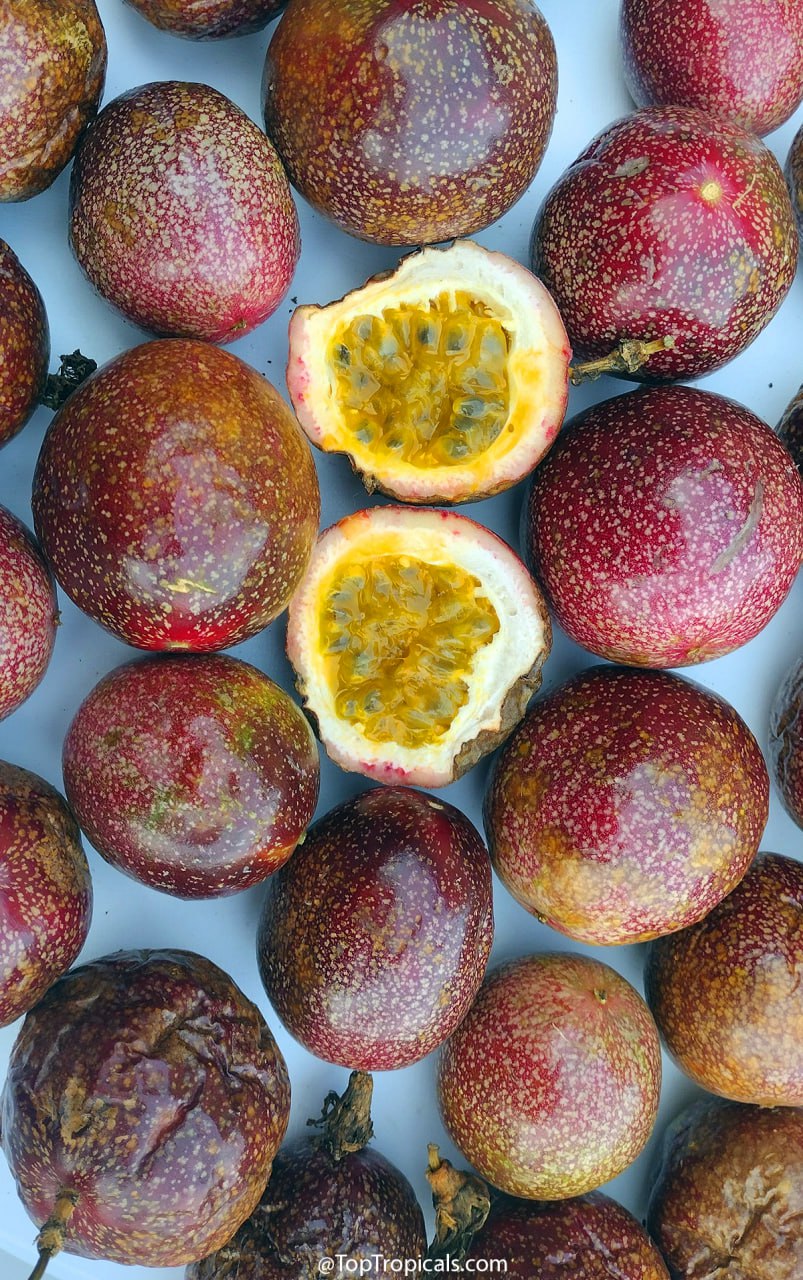
Passion fruit - Passiflora edulis

Passion fruit - Passiflora edulis

🍴 Passion fruit butter glaze: quick-n-fun exotic recipes

Passion Fruit Butter Glaze

Ingredients

  • 2 passion fruits
  • 1 tablespoon butter
  • 1 teaspoon sugar

Instructions

  1. Scoop the pulp from the passion fruits into a small saucepan.
  2. Add butter and a small amount of sugar.
  3. Simmer gently while stirring until the mixture thickens.
  4. Spoon the warm glaze over pancakes, toast, or grilled pineapple.


🌿 About the plant:


A fast-growing vine with exotic flowers and intensely aromatic fruit filled with juicy seeds.

🏡 In the garden:


Needs strong support, full sun, and warmth. Very fast growth in zones 9-11. Prune to keep productive.

🛒 Plant Passionfruit Vine - fast growing and rewarding

📚 Learn more:

Passion Fruit Plant Facts

Botanical name: Passiflora edulis
Also known as: Passion Fruit, Parcha, Maracuya, Granadilla
USDA Zone: 8 - 11
Highligths Vine or creeper plantFull sunWatering: Moderate. Water when top soil feels dryBlue, lavender, purple flowersWhite, off-white flowersEdible plantSubtropical plant. Mature plant cold hardy at least to 30s F for a short time
Get personalized tips for your region

Passiflora edulis in Plant Encyclopedia
The truth about Passion flower and Passion fruit.

#Food_Forest #Recipes

🟢 Join 👉 TopTropicals

Date: 20 May 2026

Why in Thailand Wrightia religiosa is near all temples and homes

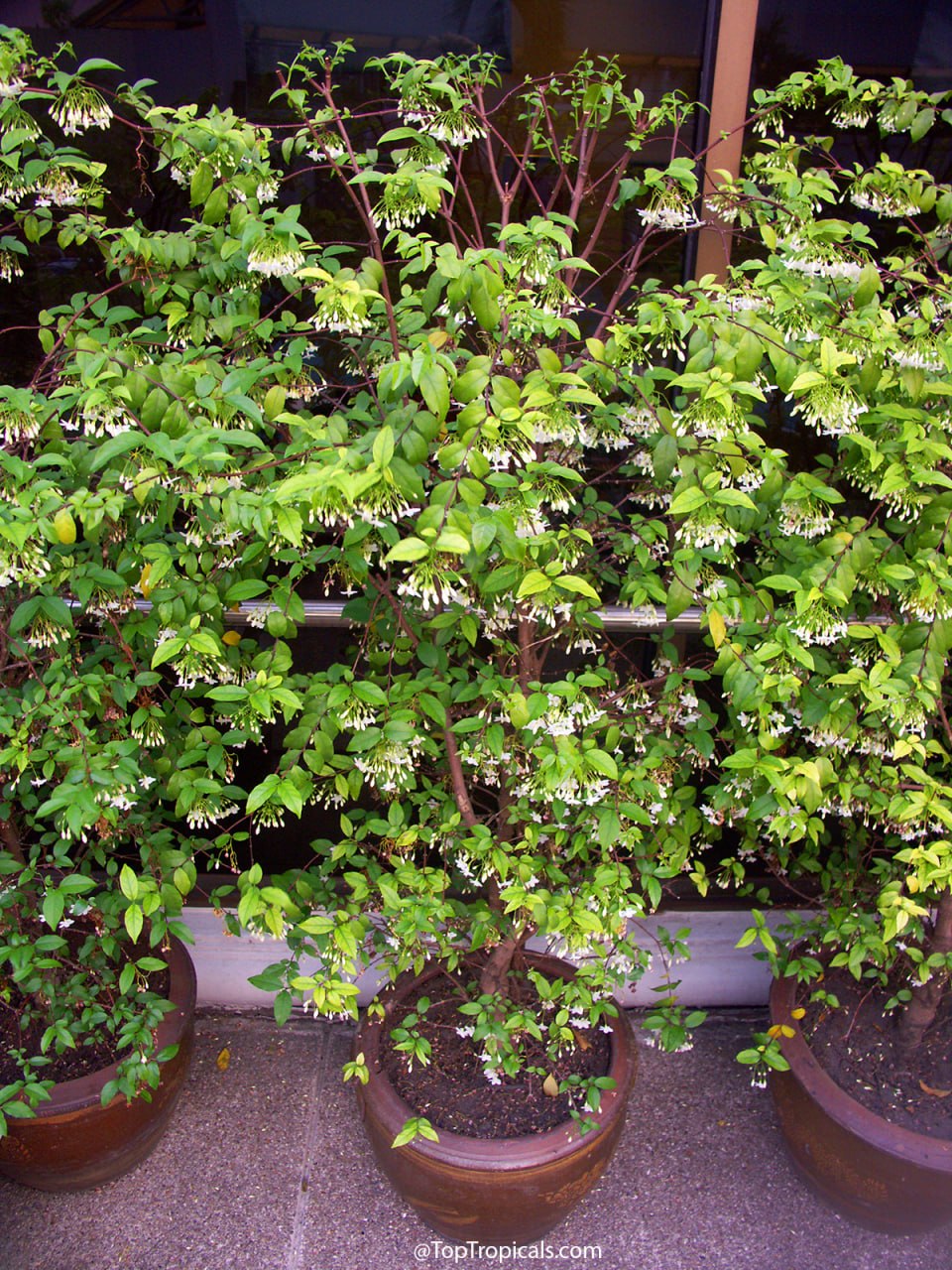
Why in Thailand Wrightia religiosa is near all temples and homes Why in Thailand Wrightia religiosa is near all temples and homes Why in Thailand Wrightia religiosa is near all temples and homes

🏯 Why in Thailand Wrightia religiosa is near all temples and homes


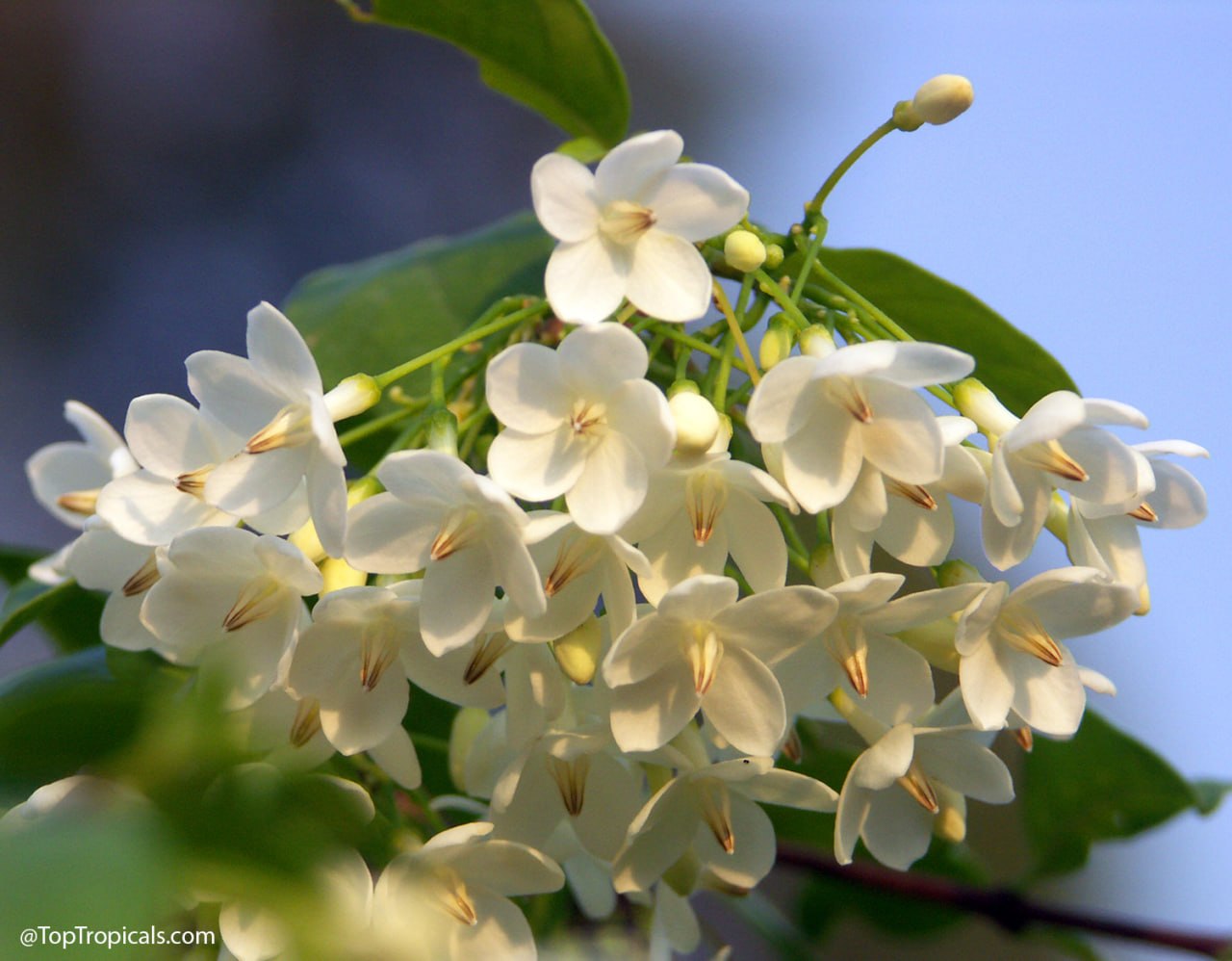
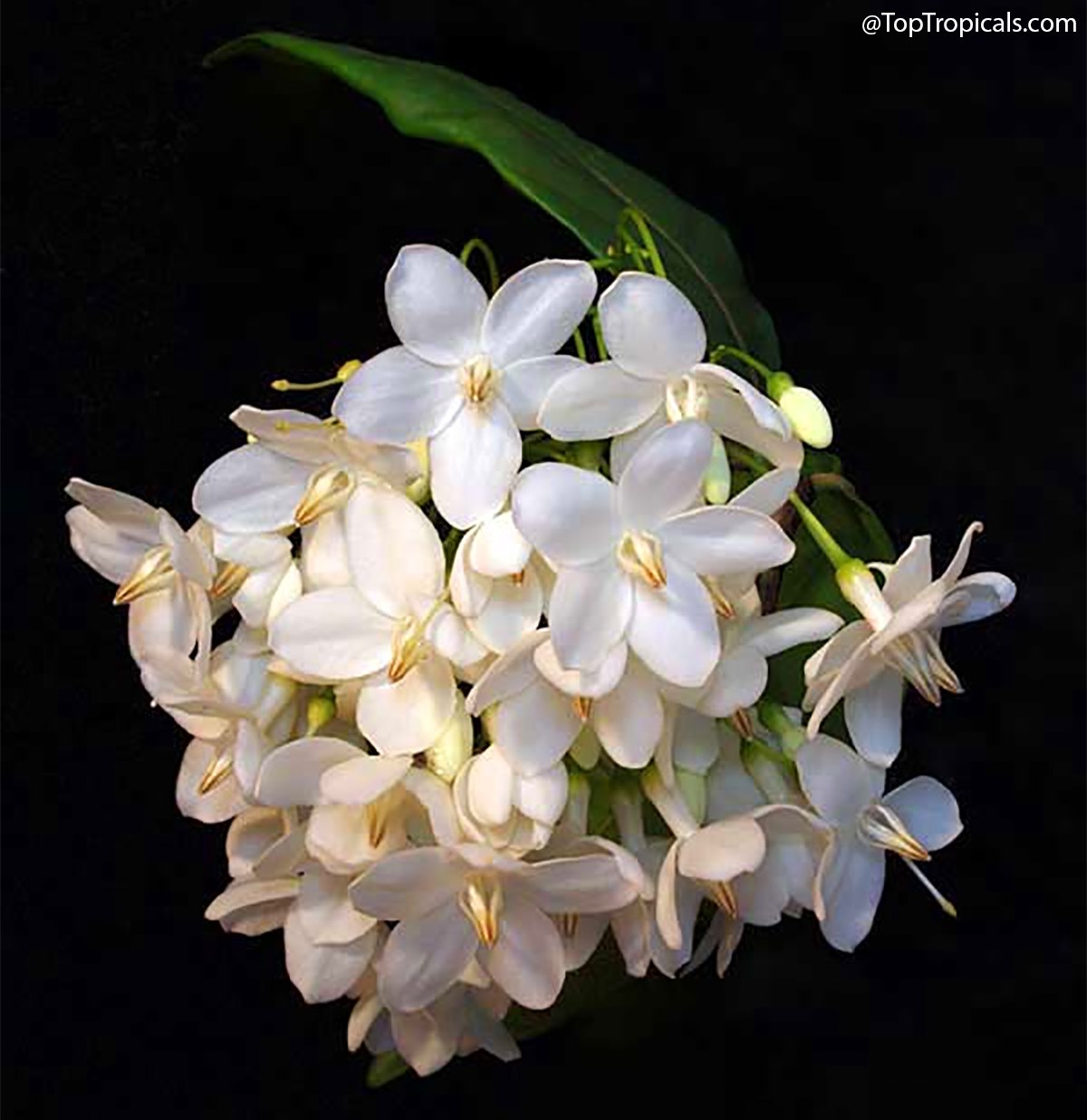
In Thailand, you will smell the Water Jasmine before you see it. Trace that soft, fruity, jasmine-like fragrance and you'll find Wrightia religiosa - an unassuming tropical shrub with tiny white flowers hanging like pendants. Also called Sacred Buddhist, this beloved plant is everywhere in Southeast Asia, cherished for its rich cultural history and old-world charm rather than loud colors.

💮 The Shrub of Buddhist Symbolism that Thai Temples Have Been Planting for Centuries

The species name religiosa is no accident. It literally refers to the plant’s long association with religious, spiritual, and cultural traditions across Thailand, Vietnam, Malaysia, and Singapore.

While the flowers themselves are visually simple, their unique growth habit has inspired generations of Buddhist symbolism. Unlike many flowers that point proudly toward the sky, the blooms of the Water Jasmine hang downward. In Thai culture, this downward-facing habit became a beautiful symbol of modesty and humility - a physical representation of bowing down rather than standing in pride.

Furthermore, many gardeners and monks associate the flower’s five distinct petals with foundational Buddhist virtues: wisdom, compassion, patience, kindness, and generosity. Whether ancient legend or folk interpretation, this cultural meaning has earned the plant a reputation as something sacred, making it a staple near homes and temple grounds.

💮 The Fragrance People Fall in Love With


Visually, Wrightia religiosa does not try to dazzle you with giant petals or wild, neon colors. Instead, its magic lies entirely in its scent.

The perfume it throws into the air is the real reason people become obsessed with it. It is a clean, intoxicating fragrance that drifts gracefully through the evening air. For anyone living in a warm climate, the best part is that the Water Jasmine is not a "one-and-done" bloomer. When the plant is happy, it flowers repeatedly and almost continuously throughout the year, meaning that incredible scent becomes a permanent fixture in your garden.

💮 From Temple Gardens to Bonsai Pots


Part of what makes Wrightia religiosa so widespread is its sheer versatility. It is an incredibly agreeable plant that adapts beautifully to whatever form a gardener desires. In Southeast Asia, you will see it styled as:
· A standalone specimen shrub
· A dense, fragrant privacy hedge
· A patio accent in containers
· A small, sculptural tree

It has also become an absolute classic in the tropical bonsai world. Because its branches are flexible, fast-growing, and highly responsive to pruning, even beginners can easily wire and shape young plants into twisted, artistic forms. Left to grow naturally, older plants develop a graceful, twiggy, and airy structure that looks naturally sculptural.

💮 The Fake-Dead Winter Quirk


Wrightia is easy to care for with standard sun and water, but it hates the cold (although survives it well). Below 65F, it abruptly drops all its leaves and looks completely dead. Many gardeners panic and throw it away - but it’s just resting. Simply bring container plants indoors for the winter. Once the warmth returns, it wakes up, flushes green, and resumes blooming.

💮 Subtle Beauty with Deep Roots


Some tropical plants impress with sheer size, but Wrightia religiosa does the opposite. Its beauty is quiet - thin branches, dangling white pendants, light green foliage, and a fragrance that gently fills a yard.

It is a plant with a few centuries of cultural history carried in its branches, and it is one of those rare garden gems you cannot truly appreciate until you experience its scent in person.

🛒 Plant the Sacred Buddhist and enjoy the magical aroma

📚 Learn more:

Snowflake Plant Facts

Botanical name: Wrightia antidysenterica
Also known as: Snowflake, Milky way, Winter Cherry Tree, Arctic Snow, Pudpitchaya, Sweet Indrajao, Hyamaraca
USDA Zone: 10 - 11
Highligths Plant used for bonsaiLarge shrub 5-10 ft tallSmall plant 2-5 ftFull sunWatering: Regular. Let topsoil dry slightlyWhite, off-white flowersPlant attracts butterflies, hummingbirdsEthnomedical plant.
Plants marked as ethnomedical and/or described as medicinal, are not offered as medicine but rather as ornamentals or plant collectibles.
Ethnomedical statements / products have not been evaluated by the FDA and are not intended to diagnose, treat, cure, or prevent any disease. We urge all customers to consult a physician before using any supplements, herbals or medicines advertised here or elsewhere.Fragrant plant
Get personalized tips for your region

Wrightia religiosa and other wrightias in Plant Encyclopedia

#Discover #Perfume_Plants

🟢 Join 👉 TopTropicals

Date: 20 Sep 2025

How to make lots of Insulin Ginger plants quickly and get more health benefits

Costus igneus (Chamaecostus cuspidatus) - Fiery Costus or Spiral Flag

💚 How to make lots of Insulin Ginger plants quickly and get more health benefits


Costus igneus (Chamaecostus cuspidatus) - Fiery Costus or Spiral Flag is believed to help lower blood glucose levels naturally and managing diabetes.

Have you heard of Insulin Ginger? Everyone wants to have it in the garden!

Gardeners in India grow it not just for its pretty spiral leaves, but for what those leaves do. People with diabetes often chew them fresh or brew them into tea, saying it helps keep their blood sugar under control.

Researchers have found something interesting: the leaves contain an insulin-like compound, along with antioxidants and anti-inflammatory properties. In animal studies, extracts from the plant lowered blood sugar, protected the liver and kidneys, and even made the body more sensitive to insulin.

The way folks use it is simple. You can chew a leaf right off the plant, steep dried leaves for tea, or find it in powders and capsules. It's one of those plants that shows how tradition and science sometimes meet in the garden.

Its lush, turmeric-like leaves spiral around upright stems, with a glossy dark green top and a striking light purple underside. In warm months, it produces bright orange, cone-like flowers that stand out beautifully in the garden.

Beyond its beauty and natural insulin effects, the insulin plant is credited with aiding digestion, reducing cholesterol, boosting energy, improving skin health, supporting weight loss, relieving stress, and promoting heart wellness. A real botanical multitasker!

🎥 In this video, we’ll show you how to multiply Insulin Ginger fast, so you’ll have plenty of plants for yourself and even extras to share with friends and family.

✅ Don’t forget to use Green Magic fertilizer for the best results. Gingers absolutely love this plant food - they thrive on it and respond better than any other plant, with vigorous growth, lush foliage and loads of leaves you’ll need for all the benefits.

🛒 Grow your own sugar-fighter - the Insulin Ginger

📚 Learn more:


🟡The fiery plant that fights sugar: Nature secret insulin?
🟡Most interesting edible gingers

#Food_Forest #Remedies #Shade_Garden #Discover

🟢 Join 👉 TopTropicals