13 tropical flowers to plant in spring to attract pollinators year around
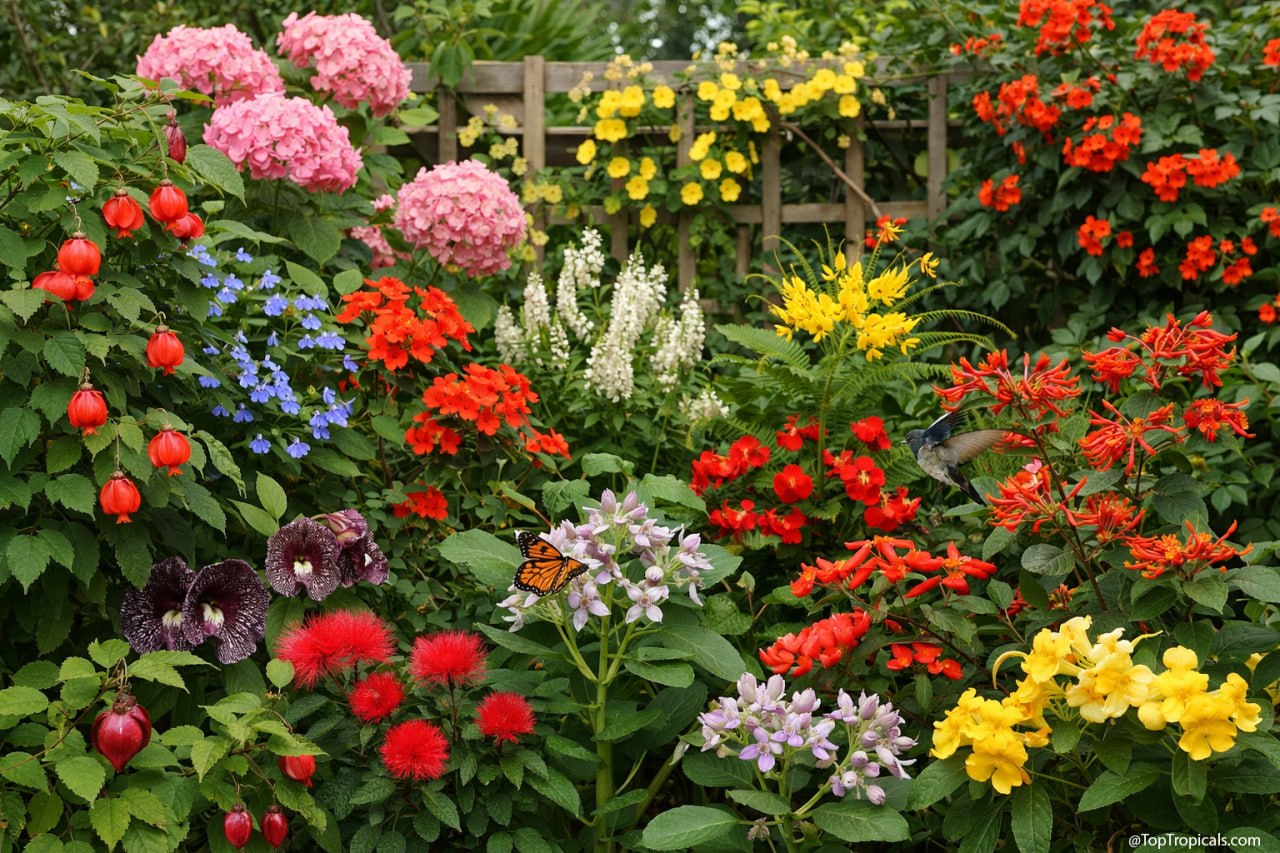
13 tropical flowers to plant in spring to attract pollinators year around: Abutilon Fireball (Abutilon darwinii x striatum), Almond Bush (Aloysia virgata), Calico Flower (Aristolochia littoralis), Pride of De Kaap (Bauhinia galpinii), Mexican Bird of Paradise (Caesalpinia mexicana), Red Tassel Flower (Calliandra tweedii With Love), Giant Milkweed (Calotropis gigantea), Blue Butterfly (Clerodendrum ugandense), Tropical Hydrangea (Dombeya wallichii), Fire Bush (Hamelia patens), Butterfly Orchid
13 tropical flowers to plant in spring to attract pollinators year around
Spring is when everything wakes up - and if you plant smart now, your garden can stay alive with butterflies, bees, and hummingbirds all year long. The key is mixing tropical bloomers that flower in waves, not all at once. These plants don’t just look good - they keep pollinators coming back season after season, turning your yard into a living, moving ecosystem.
1. Abutilon Fireball (Abutilon darwinii x striatum)
Bell-shaped flowers in warm red and orange tones hang like little lanterns. Very cold hardy, blooms on and off through the year, especially in mild climates. A steady nectar source for hummingbirds. More 👉
2. Almond Bush (Aloysia virgata)
Light, airy clusters of tiny white flowers with a strong almond scent. Bees absolutely cover this plant when it’s in bloom. Flowers repeatedly through warm months. More 👉
3. Calico Flower (Aristolochia littoralis)
One of the most unusual flowers you can grow - patterned like fabric. More importantly, it’s a host plant for butterflies, giving them a place to lay eggs. More 👉
4. Pride of De Kaap (Bauhinia galpinii)
Bright orange-red blooms cover this shrub for months. Tough, fast-growing, and constantly visited by butterflies and bees. More 👉
5. Mexican Bird of Paradise (Caesalpinia mexicana)
Sunny yellow flowers with a light fragrance. Handles heat, freeze, and poor soil easily. A reliable nectar plant for bees and butterflies. More 👉
6. Red Tassel Flower (Calliandra tweedii With Love)
Very showy red-flowered powderpuff, fast-growing and spacey shrub. Cold tolerant to hard freeze, making it a strong choice for subtropical gardens. Forms a dense, many-stemmed plant with fine, feathery foliage that folds at night or by touch. Large scarlet tassel flowers bloom from spring to autumn and attract pollinators nonstop. More 👉
7. Giant Milkweed (Calotropis gigantea)
A bold plant with thick leaves and waxy flowers. Important host plant for butterflies, especially monarchs. Handles heat and drought well. More 👉
8. Blue Butterfly (Clerodendrum ugandense)
Flowers really do look like little blue butterflies. Blooms frequently and attracts actual butterflies along with bees. More 👉
9. Tropical Hydrangea (Dombeya wallichii)
Large clusters of soft pink flowers appear in cooler months when little else is blooming. A major nectar source in winter. More 👉
10. Fire Bush (Hamelia patens)
One of the best all-around pollinator plants and a tough bush - takes both cold and heat. Tubular orange-red flowers attract hummingbirds nonstop, plus butterflies and bees. More 👉
11. Butterfly Orchid Vine (Mascagnia macroptera)
A climbing, cold hardy vine covered in bright yellow flowers and butterfly-like seeds. Great for fences or trellises, adding vertical color and feeding pollinators. More 👉
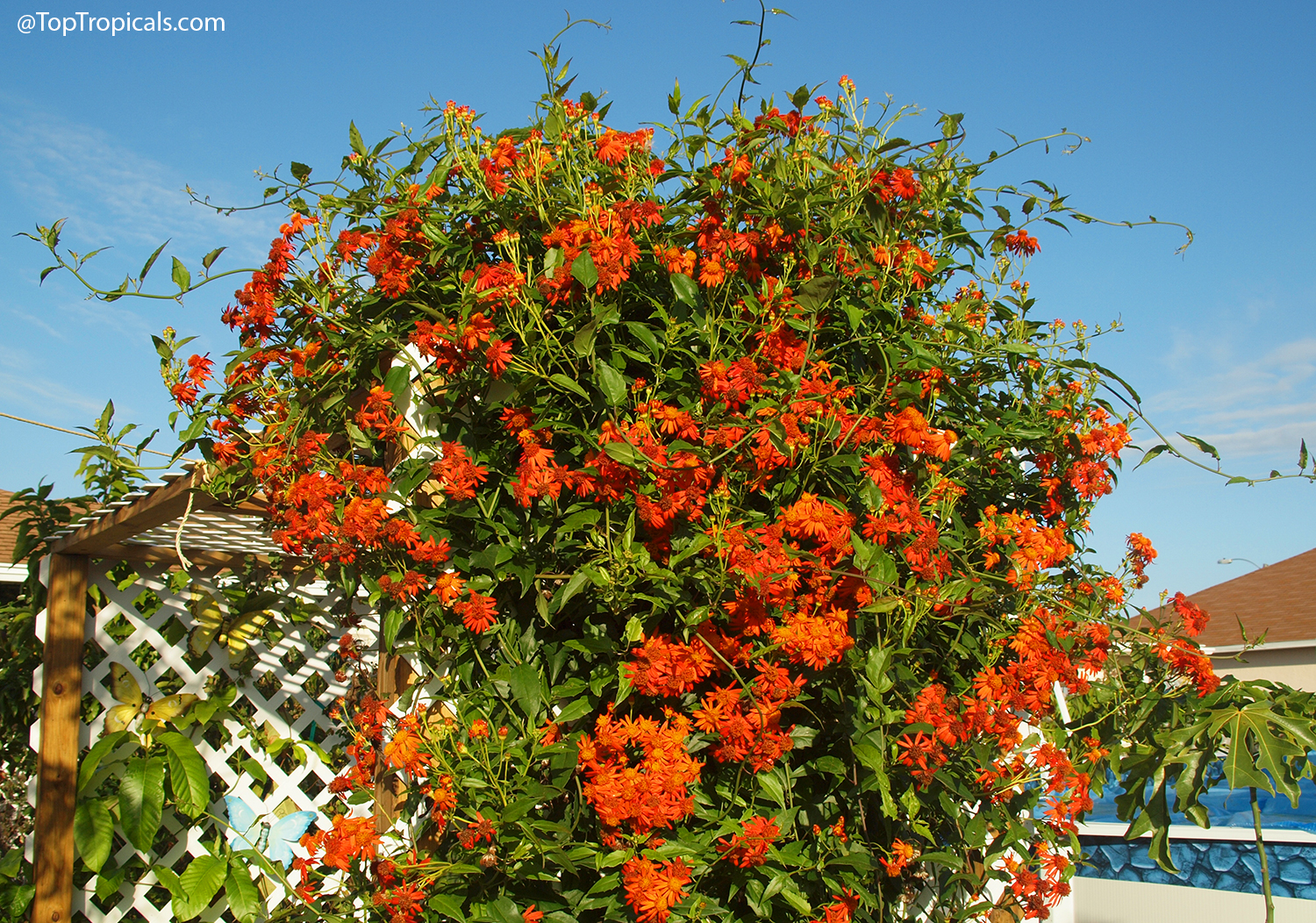
12. Mexican Flame Vine (Senecio confusus)
Fast-growing, hardy vine with intense red blooms. Flowers heavily and brings in butterflies quickly. More 👉
13. Yellow Elder (Tecoma stans)
Bright yellow trumpet flowers that bloom over a long season. A dependable plant for both bees and hummingbirds. More 👉
✔️ Planting a mix of these gives you something in bloom almost every month.
That’s the real trick - not just planting for spring, but building a rotation of flowers that keeps pollinators fed all year long.
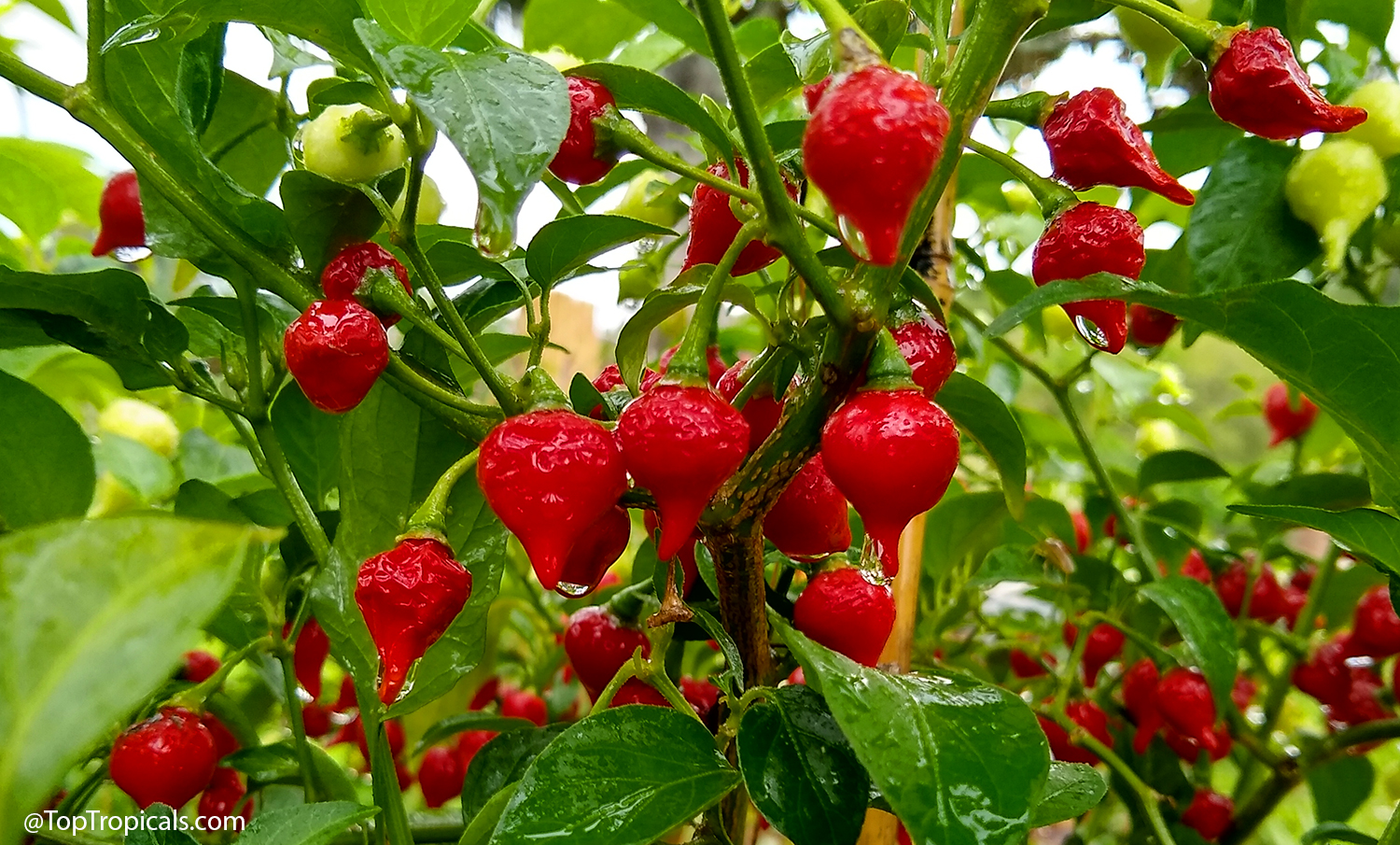
Biquinho
pepper loaded with fruit - small, beak-shaped peppers ripen
from green to bright red, offering intense fruity habanero flavor with
little to no heat on a compact, heavy-producing plant.
A lot of plants that thrive in Florida heat have deep roots in Mexico, and
not just as ornamentals. Think coral vine or flame vine climbing a fence in
summer, or bird of paradise
sitting at the edge of a patio like it owns the place. These are not plants
that need coaxing. They grow fast, full, and unapologetically.
Then there are the plants you actually eat: peppers,
prickly
pear, sweetleaf,
and fruit trees like avocado, guava,
and sapodilla.
They do not just decorate the yard. They change how the yard works, and how
the kitchen feels all year.
That is the part that sneaks up on you. Gardening stops being about having a
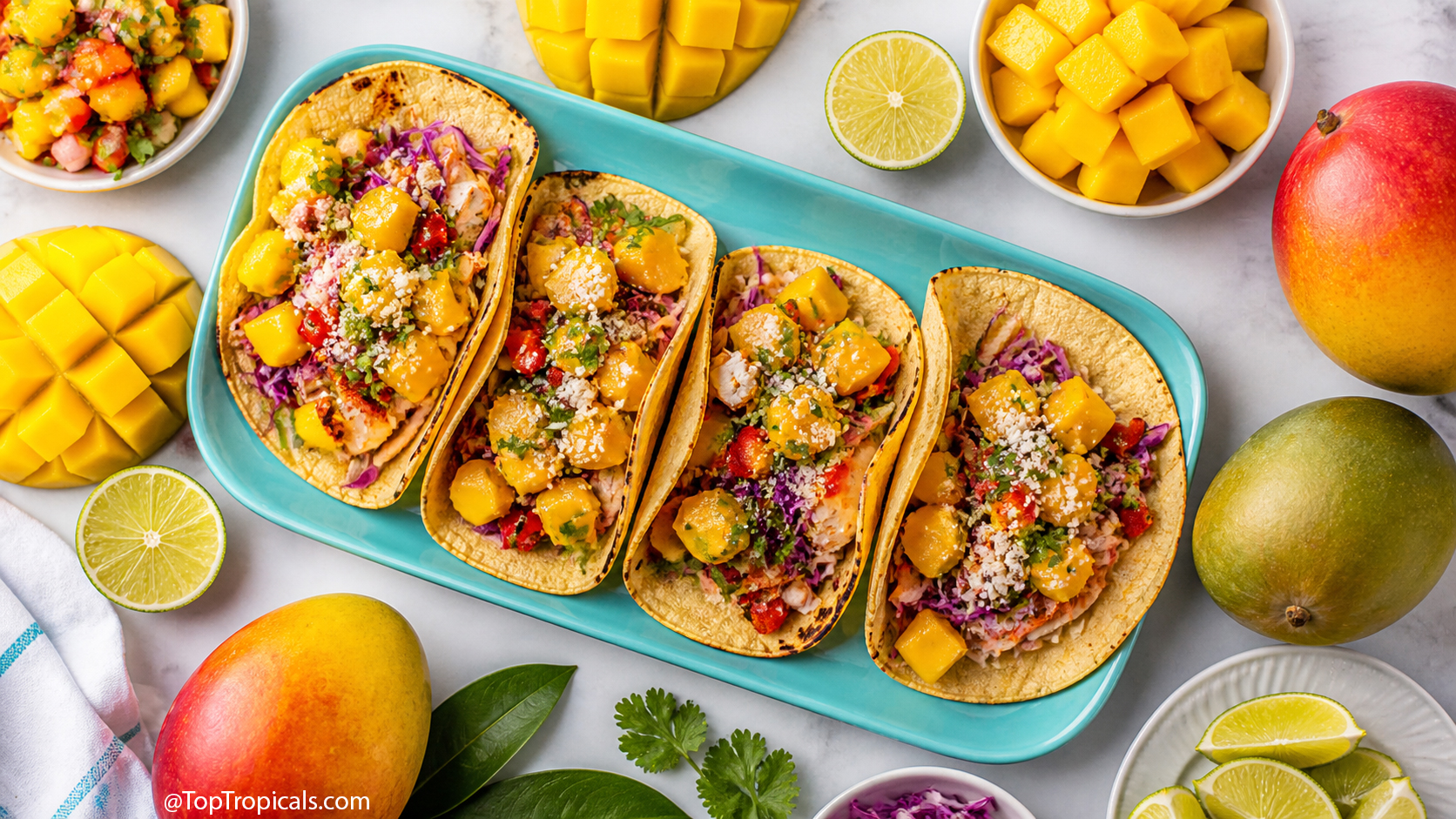
pretty yard and starts becoming a way of living. Mango tacos taste
different when you picked the mango yourself. Everything does.
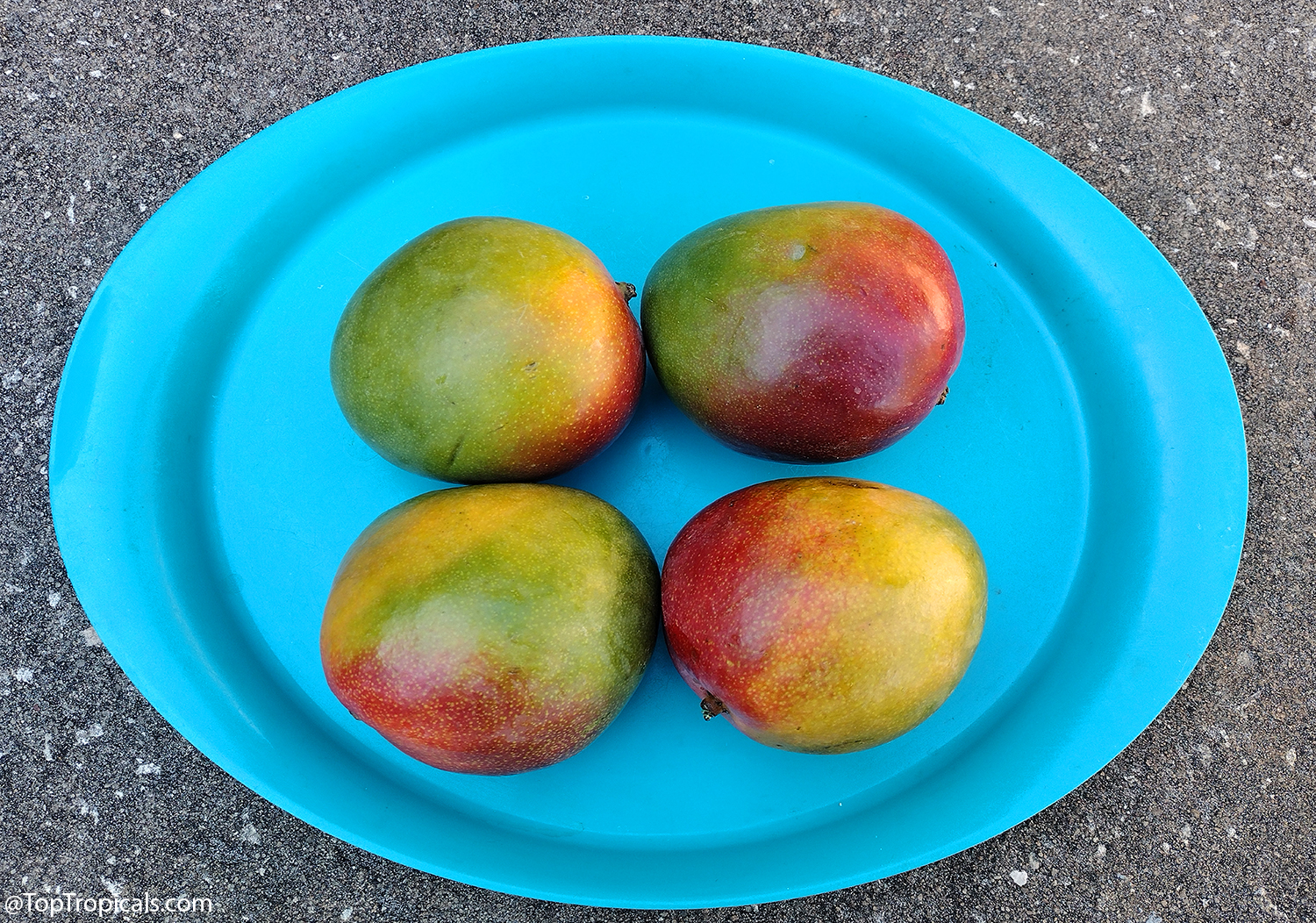
Kent mango - classic late-season variety with smooth,
fiberless flesh and rich, sweet flavor.
🍀Mexican
Plants That Thrive With Minimal Effort
by Tatiana Anderson, Top Tropicals Garden
Expert
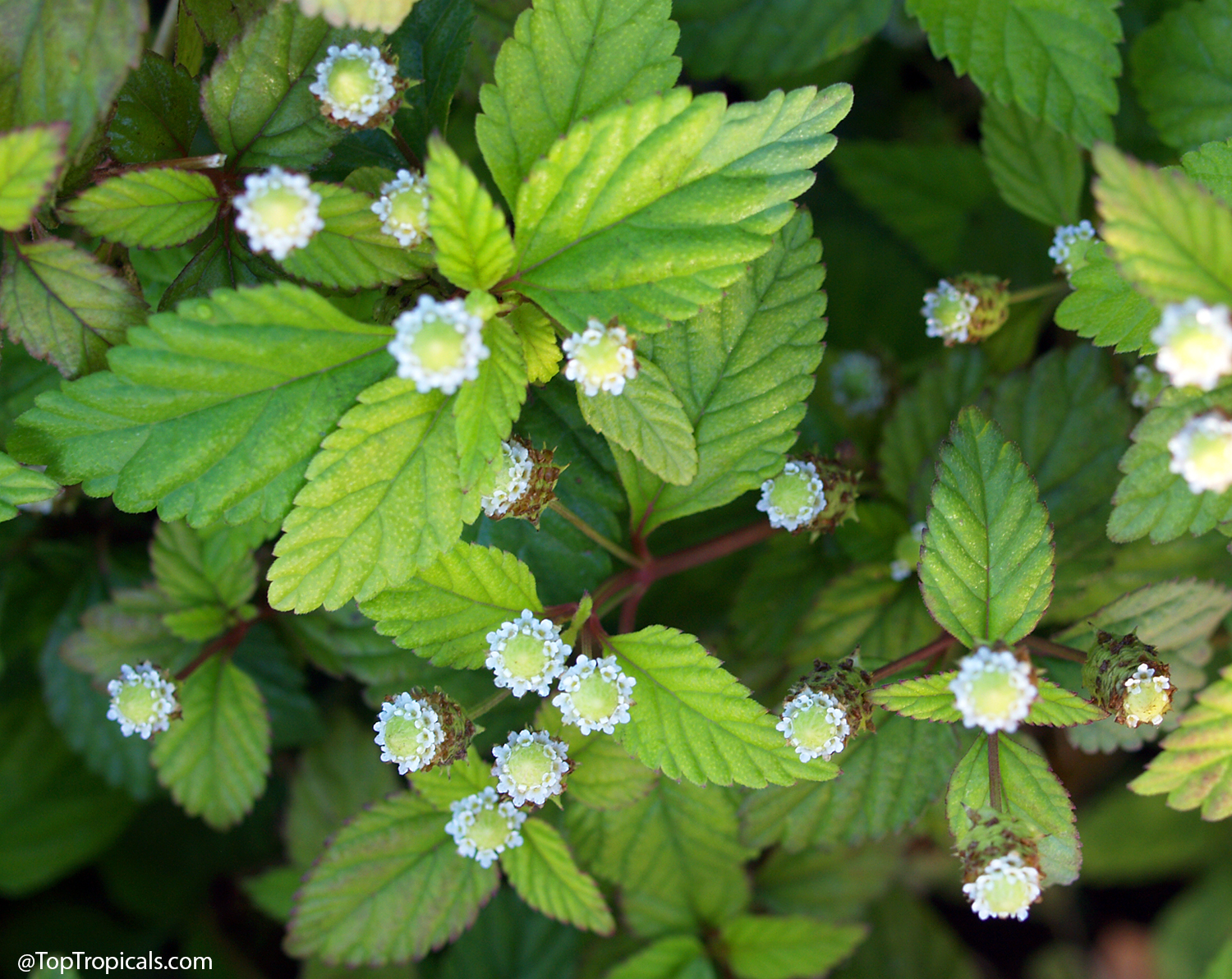
Lippia
dulcis - Aztec Sweet Herb in bloom - a low-growing Mexican herb
with tiny white flowers and remarkably sweet leaves that can be eaten fresh
or added to fruit dishes, traditionally used since Aztec times for coughs
and colds.
These Mexican plants are surprisingly easy to grow if you give them what
they expect: sun, heat, and good drainage. Most of them are built for tough
conditions and will grow fast with minimal care once established.
The one rule that matters: fill the planting hole with water. If it does
not drain in 5-10 seconds, plant on a mound or use a container.
Flowering
vines will take off quickly, edibles like peppers and sweetleaf
lippia
are very forgiving, and cactus types prefer to be left alone rather than
overwatered.
For full, step-by-step growing tips and plant-specific advice, read our blog
- we break everything down in practical, real-world terms.
Mexican Flame Vine in full bloom - a fast-growing,
drought-tolerant climber that quickly covers fences with vivid red flowers,
attracting
pollinators and adding bold color with minimal care.
Want Massive Mulberry Harvests? Do These 5 Things Before May Ends
🍇 Want Massive Mulberry Harvests? Do These 5 Things Before May Ends
Don’t let your mulberry tree
Paper Mulberry Plant Facts
Broussonetia papyrifera, Morus papyrifera Paper Mulberry
USDA Zone: 9-11
fool you. While they are incredibly low-maintenance, what you do in May dictates your summer harvest. Avoid these common mistakes for a bumper crop of juicy berries.
Mulberry trees
Paper Mulberry Plant Facts
Broussonetia papyrifera, Morus papyrifera Paper Mulberry
USDA Zone: 9-11
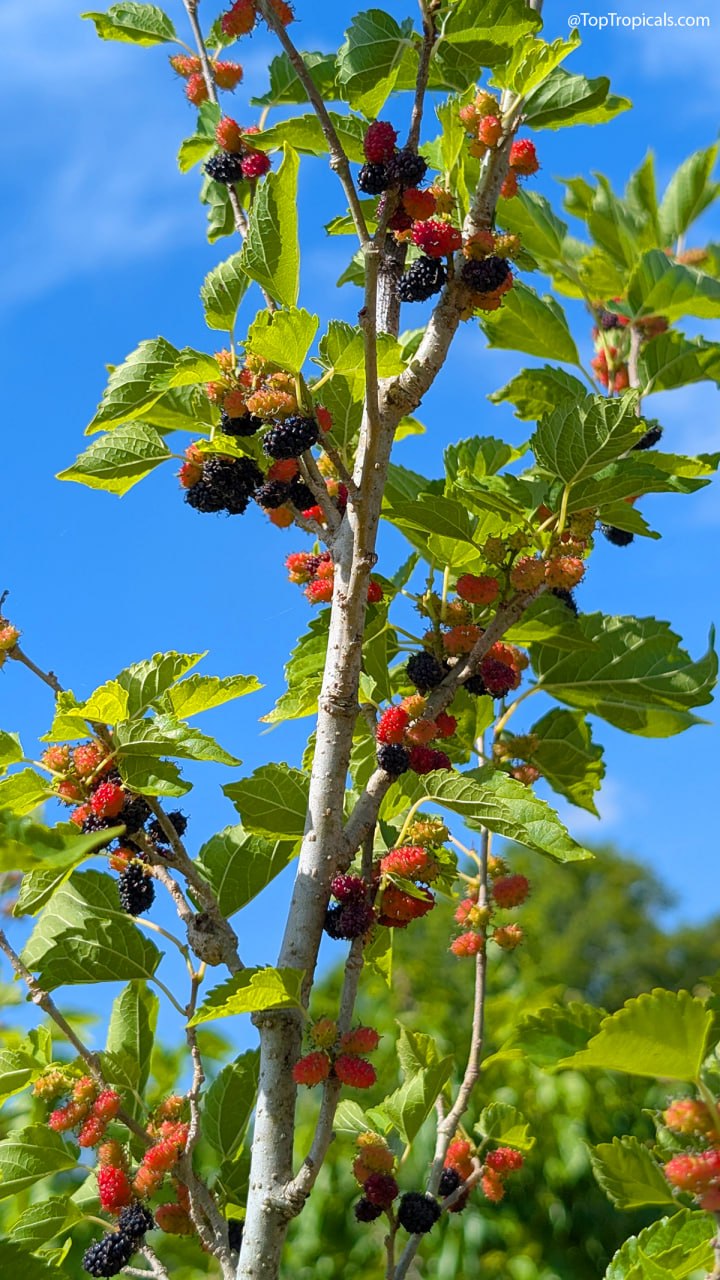
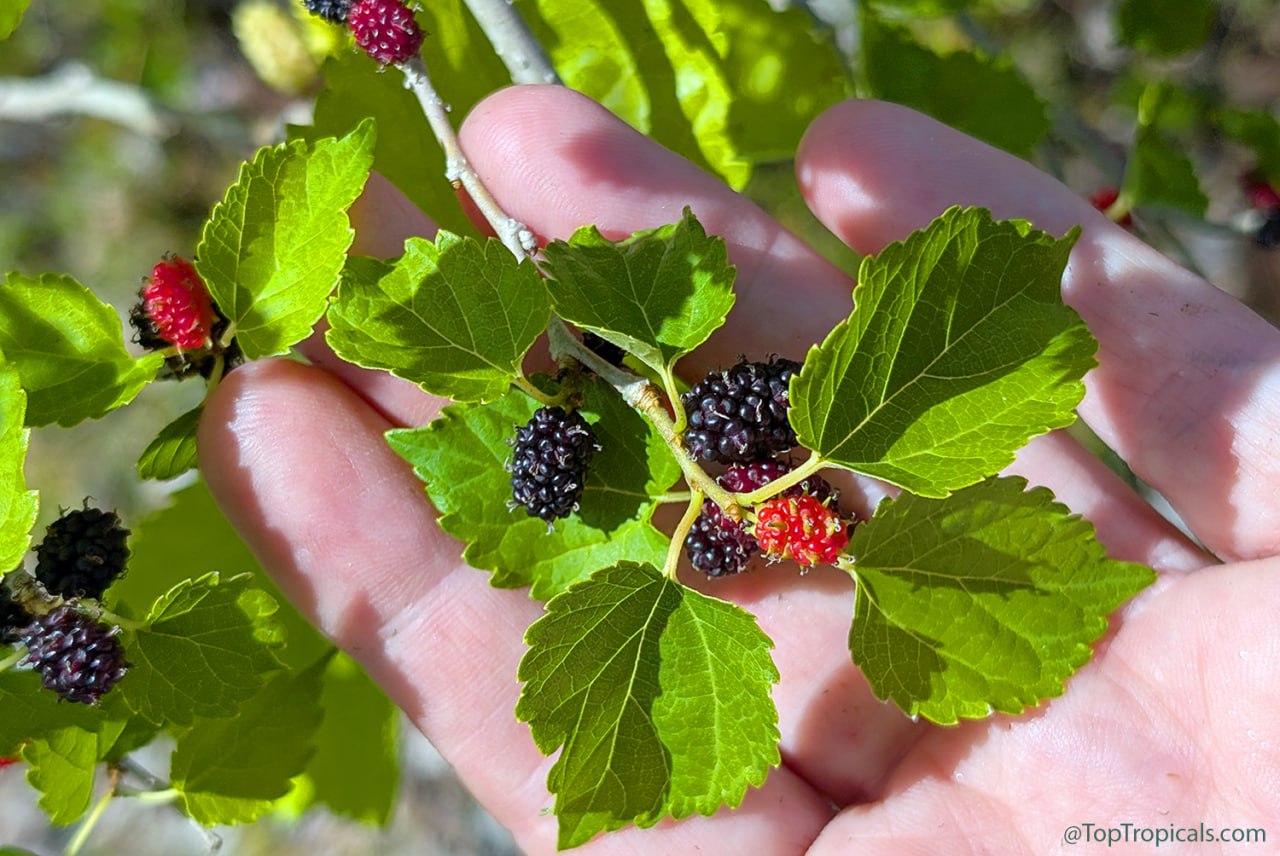
are famously bulletproof, handling intense heat and pumping out massive crops with little care. But May is the month that decides it all. Right now, they are pouring energy into fruit development. A few simple mistakes this month can quietly sabotage your harvest.
Fortunately, maximizing your crop is easy if you follow these five simple rules:
1. The Deep Soak Rule
While established mulberries
Paper Mulberry Plant Facts
Broussonetia papyrifera, Morus papyrifera Paper Mulberry
USDA Zone: 9-11
tolerate drought, moisture stress causes them to drop young berries early. Drop the sprinkler—frequent, shallow watering only wets the surface. Instead, give the tree a slow, deep soak that penetrates the root zone. Check the soil two inches down; if it’s dry, water thoroughly.
2. Lock it in with Mulch
Late spring heat evaporates soil moisture fast. Apply a 2-to-4-inch layer of pine bark or compost to keep roots cool and suppress weeds. Crucial rule: Leave a 4-inch gap around the base of the trunk. Piling mulch against the bark traps moisture and invites devastating fungal rot.
3. Don't Over-Fertilize
Mulberries
Paper Mulberry Plant Facts
Broussonetia papyrifera, Morus papyrifera Paper Mulberry
USDA Zone: 9-11
are naturally vigorous. If you feed them this month, use a balanced, slow-release organic plant food. Avoid high-nitrogen fertilizers. Excess nitrogen triggers a massive explosion of green leaves, causing the tree to completely forget to grow fruit.
4. Put the Pruning Shears Away
Heavy spring pruning clips off active fruiting wood and decimates your harvest. Mulberries
Paper Mulberry Plant Facts
Broussonetia papyrifera, Morus papyrifera Paper Mulberry
USDA Zone: 9-11
are also notorious "bleeders" - cutting now causes them to lose significant sap, stressing the tree during fruit set. Only remove dead or damaged wood. Save major shaping for winter dormancy.
5. Exploit the Softwood Cuttings Window
Want more trees? May is prime time for softwood cuttings. Cut a few 6-inch flexible green stems, strip the lower leaves, dip in rooting hormone, and tuck into moist potting mix in partial shade. They root incredibly fast! 🛒 Choose from Mulberry varieties
How to make lots of Insulin Ginger plants quickly and get more health benefits
Costus igneus (Chamaecostus cuspidatus) - Fiery Costus or Spiral Flag
💚 How to make lots of Insulin Ginger plants quickly and get more health benefits
Costus igneus (Chamaecostus cuspidatus) - Fiery Costus or Spiral Flag is believed to help lower blood glucose levels naturally and managing diabetes.
Have you heard of Insulin Ginger? Everyone wants to have it in the garden!
Gardeners in India grow it not just for its pretty spiral leaves, but for what those leaves do. People with diabetes often chew them fresh or brew them into tea, saying it helps keep their blood sugar under control.
Researchers have found something interesting: the leaves contain an insulin-like compound, along with antioxidants and anti-inflammatory properties. In animal studies, extracts from the plant lowered blood sugar, protected the liver and kidneys, and even made the body more sensitive to insulin.
The way folks use it is simple. You can chew a leaf right off the plant, steep dried leaves for tea, or find it in powders and capsules. It's one of those plants that shows how tradition and science sometimes meet in the garden.
Its lush, turmeric-like leaves spiral around upright stems, with a glossy dark green top and a striking light purple underside. In warm months, it produces bright orange, cone-like flowers that stand out beautifully in the garden.
Beyond its beauty and natural insulin effects, the insulin plant is credited with aiding digestion, reducing cholesterol, boosting energy, improving skin health, supporting weight loss, relieving stress, and promoting heart wellness. A real botanical multitasker!
🎥 In this video, we’ll show you how to multiply Insulin Ginger fast, so you’ll have plenty of plants for yourself and even extras to share with friends and family.
✅ Don’t forget to use Green Magic fertilizer for the best results. Gingers absolutely love this plant food - they thrive on it and respond better than any other plant, with vigorous growth, lush foliage and loads of leaves you’ll need for all the benefits.
🌸 A compact marvel of nature that redefines beauty in small spaces, this exquisite hybrid of the Pink Silk Floss Tree (Ceiba speciosa) grows to a manageable height of just 8-12 feet, making it perfect for small yards or container gardening.
In bloom, the tree is a spectacle: nearly leafless, with its crown exploding into tens of thousands of pink flowers, creating a vibrant, colorful mass.
🌸 Its spreading crown and profusion of blossoms make it a showstopper, proving that you don’t need a giant tree to make a big impact.