Garden Blog - Top Tropicals

Date: 11 Oct 2019

Fun of growing your own Pepper
By Onika Amell, tropical plant specialist

Q: Can you grow your own black pepper plants in the USA?

A: Who does not love the smell of freshly ground pepper, especially that lovely combination of white, green, black and red peppercorns, which are so much more interesting than just plain black corns. Yes, you can absolutely grow your own pepper! Peppercorns come from the plant Piper nigrum.

Growing Pepper Plant

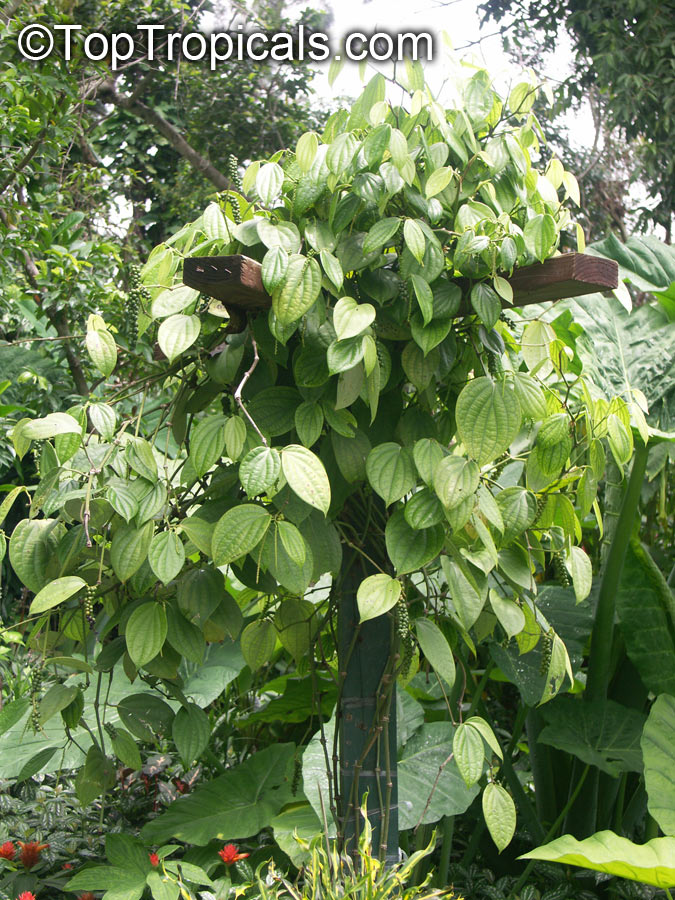
Black pepper plants are actually vigorous vines, although they are pretty slow growing and can be kept in a pot as a compact plant. But they will need a strong support to climb over. Indoors, you can provide this support by installing a trellis in a large pot. Some gardeners prefer to grow them as a hanging plant instead. In warm climates, you can plant them directly outdoors in a protected location with partial shade. These plants need rich, moist, well-draining soil and warm, humid conditions. Peppers do not like temperatures below sixty degrees, although they can survive some cold spells. It is very important to bring these plants indoors or wrap them in a blanket if colder weather arrives.
If you live in colder parts of the country, you can certainly grow peppercorns in large pots. Grow them outdoors during the summer and move them indoors during the winter, or grow them year-round in your greenhouse. Houseplants will need bright light and consistent moisture. Spray the leaves regularly with a bottle of water to increase humidity. Do not allow room temperatures to fall below sixty degrees.
Besides the benefit of being able to grow your own gourmet pepper corns, the foliage, as well as the flowers on this plant, are beautiful in its own right. Off-white flowers appear from spring through summer, followed by slow fruit production. The berries will appear on spikes, with 50 to 60 berries per spike.

Fertilize this vine in the spring before new vigorous growth emerges. We recommend:
Tropical Greenhouse Plus - Plant Booster
Tropical Allure - Smart-Release Booster

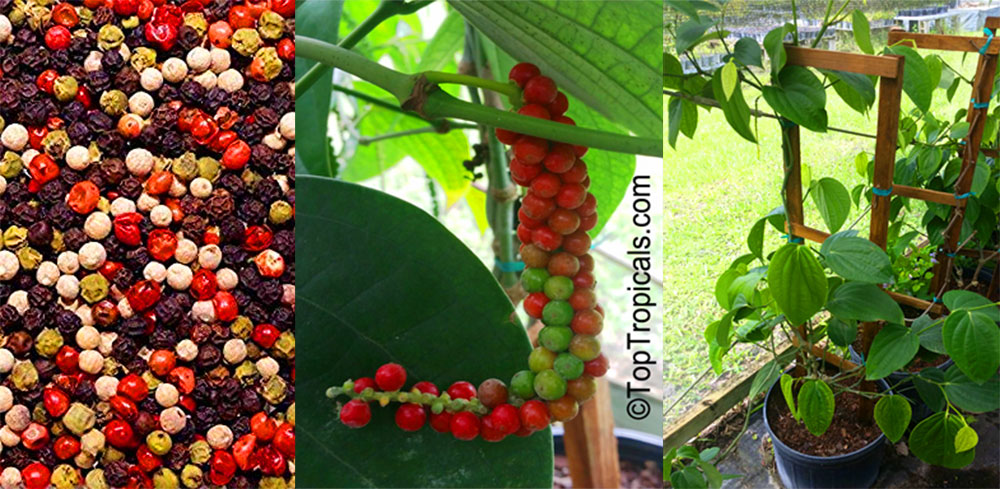
You may be surprised to learn that black, white, green and red peppercorns are all the same seed on the same plant in the various stages of development and processing.

Black peppercorns are the most familiar and come from the corns that have reached their full size but are still green and not quite ripe. They are picked and allowed to dry in the sun. Enzymes in the berries cause the skin to turn black during the drying process. They are the strongest in flavor.

White peppercorns are the mature berries that ripen to a red color before being picked. After harvesting, they are soaked and rubbed free of the outer skin down to the smooth white underlayer, then dried and bleached by the sun. They are slightly milder than black pepper.

Green peppercorns are the unripe peppercorns picked at the same stage of ripeness as black peppercorns, but not allowed to dry. They can be pickled in vinegar or brine. They are the least pungent.

Red peppercorns are the mature, but unshelled version of the peppercorn. One can usually find them in some gourmet and health food stores. They can be quite expensive.

Ground pepper will only stay fresh for about three months, but peppercorns will last indefinitely. To make the most of your pepper harvest, store the peppercorns in an airtight container in a cool, dark location. Grind them immediately before use for the best flavor.
There is nothing like freshly ground black pepper simply combined with a good quality olive oil and a splash of balsamic vinegar. This makes a wonderful dipping sauce for fresh bread. Simple, yet elegant. All the better if the pepper was grown in your very own garden!

Date: 17 Sep 2025

🍇Mulberries – the hidden gems of every garden

Picture this: it’s July, the sun is warm, and you step outside to a tree dripping with berries. You reach up, and your fingers come away stained purple. The taste? Like blackberries kissed with raspberry — sweet, juicy, unforgettable.

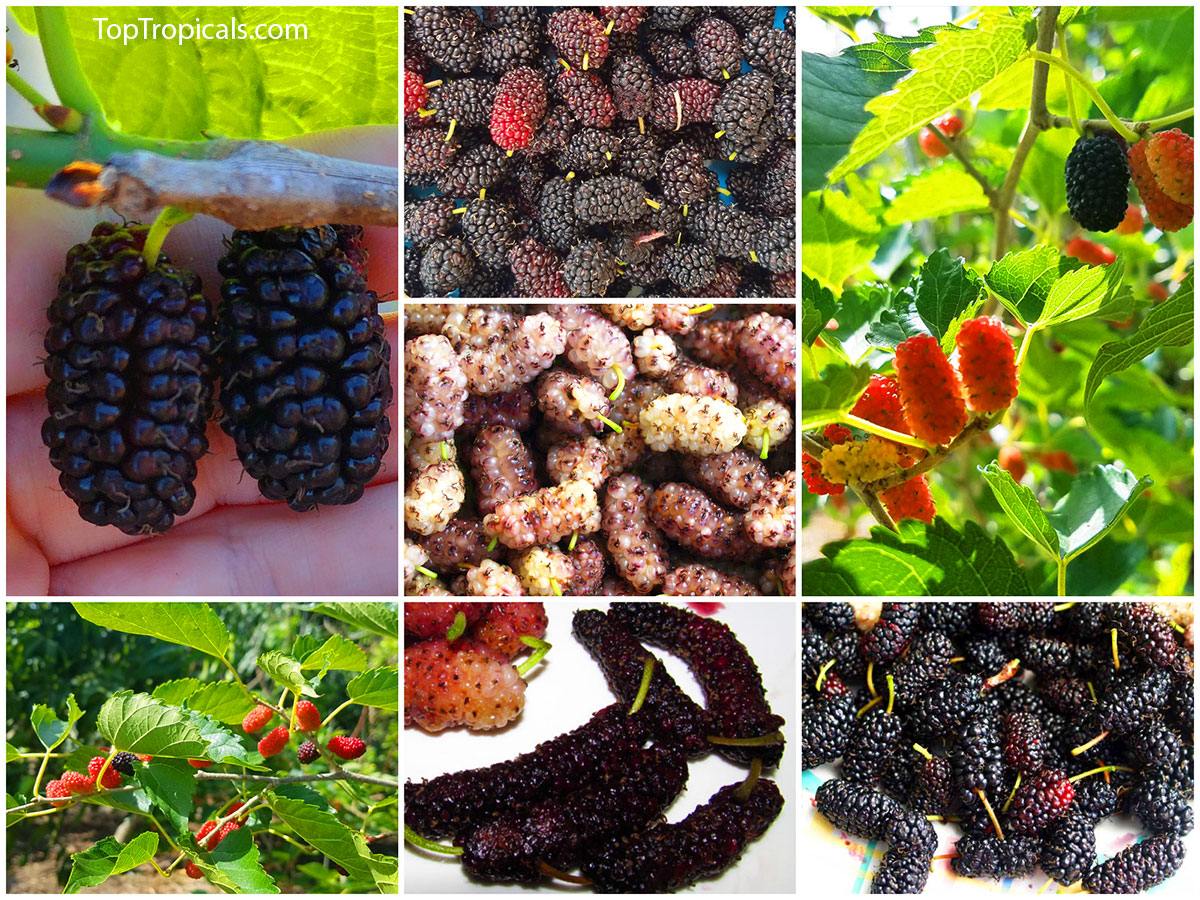
Collage  of  mulberry  varieties  -  Illinois  Everbearing,  Dwarf 
 Everbearing,  Shangri-LA,  White  Mulberry,  Pakistani  Giant,  Issai,  Florida 
 Giant

That’s what a Mulberry gives you. And the best part? You don’t wait years. Many trees fruit the very next season. Dwarf types can even fruit nearly year-round in pots — fresh berries on your patio, without leaving home.

🌟 Varieties gardeners swear by:

Collage  of  mulberry  varieties  -  Illinois  Everbearing,  Dwarf 
 Everbearing,  Shangri-LA,  White  Mulberry,  Pakistani  Giant,  Issai,  Florida 
 Giant

In the photo above: mulberry varieties - Illinois Everbearing, Dwarf Everbearing, Shangri-LA, White Mulberry, Pakistani Giant, Issai, Florida Giant

Mulberries aren’t just delicious — they’re loaded with antioxidants, help balance blood sugar, and make your garden come alive with birds and shade. Don’t wait another season. Plant your Mulberry now and taste the difference by next summer.

Watch short videos:

💲 Special Offer – 20% off Mulberry Trees!

Get 20% OFF already discounted Mulberry Trees with code

MULBERRY2025

Min order $100. Excluding S/H, valid online only, cannot be combined with other offers.

Hurry, offer expires September 23, 2025!

👉 Shop Mulberry Trees

Date: 19 Jul 2022

New video: Royal Poinciana
The most beautiful tropical shade tree

"The Royal Poinciana is one of the most spectacular flowering trees in the USA, and probably among the top 10 on this planet. In full bloom, it is like a regal elephant caparisoned in red and yellow brilliance." (Larry M. Schokman, The Kampong, National Tropical Botanic Garden)
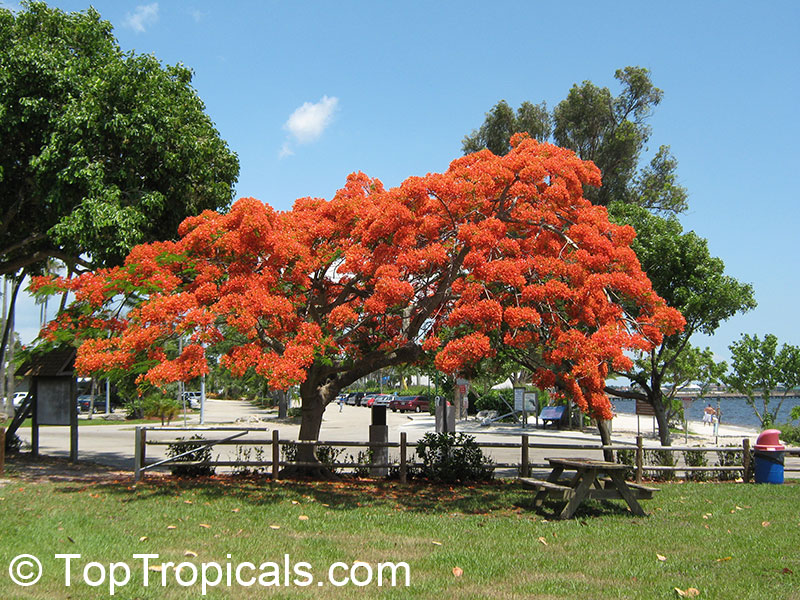
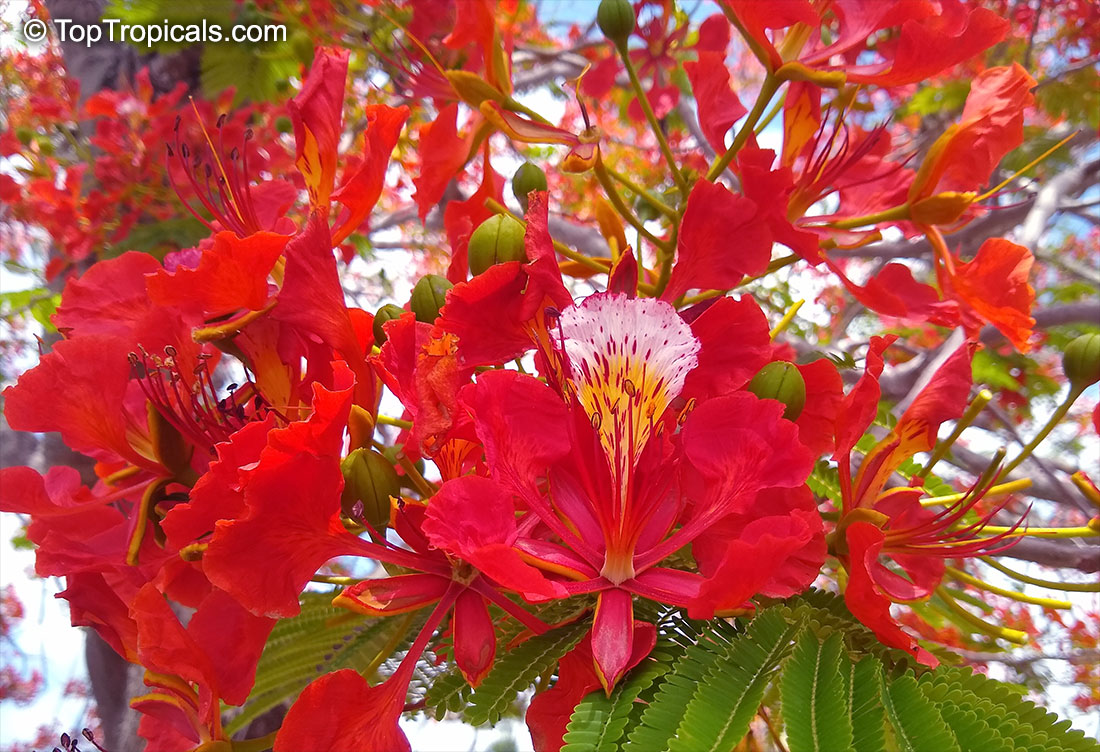
One of the most conspicuous flowering trees seen in the tropics, Royal poinciana (Delonix regia) has bright fiery red/orange blossoms cover its mimosa type leaves which close up and go to sleep for the night. This large tree, which naturally assumes a spreading umbrella shape, is now found in gardens, parks, and planted along streets throughout the tropics. In late spring, as the new leaves appear, the tree is covered with masses of five-petalled red flowers resembling orchid flowers. Blooming is followed by long, flattened, leathery dark brown or black seed pods. Delonix requires full sun and adequate space to take its characteristic form....
Read Article about this tree.

Royal  Poinciana  tree

Subscribe to our Channel:

Stay updated with TopTropicals Videos by subscribing to our channel at YouTube.com/TopTropicals and get our latest video news of what is fruiting and blooming!

Royal  Poinciana  tree  flowers

Date: 17 Jan 2026

Ti plant leaf color meaning

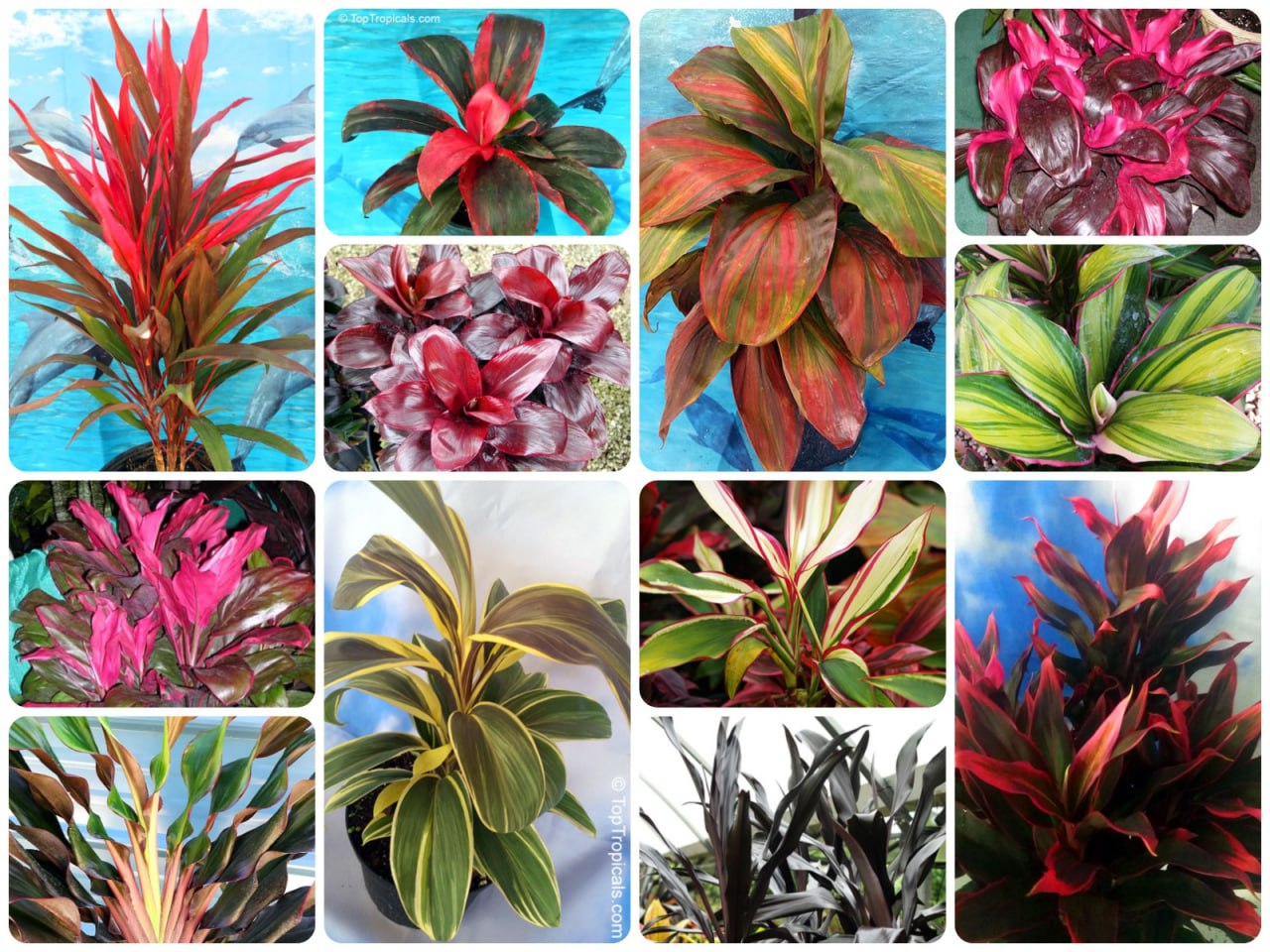
Hawaiian Ti plant (Cordyline fruticosa)

Hawaiian Ti plant (Cordyline fruticosa)

🌈 Ti plant leaf color meaning


The Hawaiian Ti plant (Cordyline fruticosa) is more than just a colorful tropical accent. Across Polynesian, Hawaiian, and Southeast Asian cultures, the color of ti plant leaves has long been associated with different meanings, moods, and uses - both symbolic and practical.
  • 🌈 Green leaves
  • Green ti plants are linked to peace, balance, and steady growth. Traditionally, they were planted around homes for protection and good fortune. In the garden, green varieties are usually the toughest and most shade-tolerant.
  • 🌈 Red and deep burgundy leaves
  • Red ti plants are associated with strength, power, and protection. In Hawaiian tradition, red ti leaves were believed to ward off negative energy and were often used in ceremonies. Garden-wise, deeper reds usually mean more sun exposure and stronger pigmentation.
  • 🌈 Pink, magenta, and multicolor leaves
  • These colorful ti plants symbolize joy, celebration, and creativity. They are often used as ornamental focal points and in festive plantings. Variegated and pink types tend to prefer brighter light to keep their colors sharp.
  • 🌈 Purple and dark-toned leaves
  • Purple ti plants are linked to mystery, spirituality, and transformation. Their dramatic color comes from high anthocyanin levels and usually intensifies in bright light with good nutrition.
  • 🌈 Yellow or light variegation
  • Yellow tones often represent optimism and new beginnings. Plants with lighter variegation may grow a bit slower and need protection from harsh sun, but they add a softer contrast in tropical landscapes.
  • 🌈 One practical note
Leaf color is influenced not just by variety, but also by light, temperature, and nutrition. Fading color usually means too little light or depleted soil, while rich, bold tones signal a happy plant.

Ti plant colors tell a story - part cultural tradition, part plant health, and part personal style in your garden.

🛒 Ti plants rainbow: collect them all

📚 Learn more:


#Container_Garden #Hedges_with_benefits #Shade_Garden #Discover #Horoscope

🟢 Join 👉 TopTropicals

Date: 8 Feb 2026

How to grow Chinese Hat Flower

Holmskioldia sanguinea - Chinese Hat Flower

🎩 How to grow Chinese Hat Flower - when winter colors most needed

  • The Holmskioldia sanguinea, better known as the Chinese Hat Flower, gets its name honestly. Each bloom looks like a tiny hat or parasol - a little tube backed by a flat, round disc. Once you notice it, you cannot unsee it!
  • What really makes this plant special is when it blooms. While most gardens slow down, Chinese Hat Flower kicks into gear from winter through early spring. The branches fill with flowers first, and the leaves follow later. It is one of those plants that quietly steals the show when everything else is taking a break.
  • More than one color


    Most people know the classic red form, but there are several color varieties worth mentioning:

🔴 Red - the most common and bold
🟡 Yellow - Holmskioldia citrina, bright and cheerful, harder to find
🟠 Bronze / orange-bronze - warm tones that glow in winter light
Having different colors makes it easy to mix them or use just one as a winter focal point.
  • How it grows and where it works best


    Chinese Hat Flower is a fast-growing, scrambling shrub. It is not stiff or formal. Think loose, graceful branches that like support. It does great when trained on:

· Trellises
  • · Fences
  • · Arbors
  • · Large containers with a support
  • · You can also let it grow as a free-form shrub and lightly prune to keep it tidy.


Care, the practical version

  • · Light: Full sun to light shade
  • · Water: Regular watering, especially while establishing
  • · Soil: Well-drained, not picky
  • · Pruning: After flowering to shape and encourage new growth
Once established, it is easygoing and forgiving.

Bonus points

  • · Blooms when the garden needs color most
  • · Attracts butterflies and hummingbirds
  • · Works as a flowering screen or accent plant
  • · Looks tropical without being high-maintenance

If you like plants that earn their space and do something interesting in winter, Chinese Hat Flower is one to keep in your garden.

🛒 Explore varieties of winter-blooming Chinese Hats

📚 Learn more:


#Butterfly_Plants #How_to #Hedges_with_benefits

🟢 Join 👉 TopTropicals