Garden Blog - Top Tropicals

Date: 5 May 2025

🎀 Five plant gifts she'll love this Mother's Day

Q: My mother loves gardening and I am thinking to buy her a live plant to make her happy. What plant do you recommend?

A: At Top Tropicals, we have a big selection of wonderful gift plants . Below are a few suggestions for you, these plants are large, developed and ready to bloom or fruit!

1. Joy Perfume Tree
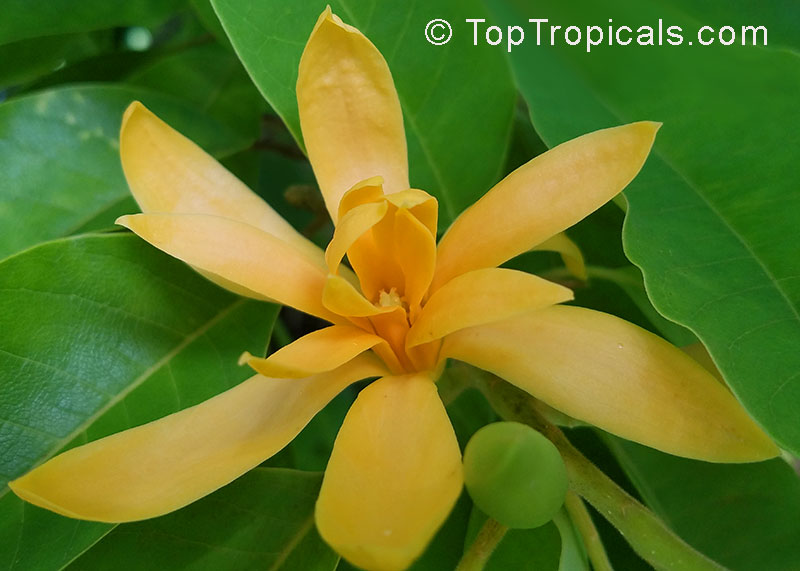
Magnolia  (Michelia)  champaca,  Joy  Perfume  Tree,  Champaka

The Champaka or Joy Perfume Tree (Magnolia champaca) - is a top choice for Southern landscapes, prized for its striking columnar shape and fragrant, fruity bubble gum-scented blooms - you won't be able to stop sticking your nose in this flower! A signature plant at Top Tropicals, it's known for producing the world's most expensive perfume, Joy. The Joy Perfume Tree blooms on and off year-round and is currently in full bloom at our farm in Sebring, FL, filling the air around with fantastic sweet scent. This tree thrives in both pots and the ground, growing bushy and full as it matures. At Top Tropicals, we have beautiful Champaka trees in all sizes, from 3-4 ft tall (ready to bloom in a year) to 6-10 ft tall (already bloomed) for local pick up or delivery.
Learn more, with a short video.

2. Tropical Raspberry Mysore
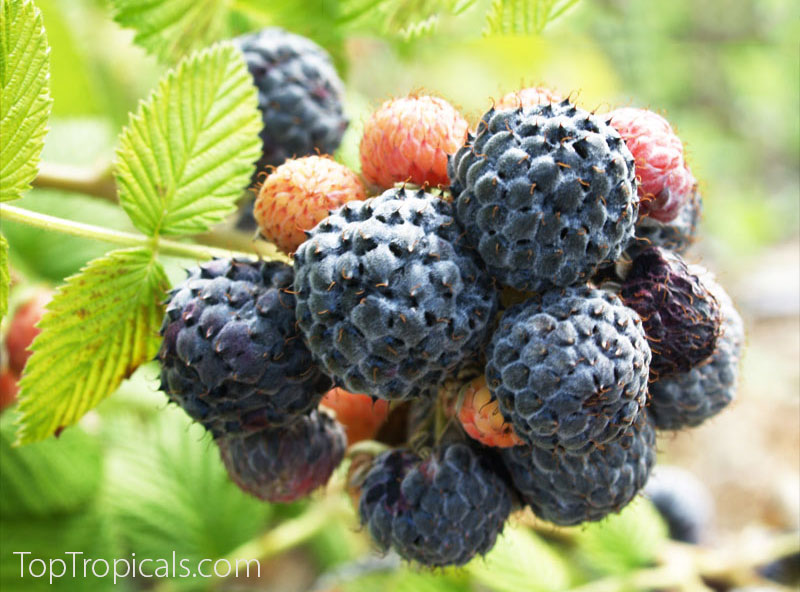
Raspberry  Mysore  Tropical,  Rubus  albescens  (niveus)

Tropical Raspberry Mysore (Rubus albescens) - is the perfect solution for those missing Northern fruit in hot climates. Unlike traditional raspberries that can't handle the heat, this fast-growing Raspberry from India thrives in humid, hot conditions and produces juicy, sweet fruit almost year-round! The clusters of purple-black fruit are packed with flavor, and the plant is perfect for large containers, producing plenty of fruit in no time. Cold-hardy to the upper 20s F, it's an easy-to-grow, fast producer. We have beautiful, fruit-ready 3 gal Raspberry bushes, ready to add a burst of sweetness to your garden!
Learn more, with a short video.

3. Fragrant Jasmine Sambac
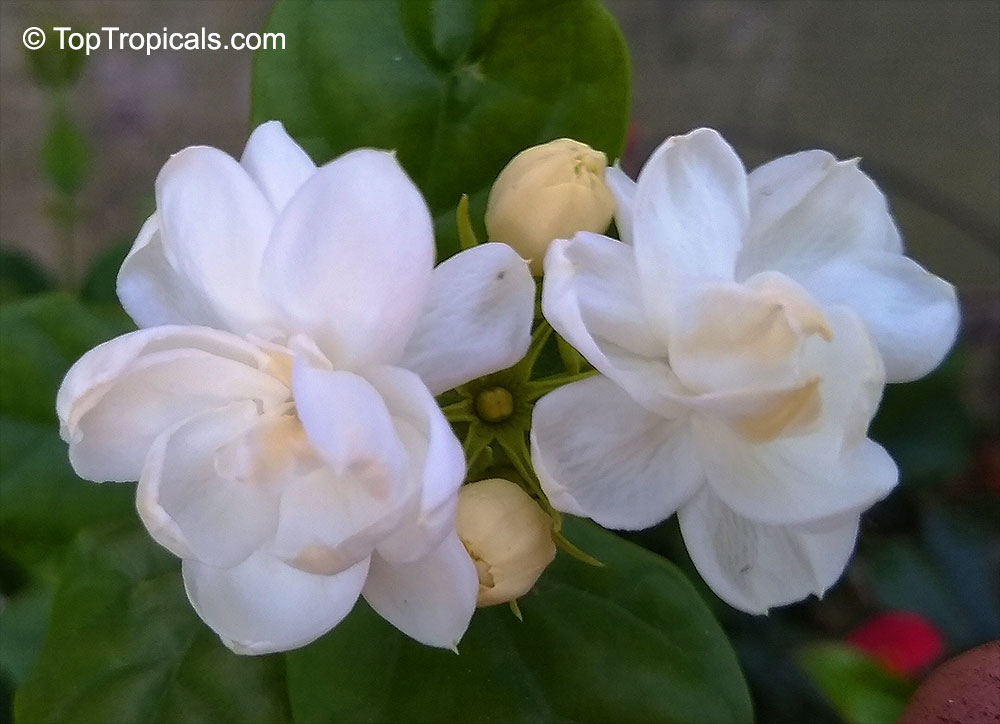
Jasminum 
 sambac

Jasminum Sambac is widely regarded as the most fragrant jasmine, cherished by tropical gardeners and plant collectors alike. Native to India, this jasmine is the source of jasmine perfume oil and the signature ingredient in jasmine tea. With various varieties offering unique flower sizes, shapes, and growth habits, it’' perfect for both sun and shade, thriving as a container plant or indoor favorite. Its delightful fragrance fills the air, and with the help of Sunshine Pikake plant booster, you can enjoy even more blooms. Jasmine Sambac, along with Champaka, is another signature plant of Top Tropicals. Through the decades, we've collected all the available varieties in cultivation - check them out!
Learn more about Jasmine Sambac varieties, with a short video.

4. Everbearing mulberry
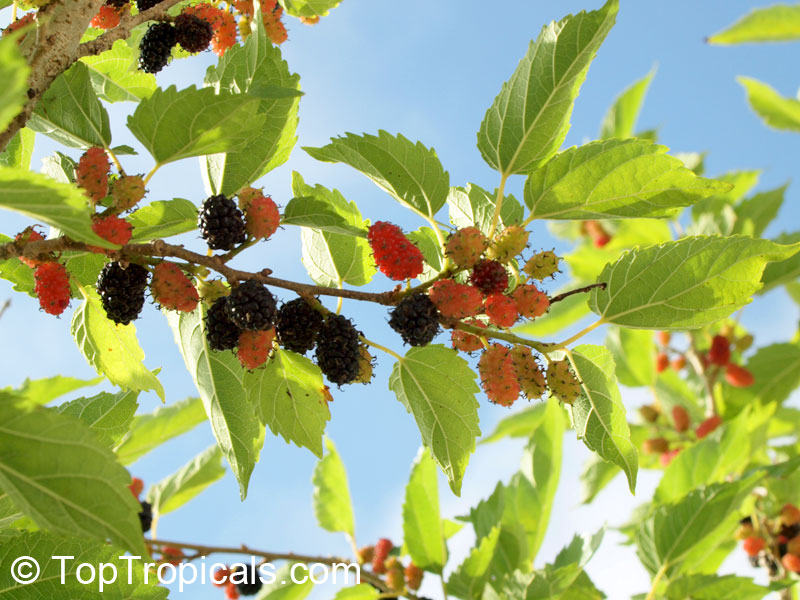
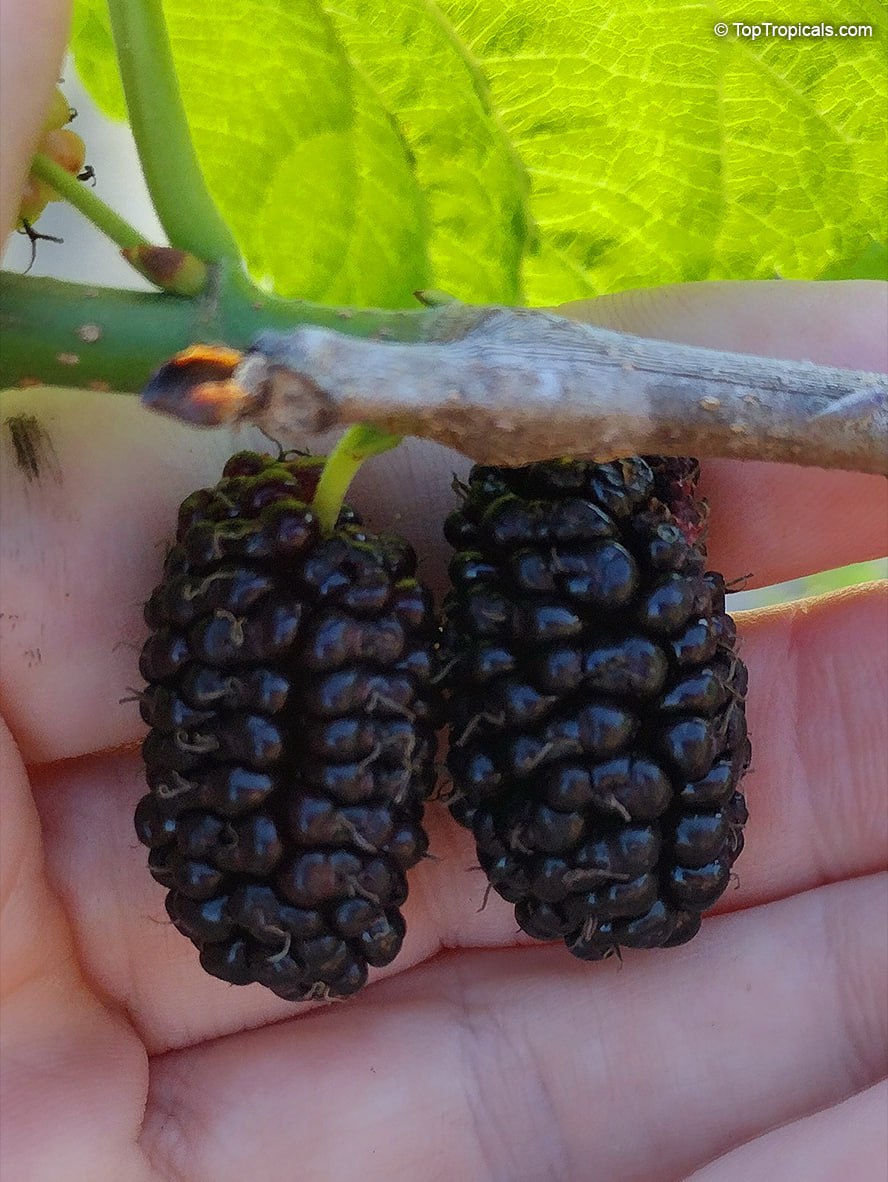
Mulberry  tree  Dwarf  Everbearing  (Morus 
 sp.)

The Dwarf Everbearing Mulberry (Morus sp.) - is the perfect way to enjoy fruit year-round! This beautiful, cold hardy bush produces sweet, juicy mulberries starting from the very first year - often the same season you plant it. With its dwarf habit (easily maintained at 4-6 ft), it's perfect for containers and small spaces. Cold-hardy and drought-resistant, this productive plant thrives in various climates, from USDA zones 5 to 10! The fast-growing Mulberry will provide fruit year-round, and with minimal care, it will flourish in almost any soil. Our Everbearing Mulberry bushes produce enough fruit for both birds and breakfast - we pick a handful every day!
Learn more, with a short video.

5. Medinilla Coral Spike
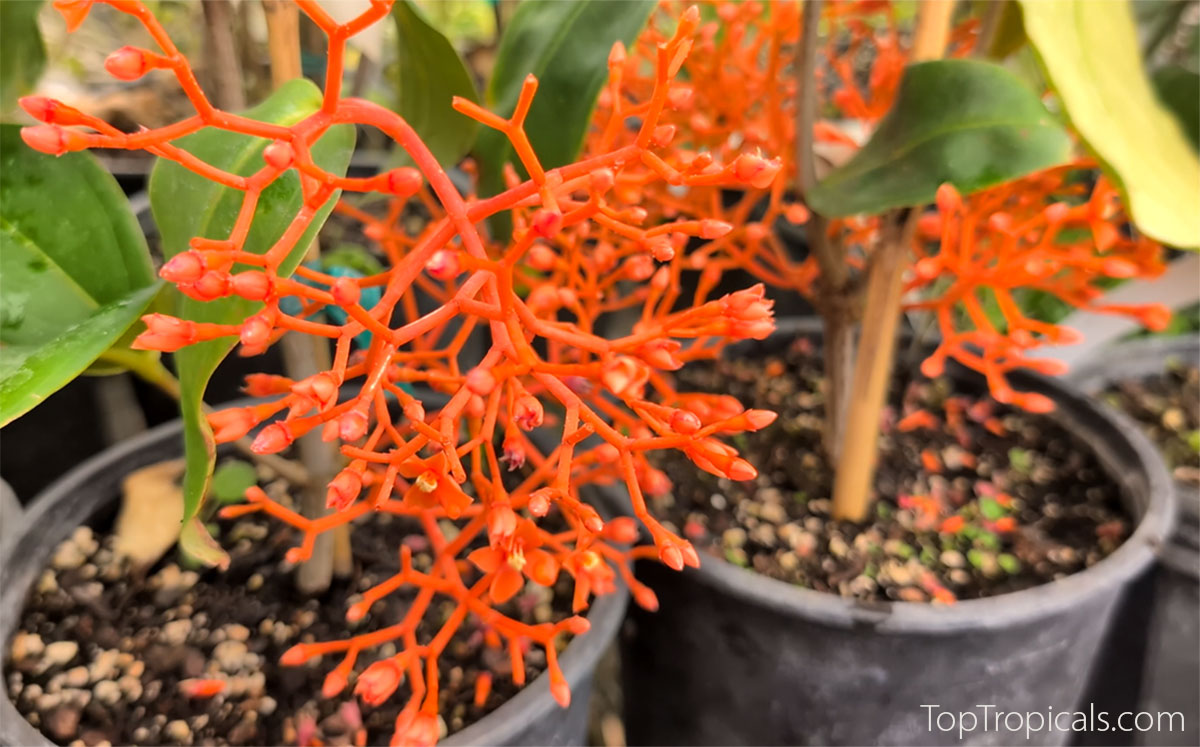
Medinilla  scortechinii  -  Orange  Coral  Spike

Rare Medinilla scortechinii - Orange Coral Spike - is a rare gem that brings a touch of the ocean to your garden! With bright orange stems bursting into star-shaped blooms, it looks like something straight from a coral reef. Compact and easy to grow, this plant stays under 2-3 ft tall, making it perfect for pots, hanging baskets, or as an epiphytic accent. The glossy dark leaves contrast beautifully with the vibrant orange panicles, and it thrives in bright shade. A must-have for collectors of unusual tropical plants, this coral spike adds a bold pop of orange wherever it grows - but hurry, it doesn't stay in stock for long!
Learn more, with a short video.

Date: 11 May 2023

The Wonderful World of Tamarind:
from Planting to Plating

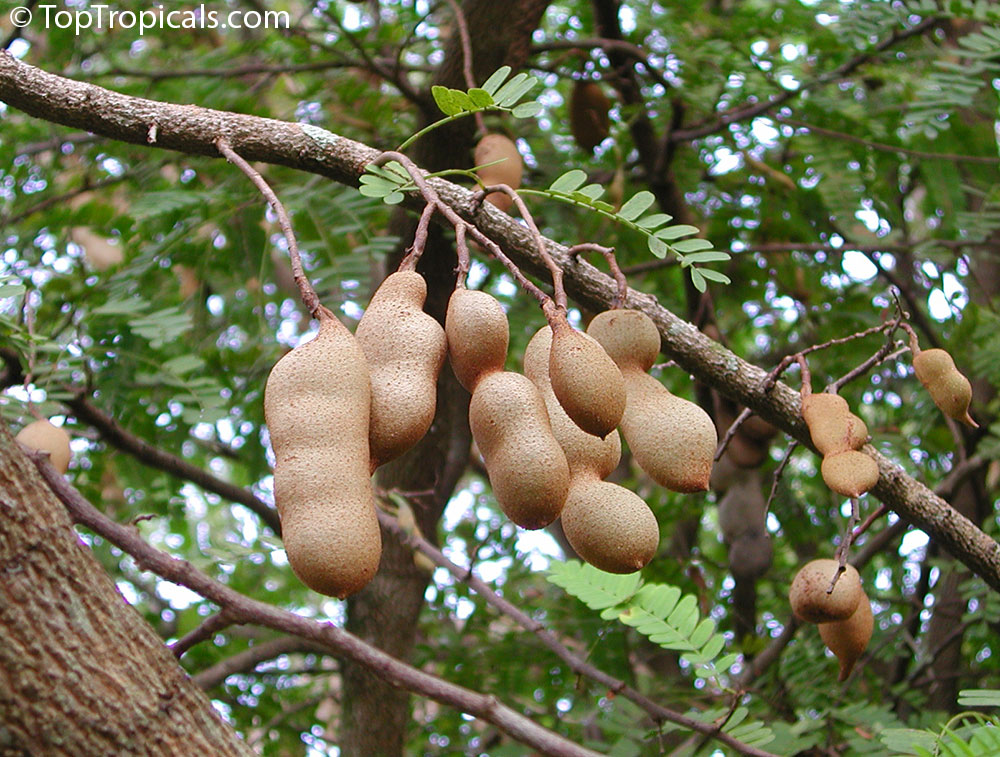
Tamarind  tree

Q: I use a lot of tamarind in my cooking. Can I grow my own Tamarind fruit? Can Tamarind tree grow in North Florida? Will Tamarind grow well outside or should I keep it in a pot?

A: Originating from tropical Africa, the Tamarind - Tamarindus indica - is a tropical tree that is highly appreciated for its ornamental beauty, delightful shade, and soft texture.

Tamarind is a highly valued culinary ingredient, with its tangy and sweet-sour flavor profile making it a popular addition to many dishes. It is frequently used in South Asian, Latin American, Caribbean, and African cuisines to add a touch of acidity and sweetness. Tamarind paste, made from the fruit's pulp, is a key ingredient in Worcestershire sauce, tamarind chutney, and many curry dishes. The seeds, when roasted and ground, can be used as a coffee substitute or as a thickening agent in sauces and stews....

Tamarind tree is prized for its versatile fruits and numerous health benefits. The tree can be grown outside in warm climates, as well as in pots and indoors... even as bonsai!
CONTINUE READING >>

Tamarind  fruit

Date: 25 Feb 2021

Healthy Plants: Q&A from Mr Booster

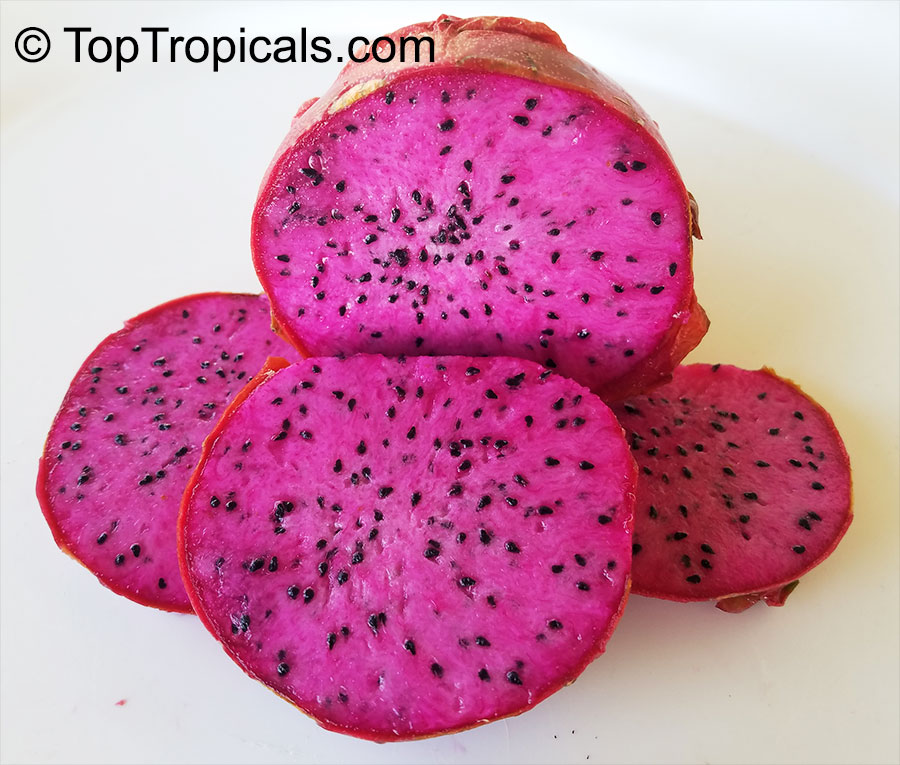
Dragon Fruit Magic Tricks

Q: I purchased two sweet red pitayas, that arrived and were planted on May 28, 2020, they were damaged but not serious. my question is this one pitaya is a beautiful green, and has grown 6or 8 "already, the other is bigger and is a grayish green and has not shown any sign of growth at all in six weeks, how long do I wait before I throw it out and buy another?

A: Being a cactus, sometimes Pitaya slows down its growth waiting for more favorable conditions. If one of your plants doesn't show any new growth, just give a it some more time and make sure the plant stays happy. To make pitaya happy, provide the following:
- Water. Unlike most cacti, Pitaya prefers regular watering (but not a wet soil). Make sure it is planted in well-drained media. Do not water again if soil remains moist, wait until it dries out on the surface. During hot weather, Pitaya enjoys light daily watering.
- Light. Unlike most cacti, Pitaya benefits from a filtered light especially while establishing. Try to create a temporary shade over the plant until it starts active growth (if grown in the ground), or move the pot in filtered light. Dull color or dry spots are signs of sun burn. Once the plant shows new growth, you may remove sun protection, or move the pot gradually into the full sun.
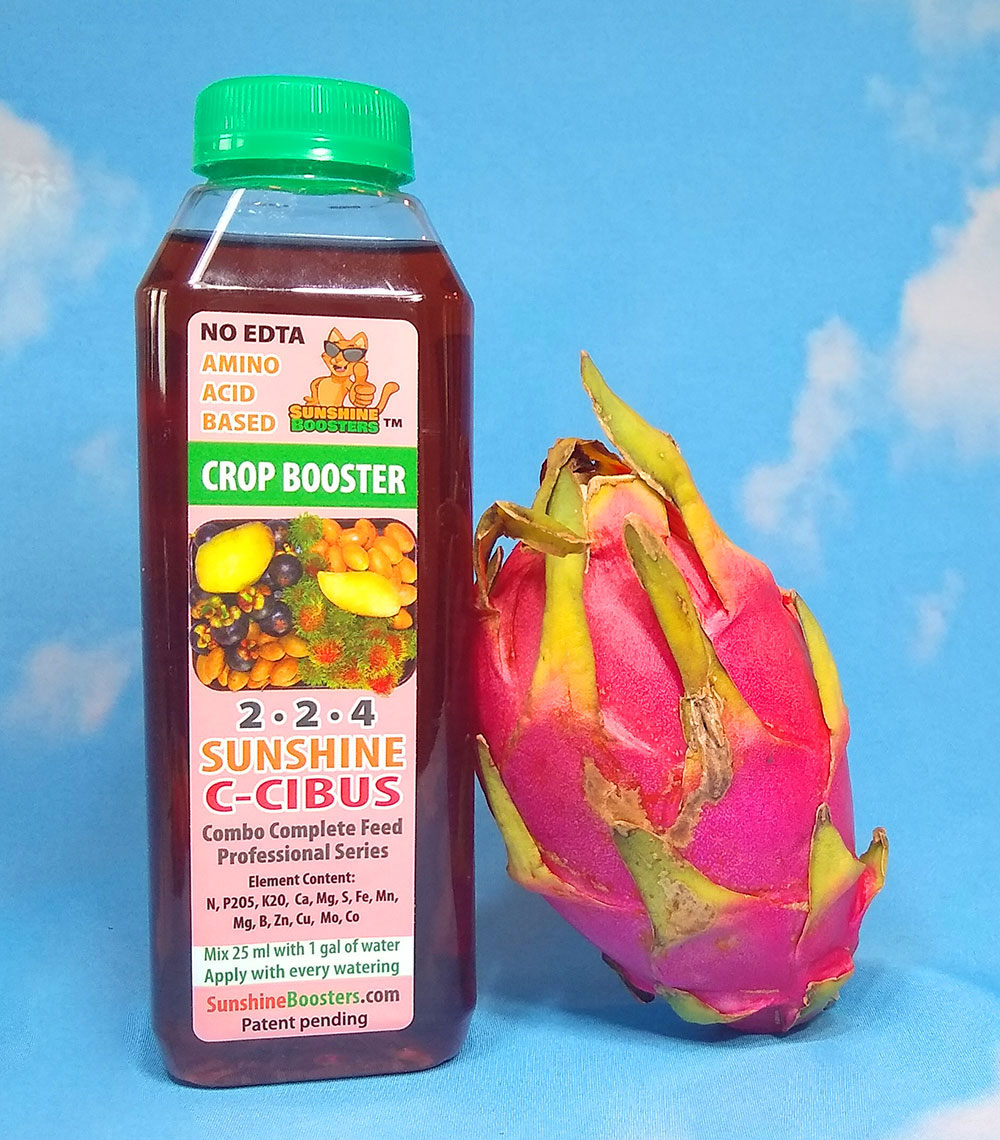
- Food. Pitayas are heavy feeders. Use the following fertilizer:
SUNSHINE C-Cibus - Crop Nutrition Booster

Q: I've been growing dragon fruit cuttings from Okinawa, Thailand and Vietnam for several years in pots and cannot get them to fruit. Any fertilizer suggestions? I live in Northern Virginia so I bring the massive pots in the garage under lights and a heater for the winter but back outside once the temperature warms up.

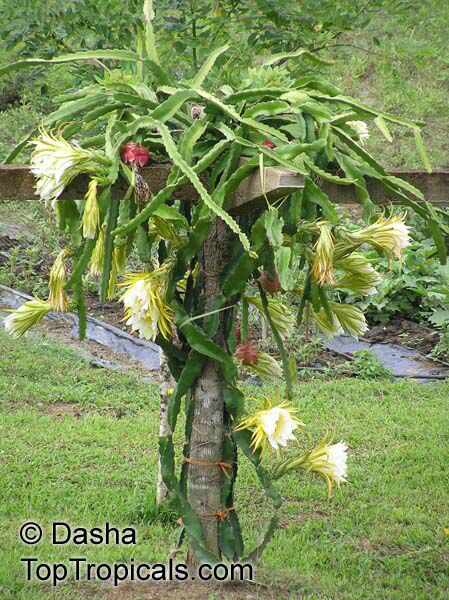
A: There is a little trick to get Dragon fruit to flowering and fruiting. This plant likes flowering when it is attached to a strong support. In commercial plantations, they use special trellises/frames made out of logs, but you can make one yourself using simple materials.
See article: Do-It-Yourself Support Structure for Dragon Fruit.
And of course, don't forget a special plant food for tropical fruit - Sunshine C-Cibus.
You can successfully get your Dragon fruits to fruit in pots, providing bright light in Summer. In Winter, keep the plants on a dry side to give them some rest and a chance to hibernate before the next fruiting season.

Date: 15 Jul 2024

How Mulberry fruit helps with diabetes

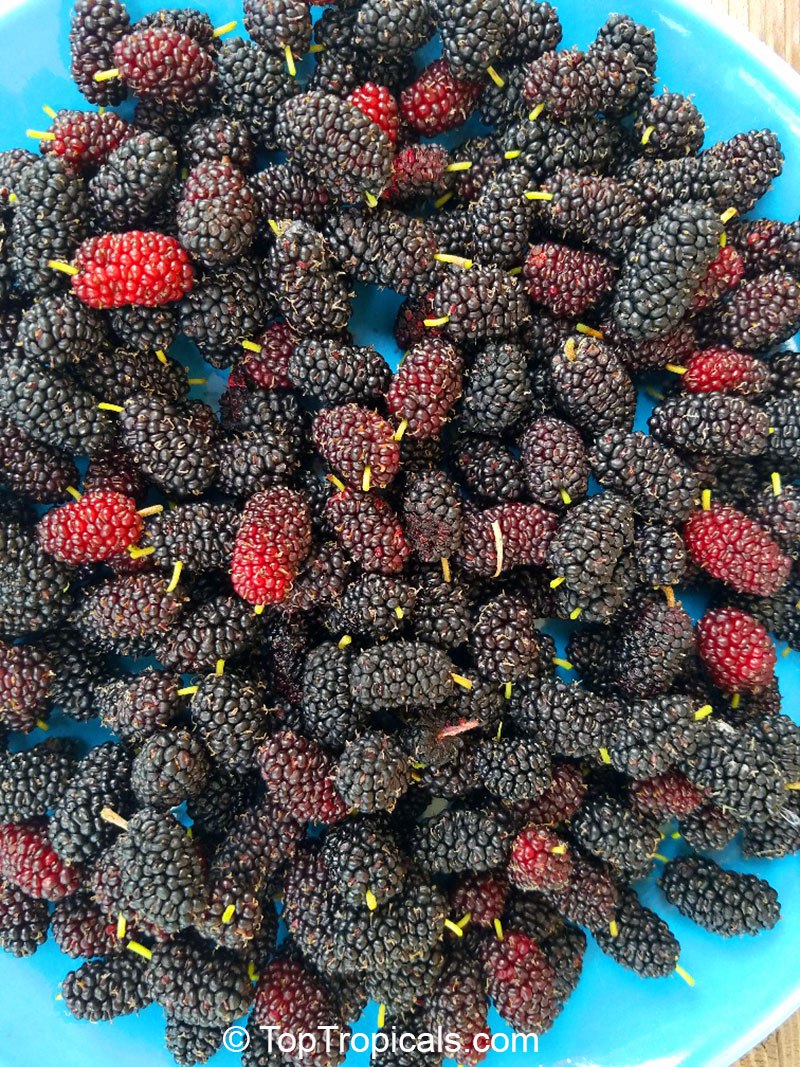
Fruit of Mulberry Tree (Morus x Alba hybrids)

Fruit of Mulberry Tree (Morus x Alba hybrids)

Mulberry fruit

Mulberry fruit

🍇 How Mulberry fruit helps with diabetes

  • 💜 Mulberry Tree (Morus x Alba hybrids) originated from China. Everyone knows this sweet, tasty, juicy fruit but very few people are aware of its amazing health benefits.
  • 💜 Mulberry fruit can lower blood sugar levels in patients with diabetes. They improve the absorption of carbohydrates in the gut. Eating this fruit slows the breakdown of sugar in the stomach so that it's absorbed more slowly into the blood. This helps the body keep blood sugar levels in a healthy range.
  • 💜 Mulberry fruit have a low glycaemic index, making them suitable to consume after meals to avoid spikes in sugar levels.
  • 💜 More health benefits of Mulberry:


    - help prevent fatty liver diseases, and lower cholesterol levels.
    - Mulberry leaves show their benefits against cardiometabolic risks, including antioxidative, anti-inflammatory, antiobesity
    - Due to flavonoids and other phytochemicals, Mulberry juice has been shown to have anti-cancer properties, specifically against breast cancer cells.
  • 💜 Mulberry is called Tree of Life for a reason.
  • Revelation 22, Verse 2: "In the midst of the street of it, and on either side of the river, was there the tree of life, which bare twelve manner of fruits, and yielded her fruit every month, and the leaves of the tree were for the healing of the nations."
  • 💜 Mulberry Tree is very cold hardy and can grow in wide range of climate zones, from USDA 5 to 10. Dwarf cultivars available - perfect for container culture. One of them is called Dwarf Everbearing - it fruits virtually year around!


🛒 Plant your own Mulberry tree

#Food_Forest #Remedies

🏵 TopTropicals

Date: 20 Jun 2024

The most luscious Hospitality Fruit

Pineapple plant (Ananas comosus)

🍍 The most luscious Hospitality Fruit


💥 Pineapple plant (Ananas comosus) produces a delicious fruit treat and is a fascinating plant to grow.
  • 🔻 King of fruits. Pineapple is often referred to as the "king of fruits" (along with Durian and Mango). It is cherished for its sweet and tangy taste, refreshing qualities, culinary uses, and health benefits, including high vitamin C content and digestive enzymes.
  • 🔻 Bromelain for healthy guts: pineapples contain an enzyme called bromelain that can break down proteins and is often used as a meat tenderizer. It's great for digestion; eat 1 slice of pineapple after every meal to maintain healthy digestive system.
  • 🔻 Single fruit per plant: each pineapple plant produces just one pineapple per year.
  • 🔻 Growth time: It takes about 18-24 months for a pineapple to mature and be ready for harvest.
  • 🔻 Symbol of Hospitality: in many cultures, pineapples are a symbol of hospitality and welcome.
  • 🔻 Those are berries! A pineapple is formed from many individual single fruit (technically, berries), which fuse together around the core.
  • 🔻 Cultivation. Pineapples are easy to grow. They need only a little water to thrive. Take full sun, shade, semi-shade. For faster production, fertilize with SUNSHINE boosters Ananas - Pineapple and Bromeliad Booster. Perfect container plant, can be grown indoors as a houseplant.
  • 🔻 Propagation: pineapples can be grown from the crown of the fruit. If you like the variety of the fruit you just ate, just cut the top off and plant it in potting soil, it will root within a few weeks. Make sure to not overwater it. Many superior varieties are available in selection.


📚 Learn more: The most luscious Hospitality Fruit: Pineapple

🛒 Select Pineapple varieties

#Food_Forest

🏵 TopTropicals