Garden Blog - Top Tropicals

Date: 27 Jan 2026

🌸 Adenium, Coffee, and Donuts

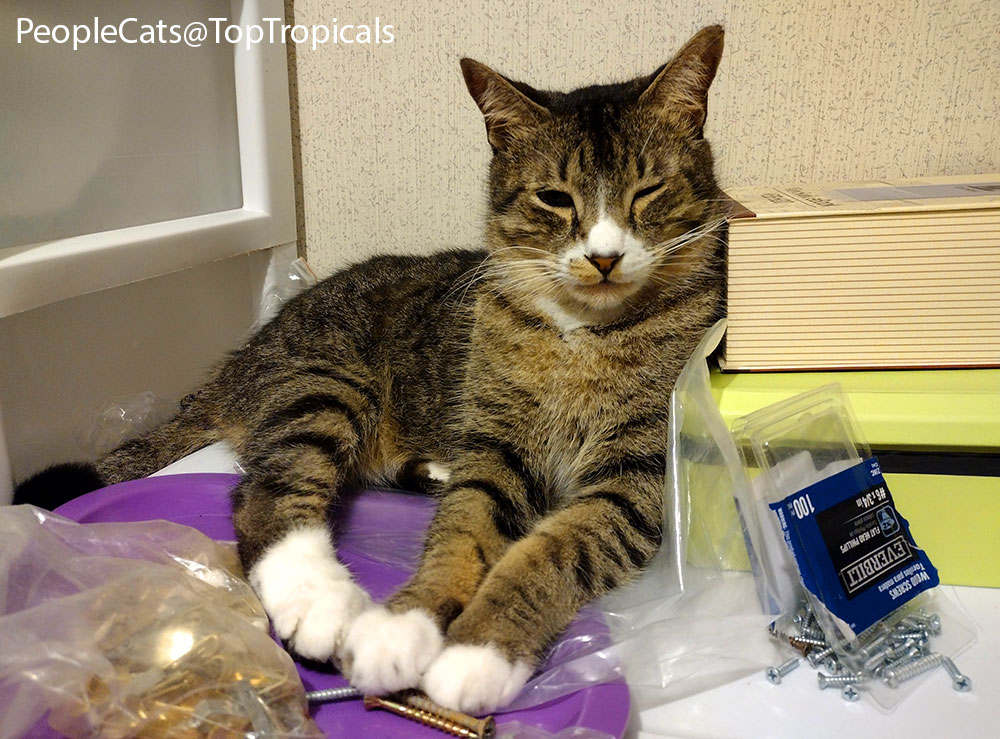
Smokey  and  Sunshine  with  a  blooming  adenium  desert  rose  on  a  worktable,  surrounded  by  potted  adeniums  in  the  background.
Smokey: Desert rose. One caudex. Multiple grafts. Different flowers.
Sunshine: So it is a team plant. Everyone blooms, nobody agrees.
Smokey: Yet it grows just fine.
Sunshine: That is the secret. Coffee and donuts.

Adenium Plant Facts

Botanical name: Adenium sp.
Also known as: Adenium, Desert Rose, Impala Lily
USDA Zone: 9 - 10
Highligths Plant with caudexLarge shrub 5-10 ft tallSmall tree 10-20 ftFull sunWater Requirement: Low. Allow soil to dry out between wateringsWatering: Moderate. Water when top soil feels dryYellow, orange flowersRed, crimson, vinous flowersUnusual colorBlue, lavender, purple flowersWhite, off-white flowersPink flowersToxic or Poisonous
Get personalized tips for your region

🌸Featured Adeniums

Recommended by our Horticulturist, Tatiana Anderson

Moung KusumaMoung  Kusuma  adenium  flower  with  deep  magenta  velvety  petals  and  dark  edging

Deep magenta flowers with a velvety look and a darker, almost black edge. A bold, elegant adenium that stands out immediately.

SunshineAdenium  Sunshine  flower  with  pink  and  white  petals  and  bright  color  contrast

Bright yellow and mauve swirls across layered petals create a warm, cheerful bloom that lives up to its name.

White RabbitAdenium  White  Rabbit  flower  with  white  petals  and  bright  pink  streaks.Clean white petals brushed with playful pink streaks. A reliable bloomer with soft ruffled flowers.
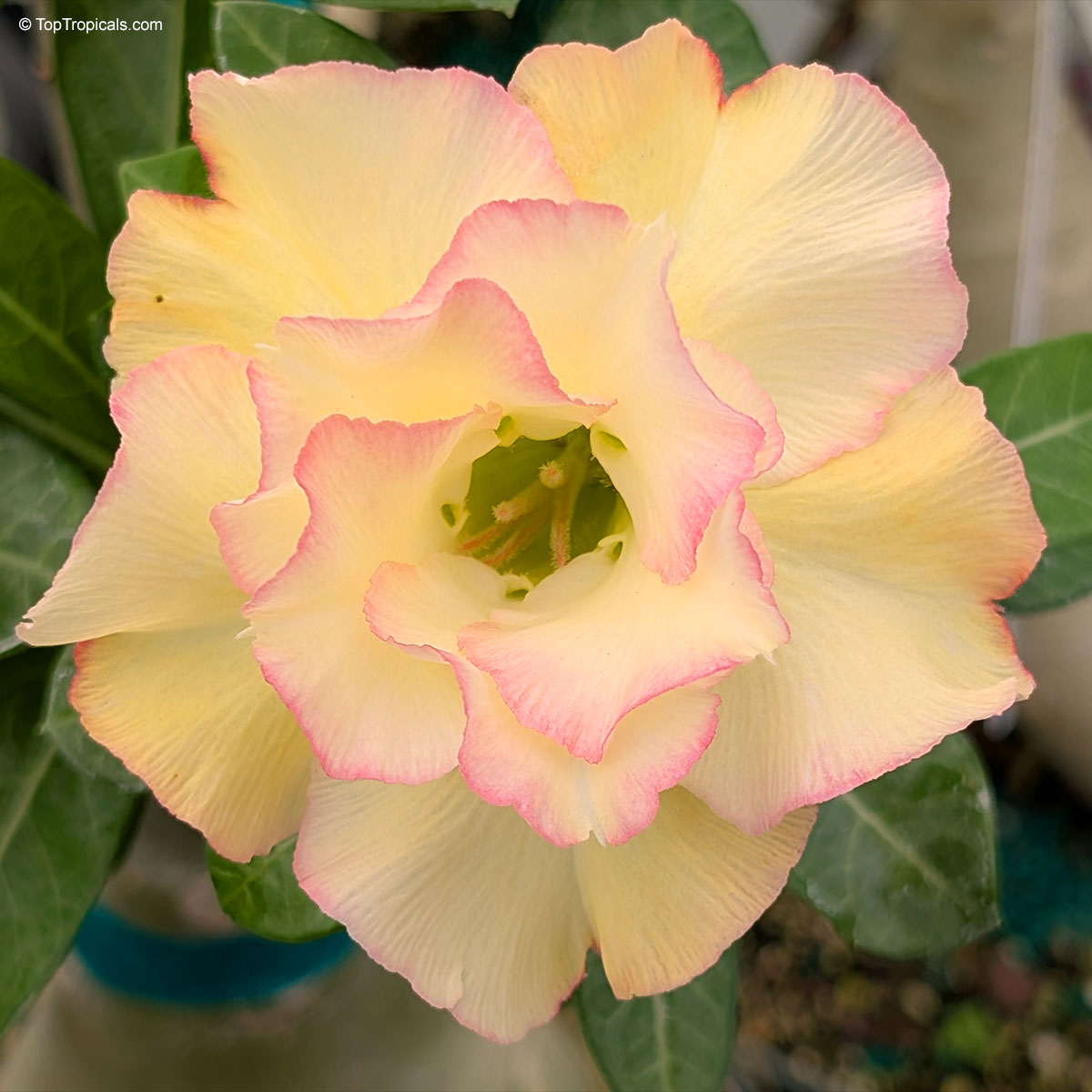
Thong SamseeAdenium  Thong  Samsee  flower  with  creamy  yellow  petals  and  soft  pink  edges

Known for its three-color effect, shifting from yellow to pink to nearly white on the same plant.

CandyAdenium  Candy  flower  with  creamy  white  petals  and  soft  pink  edges
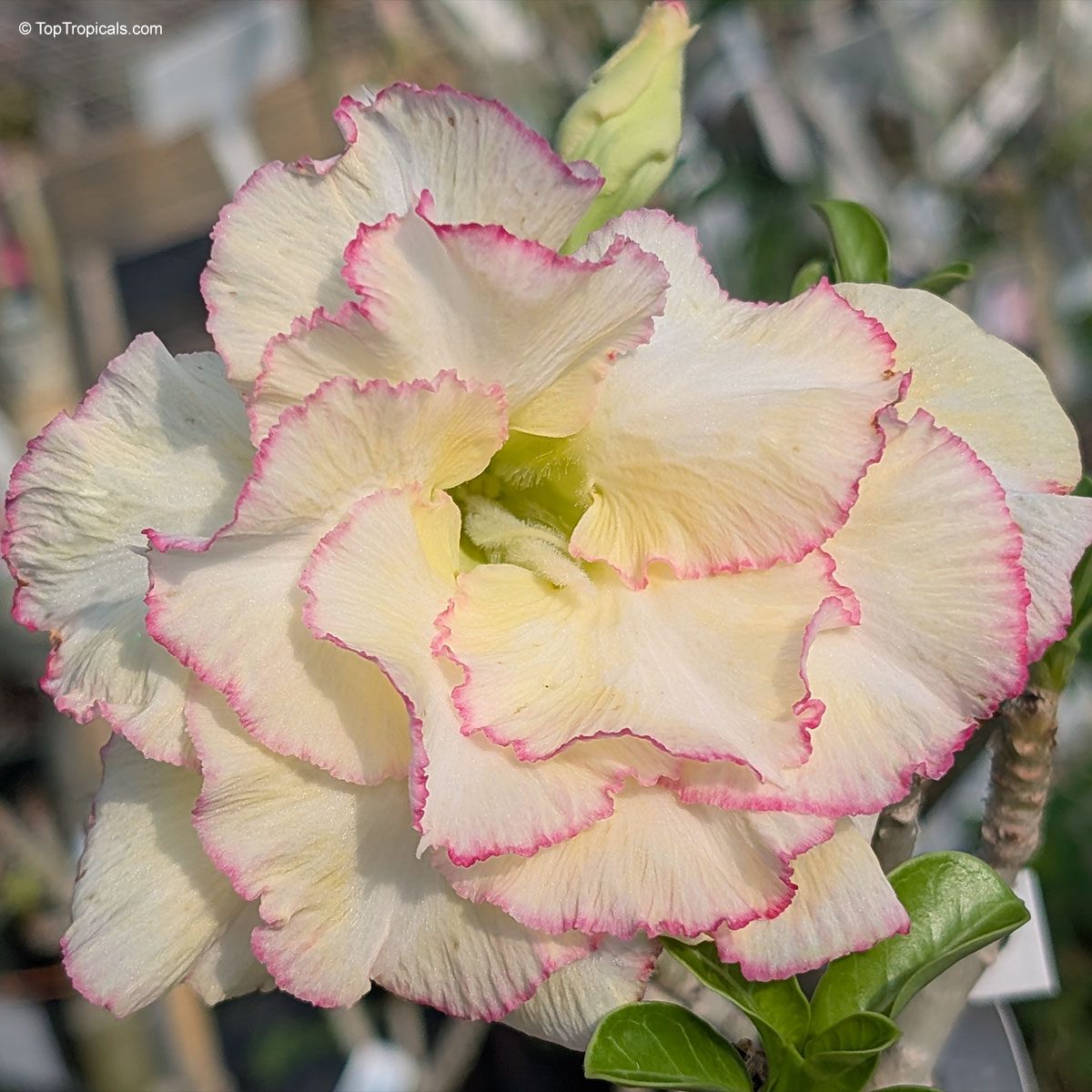
Cheerful yellow petals dipped in cherry red with bold ruffled layers. Bright, playful, and impossible to miss.

Black SheepAdenium  Black  Sheep  flower  with  nearly  black  petals  and  deep  red  highlights
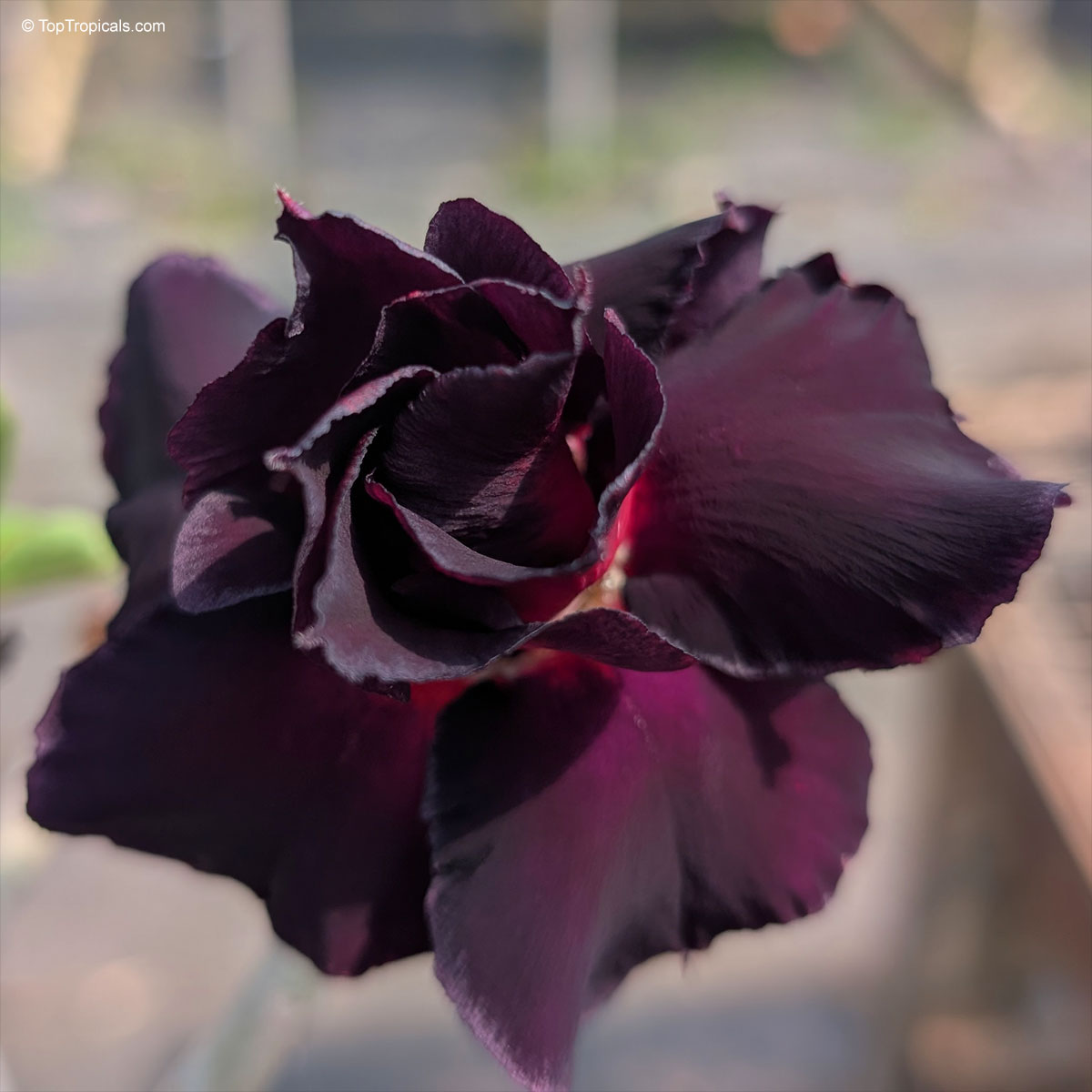
Nearly black petals with a glowing red center. Dark, dramatic, and different.

Free Adenium (Desert Rose) Shipping
Plant now, bloom soon. Get select Adenium (Desert Rose) varieties shipped to you with FREE S&H.
Offer valid through 02/06/2026. Limited quantities. While supplies last.
Free shipping applies to qualifying Adenium items only. Excludes other items and prior orders.
✍️ Learn About Adeniums

🎥 Watch Adenium Videos

🛒 Shop Adeniums

Date: 12 May 2026

The strange tropical plant that eats bugs - and gardeners cant stop collecting

Nepenthes - Pitcher Plant

Nepenthes - Pitcher Plant

Nepenthes - Pitcher Plant close up

Nepenthes - Pitcher Plant close up

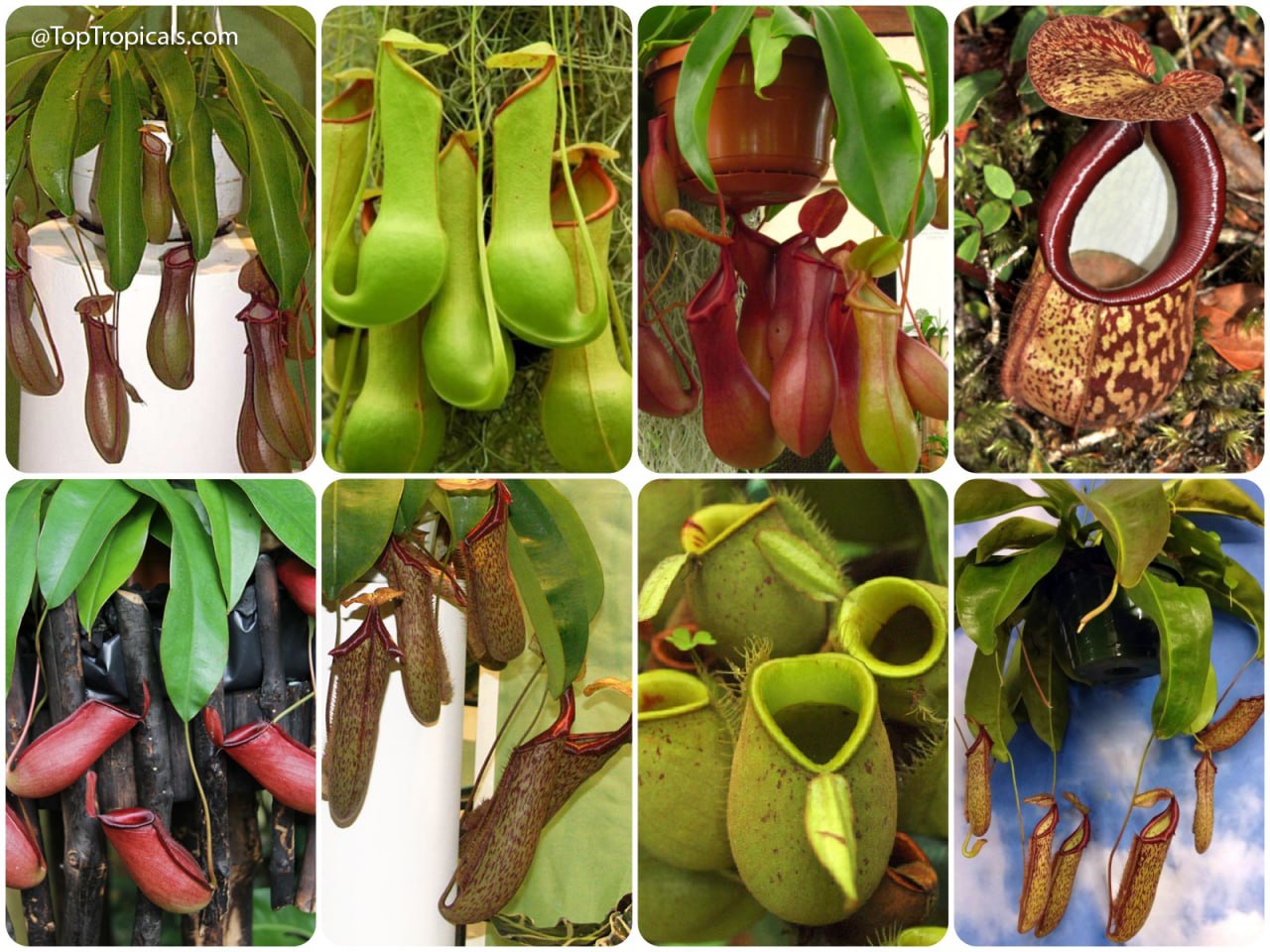
Nepenthes - Pitcher Plants collage

Nepenthes - Pitcher Plants collage

🐸 The strange tropical plant that eats bugs - and gardeners can't stop collecting


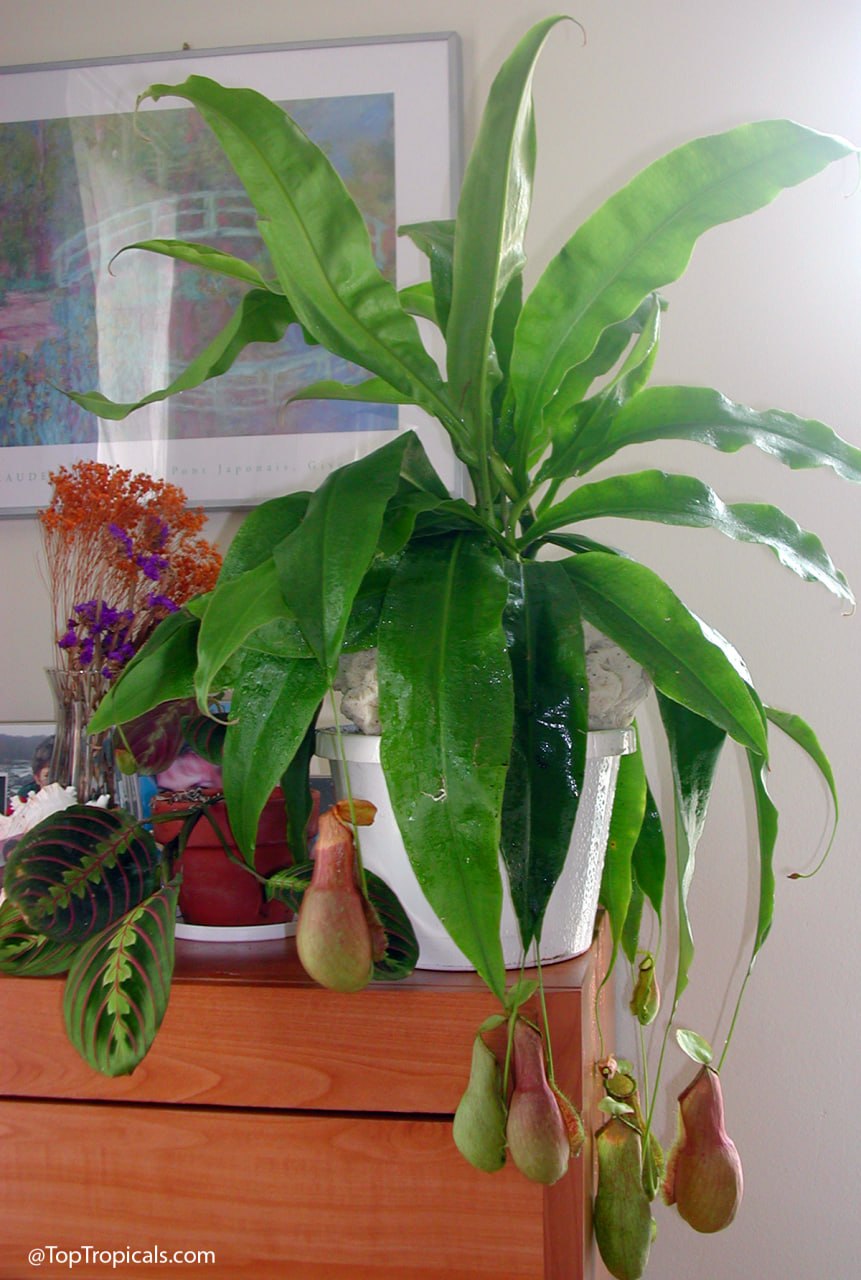
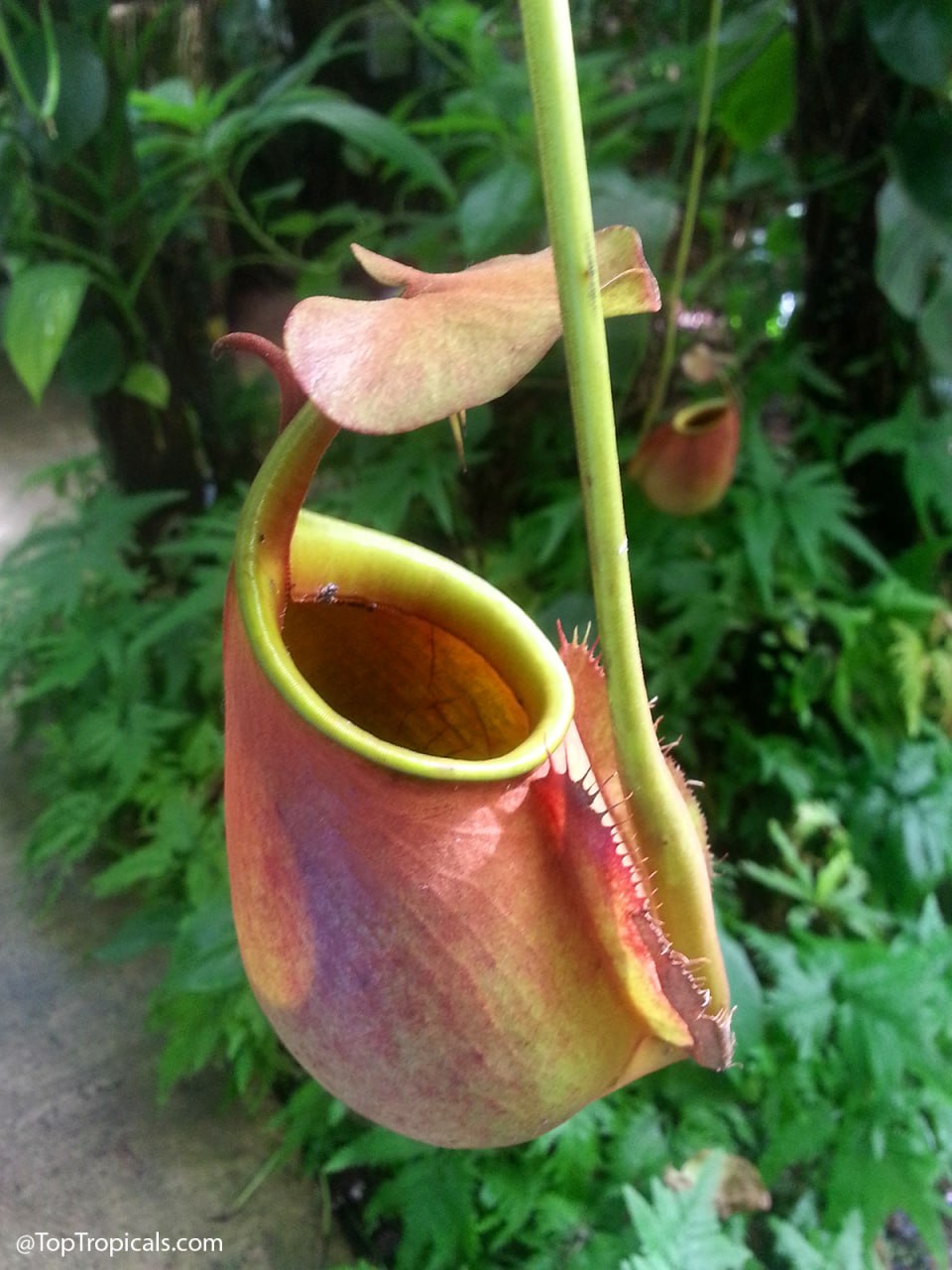
Nepenthes - tropical Pitcher Plants - look almost fake. Long vines and shiny leaves give way to colorful pitchers resembling exotic lanterns or sci-fi creatures. But these aren't flowers; they are sophisticated traps. Among the world's most fascinating carnivores, they lure insects into fluid-filled vessels to digest them for nutrients. Giant species can even trap small frogs or mice! 🐸🐭

🐱 Why pitcher plants look so unreal


Pitchers are modified leaves designed to attract prey with vibrant colors and nectar. Many feature dramatic stripes or flared, sculpted rims. The diversity is immense: compact species fit on windowsills, while jungle giants produce foot-long traps. Some thrive in steamy lowlands, others in misty mountains. Their digestive fluid can even become sticky and elastic, making escape impossible.

🐱 The plant that inspired engineering


These plants have inspired more than just gardeners. Their slippery surfaces led to "liquid-infused" materials used in anti-fogging and water-repelling tech. Engineers study them as nature’s original biological pitfall trap, a masterclass in biomimetic design.

🐱 Why collectors become obsessed with Pitcher plants


What starts as a curiosity often becomes an obsession. With hundreds of species and hybrids, pitchers can resemble cobra heads, wine goblets, or alien pods. Under bright light, they develop stunning hues of burgundy, orange, or candy-stripes. Because of their popularity, ethical hobbyists emphasize buying nursery-propagated plants to protect wild populations from poaching.

🐱 Surprisingly easier than people think


Despite their reputation, many hybrids thrive indoors with basic care. They need bright indirect light, high humidity, and excellent drainage. Crucially, they require mineral-free water (distilled or rainwater) and airy media like sphagnum moss. Regular potting soil or tap water can be fatal to these sensitive plants.

🐱 The pitchers are temporary - and that's normal


It is normal for old pitchers to dry up as the plant grows. Healthy Nepenthes constantly replace traps, often changing shape and color as they mature. This shape-shifting behavior makes them addictive to watch - one month it’s an ordinary vine, the next it’s a living rainforest documentary.

🛒 Ready to go carnivorous? Feed your curiosity - get one for your collection

📚 Learn more:

Winged Nepenthes Plant Facts

Botanical name: Nepenthes alata, Nepenthes graciliflora
Also known as: Winged Nepenthes, Pitcher Plant
USDA Zone: 9 - 10
Highligths Vine or creeper plantSmall plant 2-5 ftSemi-shadeWatering: Regular. Let topsoil dry slightlyEpiphyte plantUnusual color
Get personalized tips for your region

Nepenthes Pitcher plants in Plant Encyclopedia
Nepenthes: Deadly traps of Monkey Cups

#Container_Garden #Nature_Wonders

🟢 Join 👉 TopTropicals

Date: 15 Sep 2024

10 common mistakes to avoid with mail order plants

10 common mistakes to avoid with mail order plants

⚠️ 10 common mistakes to avoid with mail order plants


⁉️ Q: How to get happy and healthy plants from mail order? Will they survive the trip and grow well after transportation? What mistakes should I avoid?

A: At Top Tropicals, we have over 20 years of experience shipping plants. We know how to pack them properly and ensure the safest journey possible. We ship the biggest and healthiest plants, and our customers are often amazed at how great they look after a few days in a dark box. But receiving a healthy plant is only half the adventure. Now that the plant is in your hands, it's up to you to keep it thriving. The first couple of weeks after shipping are critical. With the right care, your new plant can reward you with beautiful flowers and fruit for years to come. Here are 10 common mistakes to avoid when buying plants by mail order.

⏺1. Not unpacking plants immediately
Leaving plants in the box too long can cause stress or damage. Unpack them as soon as they arrive to let them breathe and adjust.

⏺2. Ignoring acclimation
Plants need time to adjust to their new environment. Don't place them in full sun or extreme conditions (heat, wind) right away.

⏺3. Overwatering right after arrival
Many people water their new plants too much. Plants often need time to recover from transit, and too much water can cause root rot.

⏺4. Stepping up too soon
Repotting immediately in a large pot can cause root rot. Plant in a pot just the size of a root ball, step up only after the plant is showing new growth.

⏺5. Ignoring the plant's needs
Research the specific needs of your plant before it arrives. Light, water, and soil requirements vary greatly, and misunderstanding them can lead to issues.

⬇️ Continued in next post 👇

#How_to

🔴 Join 👉 TopTropicals

Date: 18 Aug 2023

Does Size Matter?

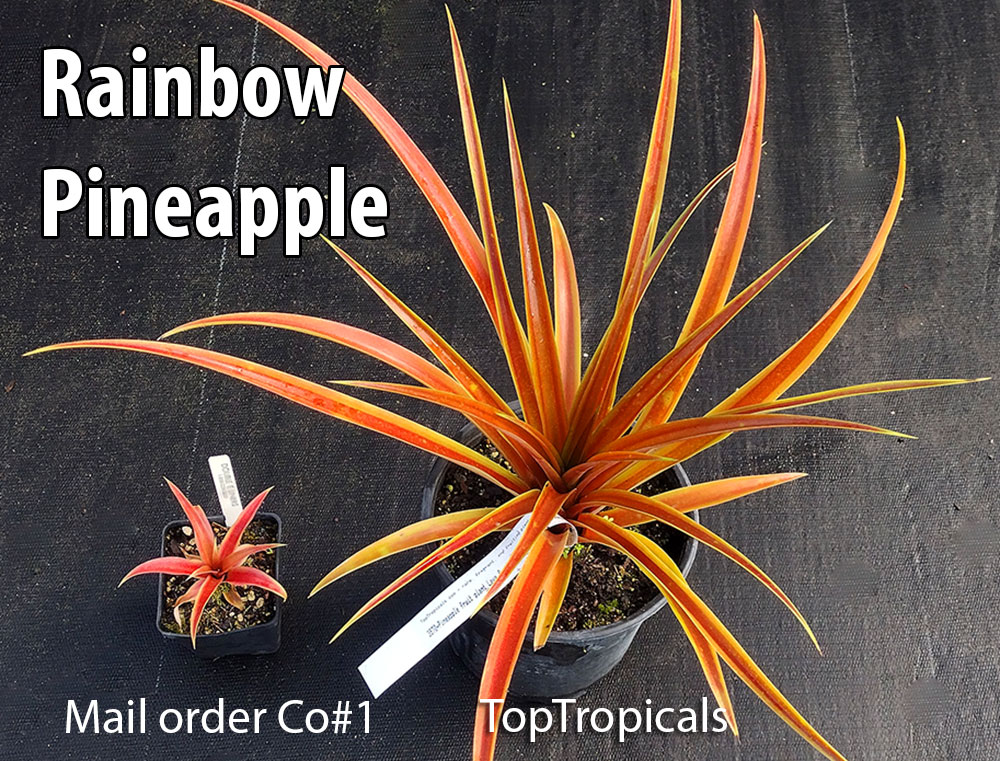
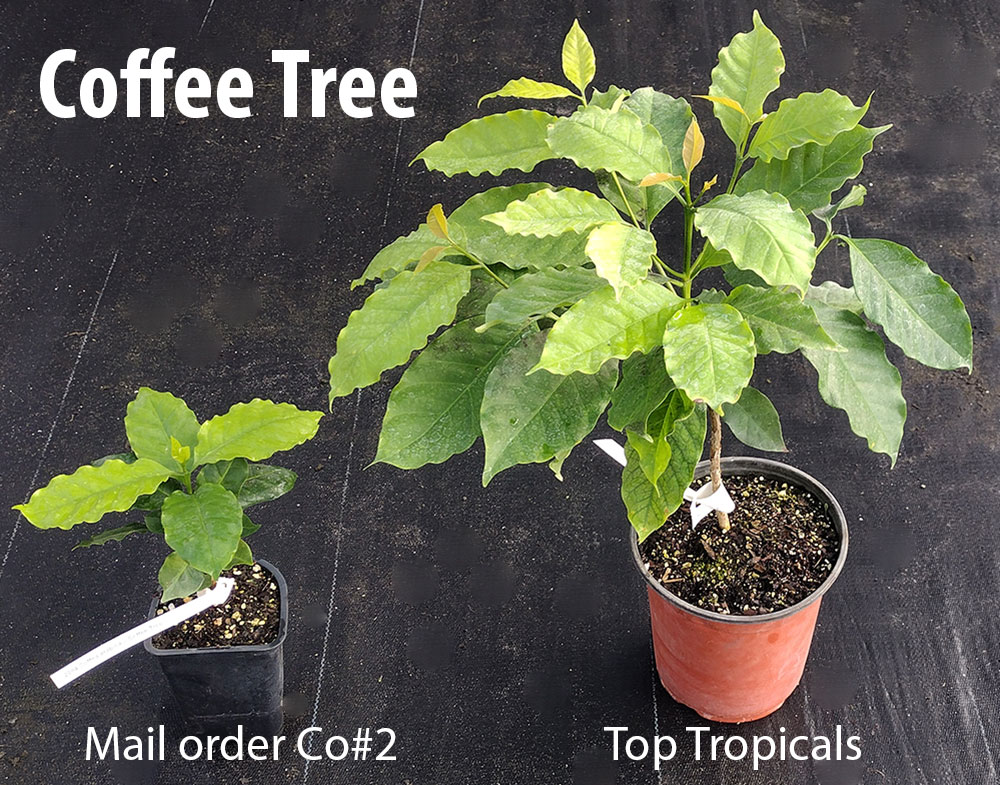
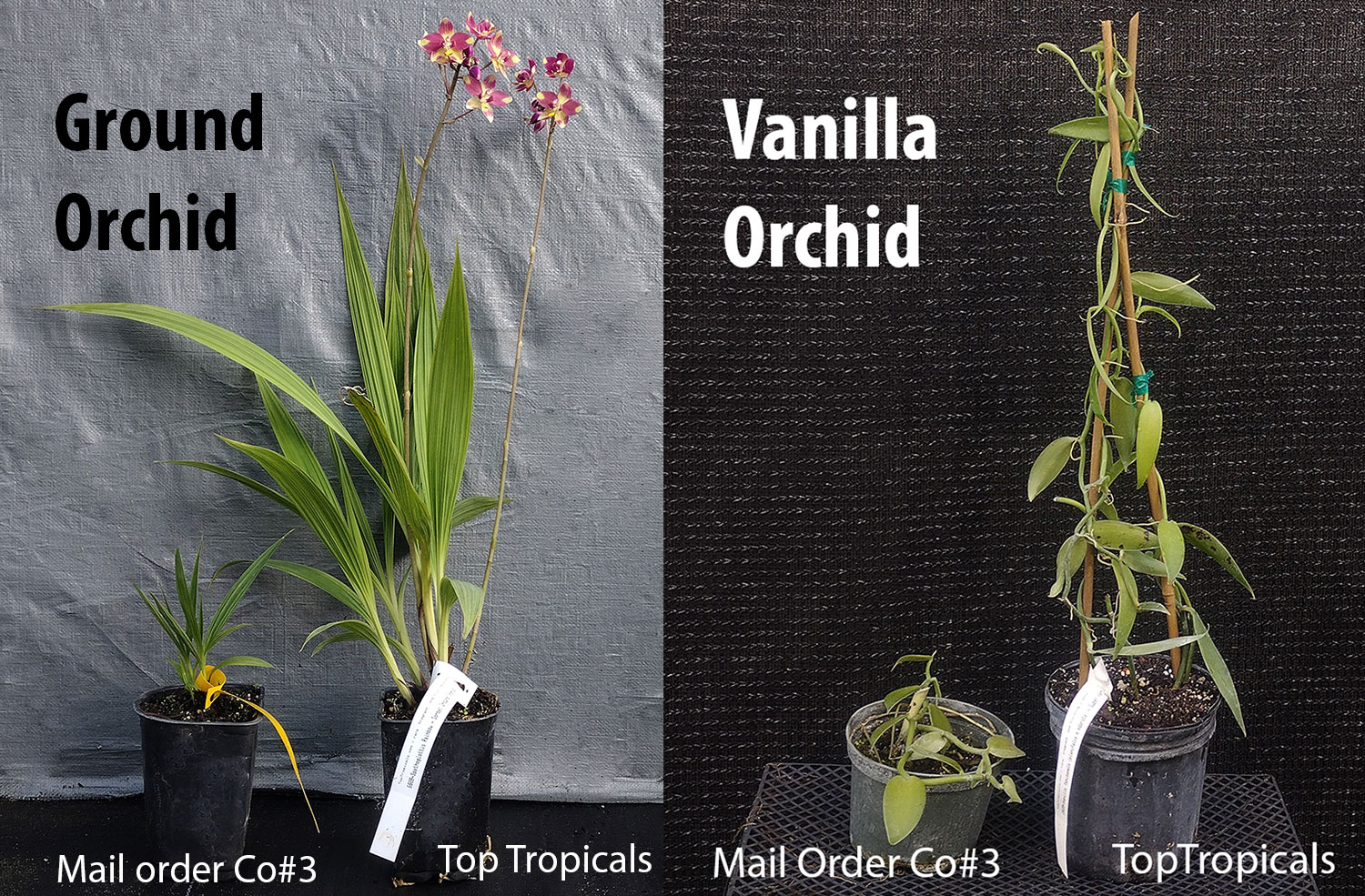
TopTropicals plants vs other mail order plants

Cat  shipping  plants

Q: I purchased various plants via mail order (including a Coffee tree and some flowering vines) from companies *** and ***, but they did not survive, possibly due to their small size and the stress of shipping. Could you provide information about the size of your plants, their resilience to shipping stress and the time required for establishment?

A: Plants, as living beings, may experience stress during a few days of travel in a dark box. However, the critical factor influencing their survival is the plant's size. Most of our plants are grown in pots ranging from 1 to 3 gallons, have established root systems and developed branches. Some even feature flowers and fruit, although these may drop during transit. We've included images comparing our 1 gallon size plants with those from other mail-order firms we previously obtained for our own collection.

Understanding that post-shipping plant establishment is a gradual process is crucial. Yet, most plants handle shipping well and commence new growth within days to a couple of weeks post-arrival. Here are some success pointers:

1) Opt for a container matching the root ball size, avoiding excessive sizing until growth initiates.
2) Begin in a shaded area, progressively transitioning to brighter spots.
3) Apply Sunsine Epi spray to lessen stress and enhance vitality. 4) Initiate fertilization once the plant displays fresh growth.

For more information on how to establish mail order plants, simply download our Plant Care Guide.

Side-to-side  pineapple  plant  from  Top  Tropicals

Side-to-side  coffee  tree  from  Top  Tropicals

Side-to-side  orchids  from  Top  Tropicals

Date: 19 Jan 2023

Plants and Cats... do they mix well?

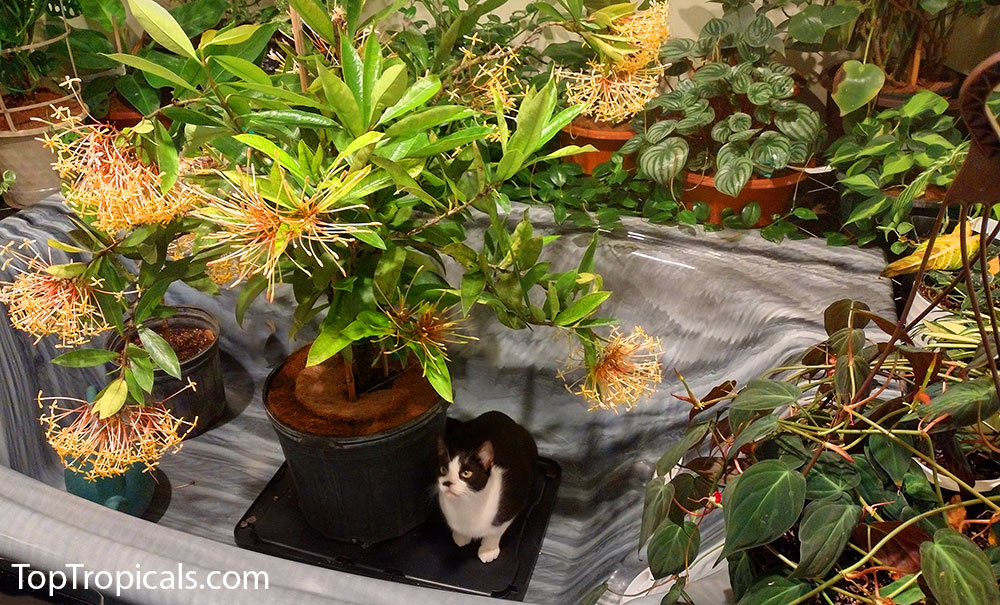
Cat  with  houseplant  collection  in  a  tub

How to keep cats and plants together without going crazy

Growing indoor plants is a great hobby because it provides a sense of accomplishment and allows you to have a piece of nature inside your home. Many people know that indoor plants improve air quality and have a calming and stress-relieving effect...
Having cats in the house is also fun: they provide companionship and can be very affectionate. Just like plants, they also have a calming effect on people and can be very entertaining to watch. Taking care of a cat can provide a sense of responsibility and can be very rewarding...
When it comes to keeping both of these rewarding hobbies in the same house, the question is: are they compatible? Cats may be attracted to houseplants because they like to chew on leaves or dig in the soil... others pull the vines or even swing in hanging baskets!

To keep cats and houseplants in the same house follow these tips:
1. Grow a potted "cat grass" so a cat has some greens to chew
2. Provide alternatives such as chew toys
3. Train your cat... yes, sometimes it takes a spray bottle to teach staying away from a plant!
4. Create barriers/screens
5. Consider keeping plants in hanging baskets out of reach.
This will help keep your cats and plants happy and healthy together! As a purrfect start - order rare indoor plants online...

Cat  James  Coconuts  working  with 
 screws

In the photo: James Coconuts is planning his handyman project