Garden Blog - Top Tropicals

Date: 10 Oct 2020

Healthy Plants: Q&A from Mr Booster

How to keep bugs away naturally?
Q: I started moving my tropical plant collection indoors as it's getting colder... And all of a sudden, I noticed bugs on leaves! I know for sure all my plants were bug-free when I kept the pots outside in my lanai. What happened? And how can I keep them clean and healthy without using any harsh chemicals? I have many edibles and herbs that I use in my cooking and prefer to stay away from insecticides. Any suggestions?

A: It is very common when healthy looking plants, once moved indoors for the winter, get insect infestations. The main reason is change of environment that puts a plant into stress and makes it susceptible to parasites and diseases. Just think about what a plant is missing, a whole combination of necessary conditions that provided a good life:
- Bring light -> light level reduced, so beneficial UV spectrum is gone
- Air circulation -> less wind = more bugs thriving
- Warm temperature -> from upper 80's in summer to 70's in your AC room
- Air humidity -> although humid air is believed to be causing some issues (for example fungus), however, reducing humidity overall puts a plant into stress and makes it more vulnerable.

Many gardener prefer to avoid chemicals, especially when it comes to treating edible plants and indoor collections. The solution to your problems is - Organic Solution!

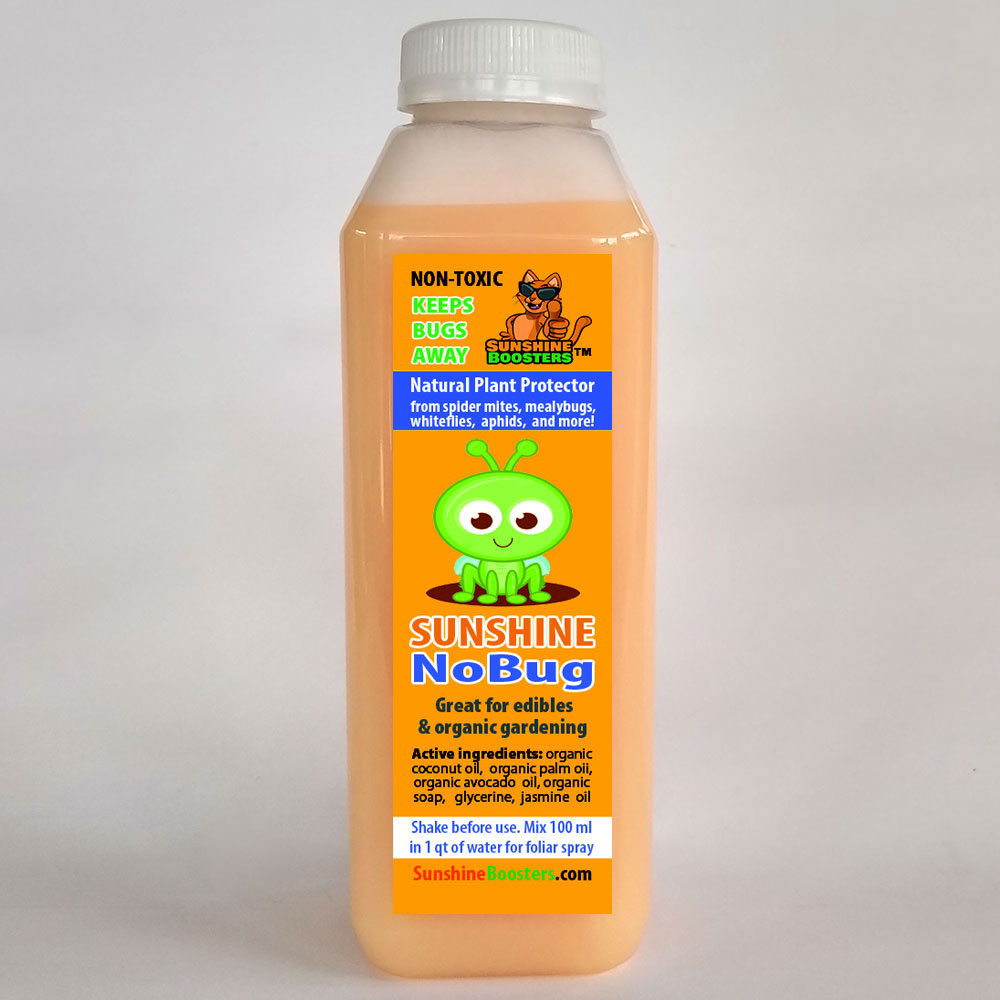
SUNSHINE NoBug - Natural Plant Protector.
Shampoo for Plants - for both indoors and garden

SUNSHINE NoBug - is a natural solution to keep your plants healthy and bug-free without harsh chemicals. It is great for organic gardening and edibles, eco-safe and non-toxic for humans and pets. It kills, repels and prevents: spider-mites, mealybugs, whiteflies, aphids and many more. No wait time required - spray and play! And it smells like jasmine, forget stinky insecticides!
How does it work? Just look at these ingredients: Kosher Glycerine, Organic Coconut Oil, Organic Palm Oil, Oat Protein, Organic Soap, Horticultural Oil, Jasmine Oil, Water. Yum! But bugs hate it - they suffocate in it! This is why your plants will have NO BUGS with NoBug, that's it!

Directions are simple:

- Mix 100 ml (3-4 oz) with 1 qt (32 oz) of water, or 500 ml (16 oz) in 1 gal of water - for larger applications
- Spray foliage to drip point, including underneath leaves.
- Repeat the treatment in 7 days.
- As a preventive care, spray leaves once a month to keep insects away.
- You may use a paper towel saturated with this solution to wipe the leaves and remove residue from insects.
- Store at room temperature.

This poor Pepper plant was tossed into garbage can by a neighbor... it looked hopeless, infested with mealybugs. We saved it with NoBug ! In 2 days it perked up, and after 4 weeks its healthy and fruiting!
Date: 10 Sep 2025

The secret to abundant dragon fruit harvests

The secret to abundant dragon fruit harvests

✍️ The secret to abundant dragon fruit harvests


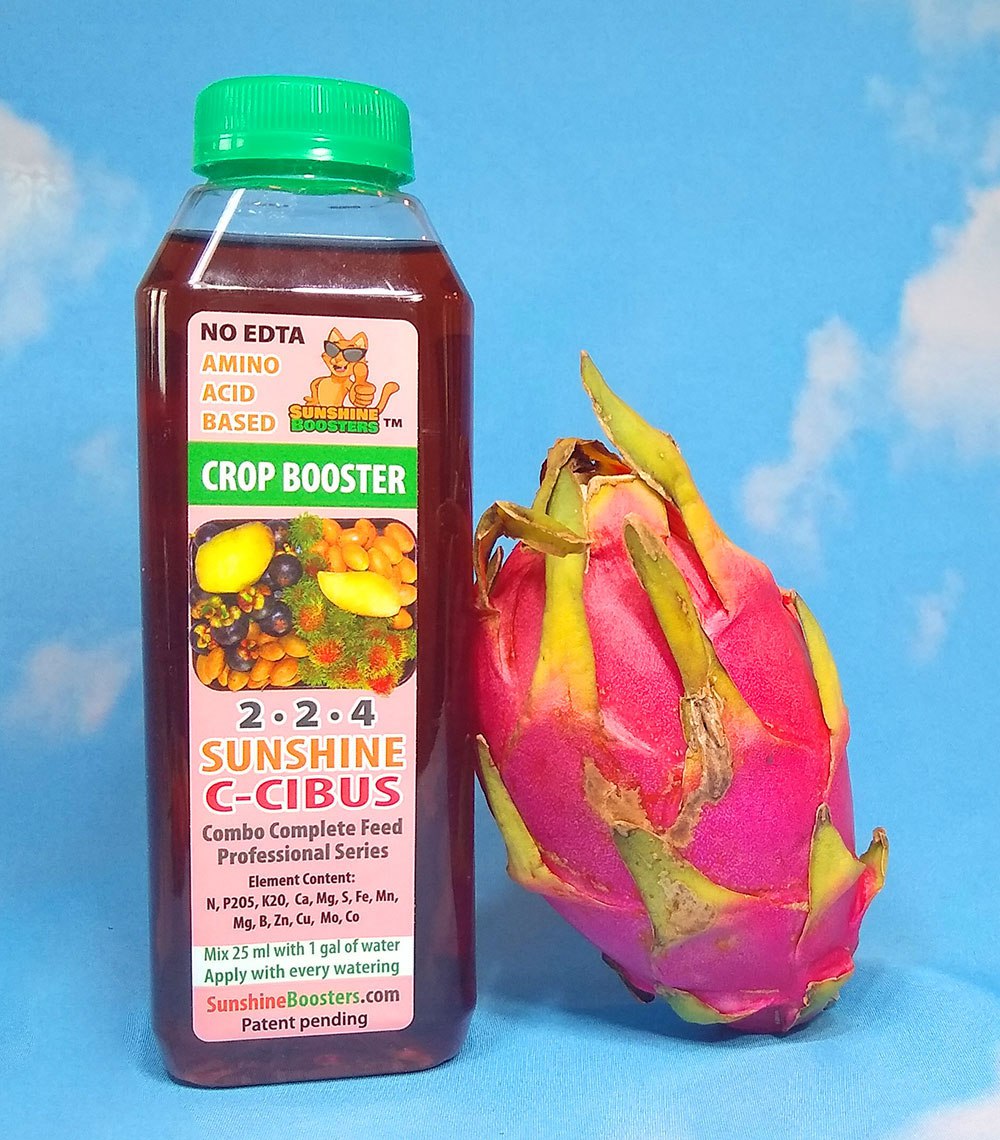
🔴 Dragon fruit (Pitaya) thrives when it's fed regularly. For the best results, use Sunshine C-Cibus, a complete liquid fertilizer made for fruit trees. It is gentle enough to apply with every watering, all year long, and it gives your plants the steady nutrition they need to set more flowers and produce bigger harvests.

🛒 Order Sunshine C-Cibus liquid plant booster

#Food_Forest #How_to #Dragon_Fruit #Fertilizers

🟢 Join 👉 TopTropicals

Date: 20 May 2020

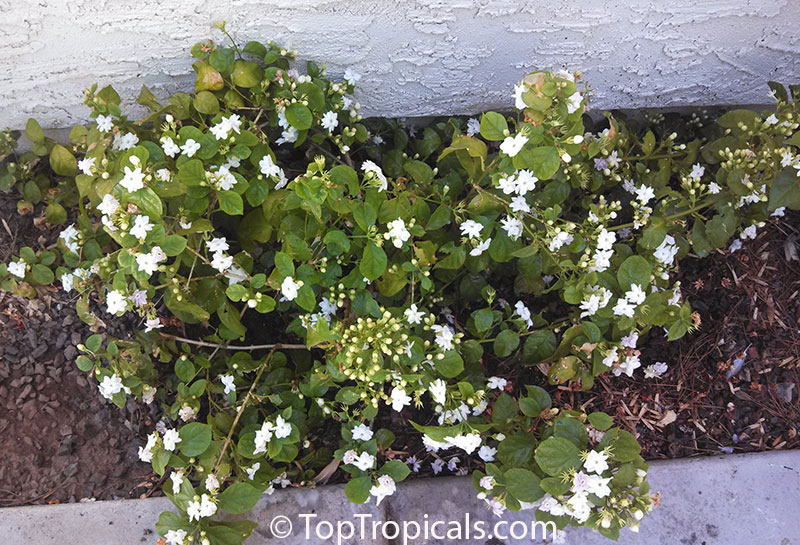
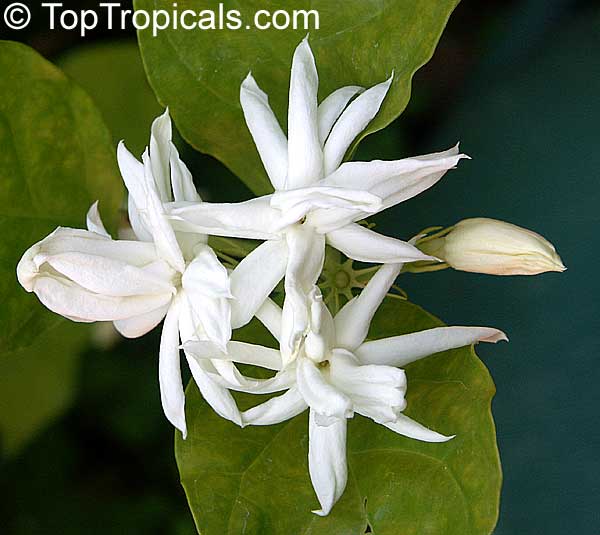
How to prevent Jasmine flower drop

Q: My jasmine buds turn purple to brown and drop before it blooms. What should I do to get the jasmines to bloom fully. Appreciate your help & suggestions.

A: At this time of the year in Florida, jasmines may drop flowers because of the sudden hot weather. The plants didn't have a chance yet to change their metabolism to summer type. The high temperatures promoted early bloom, but the plant is not strong enough to support the flowers. It needs extra food. To improve flower quality and reduce bud drop, we recommend these supplements:
SUNSHINE Pikake - Fragrant Plant Booster
Sunshine Honey
and Sunshine Superfood

Date: 19 Dec 2016

Update on SUNSHINE in a Bottle

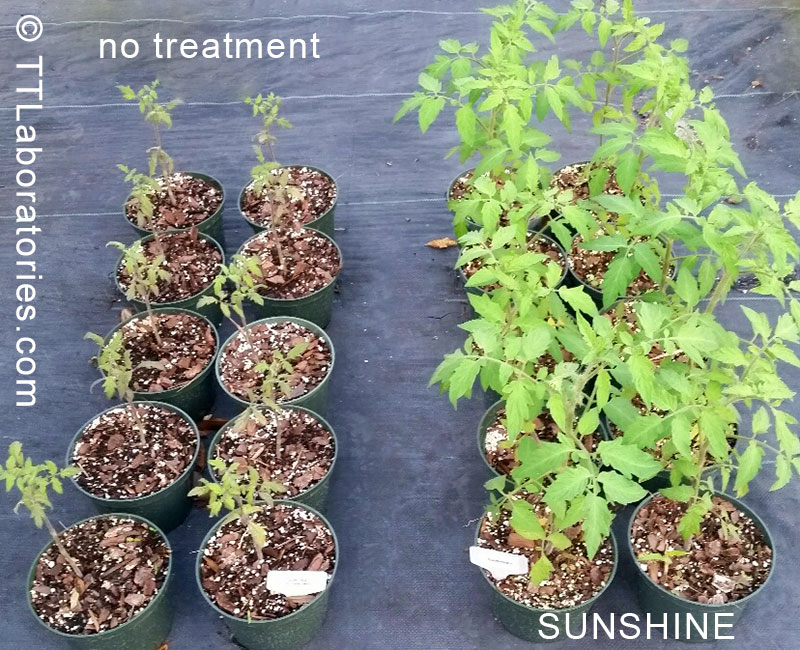
Photos of our experiments. These tomato seedlings potted 4 weeks ago, and batch on the right treated with standard recommended dose of SUNSHINEâ„¢ twice (within one week period). They are setting buds and flowers, while untreated plants (batch on the left) have much slower growth rate and are still far from flowering.
See TTLaboratories website and order SUNSHINE boosters.

Date: 24 Oct 2016

Overwintering Adeniums outside of tropics

Q: We bought several adenium plants from you. We are moving to the Denver area of Colorado. How can we make sure the plants survive? Should we use a green house?

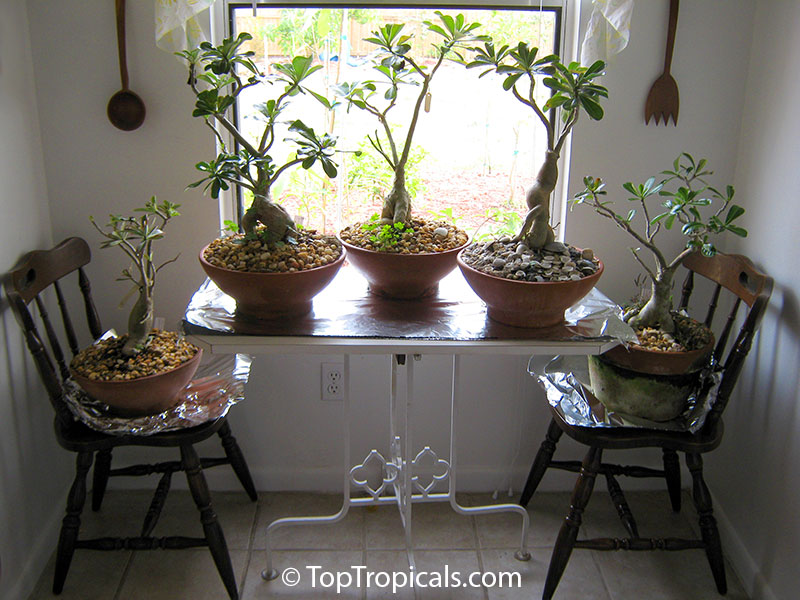
A: Adeniums are perfect container plants, and house plants. They can be easily grown outside of tropical climate. During winter, Adeniums drop leaves and go into dormancy which makes it easy to keep these plants in a dormant stage in a warm location of your house, or possibly even in well-lit spot of garage (with a window), with temperatures above 50-60F.
Here in South Florida, during time of cold, when chances of freeze are high, we move our own Adenium collection into lanai, with plastic sheet protection around lanai.

In colder climates, Adeniums can be kept indoors as house plants during winter. There are some requirements/tips for you:

  • Temperature. Move Adeniums indoors when temperature starts dropping below 45F.
  • SUNSHINE. Use SUNSHINE boosters to improve cold resistance of Adeniums, and essure healthy plant throughout winter. SUNSHINE-BC formula is specifically designed for plants with caudex, and bonsai.
  • Water. Reduce watering to minimum, especially when plants drop leaves - this means they went into dormancy. Once a week light watering is enough. Water very carefully during cooler months. When it is hot (85-100F), excessive water usually won't harm adeniums: it will be partially used by a plant, and partially will evaporate. Especially be careful with water when temperatures drop below 65F - then tropical plants simply stop growing process and go dormant. Once adeniums start losing leaves, this is a sign to reduce watering to once a week to once a month, and in very small quantity (couple tablespoons per pot).
  • Light. Bright light is not necessary, but do not keep them in dark either, even if all leaves dropped. Good light is necessary to maintain healthy stems and caudex. Keep in mind, the less light, the less watering too. Ideal spot is a windowsill, however if your space is limited and all windows occupied by other "leafy" plants, location close to window will be enough as long as watering is reduced, to avoid rot. We keep our big collection specimens on a roofed porch during winter, where level of light is very low. Last winter we haven't lost a single plant due to low light. They take shade pretty well considering minimum or no water. However bright light is always better - it creates healthier environment for a plant. We all know about space limitations for our large collections, especially in winter. So if you can afford a bright spot for adenium during winter - the plant will be lucky!
  • Soil. Use only well drained mix with much higher content of perlite than you would use for most tropical plants. For adeniums, we use mix with 30-40% of perlite in it, while regular mix has 10-15%. Adeniums like alkaline soil, unlike most of tropical plants (hard to say what else likes alkaline... Ficus for sure!). This means, regular mix with high content of peat moss may cause root rot. To increase alkalinity, you may add dolomite. Here in Florida where we have natural supply of shell rock handy, it is easy to add some shell to a potting mix (shell sand, rather than quartz sand). We always add a few large shells on top of a pots with a big specimen. Besides increasing soil pH (making it more alkaline), shells look very decorative.
  • Fertilizer. No fertilizer until Spring when plants start showing new growth and new leaves.
  • Move your Adeniums outside in Spring, when chances of freeze are zero. More sunlight and air circulation is beneficial for breaking the dormancy and providing plants with a quick growth start.